

Kerala Tour Packages From Guwahati
Guwahati is where India's great eastern wilderness begins. Perched on the banks of the Brahmaputra — one of the world's mightiest rivers — this is the city that serves as the gateway to the Seven Sisters of Northeast India, a region of extraordinary biodiversity, ancient tribal culture, and natural grandeur that the rest of India is only beginning to discover. Guwahati itself carries all of that energy — the sacred Kamakhya Temple on its hilltop, the wide Brahmaputra turning gold in the evening light, Assam's tea gardens stretching across the hills to every horizon, and the one-horned rhino grazing in Kaziranga just a few hours away. For a city that lives this close to nature's grandest expressions, a holiday destination must match that scale of magnificence.
Viacation's Kerala Tour Packages from Guwahati are designed for exactly this kind of traveller — someone who already knows what genuine natural beauty looks like and wants to discover it in a completely different form. Our Kerala Tour Packages from Guwahati take the Northeast's most adventurous, nature-loving, and culturally curious travellers from the banks of the Brahmaputra to the backwaters of Vembanad, from Assam's flat tea-garden horizon to Munnar's towering tea-estate highlands, from the one-horned rhino's grassland domain to the wild elephant's Western Ghats forest. Two great Indian wildernesses, separated by the length of the country — and connected by Viacation's perfectly crafted Kerala journey.
About the Destination
Guwahati and Kerala share something that most pairs of Indian cities do not — a deep, instinctive relationship with water and forest that shapes the entire character of both places. Guwahati's Brahmaputra is India's mightiest river, a presence so enormous it functions less as a waterway and more as a living horizon. Kerala's backwater network is something entirely different — an intricate, intimate 900-kilometre web of canals, lakes, and lagoons that carries life in every direction through a landscape so green and so dense it seems to grow before your eyes. Both states are part of the same UNESCO-recognised biodiversity network — the Northeast's Brahmaputra Valley and the Western Ghats are two of Asia's most important living ecosystems. Both have tea cultures of global significance — Assam tea and Munnar tea are rivals in the cup but siblings in their shared story of colonial plantation and extraordinary highland terroir. And both have ancient temple traditions of deep spiritual power — the Kamakhya Temple's tantric energy and Kerala's magnificent Padmanabhaswamy and Guruvayur temples occupy different theological universes but share the same quality of genuine, unbroken sacred intensity. For Guwahati travellers, Kerala is not a foreign country. It is India's other great wilderness, calling from the opposite end of the map. Book Kerela Tour Packages
"We had seen Kaziranga, Manas, and Majuli from Guwahati — but Kerala was the South India trip we kept postponing. Finally booked with Viacation and it was the best decision we made. The Periyar wildlife safari reminded us of Kaziranga in some ways but was completely different in its forest character. The Alleppey backwaters were unlike anything in the Northeast — so intimate, so green, so quiet. And Munnar's tea gardens made us look at Assam tea with completely new eyes. Viacation planned everything perfectly. We are already planning to come back for Wayanad." — Dipankar & Priya Bora
Why Choose Viacation Over Other Travel Websites
- Northeast India Travel Culture Understood: Viacation understands the travel values of Guwahati's Assamese community — the love of genuine natural experiences, the appreciation for biodiversity and wildlife, the expectation of quality that matches the extraordinary natural environments of the Northeast, and the desire for a travel partner who has actually been to Kerala rather than just selling it from a brochure.
- Nature & Wildlife Packages Built for Northeast Travellers: Because Guwahati's community already has one of India's strongest wildlife and nature travel traditions — Kaziranga, Manas, Nameri, Dibru-Saikhowa — Viacation builds Kerala nature packages that match and extend that experience rather than simply offering generic sightseeing circuits. Every nature-focused Kerala package from Guwahati includes Periyar Tiger Reserve, Wayanad Wildlife Sanctuary, and Eravikulam National Park as core inclusions.
- Direct Train Connection from Guwahati to Kerala: The Guwahati–Thiruvananthapuram Express (Train No. 16723) is a direct weekly train connecting Guwahati Junction to Thiruvananthapuram Central — one of India's longest and most scenic train journeys. Viacation offers train-inclusive Kerala packages from Guwahati that use this iconic direct connection for travellers who want to experience the full breadth of the Indian subcontinent's landscape in a single continuous journey.
- Tea Culture Connection — Assam to Munnar: Guwahati's travellers understand tea as a cultural and agricultural phenomenon rather than just a beverage. Viacation includes curated Munnar tea estate experiences — guided plantation walks, factory visits, and tea-tasting sessions — in every Kerala package from Guwahati, creating a cultural thread that connects Assam's Brahmaputra valley tea heritage to Kerala's Western Ghats tea story.
- Multi-Destination Northeast + Kerala Packages: For Guwahati travellers wanting to combine a Kerala holiday with a broader South India journey, Viacation offers Kerala-plus packages that extend into Tamil Nadu, Karnataka, or even the Lakshadweep islands — making the long journey from the Northeast a more comprehensive investment.
- Zero Hidden Charges, Always: Every Viacation quote is fully itemised — flights, accommodation, meals, guides, transfers, and activities — all accounted for transparently before you confirm. No surprises at any stage of your journey.
What is the Best Time to Visit Kerala?
Guwahati's climate is shaped by the Brahmaputra valley's powerful monsoon — one of India's heaviest — and a pleasant cool season. Kerala's climate follows a different monsoon rhythm and creates distinctly different seasonal experiences that are worth understanding before you plan.
- October to February — Peak Season & The Finest Window: Post-monsoon Kerala is at its most beautiful and most complete during this period. Clear Arabian Sea skies, coastal temperatures between 22°C and 30°C, and every experience — backwater houseboat cruises, beach holidays, wildlife safaris, and cultural sightseeing — firing at peak quality. For Guwahati families and couples making their first Kerala trip, October to February is the unambiguous choice. The cool, clear weather after Kerala's monsoon produces some of the most vivid green landscapes and clearest coastal views of the entire year. Book houseboats and premium resorts at least 6 to 8 weeks in advance for this season.
- March to May — Offseason Deals & Highland Escapes: As Guwahati heats into its pre-monsoon period, Kerala's highland destinations — Munnar, Wayanad, Vagamon — remain cool and refreshing. Hotel rates drop sharply and popular destinations are far less crowded. For Guwahati's outdoor and wildlife community, Kerala's dry-season wildlife safaris at Periyar and Wayanad are actually more productive than peak-season — animals gather at predictable water sources, making sightings more reliable and more spectacular.
- June to September — Two Monsoons, One Deep Understanding: Guwahati's travellers understand monsoon better than most — the Northeast's June to September season is one of India's most intense. Kerala's southwest monsoon, arriving simultaneously from the other coast, is equally powerful and equally transformative. For Guwahati's nature lovers — people who actually enjoy a good monsoon rather than fleeing it — a Kerala monsoon trip is one of India's most extraordinary weather experiences. Waterfalls at full volume, forests at peak green, rivers brimming, and the entire state smelling of wet earth, cardamom, and rain. Ayurvedic healing centres fill during this season with their most therapeutically potent programme calendar.
- Quick Verdict: First-time visitors go in winter for the full Kerala postcard. Wildlife lovers and budget travellers head in summer. And those who truly love the rain — as most Guwahati people do — will find Kerala's monsoon an extraordinary kindred experience.
How to Reach Kerala from Guwahati
By Air (Fastest & Most Recommended)
Lokpriya Gopinath Bordoloi International Airport (GAU) in Guwahati connects to Cochin International Airport (COK) and Calicut International Airport (CCJ) via one-stop connections through Kolkata (CCU) or Bangalore (BLR), operated by IndiGo, Air India Express, and SpiceJet. Total travel time from Guwahati to Kochi including connection is approximately 5.5 to 7.5 hours. Flying is the most practical option for most Guwahati travellers given the long overland distance, and Viacation monitors all available flight combinations to secure the most competitive prices for your travel dates.
By Train (Direct, Epic & Scenic)
Guwahati Junction (GHY) has a direct weekly train connection to Thiruvananthapuram Central via the Guwahati–Thiruvananthapuram Express (Train No. 16723), departing Guwahati on select days and completing one of India's longest rail journeys in approximately 58 to 60 hours. The Vivek Express — the world's longest train route by distance — also passes through Guwahati and connects to Thiruvananthapuram. For Guwahati travellers who want to experience the full geographic sweep of India in a single journey — from the Brahmaputra plains through Bengal, Odisha, Andhra Pradesh, and into Kerala — this train journey is itself one of the great travel experiences of the Indian subcontinent. Comfortable AC berths make the long journey manageable and rewarding.
By Road (For the Epic Road Tripper)
The road distance from Guwahati to Kochi is approximately 3,397 km via Kolkata, Bhubaneswar, Visakhapatnam, and Bangalore — a multi-day journey of approximately 44 to 50 hours by car. Best approached as a 4 to 5-day road trip with overnight stops in Kolkata, Bhubaneswar, and Bangalore — each city worth a day's exploration in itself. The final approach from Bangalore through Mysore and the Western Ghats into Kerala is particularly spectacular. Recommended only for dedicated road-trip enthusiasts with generous time and an adventurous spirit.
Places to Visit in Kerala
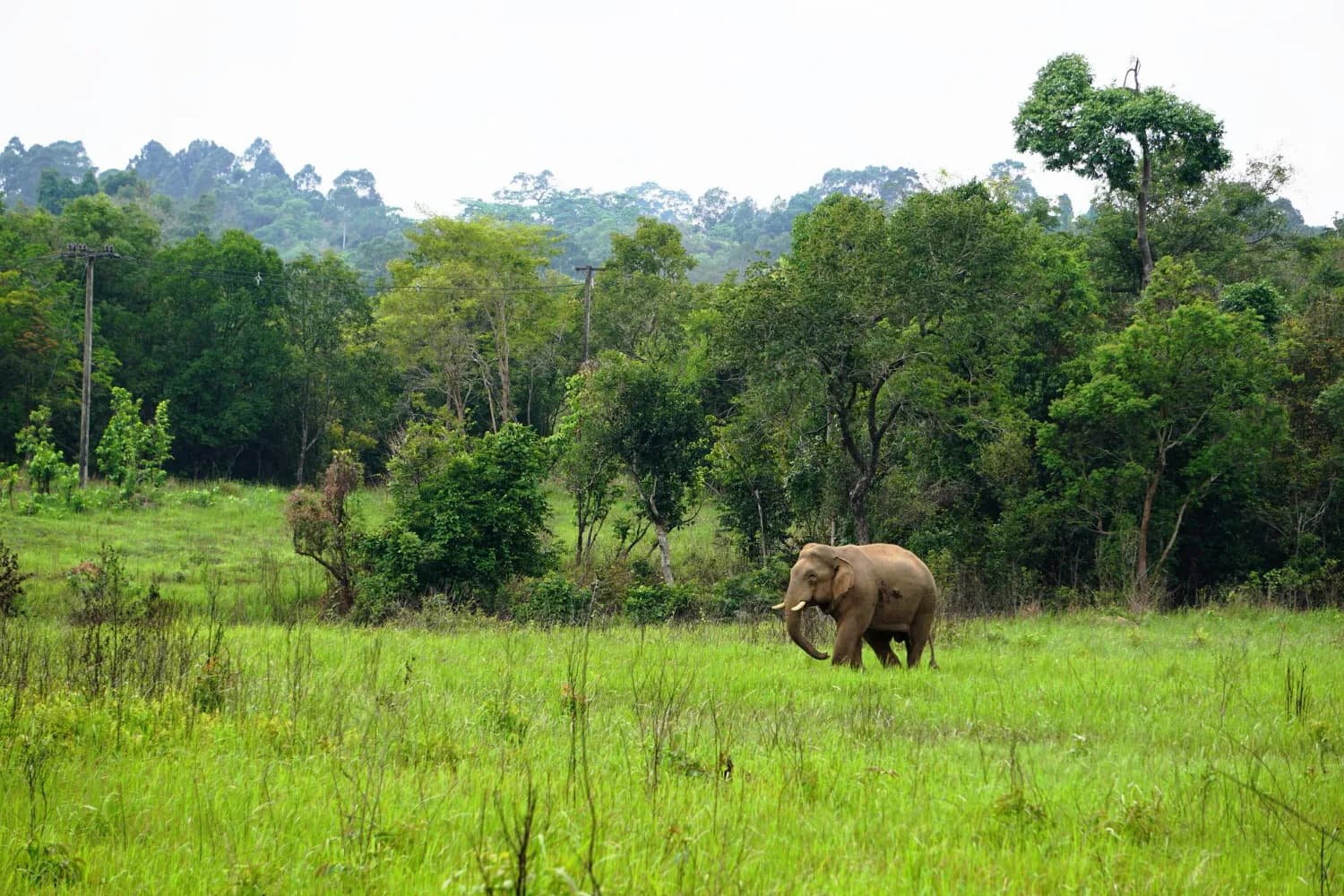
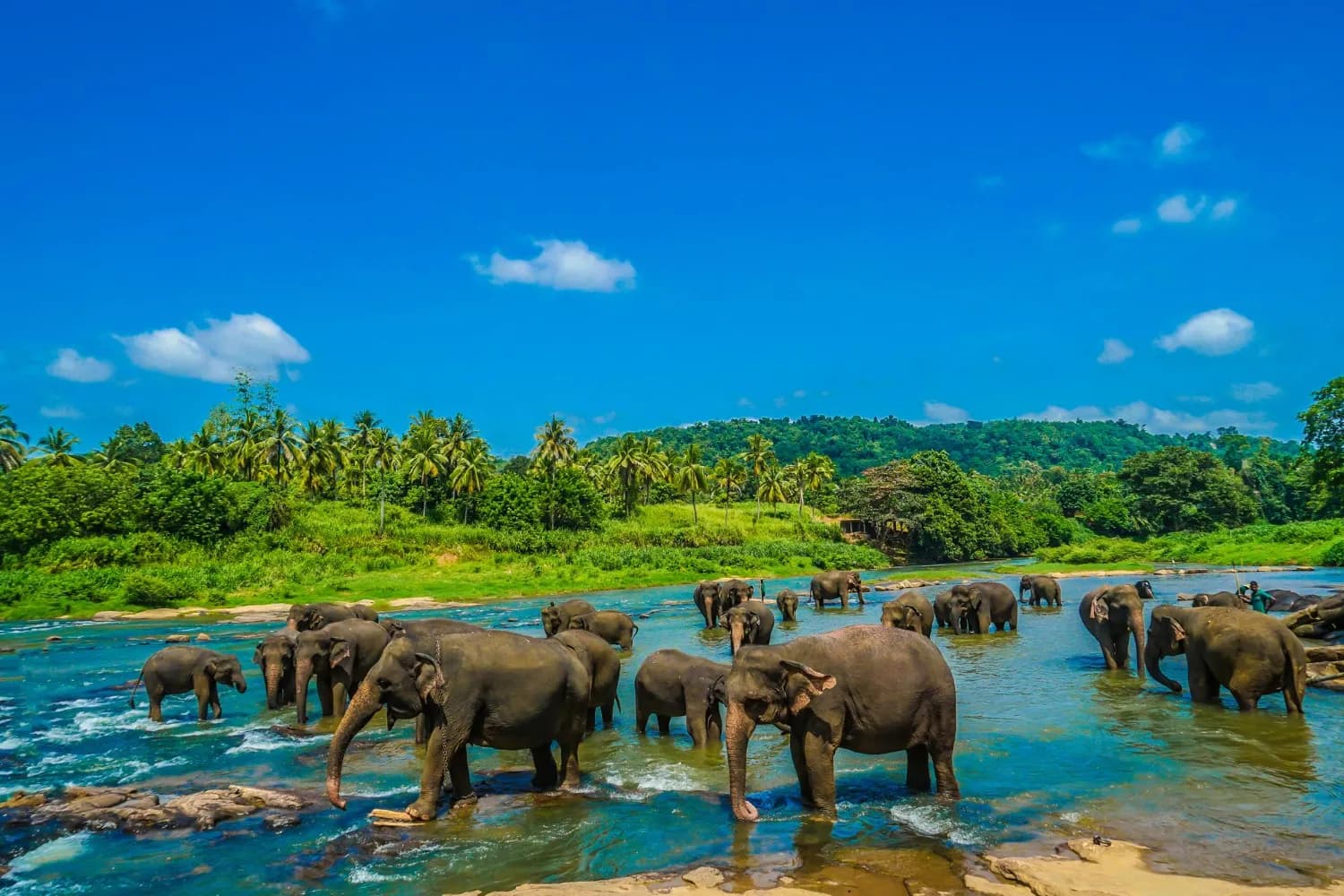
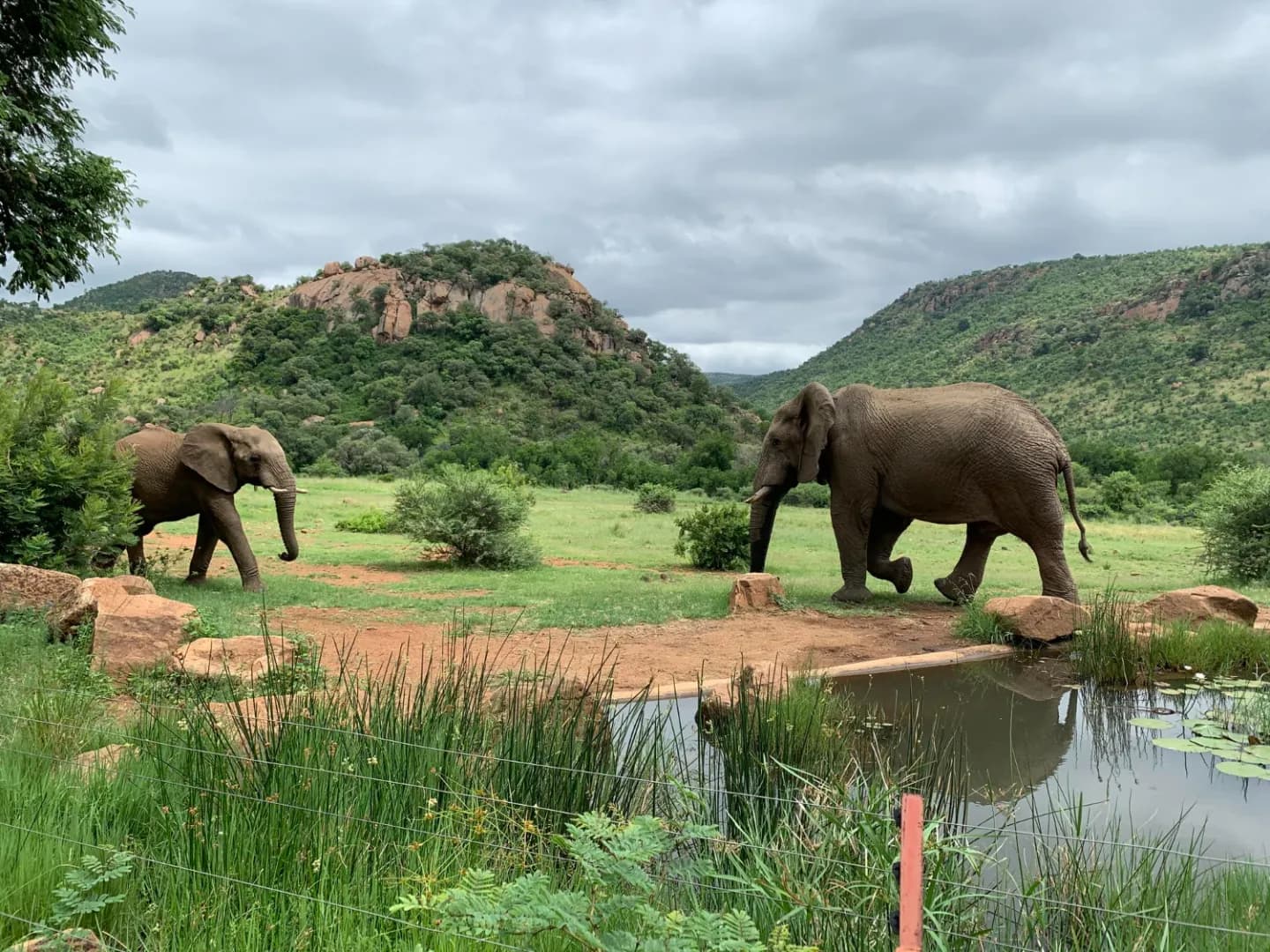
1. Thekkady (Periyar): For Guwahati's wildlife-loving community — people who know Kaziranga's one-horned rhinos, Manas's tigers, and the extraordinary biodiversity of the Brahmaputra floodplains — Thekkady Periyar Tiger Reserve offers a South Indian wildlife experience that is both familiar in its intensity and entirely different in its tropical forest character. The Periyar Lake boat safari, gliding through mist-covered water as wild elephants drink on the forested shore, evokes the same quality of wonder as a Brahmaputra boat ride past nesting birds and grazing deer — in a completely different ecological setting.
Key Attractions:
- Periyar Lake (elephants, gaur, otters, kingfishers)
- Cardamom, Pepper & Vanilla Spice Plantation Walk
- Bamboo Rafting on the Periyar River
- Kalaripayattu Martial Arts & Kathakali Cultural Show
- Mangaladevi Temple Trek (border forest, seasonal)
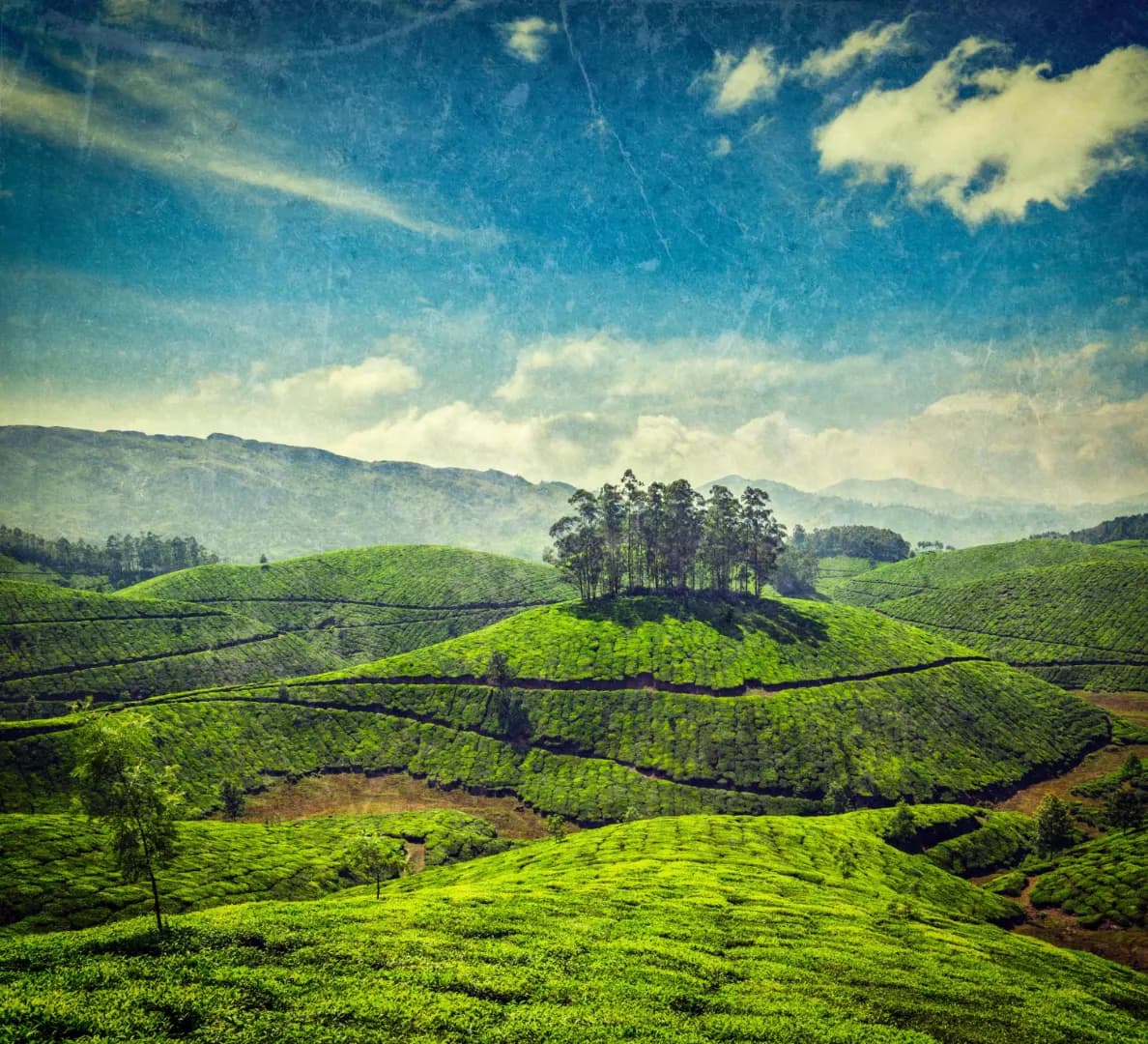
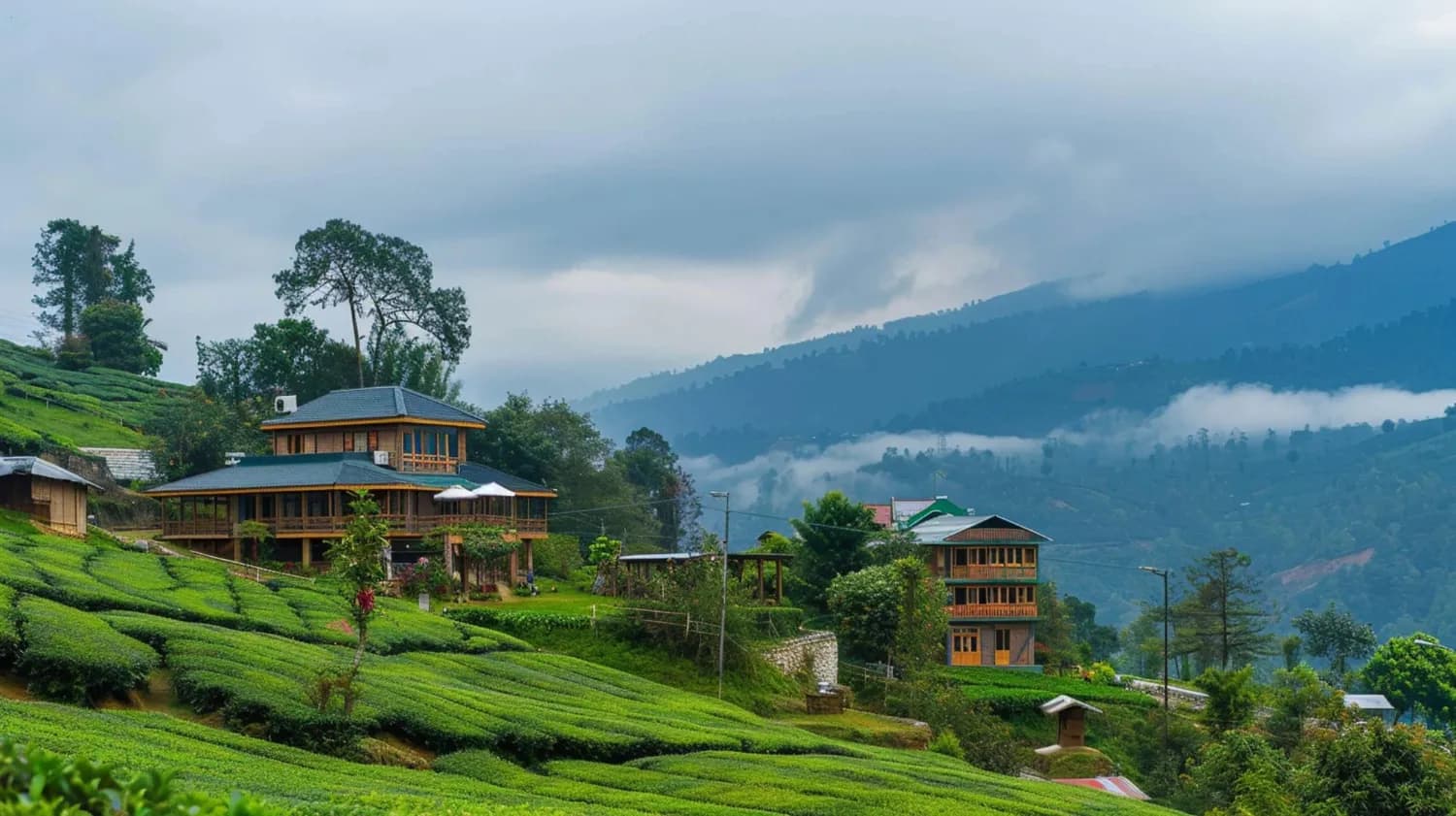
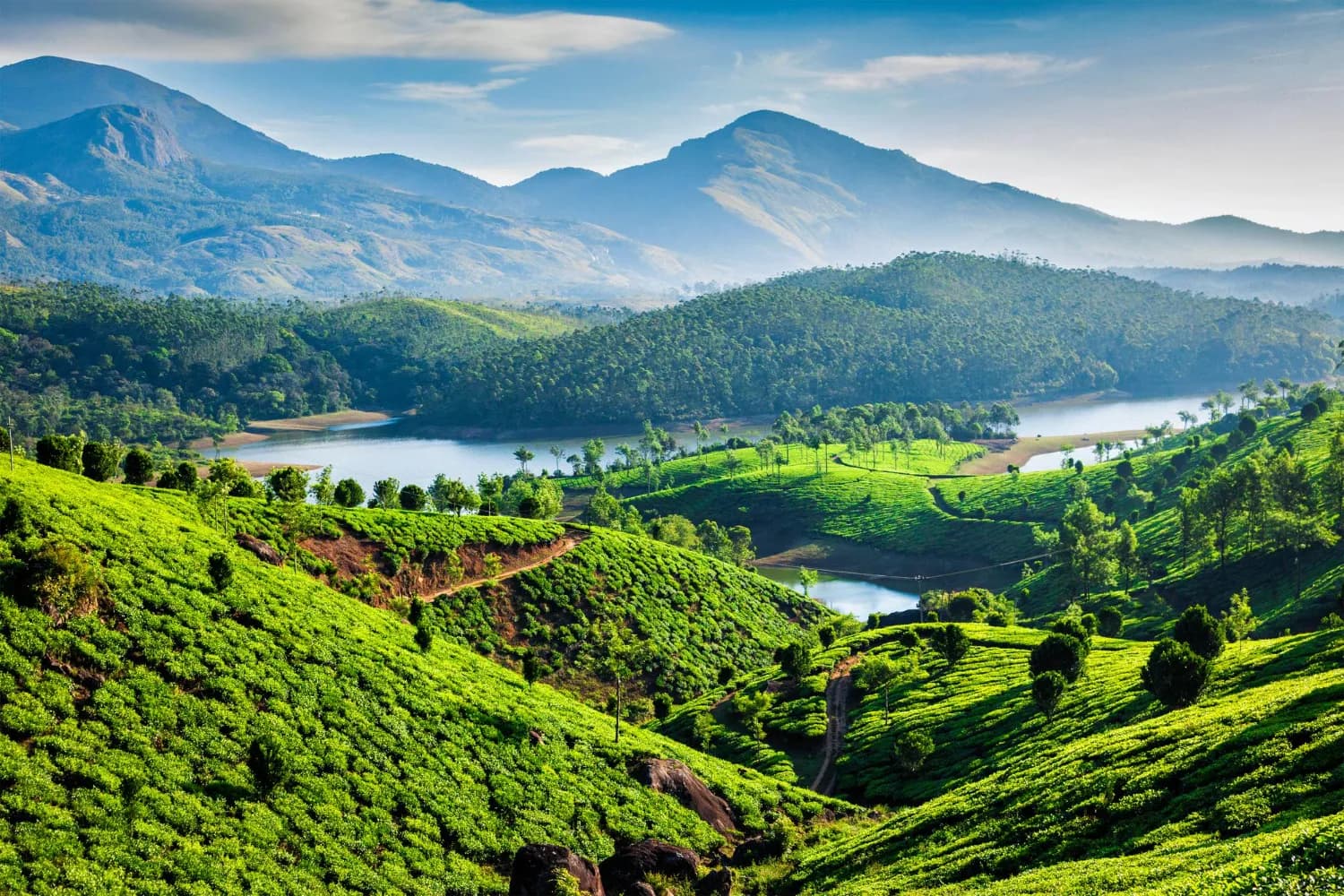
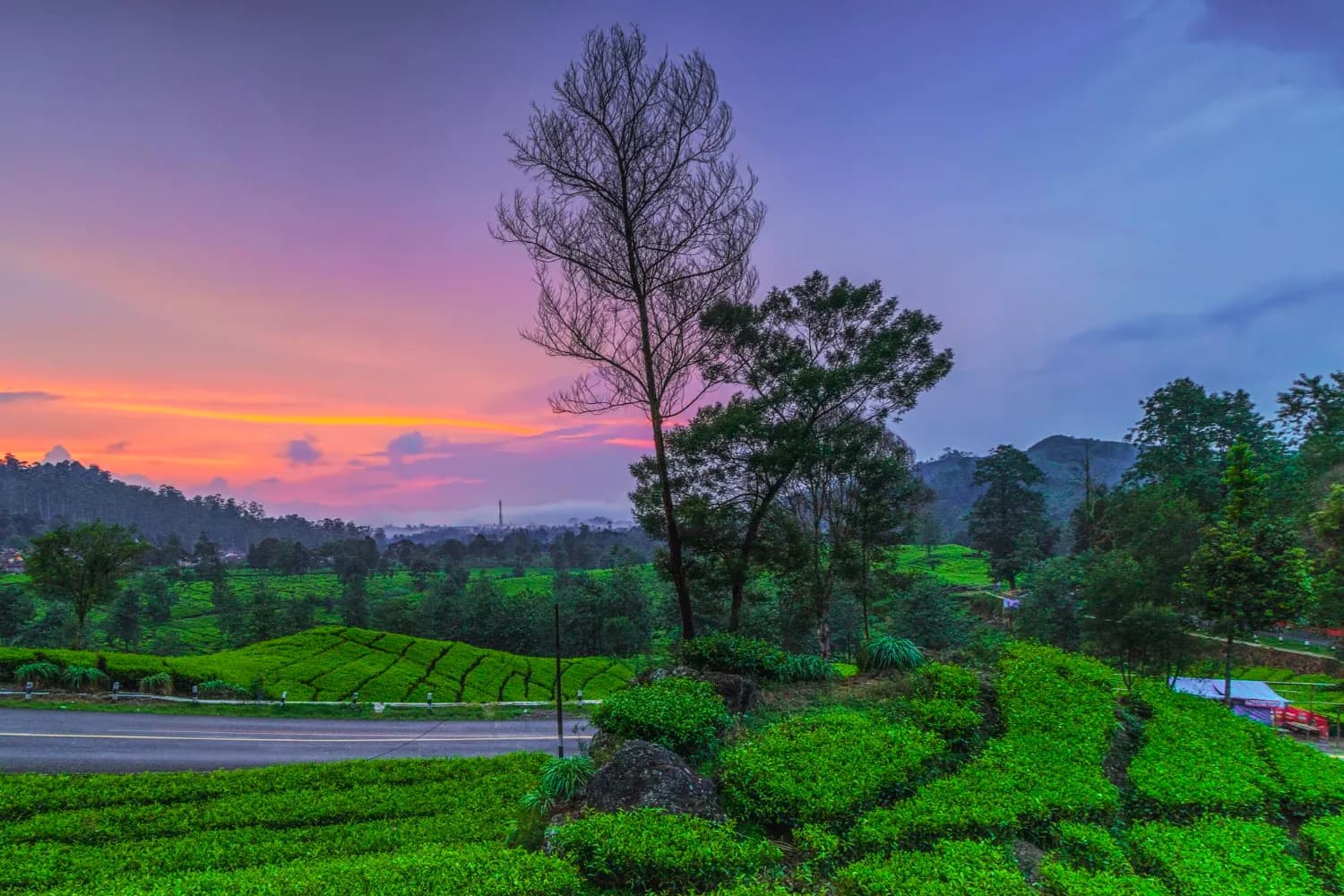
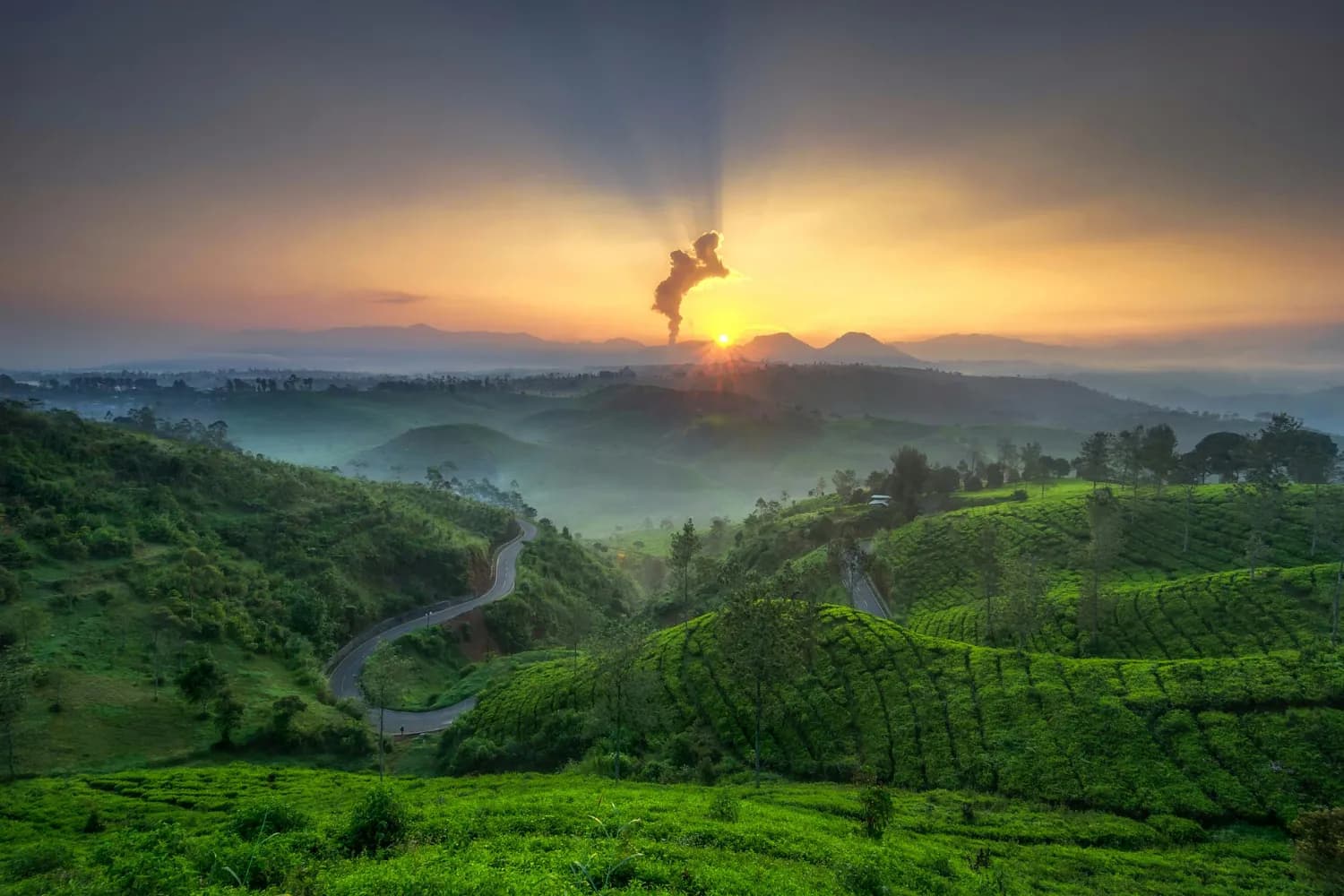
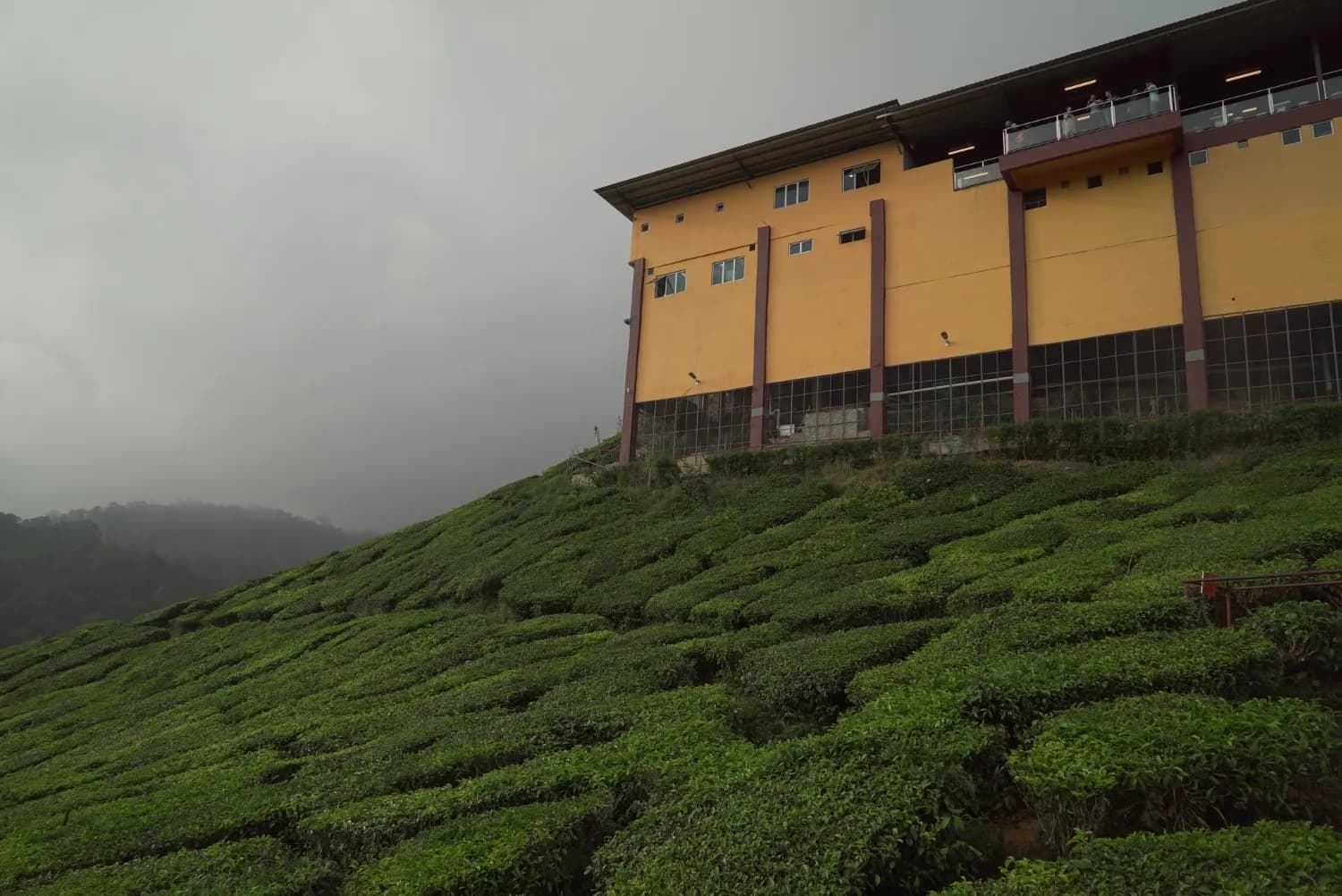
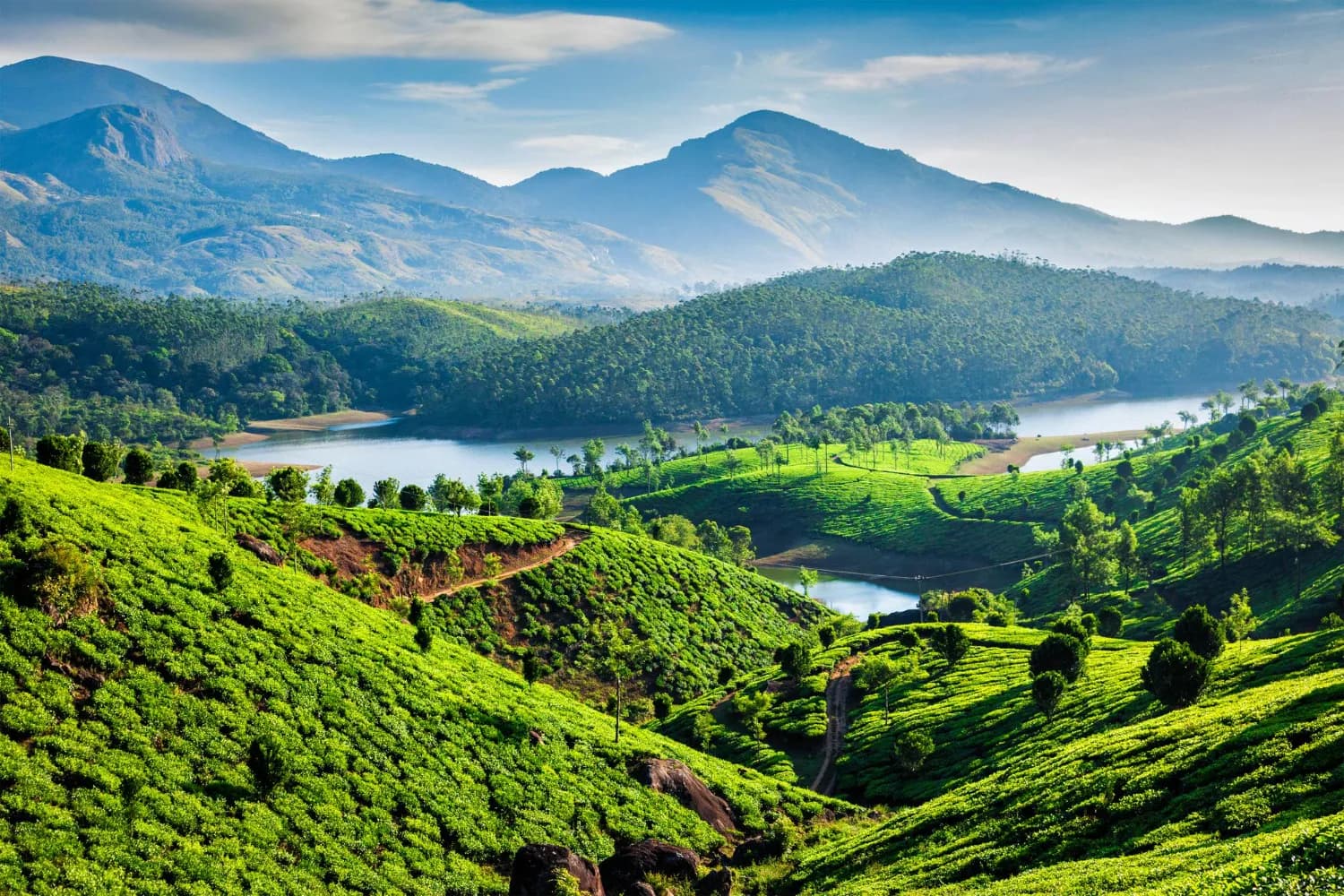
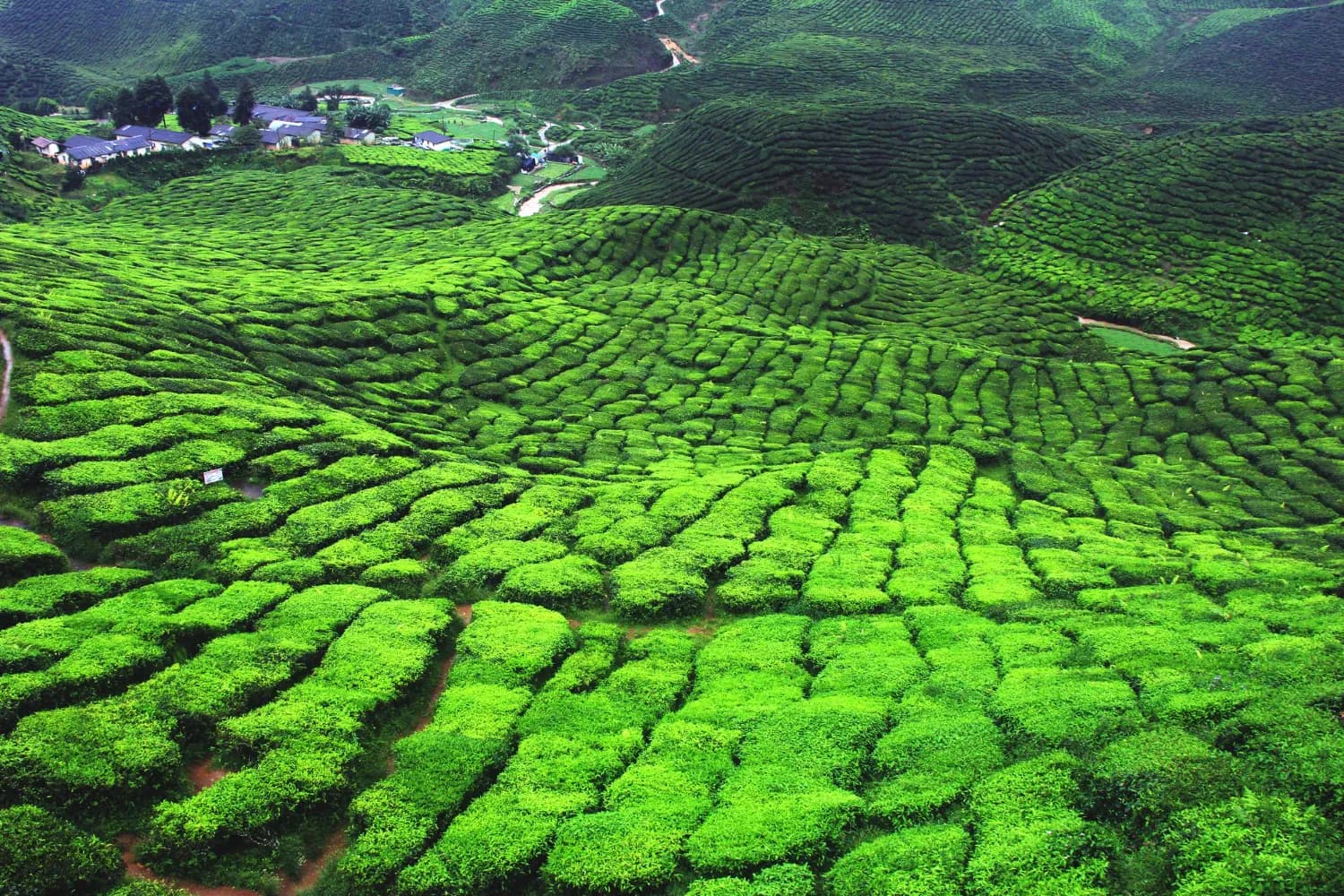
2. Munnar: The tea-estate highlands of Munnar at 1,600 metres will speak directly to Guwahati's Assamese tea culture — but the language will be entirely different. Where Assam's tea grows on flat, river-fed plains in a dense, broadleaf style, Munnar's tea clings to steep Western Ghats ridges in neatly terraced rows that create the most photographed landscape in all of South India. For Guwahati travellers who grew up with the smell of Assam's tea gardens, Munnar offers a deeply resonant and completely surprising alternative chapter of the same great Indian tea story.
Key Attractions:
- Eravikulam National Park (Nilgiri Tahr & rare mountain flora)
- Top Station — Panoramic Western Ghats Viewpoint
- Tea Museum & Guided Plantation Walk
- Mattupetty Dam, Echo Point & Kundala Lake
- Anamudi Peak — South India's Highest Summit (2,695 m)
3. Wayanad: Of all Kerala's destinations, Wayanad resonates most immediately with Guwahati's nature-loving community. A forested highland plateau whose ancient tribal communities, wildlife corridors, prehistoric cave carvings, and dense Western Ghats ecosystem create an experience with unmistakable echoes of the Northeast's own tribal and forest culture — while being entirely, distinctively Keralite in its own right. The Wayanad Wildlife Sanctuary's elephant and tiger populations, the Edakkal Cave's 6,000-year-old petroglyphs, and the Chembra Peak trek offer Guwahati travellers a nature experience that feels both immediately recognisable and genuinely revelatory.
Key Attractions:
- Wayanad Wildlife Sanctuary (elephants, tigers, leopards, gaur)
- Edakkal Caves — 6,000-year-old Neolithic Rock Carvings
- Chembra Peak Trek & Heart-Shaped Lake (2,100 m)
- Banasura Sagar Dam — Asia's Largest Earthen Dam
- Soochipara & Meenmutty Waterfalls
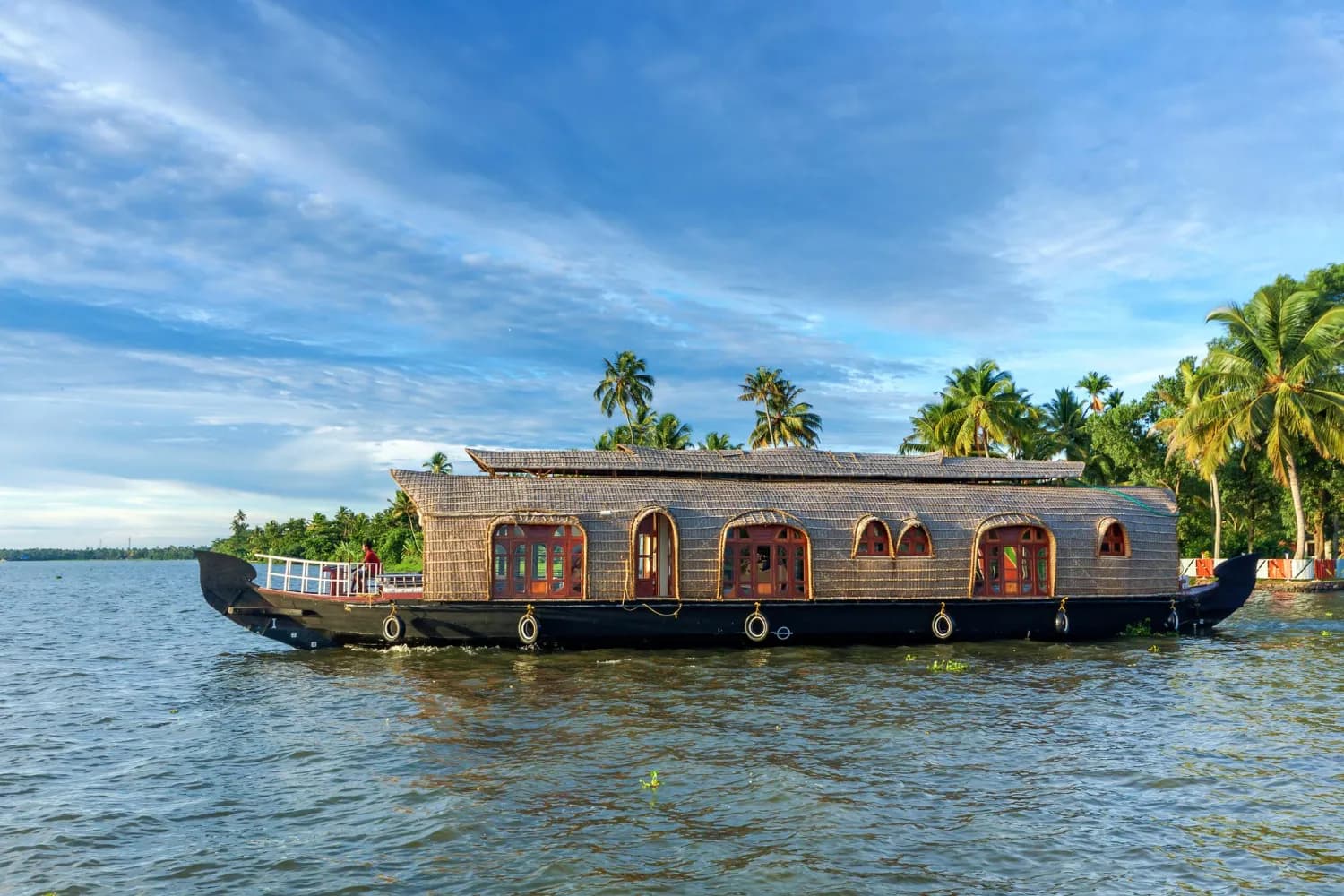
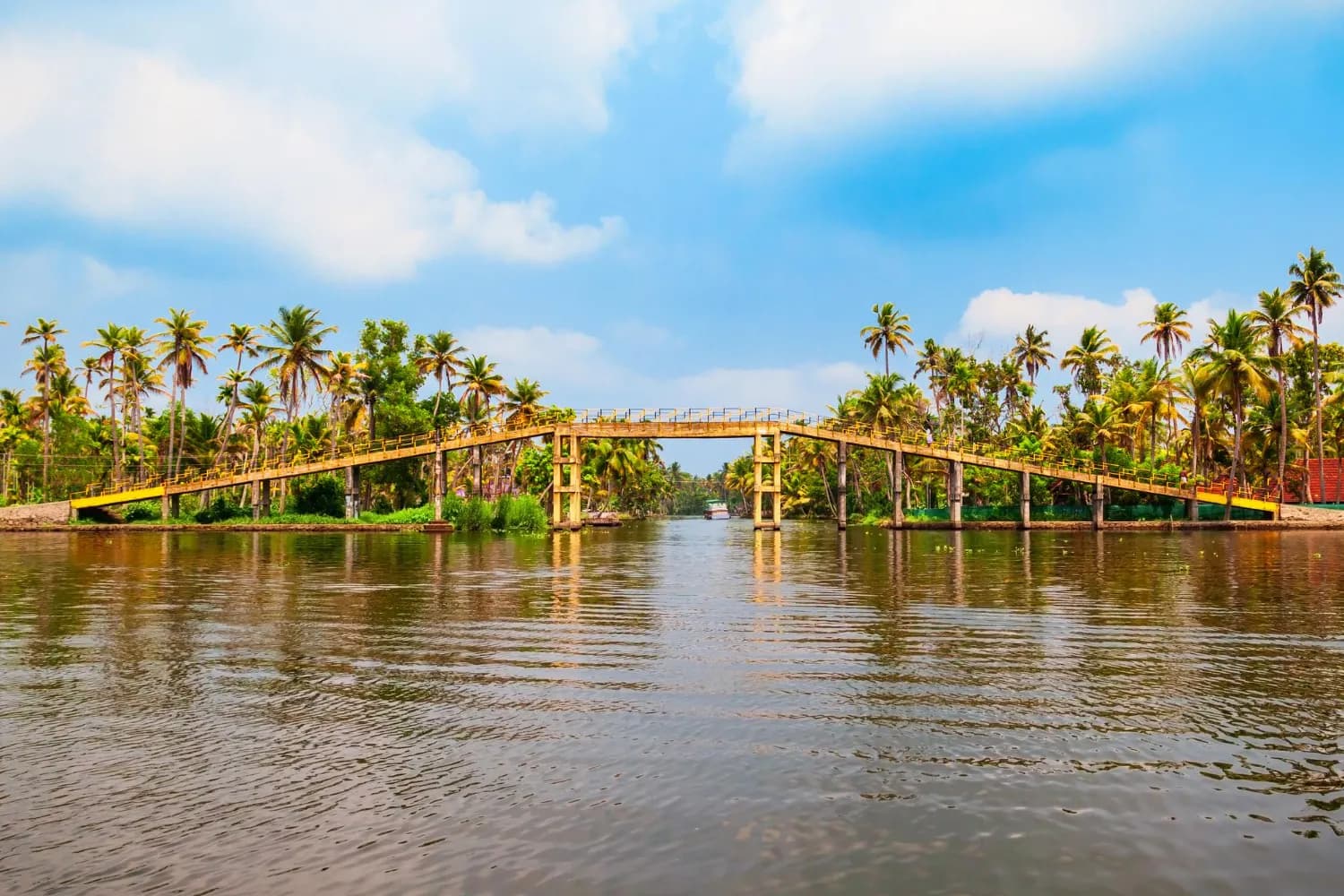
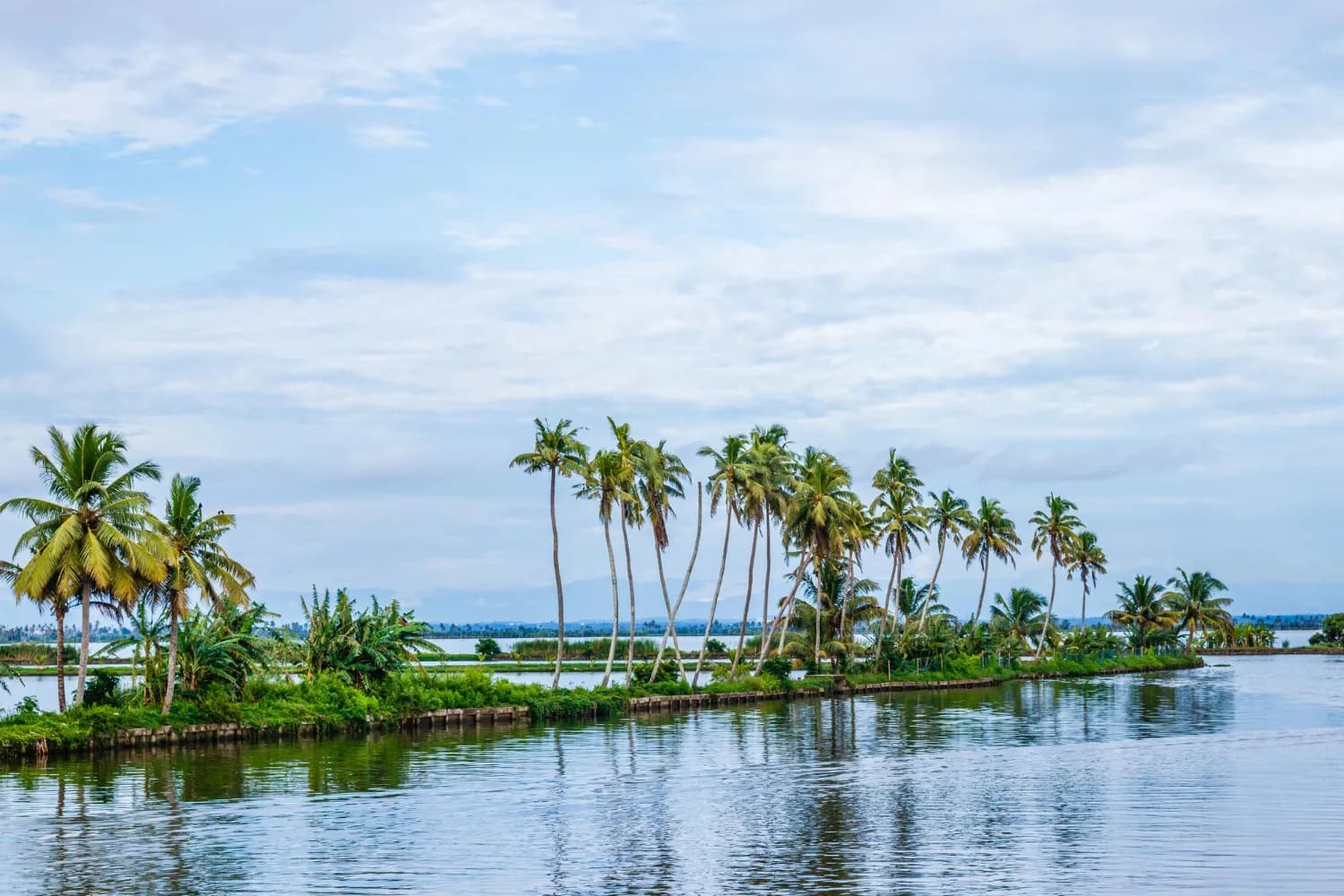
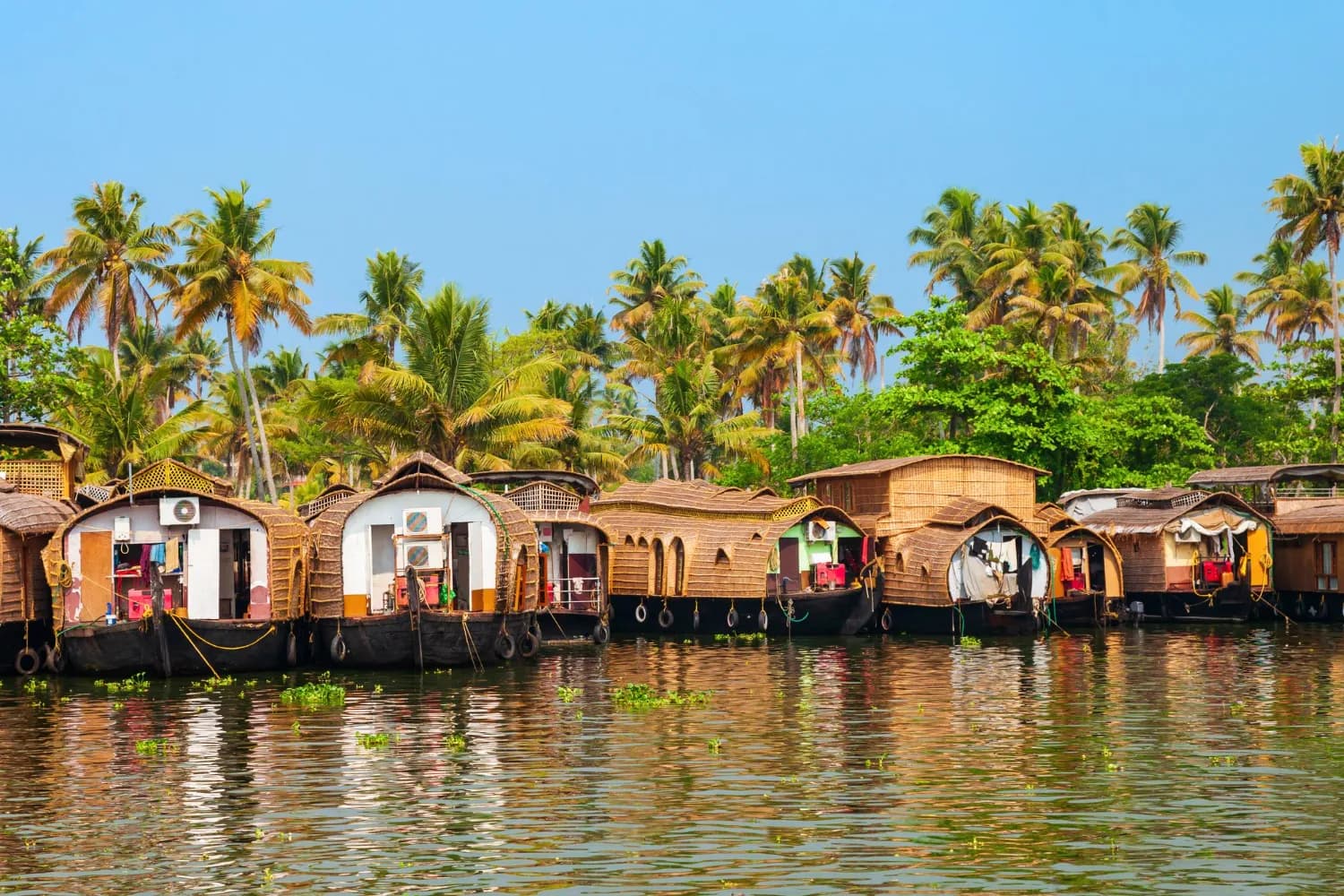
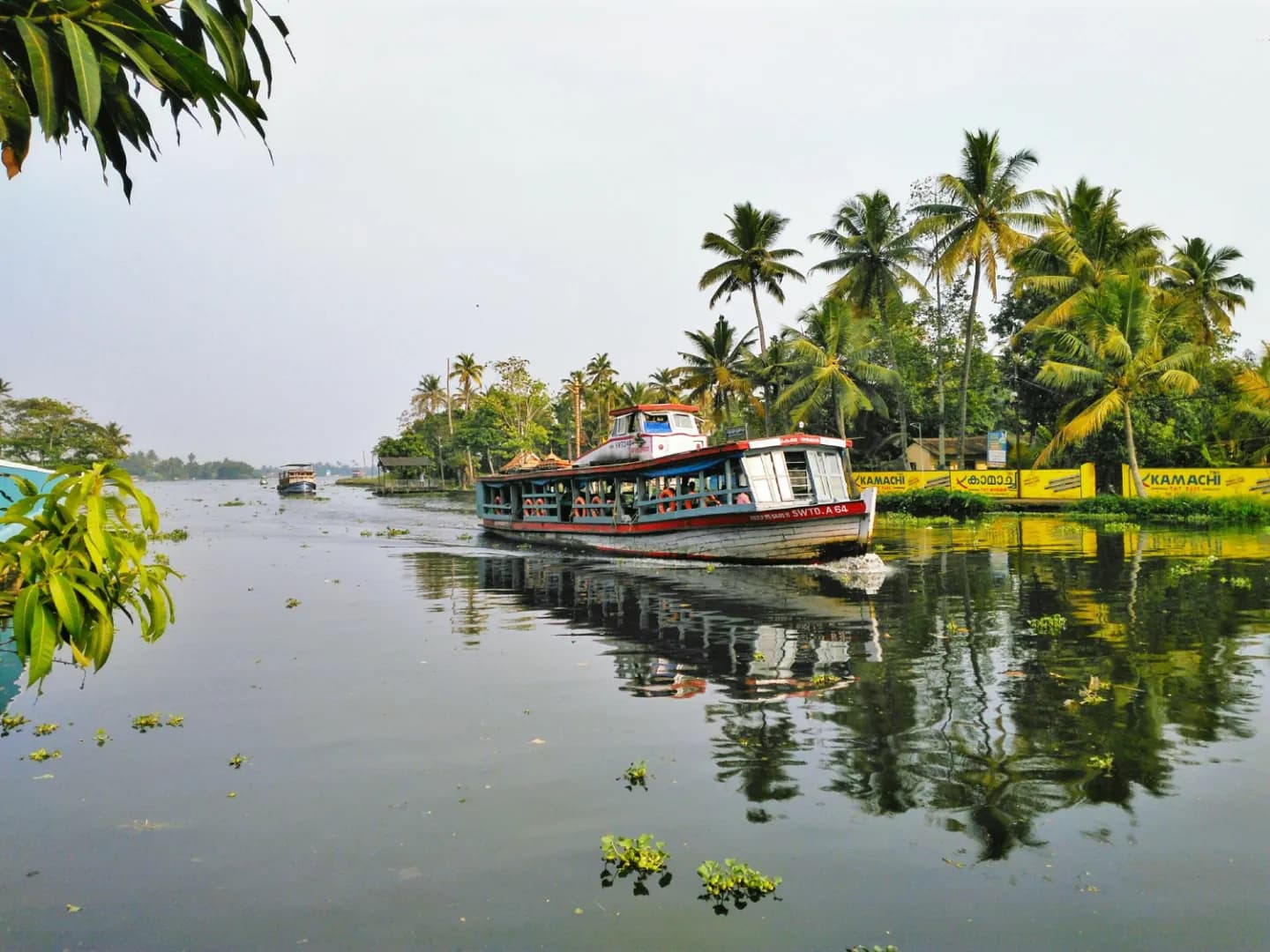
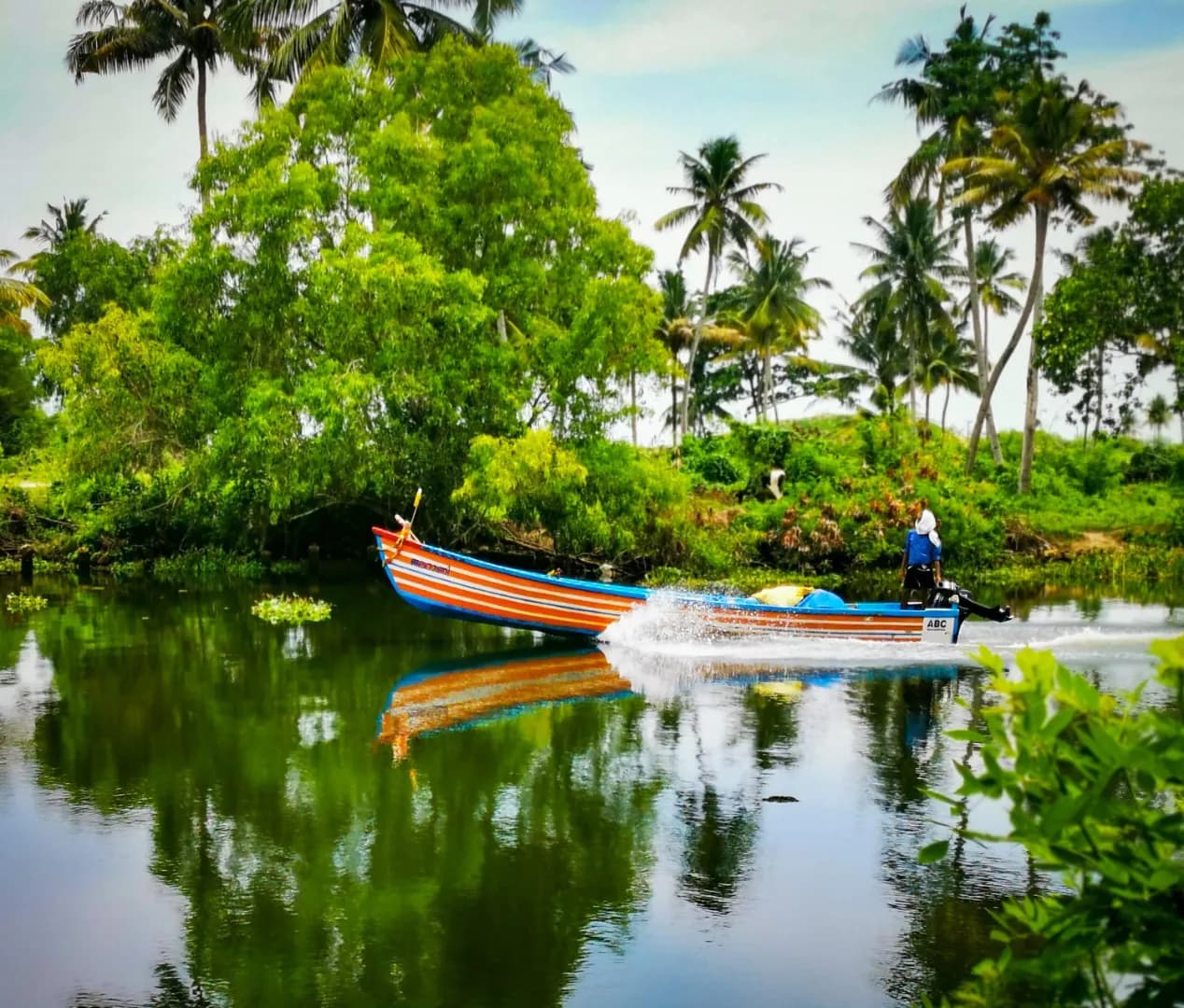
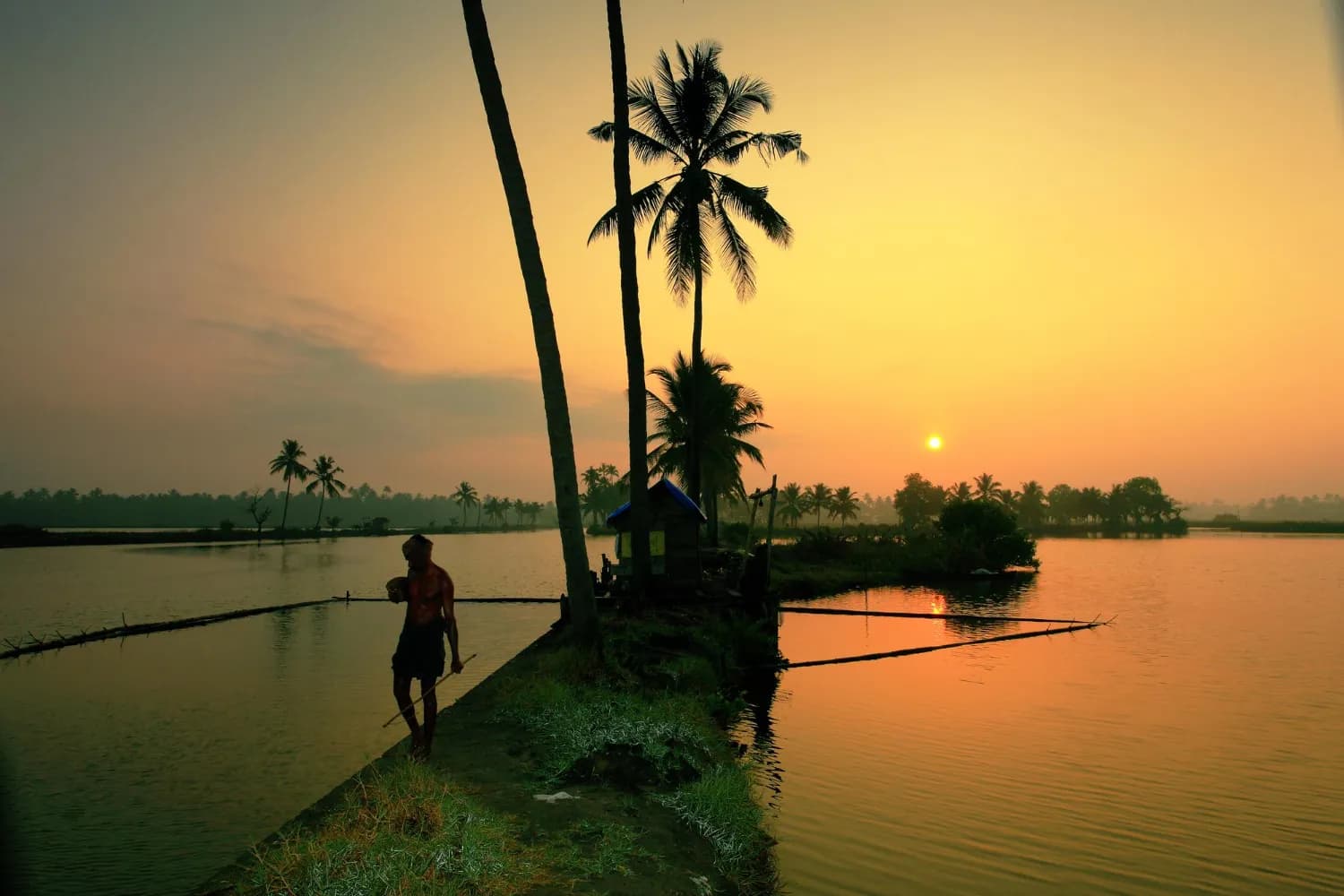
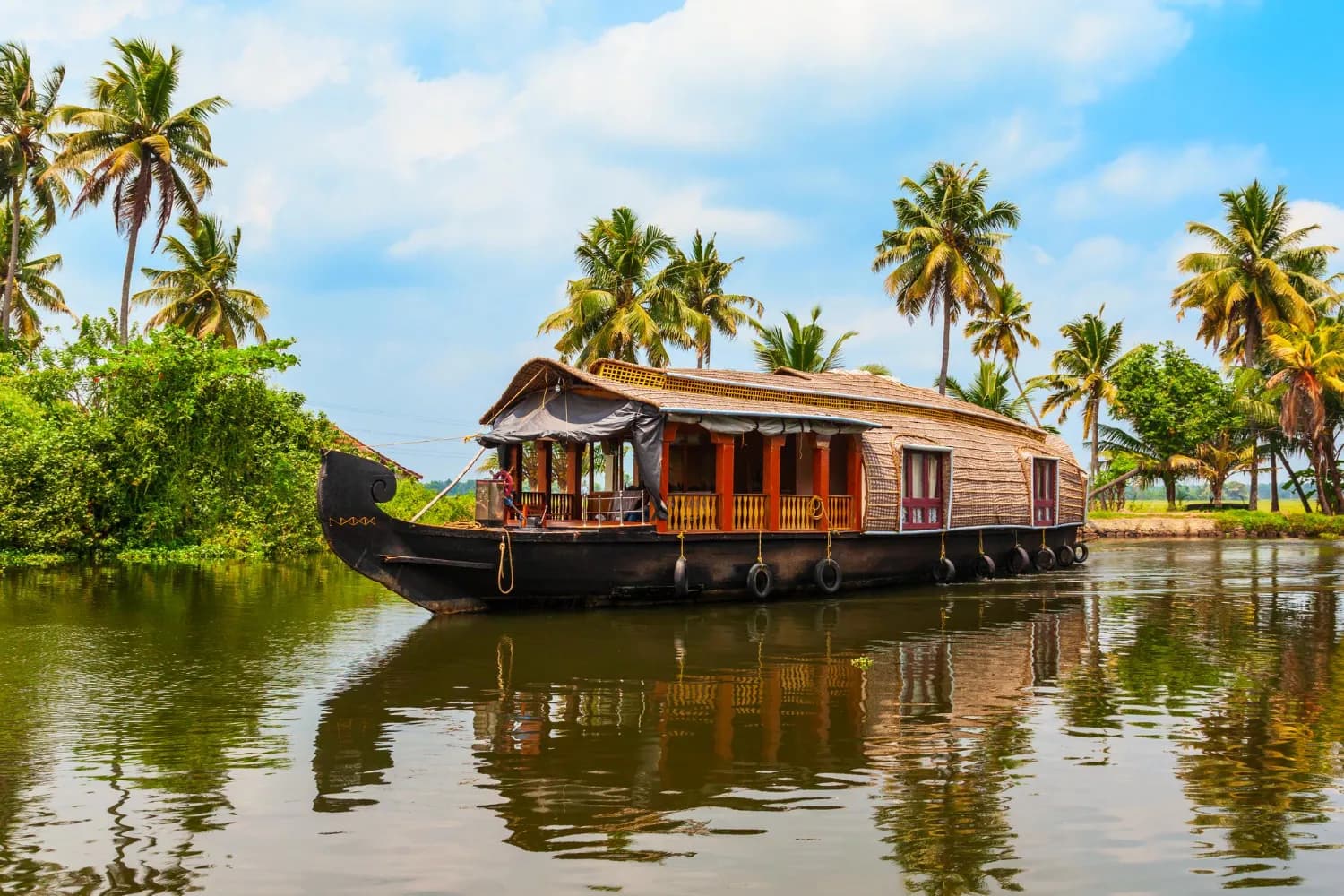
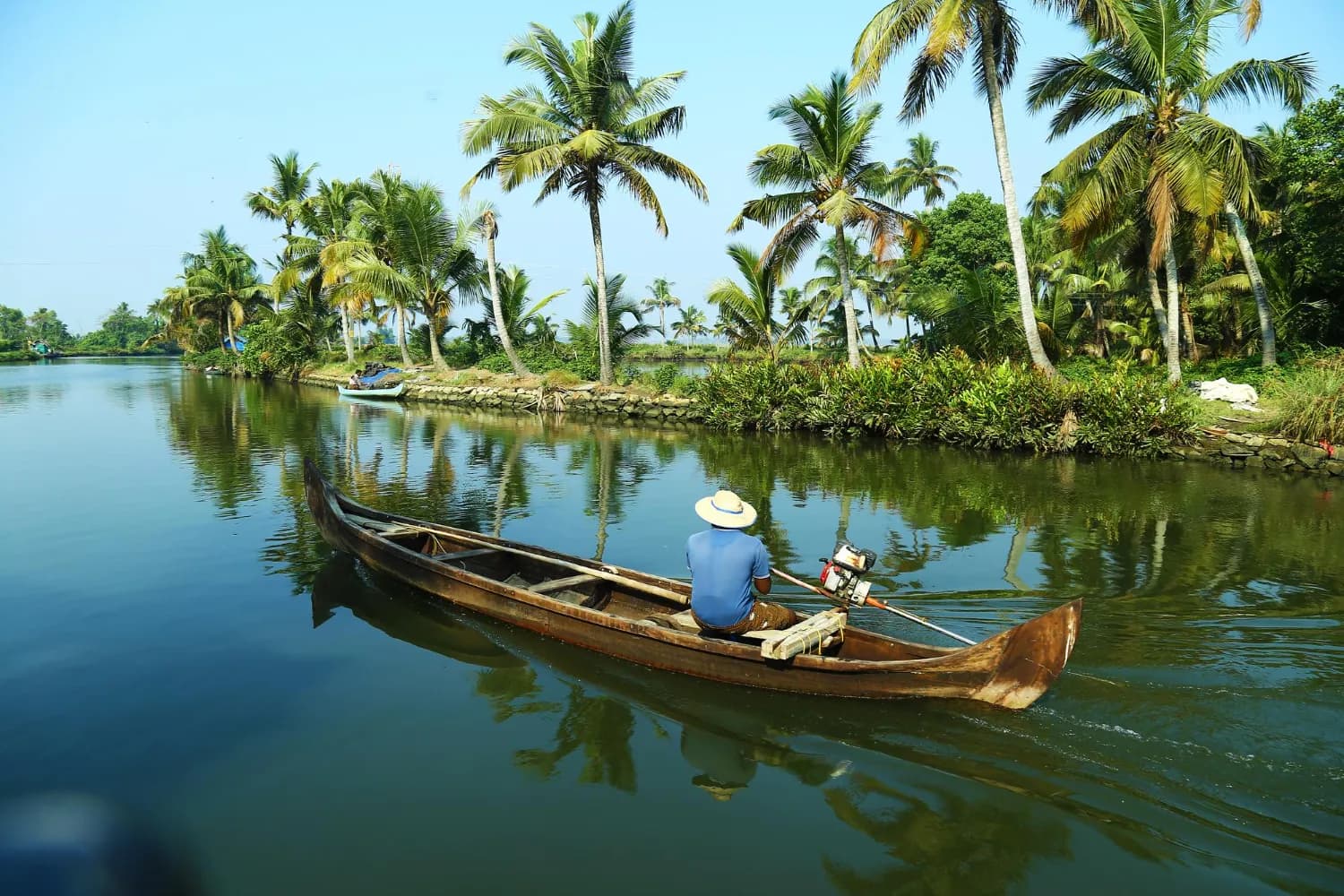
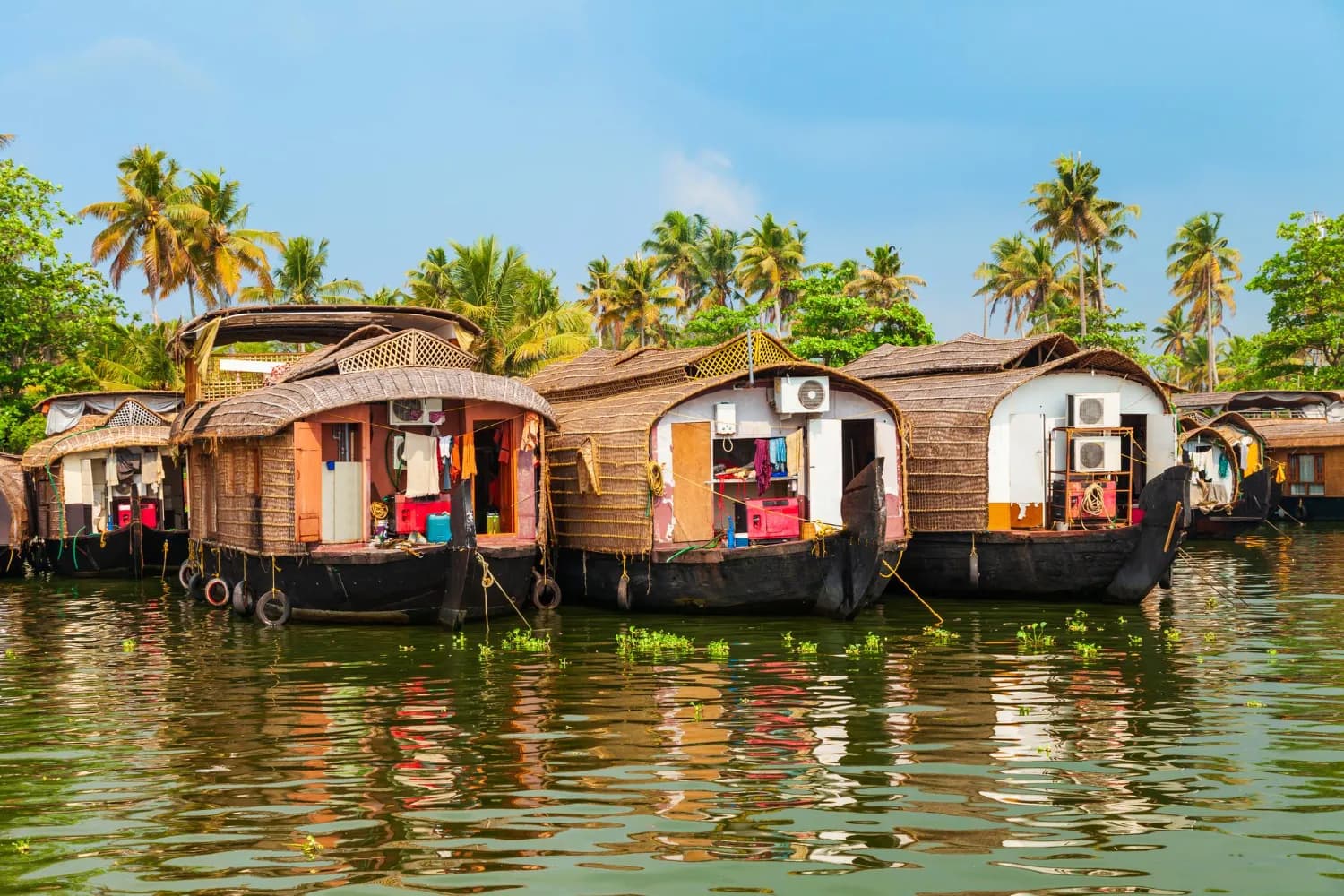
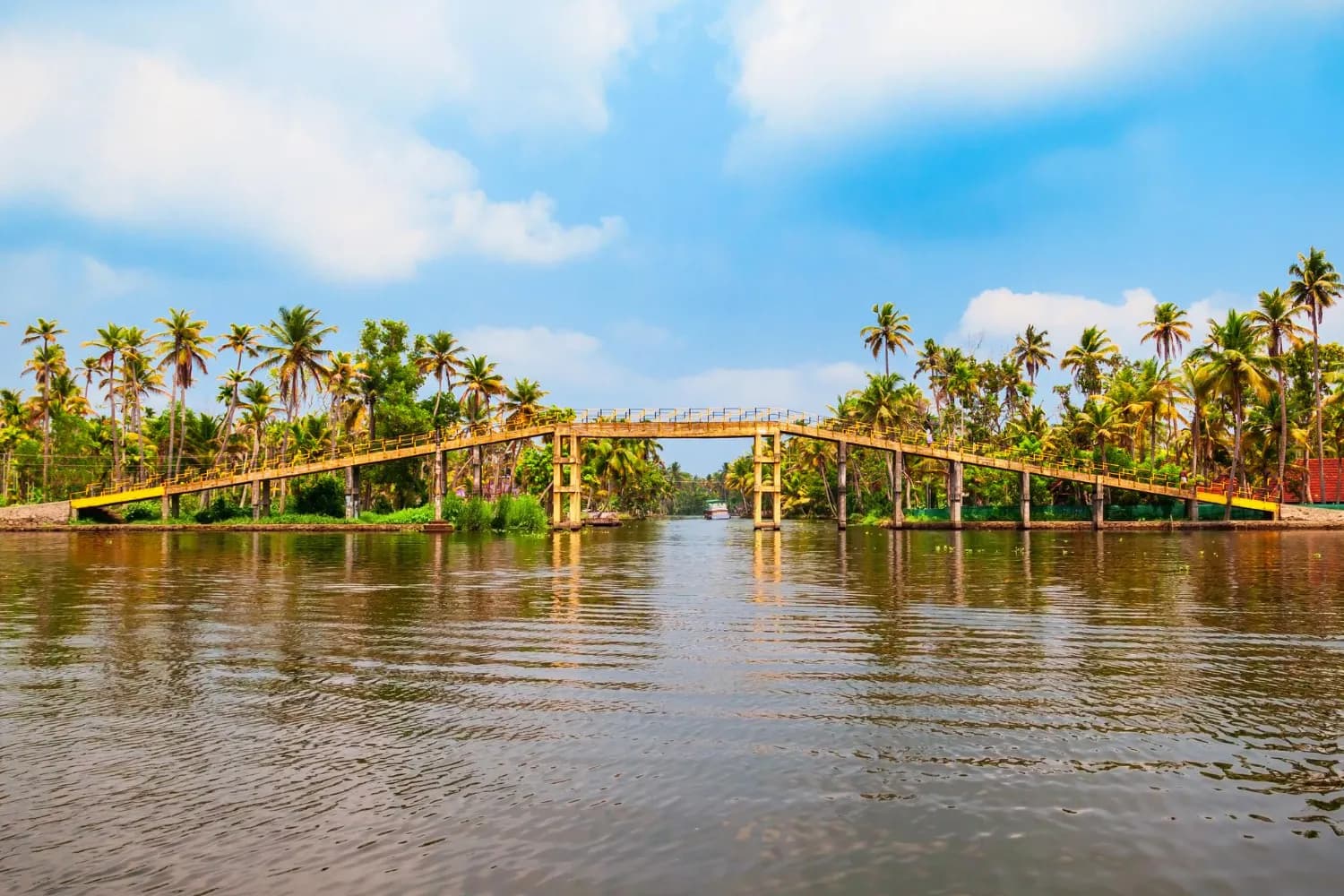
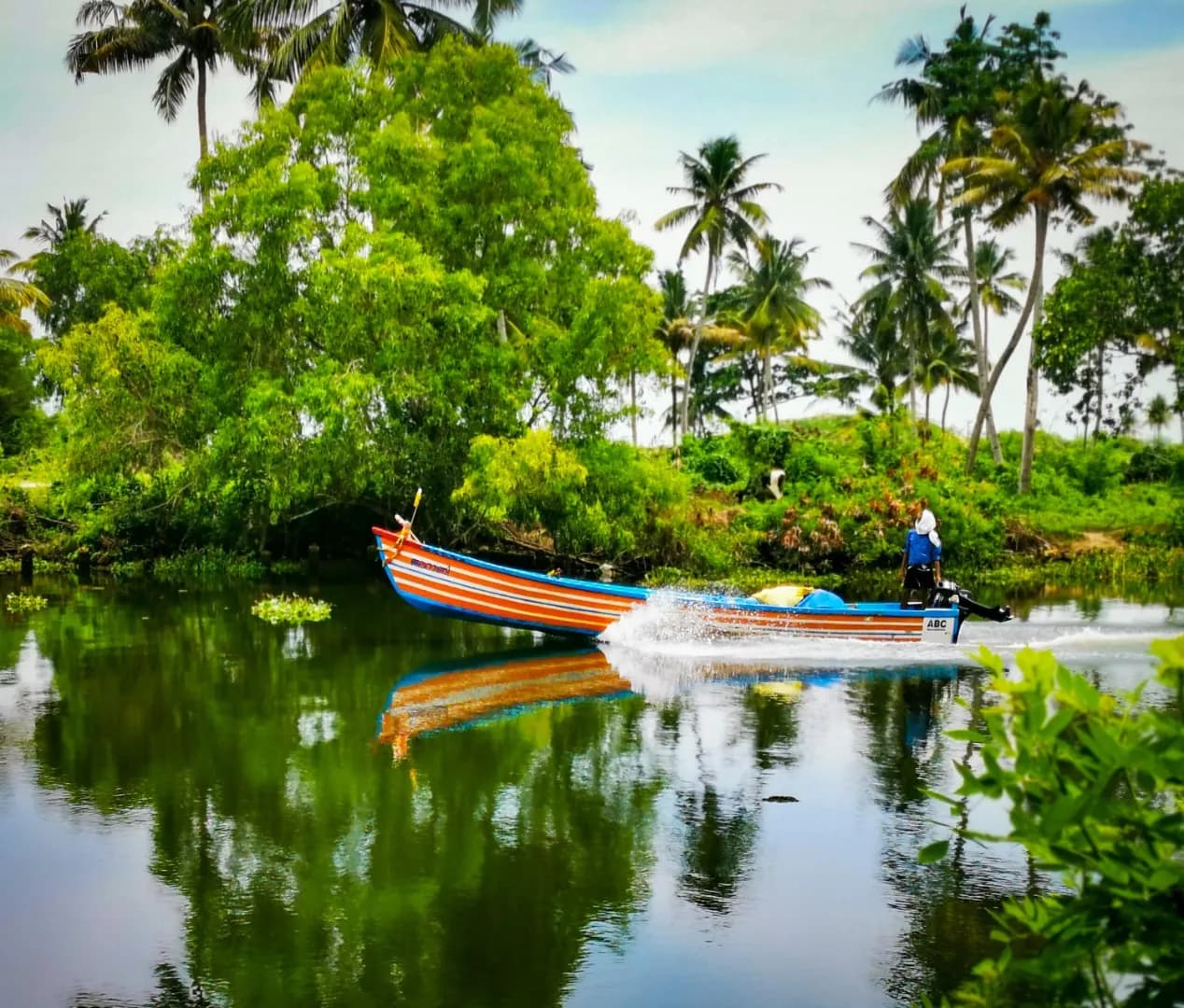
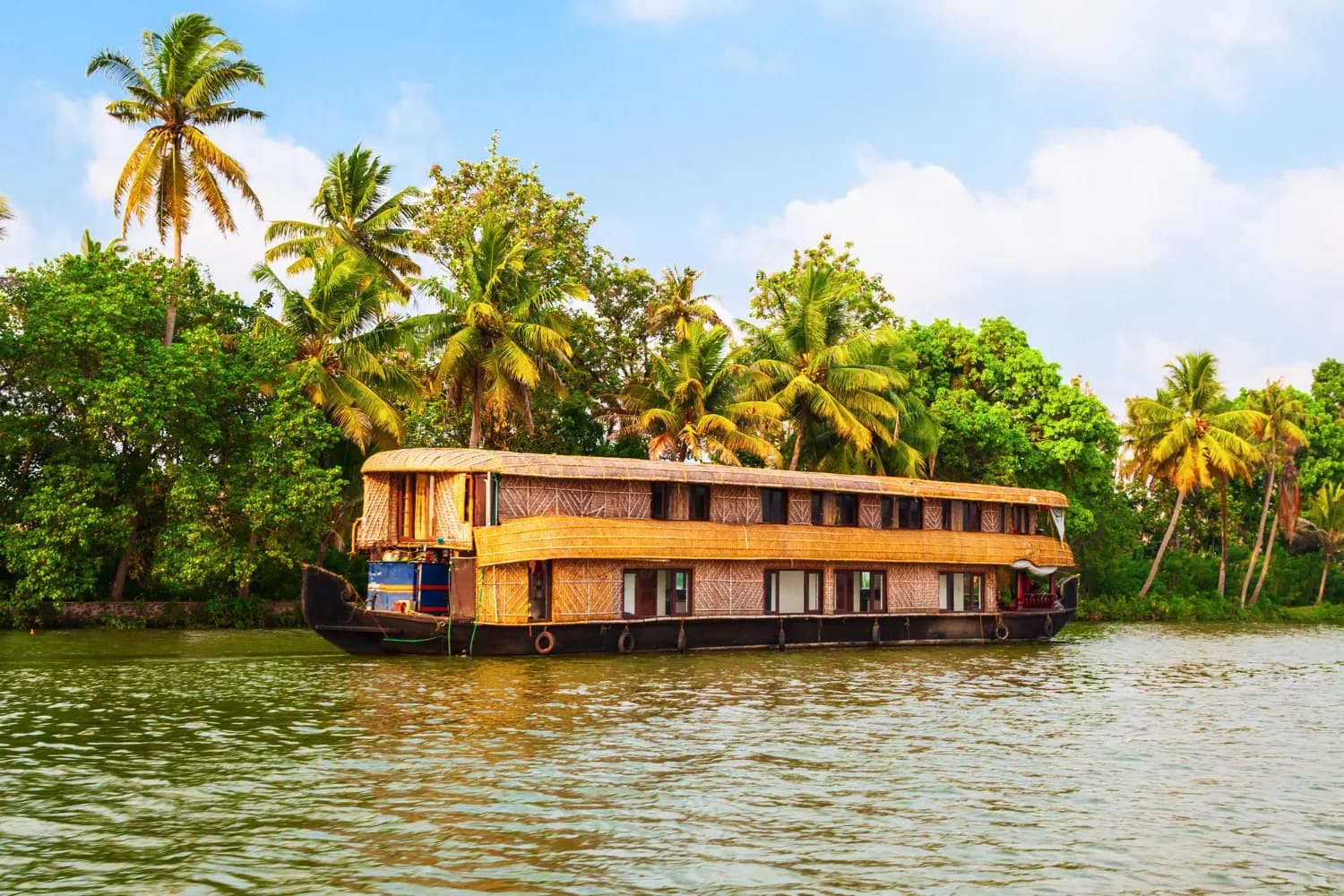
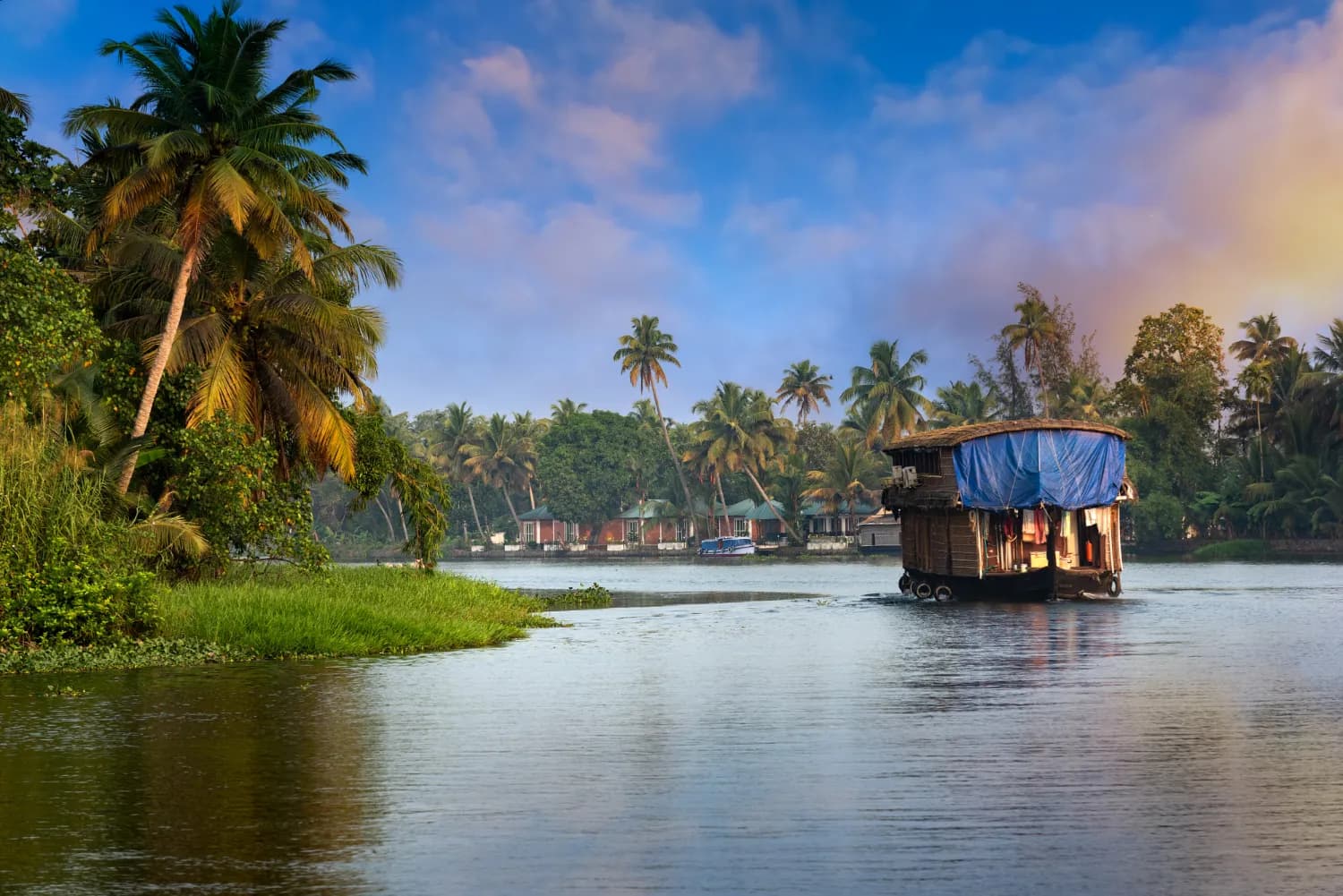
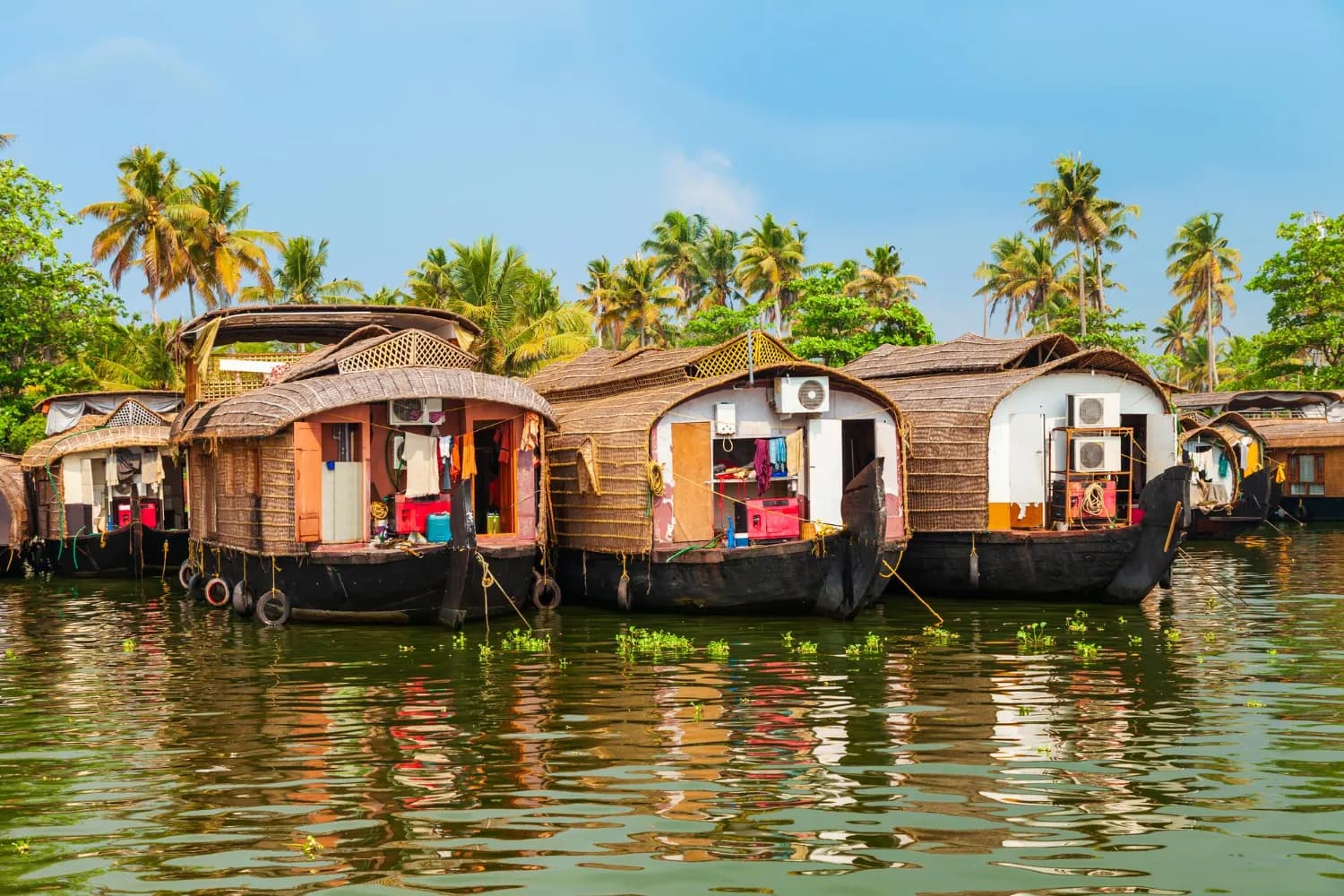
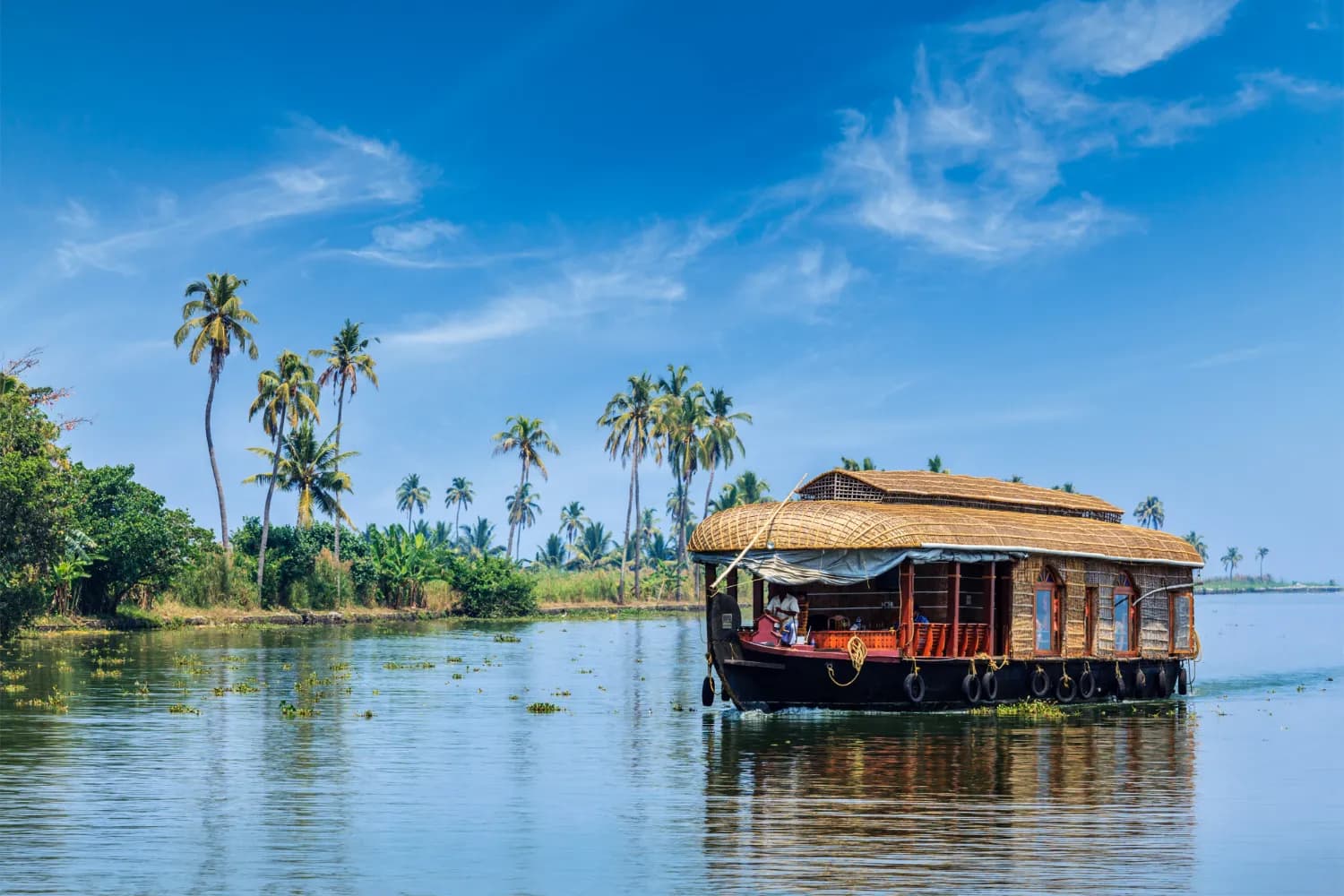
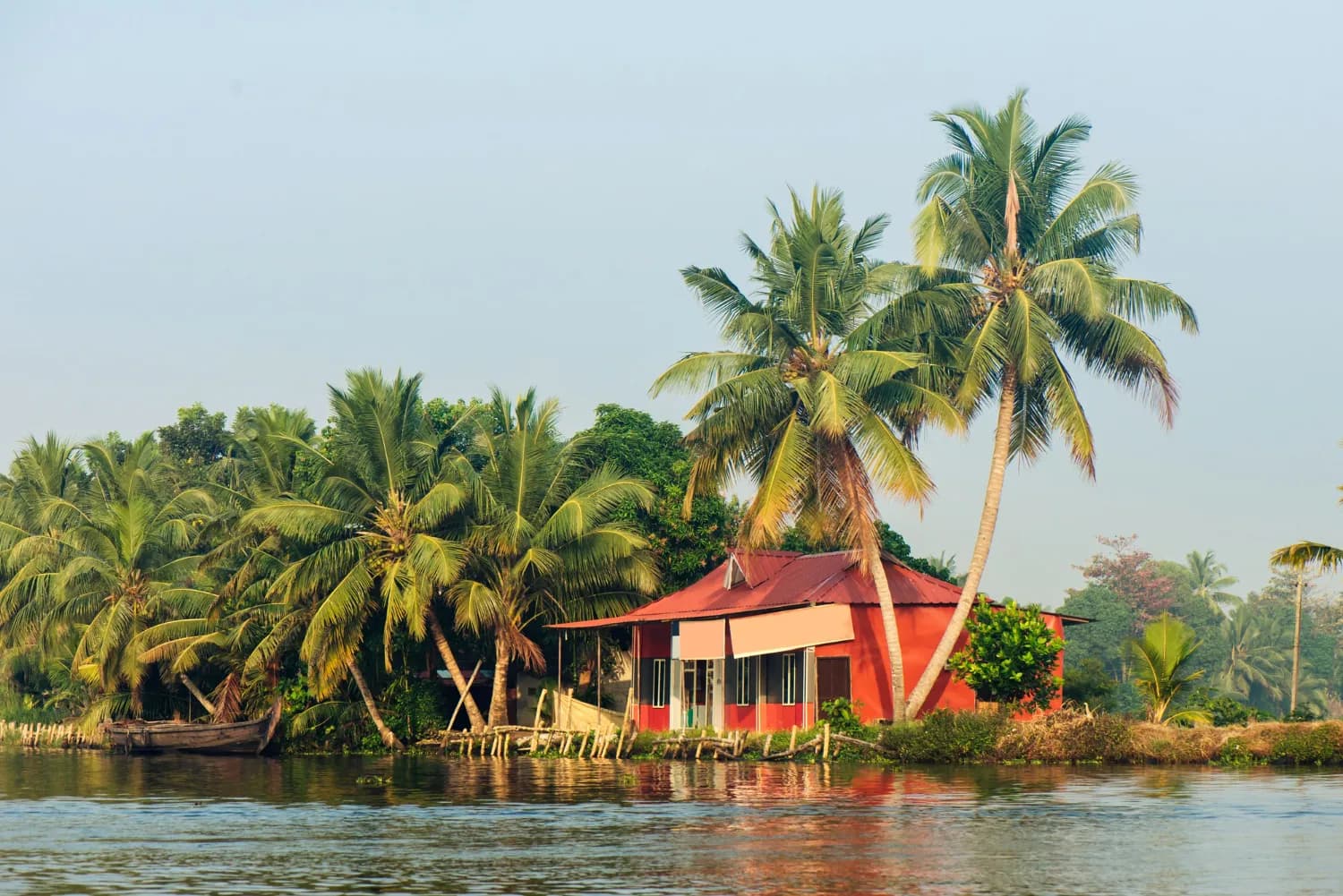
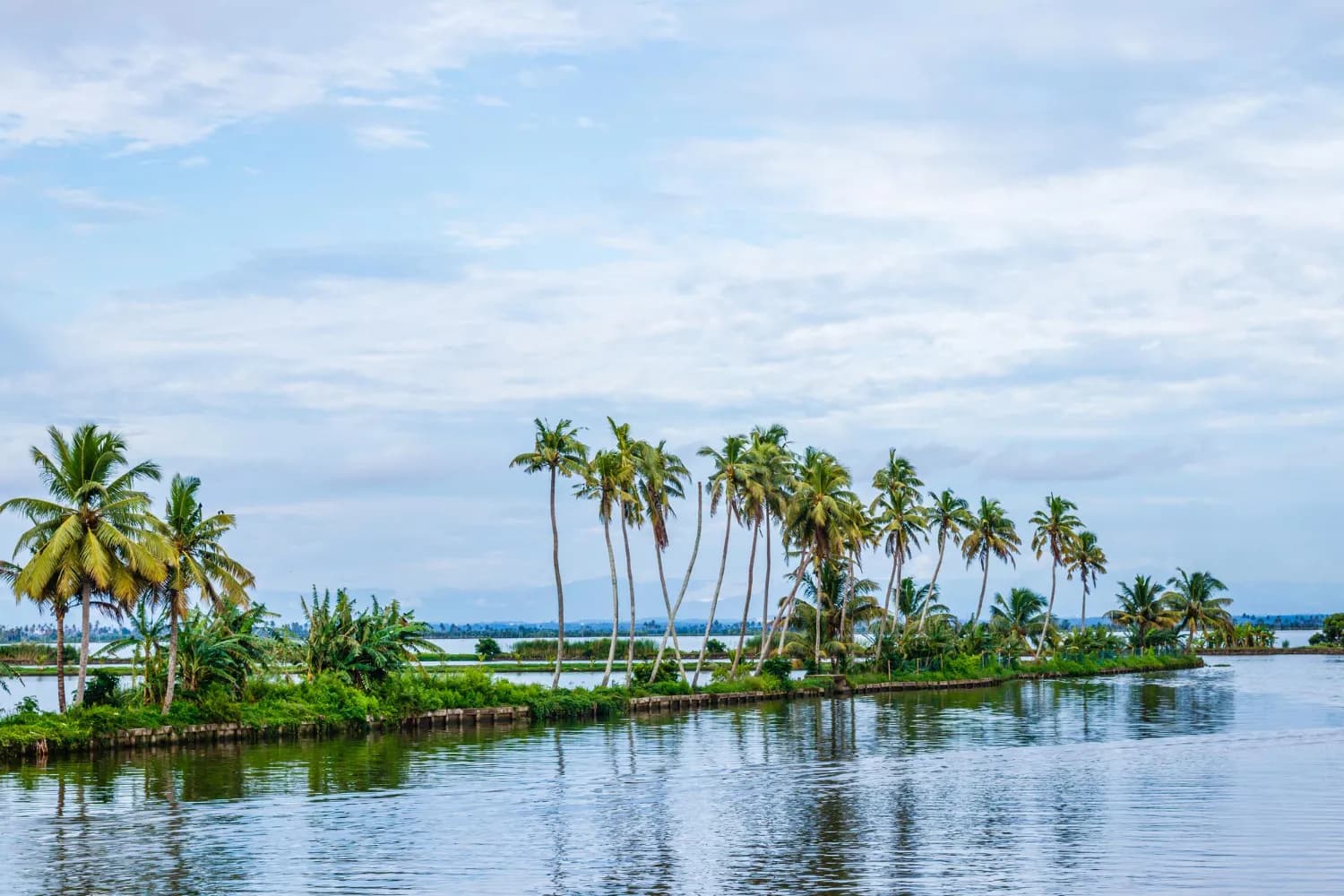
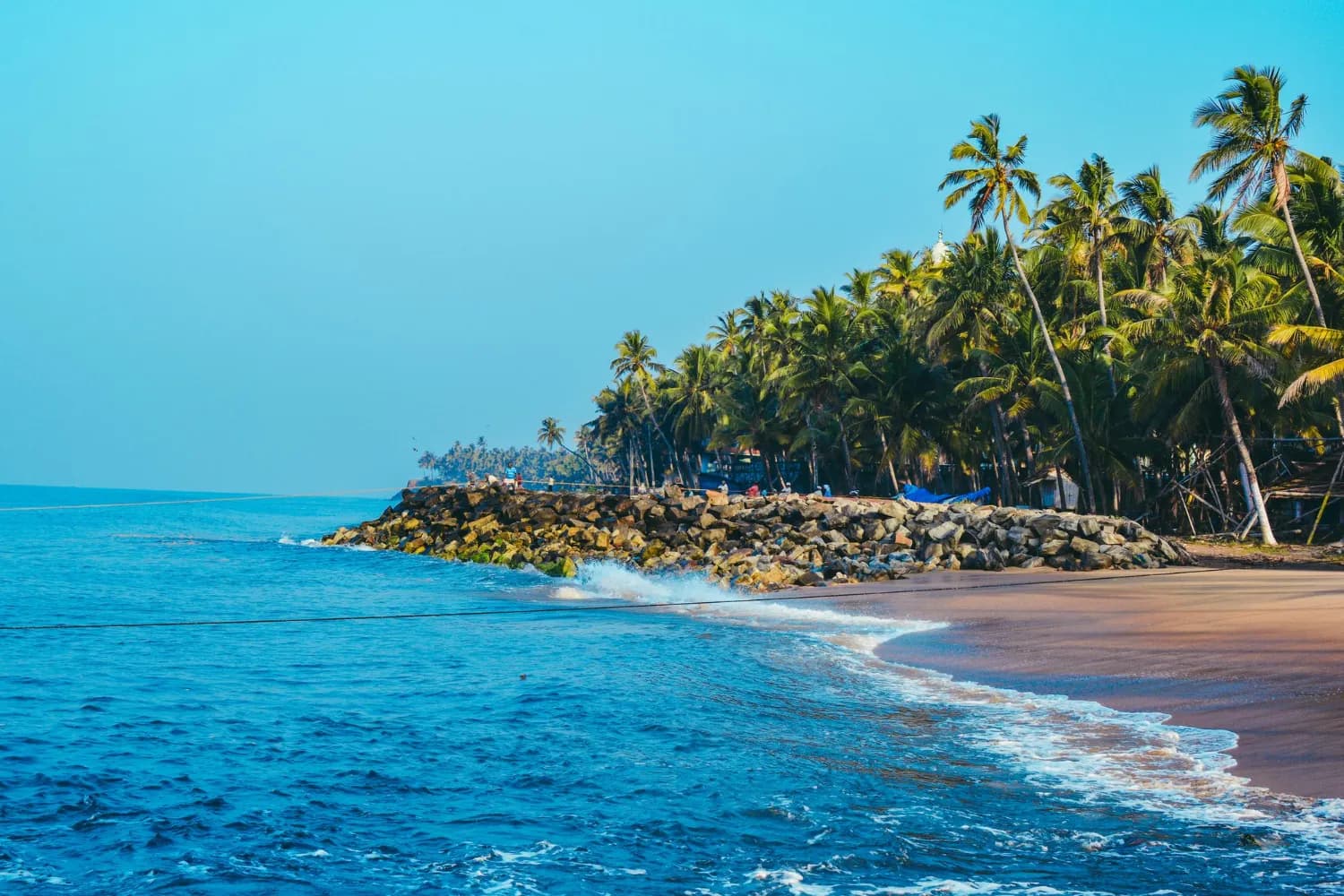
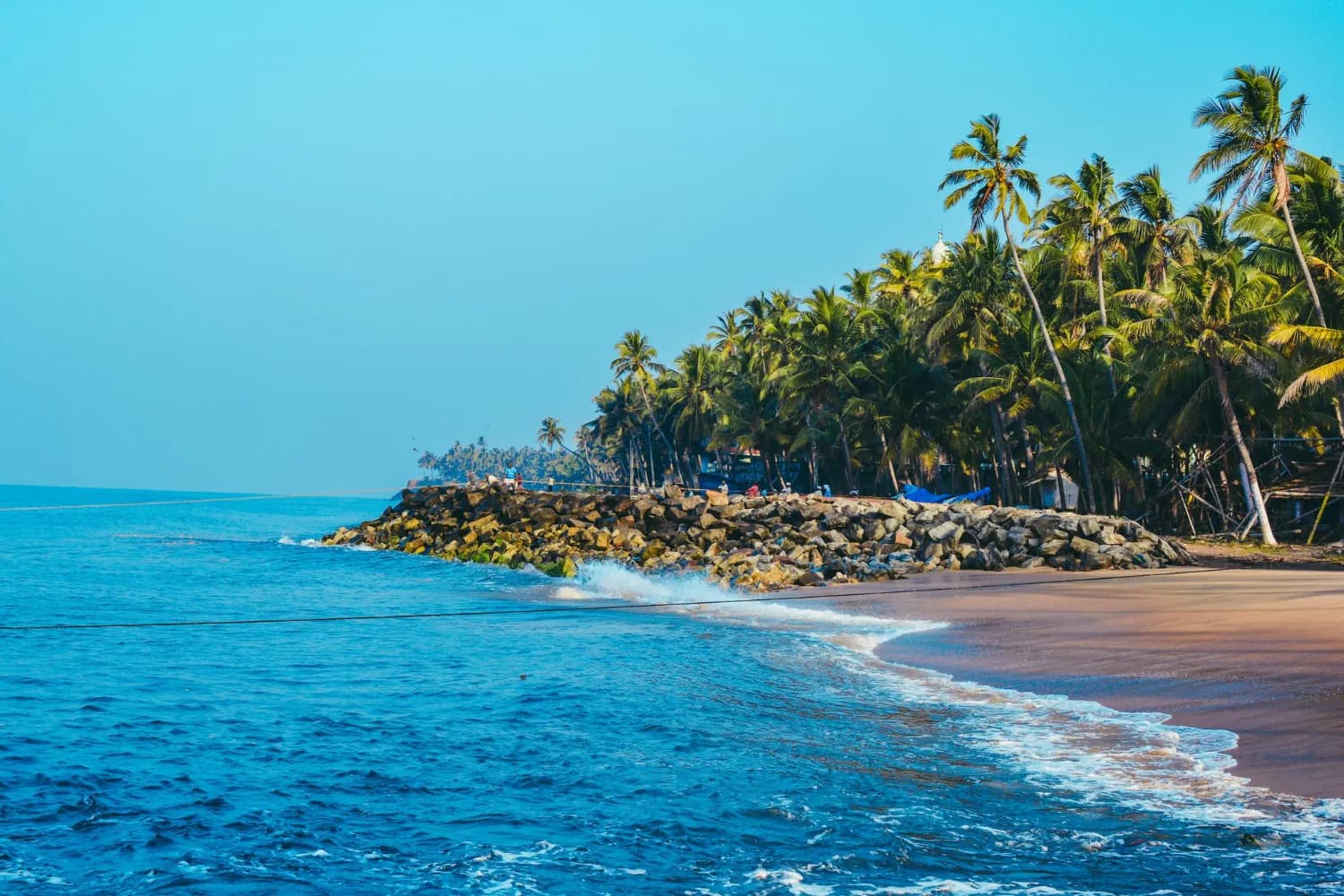
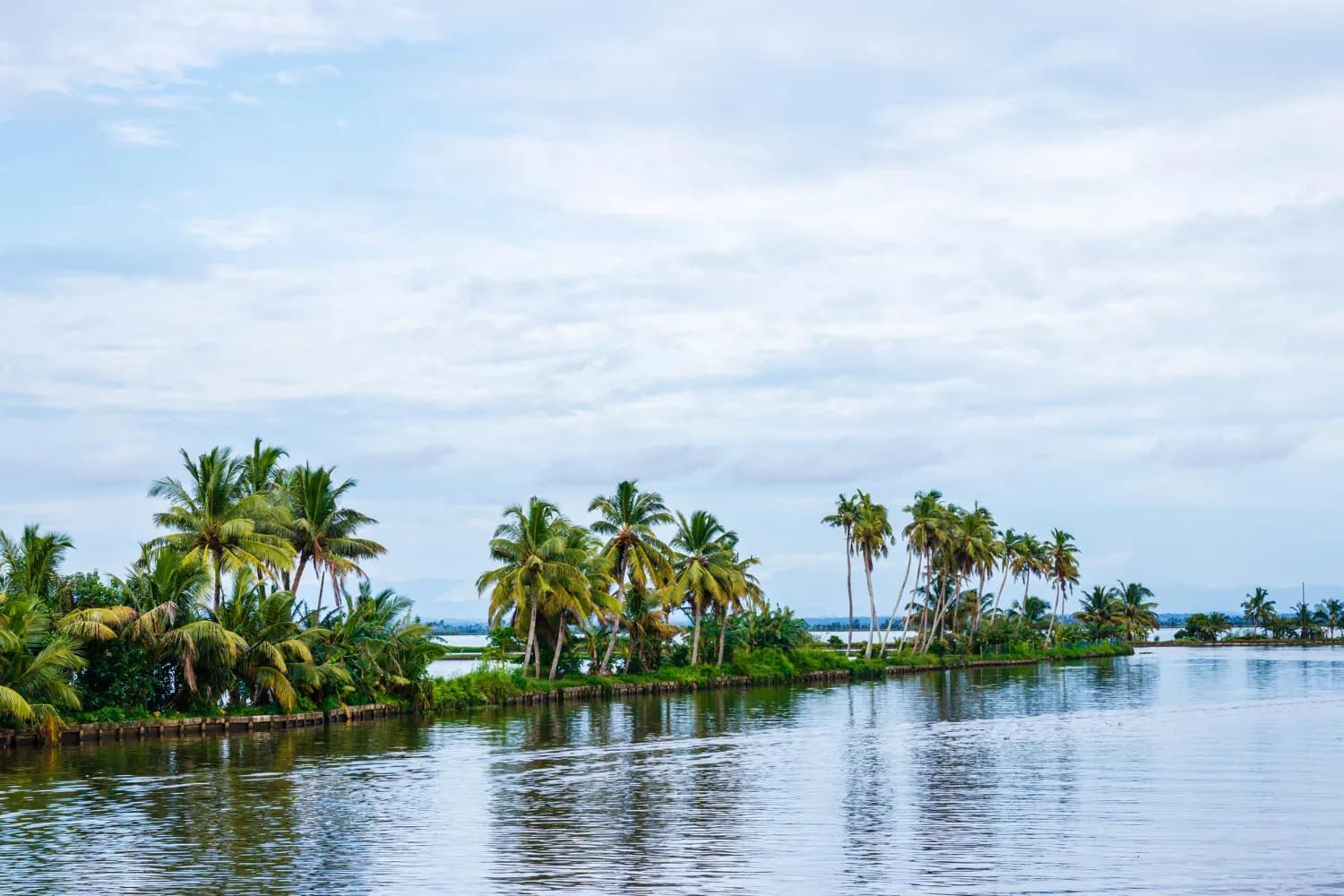
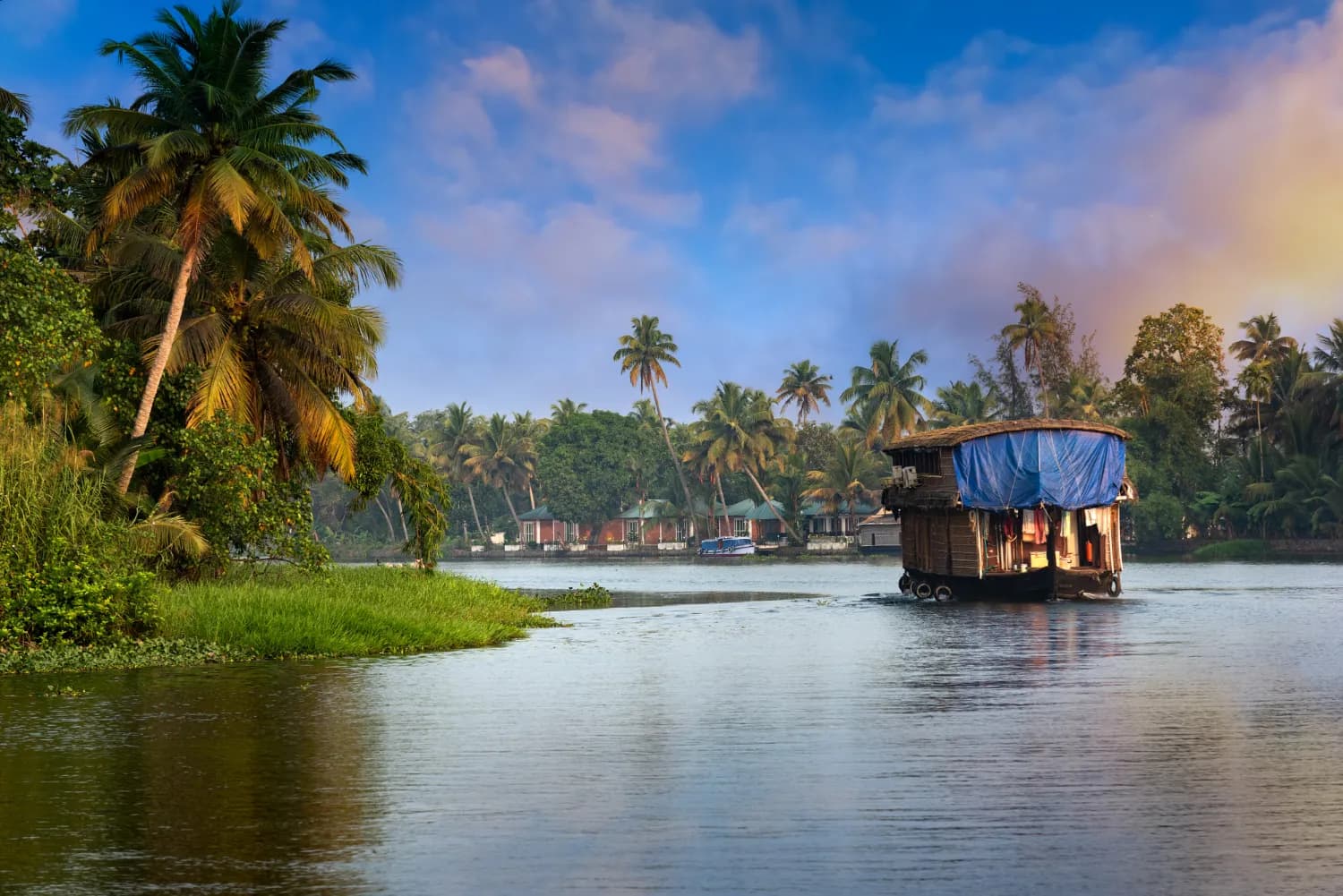
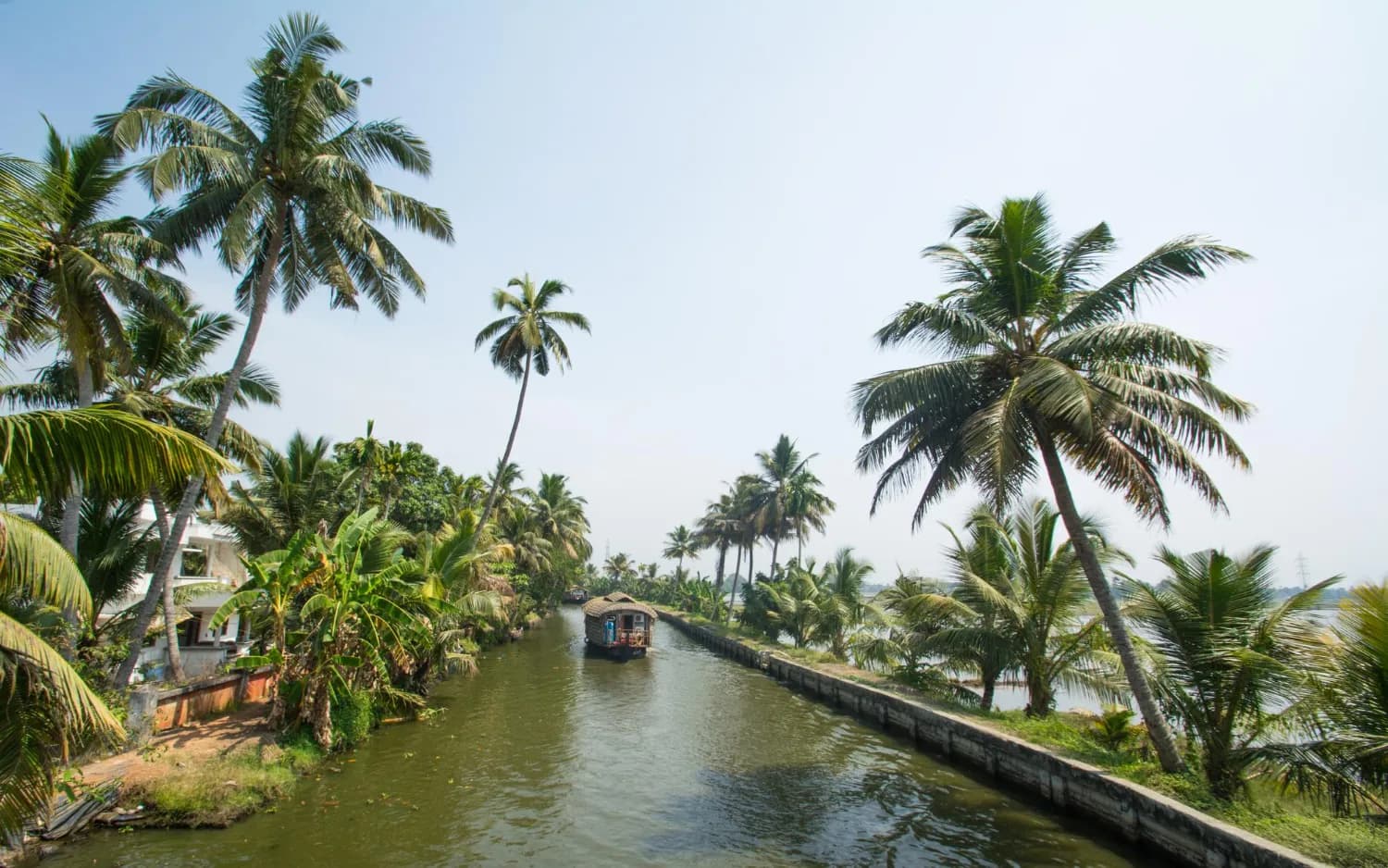
4. Alleppey (Alappuzha): Guwahati lives beside a river. Alleppey lives inside a water world of a completely different order — 900 kilometres of interconnected backwater canals, lagoons, and open lakes that carry fishing villages, paddy farms, coconut plantations, and an entire way of life on their surface. An overnight houseboat cruise through Vembanad Lake's golden-hour channels is the experience that transforms every Guwahati first-time visitor into a lifelong Kerala advocate — the stillness of the water, the green of the palms, and the on-board Kerala feast are simply unlike anything available in Northeast India.
Key Attractions:
- Vembanad Lake Overnight Houseboat Cruise
- Punnamada Lake — Nehru Trophy Snake Boat Race Venue
- Kuttanad Backwater Village Canoe Tour
- Alleppey Lighthouse Beach & Promenade
- Krishnapuram Palace & Museum
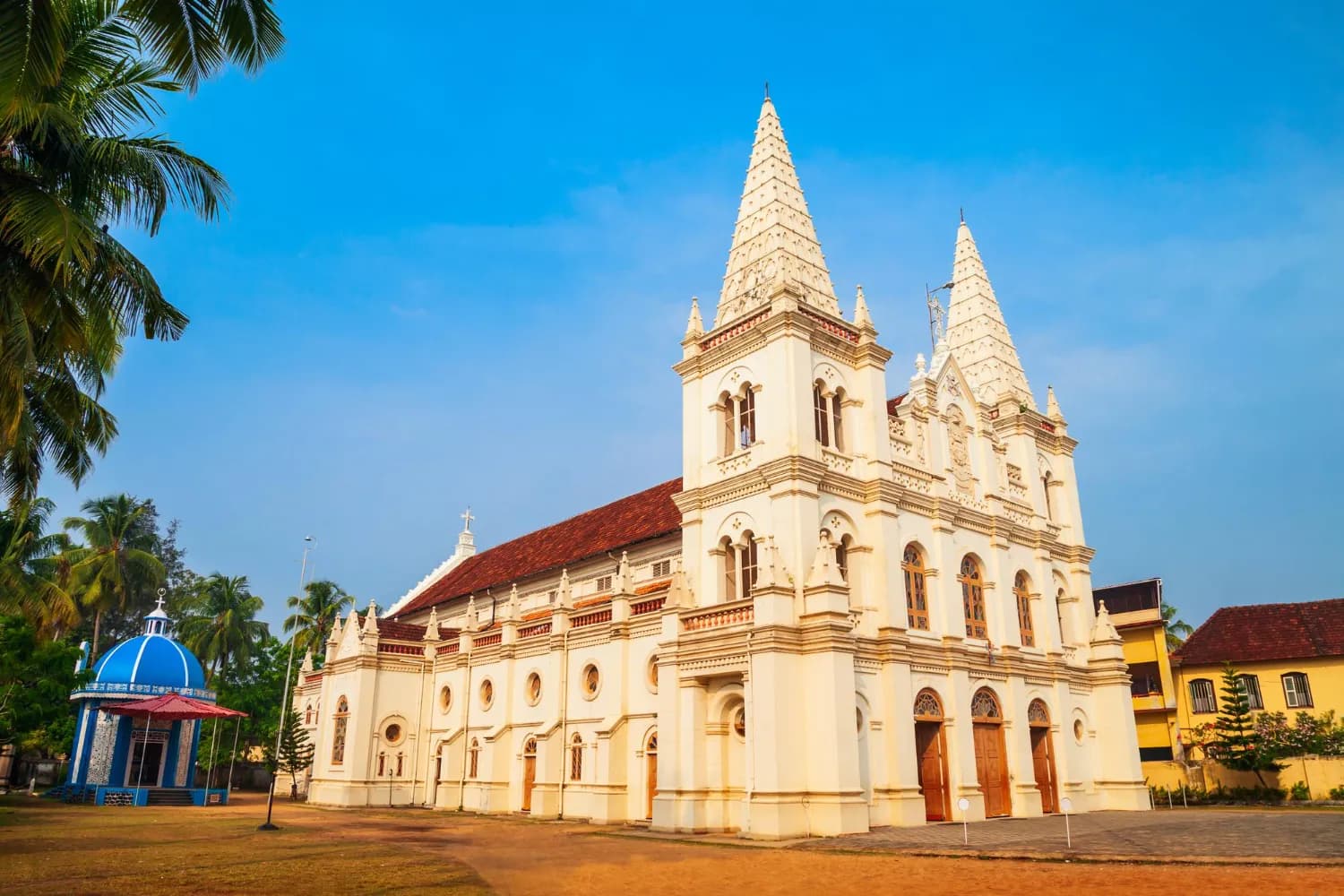
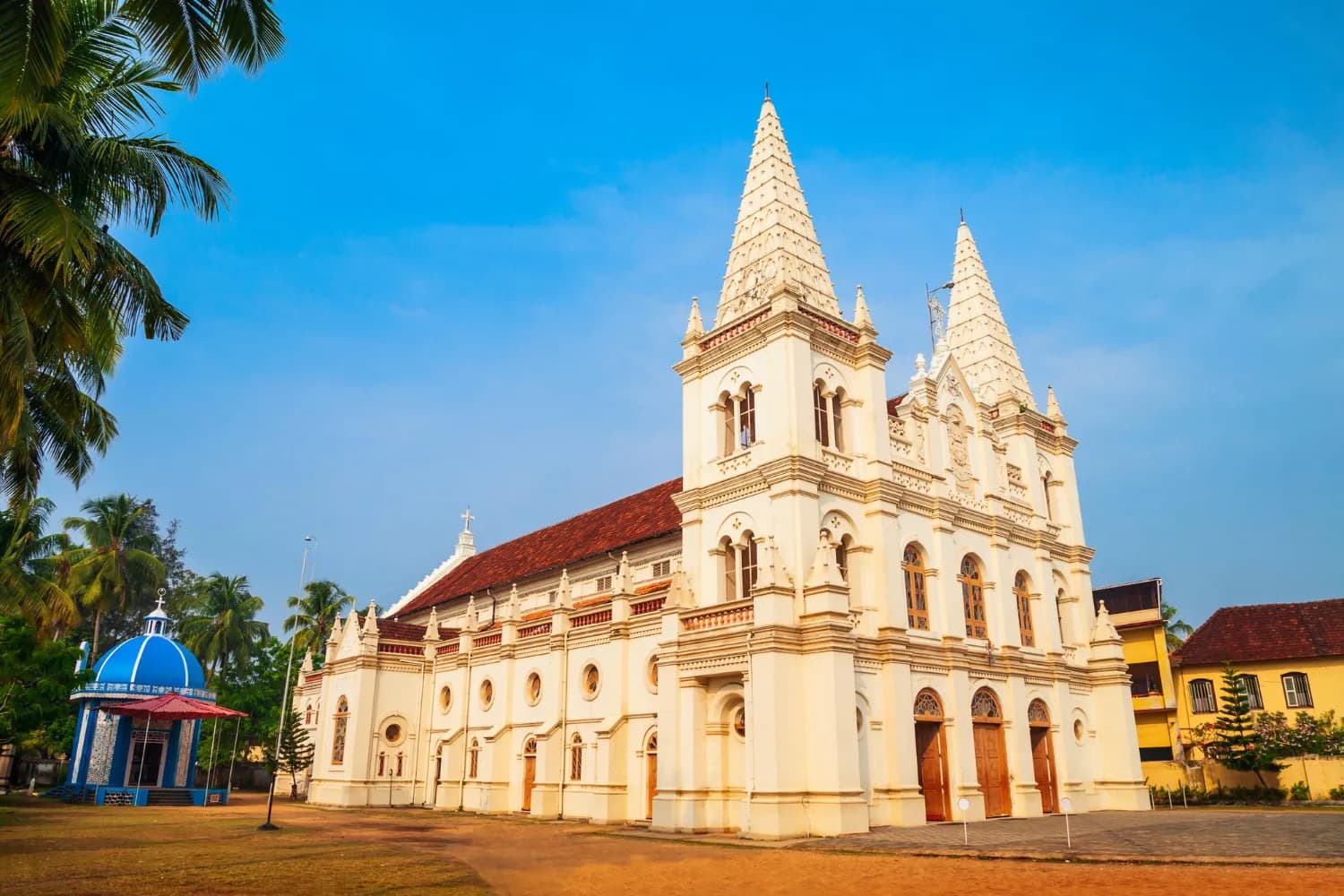
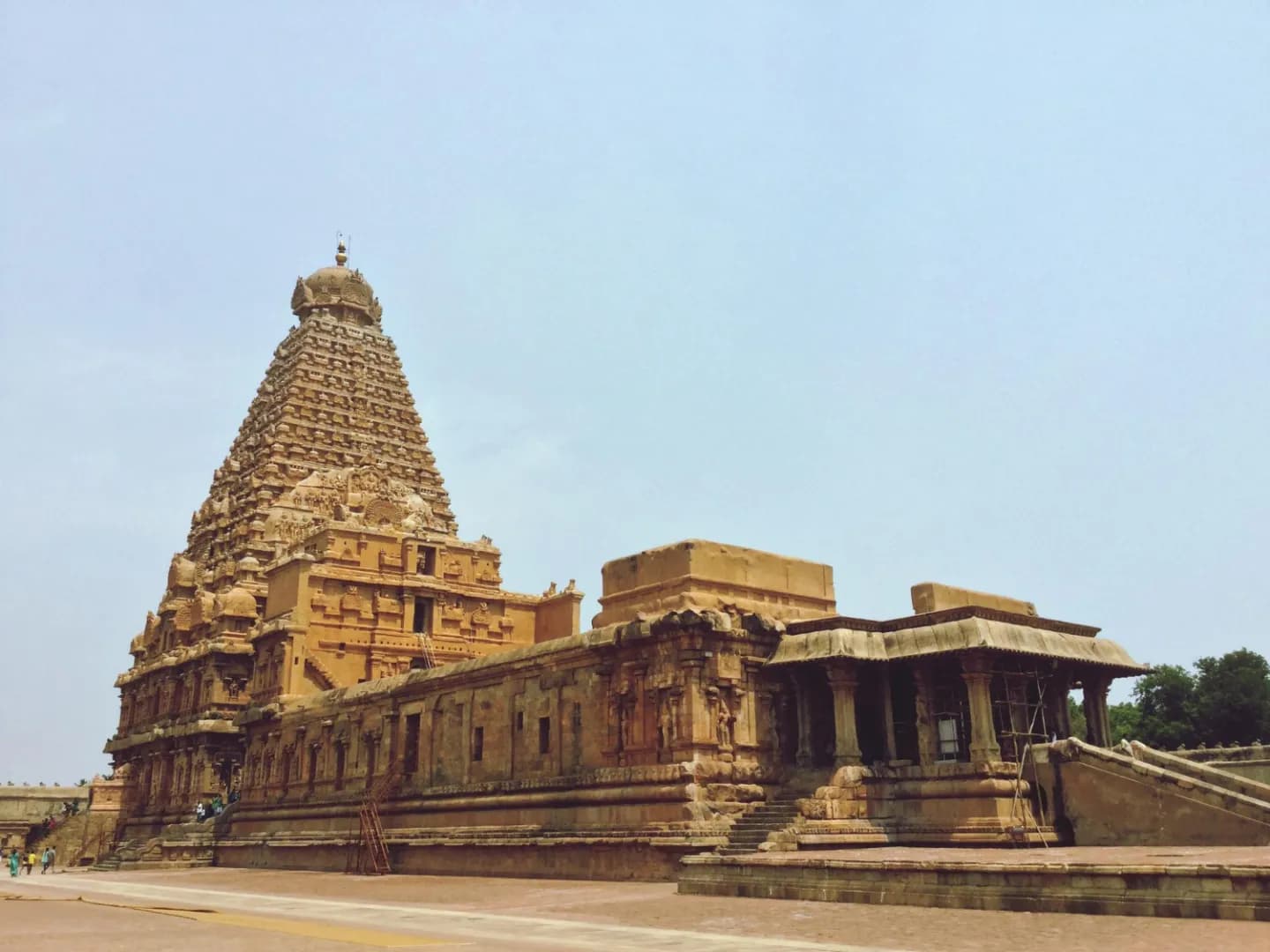
5. Kochi (Fort Kochi): For Guwahati's culturally curious travellers — citizens of a city where Assamese, Bengali, Bodo, and various Northeast tribal cultures coexist in a unique multilingual, multicultural urban fabric — Fort Kochi offers a South Indian city of equal cultural complexity in a completely different historical register. Five centuries of Portuguese, Dutch, Jewish, Chinese, and British influence have created a compact, walkable heritage quarter of extraordinary richness where every street corner reveals a new layer of the city's extraordinary multicultural past.
Key Attractions:
- Chinese Fishing Nets (Cheena Vala) at Dawn
- Mattancherry Palace (Dutch Palace) & Kerala Mural Paintings
- Paradesi Synagogue & Jew Town Antique Quarter
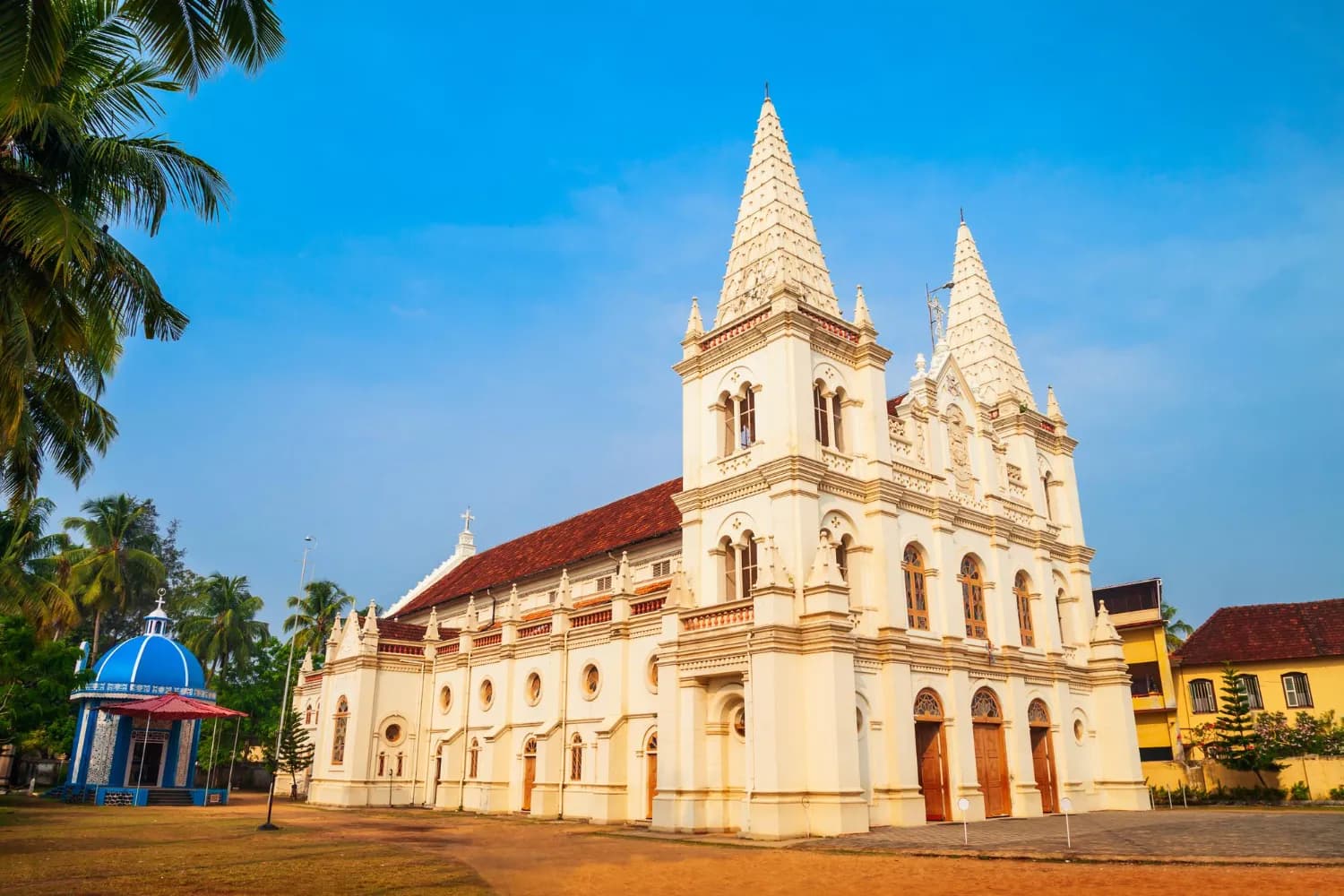
- Basilica of Santa Cruz & St. Francis Church
- Kerala Folklore Museum & Fort Kochi Heritage Walk
Kerala vs Northeast India — A Nature Traveller's Comparison
For Guwahati's nature-loving community — one of India's most experienced and most discerning wildlife travel audiences — the question that naturally arises before a first Kerala trip is: how does Kerala's natural environment compare to what we already know and love at home? The answer is: completely differently, and equally magnificently. Here is a side-by-side comparison that helps Guwahati's nature travellers understand exactly what Kerala's wilderness has to offer that the Northeast does not — and vice versa.
- Ecosystems: The Northeast's core ecosystems are Brahmaputra floodplain grasslands (Kaziranga), moist deciduous and semi-evergreen forests (Manas, Nameri), and the Eastern Himalayan broadleaf forests. Kerala's core ecosystems are tropical wet evergreen rainforest (Silent Valley, Periyar), high-altitude shola grasslands and forests (Munnar, Eravikulam), and mangrove and backwater wetlands (Vembanad, Ashtamudi). Neither replicates the other — they are genuinely distinct and complementary ecosystems, both of world-class biodiversity significance.
- Wildlife Highlights: The Northeast's flagship species — the Indian one-horned rhinoceros, Asiatic wild buffalo, pygmy hog, hoolock gibbon, and Gangetic river dolphin — have no counterpart in Kerala. Kerala's flagship species — the lion-tailed macaque, Nilgiri tahr, Malabar giant squirrel, and the largest concentration of Asian elephants in India — have no counterpart in the Northeast. For a wildlife traveller from Guwahati, Kerala represents an entirely new set of species, habitats, and encounters — a genuine expansion of the Indian wildlife experience rather than a repetition of it.
- Bird Watching: Both regions are globally significant birding destinations. The Northeast's Brahmaputra floodplains host extraordinary concentrations of migratory waterfowl and endemic species including the Bengal Florican, Greater Adjutant Stork, and Black-breasted Parrotbill. Kerala's Western Ghats and backwater wetlands host equally important populations of endemic species including the Malabar Grey Hornbill, Crimson-backed Sunbird, and the extremely rare Ceylon Frogmouth. A birder who knows both regions has covered two of Asia's five most important bird areas in a single country.
- Tea Culture: Assam and Munnar are India's two most celebrated tea-growing regions — and tasting the differences between them, in their home landscapes, is one of the most rewarding tea education experiences available anywhere in the world. Assam's CTC black tea, grown on flat Brahmaputra valley plains in a bold, malty, brisk style, is the foundation of India's chai culture. Munnar's orthodox high-grown teas — delicate, fragrant, and subtly complex — represent a completely different tea aesthetic grown on steep Ghat ridges at altitude. For Guwahati's tea-cultured travellers, the Munnar Tea Museum and a guided estate walk is a homecoming in the most unexpected possible sense.
- Rivers: The Brahmaputra is one of the world's great rivers — wide, powerful, tidal in its seasonal force, and home to one of India's most ancient river civilisations. Kerala's rivers are smaller but equally sacred — the Periyar, the Chalakudy, the Pamba — and the backwater network they feed is a water world without parallel in the Northeast. Where the Brahmaputra inspires awe through scale and power, Kerala's backwaters inspire wonder through their intricate, intimate beauty. Both experiences are essential for anyone who loves Indian water.
Kerala's Monsoon Travel Guide — For Those Who Love the Rain
Most travel guides tell you to avoid Kerala in the monsoon. For Guwahati's travellers — people who have lived through some of India's most intense monsoon seasons on the banks of the Brahmaputra — this advice makes no sense. Kerala's June to September monsoon is not something to avoid. It is something to seek out. Here is everything you need to know to travel Kerala's monsoon season intelligently and magnificently.
- What Kerala's Monsoon Actually Looks Like: Kerala receives its monsoon from the Arabian Sea — the powerful southwest monsoon that arrives between June 1 and 5 every year and is officially the first monsoon landfall in India. The Western Ghats amplify its rainfall dramatically: the mountain slopes receive 3,000 to 7,000 mm of rain annually, creating the most intensely green and most dramatically waterfall-rich landscape in all of South India. The rain does not fall all day — it typically comes in powerful bursts of 2 to 3 hours, with bright intervals in between that allow sightseeing, photography, and outdoor activities.
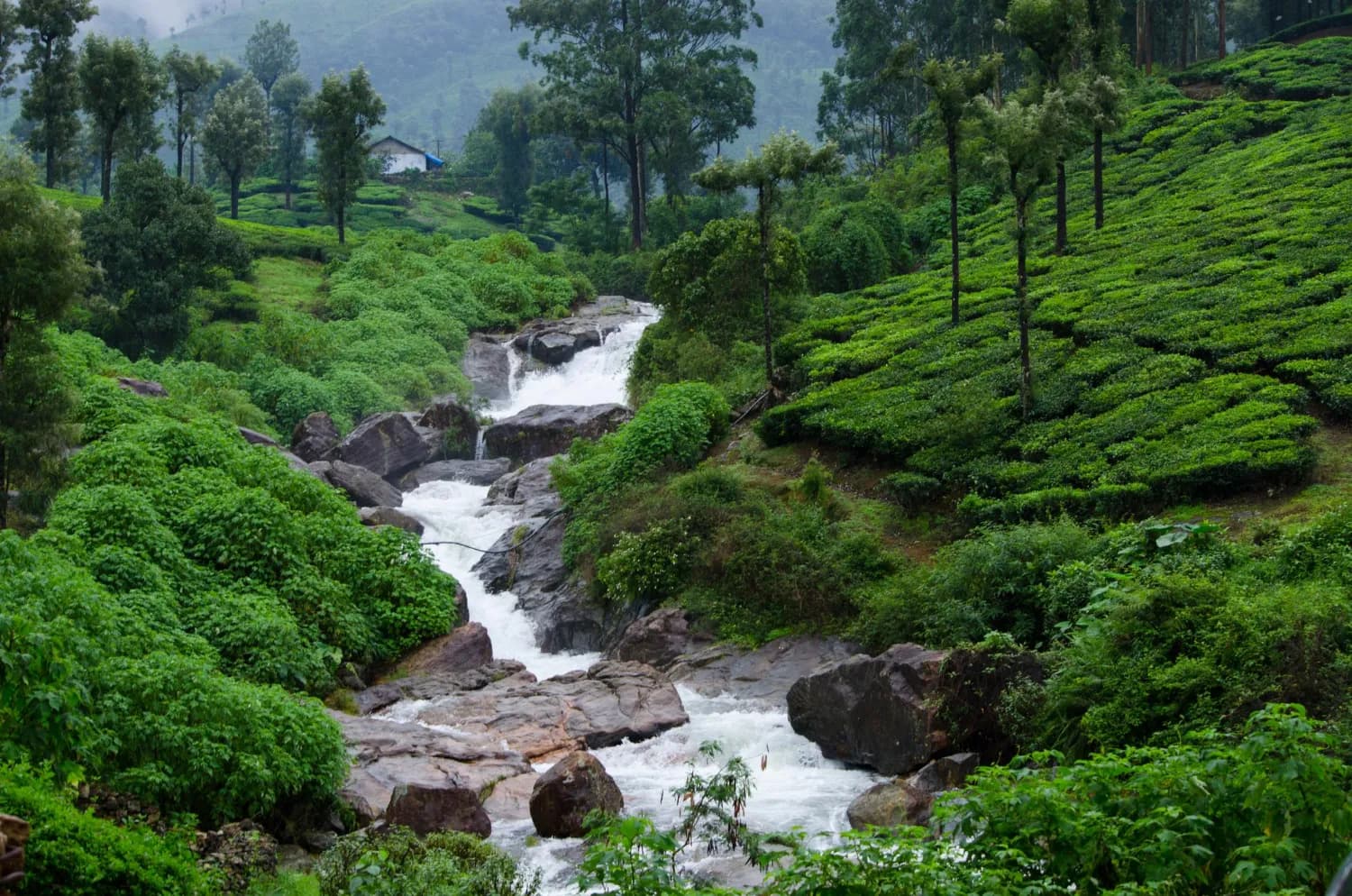
- Best Monsoon Destinations in Kerala: Wayanad and Munnar are Kerala's finest monsoon hill station destinations — their forests turn an electric green, their waterfalls thunder at full volume, and the mist that moves through their valleys creates a landscape of extraordinary atmospheric drama. Thekkady's Periyar forest is magnificent in the monsoon — the jungle is dense, wet, and alive with bird activity. Athirappilly Falls reaches its most spectacular in July and August — a curtain of full-flow water so powerful the spray is visible from the highway. The backwaters are navigable year-round, and a monsoon houseboat cruise has its own distinct beauty — rain on the canal surface, green banks denser and more vivid than in any other season.
- Ayurveda in the Monsoon: Kerala's traditional Ayurvedic physicians consider June to September the single most therapeutically potent time of year for treatments — the cool, humid climate opens the skin's pores and channels maximally, making herbal oil absorption significantly deeper and treatment outcomes measurably more effective. Authentic Ayurvedic retreats across Kerala fill up during the monsoon with guests who come specifically for this seasonal therapeutic advantage. For Guwahati's wellness-focused travellers, a monsoon Ayurvedic retreat in Kerala combines the two things most difficult to find simultaneously — genuine therapeutic efficacy and dramatically beautiful natural surroundings.
- Practical Monsoon Travel Tips: Pack light, quick-dry clothing and a quality compact umbrella or waterproof jacket rather than a bulky raincoat. Waterproof sandals or trail shoes are more practical than leather footwear. Carry a dry bag or waterproof cover for cameras and phones. Book accommodation in advance — monsoon is actually a popular season for domestic travellers and good quality rooms fill quickly. All major Kerala roads are well-maintained and navigable throughout the monsoon, and internal transport between destinations operates normally. Avoid beach swimming during peak monsoon due to rough sea conditions, but all other sightseeing and nature activities operate as normal.
All Packages
Why Book Packages with Viacation?

Trusted by 1,00,000+ travellers

Dedicated experts to plan your trips

Secure bookings, clear cancellations

10,000+ unique trips to choose from
All Packages
Yes. The Guwahati–Thiruvananthapuram Express (Train No. 16723) runs on select days from Guwahati Junction directly to Thiruvananthapuram Central, covering approximately 58 to 60 hours. The Vivek Express, the world's longest train route, also connects Guwahati to Thiruvananthapuram. Both are scenic, direct, and budget-friendly options for Guwahati travellers.
There are no direct non-stop flights from Guwahati to Kerala currently. Connecting flights via Kolkata or Bangalore to Kochi (COK) or Calicut (CCJ) take approximately 5.5 to 7.5 hours total including the layover. IndiGo, Air India Express, and SpiceJet operate multiple daily combinations on this route.
Given the long travel time from Guwahati, a minimum of 8 to 10 days is recommended to make the journey worthwhile. A 9-day itinerary covering Kochi, Munnar, Thekkady, Alleppey, and Wayanad is the most popular choice for first-time Kerala visitors from Northeast India.
Thekkady's Periyar Tiger Reserve, Wayanad Wildlife Sanctuary, and Eravikulam National Park form Kerala's best wildlife triangle for Guwahati's nature-loving community. Viacation builds dedicated wildlife-focused Kerala packages from Guwahati combining all three destinations with expert naturalist-guided experiences.
Viacation's Kerala Tour Packages from Guwahati start from ₹28,000 per person for budget 8-day packages including flights, ₹45,000 to ₹72,000 for standard mid-range itineraries, and ₹90,000 upwards for premium luxury packages — all with complete transparent pricing and zero hidden charges.
