

Bhutan Tour Packages From Noida
A Bhutan tour package from Noida should feel simple, honest, and well planned. I help you with itinerary design, flight and permit guidance, handpicked hotels, transport, guides, and reliable local support. You see transparent inclusions, exclusions, and taxes clearly mentioned, so there are no awkward surprise costs at the last moment. Every stay option goes through basic checks for cleanliness, safety, and location convenience. I work only with verified partners to reduce risks of poor hotel standards, payment fraud, or unrealistic promises. Itineraries match your pace, not a rushed checklist. Bhutan appeals to Indian travellers who want clean air, quiet valleys, and meaningful cultural experiences rather than crowded party nights. Think monasteries on cliffs, calm rivers, mountain views, and polite local communities. I keep documentation, permits, and payments structured and traceable, so you can focus on the experience while staying confident that the back-end logistics are under control.
Best Time To Visit Bhutan
The Best Time to Visit Bhutan is generally from March to May and from late September to November. These months usually offer pleasant weather, clear mountain views, and comfortable conditions for sightseeing.
- Peak Season, March to May and October to November: Ideal for first-time visitors, clear skies, blooming landscapes, and busy tourist flow. Advance hotel and flight planning is strongly recommended.
- Shoulder Season, February, early September, and early December: Fewer crowds, cooler temperatures, better availability. Good balance for travellers seeking value with acceptable weather.
- Waning Season, late December to January and monsoon months: Colder or wetter conditions, possible travel disruptions. Suitable for flexible, budget-focused travellers who prefer quiet streets and do not mind weather uncertainties.
How to Reach Bhutan
Travellers planning a holiday from Noida usually combine surface travel to the nearest Indian airport or railhead with onward connections to Bhutan. While I help with routing guidance, tickets stay booked through safe, authorised channels. A carefully designed Bhutan tour package from Noida keeps buffer time for connections so that small delays do not disrupt the entire plan.
By Air: The main international gateway to Bhutan is Paro International Airport. There are no direct flights from Noida, so you first travel to a major Indian city that has flights to Paro. Popular options include airports in cities that frequently operate Bhutan-bound services. I help you choose sectors with comfortable layovers and coordinate airport transfers so that you avoid last-minute confusion. Since flight schedules can change, I always share updated options and advise booking early during peak seasons.
By Train: There is no direct train into Bhutan. You can take a train from the Delhi NCR region to a railhead in West Bengal or Assam located close to the Bhutan border. From there, a pre-arranged car or local transport can take you to the border town on the Indian side, and then onward into Bhutan by road. I suggest routes based on current train availability, travel time, and your comfort with overnight journeys.
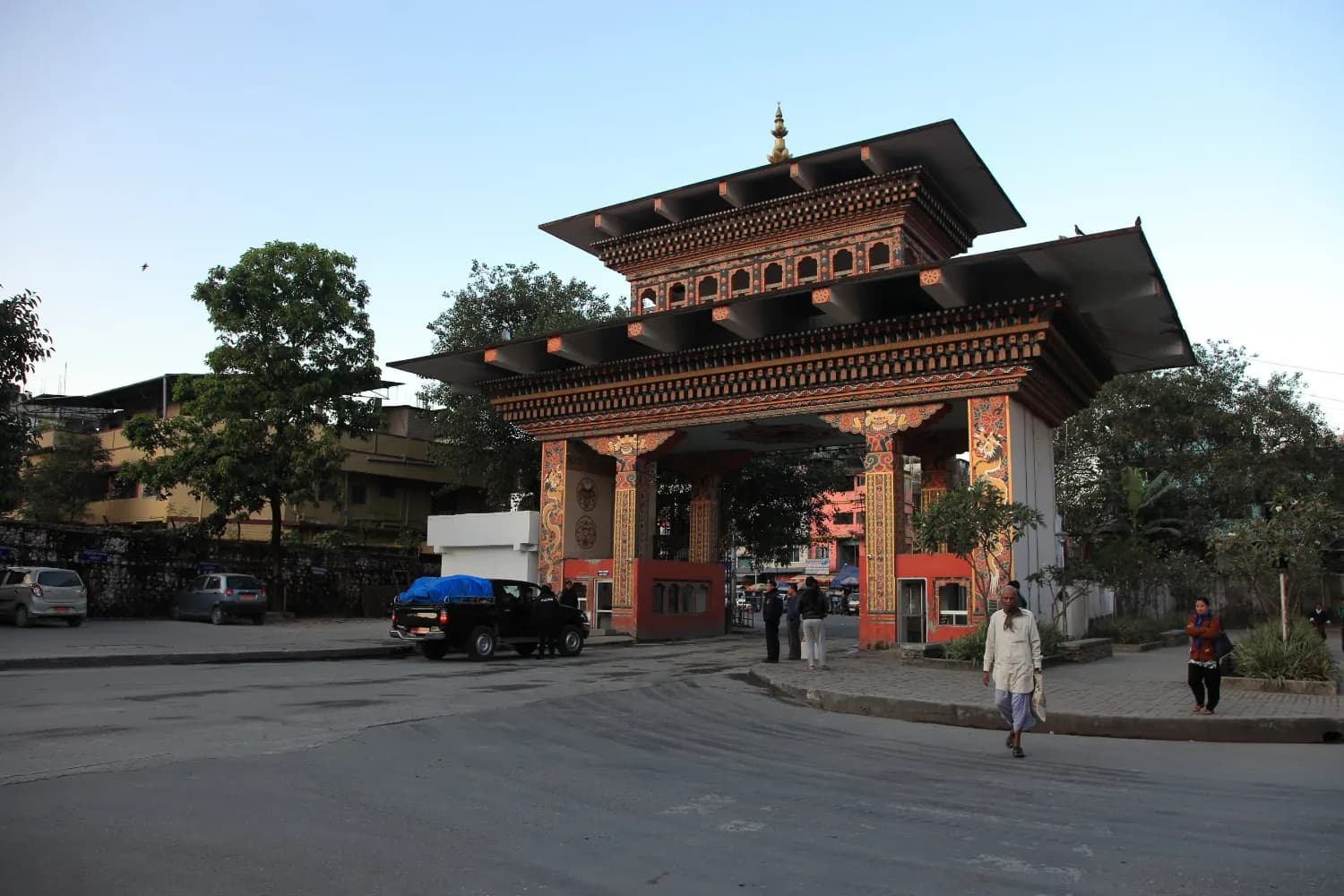
By Bus and Road: State and private buses operate till major Indian towns near the Bhutan border. After reaching the border, travellers complete immigration formalities and then continue in Bhutanese vehicles. For guests who prefer more comfort, I usually recommend private cabs instead of crowded buses, especially for families or senior citizens. Road journeys offer scenic views but require realistic planning, proper rest stops, and reliable drivers, all of which I prioritise in the itinerary.
Places to Visit in Bhutan
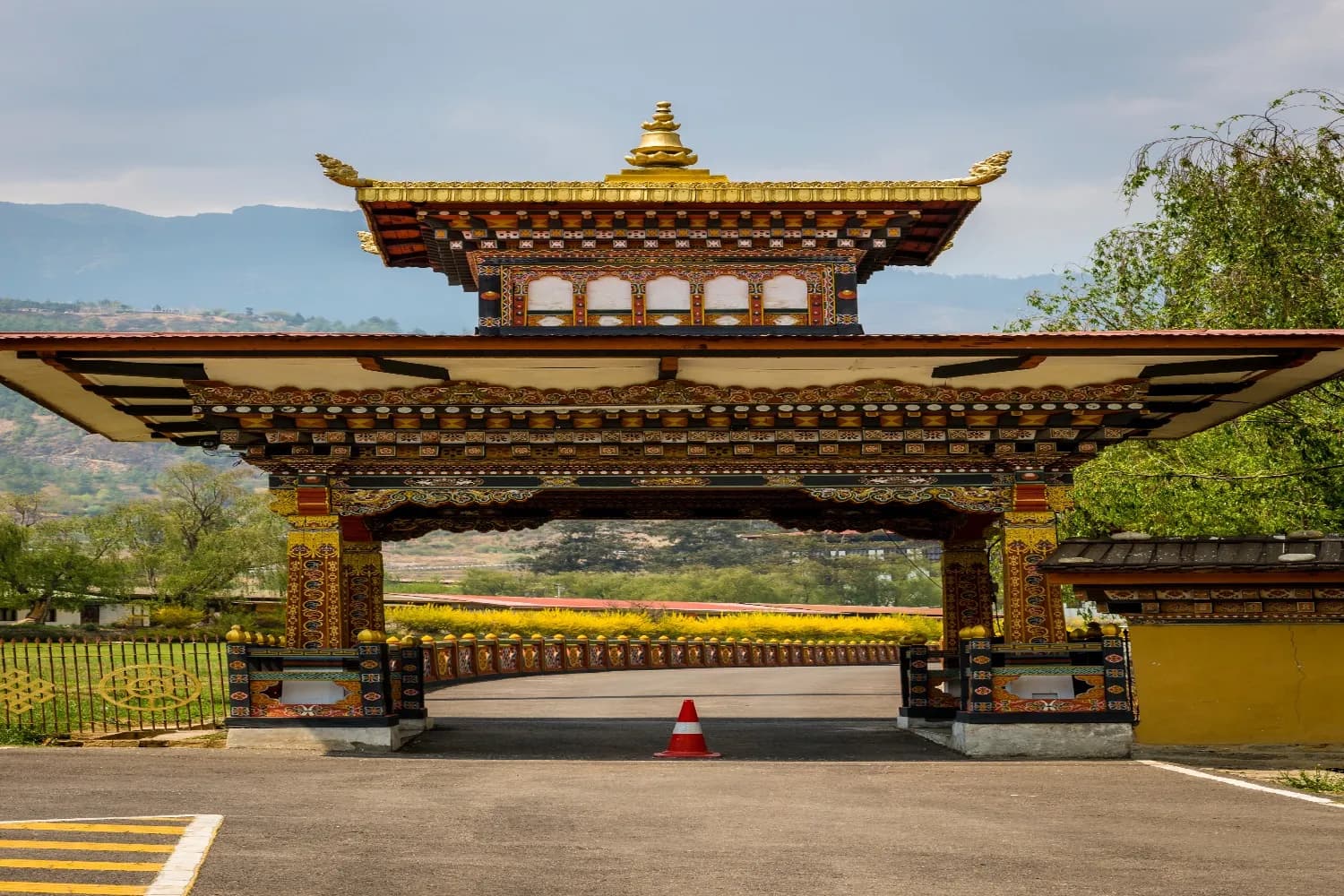
Paro: Paro is often the first touchpoint in Bhutan, thanks to its international airport and stunning valley setting. The highlight for most travellers is the hike to the famous cliffside monastery often called Tiger’s Nest. The town also offers riverside walks, small cafes, and traditional bridges. I usually plan at least two nights here so that the hike and local sightseeing feel relaxed.
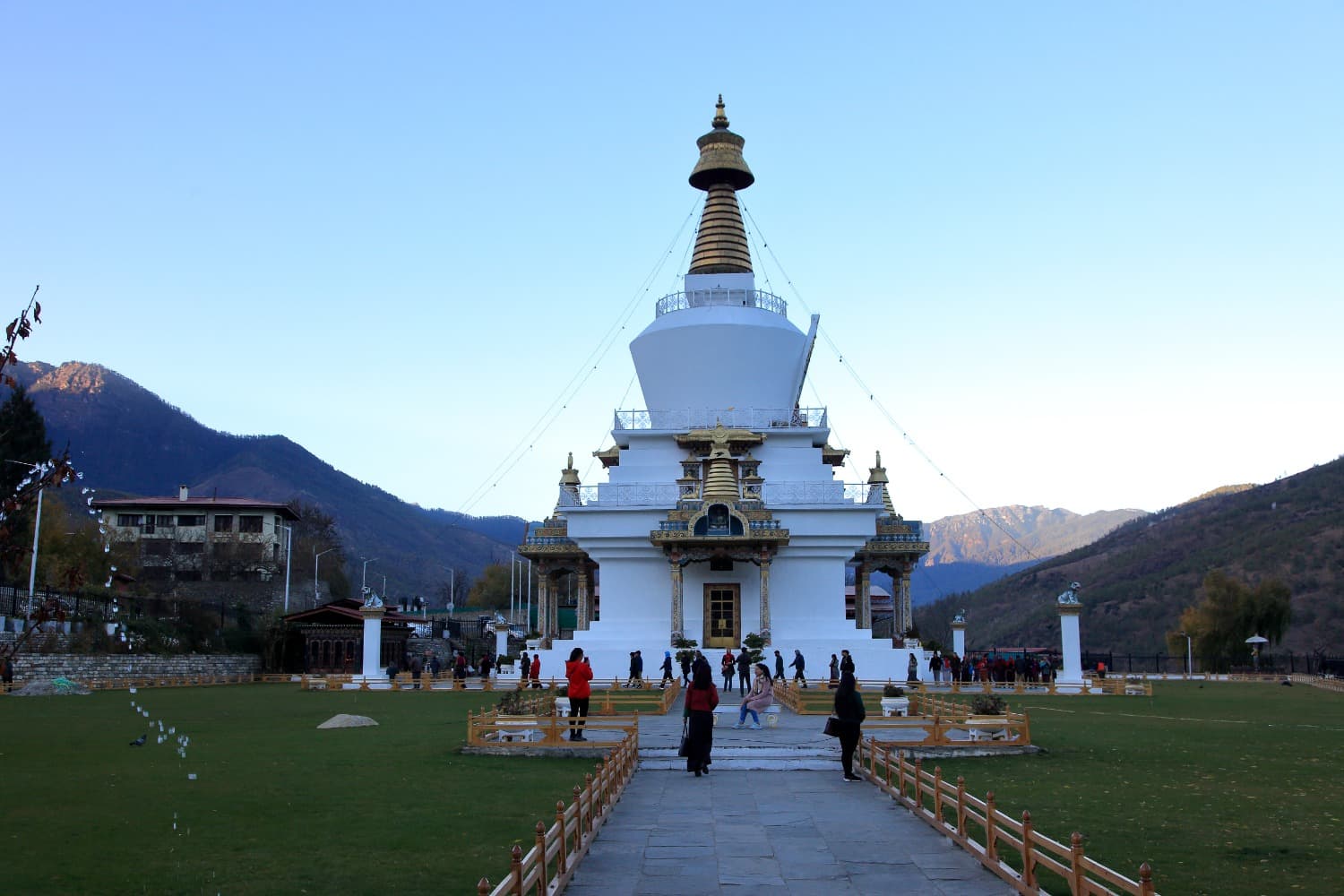
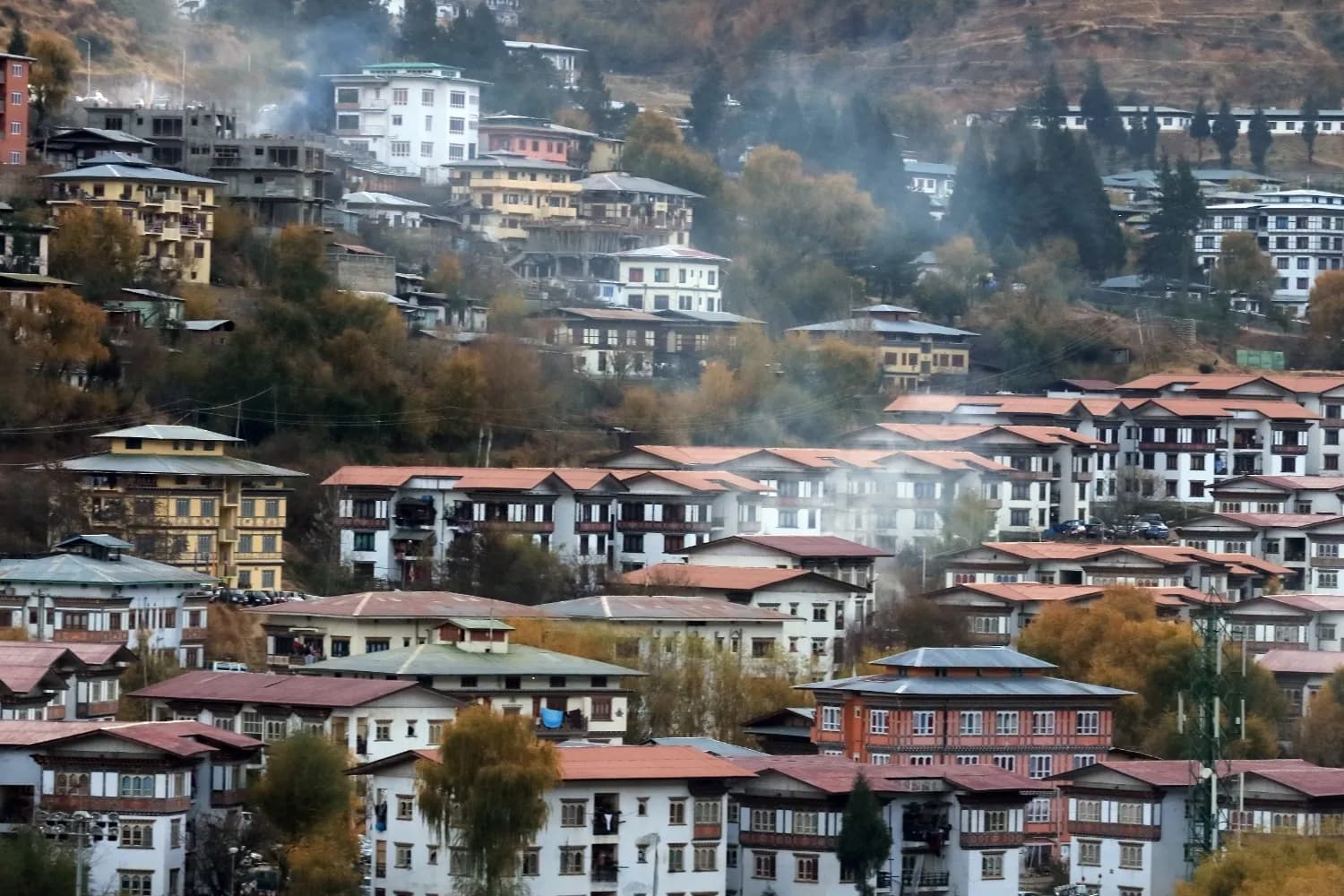
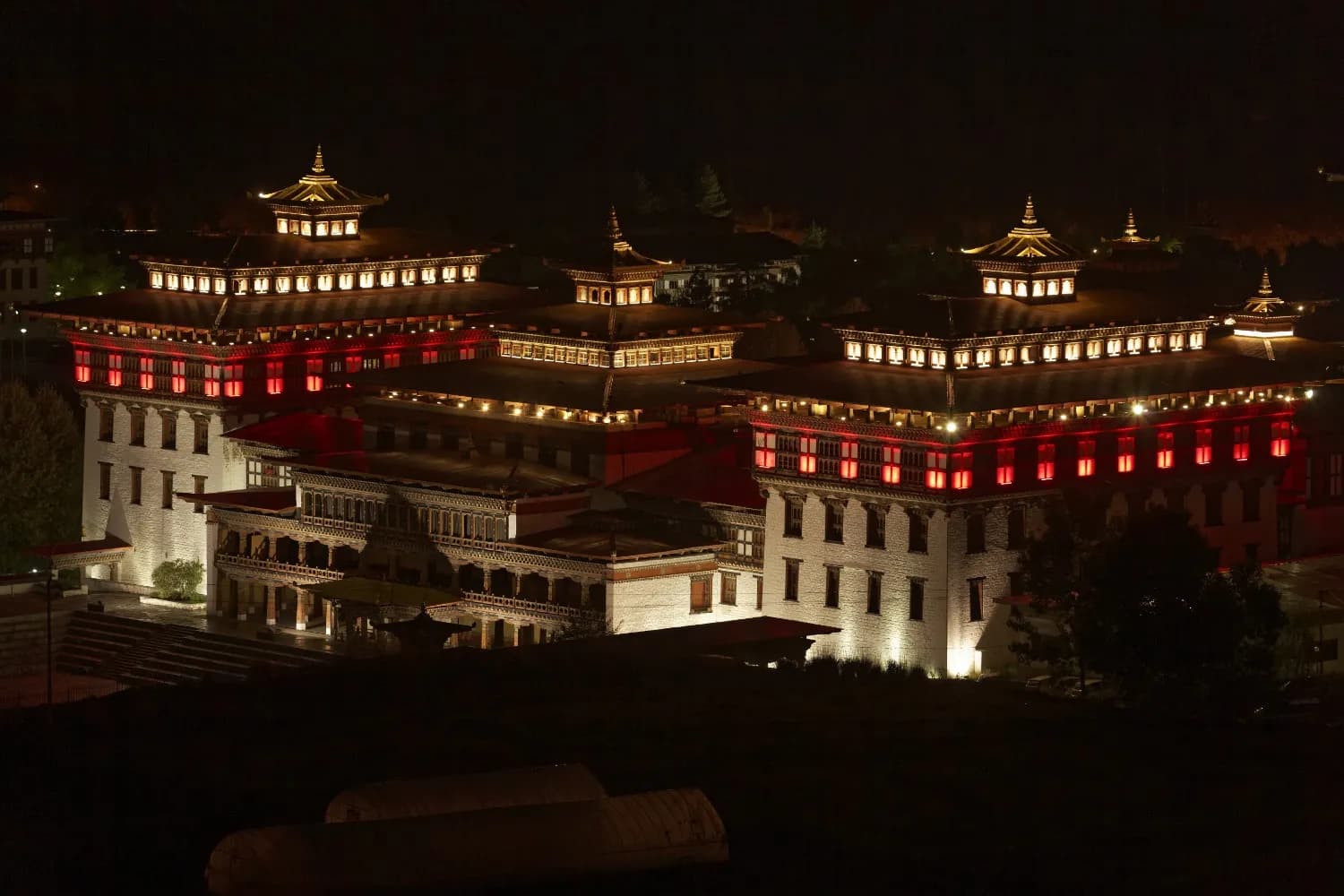
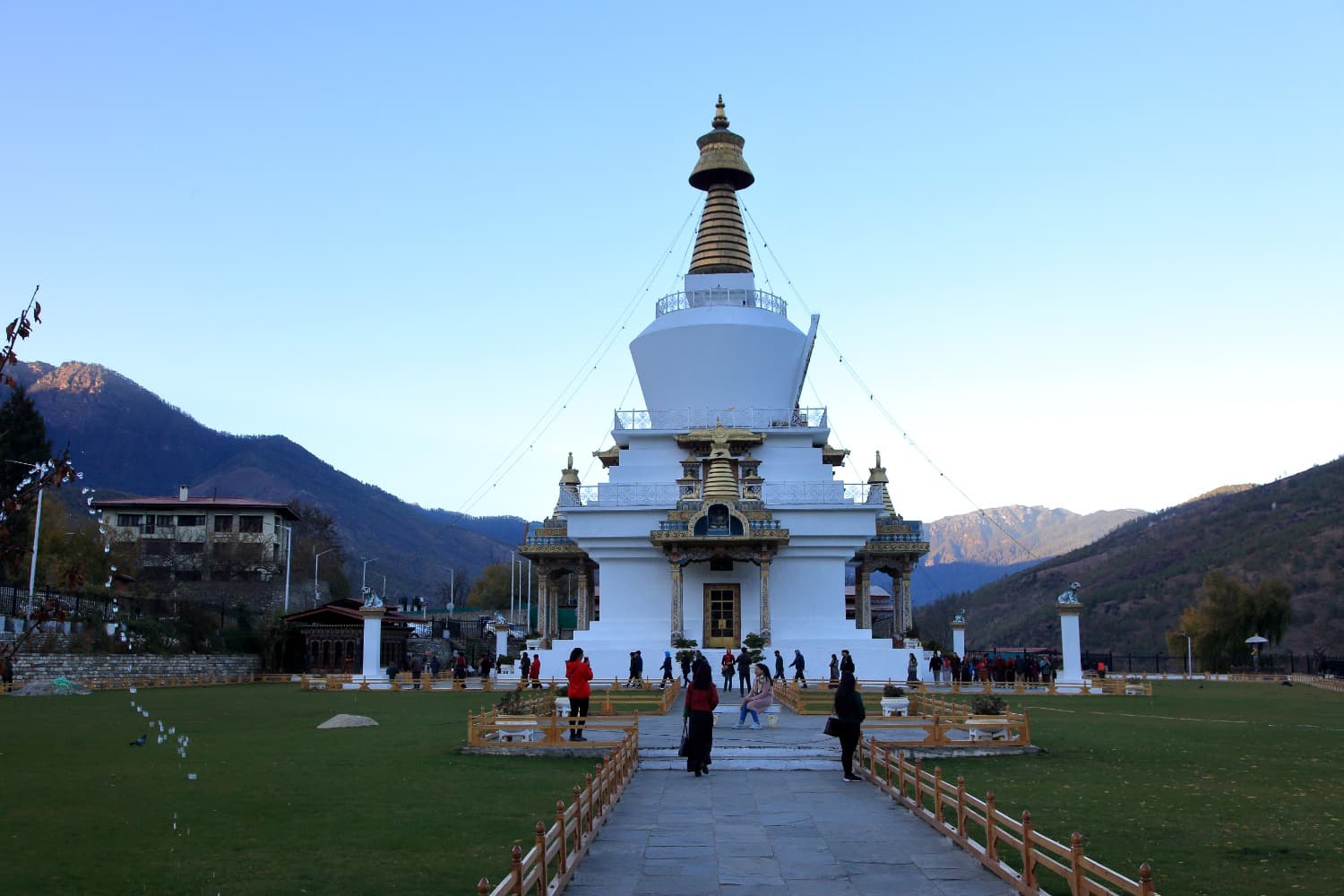
Thimphu: Thimphu, the capital city, blends traditional Bhutanese architecture with a modern, organised lifestyle. You can visit important monasteries, a prominent Buddha statue overlooking the city, local markets, and cultural centres. The evenings feel calm, with a handful of cafes and restaurants serving both local and Indian food. It is a comfortable base for first-time visitors who want easier access to services, ATMs, and medical facilities.
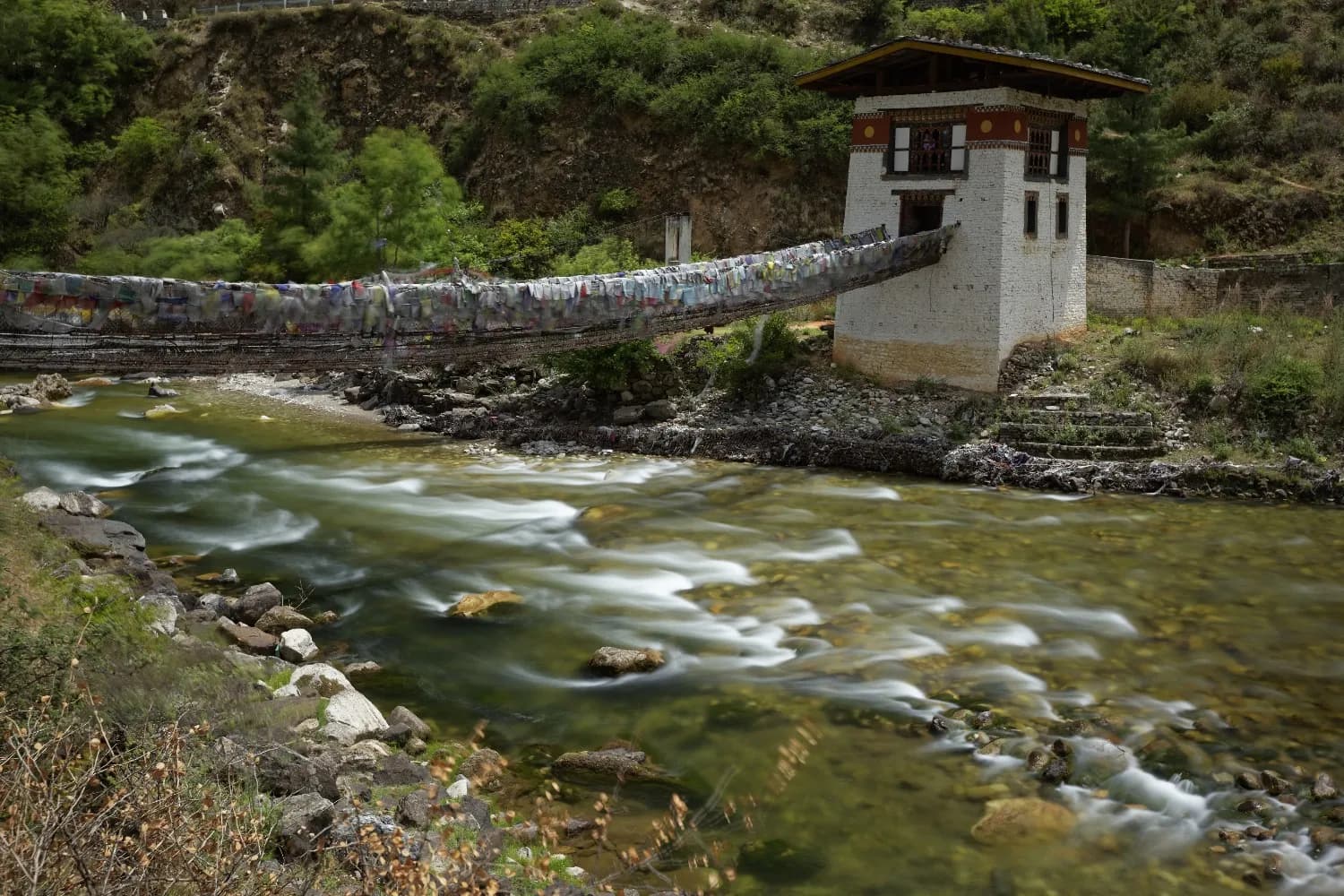
Punakha: Punakha attracts travellers with its warmer climate and beautiful river valley. The striking Punakha Dzong, located at the meeting point of two rivers, is among the most photogenic fortress-monasteries in Bhutan. Many itineraries include a short hike to a nearby suspension bridge and agricultural villages. I encourage guests to slow down here, enjoy walks by the river, and experience Bhutan beyond its capital hubs.
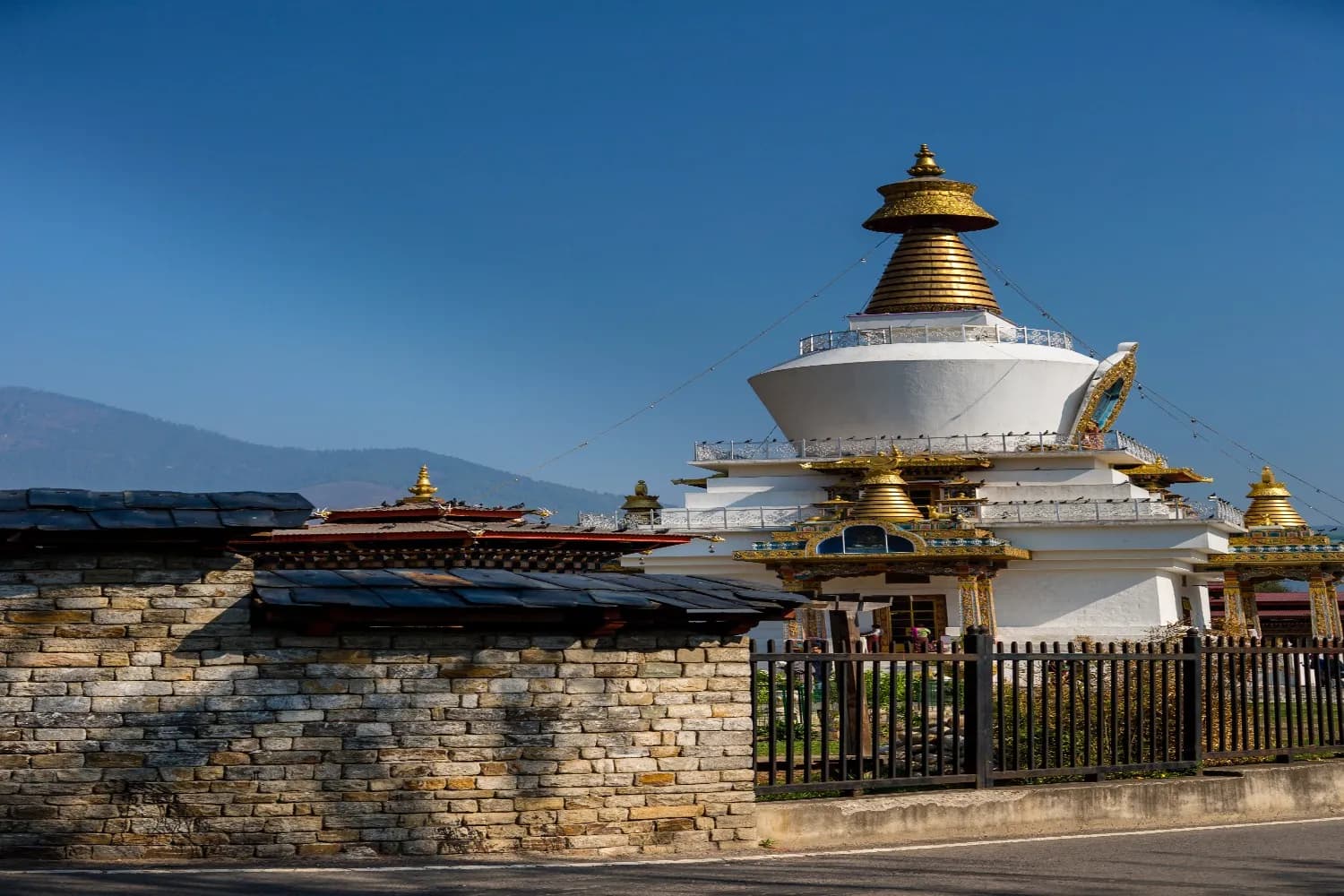
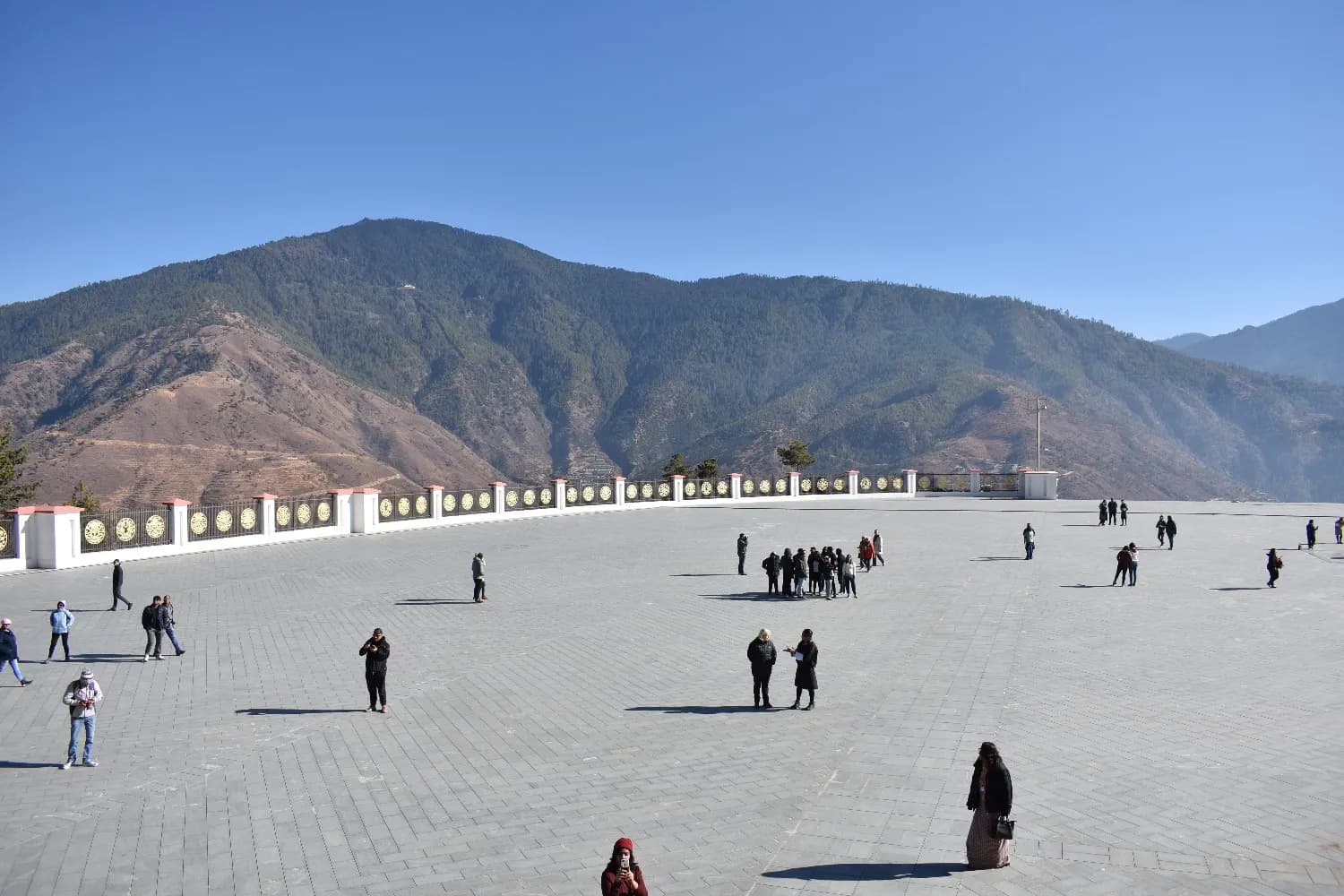
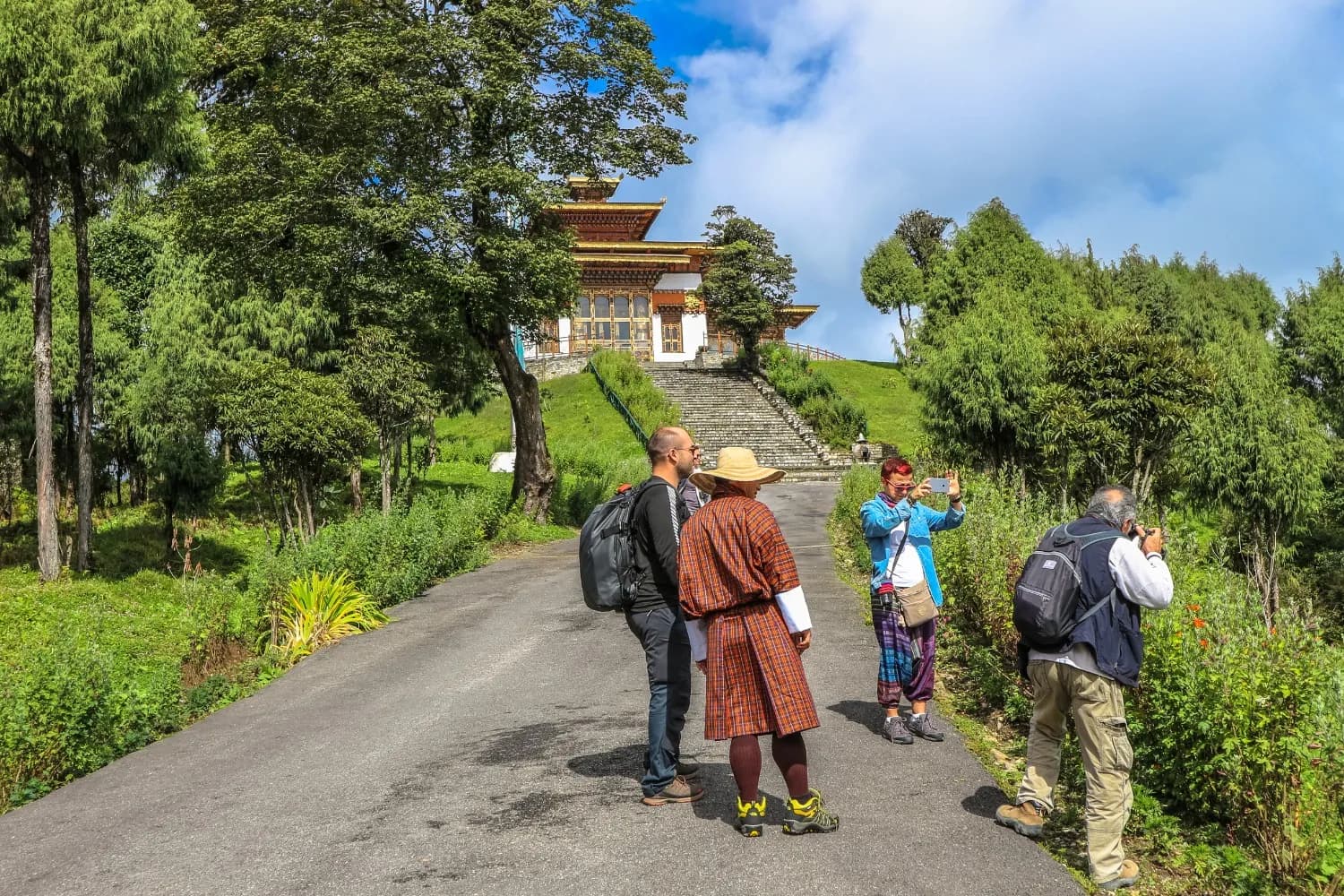
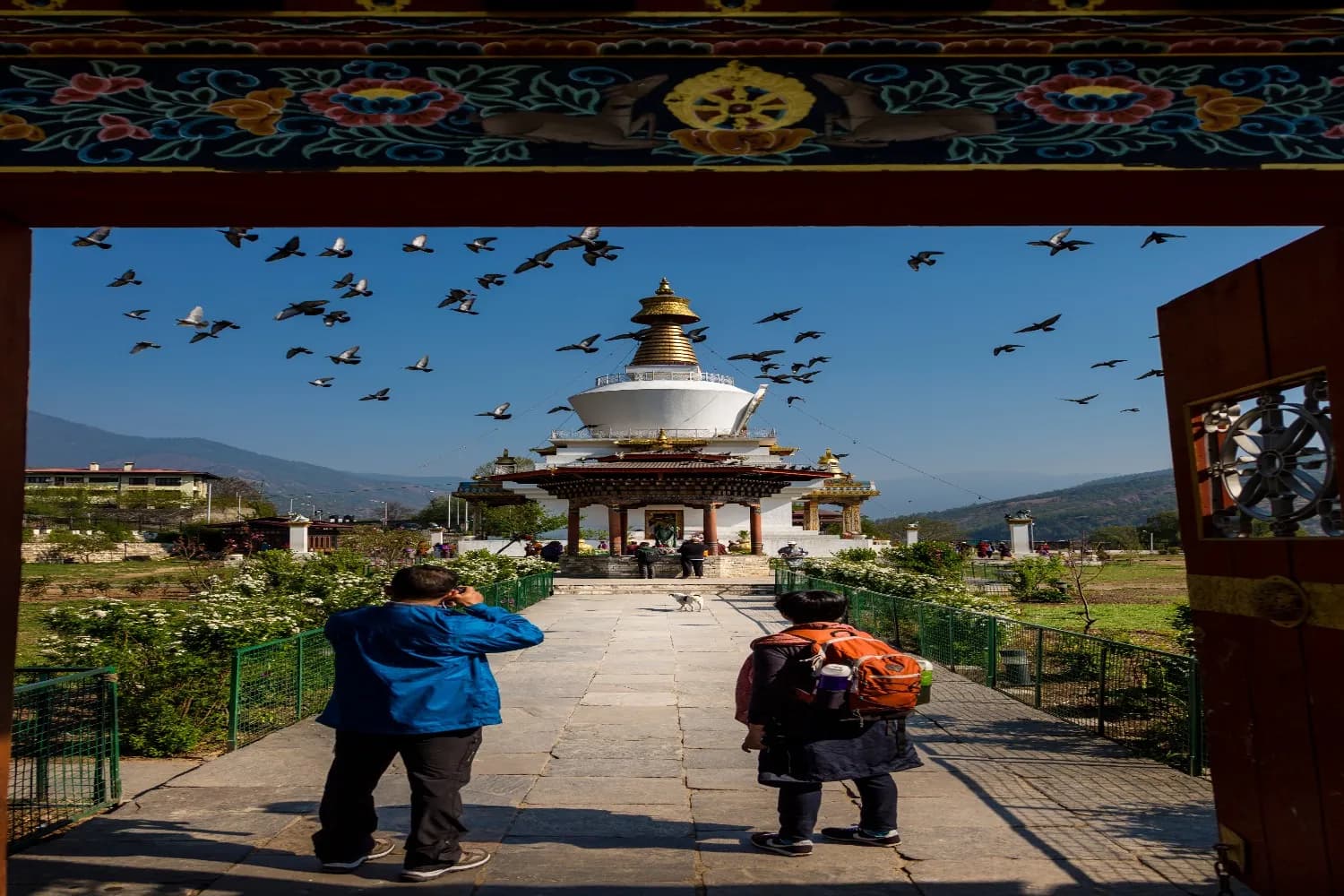
Dochula Pass: On the way between Thimphu and Punakha, Dochula Pass offers panoramic views of snow-capped peaks on clear days. The site is known for its cluster of memorial chortens and a peaceful ambience. Travellers often stop for tea, photos, and a short stroll around the hilltop complex. I factor in flexible time here, because visibility can change, and waiting a little sometimes rewards you with dramatic mountain views.
Phobjikha Valley: Phobjikha Valley, also known as Gangtey Valley, appeals to nature lovers. It is a broad U-shaped glacial valley known for its wetlands and seasonal birdlife. The area has walking trails, traditional farmhouses, and a monastery that overlooks wide open fields. Accommodation options are fewer but charming. I usually recommend Phobjikha to travellers who enjoy quiet evenings, countryside landscapes, and slower travel days with minimal screen time.
Things to Do in Bhutan
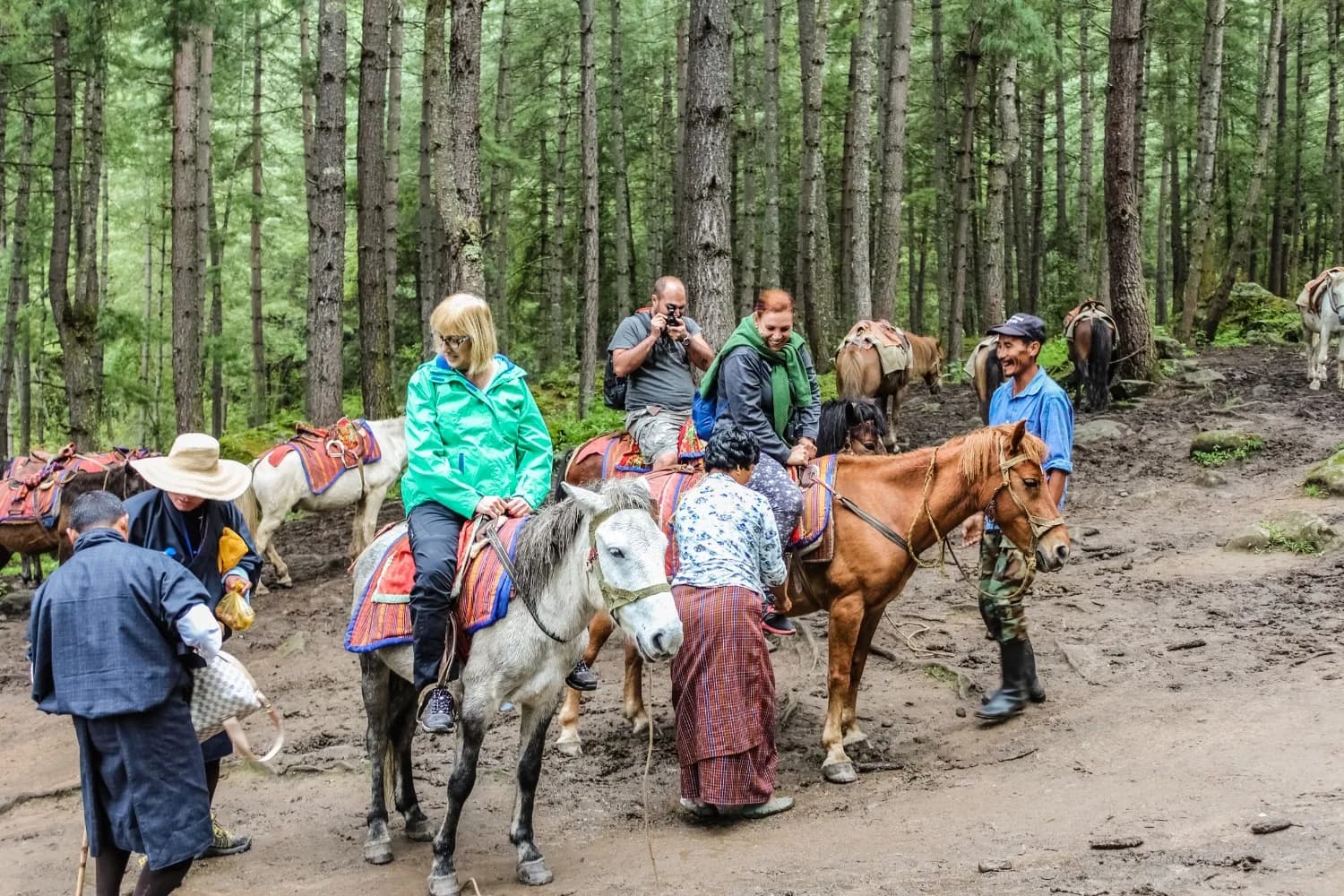
Hike to Iconic Monasteries: Hiking in Bhutan is not only about fitness, it is also about reflection and scenery. The popular monastery trek near Paro offers forested paths, viewpoints, and prayer flag-lined trails. I arrange guides who keep the pace comfortable, suggest rest points, and share local stories. Proper planning with permits and start times helps you avoid crowds and afternoon weather changes.
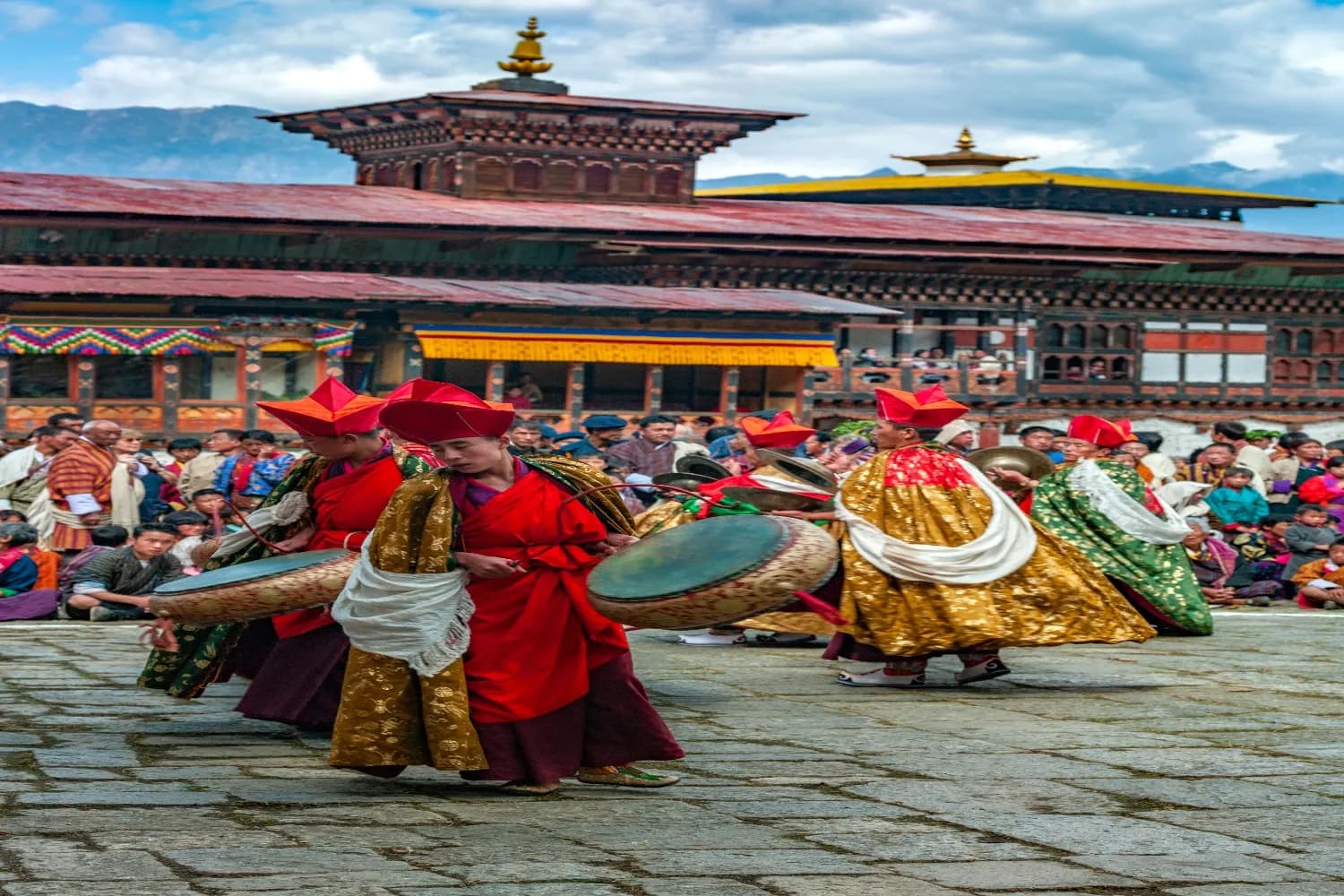
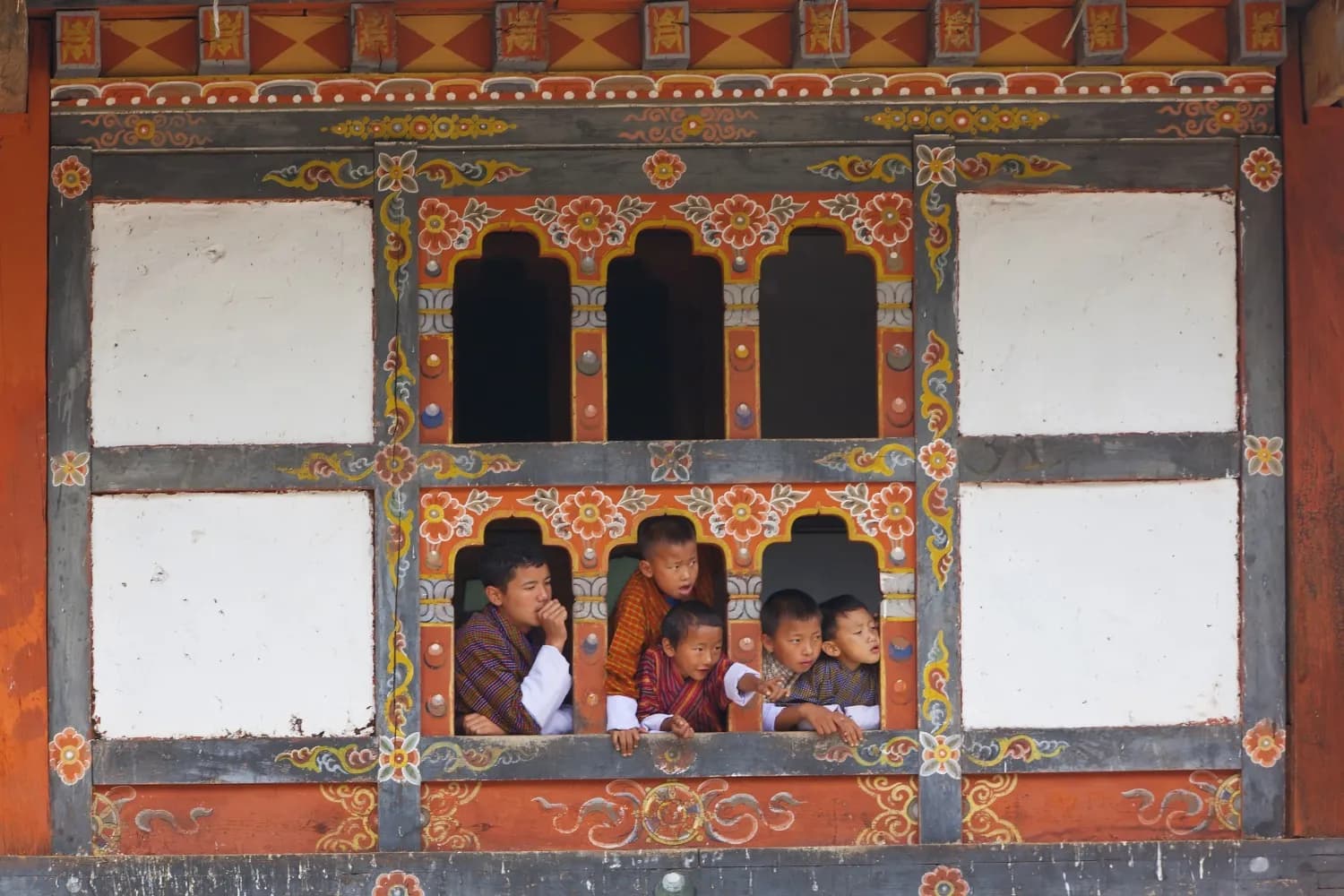
Explore Dzongs and Heritage Sites: Bhutan’s dzongs, or fortress-monasteries, house both religious and administrative offices. Visiting these sites gives a clear sense of the country’s culture and governance. You walk through courtyards, prayer halls, and murals that showcase Buddhist iconography. I usually pair dzong visits with short city tours, markets, and viewpoints, so the day has a good balance of culture, photography, and free time.
Try Local Food and Tea Houses: Sampling Bhutanese cuisine can be a highlight, especially for travellers who enjoy mild experimentation. Dishes often feature rice, vegetables, and chilli-based preparations. I guide you towards hygienic, well-reviewed restaurants that also serve Indian options if your palate prefers comfort food. Quiet tea houses with valley views make great afternoon stops, perfect for catching up on conversations or journaling your trip.
Nature Walks and Soft Treks: Not every traveller wants a multi-day trek, so I design soft hikes and village walks that suit various fitness levels. You may follow riverside trails, wooded paths, or gentle slopes between small settlements. These walks offer candid glimpses into local life, farm activities, and Bhutan’s clean countryside. Proper footwear and weather-appropriate layers are usually enough, there is no intense gear requirement for these easy routes.
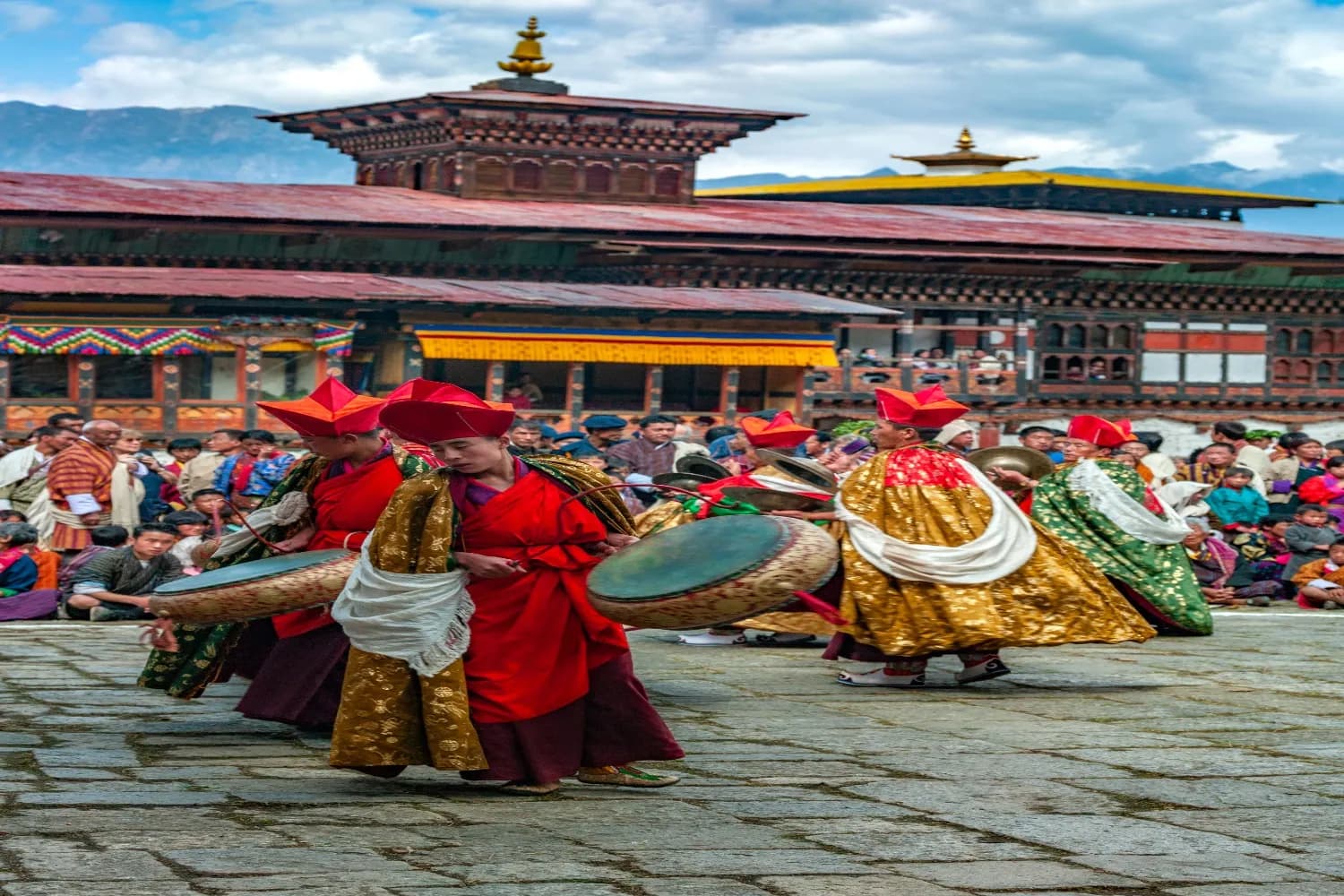
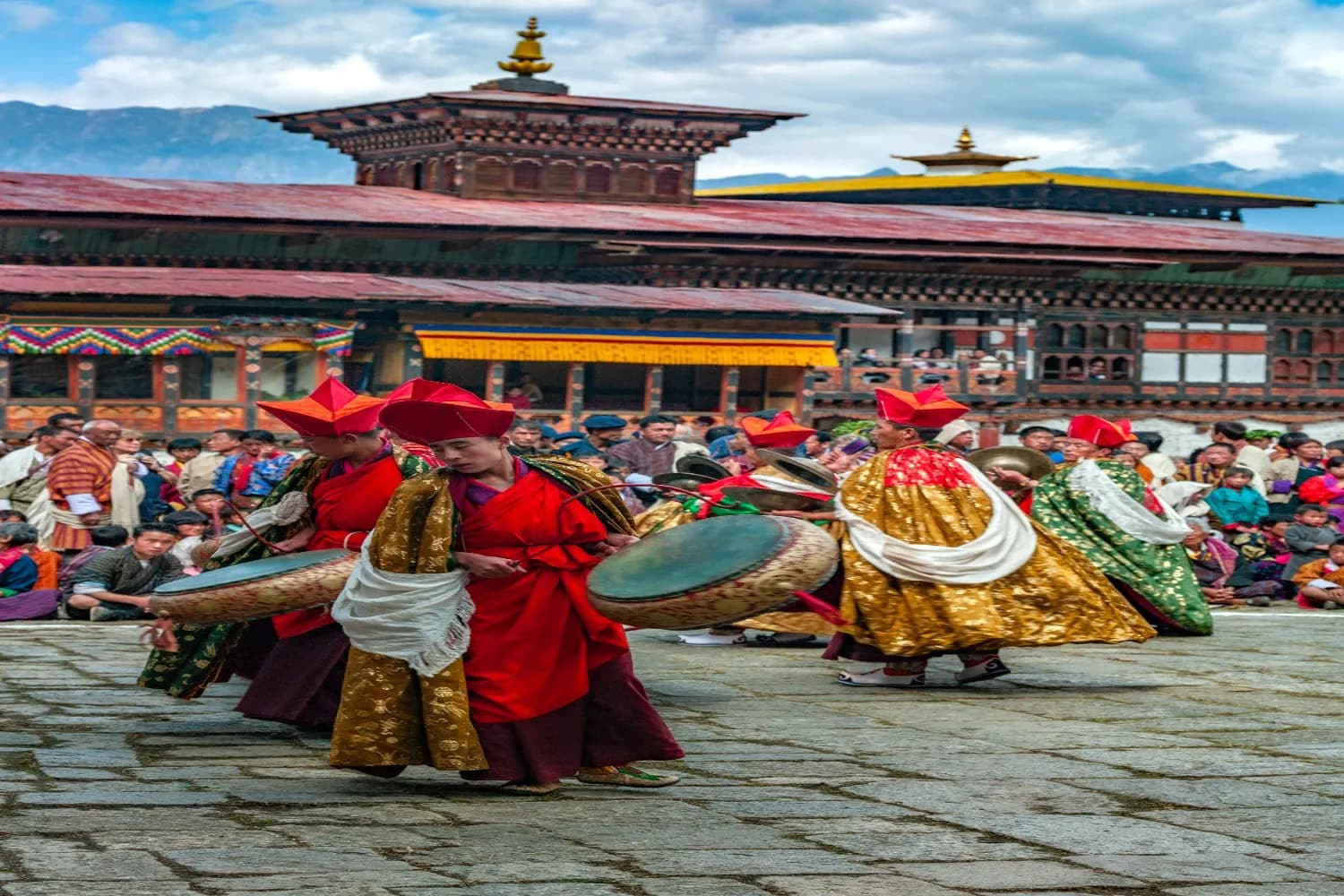
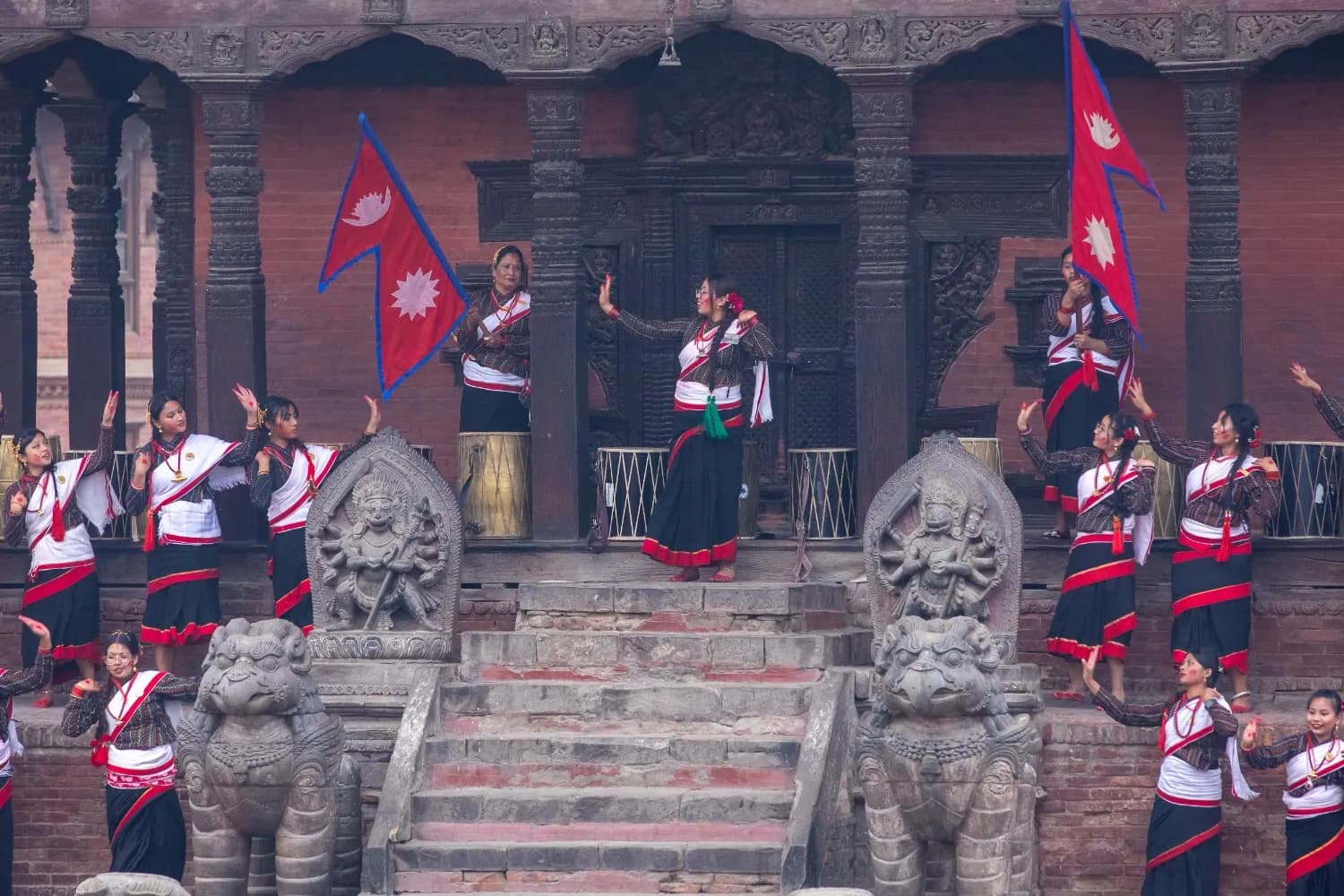
Cultural Experiences and Handicraft Shopping: Bhutan offers handicrafts like textiles, prayer flags, and small souvenirs that reflect its craft traditions. I recommend reliable shops and cooperatives where products are authentic and pricing is more transparent. You can also attend cultural shows, archery demonstrations, or festivals if dates align. These activities add depth to the journey, so the trip becomes more than just sightseeing and photo stops.
Frequently Asked Questions
What documents do I need to travel to Bhutan from Noida?
Indian citizens usually require a valid passport or voter ID, recent photographs, and permits arranged through authorised channels. I share updated documentation requirements before booking confirmation.
How many days are ideal for a Bhutan trip from Noida?
Five to seven days work well for Paro, Thimphu, and Punakha. Additional days help include Phobjikha or extra hikes without rushing your daily schedule.
Are permits and entry fees included in the Bhutan tour package from Noida?
I can include key permits and entry fees in the package or list them separately. All inclusions, exclusions, and estimated local charges are shared clearly before you confirm.
Is Bhutan suitable for family and senior citizen travel?
Yes, Bhutan suits families and seniors with proper planning. I design relaxed itineraries, limited hotel changes, and shorter drives, and I choose properties with basic comfort and accessibility.
Can I customise hotels and sightseeing in my Bhutan package?
Yes, you can customise hotels, meal plans, and sightseeing. I share options across comfort levels, explain pros and cons, then finalise an itinerary matching your pace and budget.
All Packages
Why Book Packages with Viacation?

Trusted by 1,00,000+ travellers

Dedicated experts to plan your trips

Secure bookings, clear cancellations
10,000+ unique trips to choose from
