

Bhutan Tour Packages From Gurgaon
A Bhutan tour package from Gurgaon is about planning a calm holiday in the Himalayas with clear inclusions, reliable hotels, and steady support before and during your trip. I help you with itinerary planning, hotel selection, transport coordination, and local experiences so that you do not chase multiple vendors. You receive transparent pricing, detailed day wise plans, and written inclusions to avoid confusion. I share only realistic options, not glossy but impossible schedules.
Many travellers worry about hidden charges, fake itineraries, poor hotel standards, last minute cancellations, and unsafe payment links. I address this with verified stays, clear cancellation rules, and secure, trackable payment methods. Bhutan appeals to travellers who want peaceful monasteries, mountain views, simple food, and a slower pace. Highlights usually include Paro, Thimphu, Punakha, and scenic valleys, along with iconic monasteries and riverside walks. With the right planning, the journey feels organised and relaxed, instead of rushed or confusing, which is exactly what busy professionals and families from Gurgaon usually appreciate.
Best Time To Visit Bhutan
The Best Time to Visit Bhutan is generally from March to May and from September to November. These months usually offer pleasant weather, good visibility, and comfortable conditions for sightseeing and light hiking. Spring brings clear mountain views and blooming landscapes, while autumn offers crisp air and vibrant skies. Summer and peak winter remain possible for travel, but some travellers may find rain or cold limiting for long outdoor days. I help you pick dates as per your comfort and interests.
- Peak Season: March to May and September to November, popular for clear views, active festivals, and balanced temperatures, ideal for first timers.
- Shoulder Season: Late February, early June, and late November, suitable for value seekers who want fewer crowds and more flexible hotel availability.
- Waning Season: July to August and peak winter months, good for budget focused travellers who accept rain or low temperatures for quieter experiences.
How to Reach Bhutan
Reaching Bhutan from Gurgaon usually involves combining a short domestic journey to a major Indian gateway with an international or regional connection. I suggest options based on your schedule, budget, and comfort level. Most travellers prefer a flight because it saves time and offers a smoother border experience, especially for those with limited leave. Others enjoy a rail and road combination through Indian border towns for a more gradual journey.
By Air: The main international airport in Bhutan is Paro International Airport. There are no direct flights from Gurgaon, so you first travel to a connected Indian city, typically Delhi or sometimes other major metros that offer flights to Paro on select carriers. From Delhi, flights usually run on selected days subject to airline schedules and weather. Seats can fill quickly around festivals and popular months, so advance planning matters. I help you align flight timings with airport transfers, hotel check in, and your sightseeing plan.
By Train: There is no train route directly into Bhutan. You can travel by train from Delhi or nearby stations to railheads in eastern India that lie close to the Bhutan border. Commonly used stations are in towns near West Bengal and Assam, which then connect by road to border entry points. This option suits travellers who enjoy long journeys and want to manage costs. I coordinate train choices with your onward cab or bus so that you do not struggle for last mile connections.
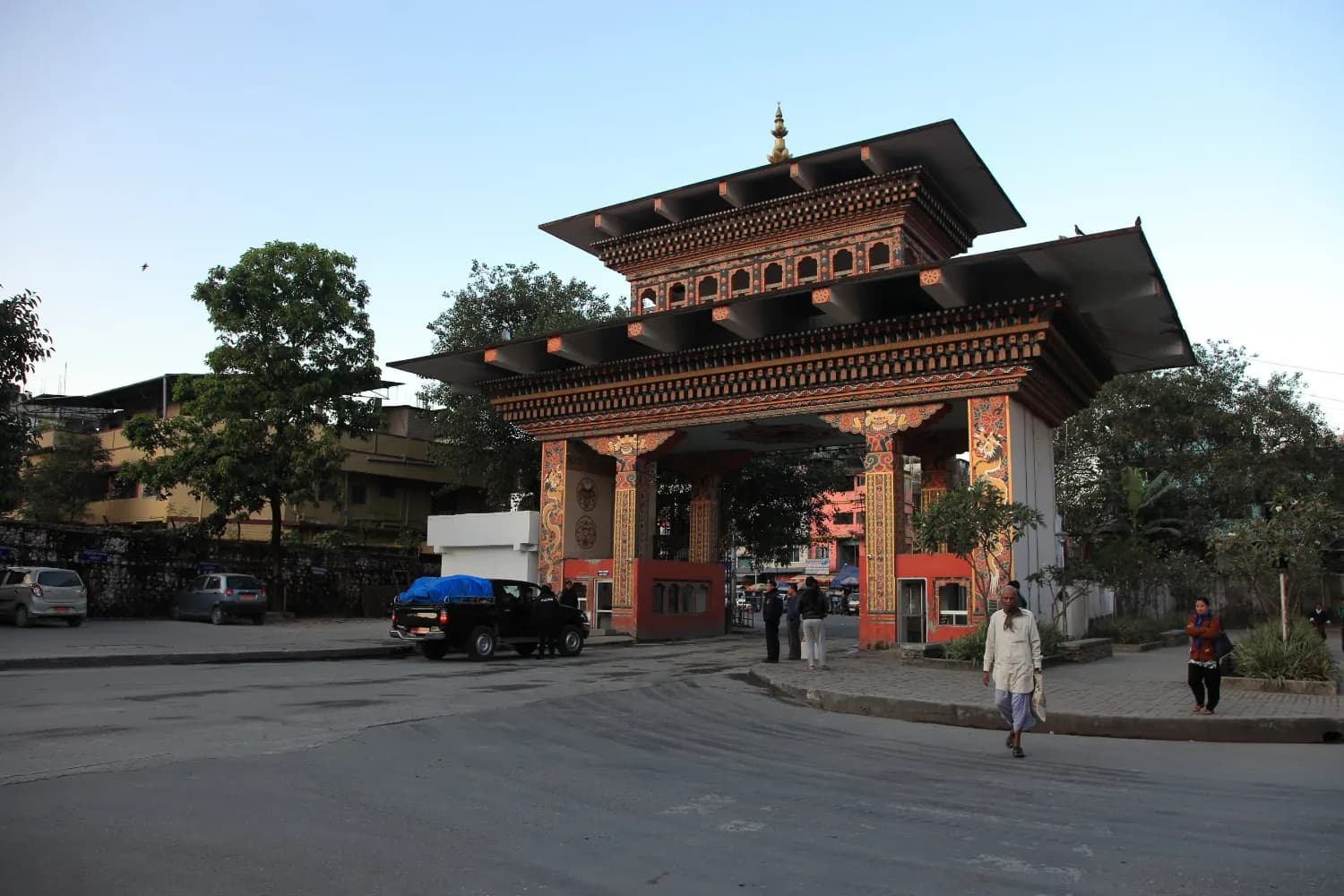
By Bus and Road: You cannot take a single continuous bus from Gurgaon to Bhutan, but you can combine multiple legs. Travellers usually reach a major city in eastern India by flight or train, then continue by road to the border town. From there, taxis or local buses run towards cities inside Bhutan, subject to local regulations and permits. Roads can be winding but scenic, with mountain curves and valley views. A structured plan ensures reasonable break points, reliable vehicles, and safe timings, especially during late evenings or poor weather conditions.
Places to Visit in Bhutan
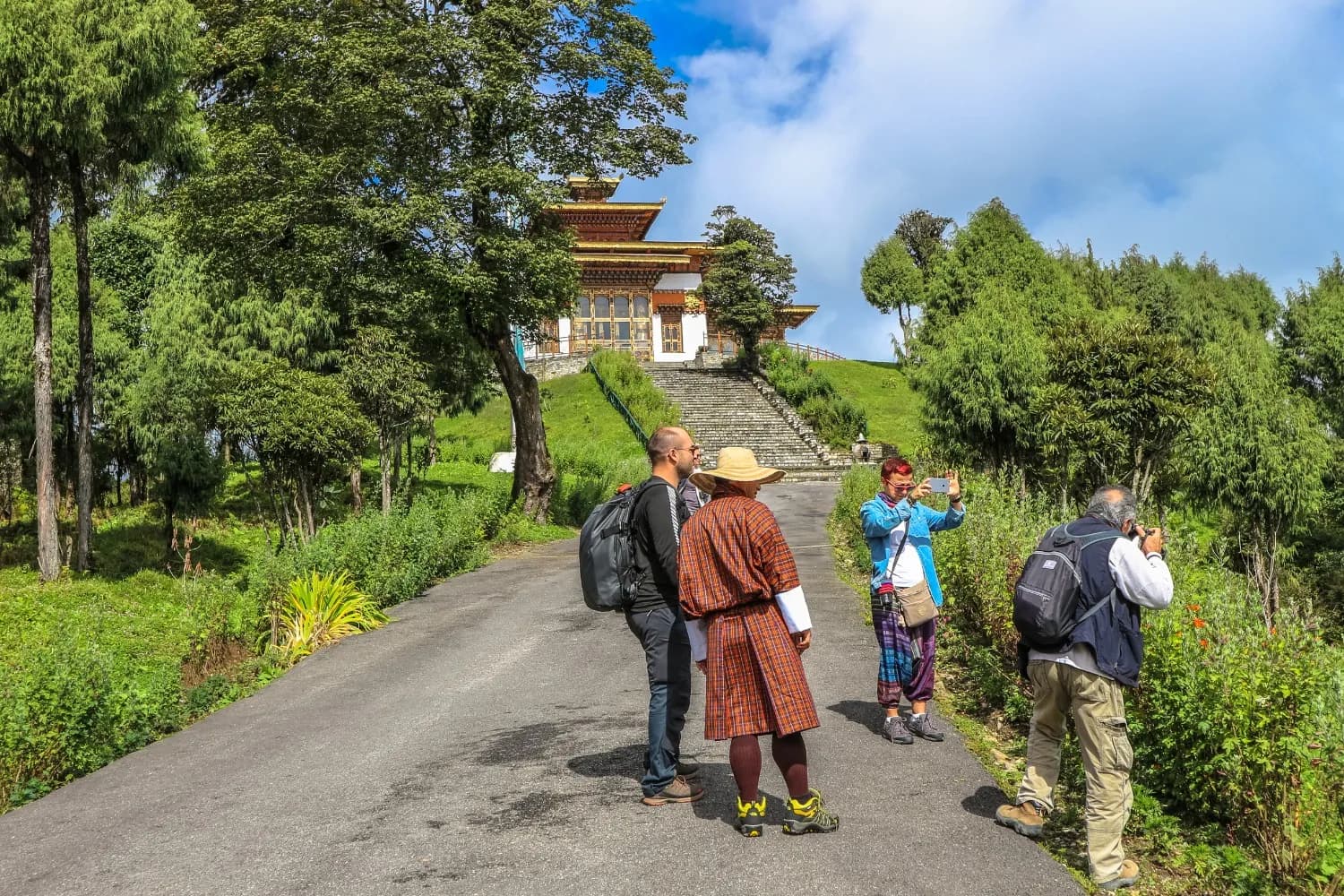
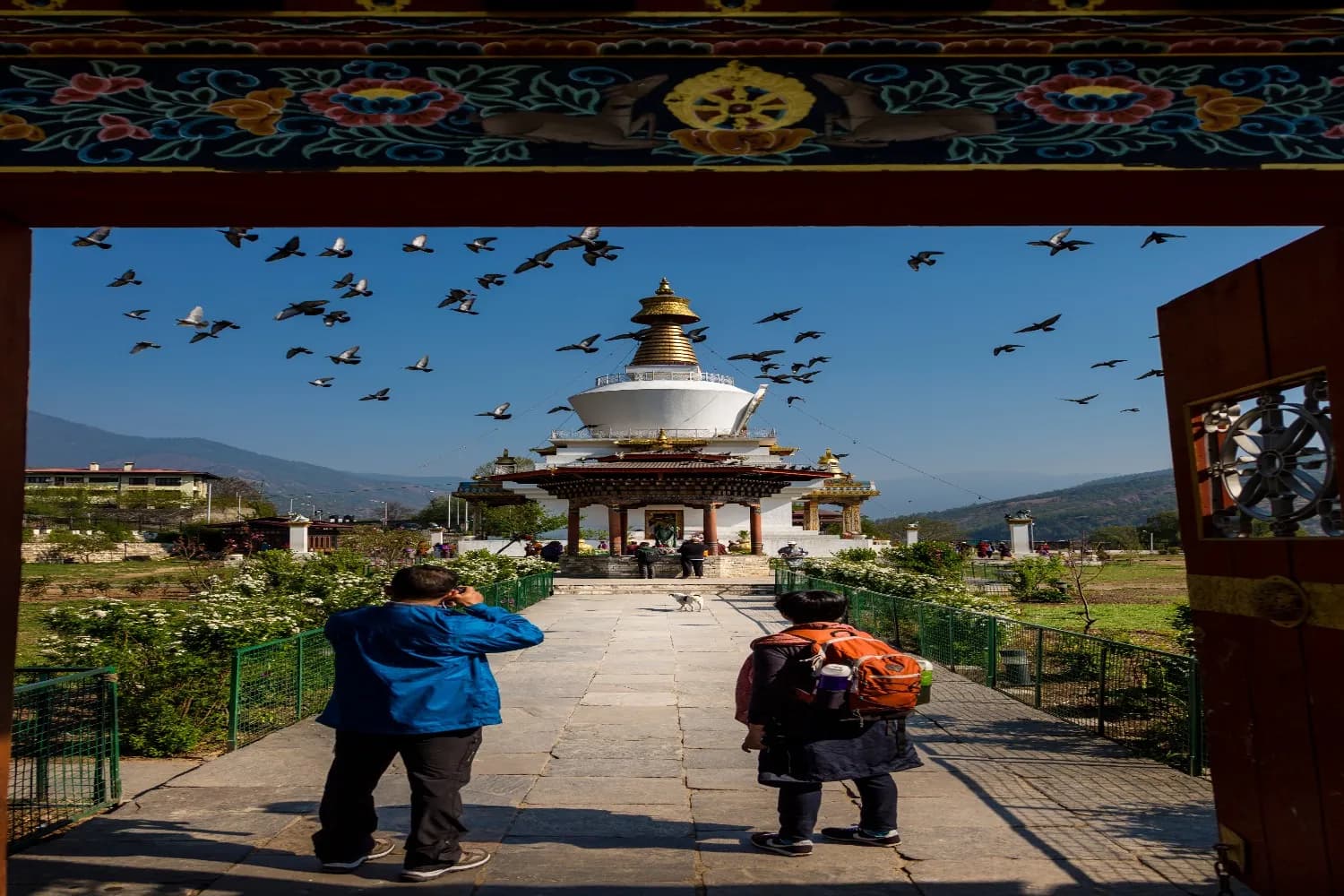
Paro: Paro is usually the first stop for visitors as the international airport is located here. The valley combines riverside views, traditional houses, and important monasteries. Travellers enjoy peaceful walks, simple local cafes, and gentle acclimatisation to the altitude. Well planned itineraries include time to rest after the flight, not just rushed sightseeing, so you are fresh for the more demanding experiences ahead.
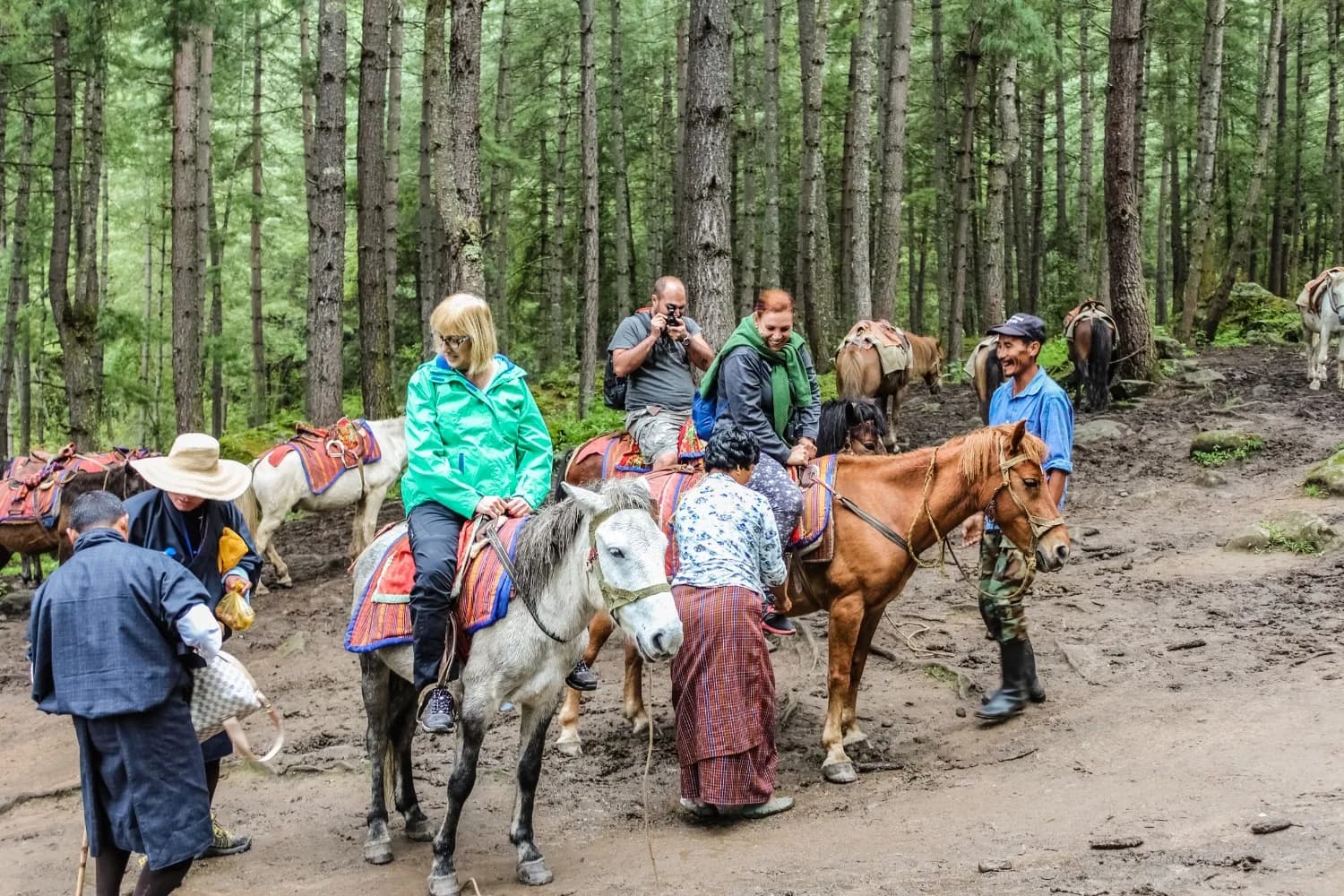
Tiger’s Nest Monastery, near Paro: Known as Taktsang Monastery, this cliffside site is one of the most recognised symbols of Bhutan. Reaching it involves a hike that takes several hours, depending on pace and fitness. The trail offers viewpoints, resting spots, and a quiet atmosphere. I suggest realistic hiking times, mule options where available, and what to carry so that even first time trekkers feel prepared and not overwhelmed.
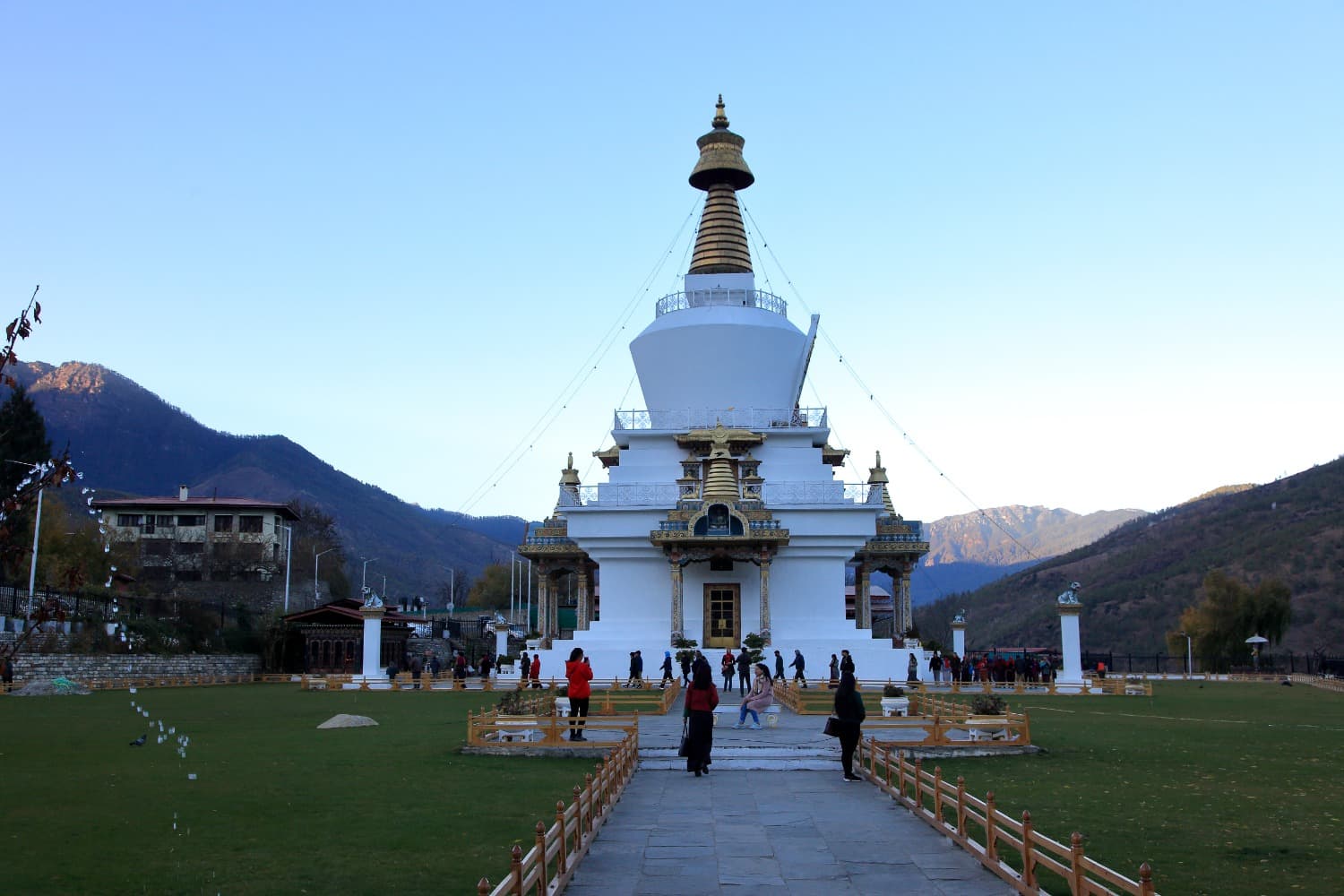
Thimphu: Thimphu, the capital city, blends traditional architecture with a modest urban feel. Visitors explore monasteries, local markets, cultural centres, and viewpoints that overlook the valley. The city offers a calm vibe rather than crowded nightlife. I usually keep at least one full day here in a Bhutan tour package from Gurgaon so that travellers can enjoy slow walks, cafe breaks, and light shopping without rushing.
Punakha: Punakha is known for its riverside setting and a beautiful dzong, which many travellers find to be one of the most photogenic sites in Bhutan. The journey to Punakha passes viewpoints that offer vast valley and mountain views. The region’s relatively lower altitude often feels milder in temperature. I recommend timing your visit to catch softer morning or evening light, especially if you enjoy photography.
Phobjikha Valley and other scenic areas: Phobjikha Valley, and similar highland valleys, appeal to travellers who love wide open landscapes and quiet walking trails. Depending on the season, you may see changing colours, misty mornings, and simple village life. Stays here often feel more rustic compared to city hotels, so I match expectations carefully. The slower pace suits those who want digital detox and long conversations around basic but warm hospitality.
Things to Do in Bhutan
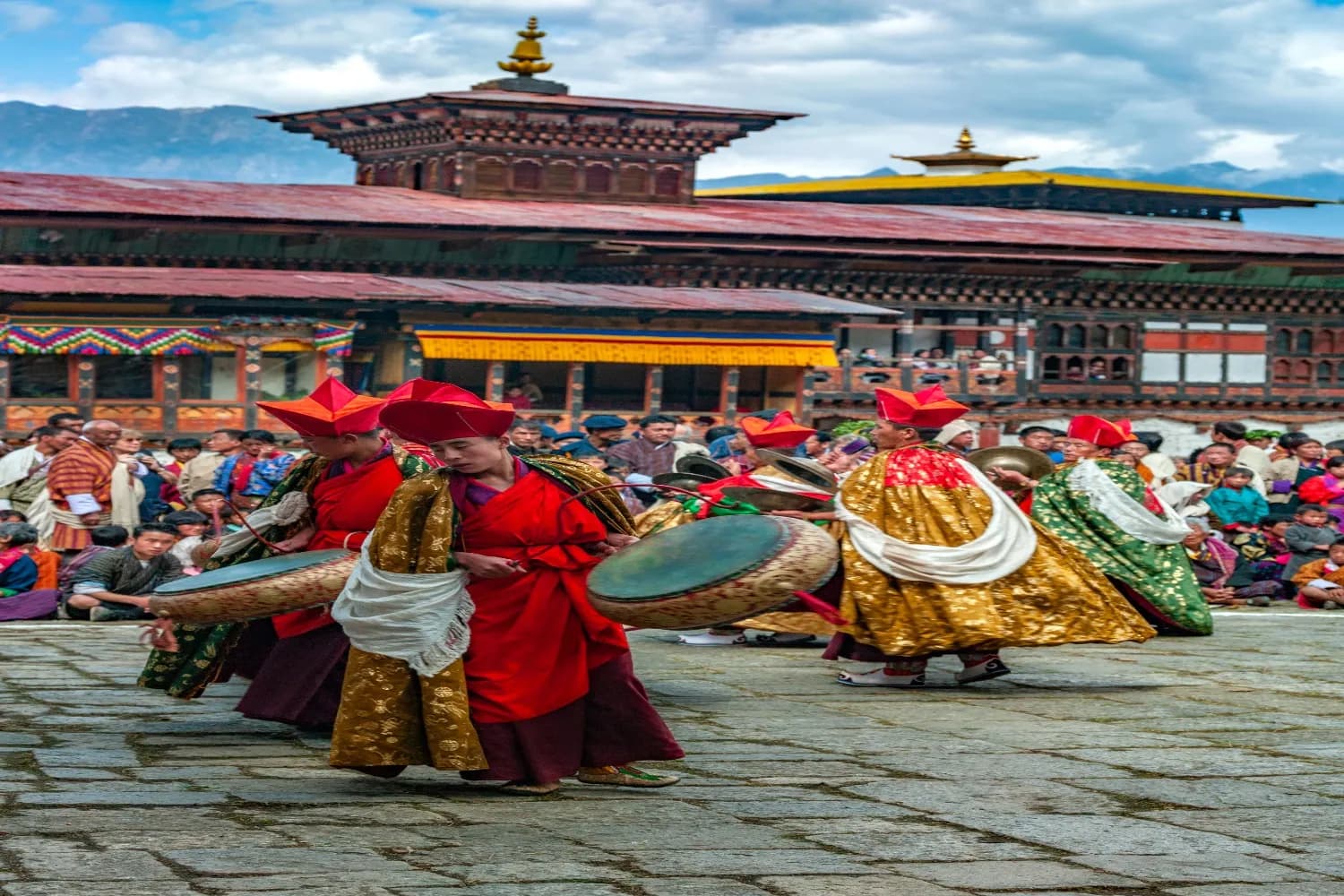
Monastery visits and cultural walks: Bhutan offers many monasteries, dzongs, and cultural centres where you can learn about local traditions, art, and daily rituals. I space these visits across your itinerary so that the experience feels meaningful, not repetitive. Gentle walks in and around these sites help you absorb the atmosphere and take considered photographs without rushing through every stop.
Hiking and light trekking: From the Tiger’s Nest hike to gentler valley trails, Bhutan suits travellers who enjoy slow but steady walking. I always keep fitness and comfort in mind, suggesting realistic hike choices. Proper footwear, layered clothing, and hydration matter more than speed. The goal is to enjoy the landscape, prayer flags, and mountain air, not treat the journey as a race.
Local food experiences: You can try simple Bhutanese dishes like rice based meals, vegetable preparations, and mild to spicy sides, depending on your taste. Many hotels also provide Indian and global options for familiar comfort. I highlight places that maintain hygiene and consistent quality. This helps reduce the common worry of stomach issues on international trips. With balanced variety, even cautious eaters find something they enjoy each day.
Scenic drives and photography: Much of Bhutan’s charm lies in road journeys between towns, where you pass valleys, rivers, forests, and perched monasteries. I design travel days with sensible driving hours and photo breaks. This approach avoids exhausting marathon drives. Photography lovers appreciate viewpoints with enough time to frame their shots, instead of quick, stressful stops on busy bends.
Shopping and slow evenings: Evenings in Bhutan usually feel unhurried, with small markets, handicraft shops, and cosy cafes. You can pick up souvenirs like textiles, handmade items, and simple keepsakes. I suggest realistic shopping stops so that you do not feel trapped in tourist only stores. Quiet evenings back at the hotel, with warm drinks and conversations, often become some of the most memorable parts of the trip.
Frequently Asked Questions
Is a passport mandatory for Indian citizens visiting Bhutan?
Yes, Indian citizens need a valid passport or voter ID, along with recent photographs. Entry rules can change, so I always share the latest documentation checklist before booking.
How many days are ideal for a Bhutan trip from Gurgaon?
Five to eight days work well for Paro, Thimphu, and Punakha, with one or two light hiking days. Extra days help if you want slower travel or additional valleys.
Do I need travel insurance for Bhutan?
Travel insurance is strongly recommended, even if not always compulsory. It helps cover medical emergencies, trip delays, or baggage issues, which adds financial protection and peace of mind.
Are vegetarian food options easily available in Bhutan?
Yes, most hotels and many restaurants offer vegetarian dishes, including Indian style meals in popular areas. I pre inform hotels about dietary preferences to keep meals consistent and comfortable.
Is Bhutan suitable for senior citizens and kids?
Yes, with a relaxed pace, shorter drives, and limited steep walks, Bhutan can suit seniors and children. I customise sightseeing, room choices, and transport to keep everyone comfortable.
All Packages
Why Book Packages with Viacation?

Trusted by 1,00,000+ travellers

Dedicated experts to plan your trips

Secure bookings, clear cancellations
10,000+ unique trips to choose from
