Thailand Summer Special With Flights @ ₹38999
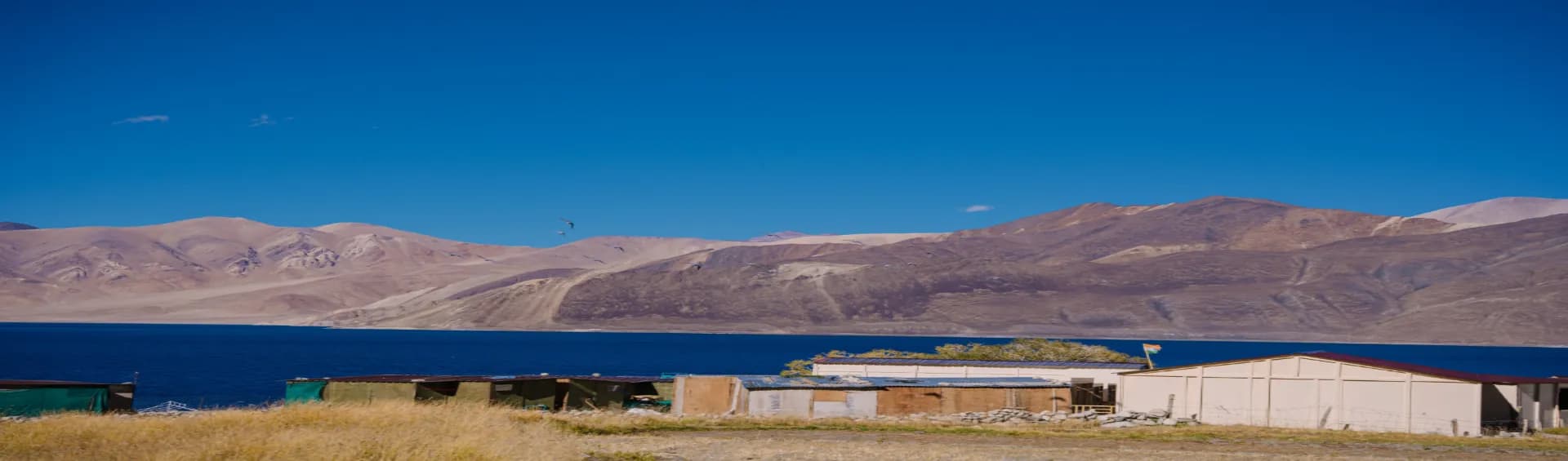
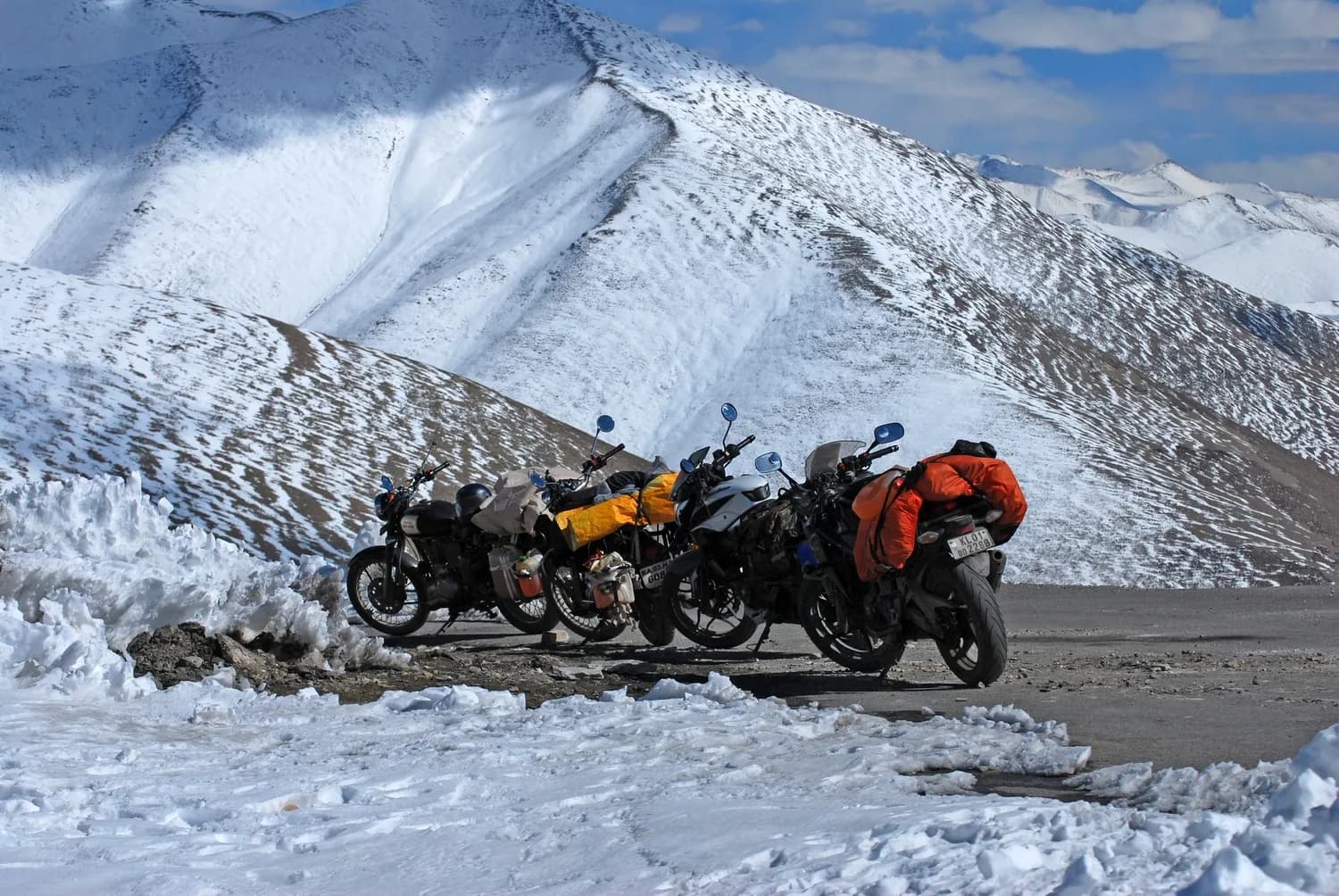
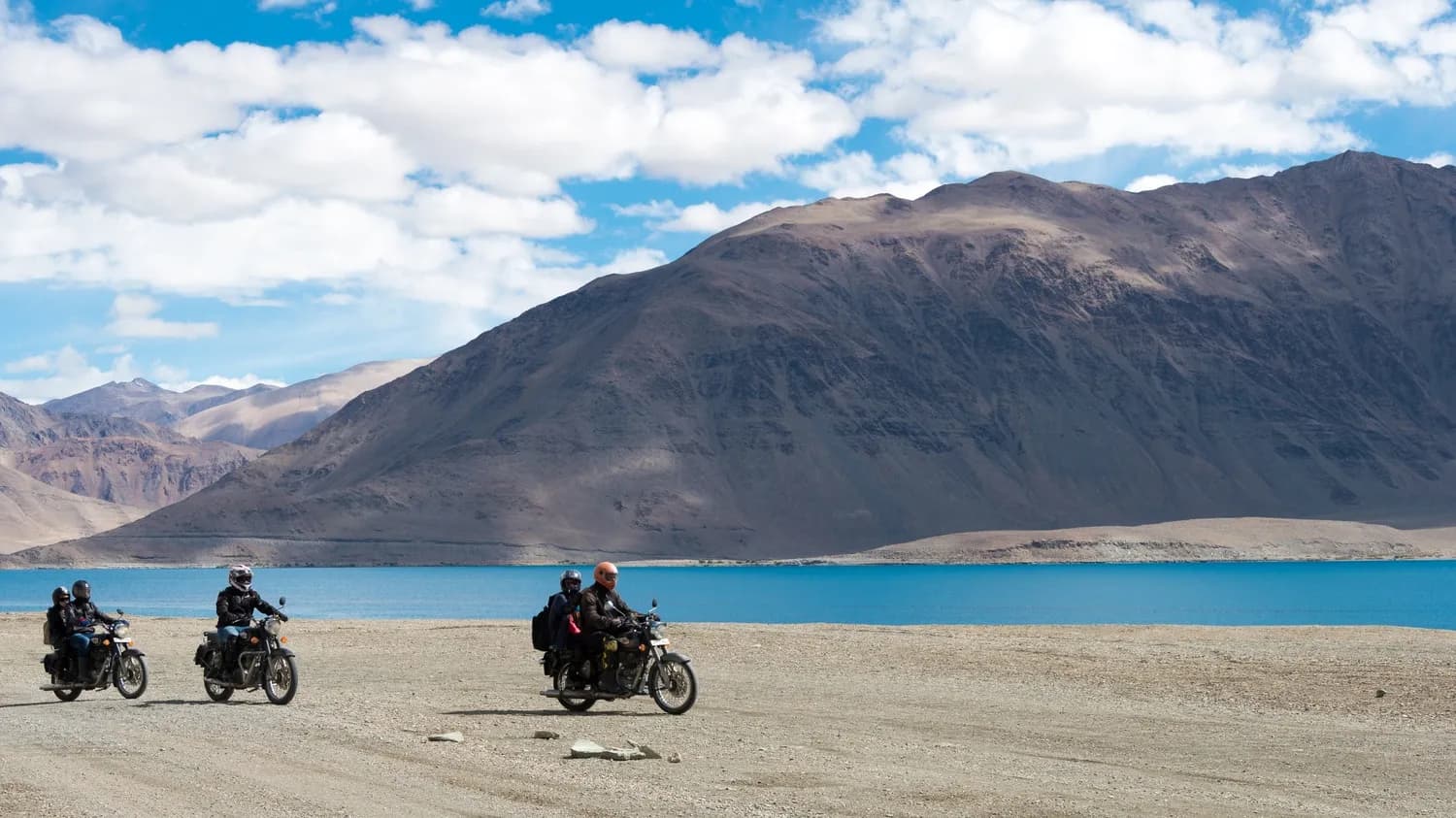
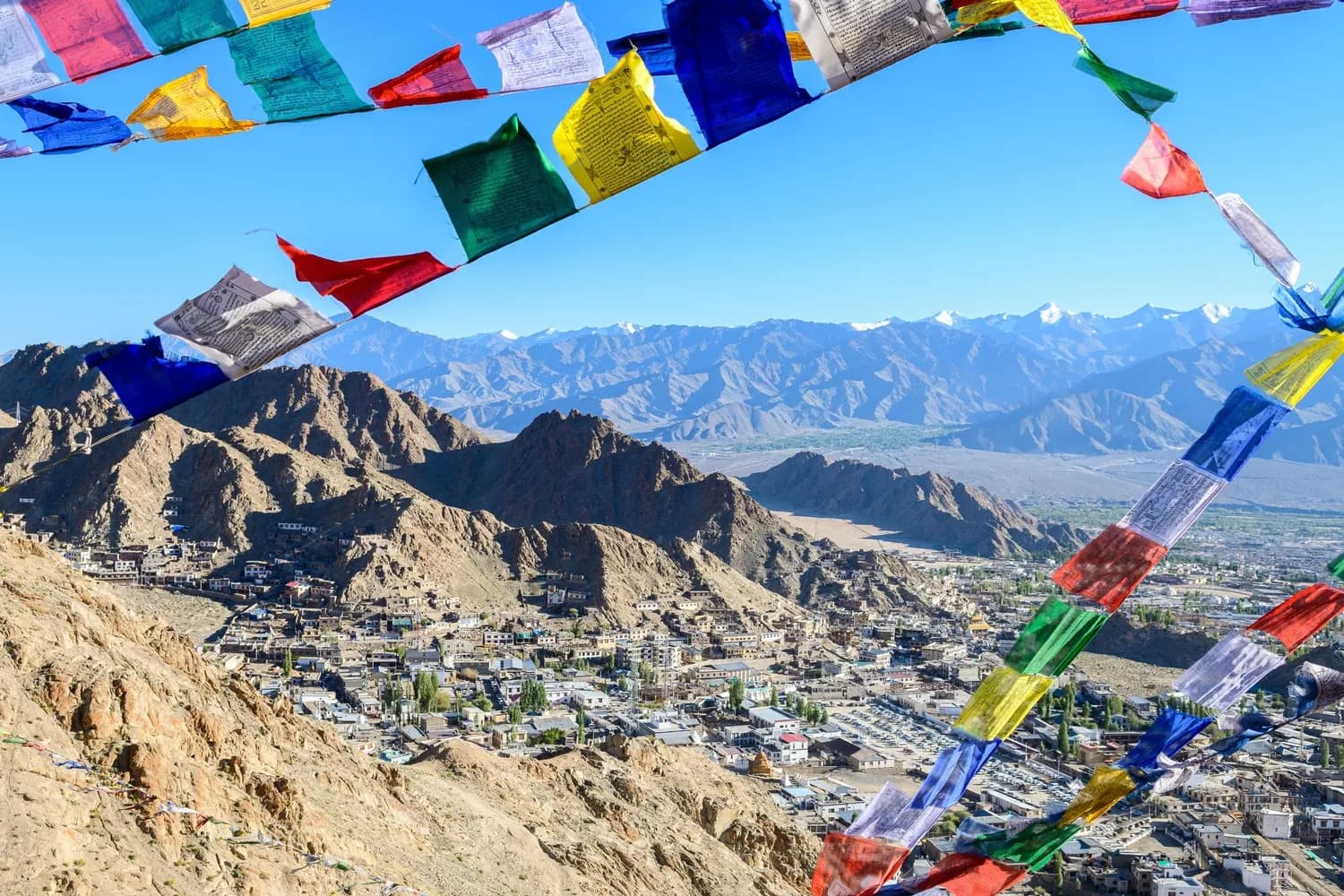
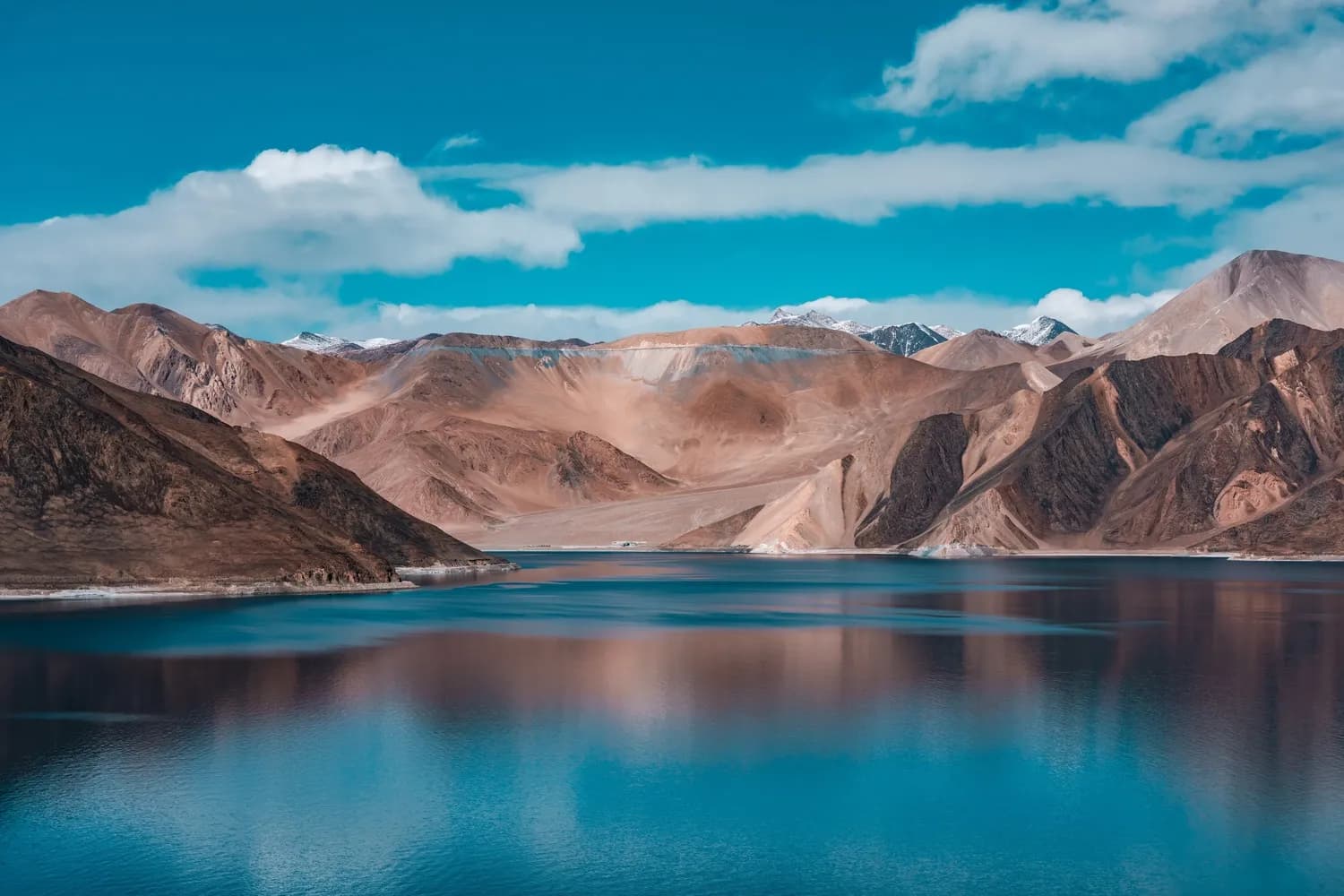
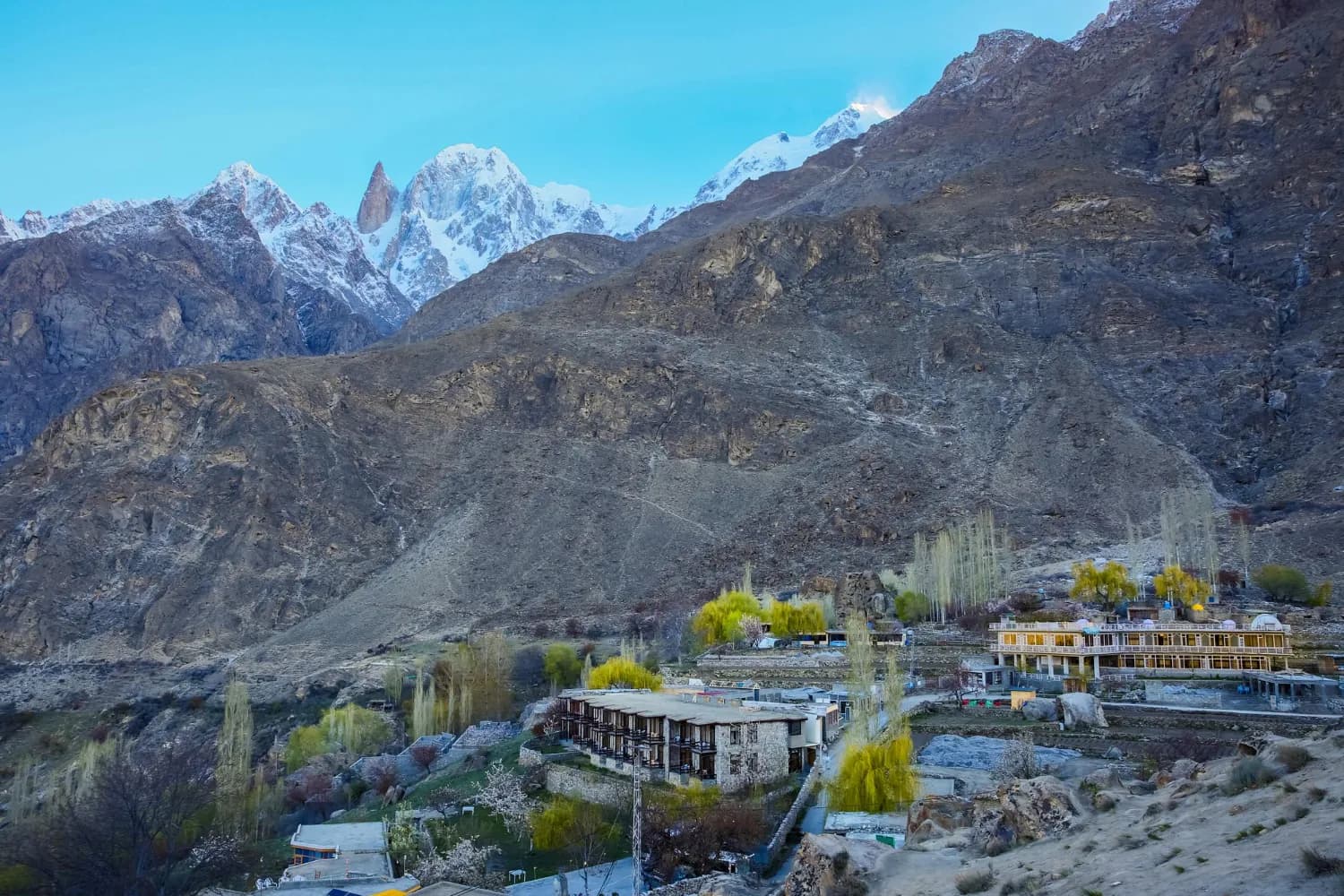
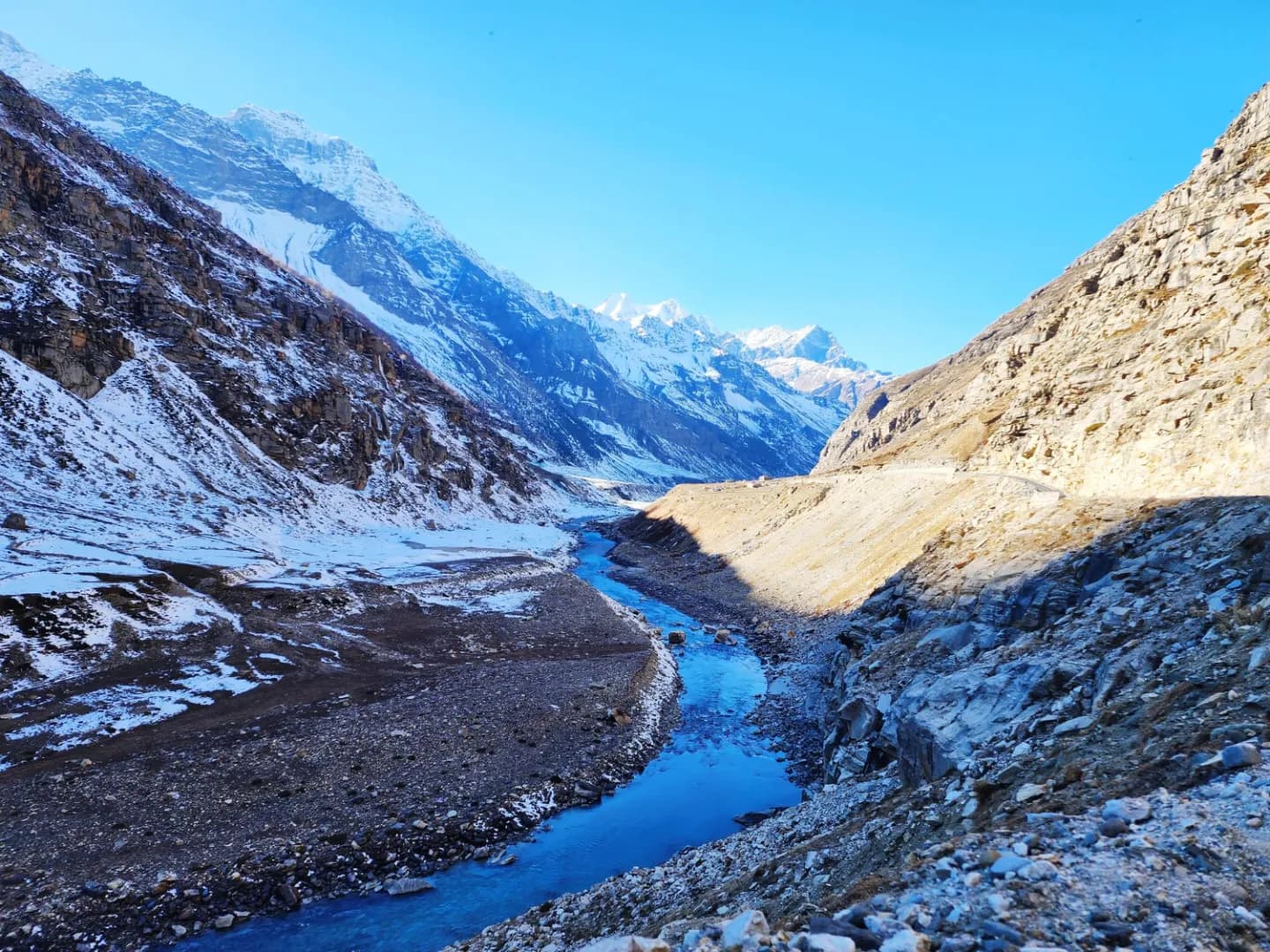
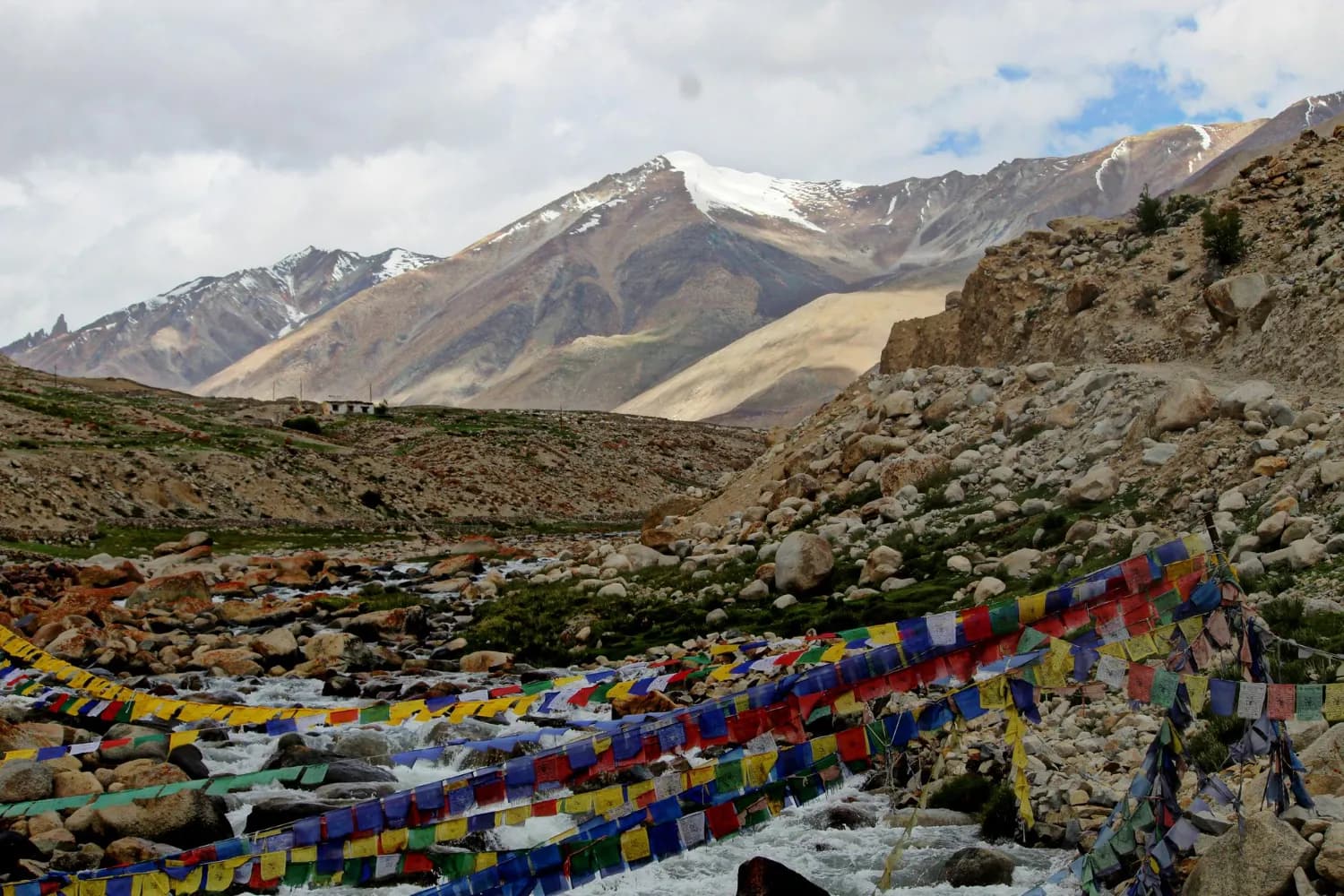
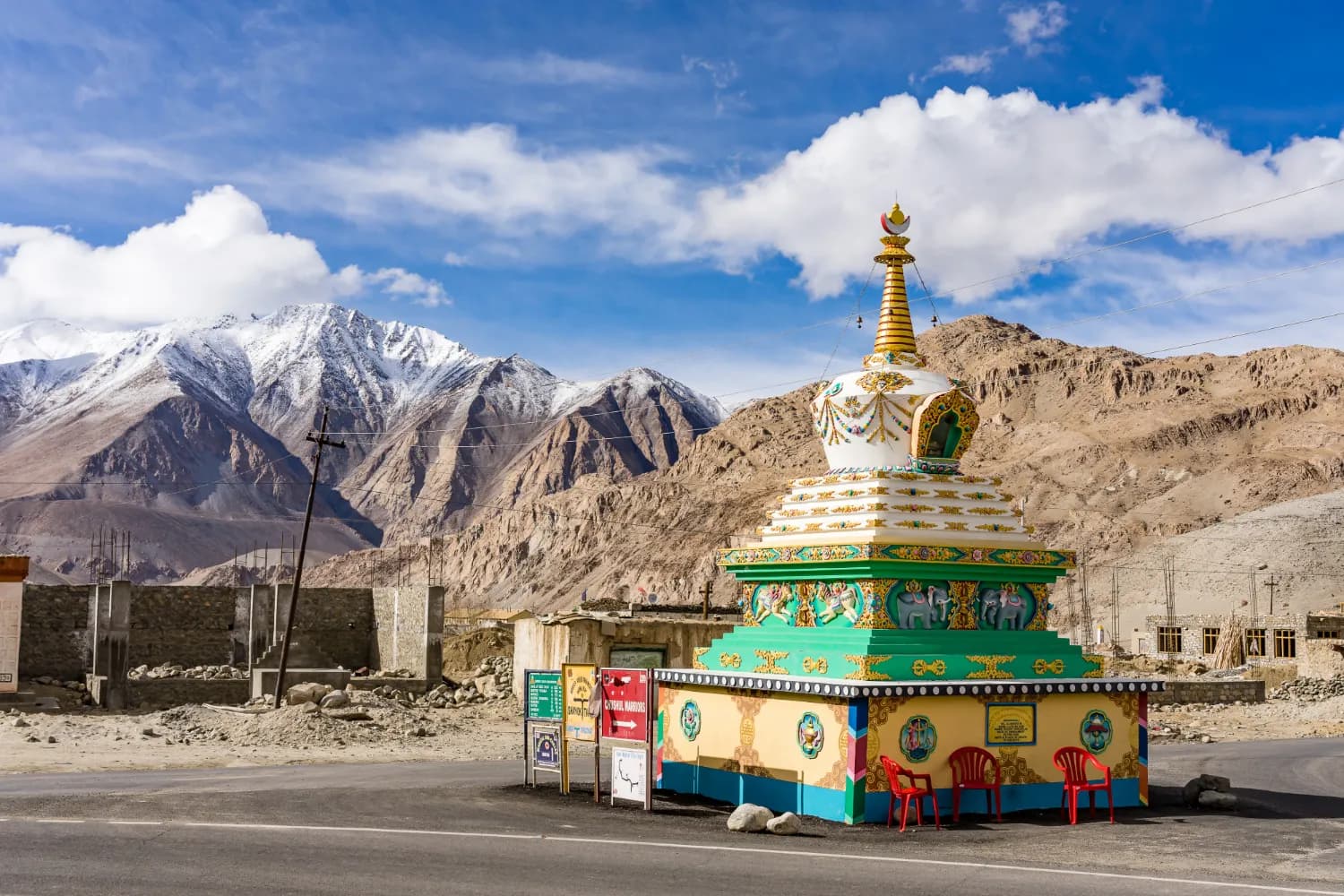
Ladakh, often called the “Land of High Passes,” is a Himalayan wonderland where nature unveils its grandeur in the form of towering snow-capped peaks, shimmering glaciers, and rugged terrain. The Ladakh mountains are not just geological marvels but also spiritual and cultural icons that define this enchanting region. With altitudes soaring above 7,000 meters, these peaks attract trekkers, mountaineers, and dreamers from around the world.
For travelers planning an unforgettable Himalayan adventure, Ladakh tour packages offer the perfect way to explore these magnificent landscapes, combining scenic beauty, high-altitude adventure, and rich local culture.
₹39,999
per person
₹21,000
per person
₹20,999
per person
₹39,990
per person
In this blog, we explore the top 10 Ladakh mountains, their unique features, and why this region is a must-visit for adventure enthusiasts. Whether you’re scaling the summits or simply admiring their majesty, the mountains offer an unforgettable Himalayan experience.
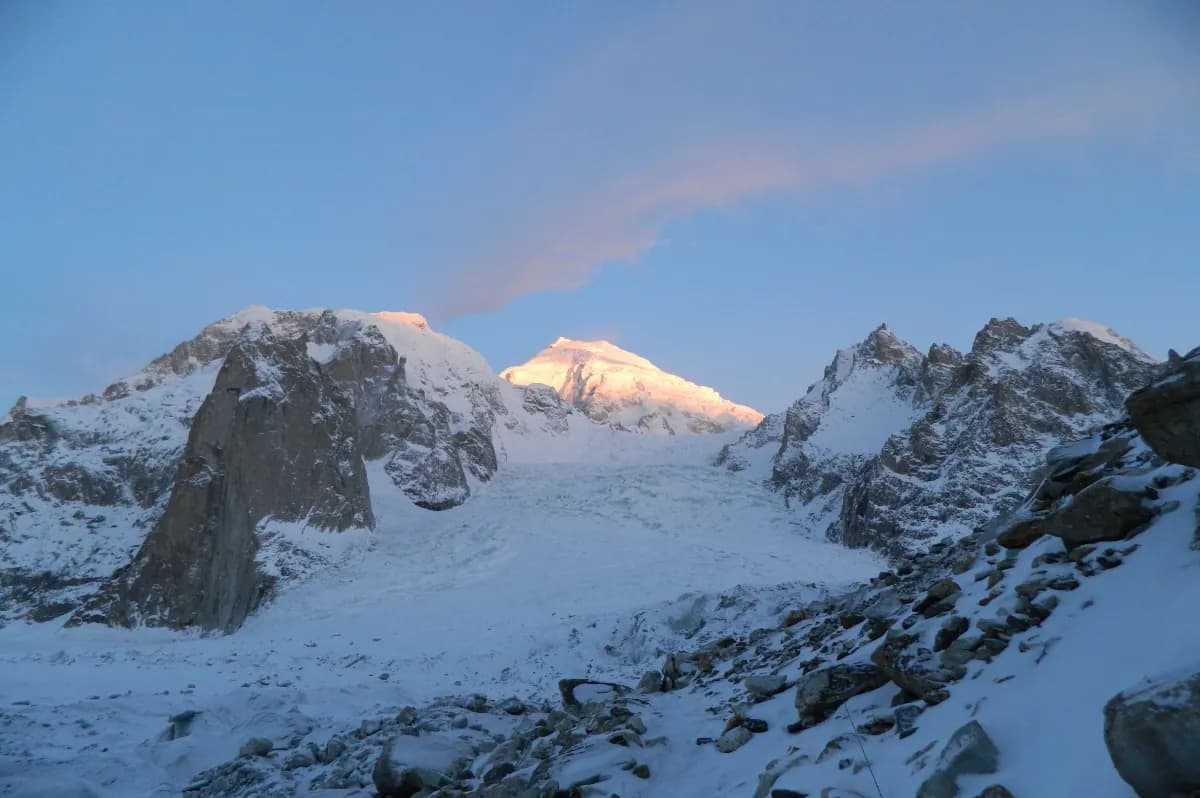
The highest peak in the Saltoro Range, Saltoro Kangri, is one of the most challenging and breathtaking mountains in Ladakh. Located near the Siachen Glacier, it marks the westernmost part of the Karakoram range. Due to its strategic location, it remains one of the least climbed peaks in India. For experienced mountaineers, conquering this mighty mountain is a dream come true. The panoramic views from the summit showcase the dramatic beauty that defines the mountains.
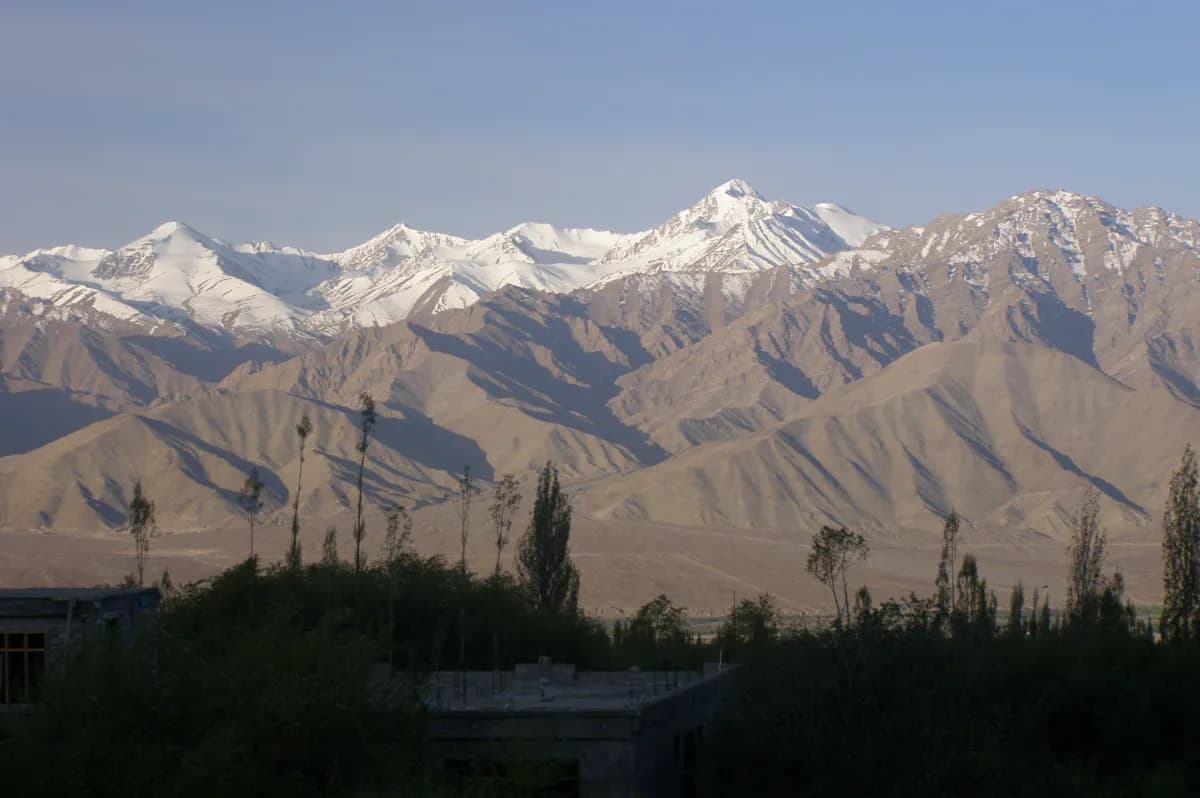
Once one of India’s most popular trekking peaks, Stok Kangri rises elegantly above the Stok village near Leh. Although currently closed to trekkers to preserve its ecosystem, it remains an iconic symbol of adventure in the Ladakh mountains. The trail to its base offers stunning views of the Indus Valley, glaciers, and snowfields. Its accessibility from Leh makes it a favorite among climbers preparing for higher Himalayan expeditions.
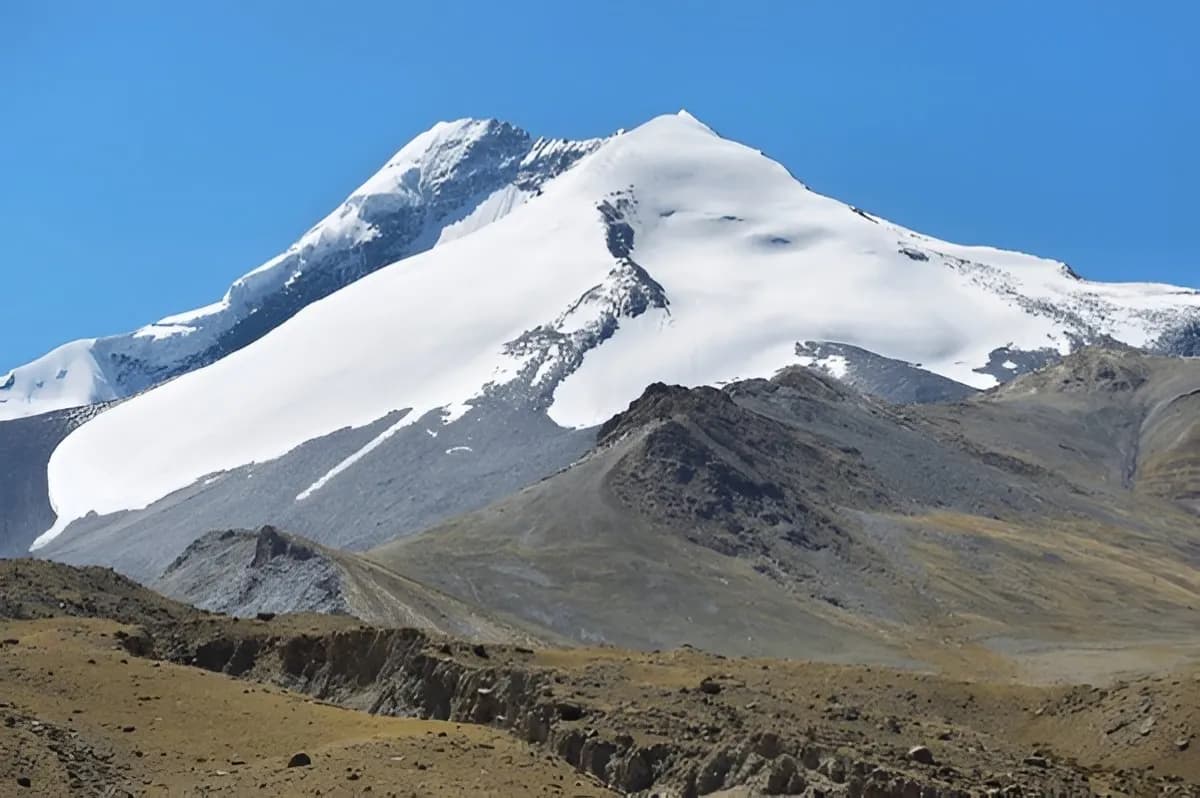
Situated in the Markha Valley, Kang Yatse Hill offers two peaks Kang Yatse I (technical climb) and Kang Yatse II (trekking peak). This mountain perfectly balances thrill and beauty, offering an unforgettable experience for trekkers. Surrounded by endless brown and white landscapes, Kang Yatse reveals the soul of the Ladakh mountains, remote, serene, and awe-inspiring. Watching the sunrise over this peak is nothing short of magical.
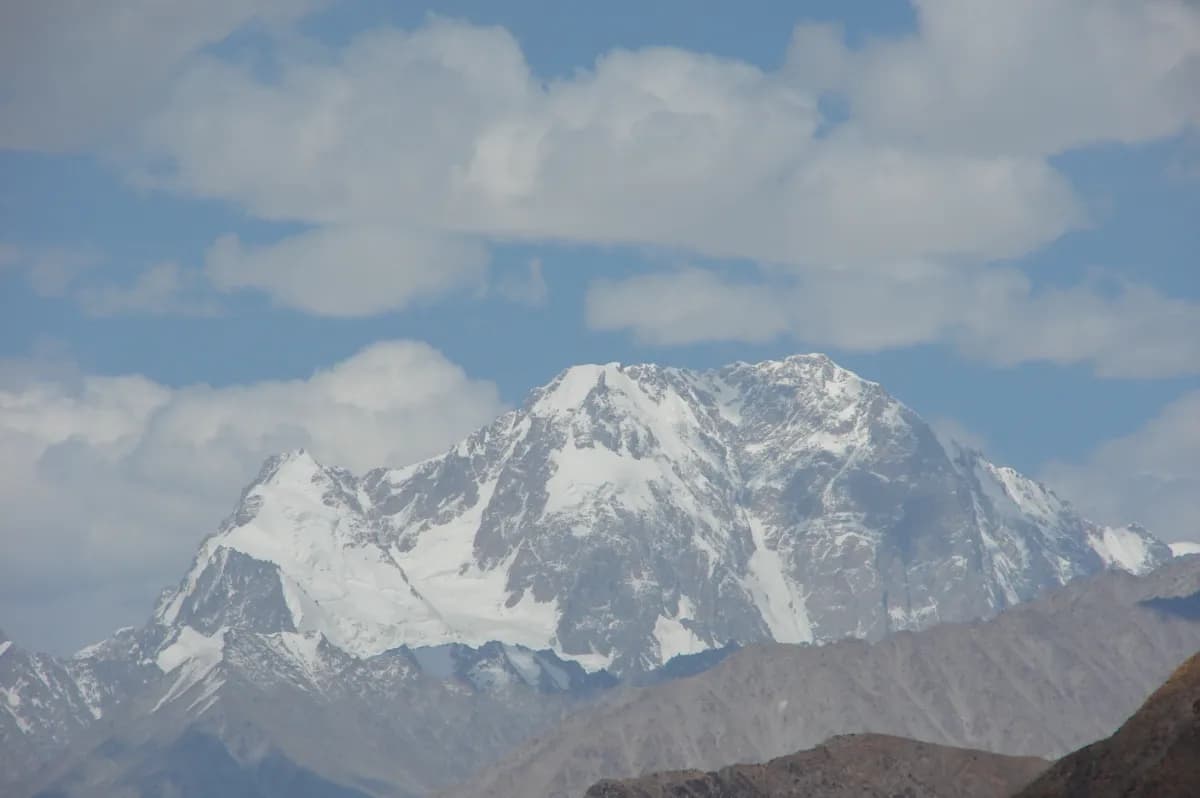
Part of the Saser Muztagh range, Saser Kangri II is among the highest peaks in the eastern Karakoram. Its rugged terrain, towering glaciers, and isolation make it a true mountaineer’s challenge. The region around it is almost untouched, preserving the raw beauty of the Ladakh mountains. Climbers who venture here are rewarded with extraordinary solitude and pristine natural vistas.
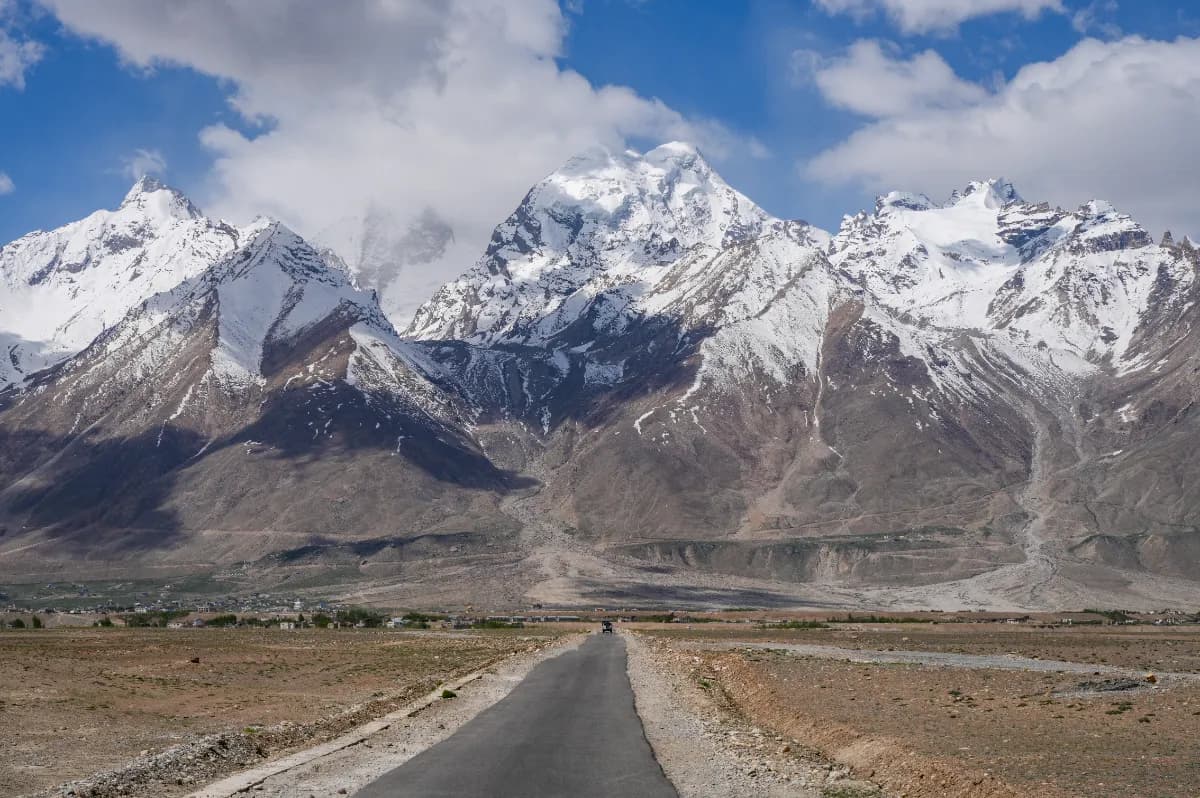
Nicknamed the “Hidden Peak of Ladakh,” Mamostong Kangri is the highest mountain entirely within the Indian-administered region of Ladakh. It stands majestically near the Rimo Glacier and offers jaw-dropping panoramic views of the Karakoram range. Known for its difficult approach and unpredictable weather, this peak is a true test of endurance. Among all the Ladakh mountains, Mamostong Kangri best represents the raw, untamed power of the Himalayas.
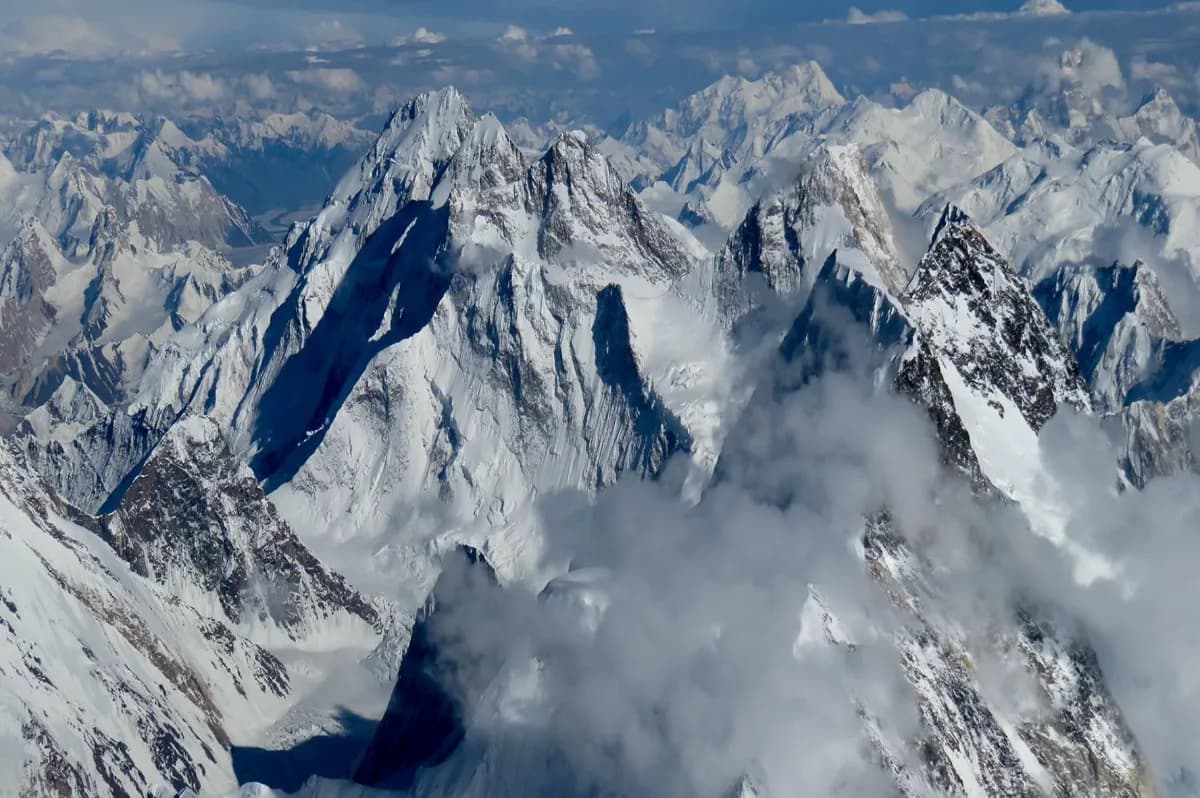
Another gem of the Saser Muztagh, Saser Kangri IV complements its neighboring peaks with its towering height and glacial landscapes. The mountain’s steep ridges and icy conditions make it a formidable climb. However, its beauty lies not just in its altitude but in the isolation and tranquility that define this corner of the mountains.
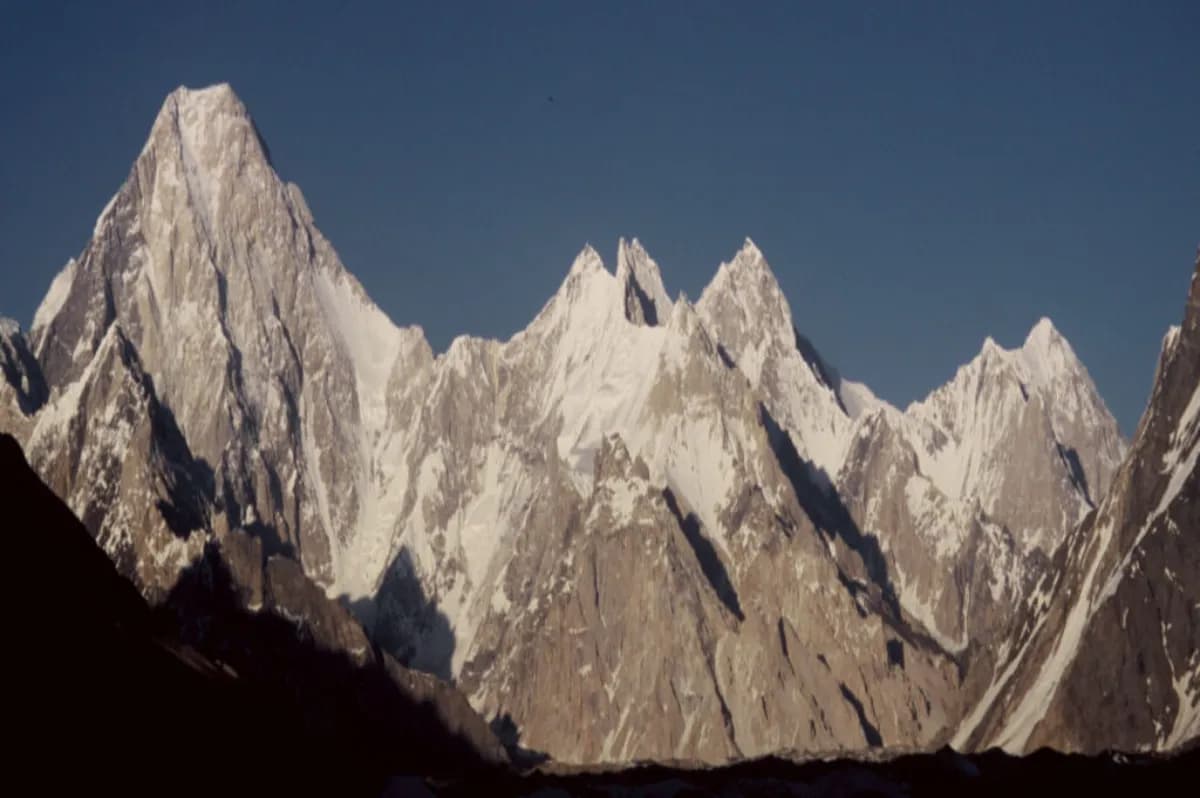
Situated near the Rimo Glacier, Rimo Kangri I is part of the Rimo Muztagh subrange of the Karakoram. The area around it is home to multiple glaciers, making it one of the most captivating regions for mountaineers and researchers alike. Though remote, Rimo Kangri holds immense geographical and environmental significance, forming a vital part of the Ladakh mountains ecosystem.
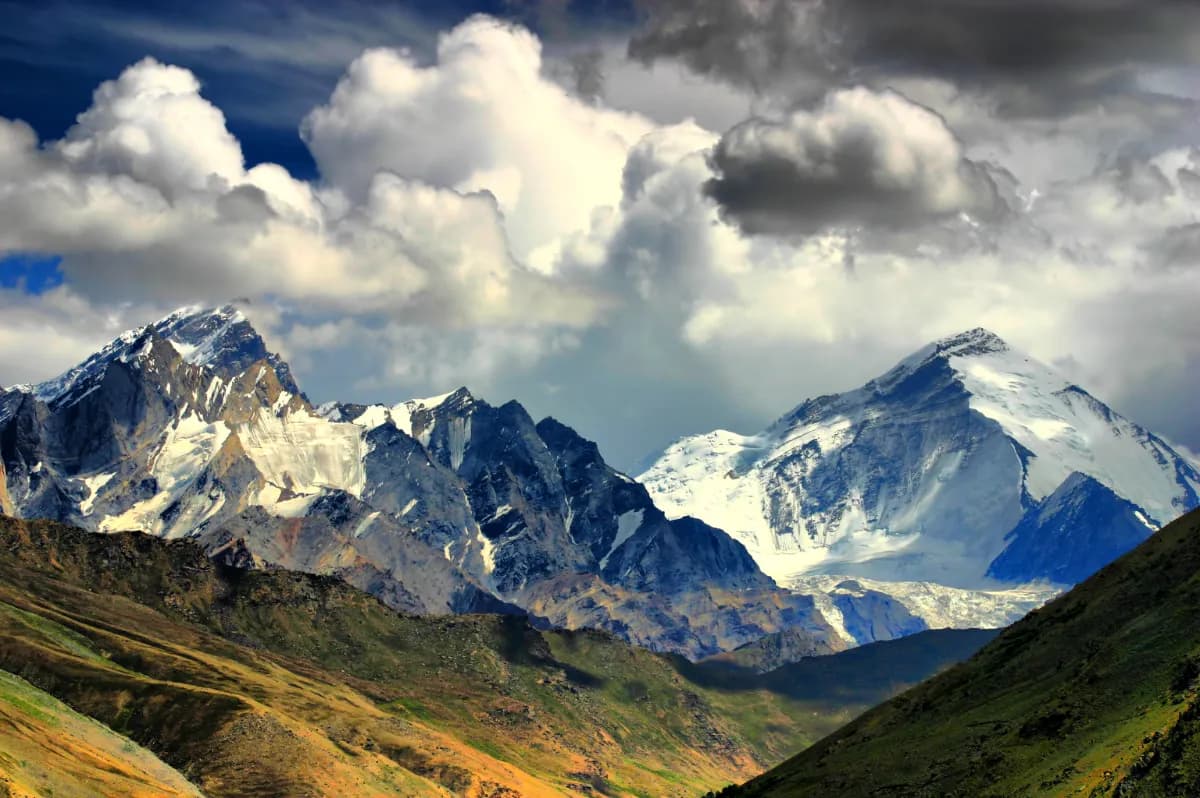
Located near the Suru Valley, Nun Peak is one of the twin peaks of Nun Kun. It is the highest peak on the Indian side of the Zanskar Valley range. The climb to Nun is technical yet rewarding, with sweeping views of glaciers and valleys that capture the essence of the Ladakh mountains. This mountain also attracts spiritual seekers, as the surrounding region is dotted with ancient monasteries and Buddhist settlements.
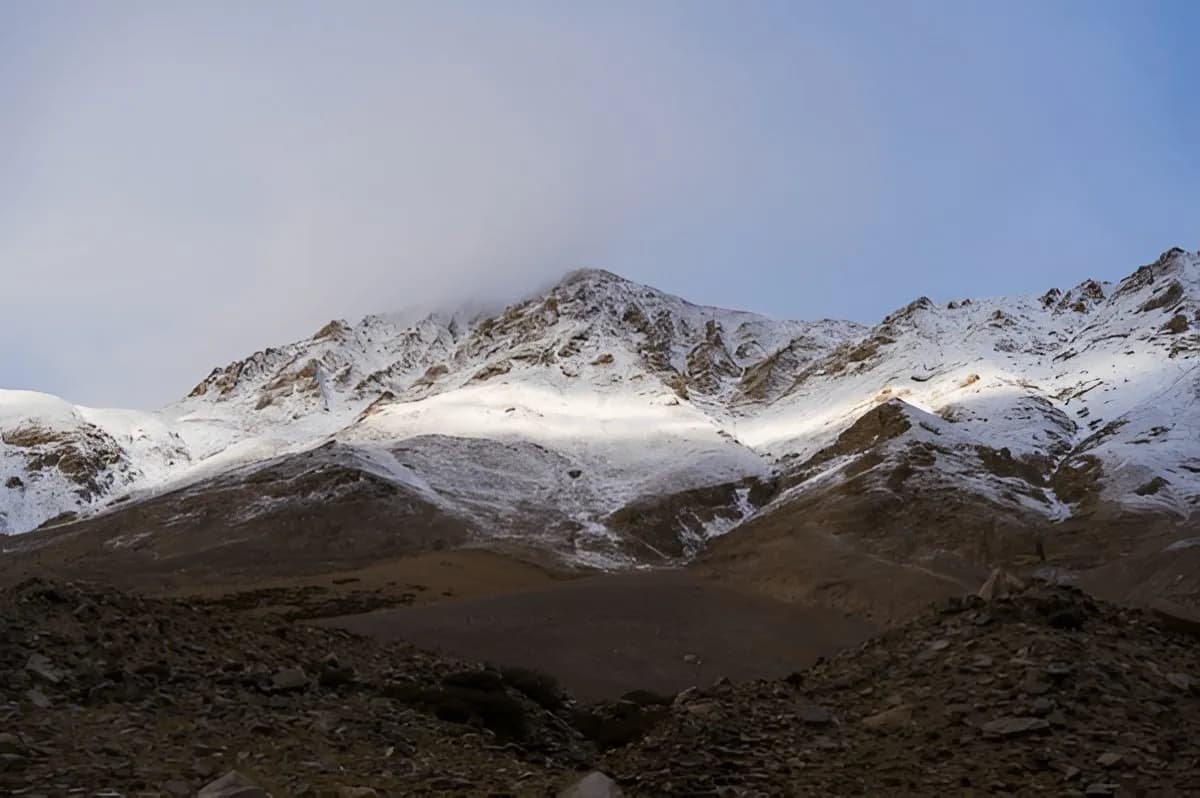
Spangnak Ri may not be among the tallest peaks, but its striking presence against Ladakh’s stark desert landscape makes it truly photogenic. Located near Tso Moriri Lake, it offers an excellent trekking experience for those seeking moderate adventures. Its trails reveal hidden alpine lakes and unique wildlife, giving trekkers a deeper connection with the wilderness of the mountains.
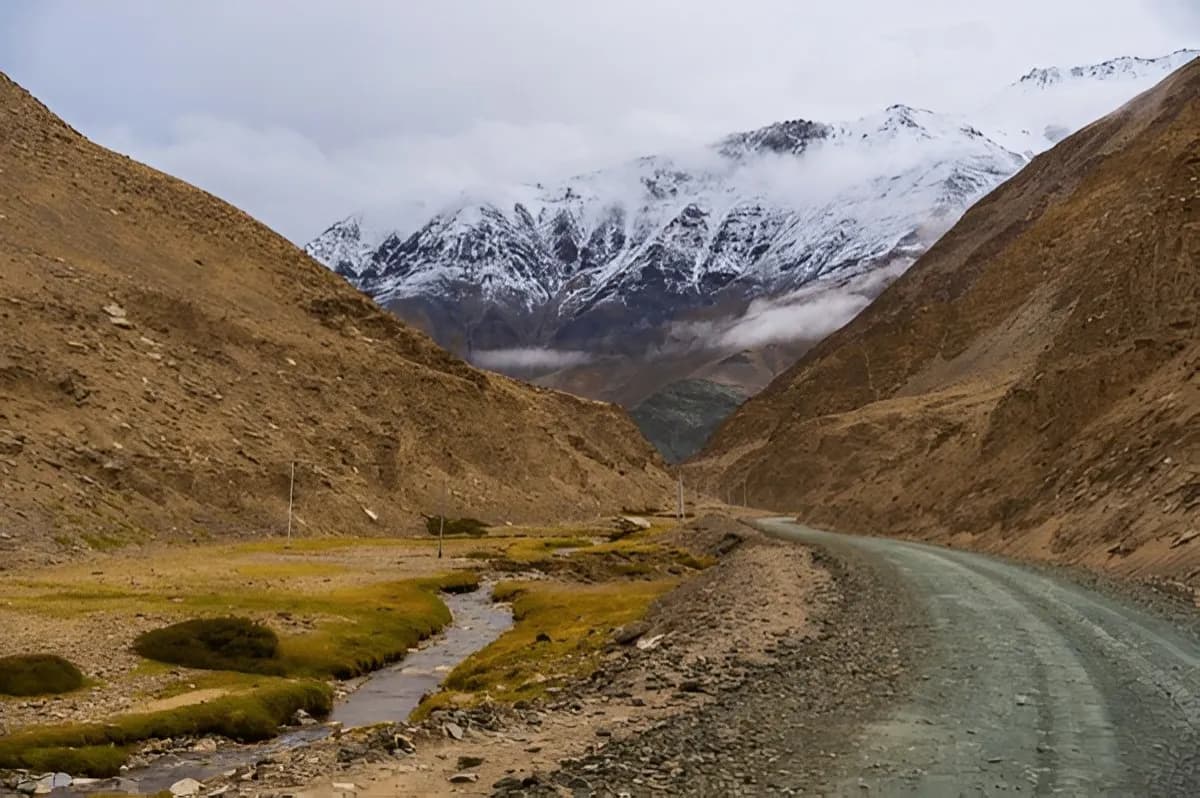
Rising north of the Rupshu Plateau, Pologongka is known for its scenic beauty rather than sheer height. The region around this peak is dotted with nomadic settlements, creating a perfect blend of culture and nature. Trekking here offers an offbeat glimpse into the less explored side of the Ladakh mountains, where endless meadows meet snow-laden peaks in complete harmony.
Also Read- Places to visit in Leh ladakh
Must Read- Things to do in Leh ladakh
April 24, 2026
April 22, 2026
April 22, 2026
April 21, 2026
April 21, 2026
The highest mountain in Ladakh is Saltoro Kangri, standing tall at 7,742 meters in the Karakoram range. It offers breathtaking views and remains one of the most challenging climbs in the region.