

Kerala Tour Packages From Goa
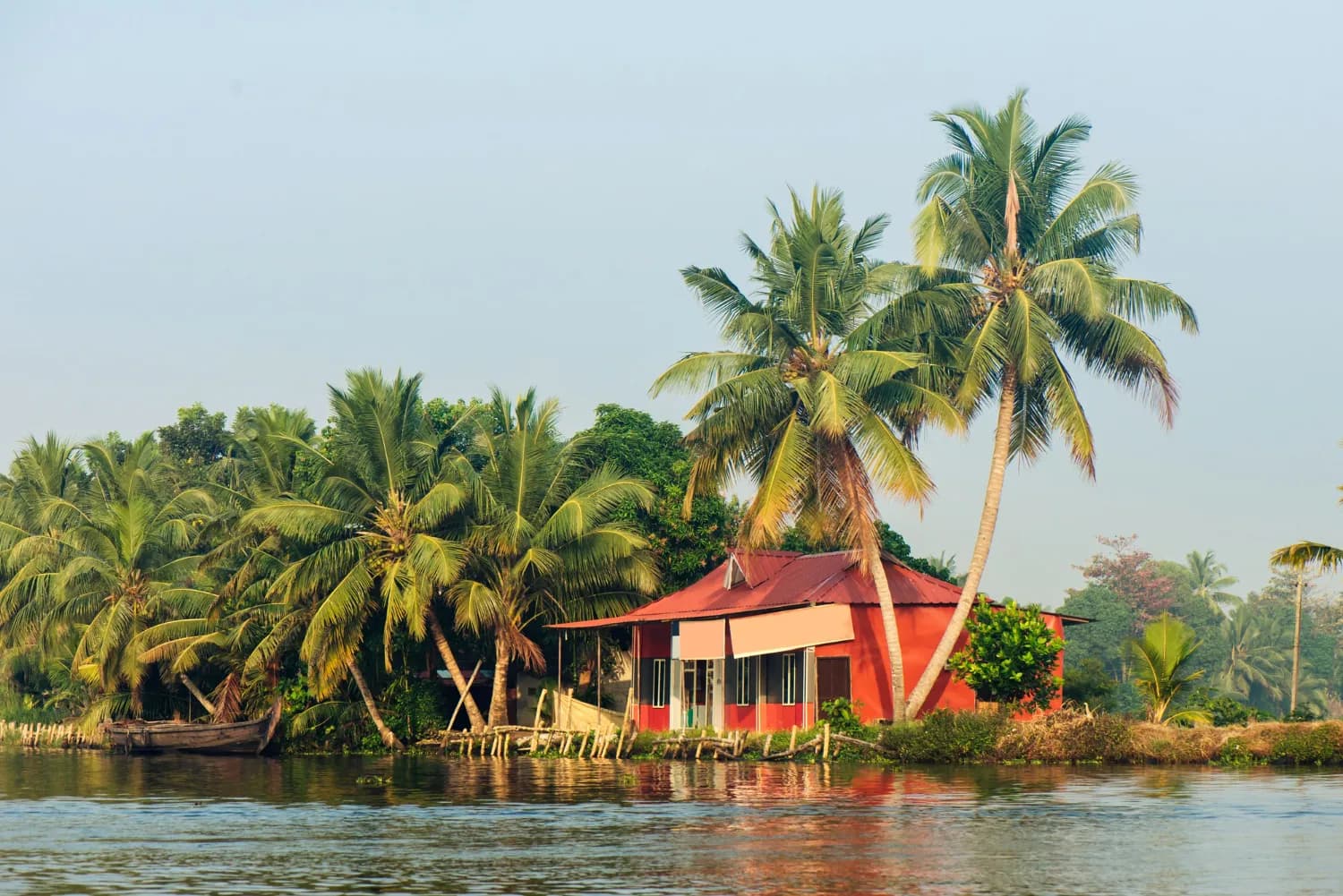
Goa and Kerala share the same sea. The Arabian Sea laps at both coastlines, both states carry a Portuguese colonial legacy in their architecture and food, and both are defined by coconut palms, laterite rock, and a coastal humidity that soaks into everything. But step across the border and the similarities end almost immediately. Goa is beaches, nightlife, shacks, and surf. Kerala is silent backwaters, mist-wrapped hill stations, ancient performing arts, spice forest safaris, and a pace of life that Goa's party calendar never quite touches.
That difference is exactly why Kerala tour packages from Goa attract such a loyal following among Goa's long-stay residents, honeymooners seeking something deeper, and domestic travellers who have already done the Goan beach circuit and are ready for the next chapter. Kerala is the natural progression — same coast, completely different soul.
Our Kerala tour packages connect these two coastal neighbours through the shortest air route on this page: a direct IndiGo flight from Goa Dabolim Airport to Kochi in just 1 hour and 25 minutes. By the time you finish your inflight coffee, you are already over the Kerala coast. The transition from Goa's Portuguese forts to Kochi's Dutch palace and Chinese fishing nets happens before lunch.
Ananya Rodrigues from Panaji shared: "We had lived in Goa for three years and thought we knew the Indian coast. Kerala showed us how much we had missed — the backwaters, the Kathakali, the silence of a houseboat night. It was nothing like Goa, and that was exactly the point." That discovery is what every Kerala tour package from Goa is designed to give you.
Why Choose Us for Your Kerala Tour Package from Goa
When choosing between dozens of Kerala tour packages from Goa, here is what makes ours the right choice:
- Goa-to-Kerala corridor specialists: We know the GOI airport departure slots and the Konkan train schedules that get you into Kerala without losing half a travel day in transit.
- Coastal traveller expertise: Our team understands what Goa-based travellers have already seen — and builds Kerala itineraries that go beyond beaches into the backwaters, spice forests, and arts culture that make Kerala genuinely different.
- No-surprise pricing: Accommodation, private AC vehicle, houseboat night, and sightseeing are quoted upfront. GST is listed separately — what you see is your confirmed cost.
- Flexible open-jaw routing: Start in Kochi, end in Trivandrum — or vice versa. We build one-way Kerala circuits that eliminate backtracking and maximise destinations covered.
- 24/7 on-trip support: A dedicated operations contact is reachable throughout your Kerala stay — not just during the booking process.
Best Time to Visit Kerala from Goa
October to March is the best time to visit Kerala from Goa. Both states share a similar tropical climate, but Kerala's post-monsoon season produces a freshness and vivid green that Goa's landscape, while beautiful, does not quite replicate at the same intensity. From October onward, Kerala's roads are dry, the waterways are calm, and every outdoor activity from houseboat cruises to wildlife safaris to hill station walks operates at full capacity.
Goa's own peak tourist season (November–February) overlaps perfectly with Kerala's best travel window, which means Goa-based travellers can plan a Kerala trip as a natural extension of the coastal winter season without changing their travel rhythm.
- Post-Monsoon & Winter (October – February) – Prime Window: Dry conditions, clear backwater skies, and full wildlife activity across Thekkady and Wayanad. Alleppey houseboat demand peaks in December–January — book 4–5 weeks ahead. Temperatures: 22–30°C on the coast, 15–22°C at hill stations.
- Summer (March – May) – Hill Station Escape: Goa's summer heat makes Munnar and Wayanad's elevated 15–22°C climate a welcome relief. Beach destinations in south Kerala stay humid, but the hill stations are comfortable and quieter. Hotel rates run 20–30% lower than peak season.
- Monsoon (June – September) – Nature at Its Peak: Both Goa and Kerala transform during the monsoon, but Kerala's waterfalls are more dramatic and its Ayurvedic resort culture is specifically designed around this season. Outdoor safari activities may be limited and some ghat roads require condition checks before travel.
How to Reach Kerala from Goa
Goa to Kerala is one of the shortest and most straightforward inter-state journeys in peninsular India, with excellent options by both air and train.
- By Air: The fastest and most popular option. IndiGo operates direct non-stop flights from Goa Dabolim Airport (GOI) to Cochin International Airport (COK), covering 644 km in just 1 hour and 25 minutes — the shortest flight on any of our Kerala package routes. Flights depart daily at 21:15 (IndiGo 6E885); Air India Express also connects via Bengaluru. Round-trip economy fares start as low as ₹3,849 when booked in advance, making this among the most affordable flight corridors for Kerala access from any major Indian city. For south Kerala itineraries focused on Kovalam or Varkala, fly directly into Trivandrum International Airport (TRV).
- By Train: Goa has excellent rail connectivity to Kerala via the scenic Konkan Railway coastal route. From Madgaon Junction (MAO) or Vasco da Gama station (VSG), multiple trains run daily to Ernakulam Junction (ERS). The journey covers approximately 640 km and takes around 11 hours 10 minutes — a comfortable overnight departure that arrives in Kochi by morning, saving a hotel night and delivering one of India's most scenic rail rides along the Konkan coastline. Sleeper class fares start at approximately ₹360; AC 3-tier fares average ₹900–₹1,200.
- By Road: The NH 66 coastal highway connects Goa to Kochi via Mangalore and Kozhikode, covering approximately 640 km in around 10–11 hours. A scenic coastal drive, but better suited as a self-drive road trip than as part of a structured package itinerary.
Places to Visit in Kerala
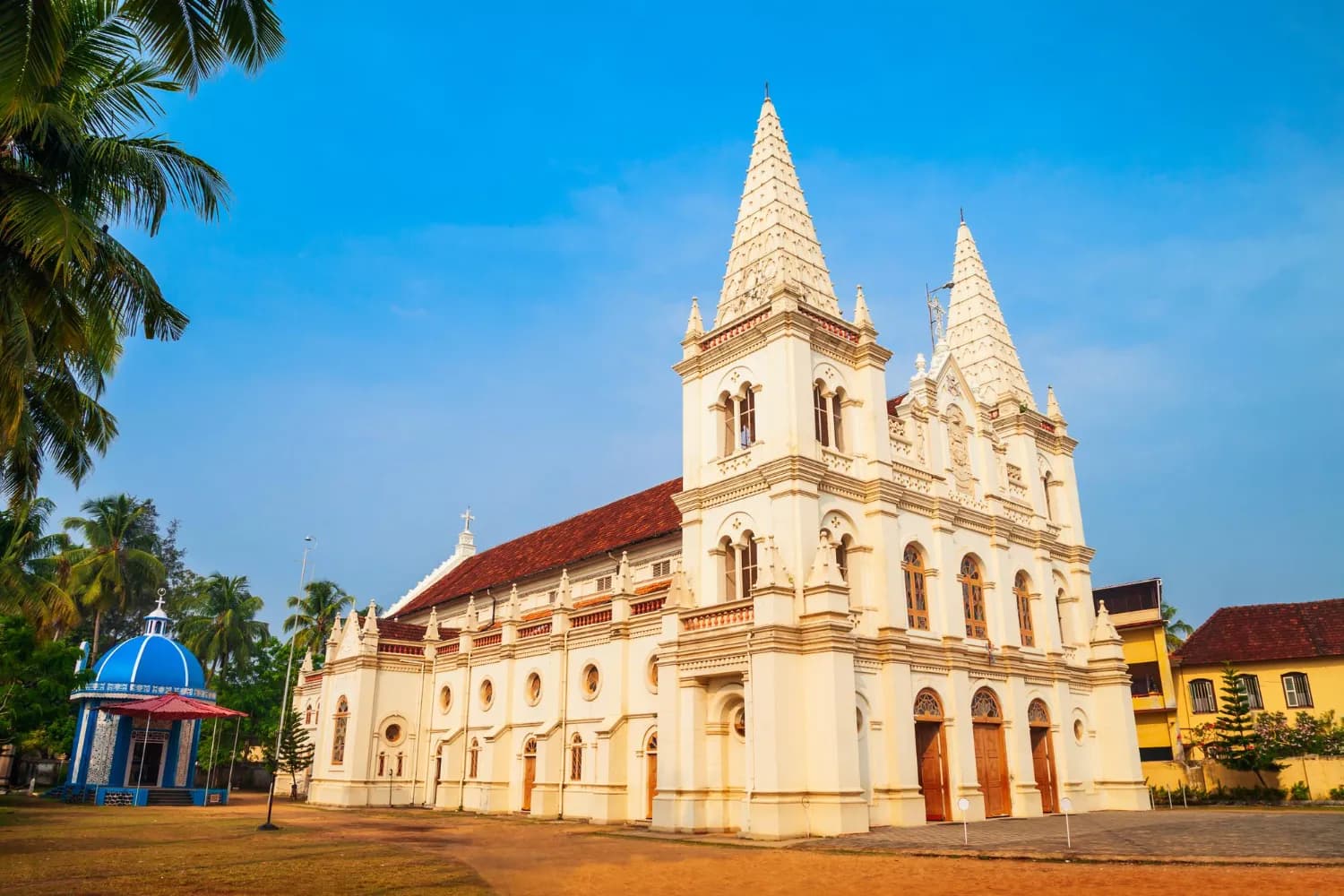
1. Kochi (Fort Kochi): Kochi is for Bhubaneswar's culturally sophisticated travellers — citizens of a city that reads its built environment as living history — Fort Kochi is Kerala's most immediately resonant destination. Its Portuguese churches, Dutch palaces, Jewish quarter, Chinese fishing nets, and contemporary art galleries tell 500 years of multicultural maritime history in a compact, walkable heritage district that rewards slow, attentive exploration. For travellers who love Bhubaneswar's temple architecture and Puri's coastal heritage, Fort Kochi offers a South Indian counterpart of equal historical depth in a completely different architectural and cultural tradition.
Key Attractions:
- Chinese Fishing Nets (Cheena Vala) at Dawn
- Mattancherry Palace (Dutch Palace) & Kerala Mural Paintings
- Paradesi Synagogue & Jew Town Antique Quarter
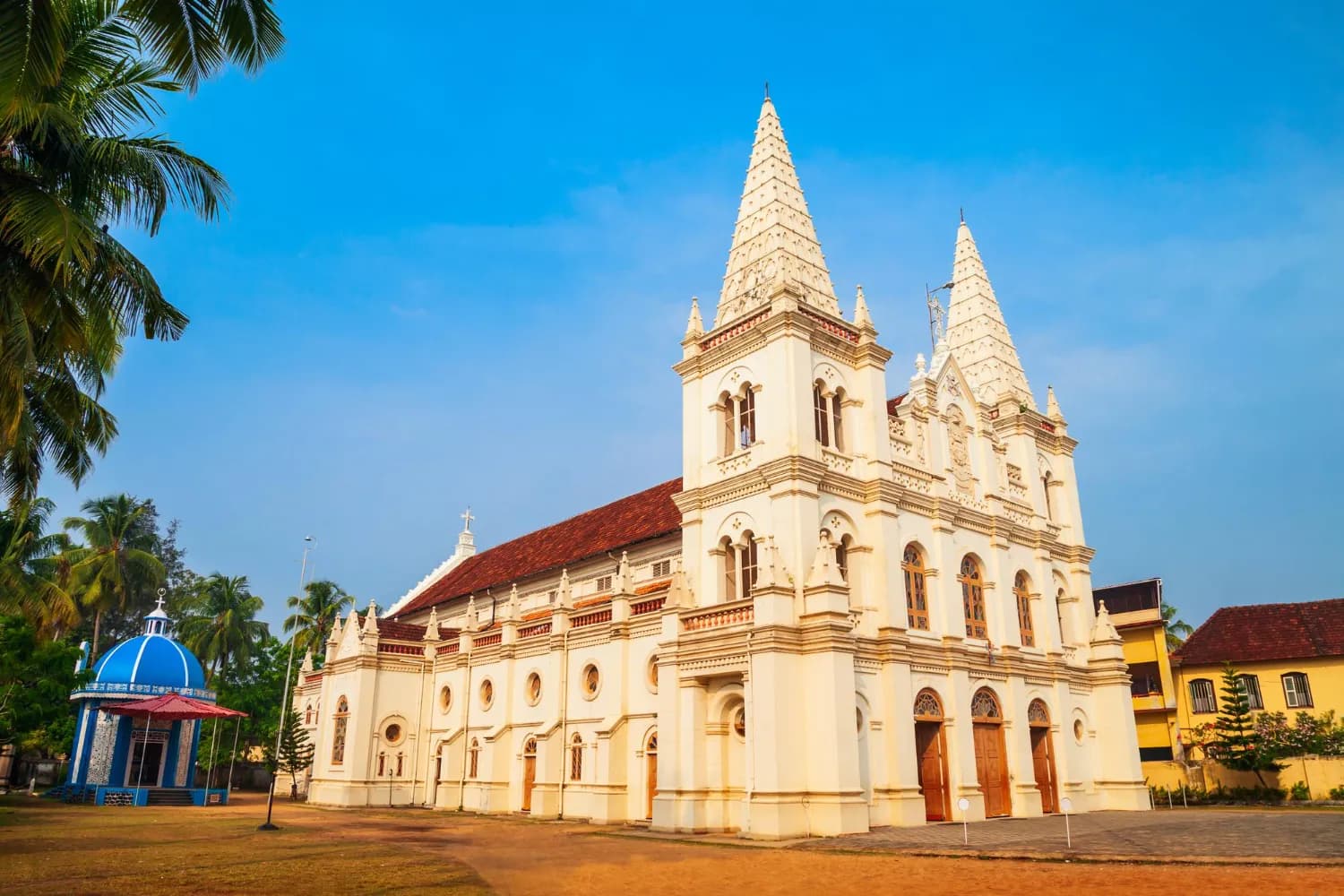
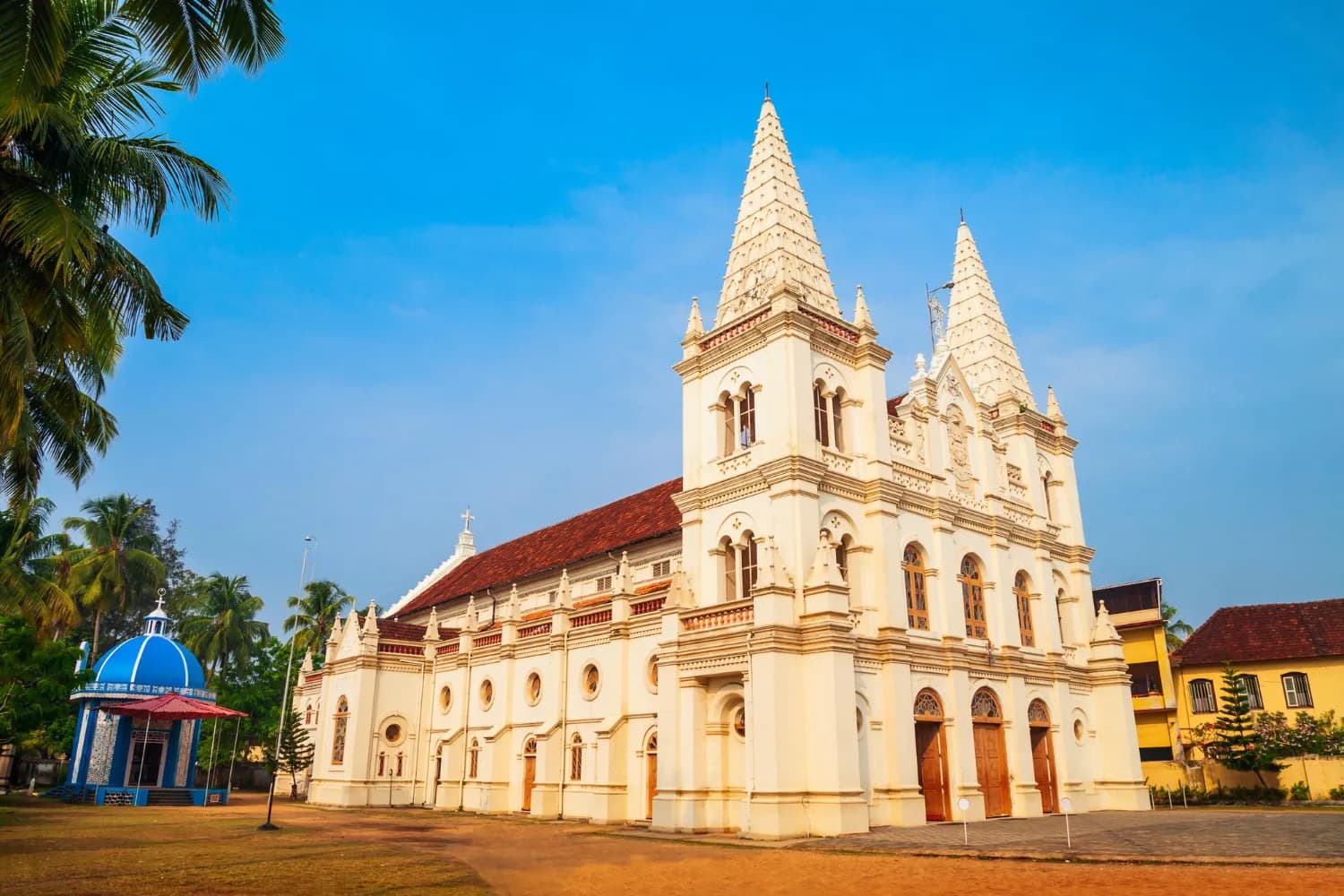
- Basilica of Santa Cruz & St. Francis Church
- Kerala Folklore Museum & Kochi-Muziris Heritage Trail
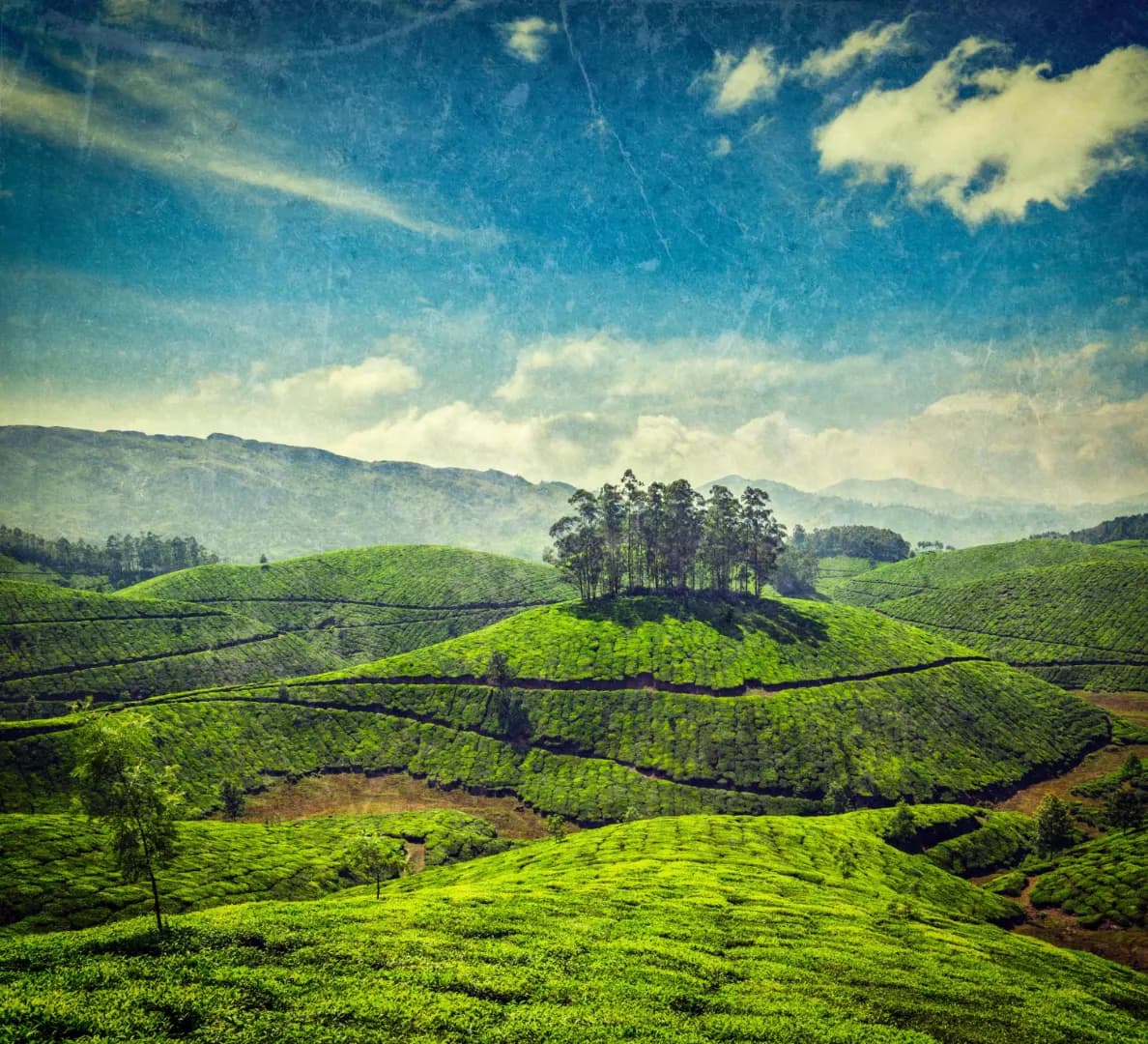
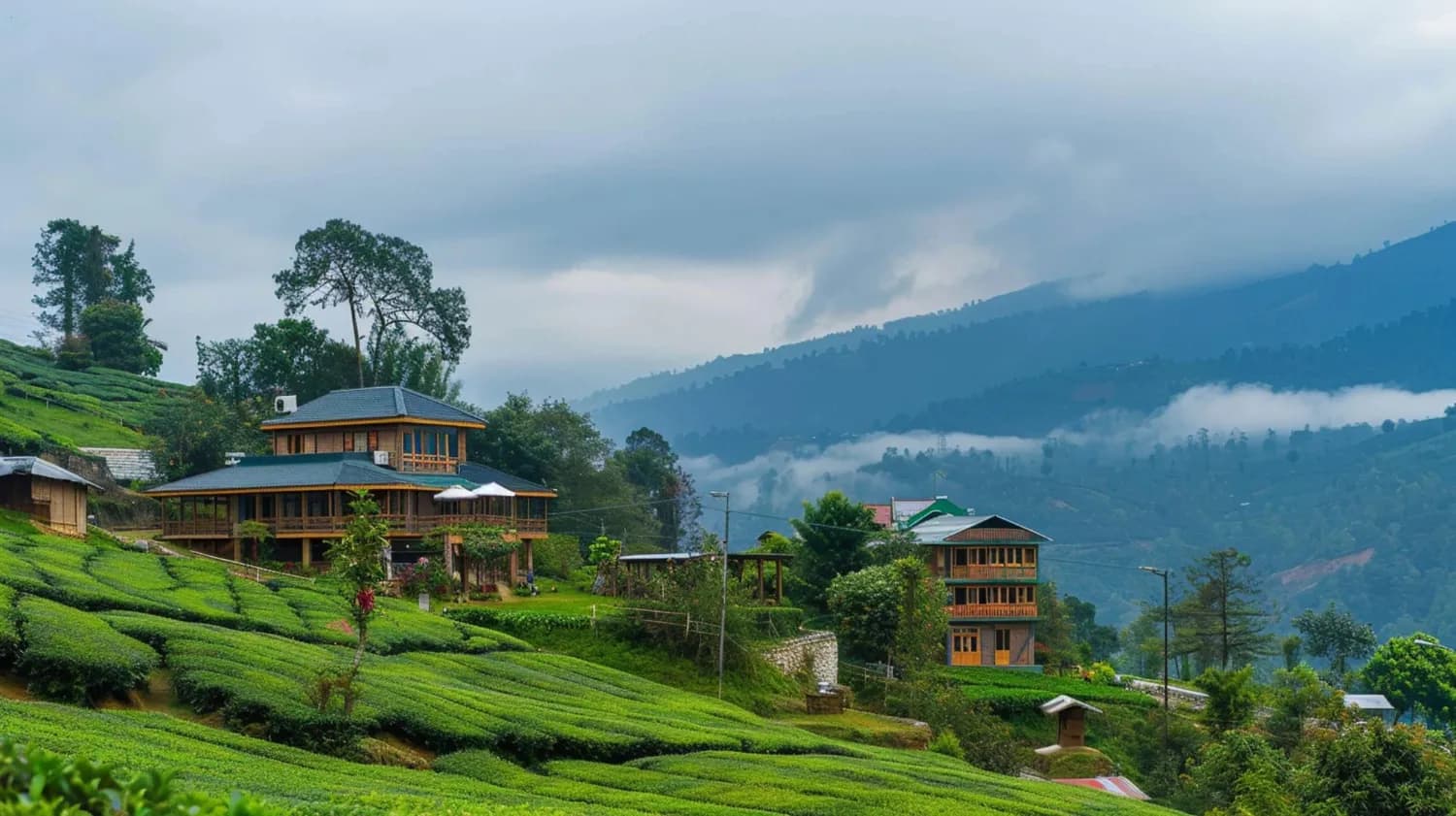
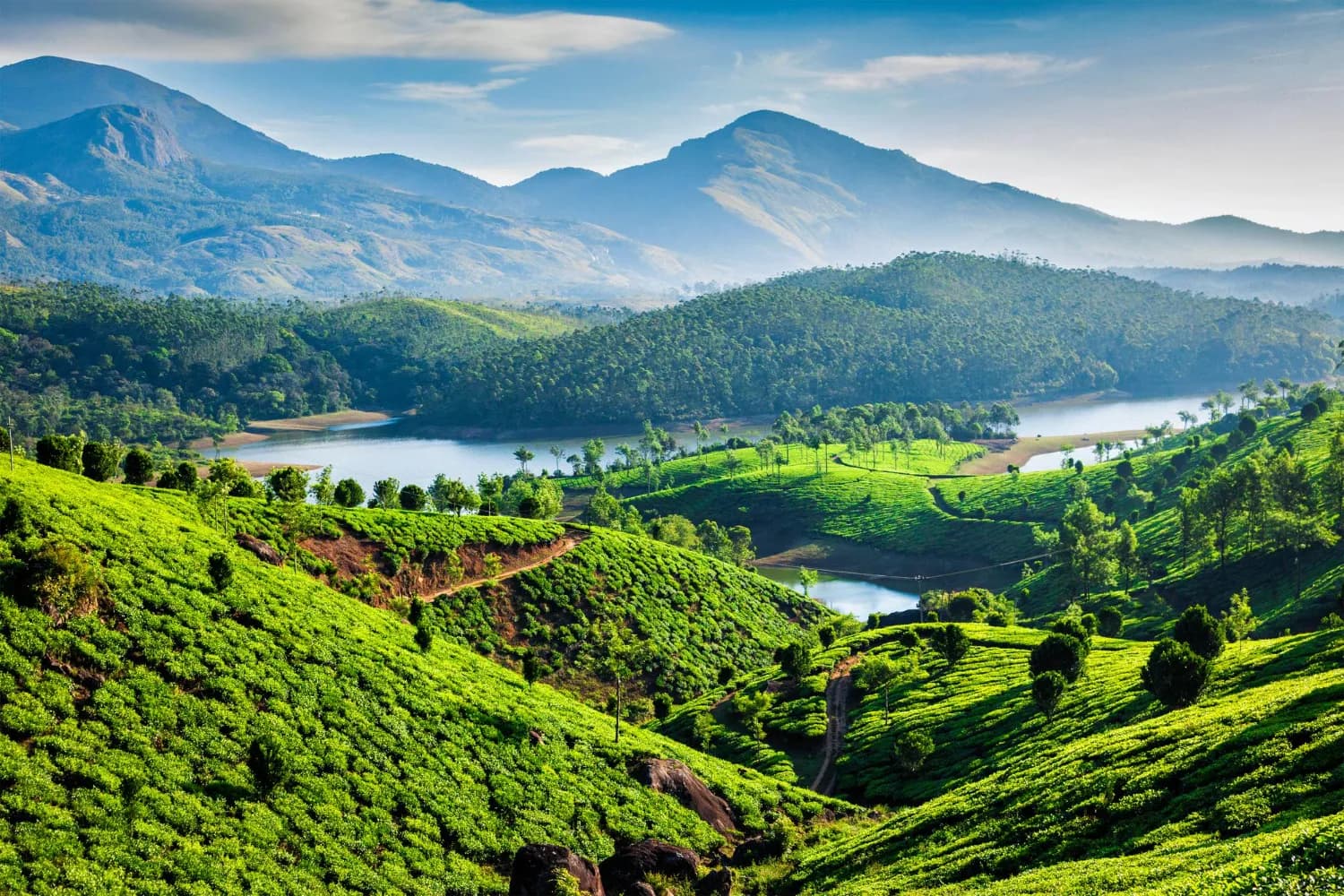
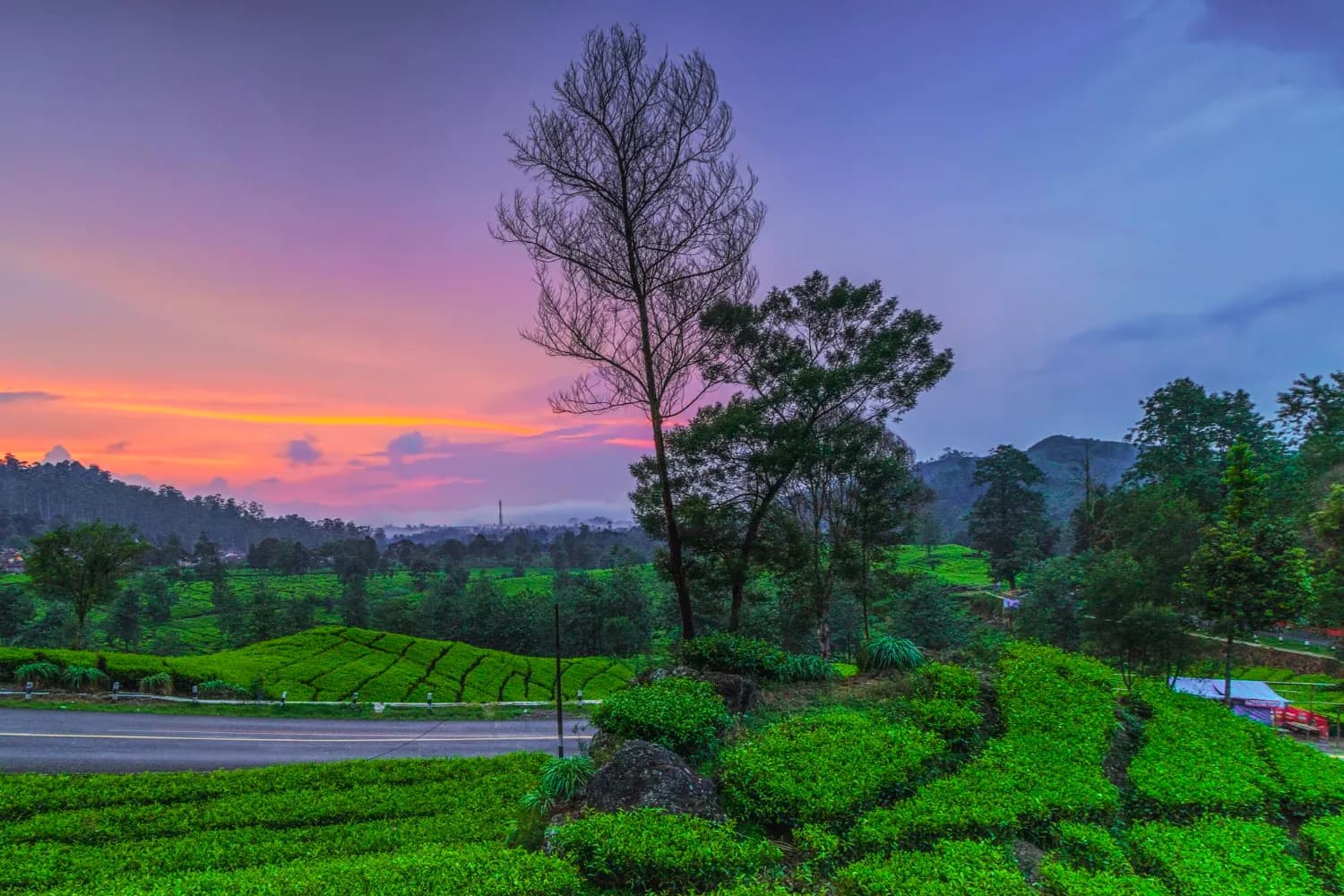
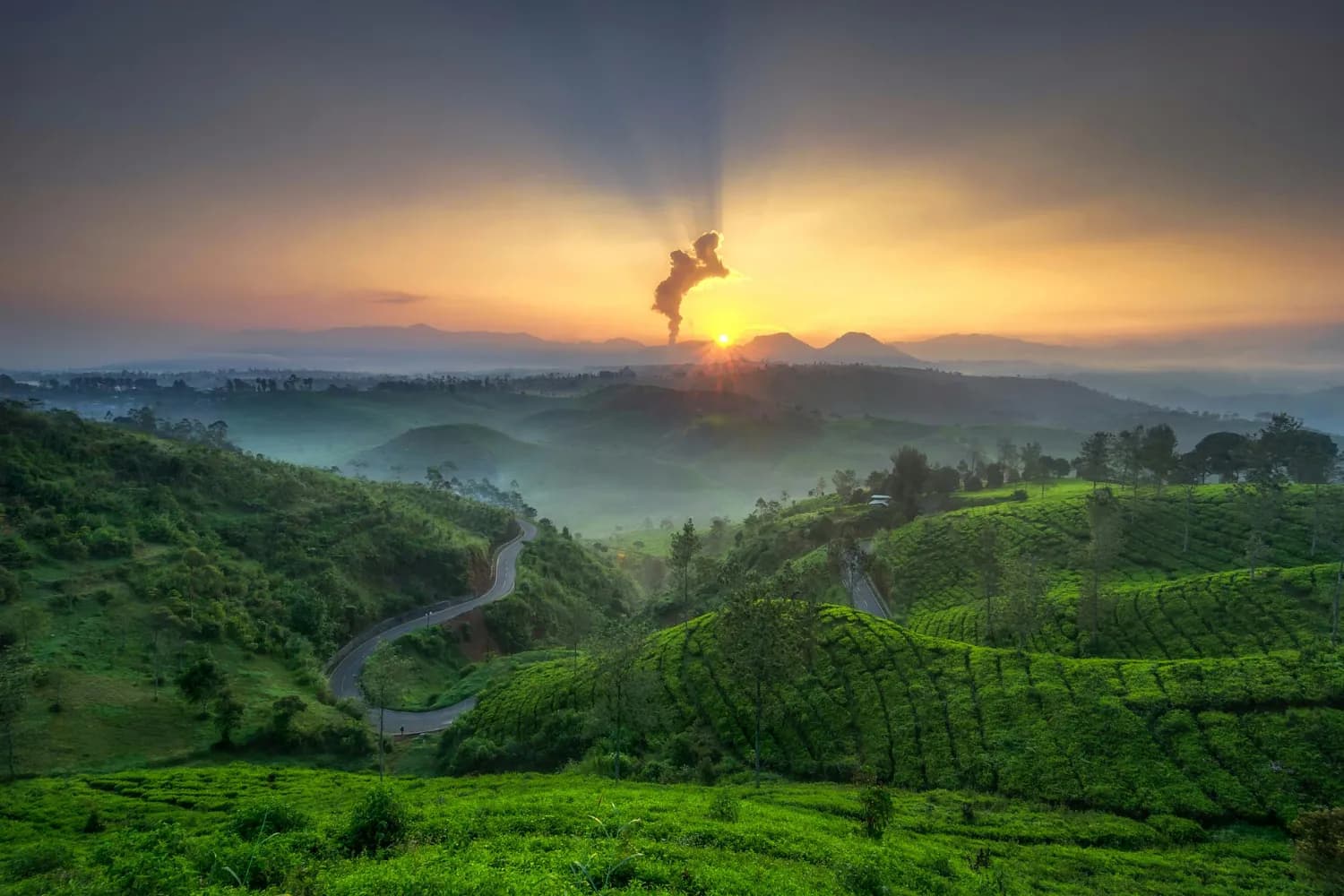
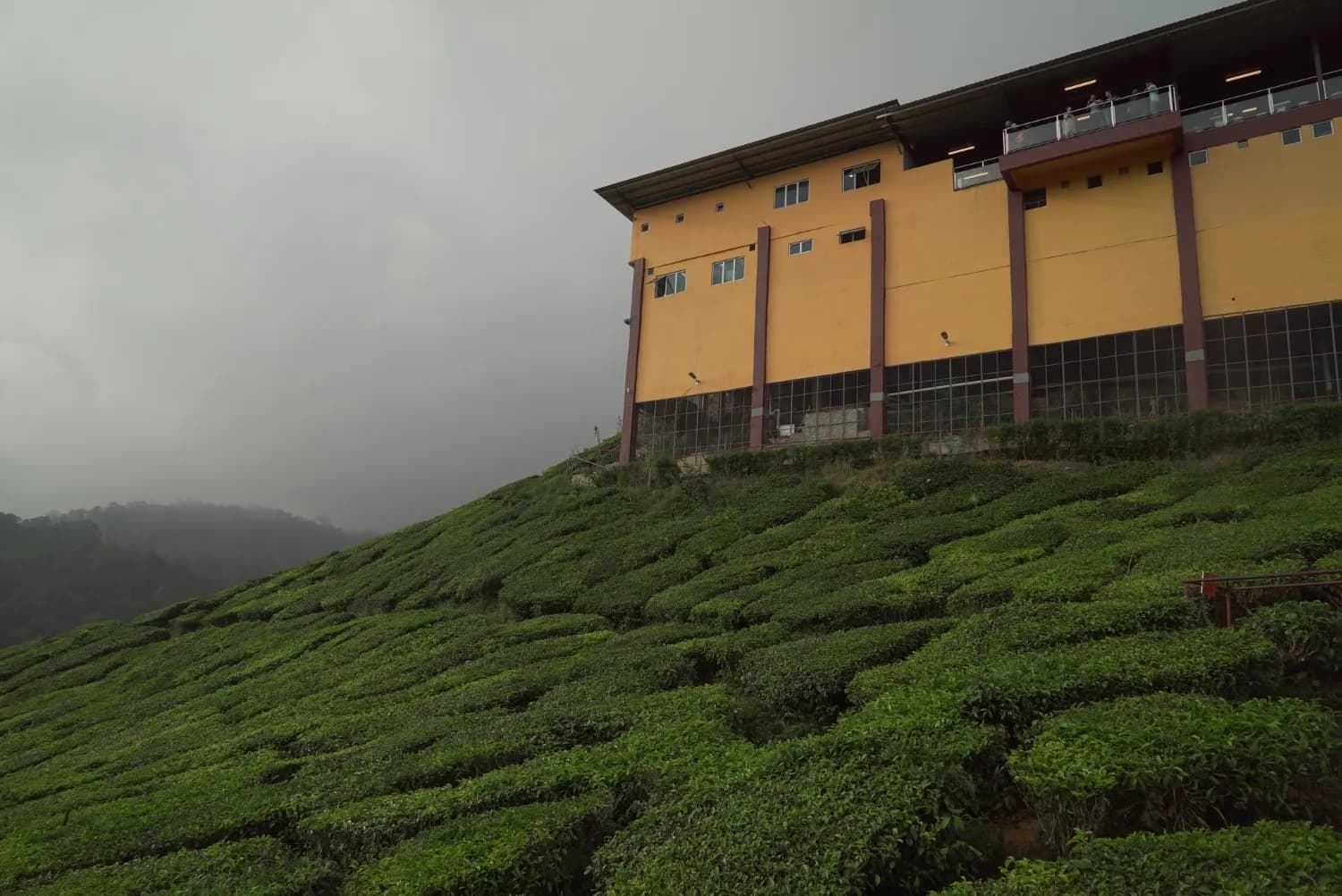
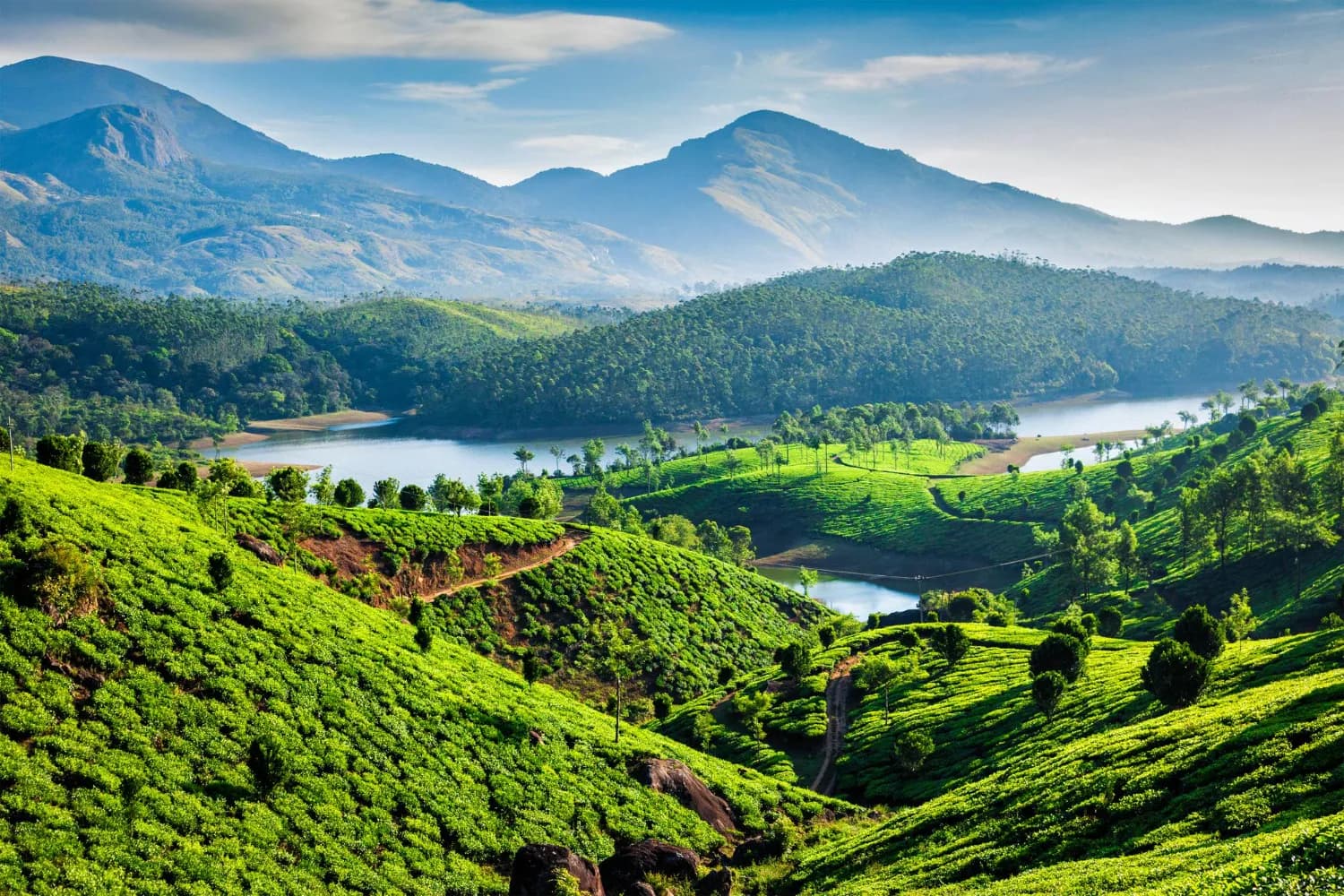
2. Munnar: Rising at over 1,600 metres in the Western Ghats, Munnar delivers the landscape transformation that Bhubaneswar travellers most consistently describe as their favourite Kerala memory. After Odisha's coastal plains, the cool mountain air, sweeping tea-estate panoramas, and morning mist that fills entire valleys below your window feel like stepping into a different country entirely. Munnar's rare wildlife, its plantation walks, and its dramatic highland viewpoints make it an essential stop on every Kerala itinerary from Bhubaneswar.
Key Attractions:
- Eravikulam National Park (Nilgiri Tahr & Rare Flora)
- Top Station — Highest Motorable Viewpoint in the Region
- Echo Point
- Tea Museum & Guided Estate Walk
- Anamudi Peak — South India's Highest Summit (2,695 m)
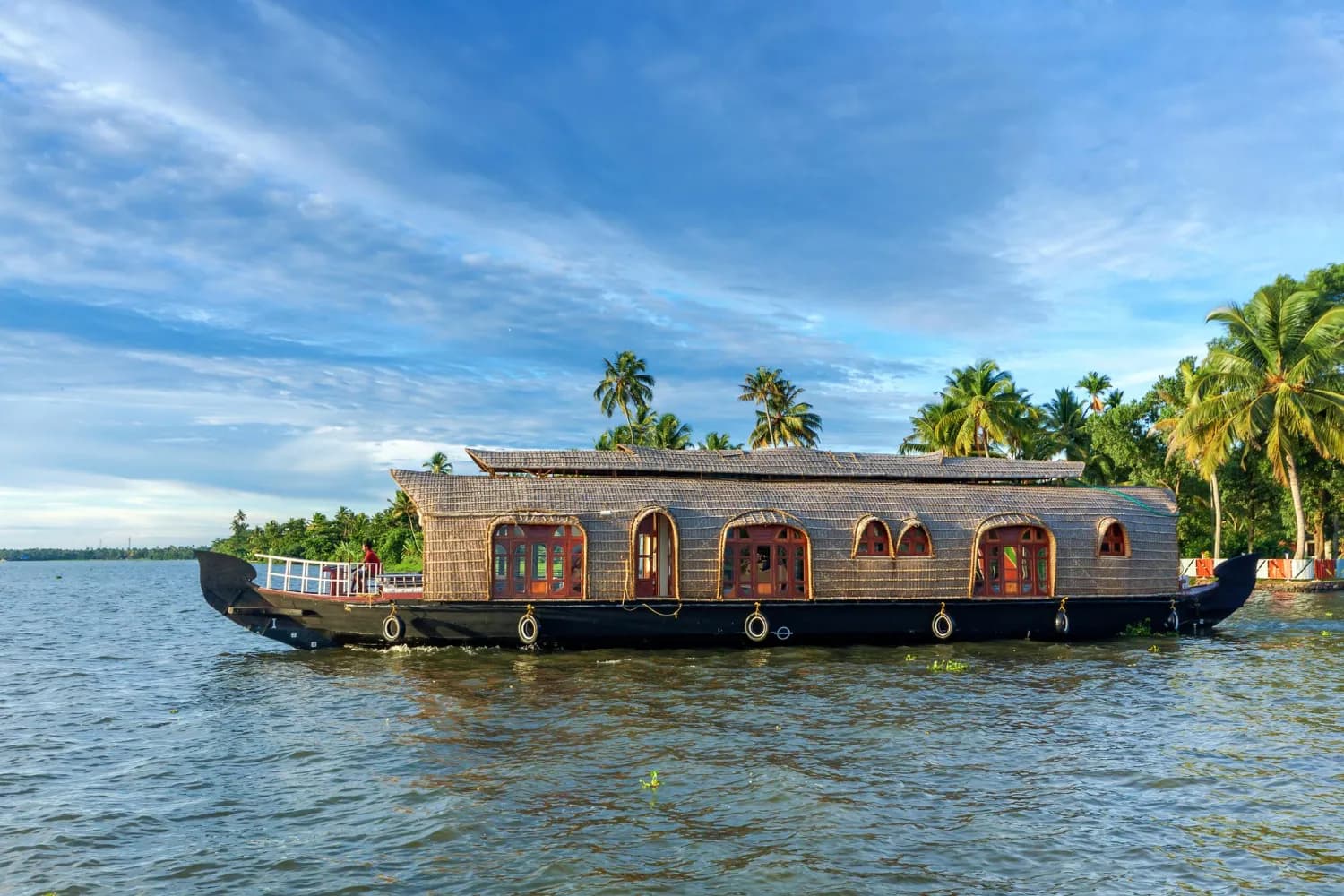
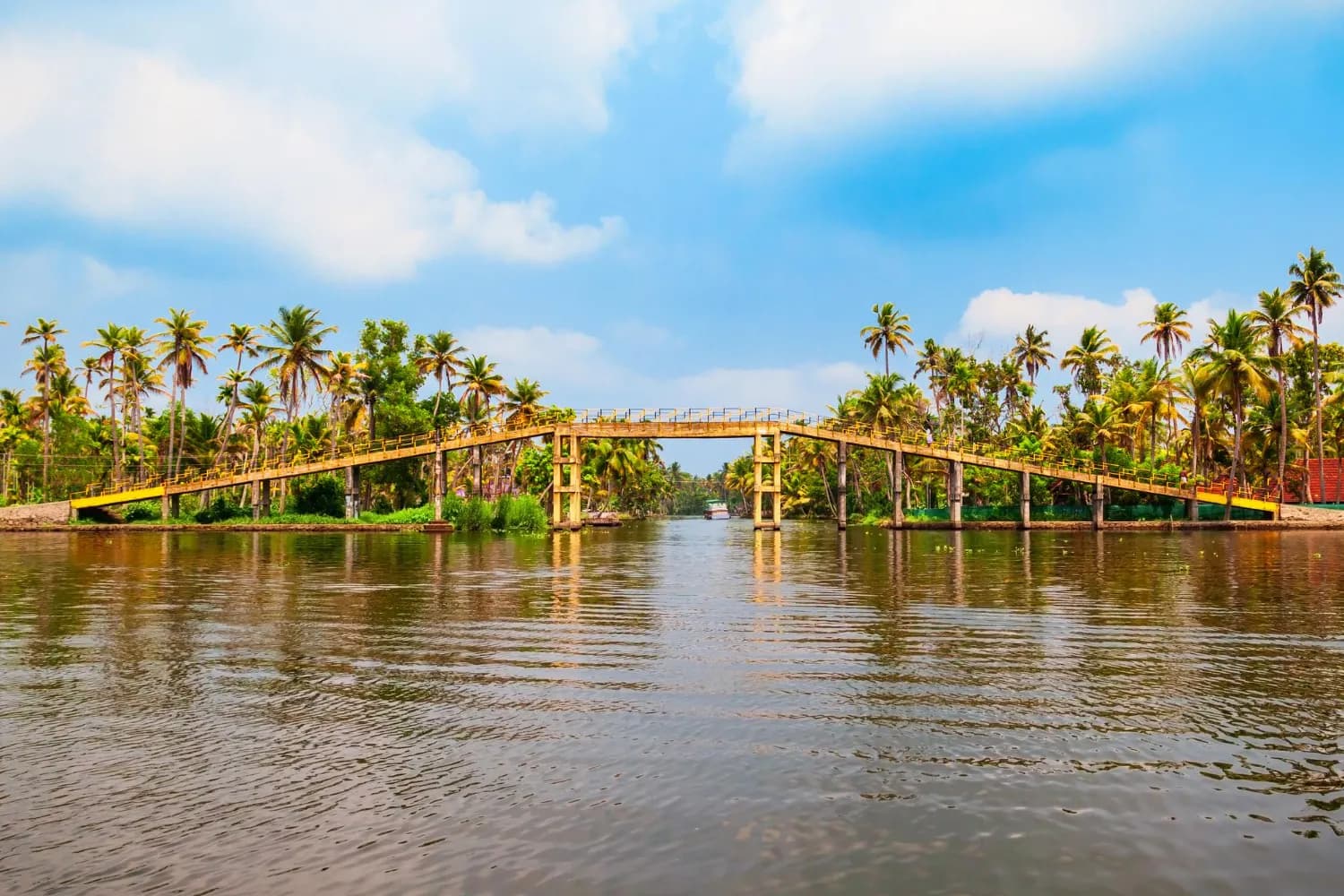
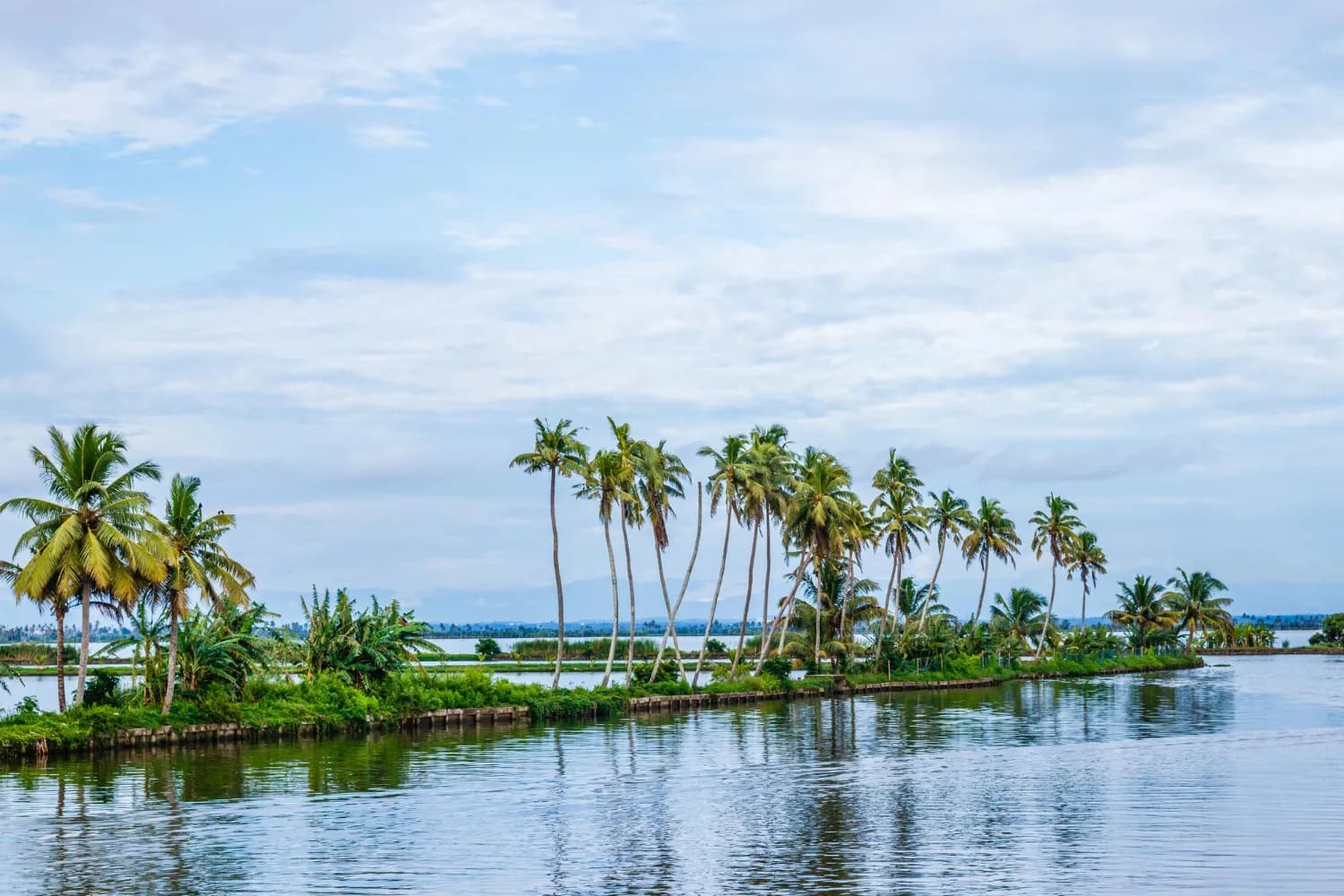
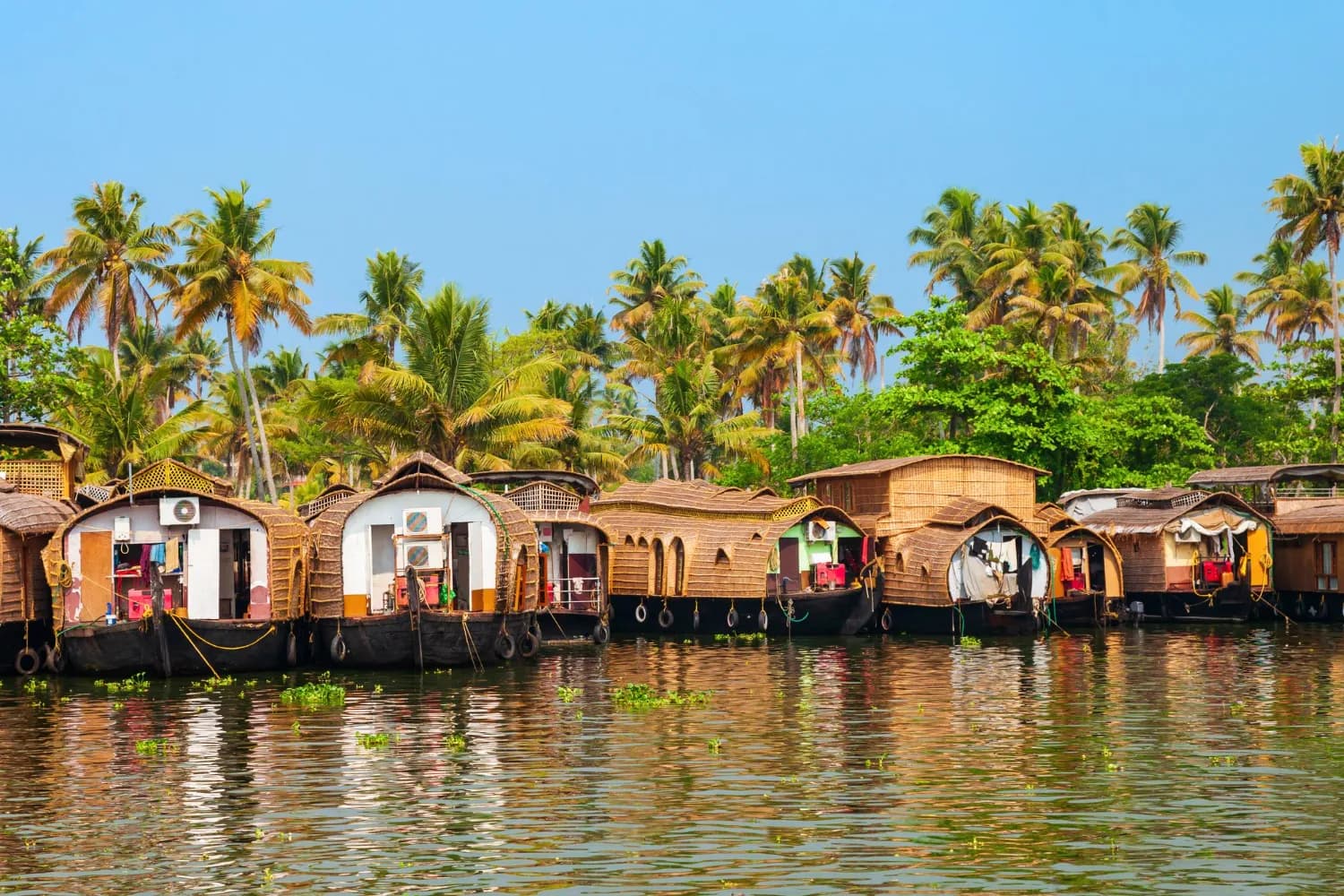
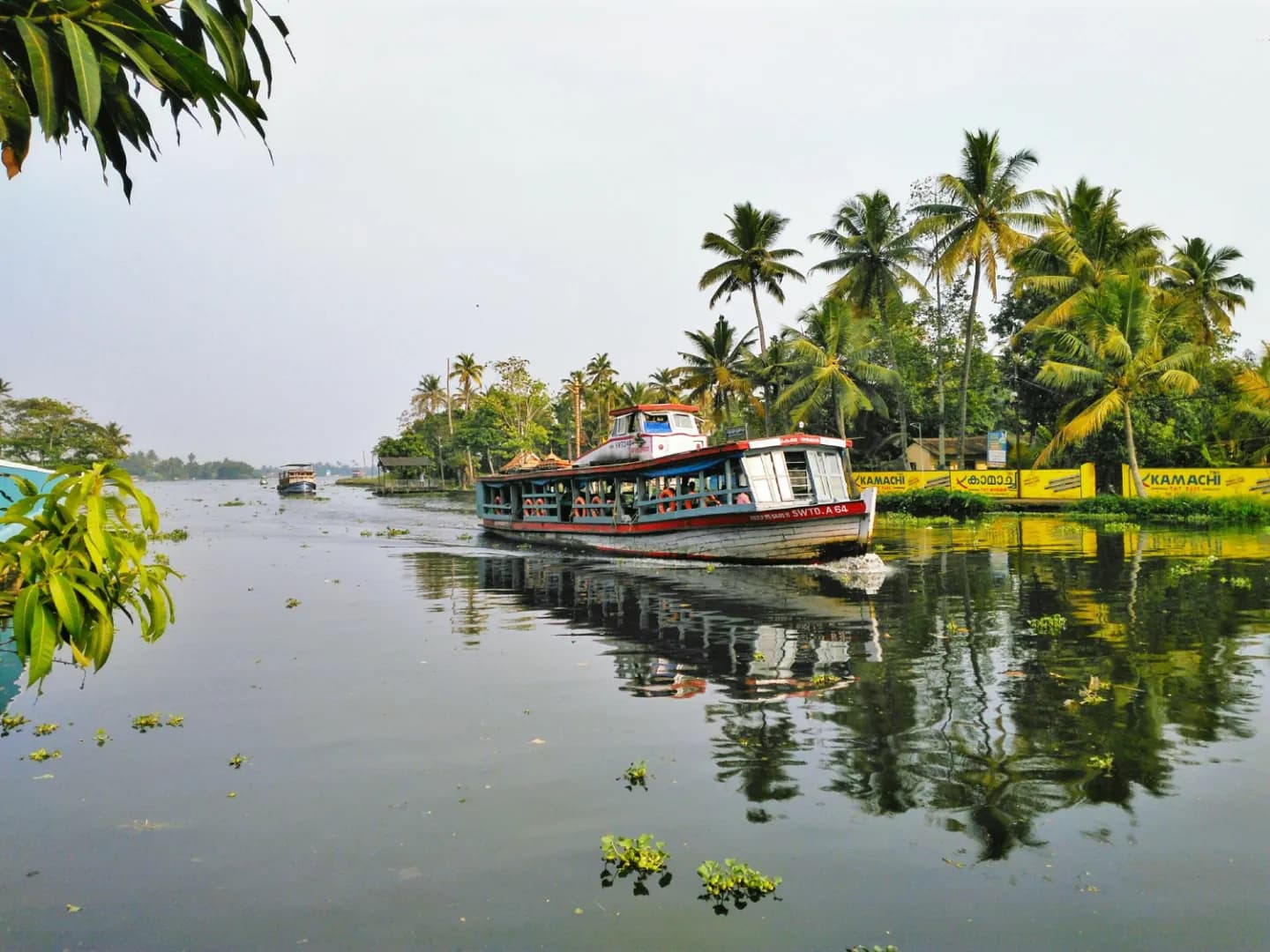
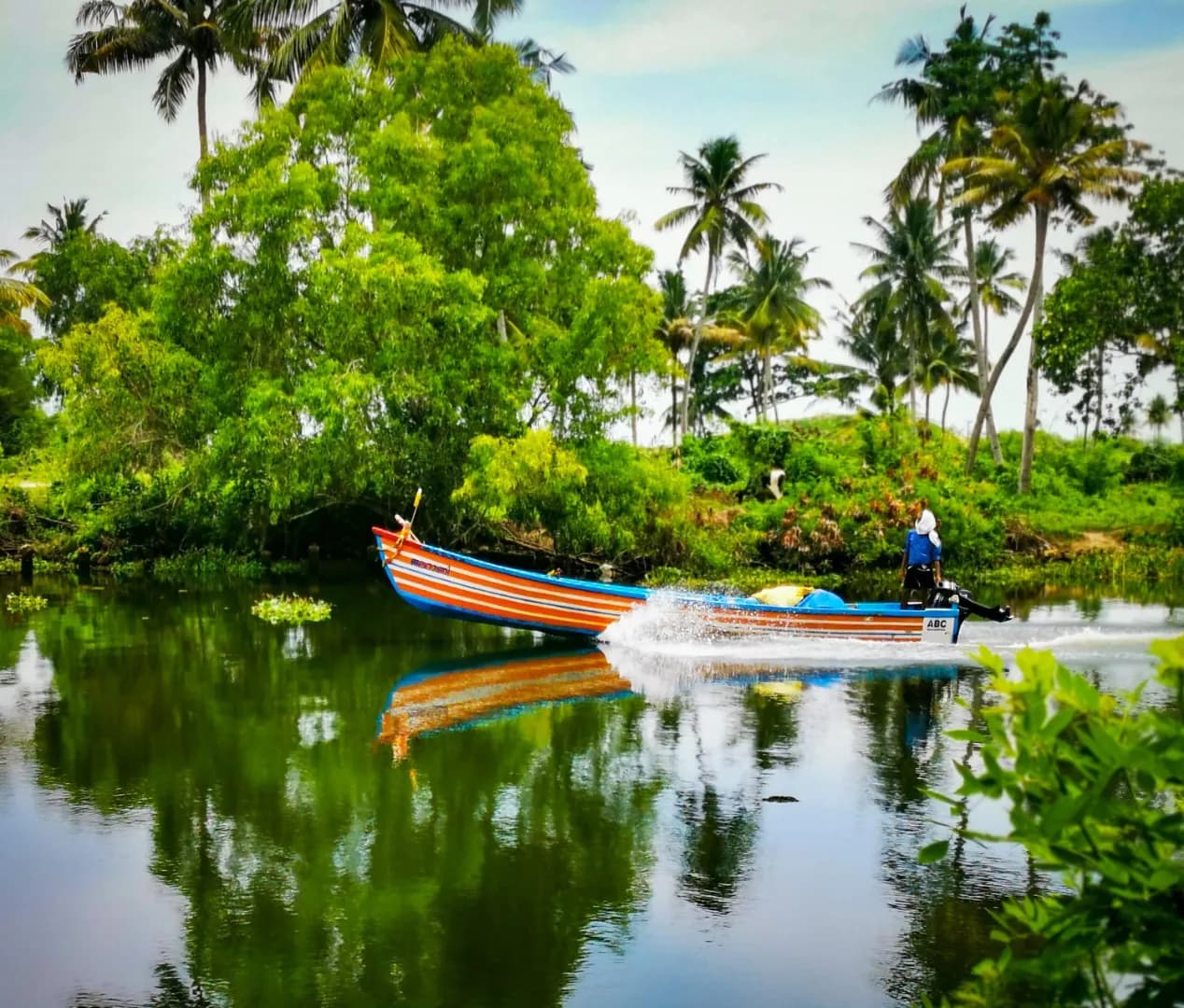
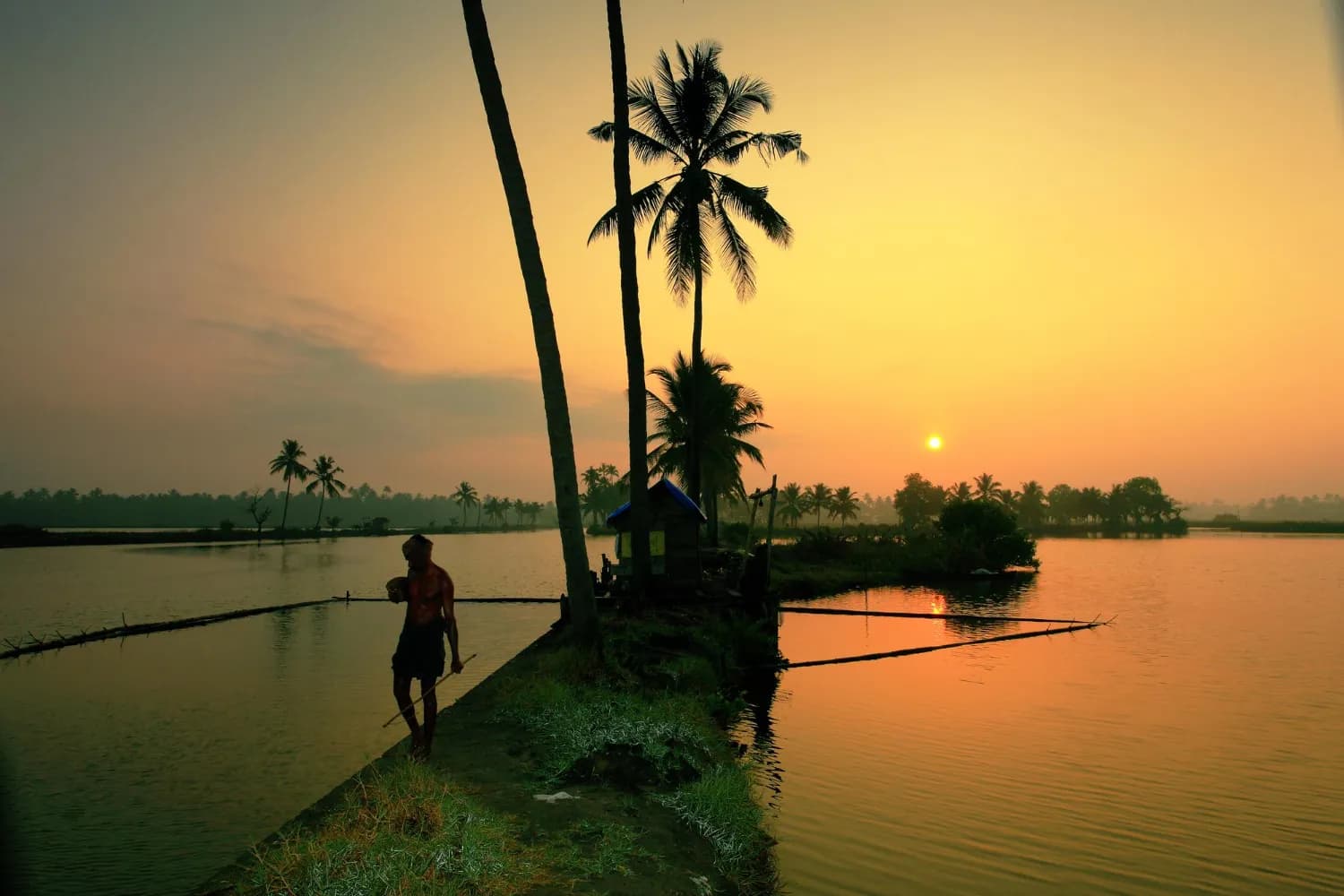
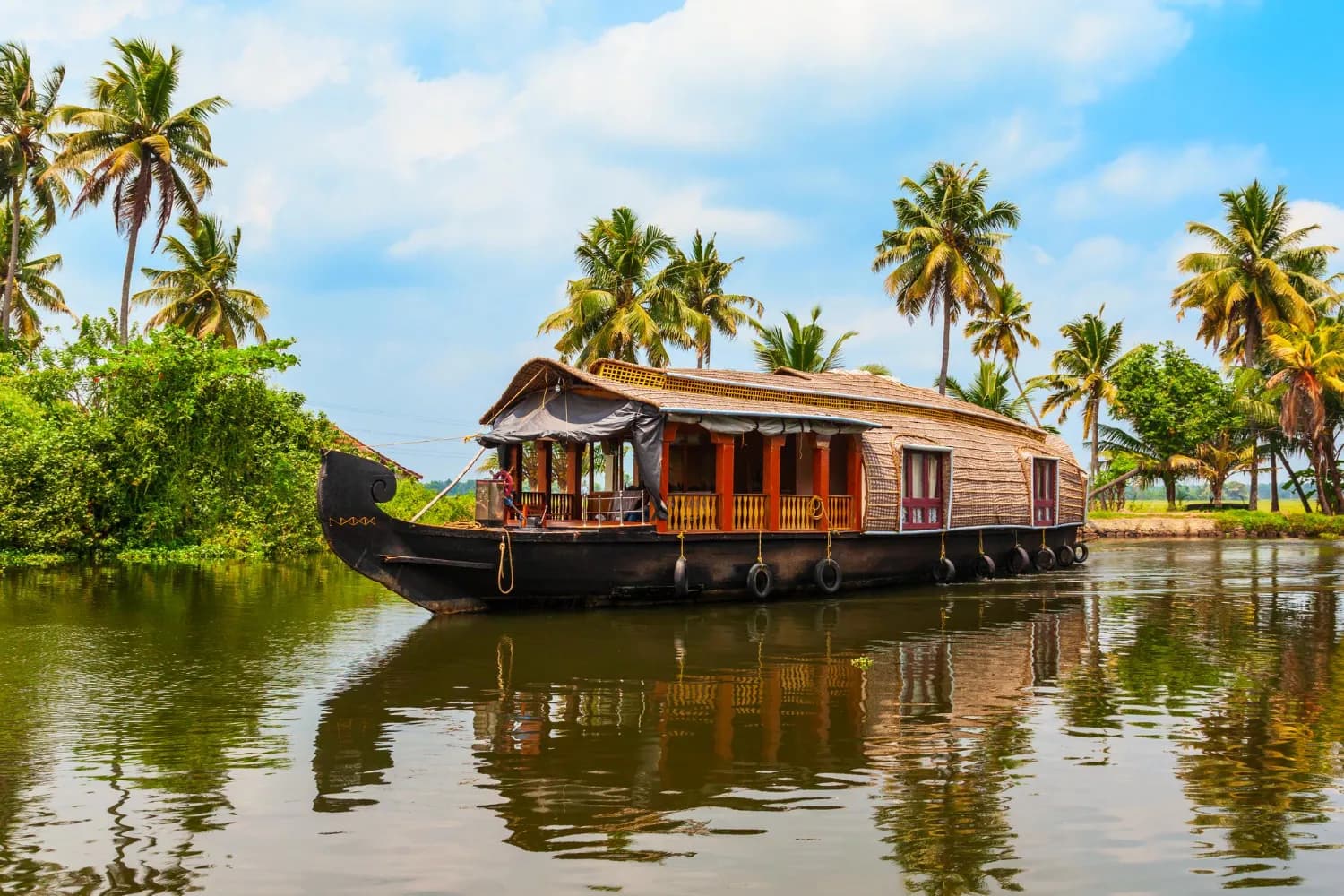
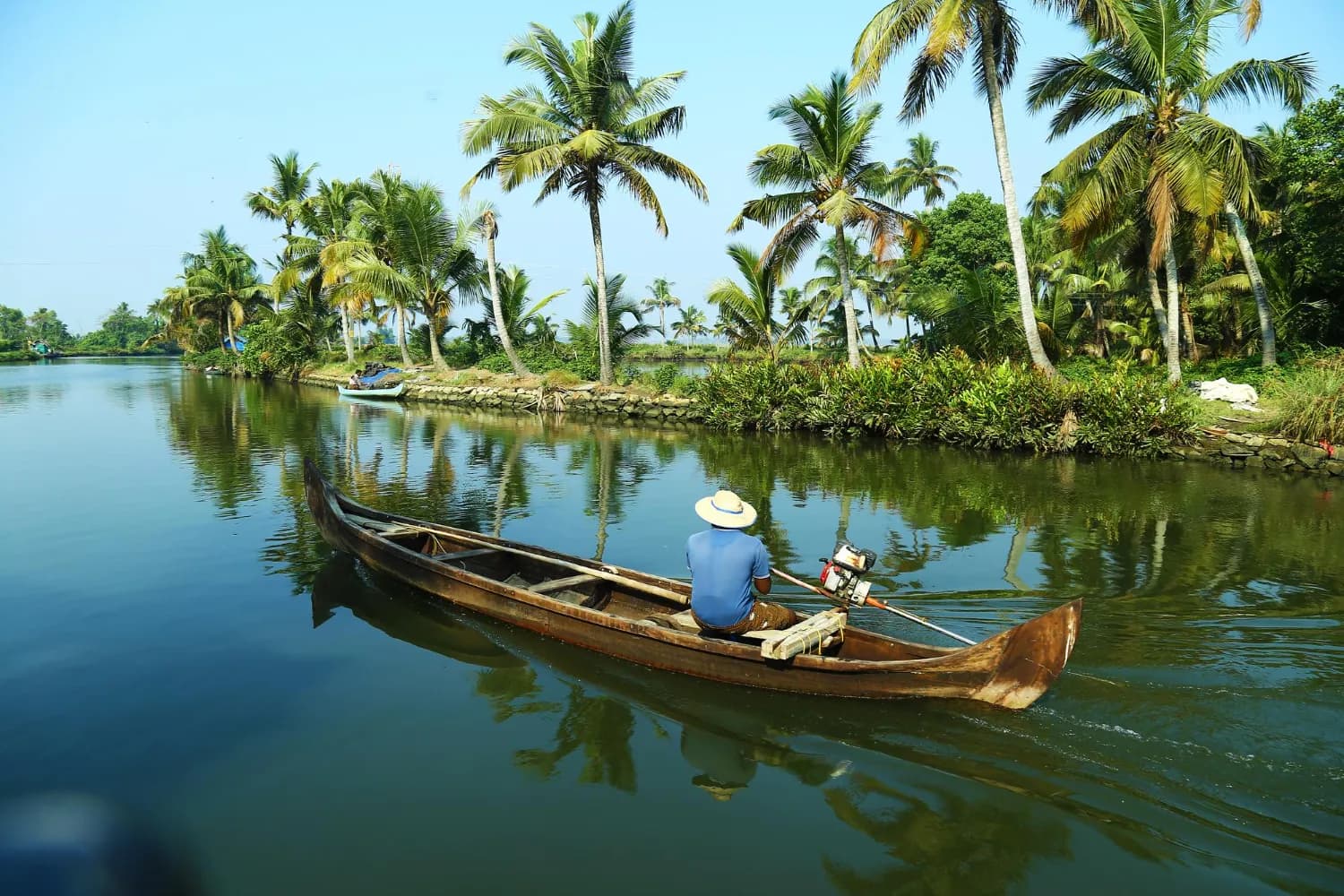
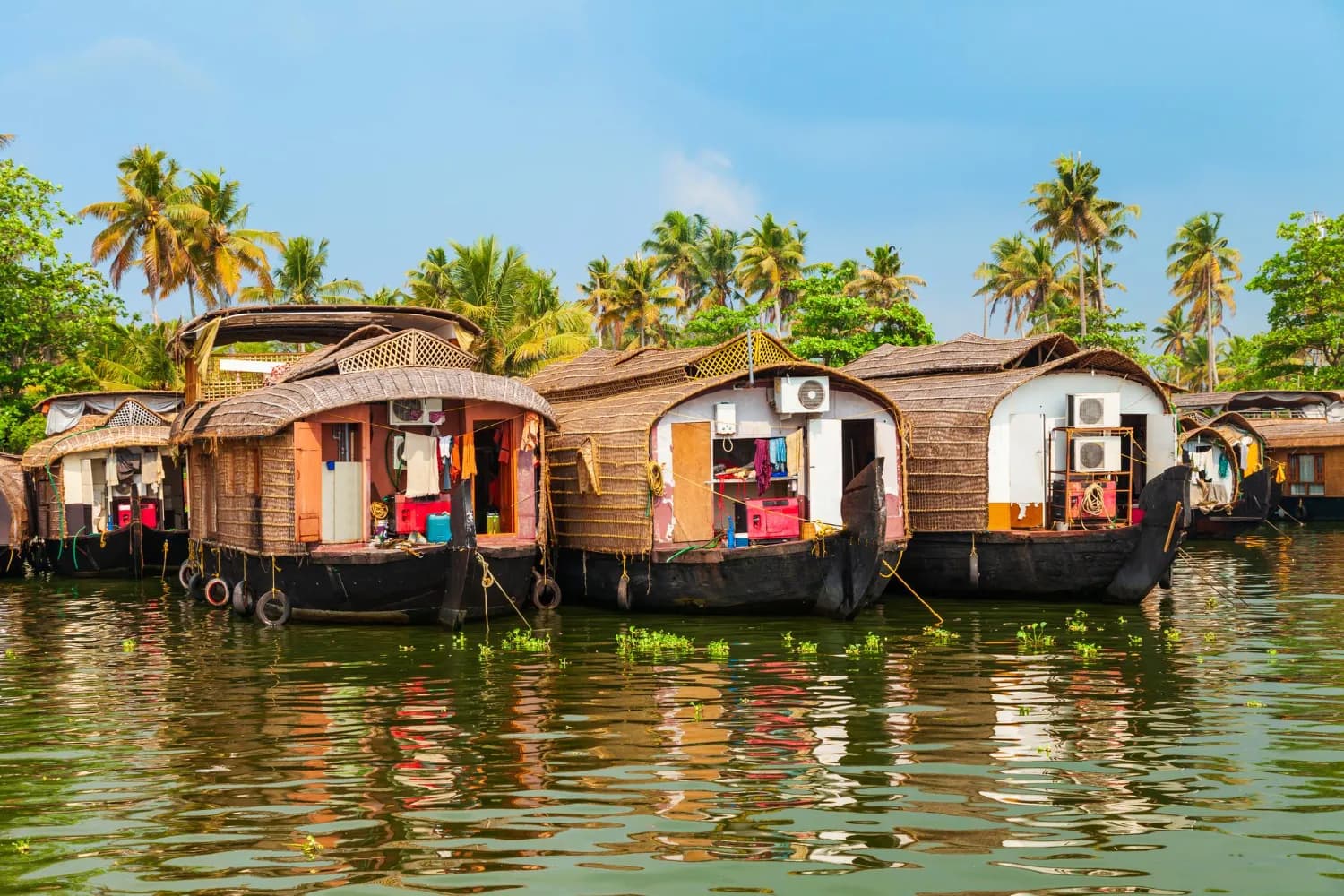
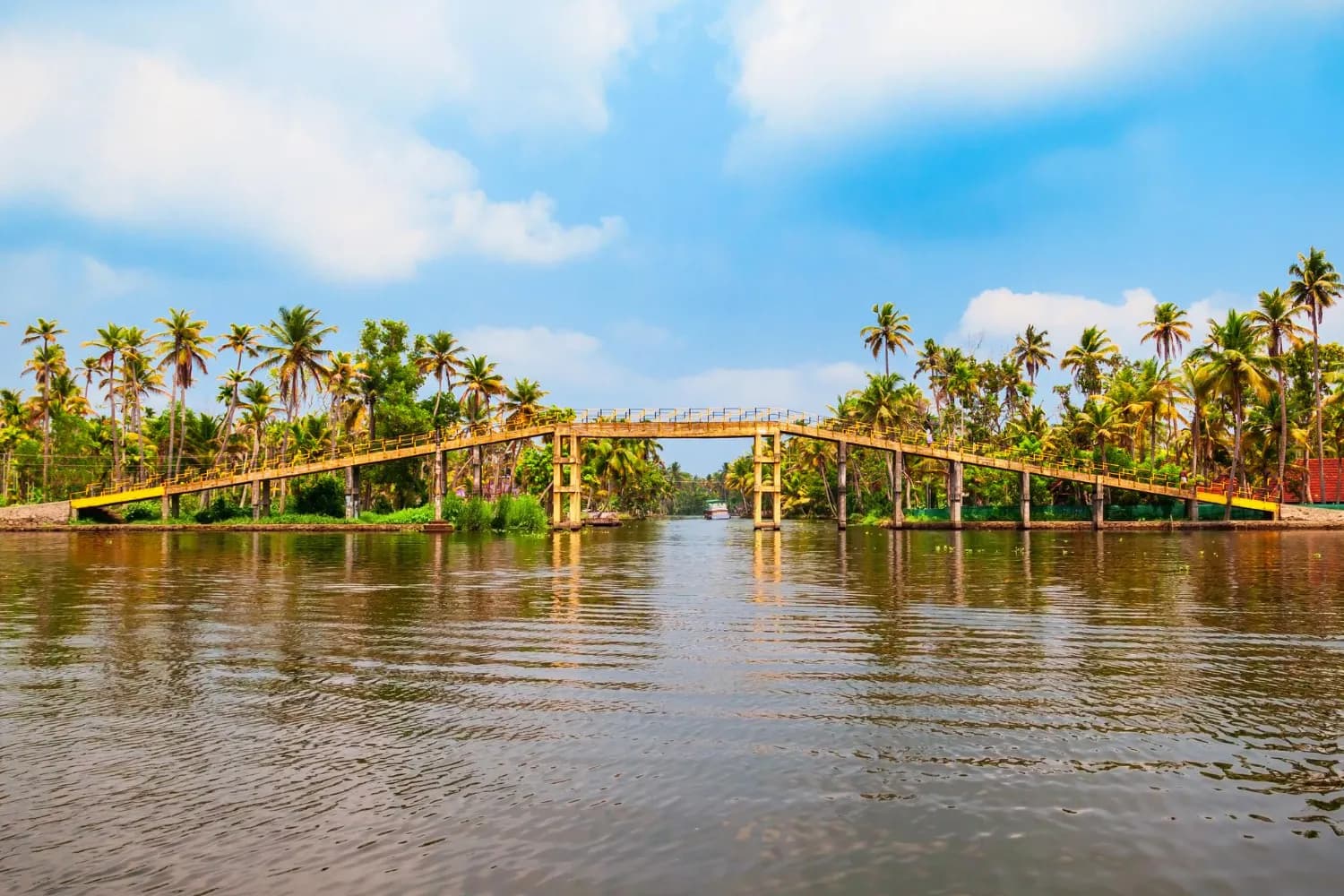
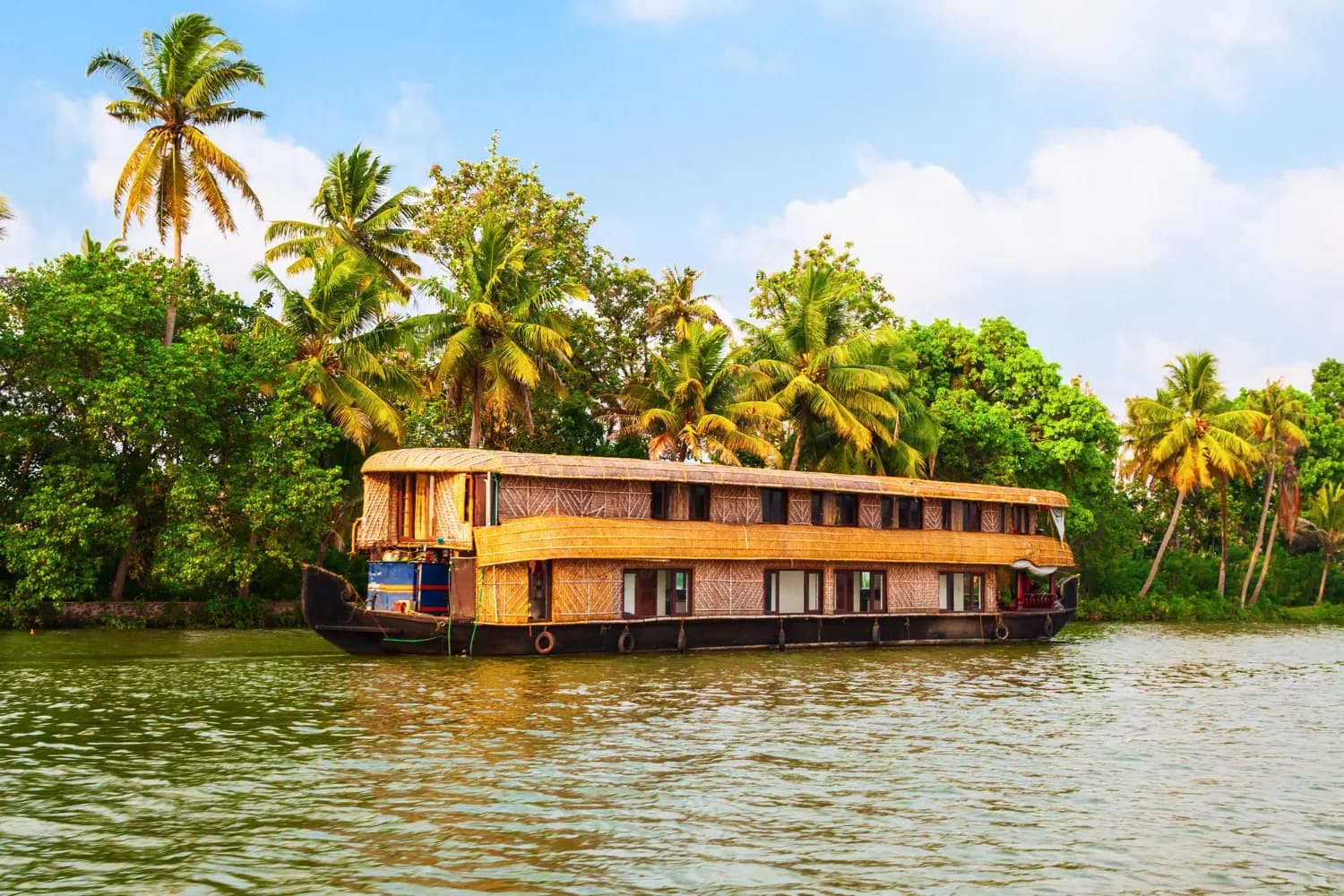
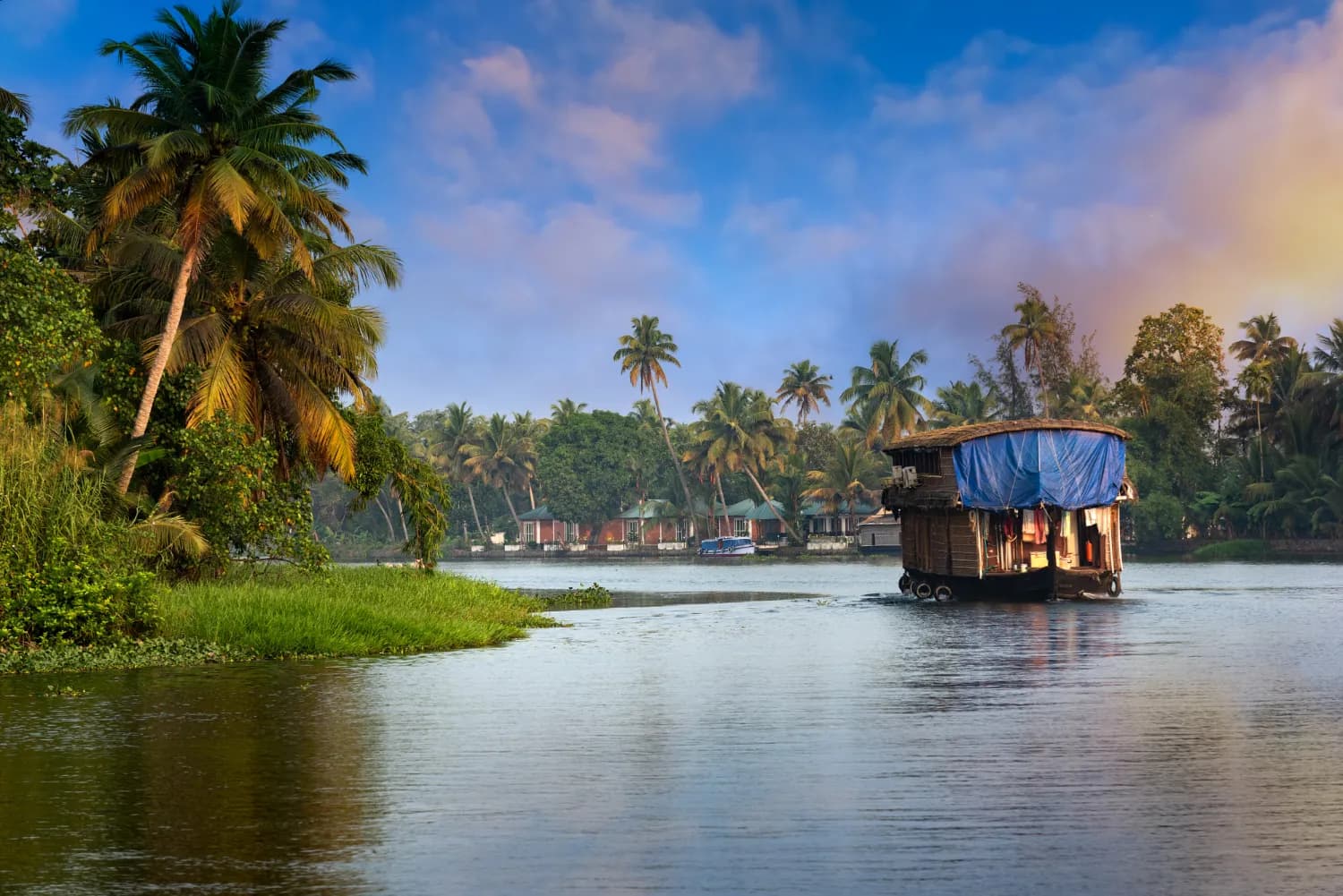
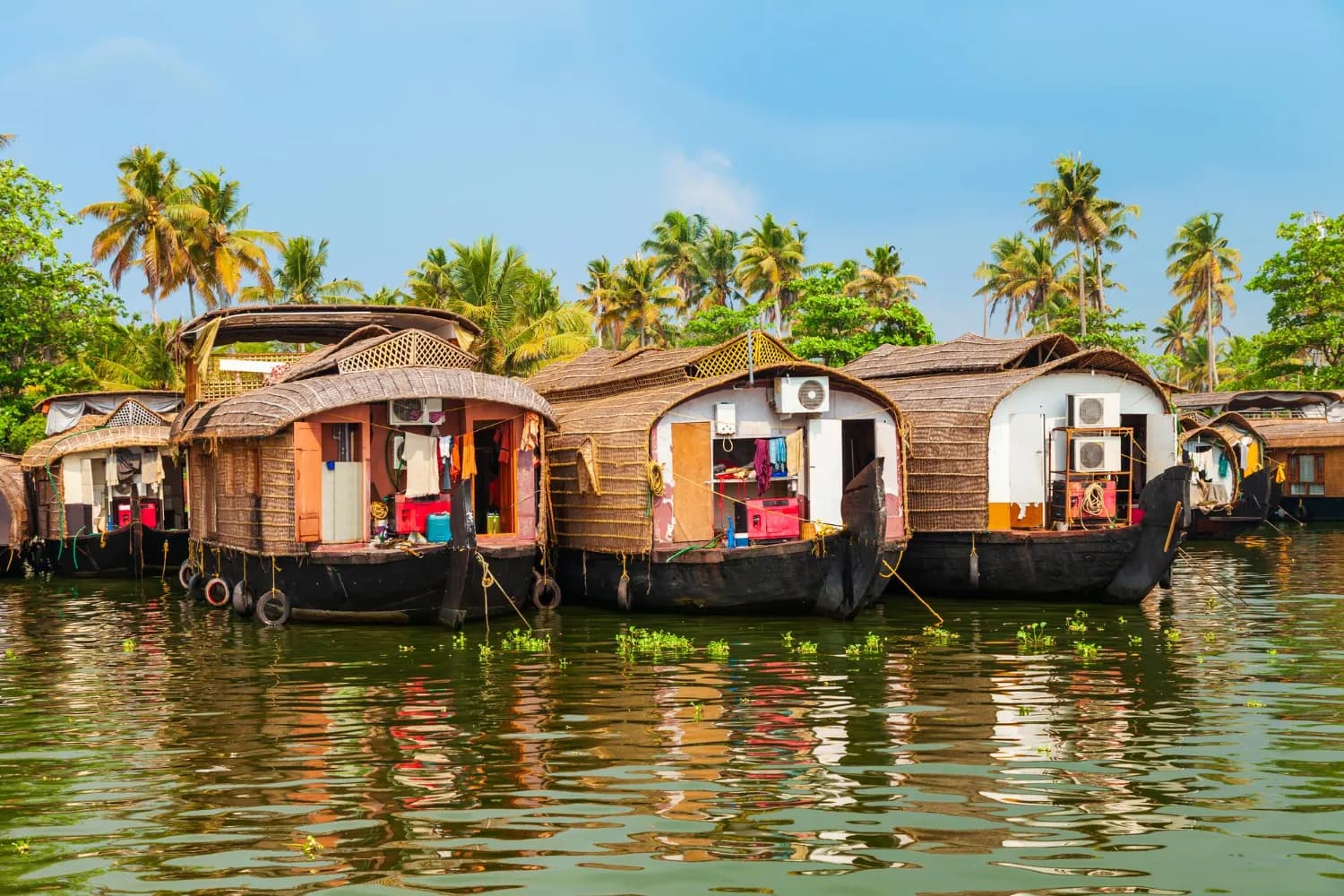
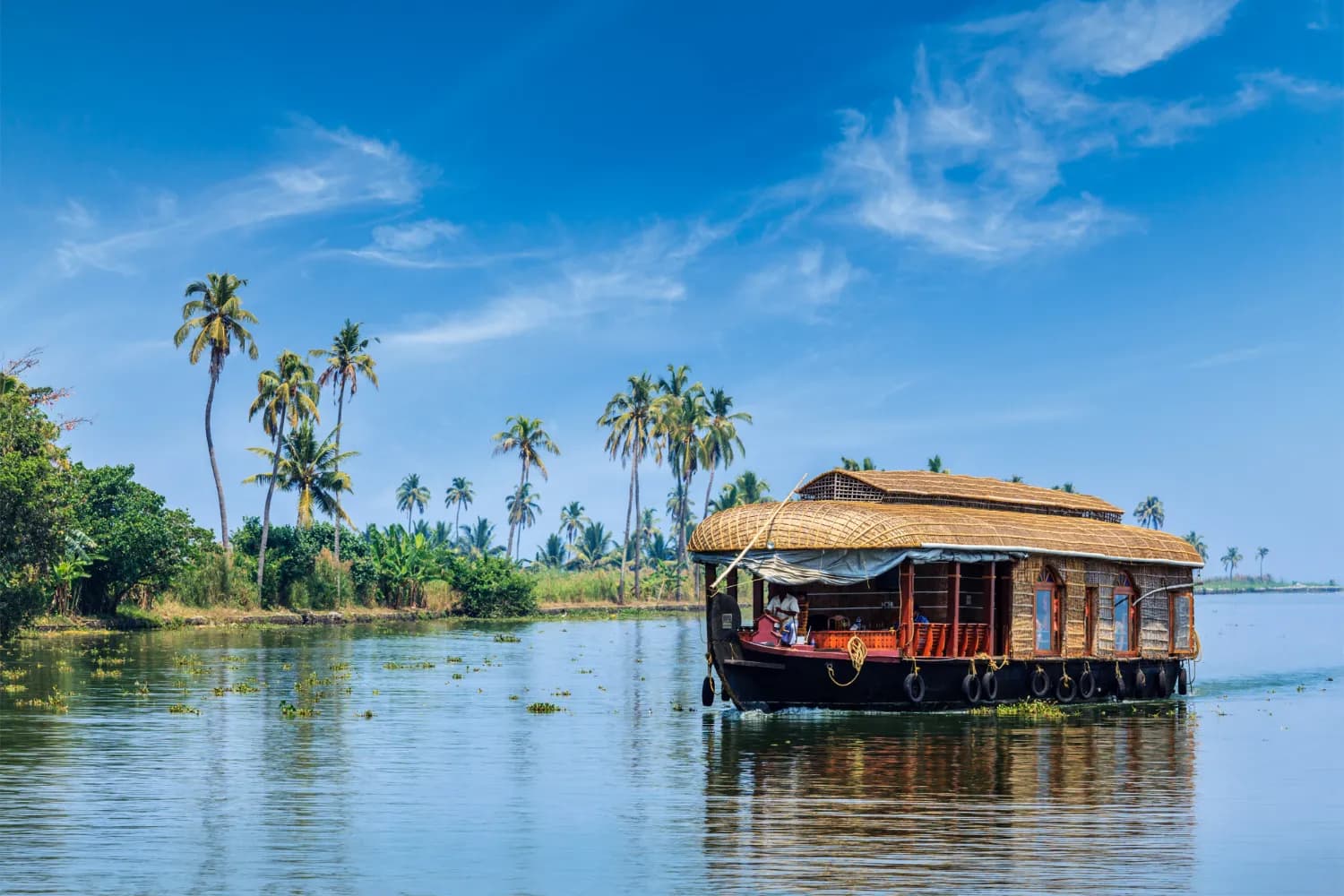
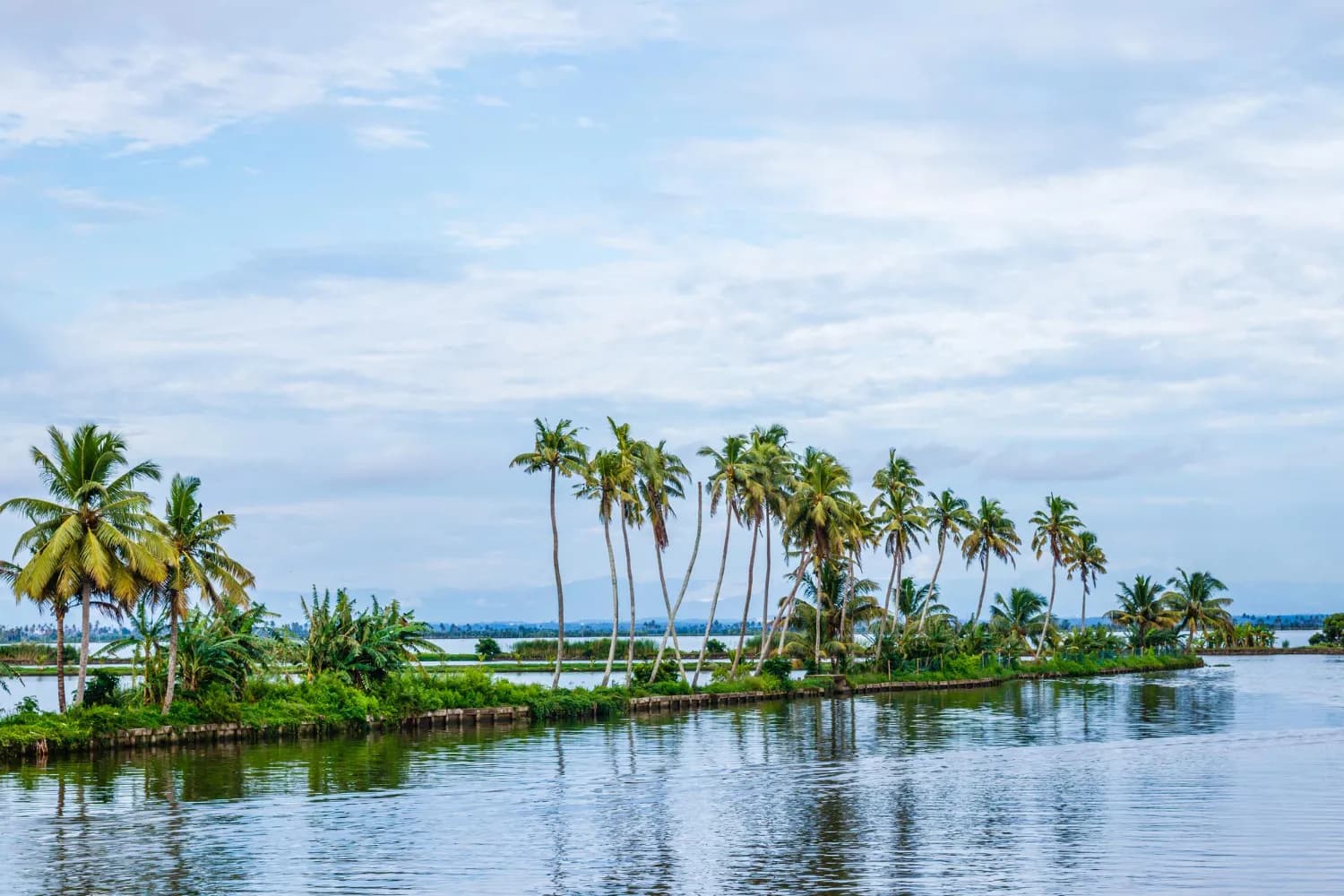
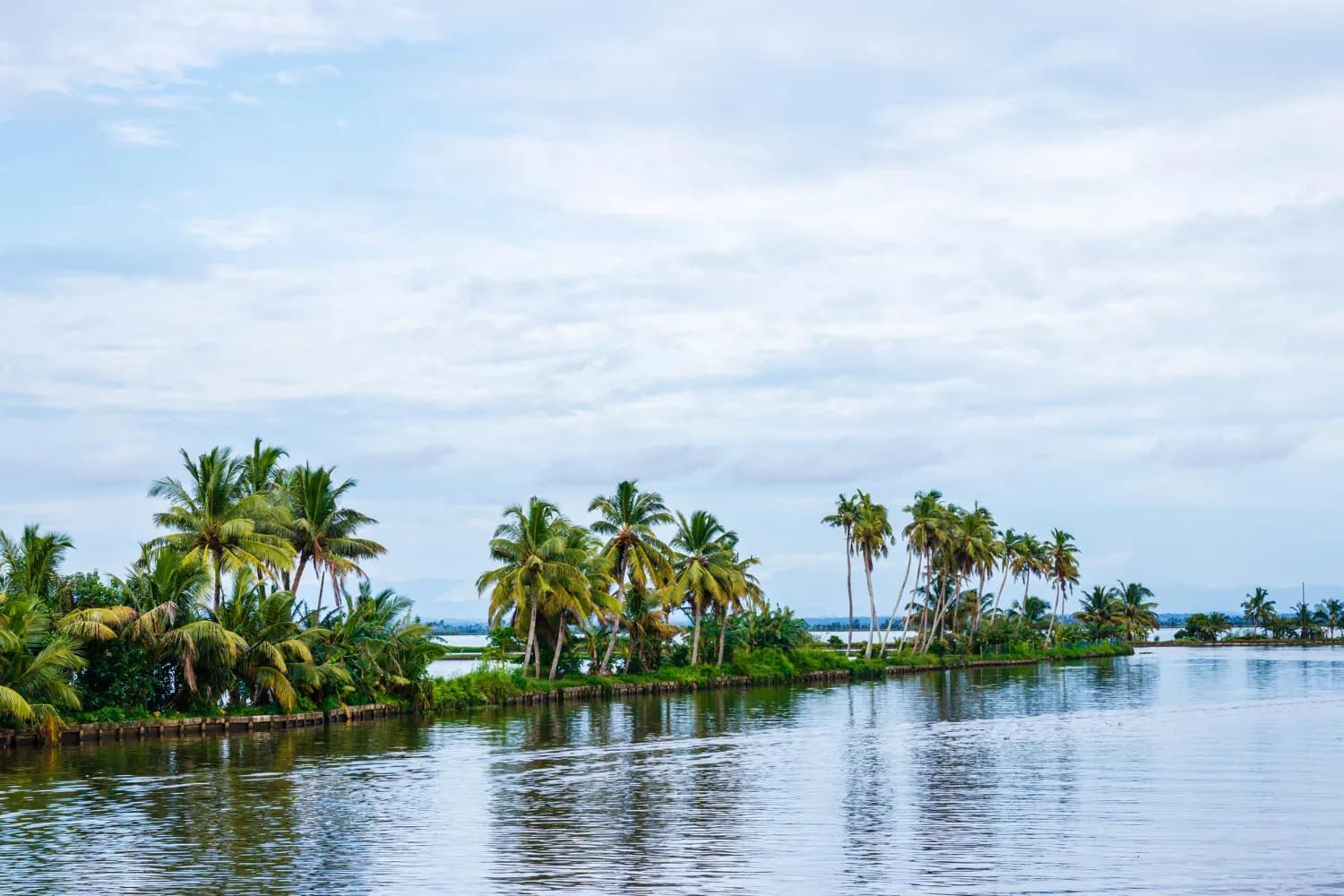
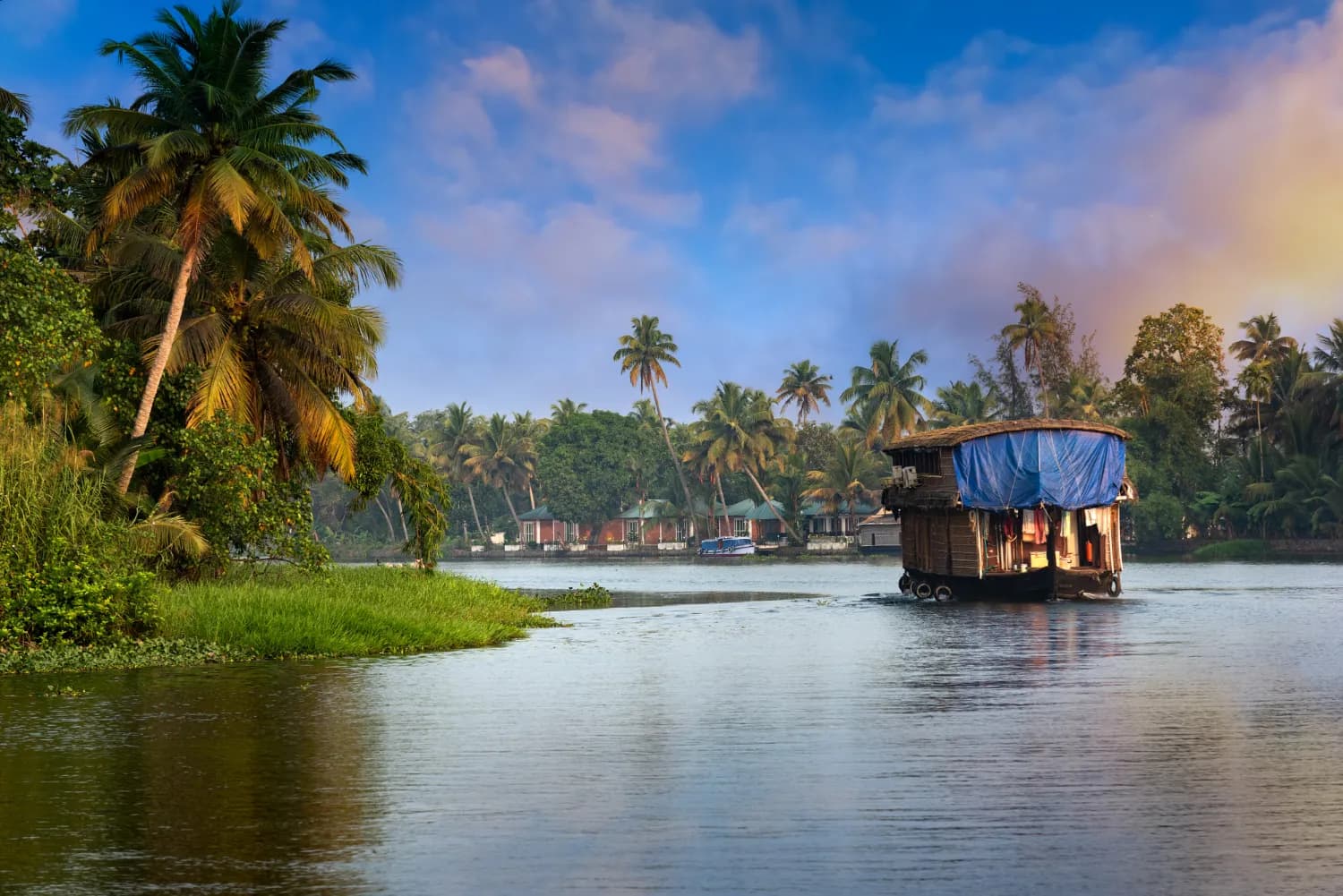
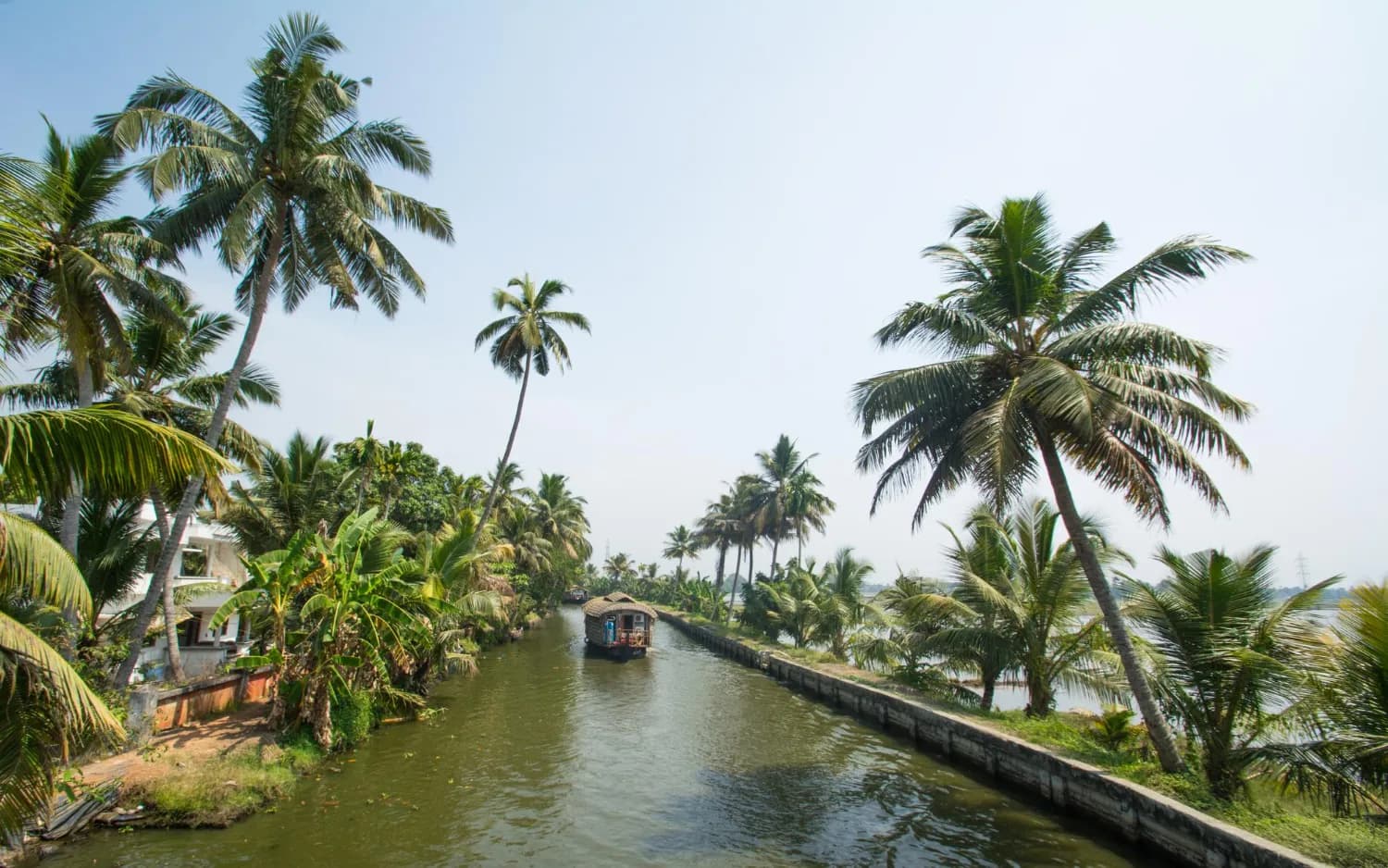
3. Alleppey (Alappuzha): Bhubaneswar is an inland city and Puri's beach is Odisha's great relationship with water — but neither prepares you for Alleppey's backwater world. The experience of drifting through Vembanad Lake's canal network on a traditional houseboat — with paddy fields on both banks, coconut palms overhead, a chef preparing prawn curry and appam in the kitchen, and fireflies flickering across the water at nightfall — is unlike anything available in eastern India and the single experience that most defines Kerala for every Bhubaneswar traveller who makes the journey.
Key Attractions:
- Vembanad Lake Overnight Houseboat Cruise
- Punnamada Lake — Nehru Trophy Snake Boat Race Venue
- Kuttanad Backwater Village Canoe Tour
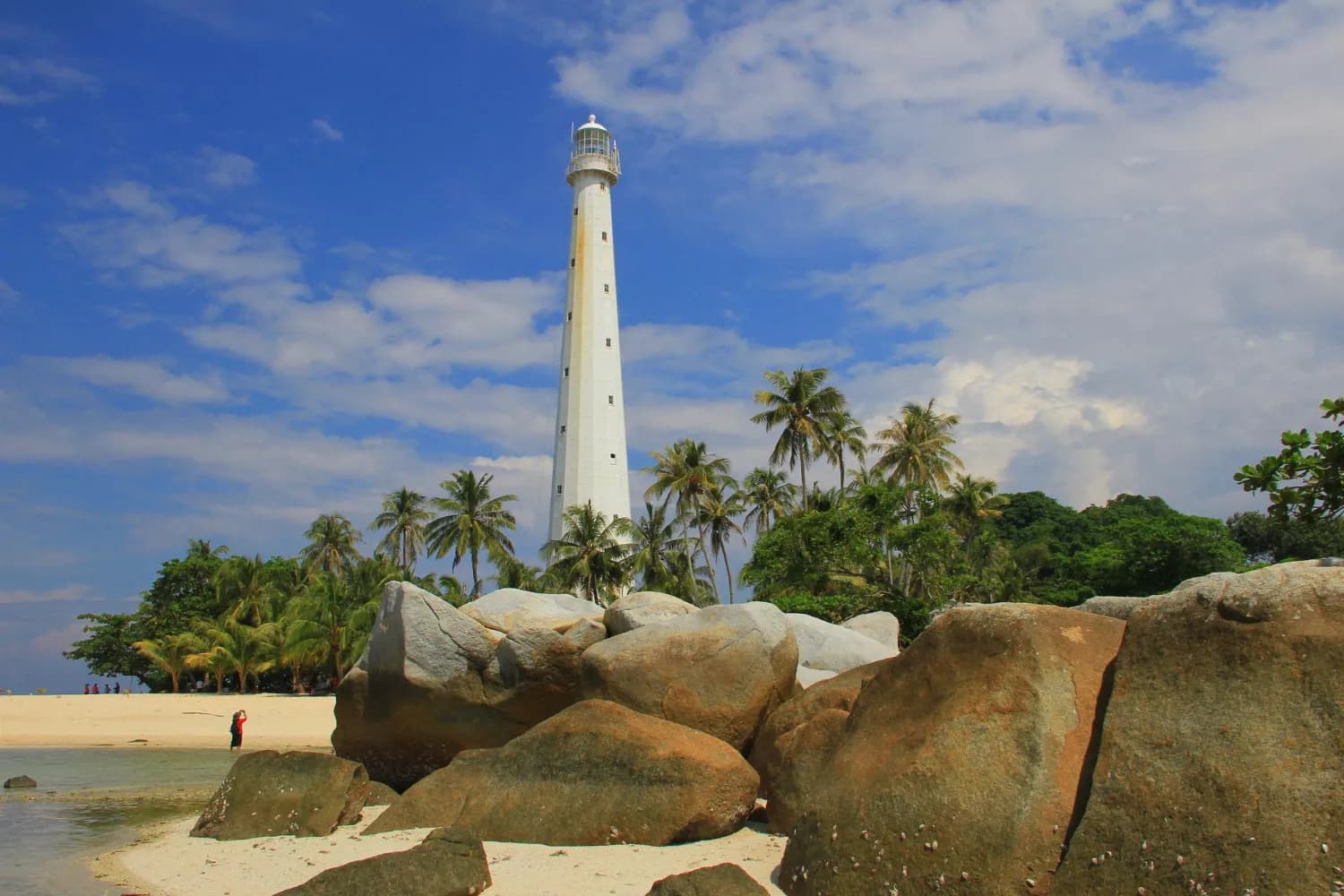
- Alleppey Lighthouse Beach & Promenade
- Marari Beach — Secluded Fishing Village Shore (15 km)
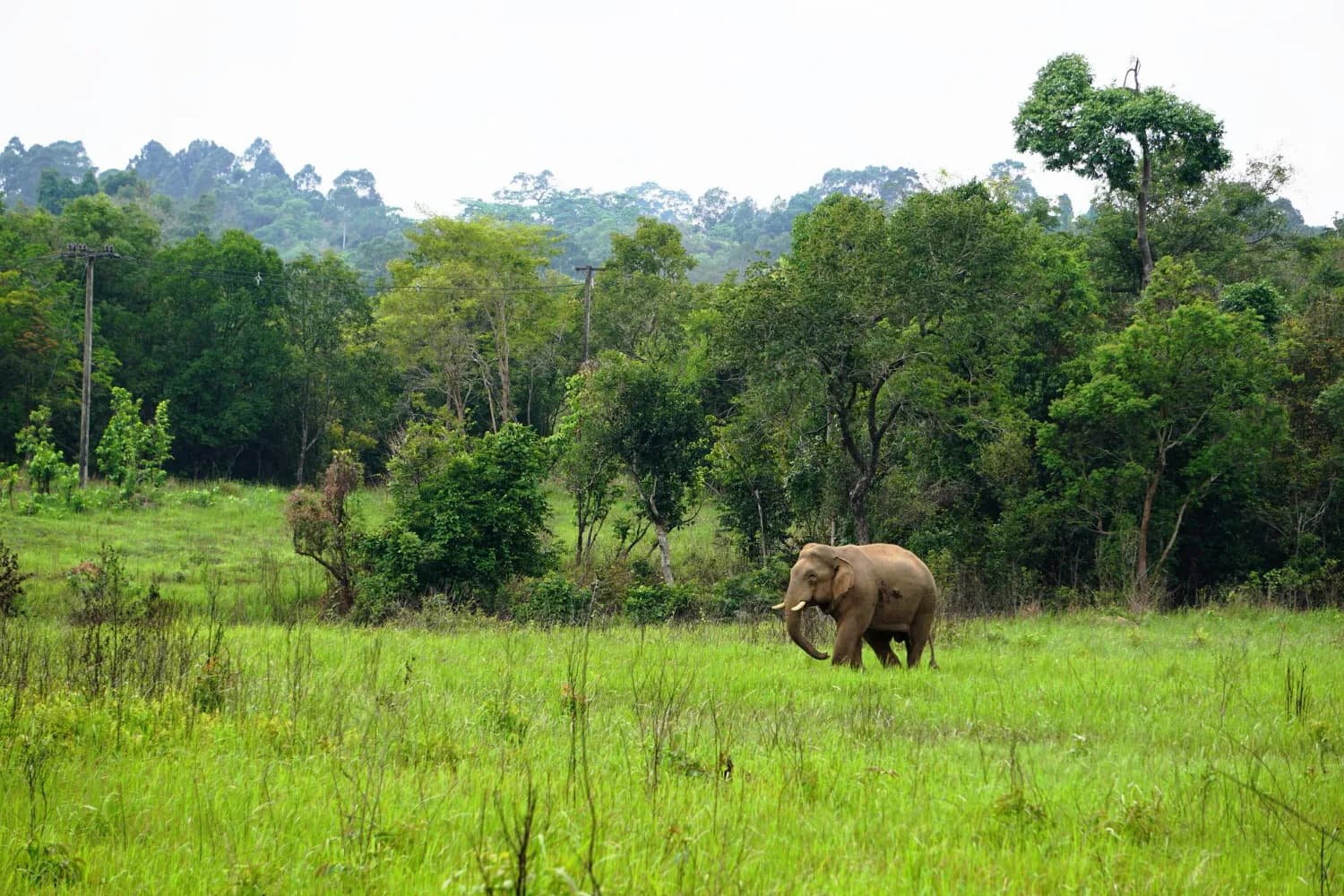
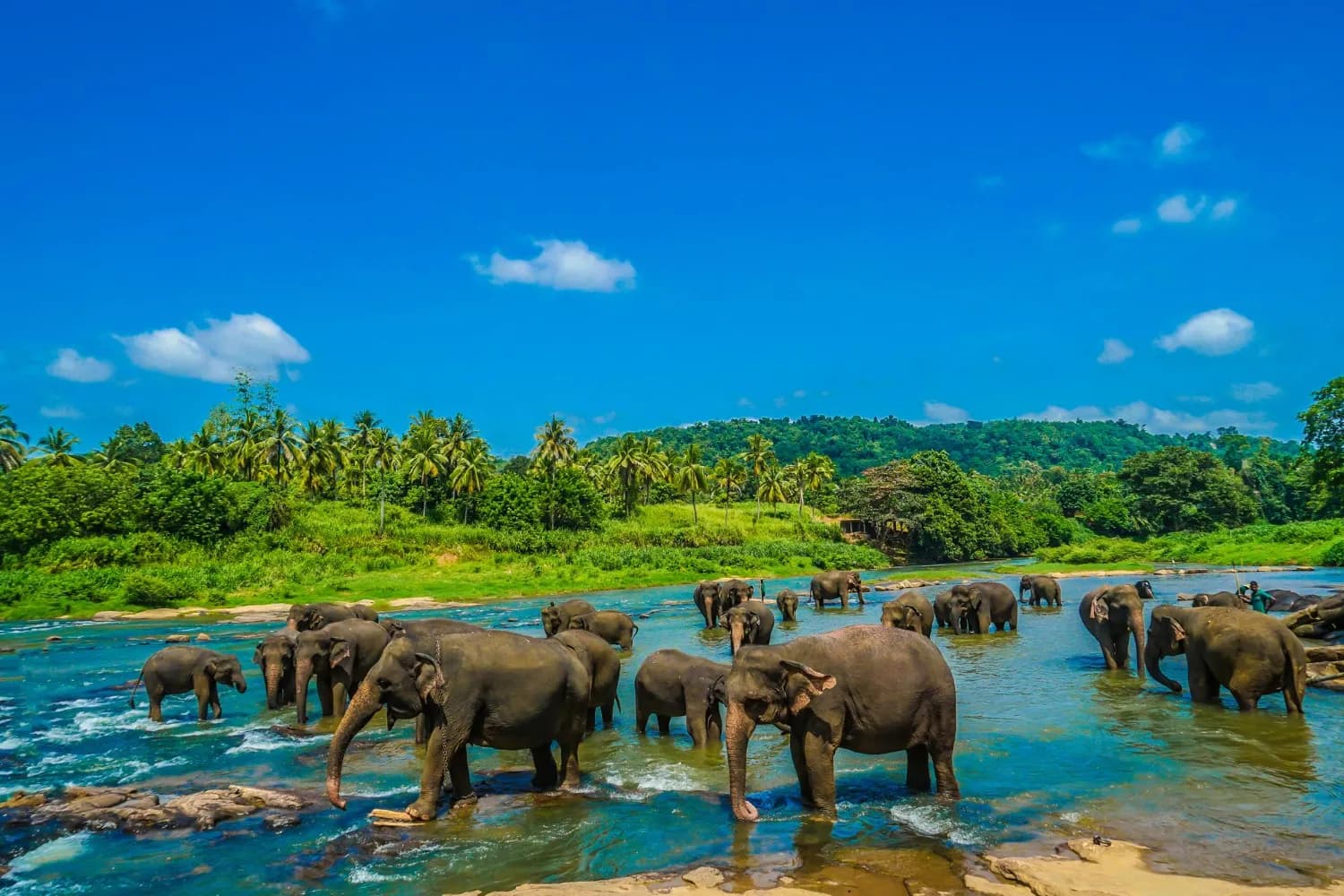
4. Thekkady (Periyar): Thekkady position at the edge of Periyar Tiger Reserve — where Kerala's wildest jungle meets its most aromatic spice country — makes it one of South India's most richly layered single destinations. The lake boat safari through the Periyar reserve, with wild elephants frequently sighted on the misty forest shore, offers a wildlife encounter that Odisha's own forest tradition — its elephant corridors and Simlipal wilderness — will give Bhubaneswar travellers an instinctive appreciation for. The spice estate walks add a fragrant cultural dimension that connects Kerala's landscape directly to its legendary culinary identity.
Key Attractions:
- Periyar Lake Boat Safari (elephants, bison, otters, kingfishers)
- Cardamom, Vanilla & Pepper Spice Plantation Walk
- Bamboo Rafting on the Periyar River
- Kalaripayattu Martial Arts & Kathakali Cultural Show
- Mangaladevi Temple Trek (border forest, seasonal permit)
5. Thiruvananthapuram & Kovalam: Kerala's ancient capital city paired with its most celebrated beach destination completes the journey for Bhubaneswar travellers arriving via Trivandrum. The sacred Padmanabhaswamy Temple — one of India's most architecturally magnificent and spiritually significant temples — resonates deeply with Bhubaneswar's own temple-going community, while Kovalam's crescent beach, with its famous lighthouse and warm Arabian Sea waters, delivers the coastal holiday finale that every Kerala itinerary from landlocked Central and Eastern India deserves.
Key Attractions:
- Padmanabhaswamy Temple (India's Wealthiest & Most Sacred Vishnu Temple)
- Kovalam Lighthouse Beach & Cliff Promenade
- Napier Museum & Natural History Museum, Thiruvananthapuram
- Kuthiramalika Palace Museum (Travancore Royal Palace)
- Vizhinjam Rock-cut Cave Temple (8th Century Pandya Sculpture)
Kerala's Tribal Culture & Indigenous Heritage
Bhubaneswar is the gateway to Odisha's celebrated tribal belt — a region where over 60 indigenous communities including the Kondh, Santali, Dongria, and Gond have maintained living cultural traditions of extraordinary richness across centuries of change. This deep familiarity with tribal culture and indigenous heritage gives Bhubaneswar travellers a unique lens through which to discover Kerala's own extraordinary tribal world — one that is less widely known than Odisha's but equally fascinating and equally deserving of respectful, curious engagement.
- Wayanad's Tribal Communities: Wayanad district in northern Kerala is home to over 16 indigenous tribal communities including the Kurichiya, Kuruma, Paniya, Adivasi, and Kattunayakan peoples — among the oldest continuous inhabitants of the Western Ghats forest ecosystem. Community-based tourism initiatives in Wayanad offer guided cultural walks, traditional cooking experiences, and visits to tribal settlements where ancient forest knowledge, traditional medicine, and handcrafted bamboo and cane art are still actively practised. For Bhubaneswar travellers with an understanding and appreciation of tribal culture, these experiences are among Kerala's most meaningful and least-touristified encounters.
- The Theyyam Connection — Ritual as Living Tradition: Theyyam — the ritual performing art of northern Kerala's Kannur and Kasaragod districts — has deep roots in the worship traditions of Kerala's ancient tribal and lower-caste communities, who created these deity-embodiment ceremonies as a form of sacred expression outside the formal Brahminic temple system. The elaborate costumes, body paint, and trance states of Theyyam performers represent a living bridge between Kerala's tribal spiritual traditions and its classical performing arts — a connection that Bhubaneswar travellers familiar with Odisha's own tribal ritual traditions will recognise and appreciate with particular depth.
- Edakkal Caves — Prehistoric Life in Stone: The Edakkal Caves in Wayanad's Ambukuthi Hills contain Neolithic and Mesolithic petroglyphs — hand-carved figures, symbols, and pictograms dating back over 6,000 years — that represent some of the earliest evidence of human settlement and culture in the Indian subcontinent. For Bhubaneswar travellers who have stood before the Stone Age rock art of Ushakothi or the ancient carvings of Odisha's prehistoric sites, the Edakkal petroglyphs offer a comparable, equally moving encounter with India's deepest human past in a completely different geographical and cultural context.
- Araku Valley Parallel — A Familiar Yet Different World: Bhubaneswar travellers who know and love Araku Valley — the tribal highland plateau of Andhra Pradesh near the Odisha border — will find Wayanad's highland tribal landscape immediately familiar in its basic outlines but entirely different in its tropical Western Ghats character. The coffee and pepper cultivation, the forest-dwelling communities, the mist-covered highlands, and the cultural richness of the tribal populations create a parallel that makes Wayanad feel both accessible and endlessly surprising for Odia travellers making the South India journey.
Kerala Souvenirs & Shopping Guide
Bhubaneswar's gifted shopping culture — where Pattachitra silk paintings, appliqué work, silver filigree, and Sambalpuri fabric are taken seriously as art forms rather than tourist trinkets — gives Bhubaneswar travellers both the taste and the discernment to recognise and appreciate Kerala's own extraordinary craft and artisan traditions. Kerala offers some of India's finest handmade goods across multiple categories, and knowing where to find the best quality makes all the difference.
- Kerala Kasavu Sarees — The Signature Textile: The Kerala Kasavu saree — a cream or off-white cotton or silk fabric woven with a distinctive golden zari border — is Kerala's most iconic textile and one of India's most elegant regional dress traditions. The finest Kasavu sarees are produced by traditional handloom weavers in the Chendamangalam and Balaramapuram weaving clusters near Kochi and Thiruvananthapuram respectively. Bhubaneswar's saree-conscious Odia women — accustomed to the excellence of Sambalpuri and Odisha silk — will find Kasavu's understated elegance deeply appealing and the quality genuinely comparable. Government-run Hantex and Handloom House outlets offer certified, fairly-priced Kasavu sarees without tourist-market markup.
- Kathakali Masks & Wooden Crafts: Kerala's traditional woodcarving tradition produces extraordinary Kathakali dancer masks — carved from soft Alibangara wood and painted with the elaborate Chutti make-up patterns of the actual classical performance — that range from small souvenir pieces to large collector-quality artistic works. The finest carved masks and wooden deity figures are found at the government craft emporia in Kochi (Kerala State Handicrafts Emporium, Kairali) and at the artisan workshops of Thrissur district. For Bhubaneswar's Pattachitra art-loving community, Kerala's painted wooden art tradition offers a South Indian craft encounter of comparable intricacy and aesthetic richness.
- Kerala Spices — Direct from the Source: For Bhubaneswar's home cooks — Odia cooking is one of India's most spice-nuanced regional cuisines — Kerala offers the rare opportunity to buy quality spices directly from the landscape where they are grown. Thekkady's market street, Kozhikode's ancient spice bazaar, and the Ernakulam wholesale market in Kochi are the best locations for purchasing fresh cardamom, black pepper, cloves, nutmeg, dried ginger, and star anise at prices far below retail rates in Bhubaneswar. Sealed and certified spice packets from government-approved shops travel well and make Kerala's most practical and most appreciated souvenirs.
- Coir & Handloom Products: Kerala is India's leading producer of coir — coconut fibre woven into mats, rugs, baskets, and a wide range of home furnishing products of exceptional natural quality. The government-run Coirfed outlets in Alappuzha and Kochi offer the best quality coir products at fair, fixed prices. Kerala's handloom cotton fabrics — particularly the textured, naturally dyed cottons of the Wayanad and Thrissur weaving traditions — are also excellent value and widely available at cooperative handloom outlets across the state.
- Antiques & Heritage Curios in Fort Kochi: Mattancherry's Jew Town antique quarter in Fort Kochi is one of India's finest antique shopping destinations — a network of narrow lanes where shops overflow with old Kashmiri woodwork, Portuguese-era furniture, Kerala bronze oil lamps, ancient coins, colonial ceramics, Tanjore paintings, and an extraordinary range of South Indian decorative arts accumulated over five centuries of multicultural trading history. For Bhubaneswar's culturally educated and aesthetically refined travellers, an afternoon browsing Mattancherry's antique dealers is one of the most rewarding and potentially transformative shopping experiences available anywhere in South India.
All Packages
Why Book Packages with Viacation?

Trusted by 1,00,000+ travellers

Dedicated experts to plan your trips

Secure bookings, clear cancellations
10,000+ unique trips to choose from
All Packages
IndiGo operates a direct non-stop flight from Goa Dabolim Airport (GOI) to Cochin International Airport (COK) in just 1 hour and 25 minutes — the fastest and most convenient option. By train, the overnight Konkan Railway route from Madgaon Junction (MAO) to Ernakulam Junction (ERS) covers 640 km in approximately 11 hours 10 minutes, offering one of India's most scenic coastal rail journeys.
Kerala tour packages from Goa start at ₹11,411 per person on MakeMyTrip for basic itineraries, with flights from as low as ₹3,849 one-way. A standard 5-night mid-range package covering Kochi, Munnar, Thekkady, and Alleppey with private car and a houseboat night costs ₹18,000–₹38,000 per person, excluding flights. Luxury packages with premium resorts and upgraded houseboats go up to ₹65,000 or more per person.
October to March is the best time, aligning with Goa's own peak coastal season. October and November offer the best value — Kerala's post-monsoon landscape is at its freshest, hotel rates are below the December peak, and the backwaters and hill stations are both operating at full capacity. Monsoon season (June–September) offers excellent Ayurvedic packages and dramatic waterfall scenery at lower rates.
5 nights and 6 days comfortably covers Kochi, Munnar, Thekkady, and Alleppey. Extend to 7–8 nights to include Kannur's Theyyam performances and St. Angelo Fort, or south Kerala's beaches at Kovalam and Varkala. A 3-night express trip covering just Munnar and Alleppey works well as a short break from Goa's beach season.
Goa and Kerala share the Arabian Sea coastline but offer completely different travel experiences. Kerala's defining attractions — the 900-km backwater network, Western Ghats hill stations, Periyar Tiger Reserve, and classical performing arts — have no equivalent in Goa. Kerala is quieter, less commercially developed, and geographically more varied. Most Goa-based travellers who visit Kerala describe it as the trip that showed them a side of coastal India they had not imagined existed.
