
 5 Minutes
Spiti Valley is a high-altitude desert with ancient monasteries, and it has roads that test both patience and excitement. It is not a regular hill destination. It is raw, remote, and demands the right timing. Many travelers plan this trip in the summer, thinking that this is the best time to visit Spiti, but do you know why summer is the best time for the Spiti Valley?
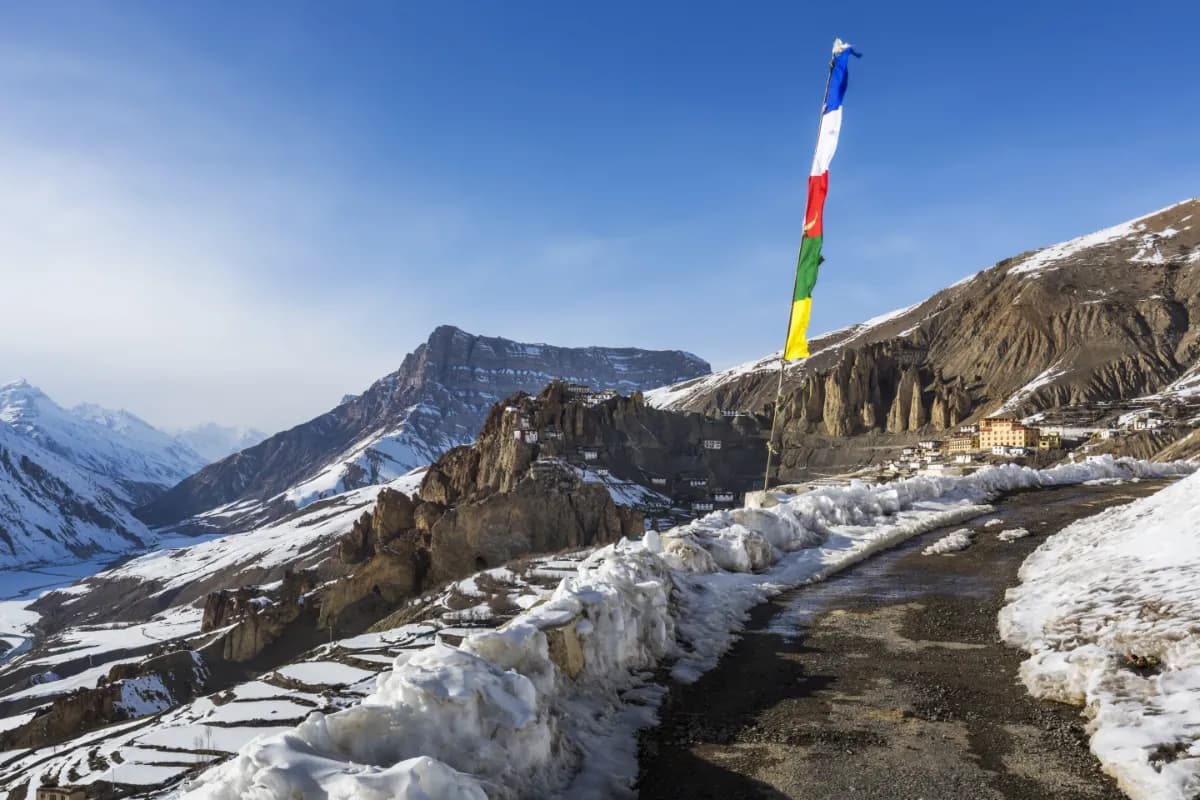
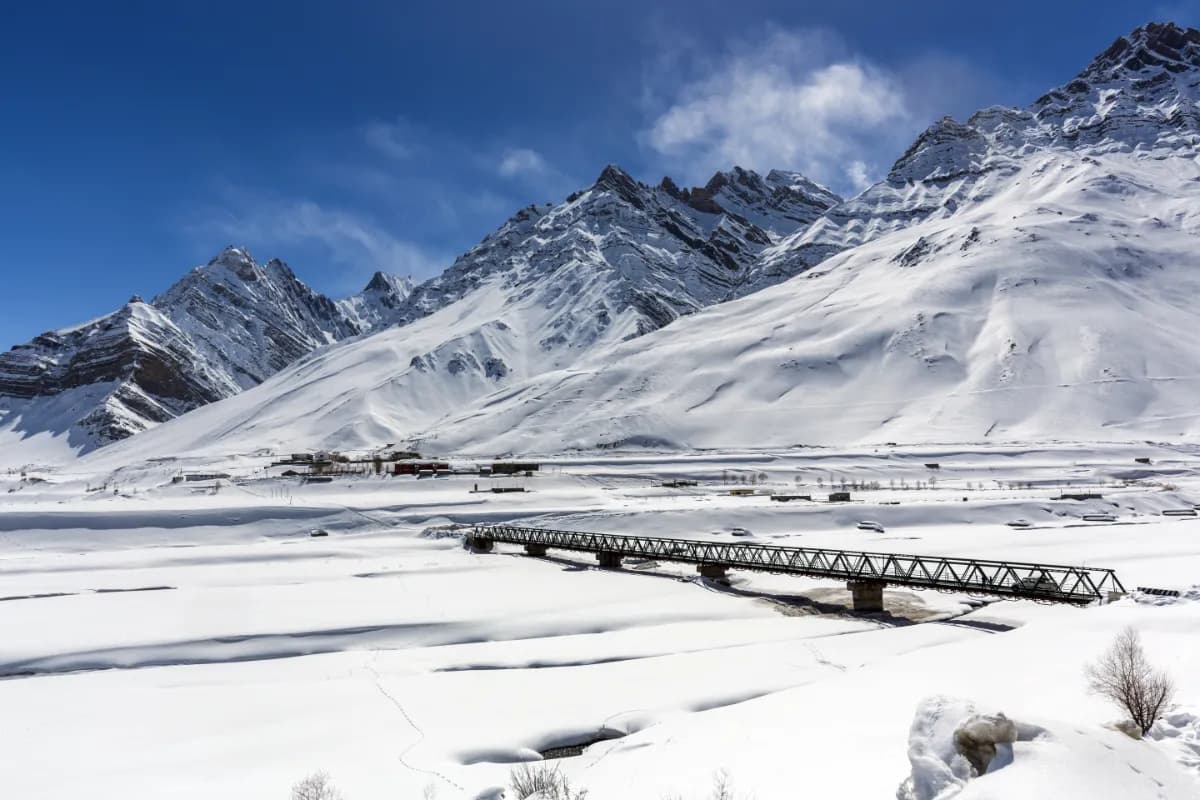
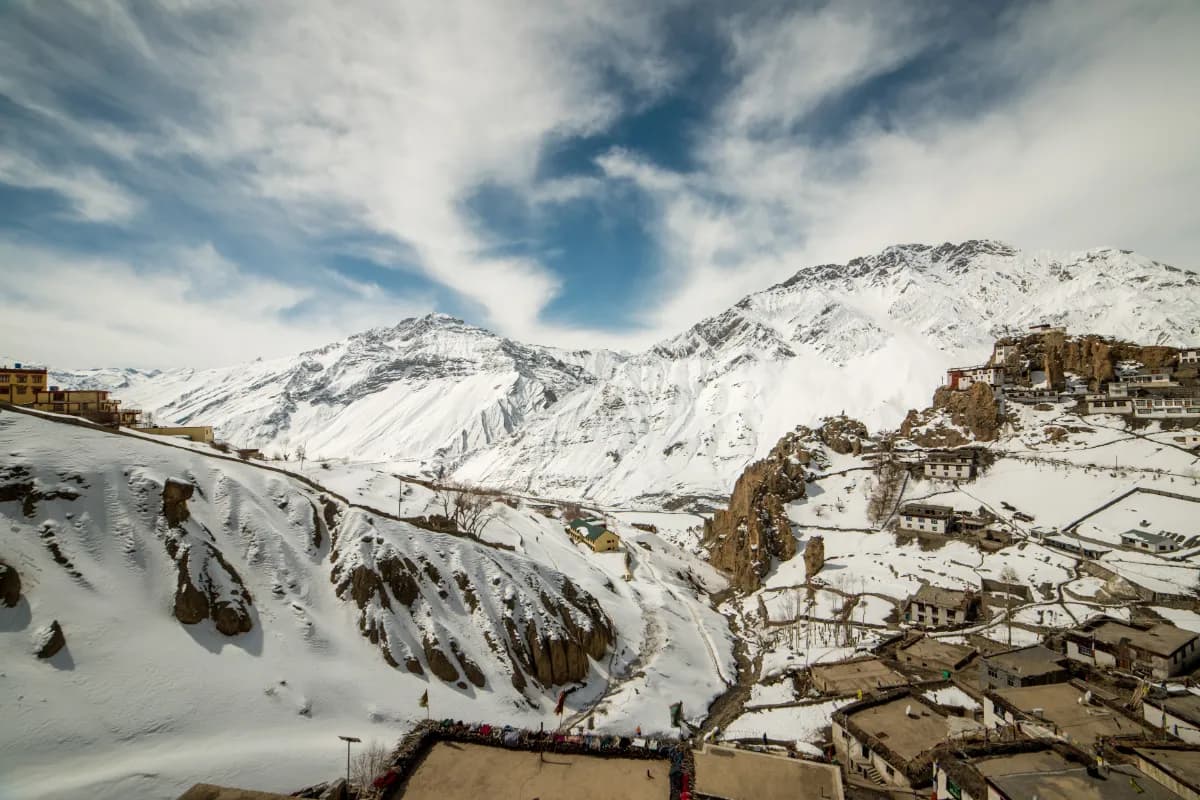
While winter looks dreamy on Instagram, reality on the ground is very different. Roads shut, temperatures drop below comfort, and basic travel becomes difficult. That is why most experienced travelers lean toward summer.
₹18,999
per person
₹29,999
per person
₹20,999
per person
₹18,499
per person
In this blog, we are breaking down exactly why Spiti Valley in summer is the smartest choice, how it improves your experience, and how it can actually save your trip from avoidable challenges.
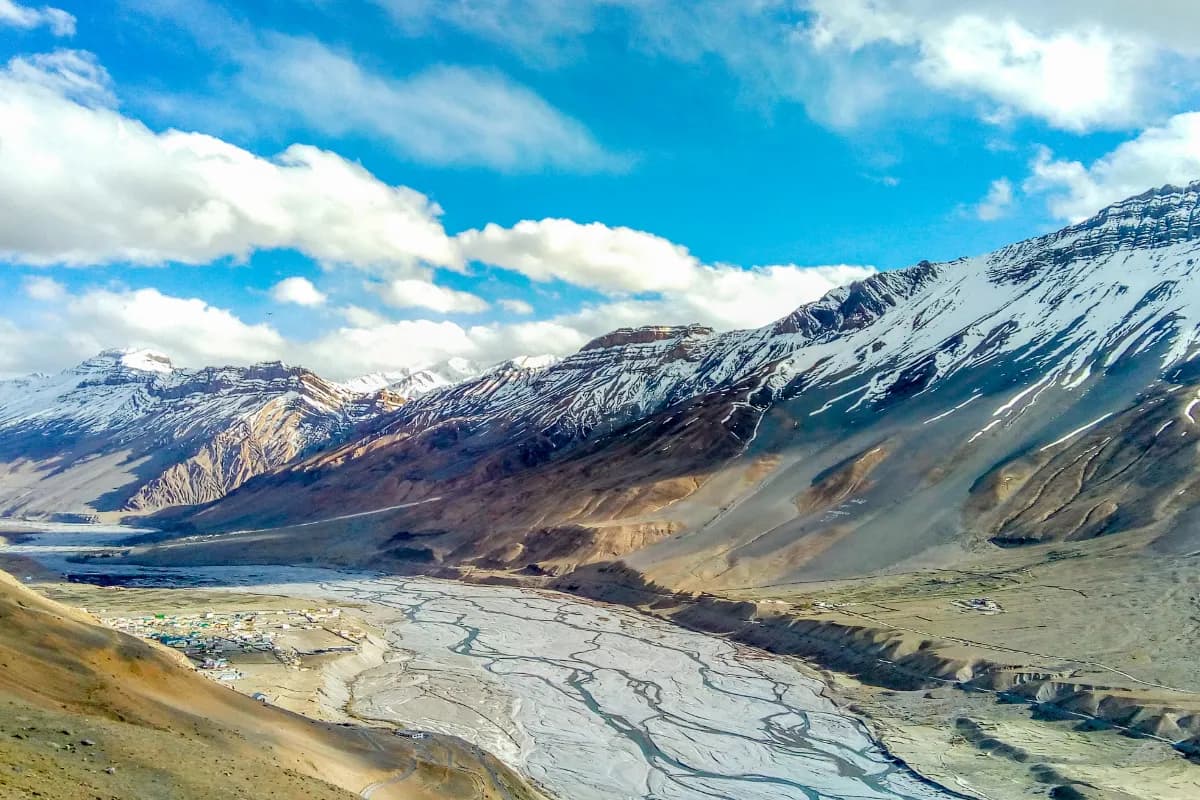
Summer is the best season for Spiti because it transforms Spiti from an inaccessible region into a travel-ready destination. Roads open up, temperatures become manageable, and connectivity improves across villages. You get clear skies, better driving conditions, and access to key locations that stay cut off in winter.
The best season to visit Spiti Valley is summer because it balances adventure with comfort. You can explore more places, stay longer, and enjoy the journey instead of struggling with it. Spiti Valley in summer offers both safety and experience, which is exactly what most travelers look for.
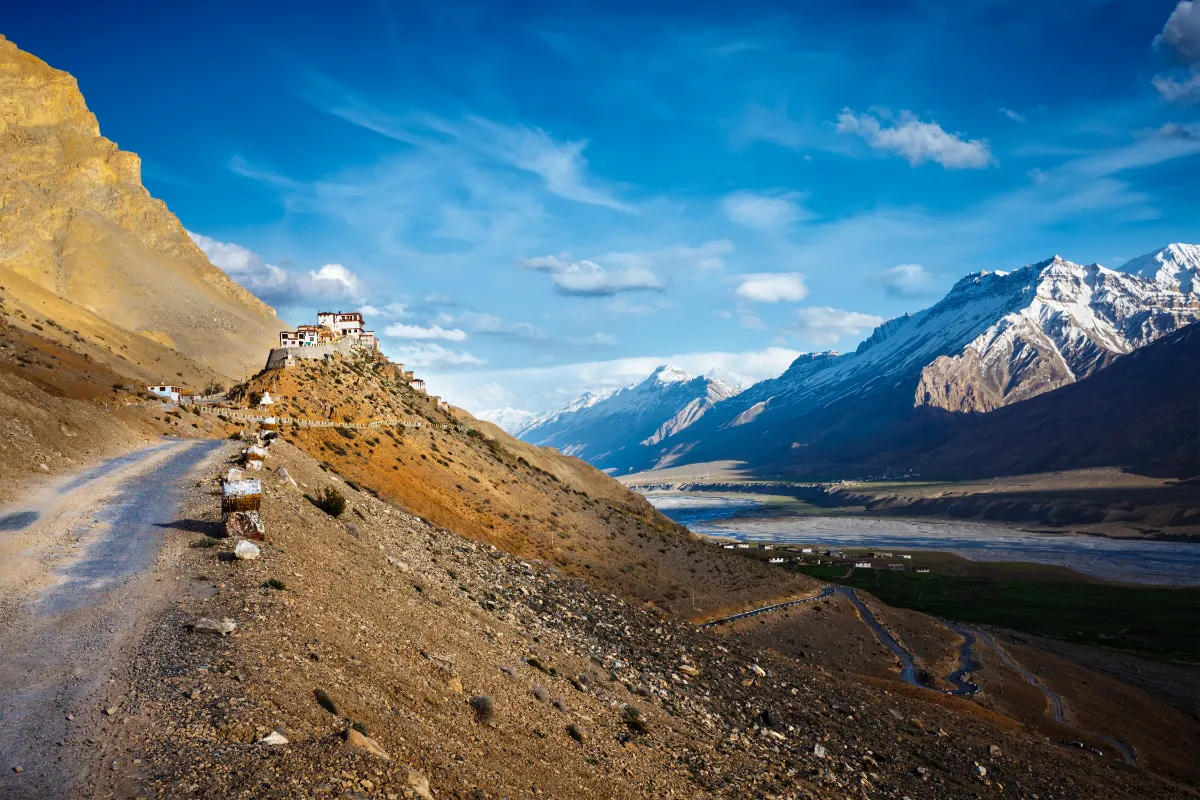
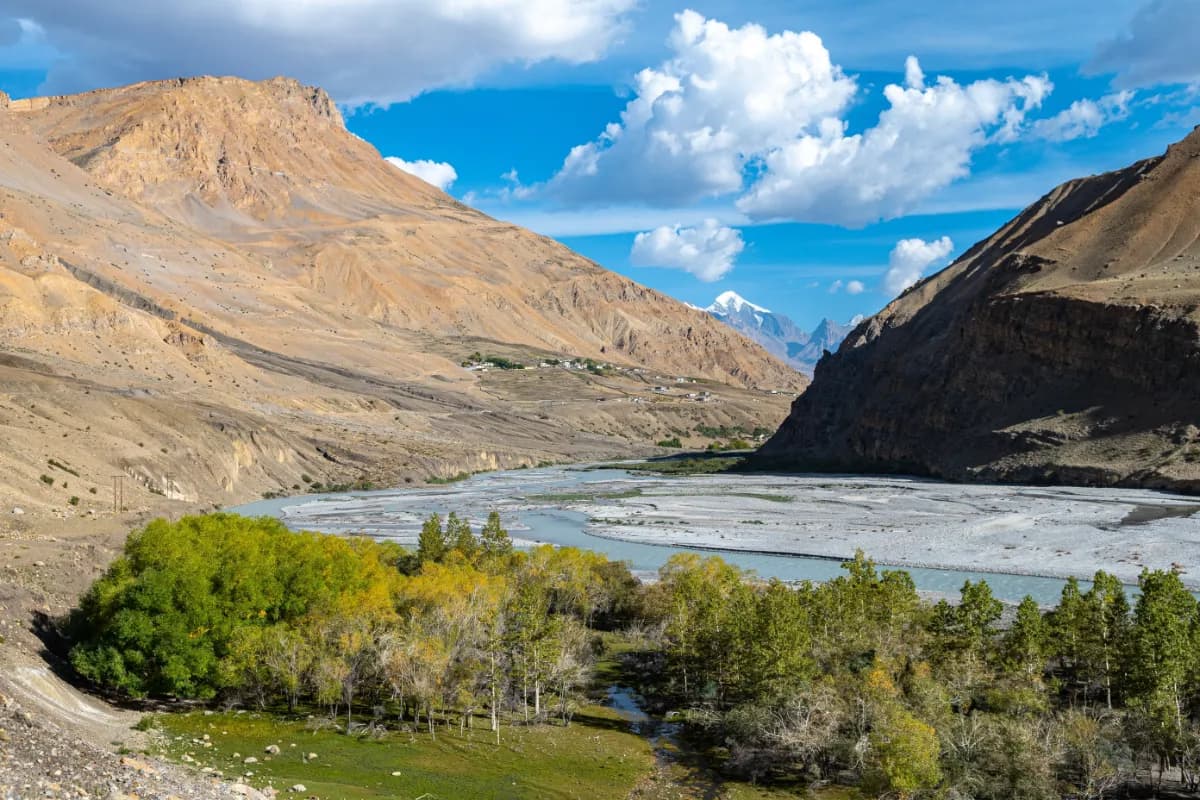
Summer brings a huge shift in the weather in the Spiti region. Temperatures usually stay between 10°C and 25°C, which feels comfortable compared to freezing winters. Days are sunny, and nights are cool but manageable. This means you can actually explore villages, monasteries, and viewpoints without constantly worrying about extreme cold.
You’ll regret missing these, check out the most unforgettable Places to Visit in Spiti Valley.
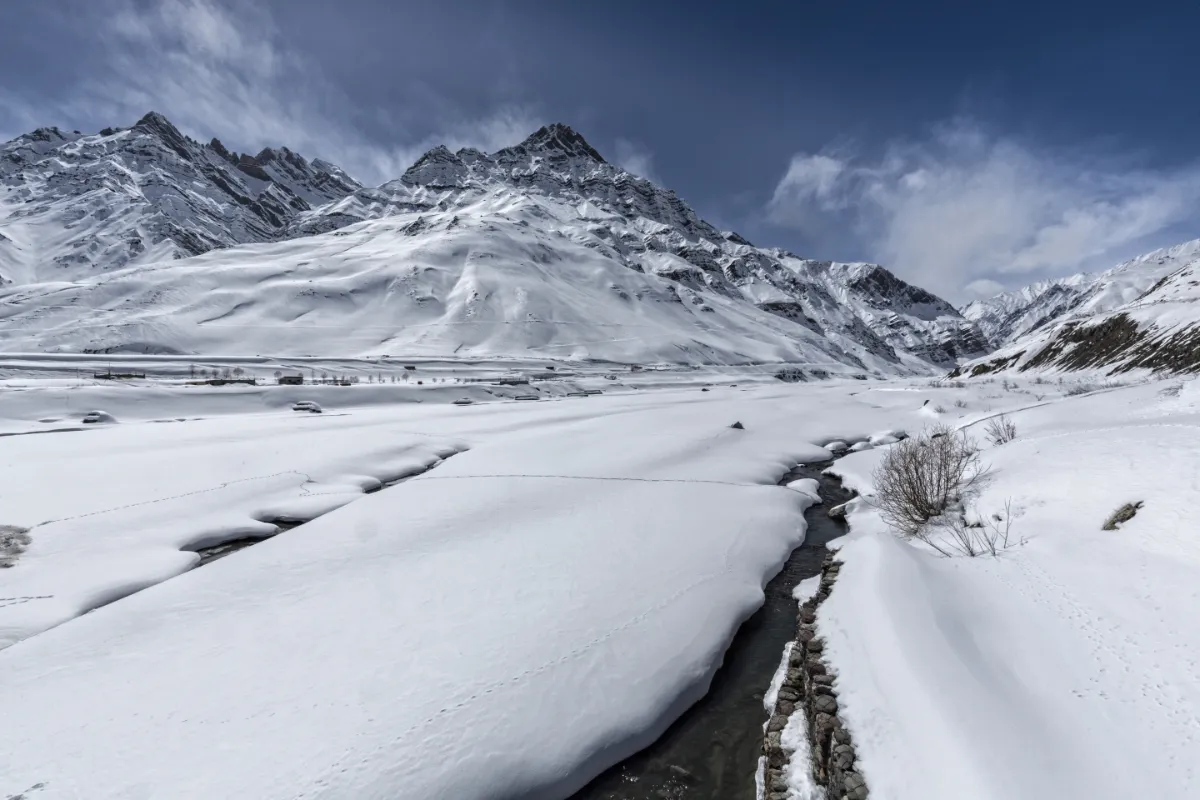
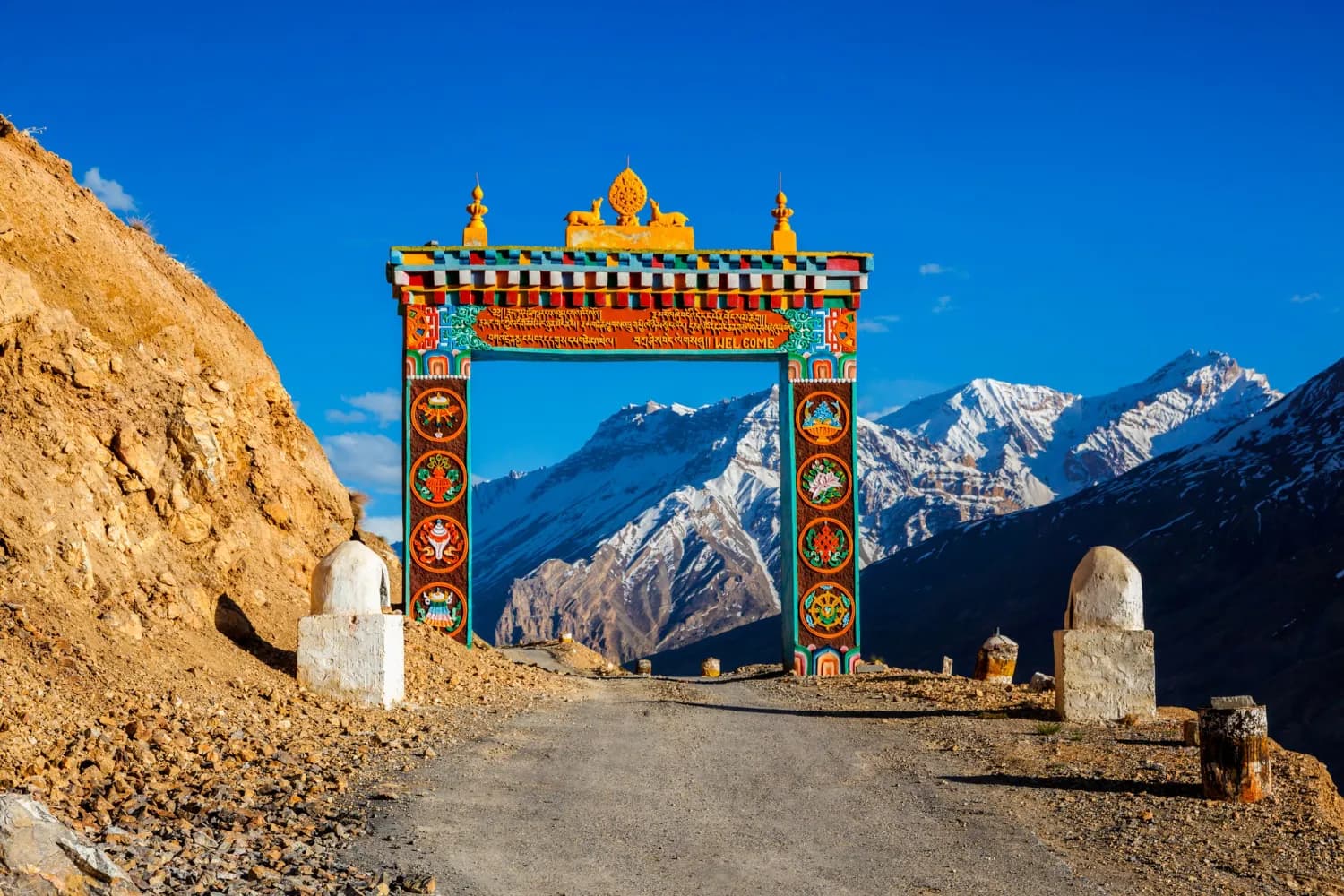
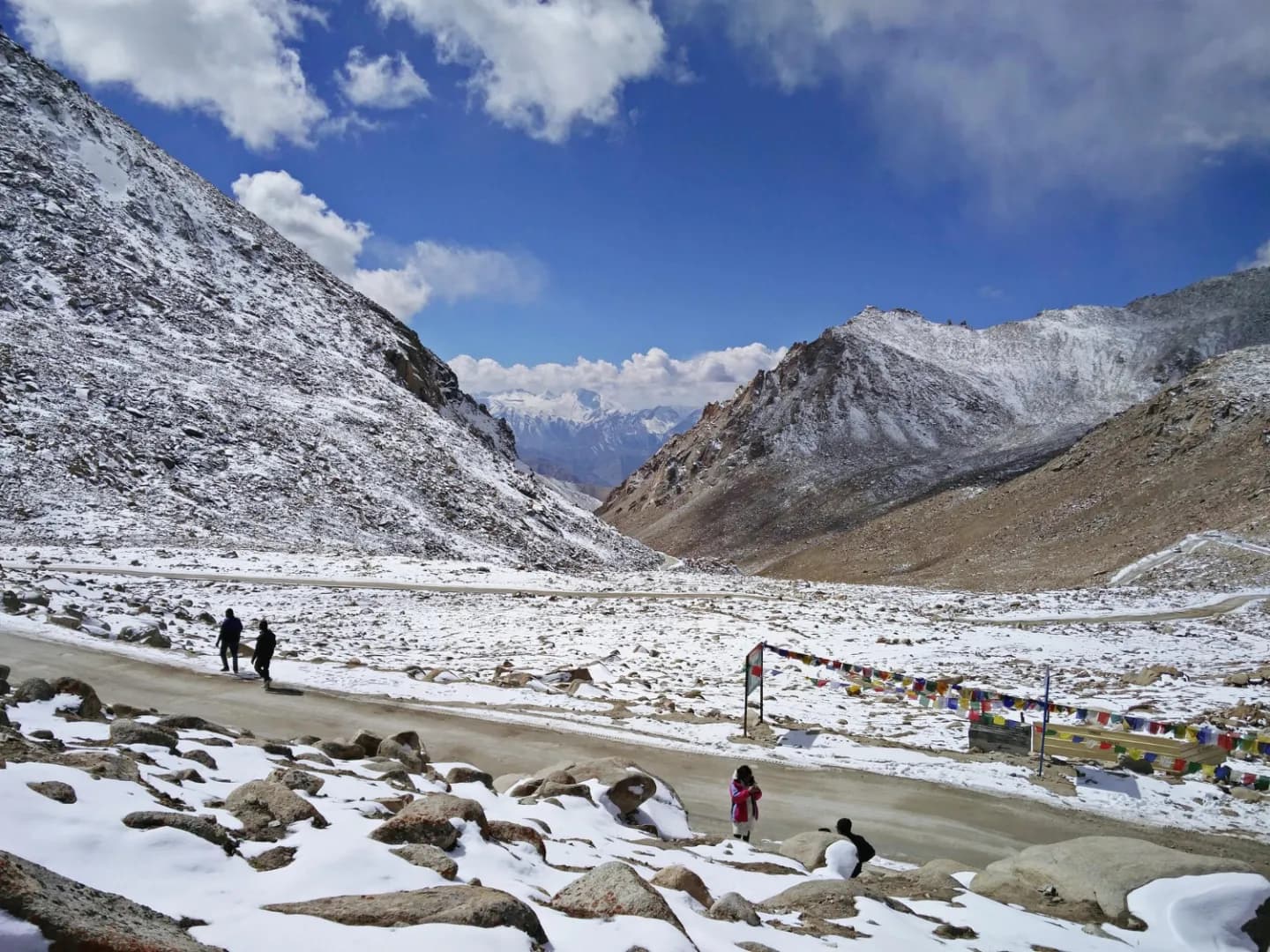
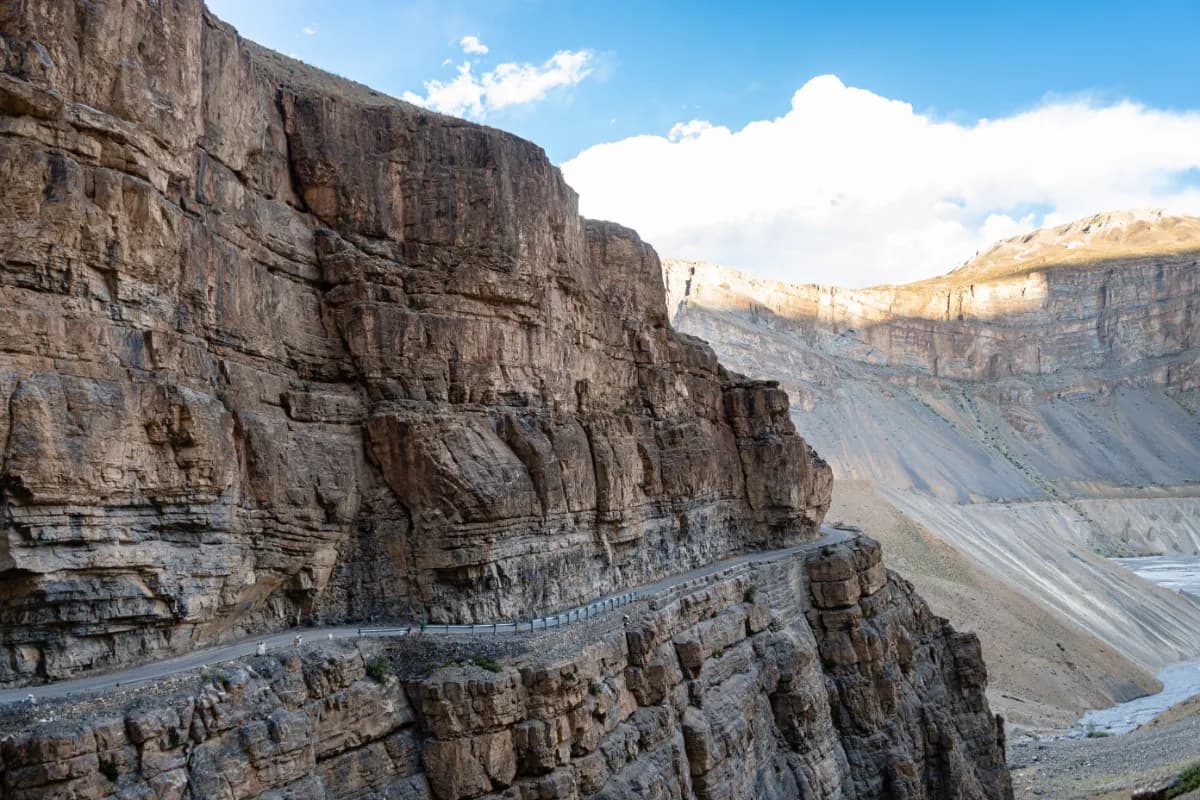
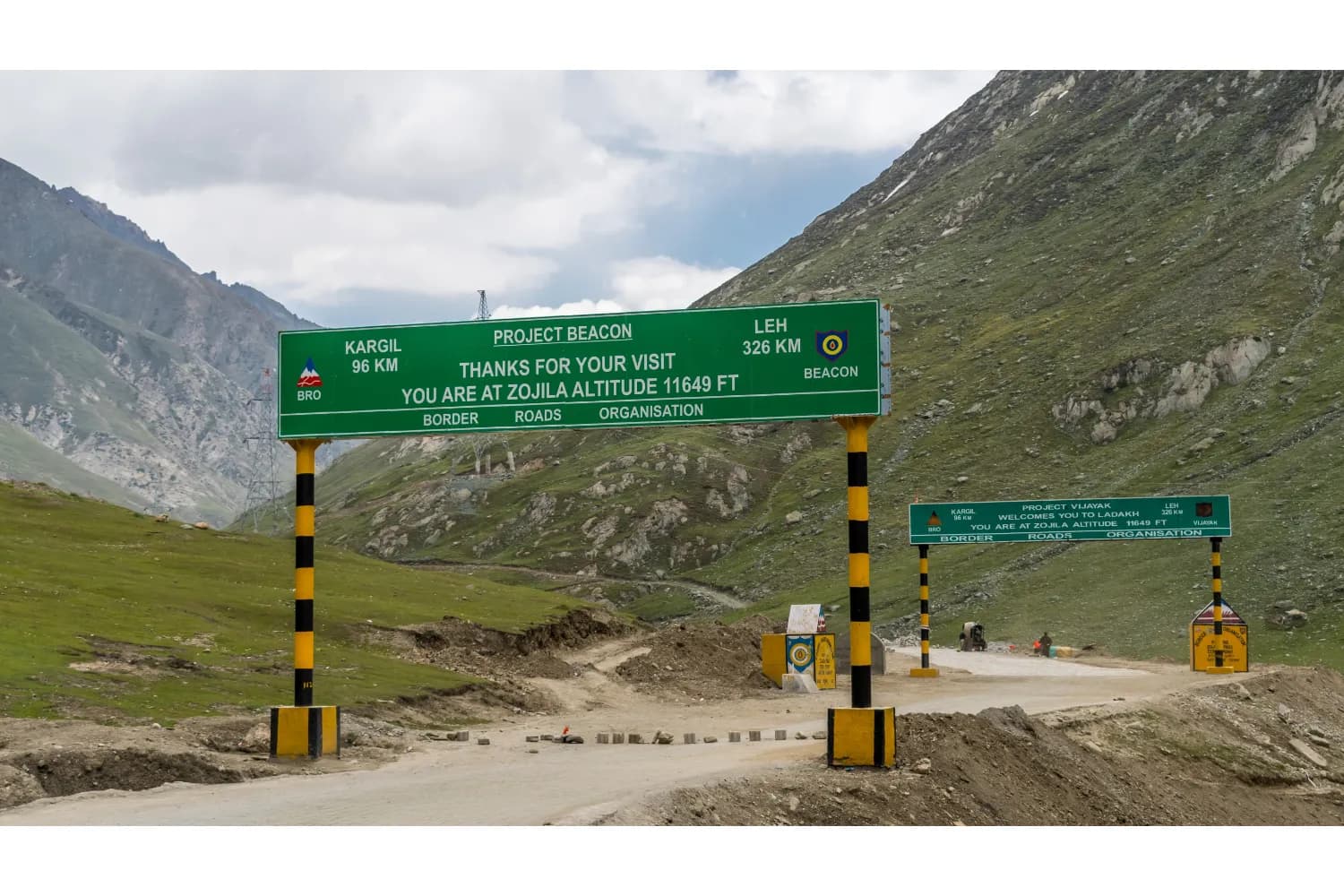
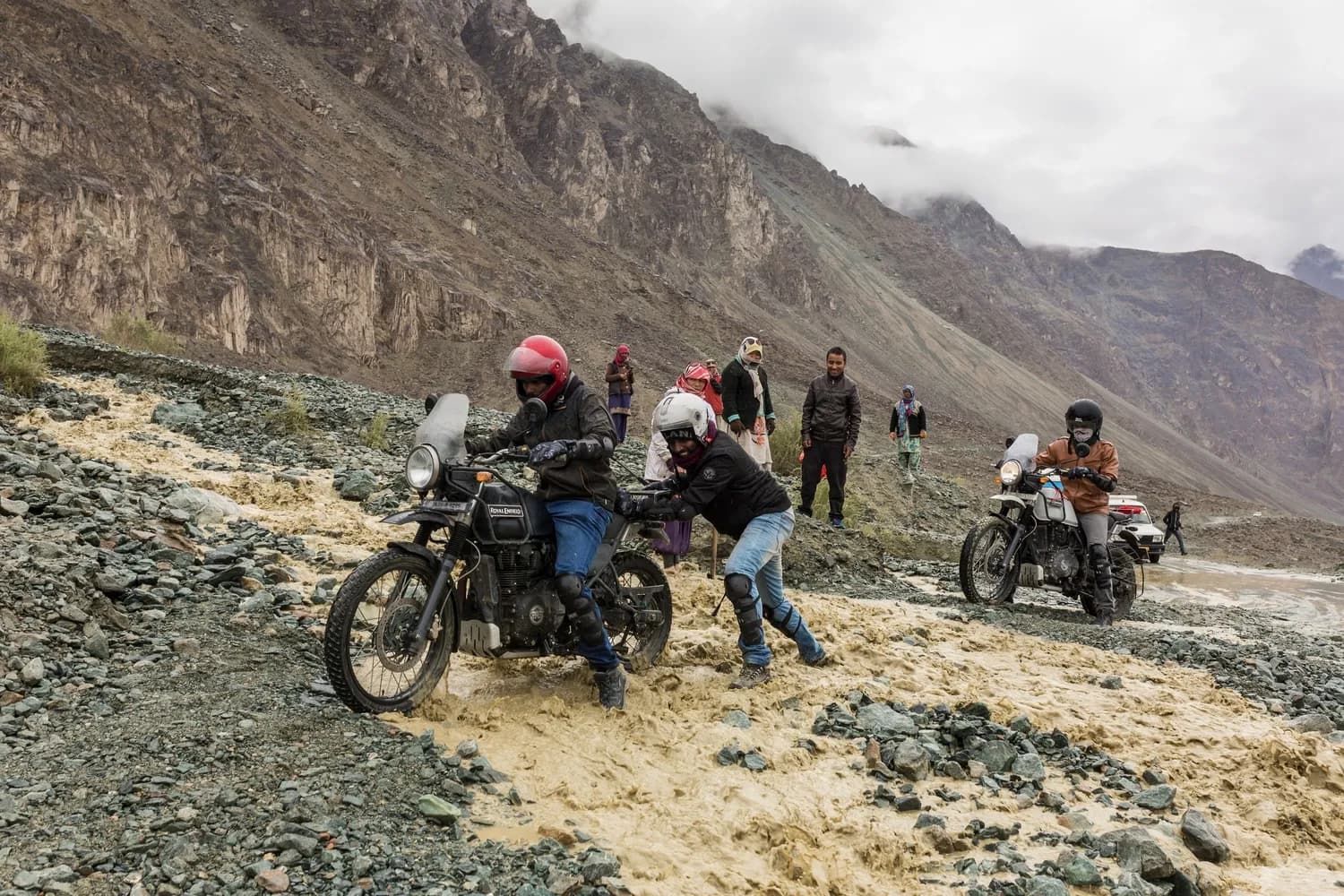
Access is the biggest challenge in Spiti, and summer solves it. Both the Manali and Shimla routes are open, making travel smoother. If you are wondering how to reach Spiti Valley, summer gives you multiple route options. The biggest reason why summer is the best season for Spiti is that during this time, road closures, landslides, and blocked passes have been significantly reduced. You avoid long delays and risky detours, which makes the entire journey more reliable.
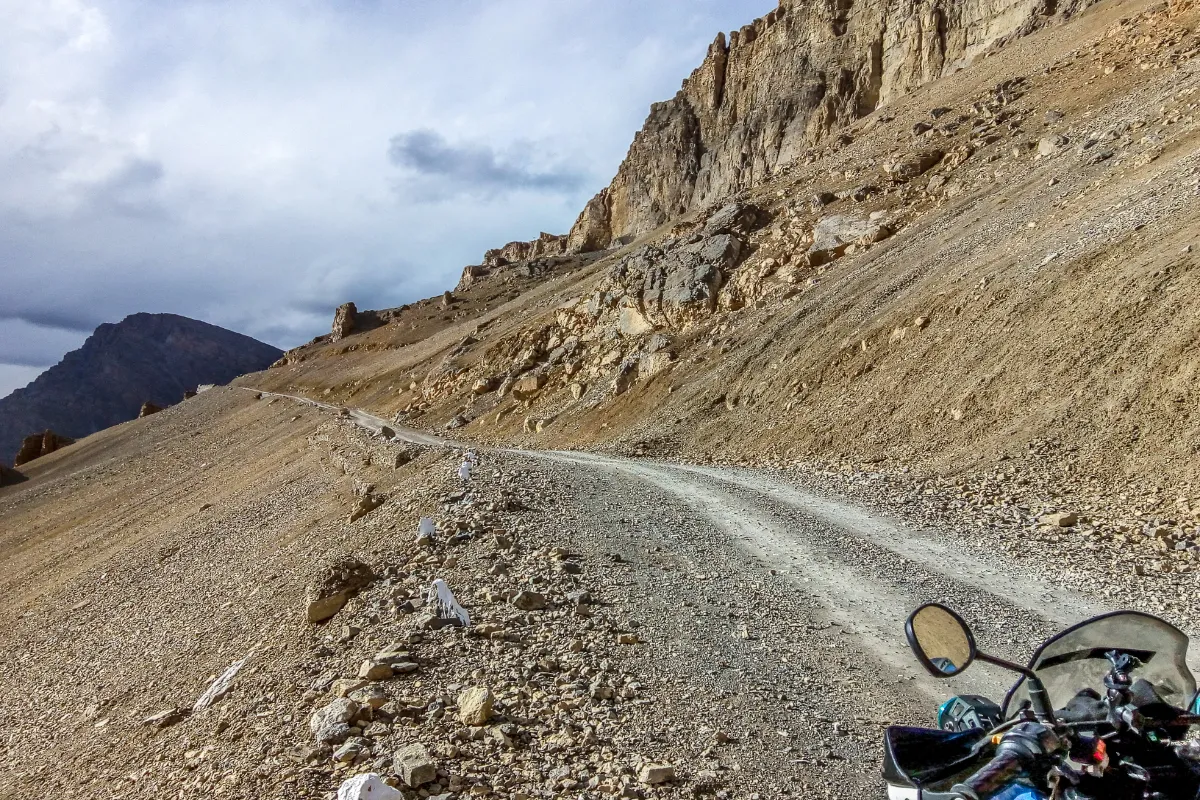
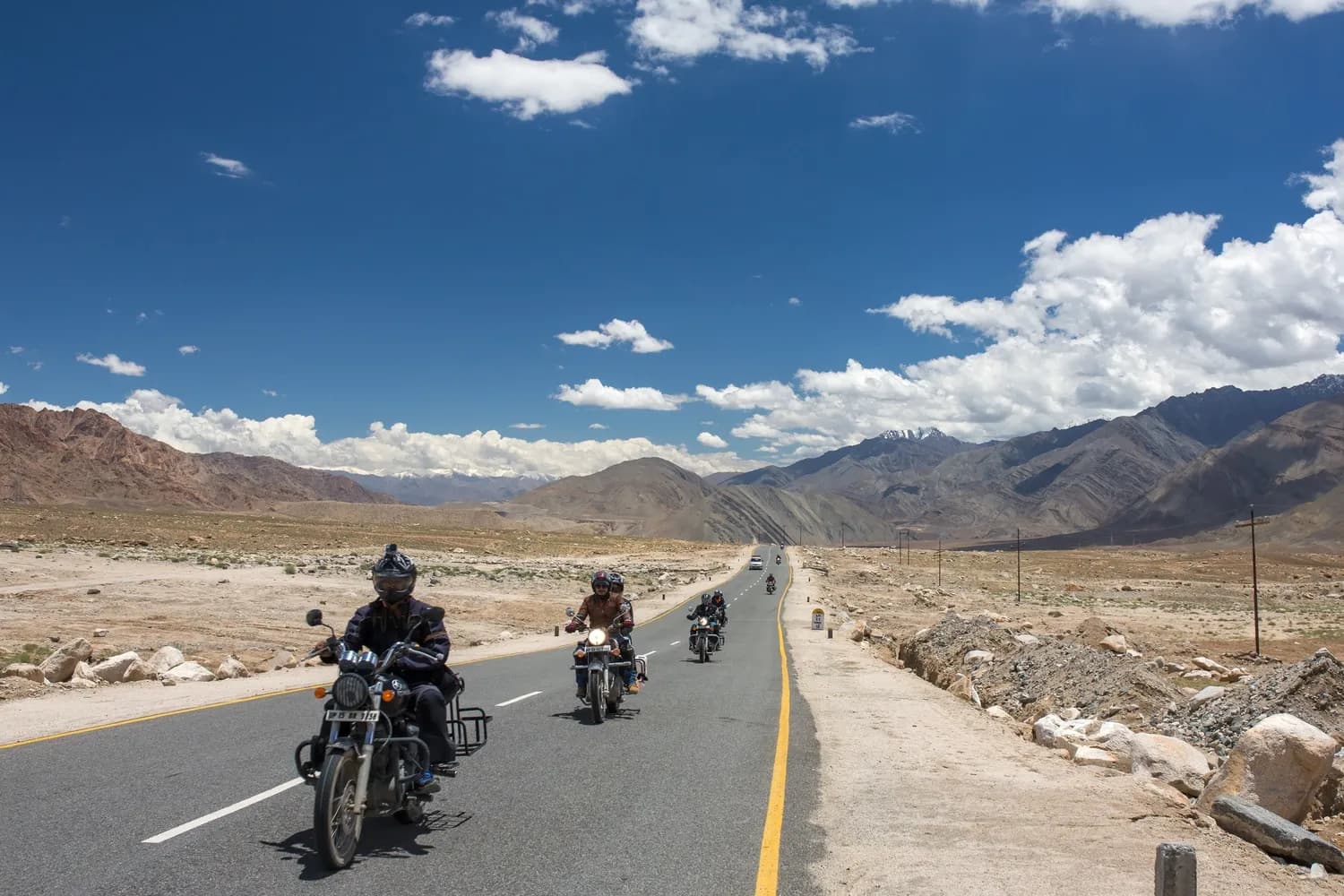
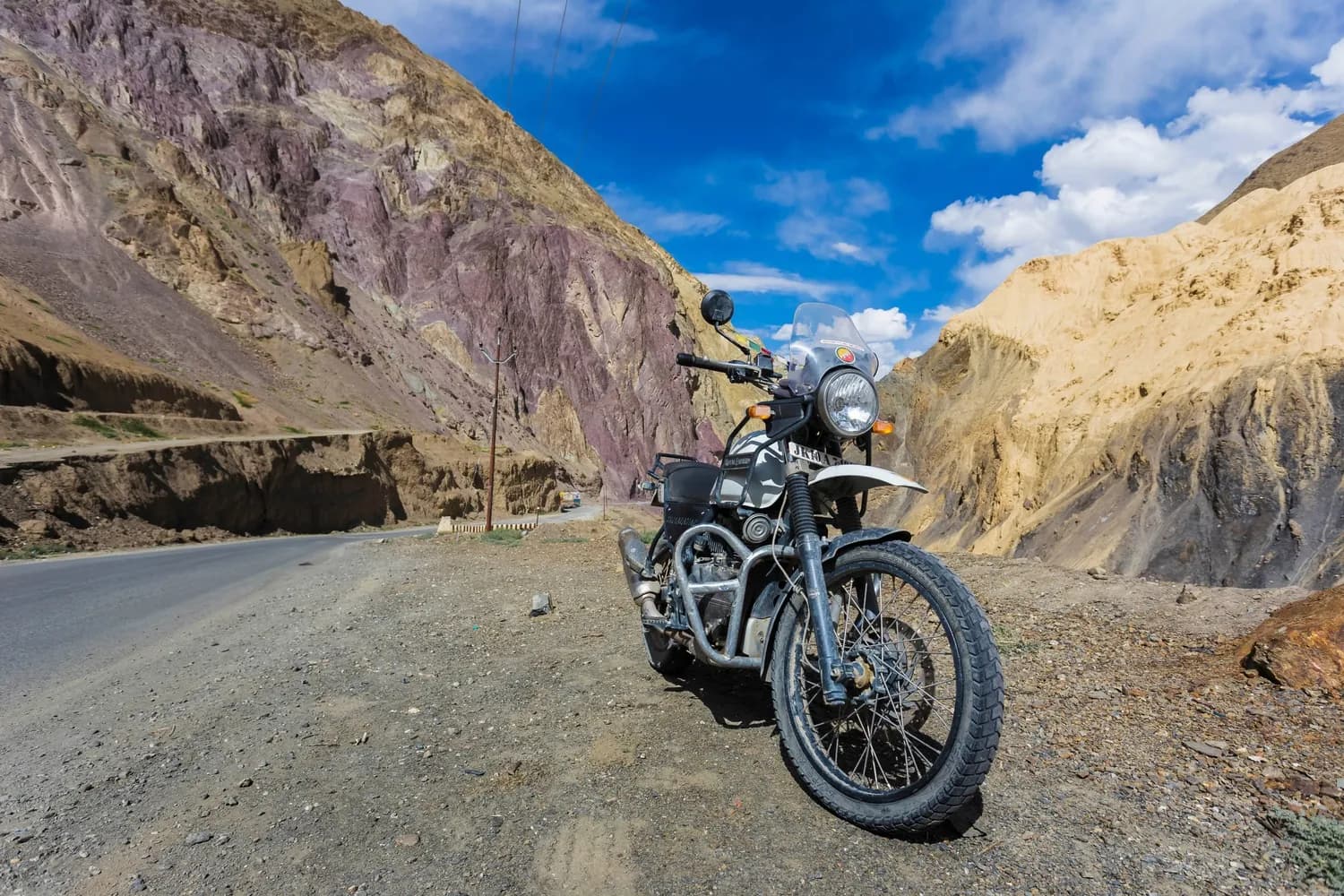
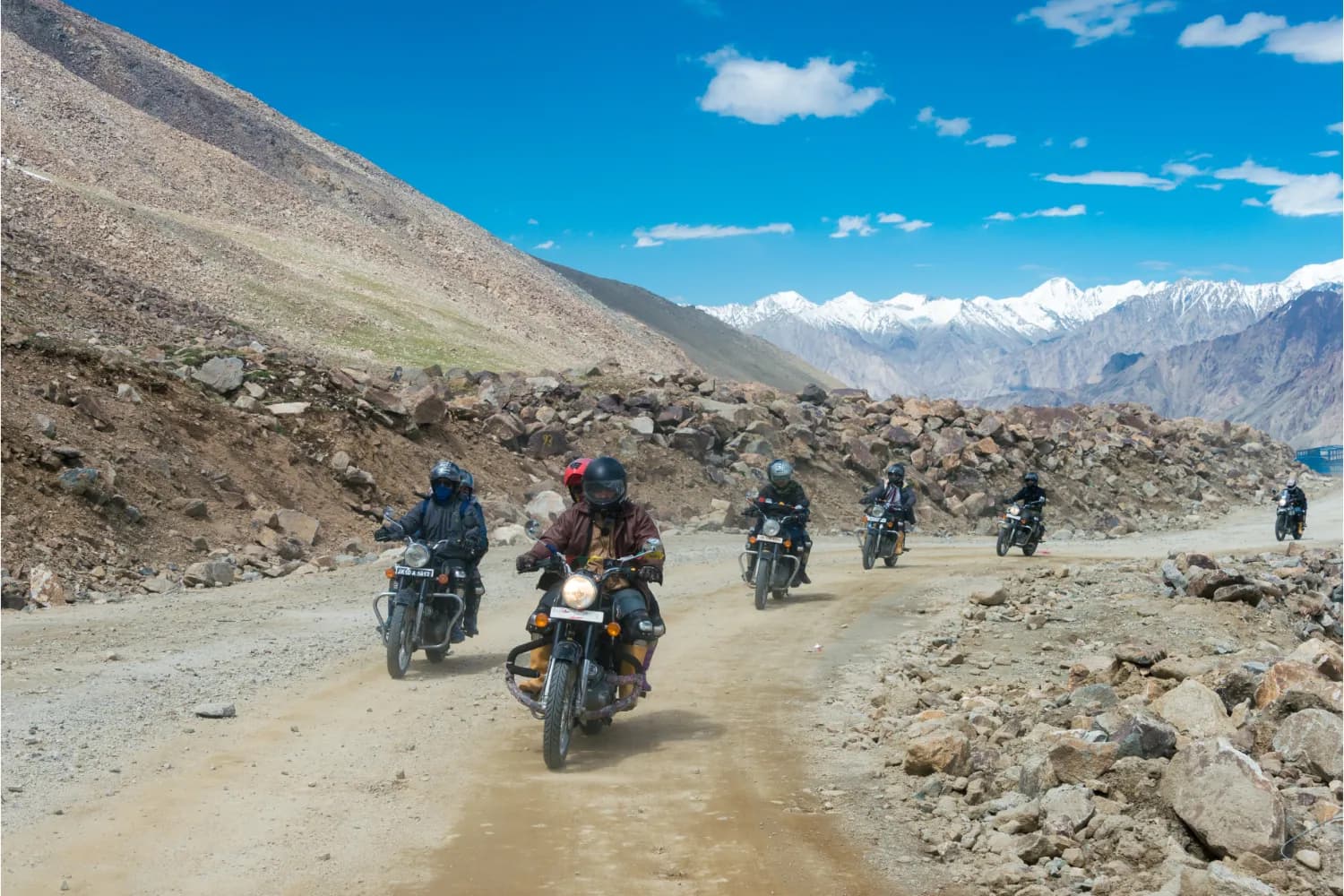
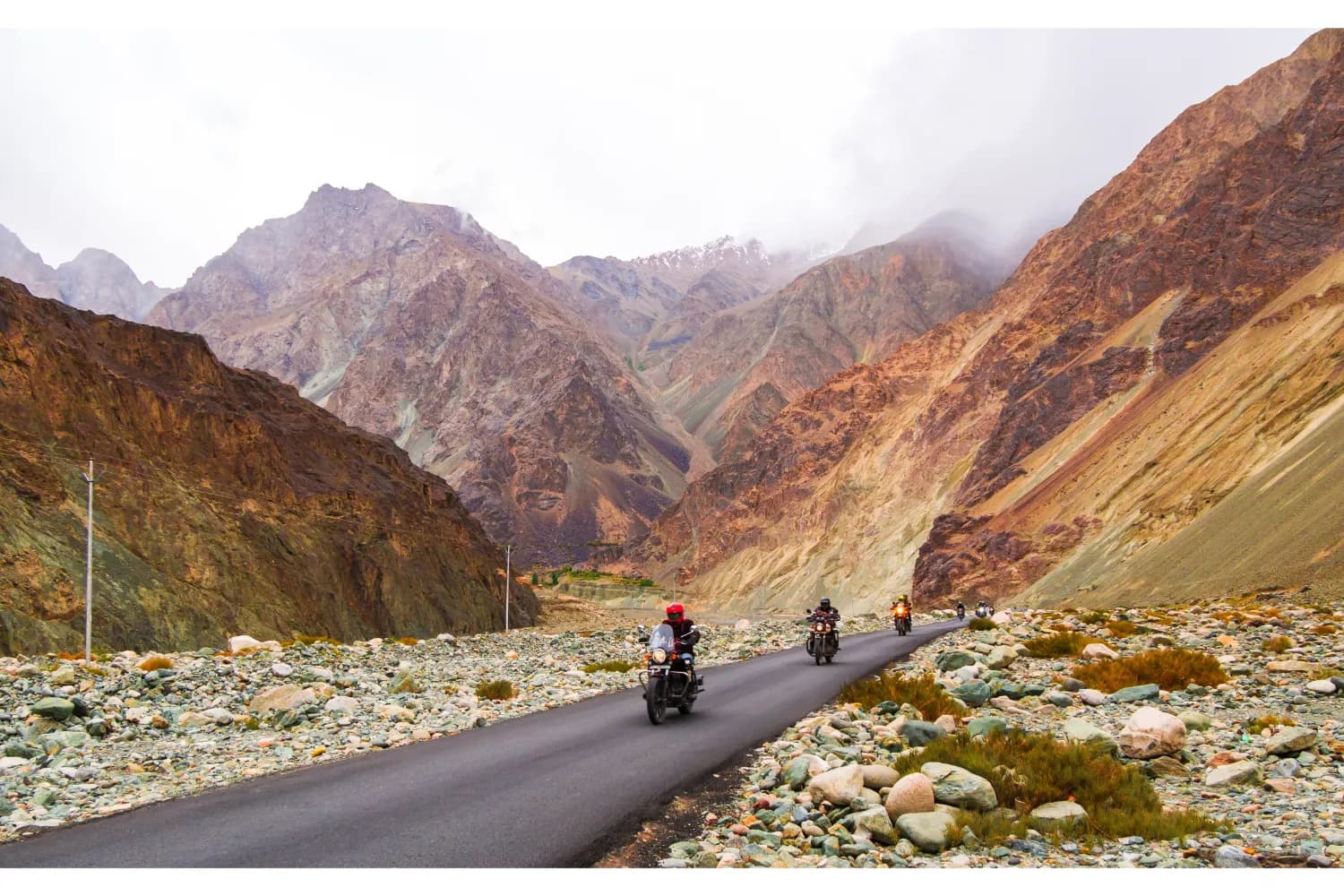
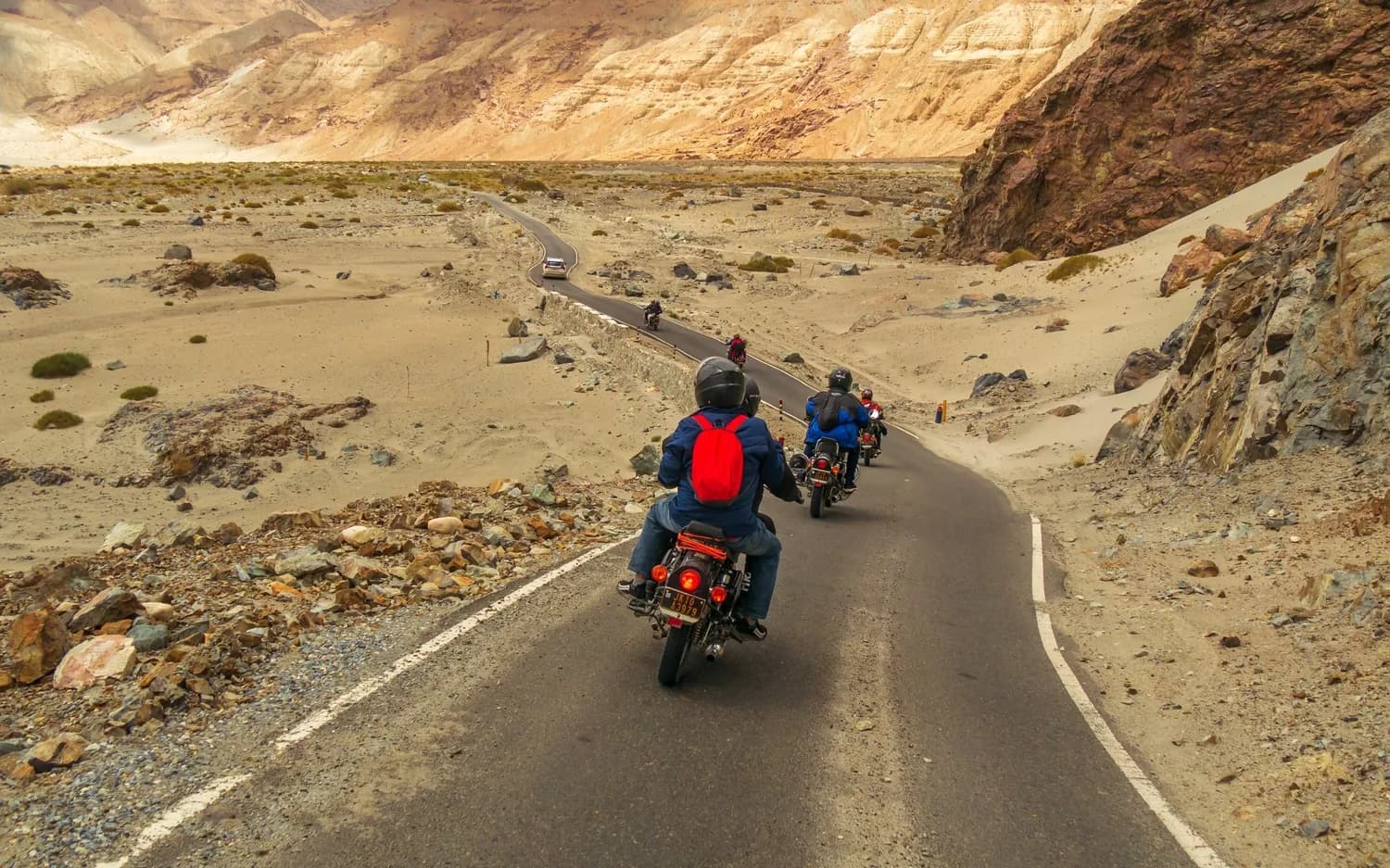
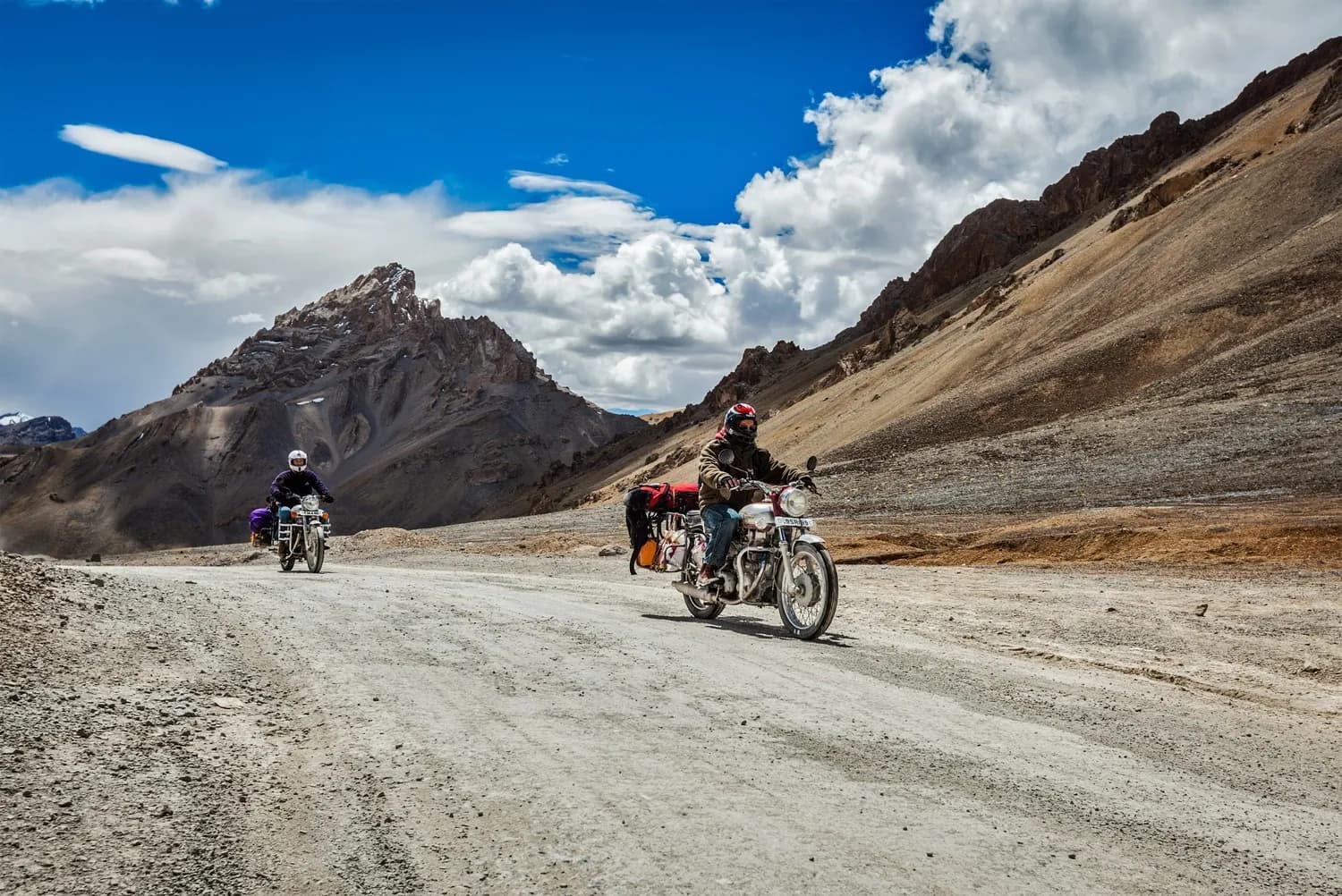
After Ladakh, Spiti is the most loved and adventurous road trip destination, and summer turns it into one of the most scenic drives in India. A Spiti Valley road trip during this time means clear roads, flowing rivers, and dramatic landscapes at every turn. You get better visibility, fewer disruptions, and the freedom to stop and explore without rushing. Spiti Valley in summer feels like a road trip designed for storytellers and explorers.
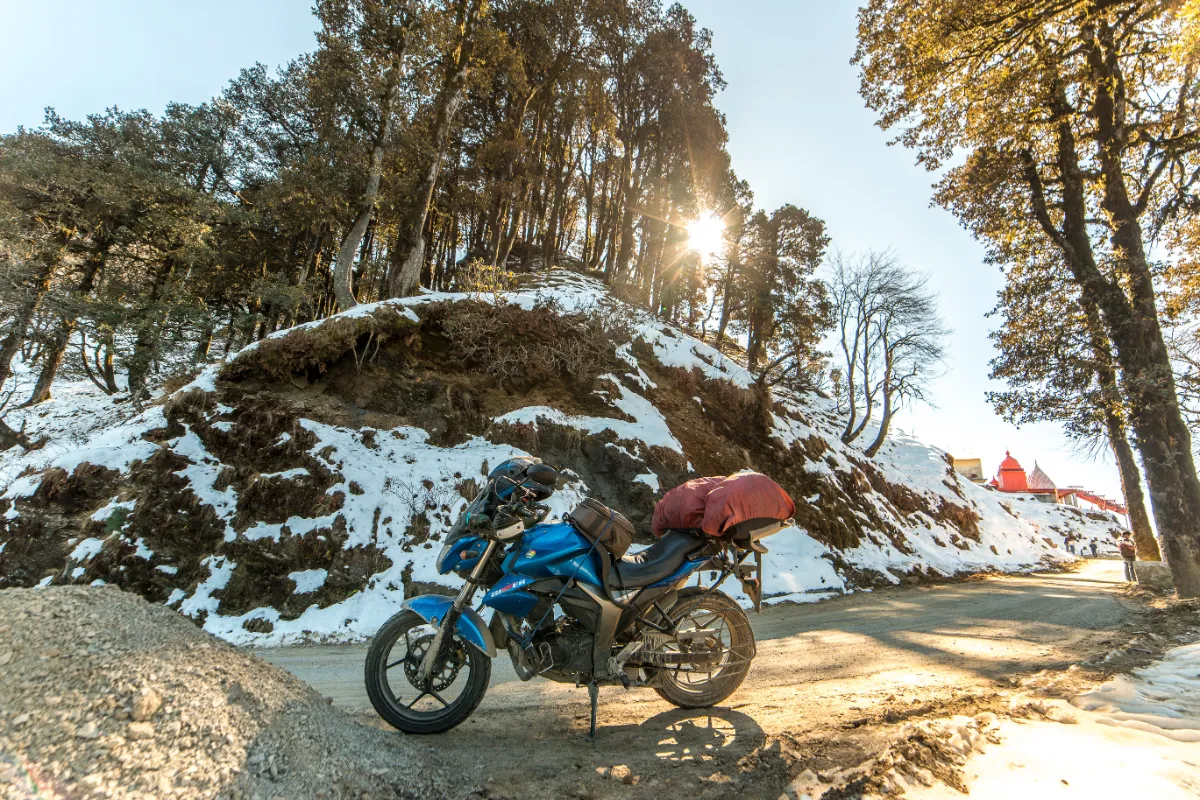
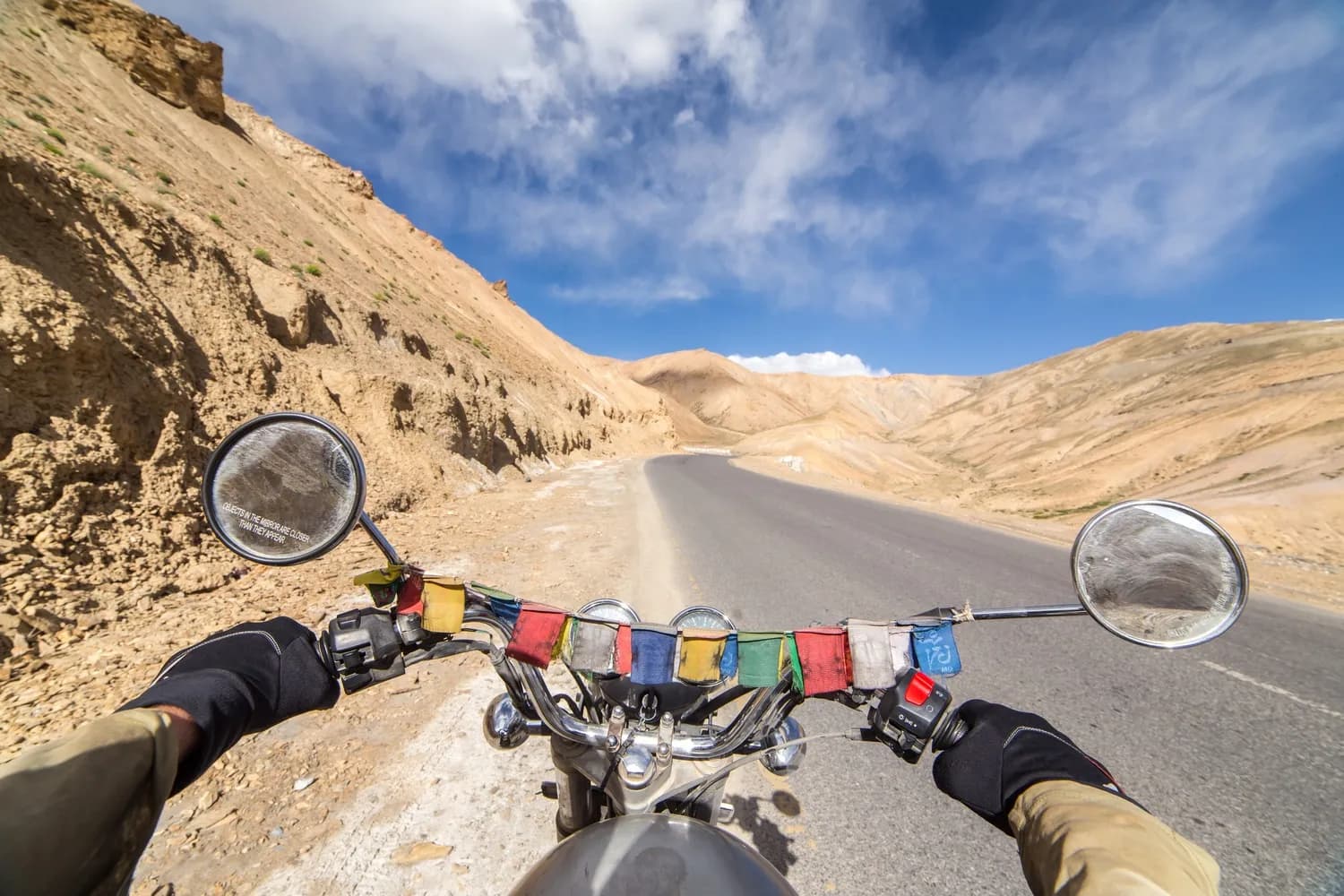
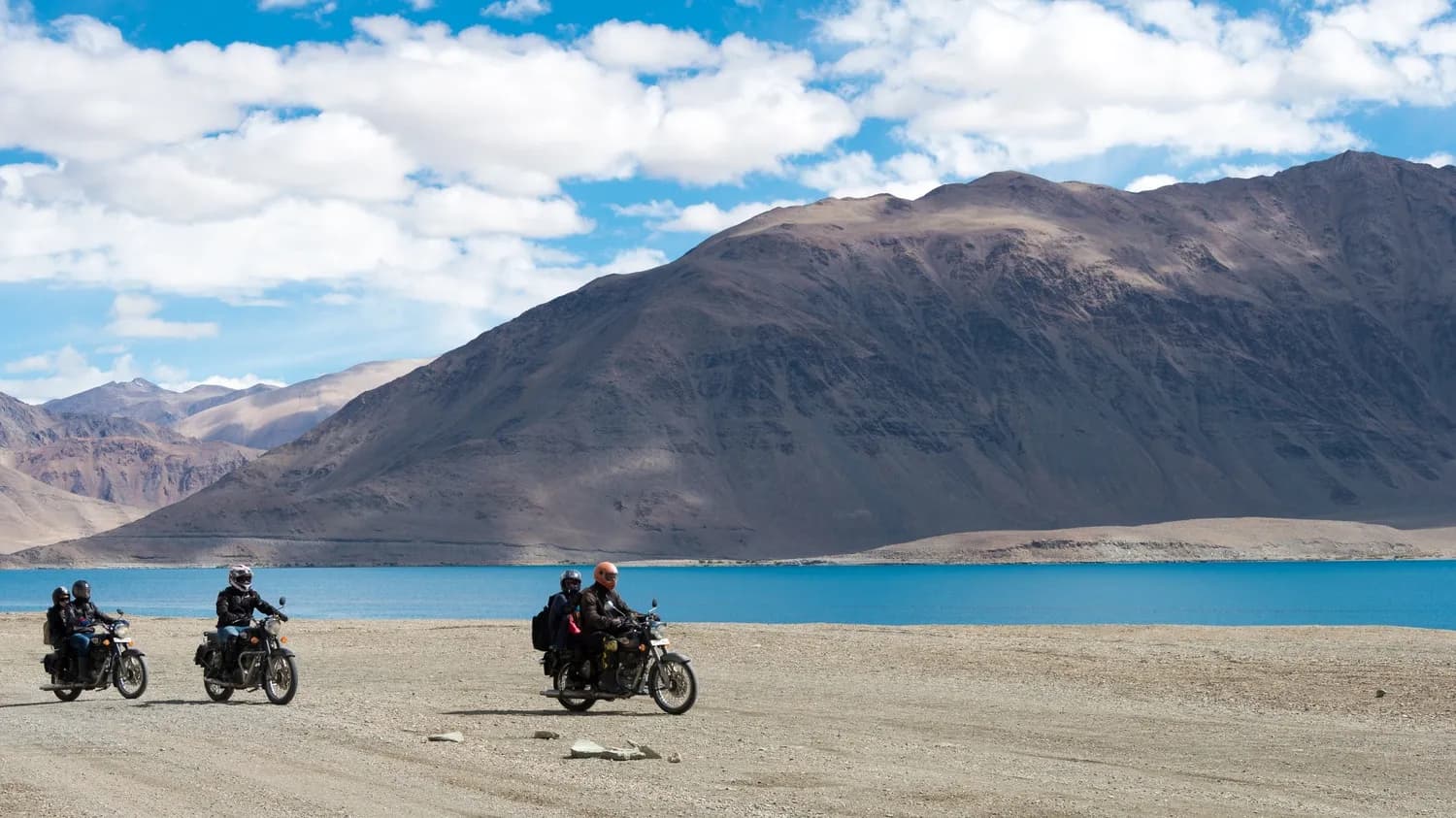
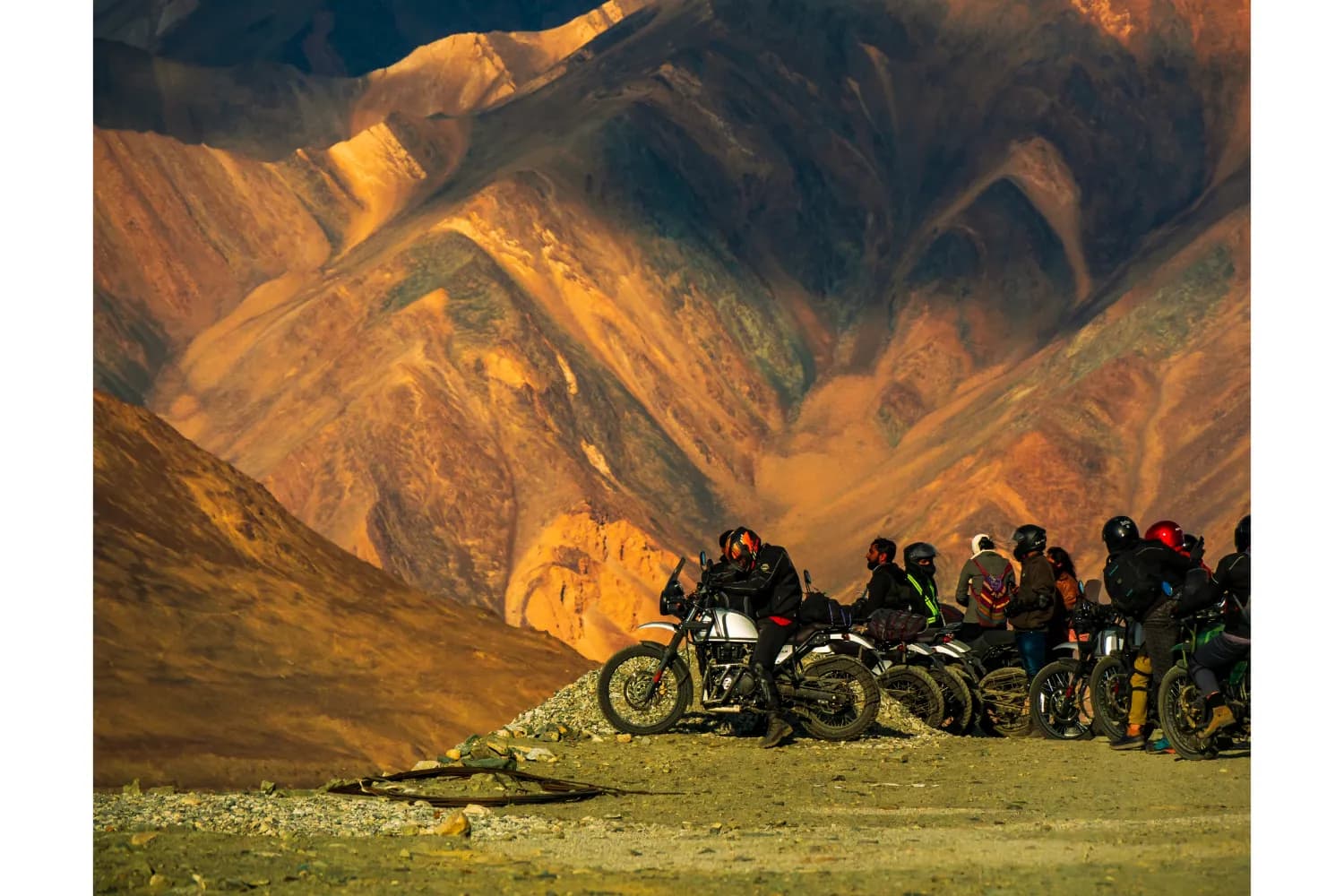
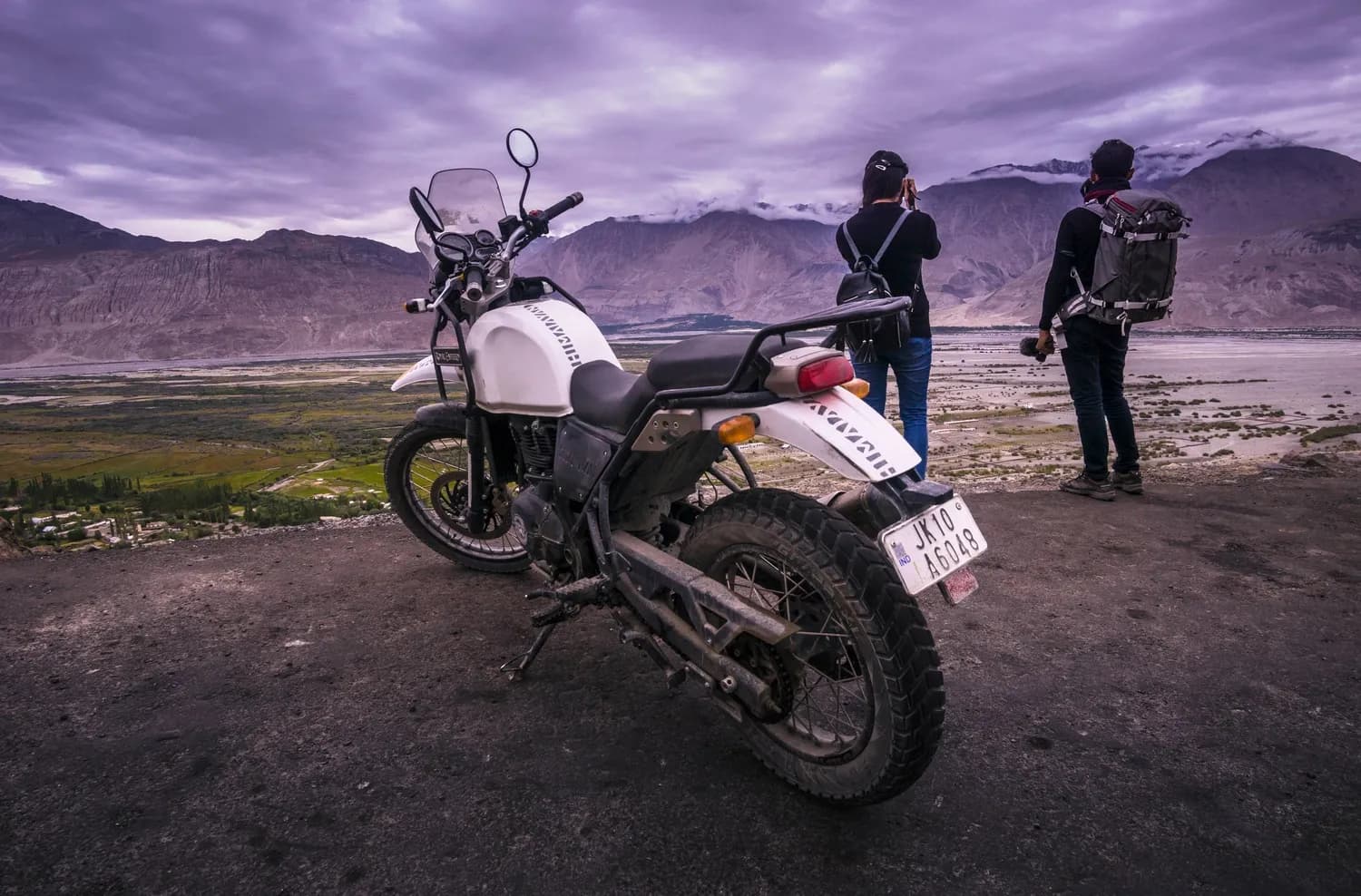
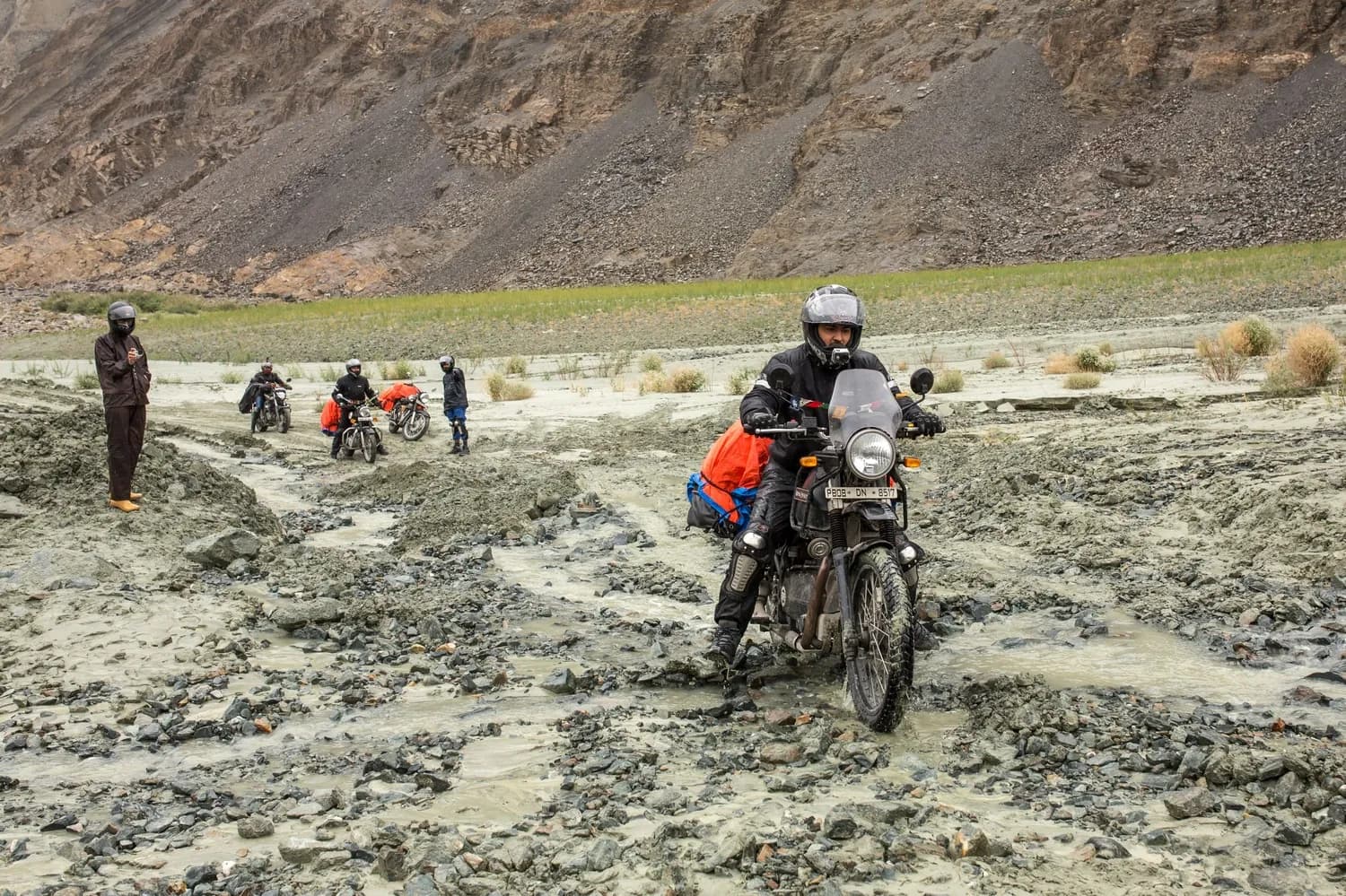
Ask any biker, and they will tell you why summer matters. Snow-free roads, stable weather, and open passes make it the ideal season. A Spiti bike trip becomes safer and more enjoyable. You do not have to deal with black ice or extreme winds. Riding through high-altitude passes feels challenging but not dangerous. That balance is what makes biking in Spiti so popular during summer.
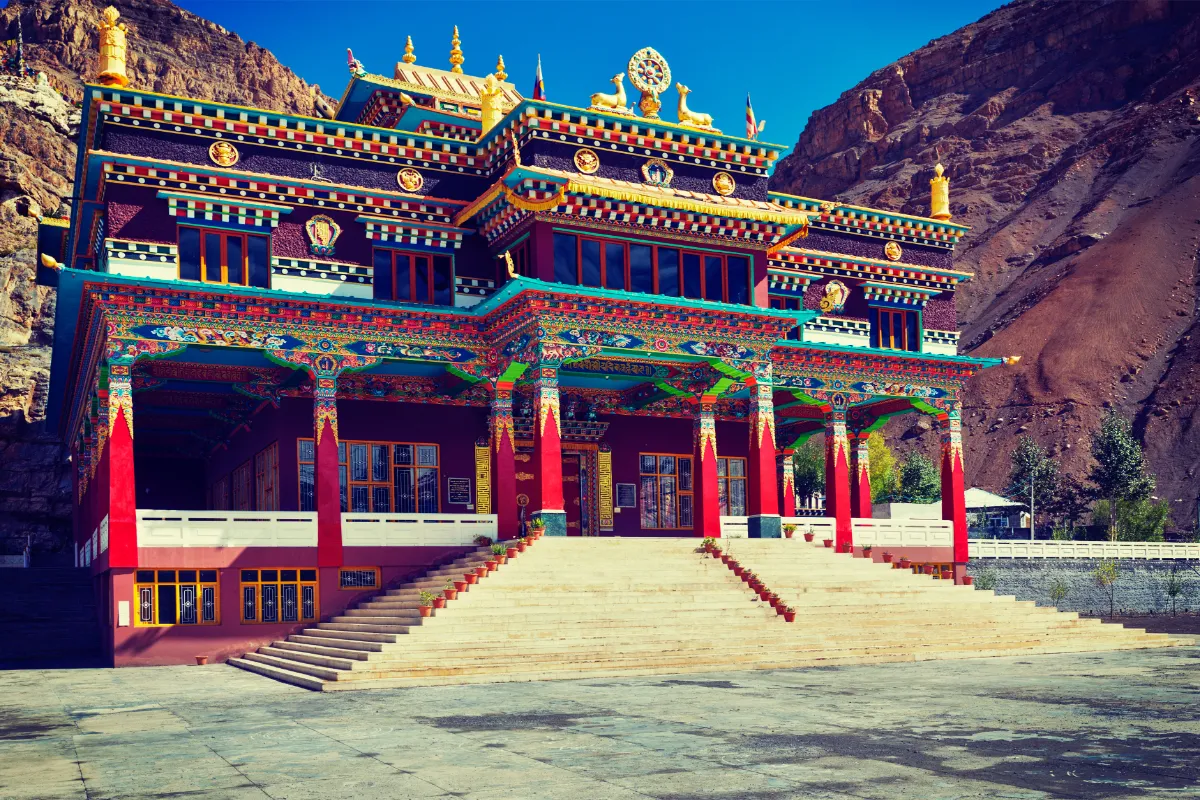
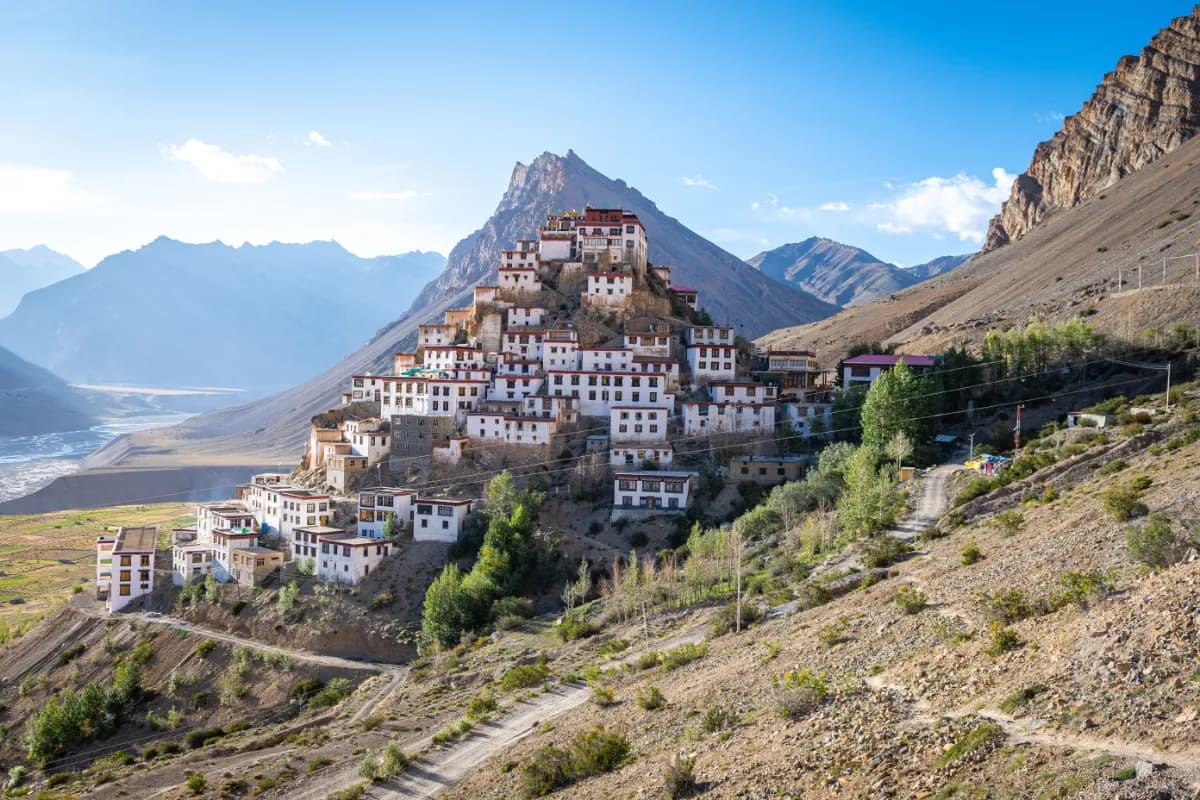
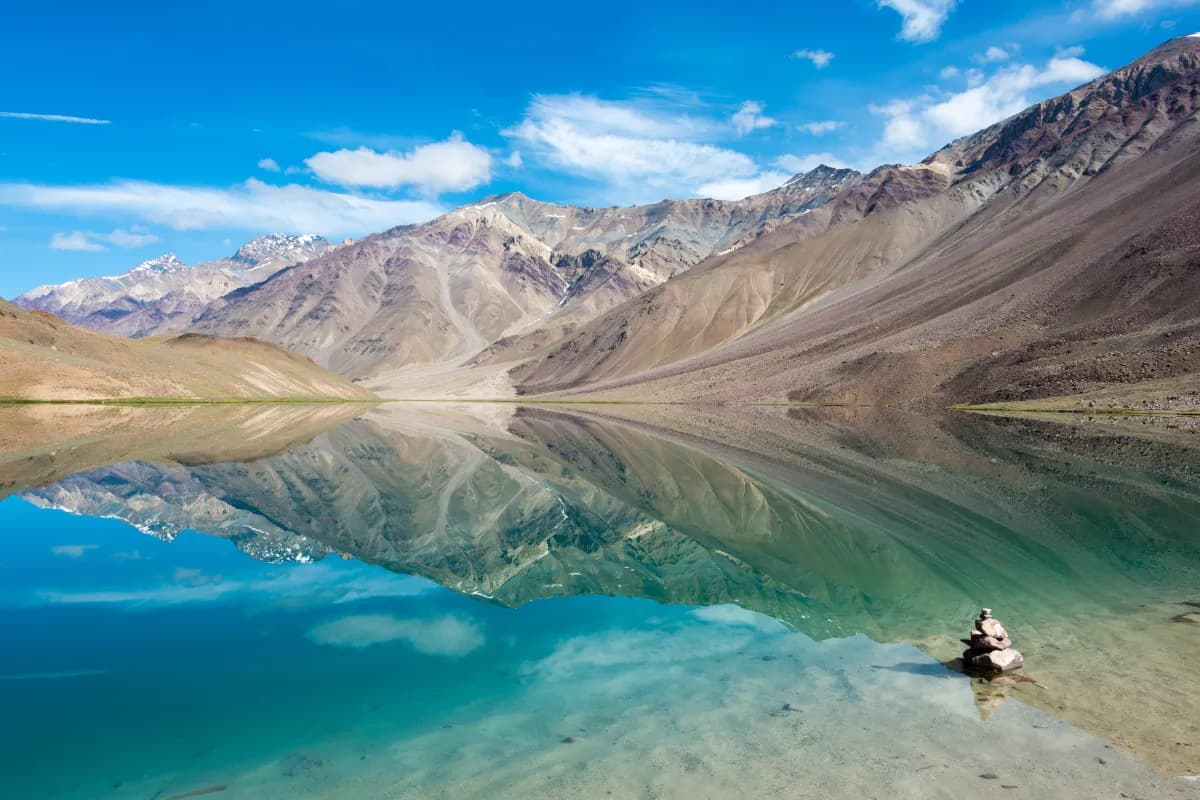
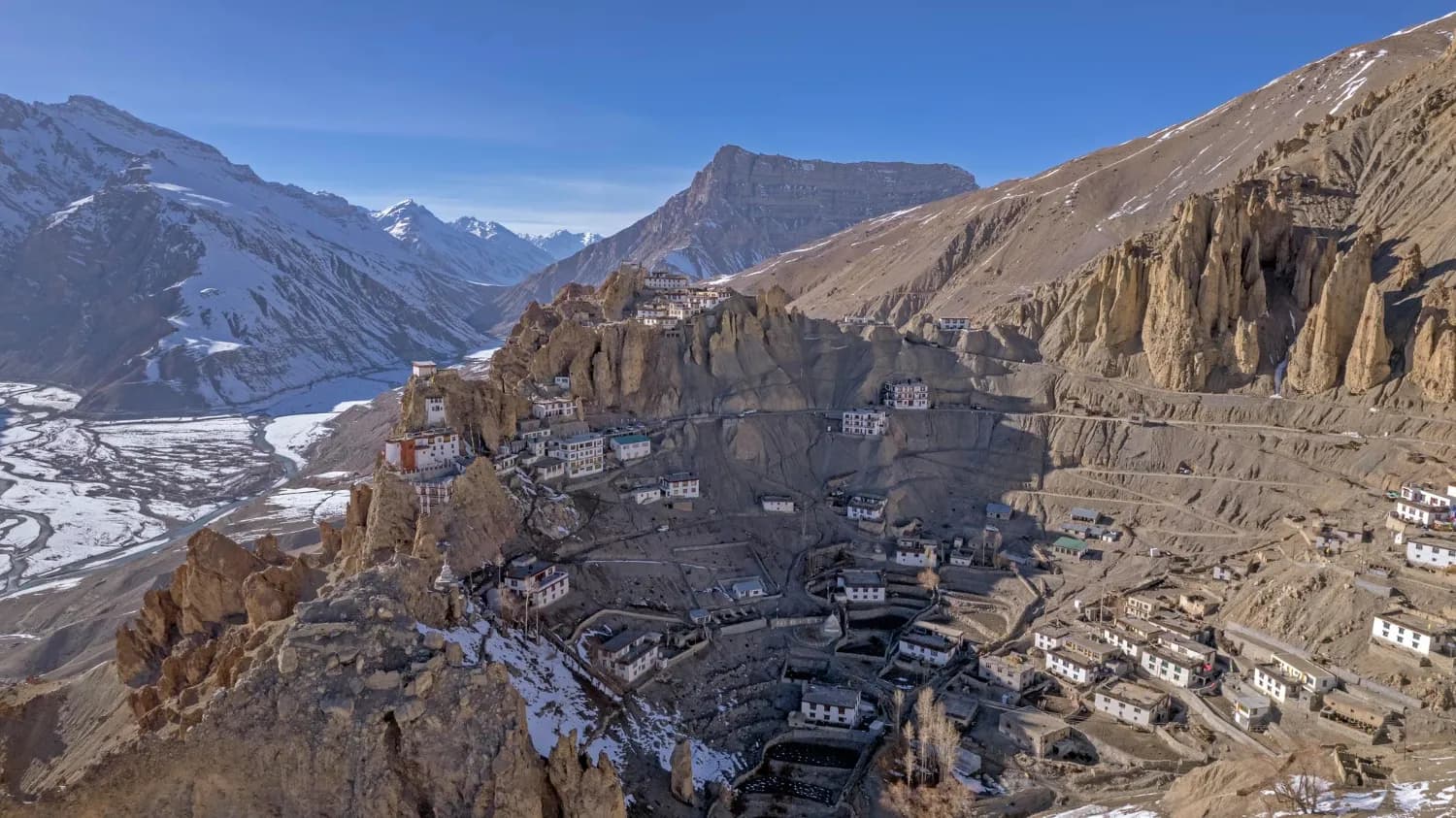
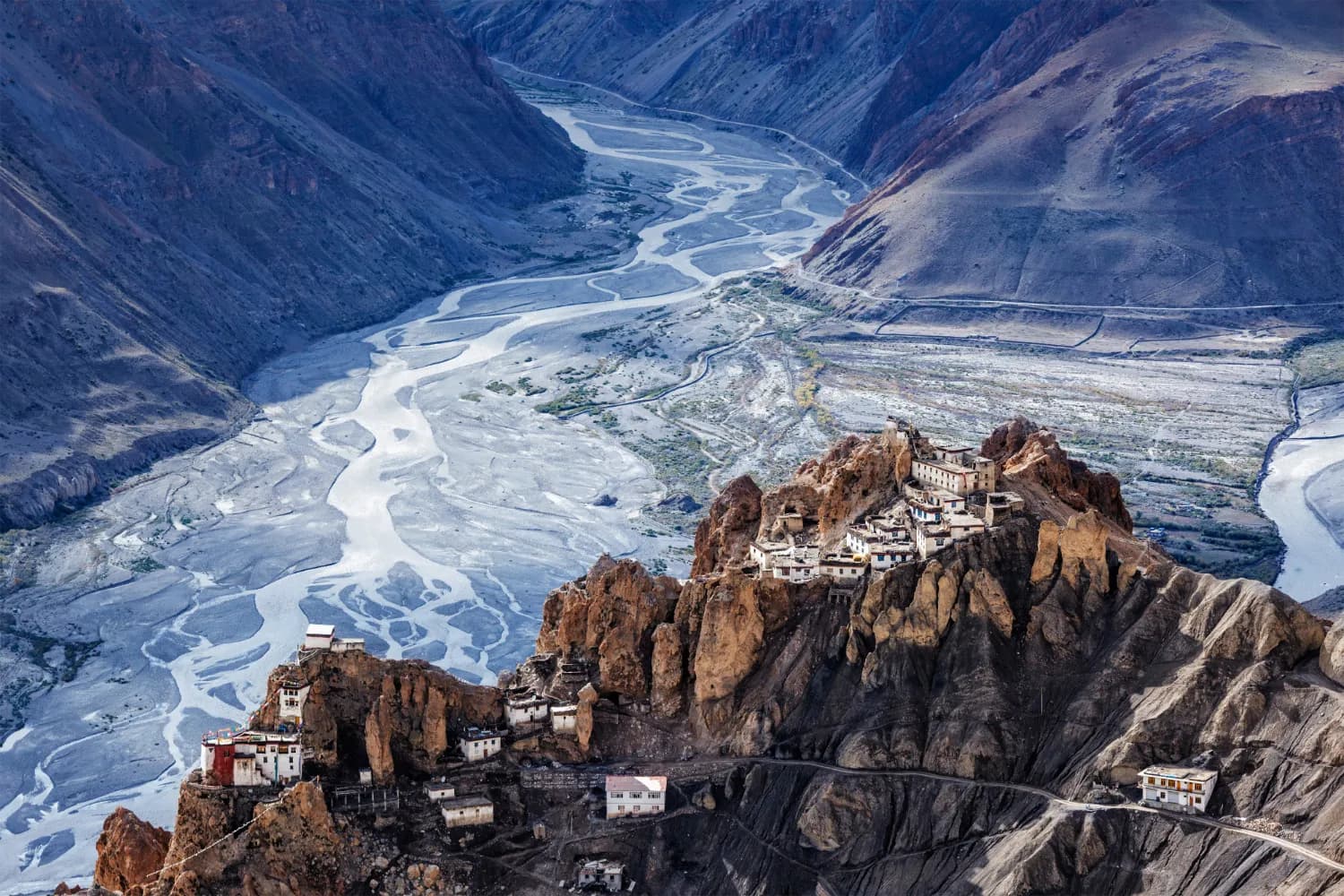
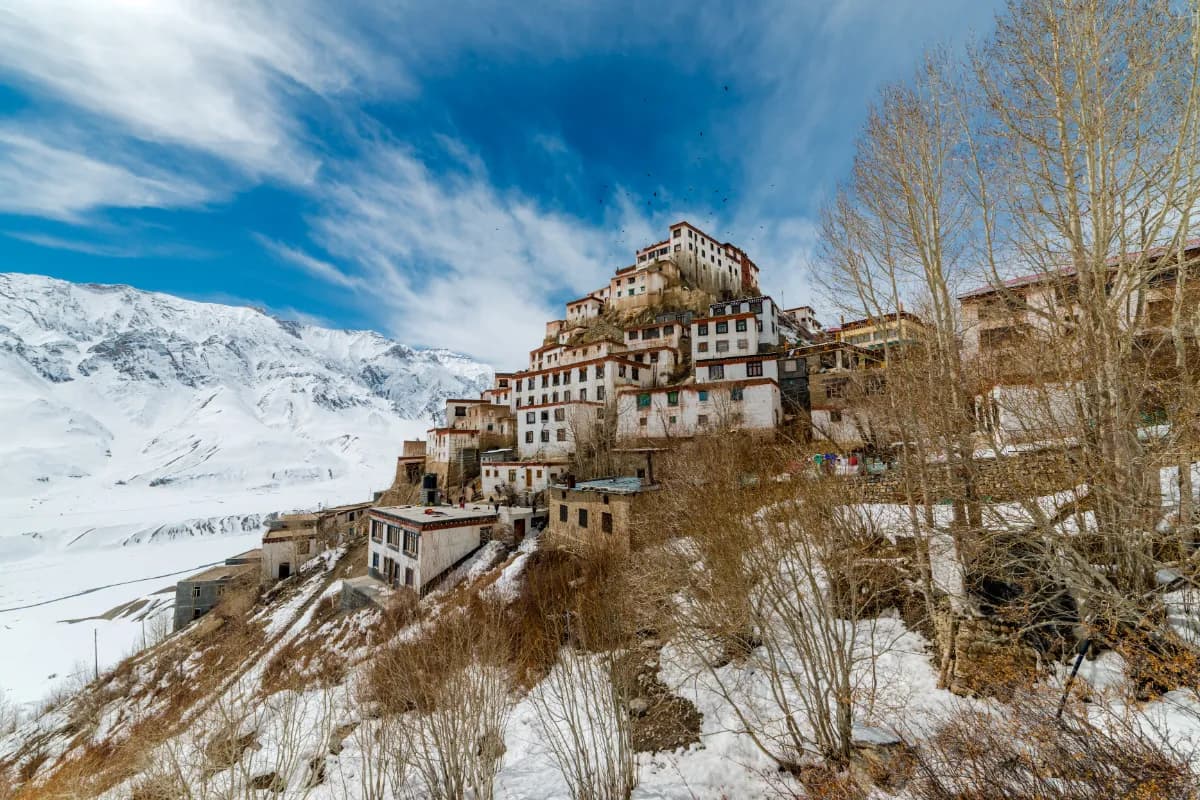
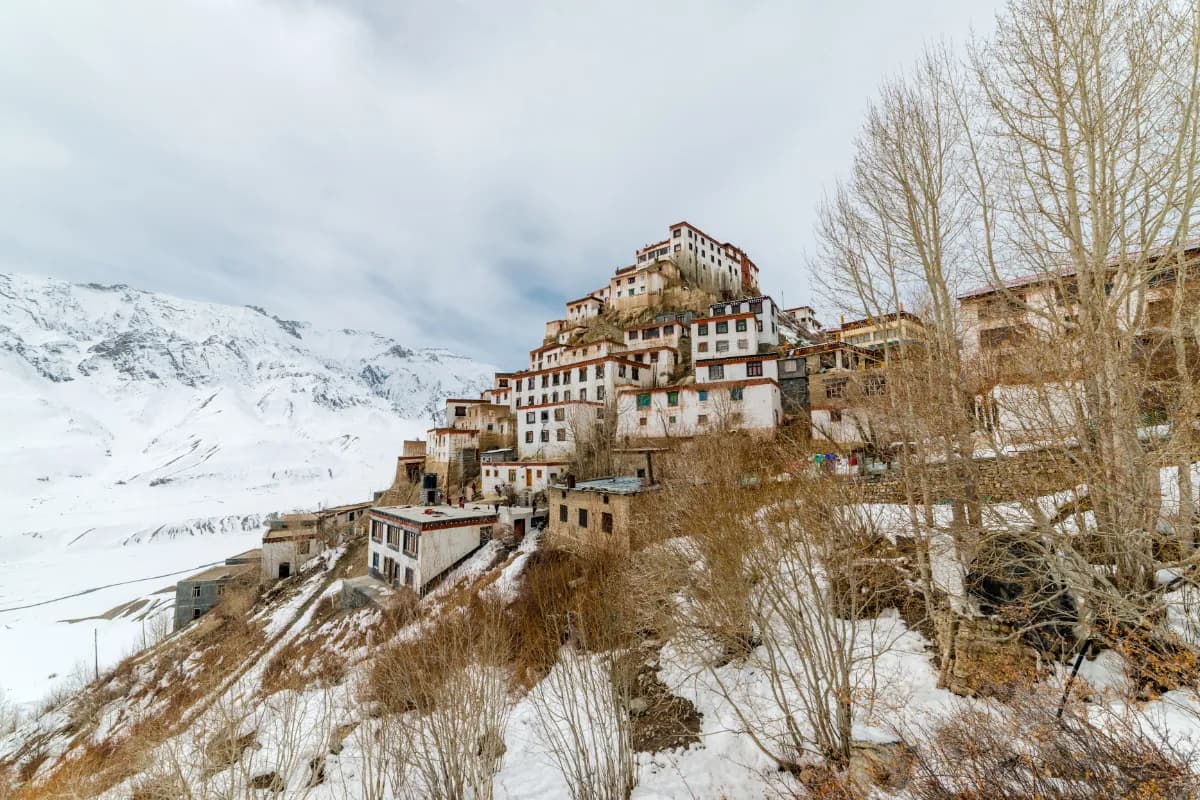
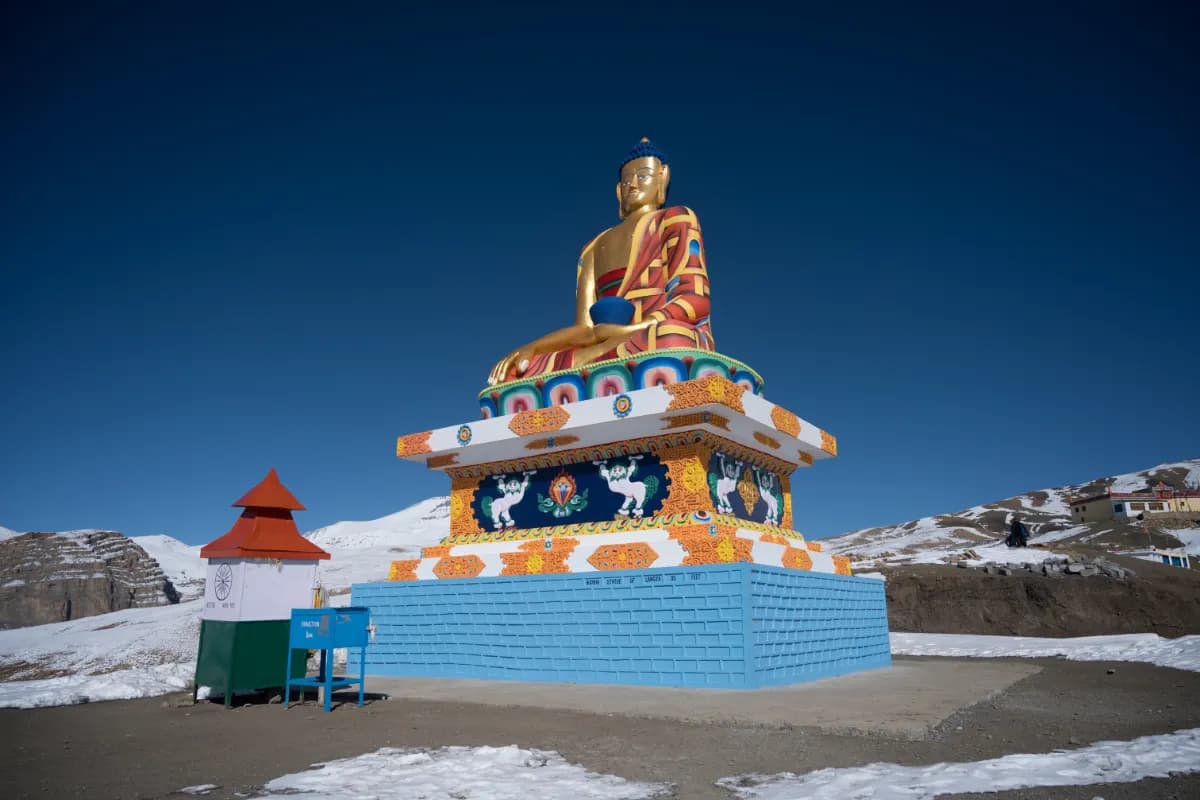
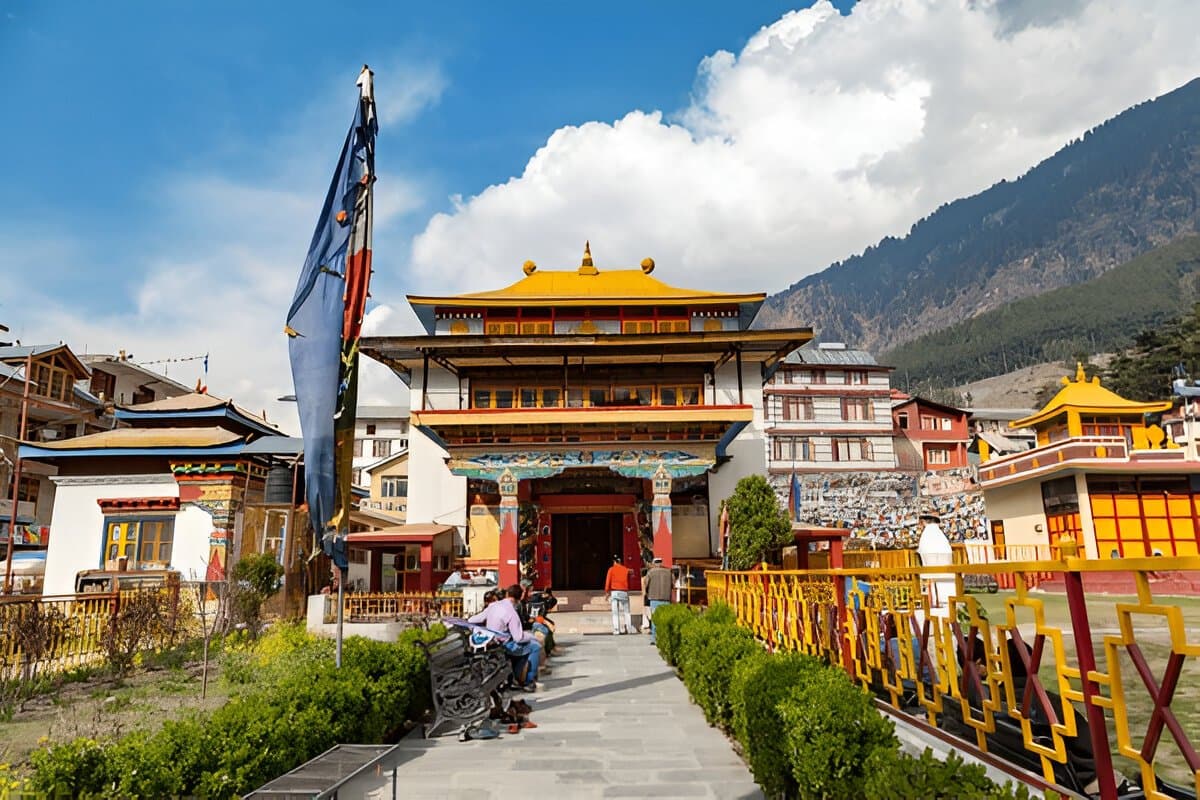
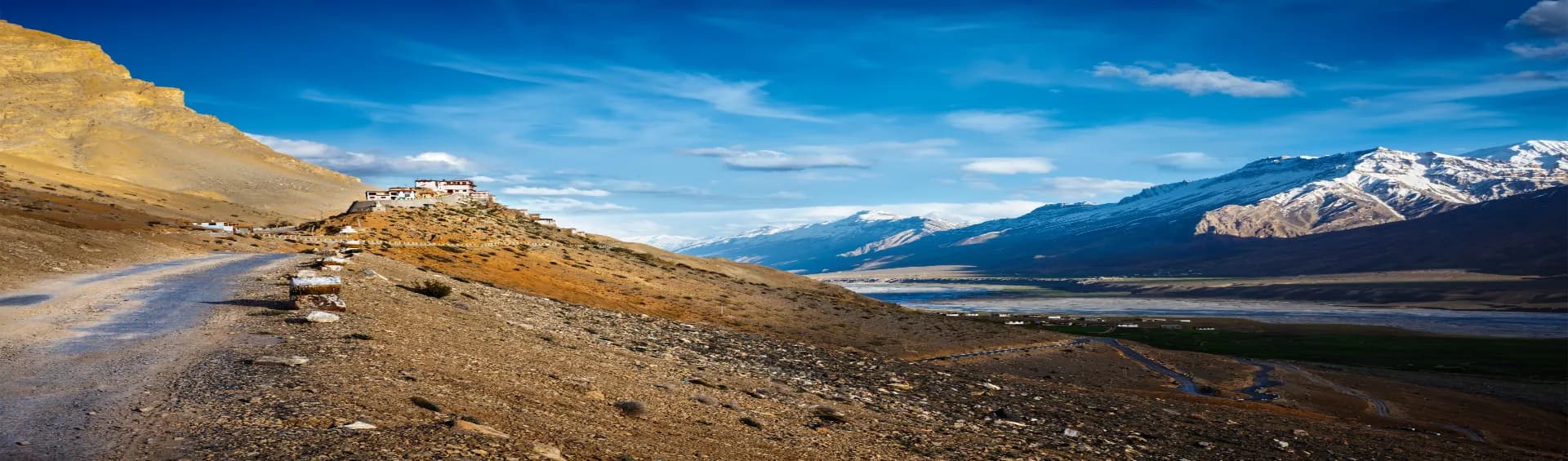
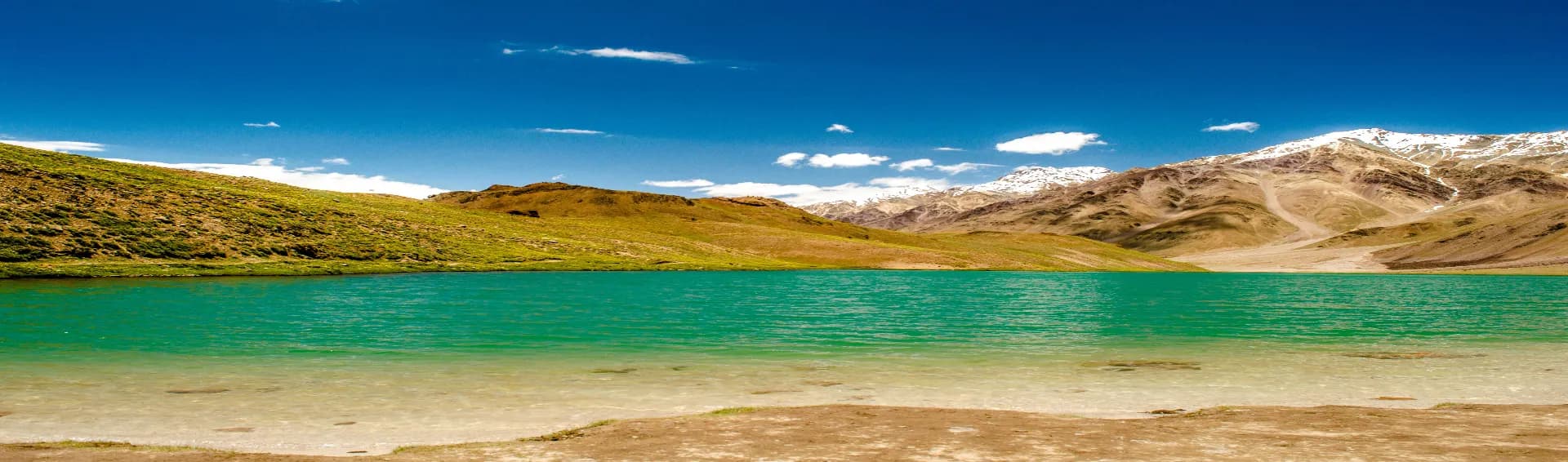
Many iconic spots remain inaccessible in winter, but summer unlocks the full map of Spiti. You can visit Key Monastery, explore remote villages, and camp near Chandratal Lake without restrictions. If you are searching for places to visit in Spiti Valley, summer ensures nothing is off-limits. This is where Spiti in summer truly stands out; you experience the region completely, not partially.
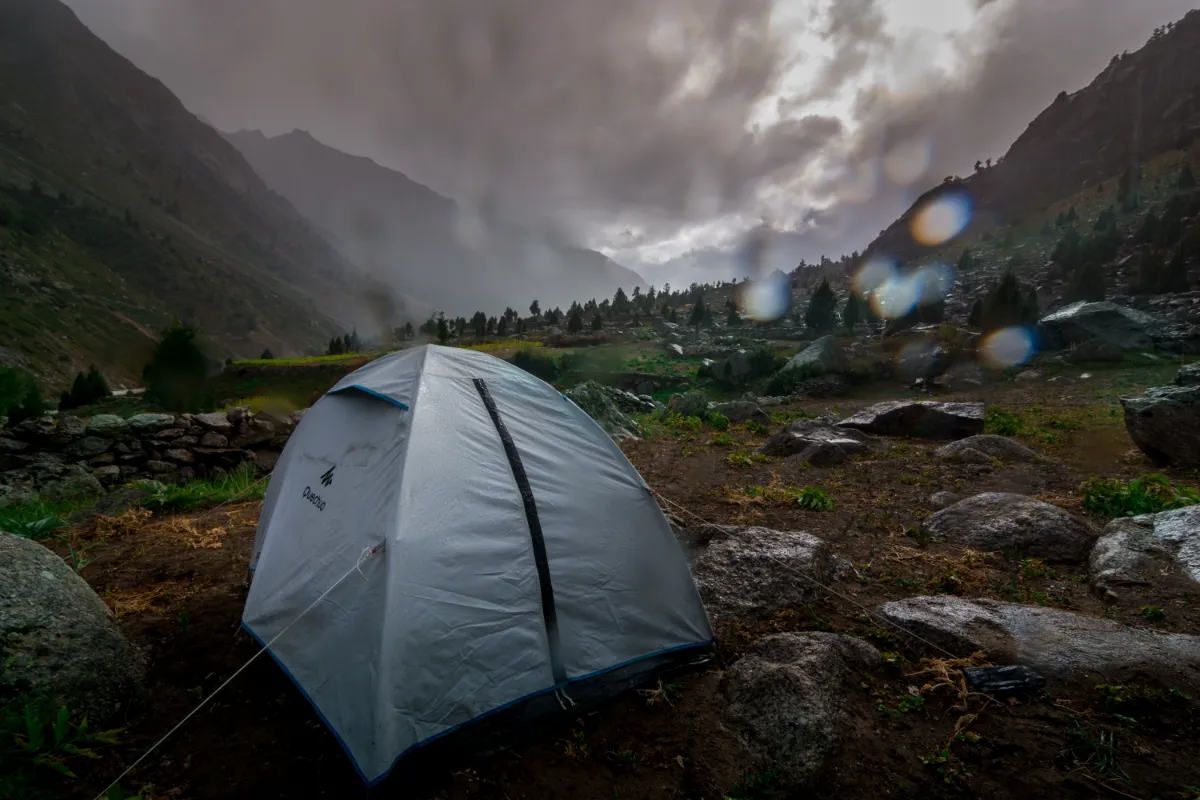
Camping in Spiti is one of the highlights of the trip, but only when conditions support it.
During summer, campsites near rivers and lakes become accessible. Camping in Spiti Valley in the summer is safe, comfortable, and incredibly scenic. Nights are cool, skies are clear too, and the surroundings feel untouched.
The real Spiti isn’t in photos, it’s in these unforgettable Things to do in Spiti Valley.
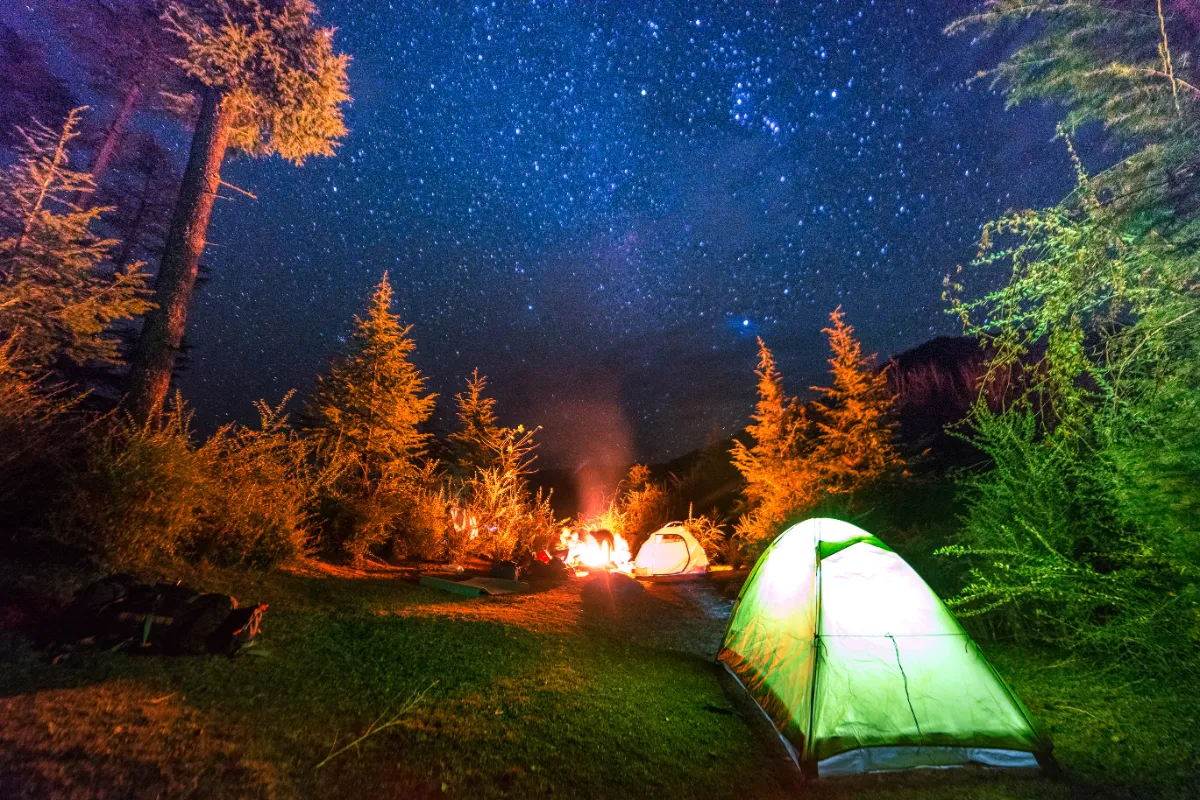
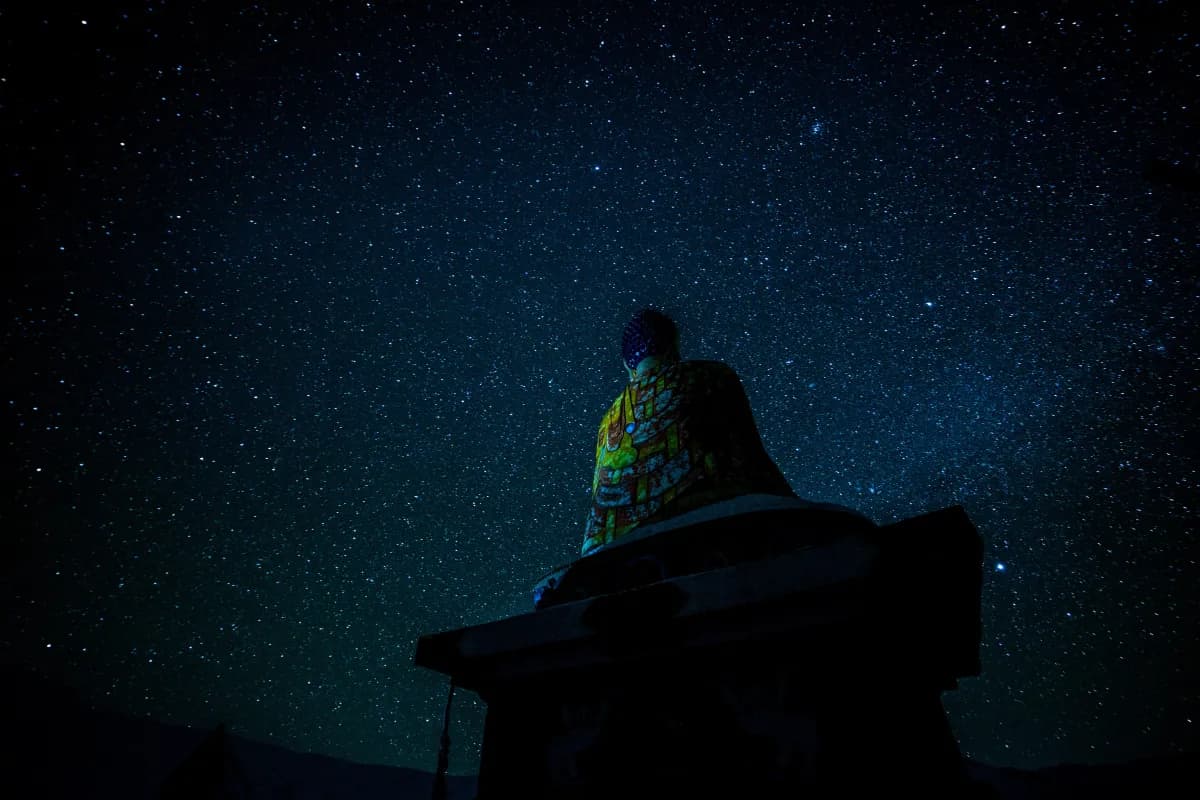
Spiti is known for its night skies, and summer enhances this experience. Clear weather and low humidity make stargazing in Spiti Valley truly magical. People ask - Can I see Milky Way from Spiti Valley? Yes, you can spot the Milky Way, constellations, and even shooting stars without much effort. Unlike winter, where stepping out at night can be uncomfortable, summer allows you to actually enjoy the sky.
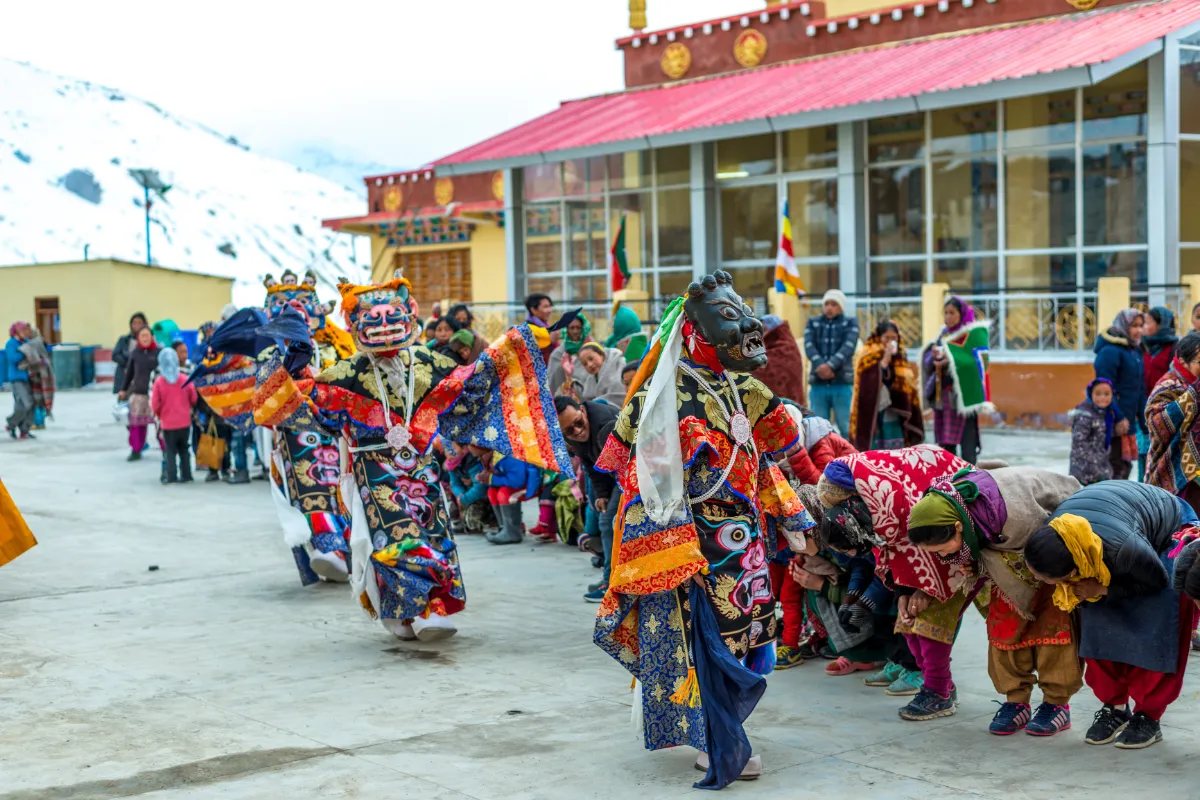
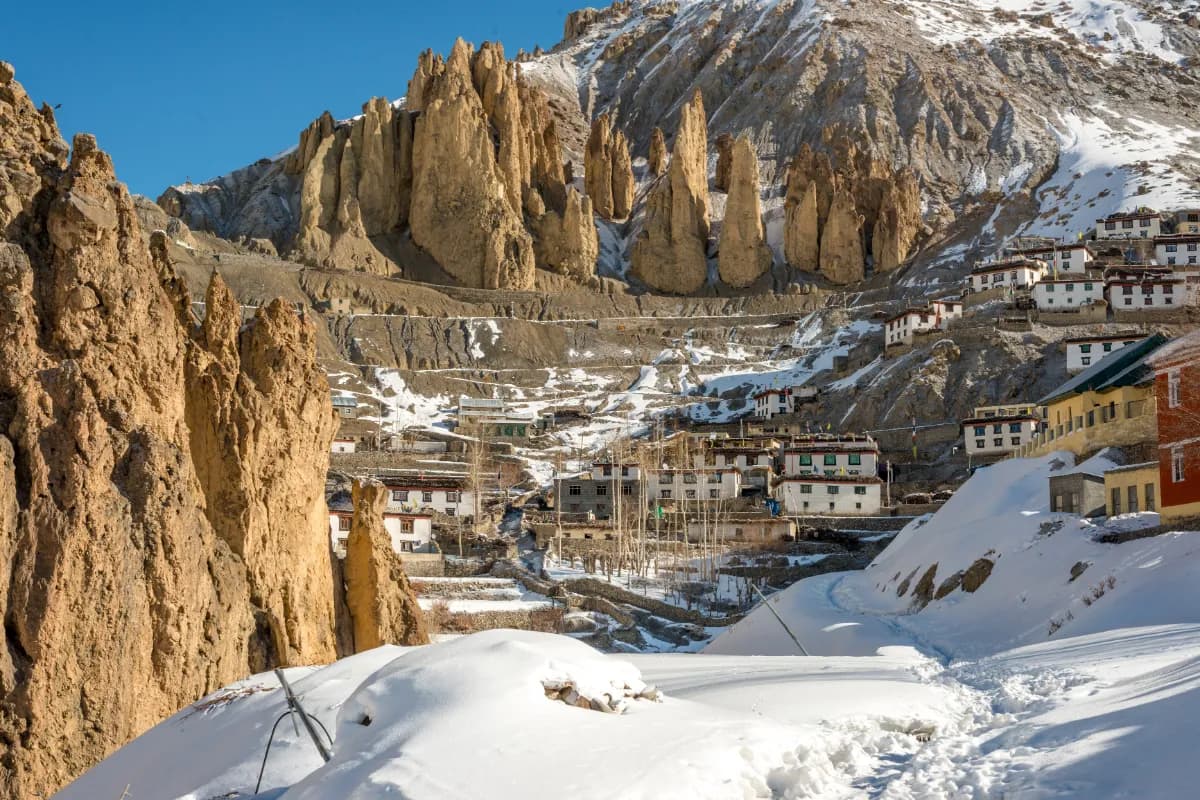
Summer is when local festivals take place, monasteries host events, and villages feel more alive. The culture of Spiti Valley becomes easier to experience because communities are active and accessible. You interact with locals, attend monastery ceremonies, and understand the lifestyle better. This adds depth to your trip beyond just sightseeing.
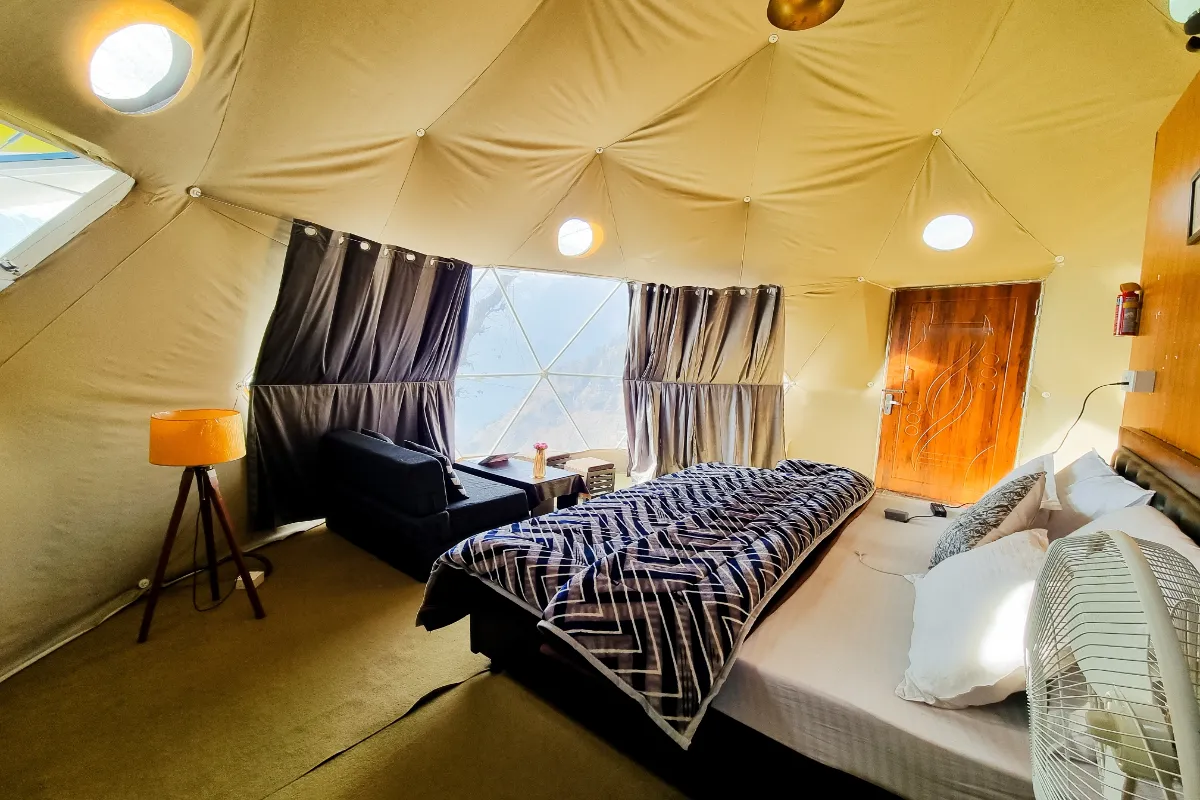
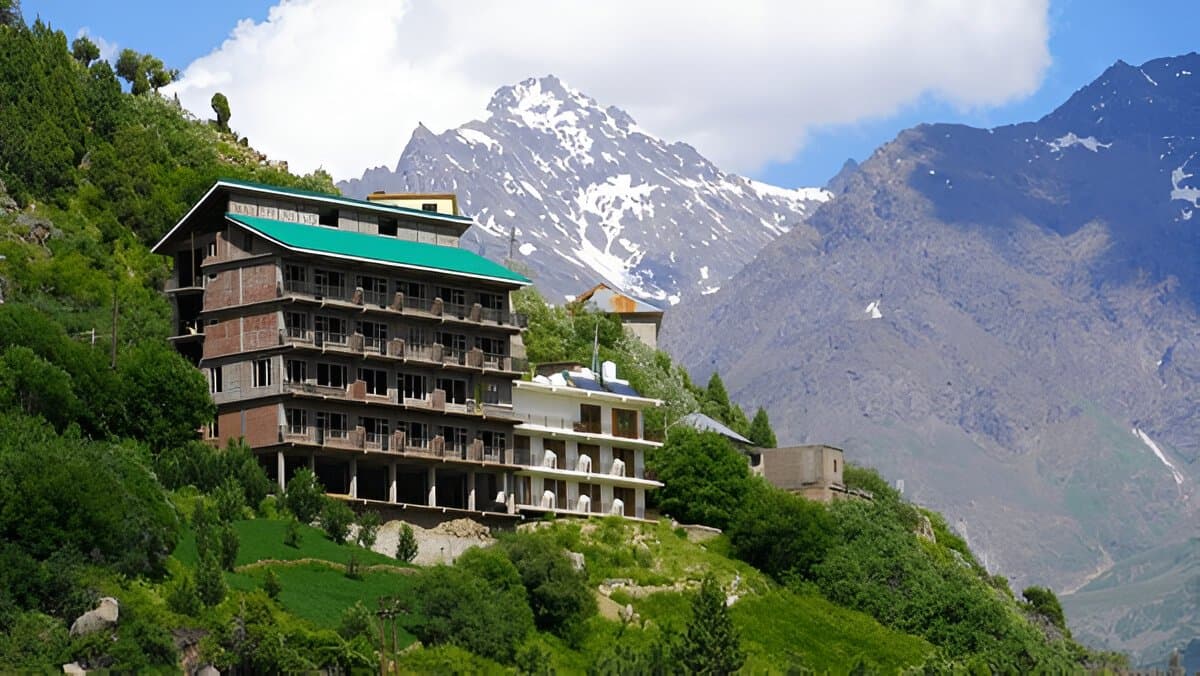
Infrastructure in Spiti is limited, and seasons directly impact availability. During summer, most hotels in Spiti Valley, homestays, and cafes operate fully. You get more choices, better service, and improved comfort. Basic facilities like food, fuel, and medical help are also more accessible. Spiti Valley in summer reduces uncertainty, which is important for long trips in remote areas/
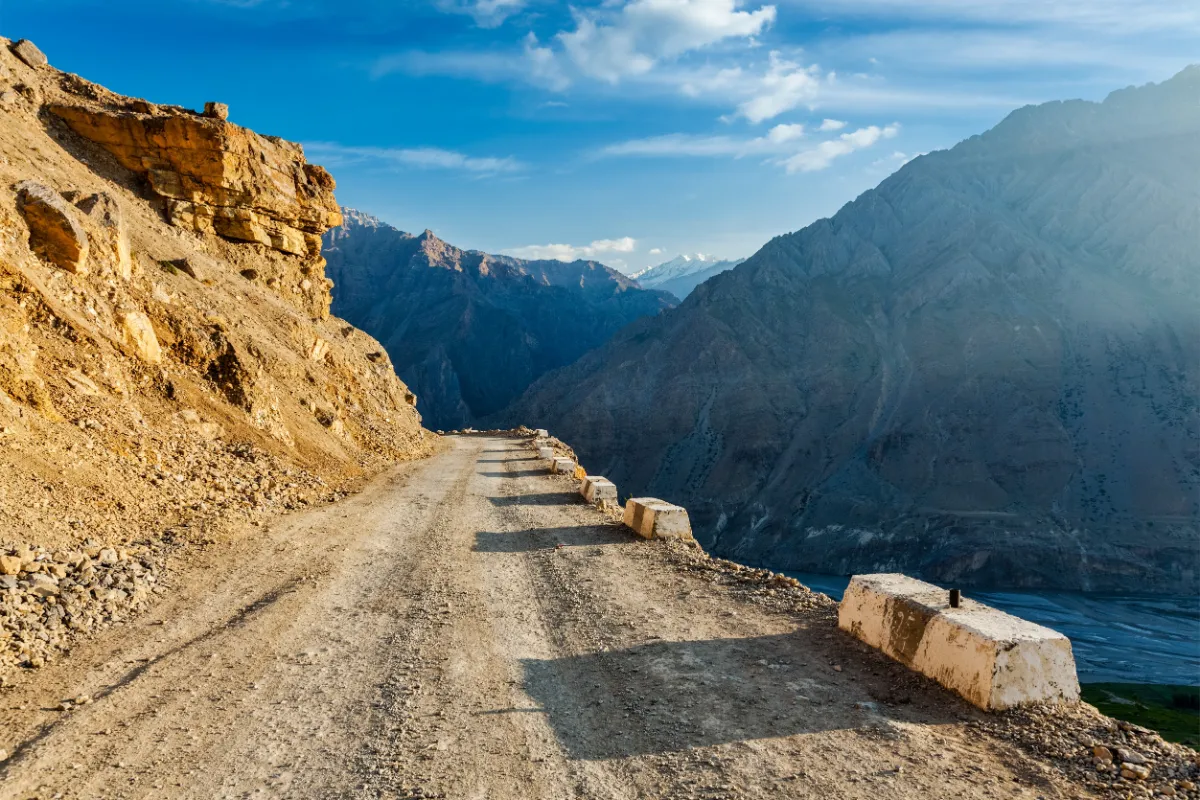
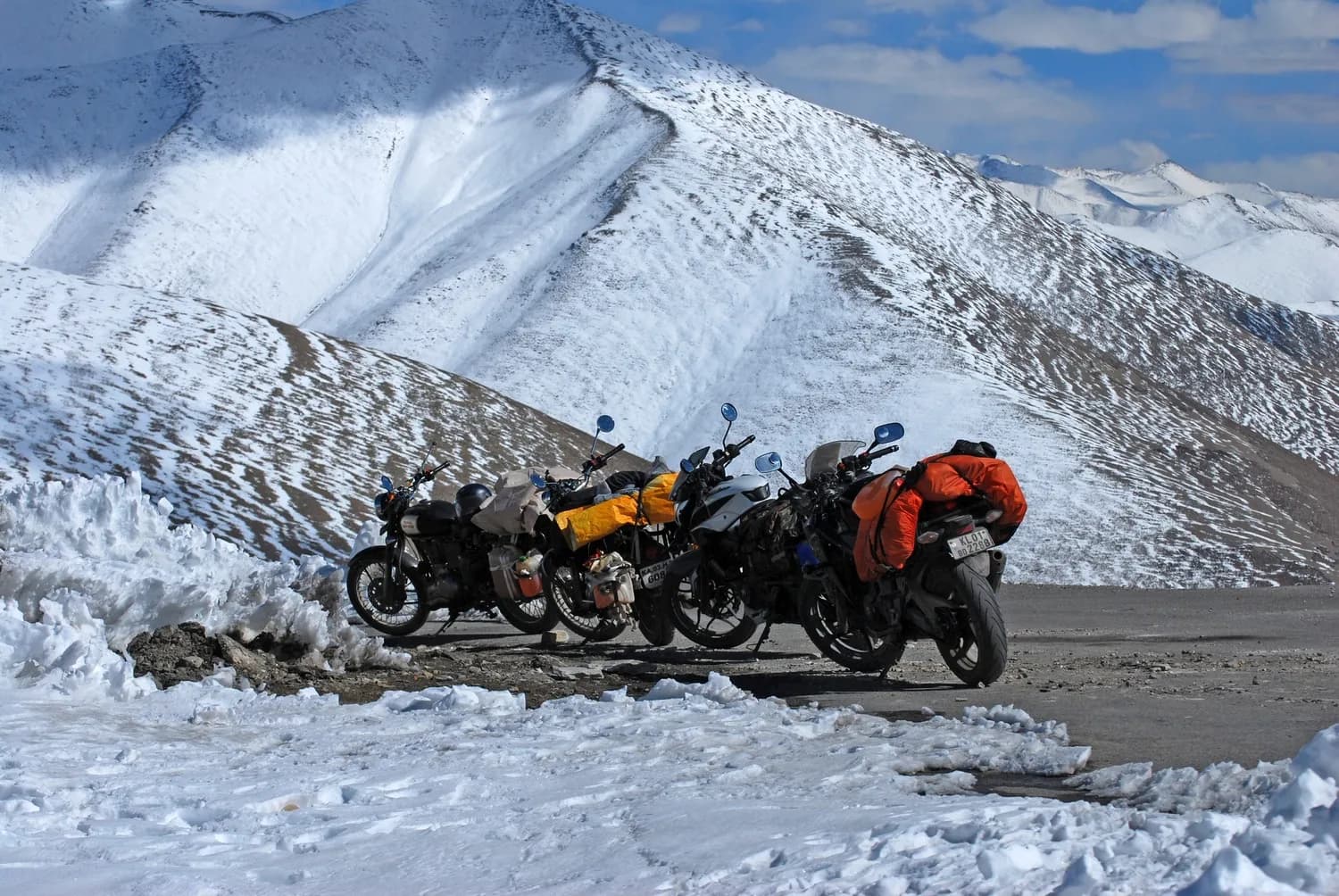
Safety often gets ignored in travel planning, but it should not. Winter brings risks like road closures, extreme cold, and limited help. Summer offers relatively stable conditions. If you follow basic Spiti travel tips, your journey becomes smoother and safer. You deal with fewer unexpected challenges, which means less stress and more enjoyment. That is exactly what most travelers want from a high-altitude trip.
Yes, for most travelers, summer is clearly the best time to visit Spiti Valley. If you want a trip that feels adventurous yet manageable, then Spiti in summer is the right call. Summer gives you open roads, comfortable weather, and access to everything that makes this destination special. Plan smart, travel prepared, and you will come back with stories worth sharing.
Planning blindly? That’s risky, check the spiti valley packages first.
Summer is better for most travelers as roads remain open, the weather is manageable, and all attractions are accessible. Winter suits only extreme adventure seekers comfortable with isolation and harsh conditions.
May to August are the best months to visit Spiti. During this time, roads are open, the weather is stable, and you can comfortably explore villages, monasteries, and high-altitude lakes.
Summer offers open routes, clear skies, and comfortable temperatures. It allows full access to Spiti’s attractions while reducing travel risks, making the journey smoother, safer, and more enjoyable.
Avoid peak winter months from late November to March if you prefer comfort. Roads often close, temperatures drop drastically, and basic facilities become limited, making travel challenging for most visitors.
Yes, Spiti is safer in summer for first-time travelers. Roads are open, facilities are available, and the weather is stable, making it easier to manage high-altitude travel conditions.
May 25, 2026
May 25, 2026
May 25, 2026

May 25, 2026
May 23, 2026