Author page hero image

About Author

Sudip Sahoo

Sudip Sahoo

Author

Sudip’s Work

Shimla vs Manali Route to Spiti: The Honest Comparison for 2026
April 15, 20266 Minutes
Shimla vs Manali Route to Spiti: The Honest Comparison for 2026
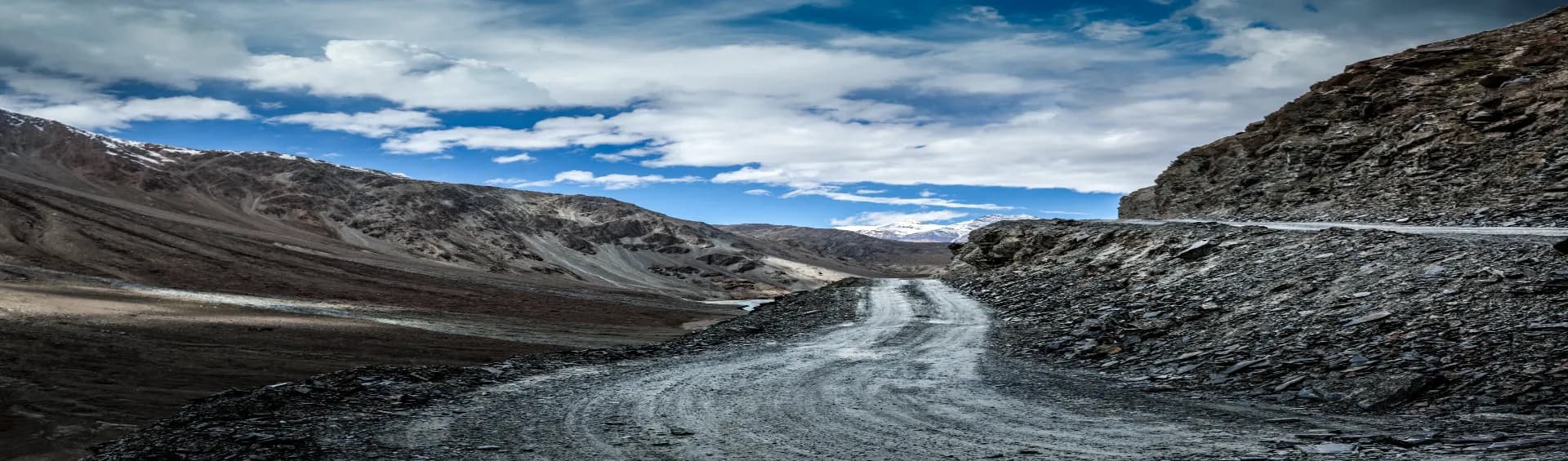
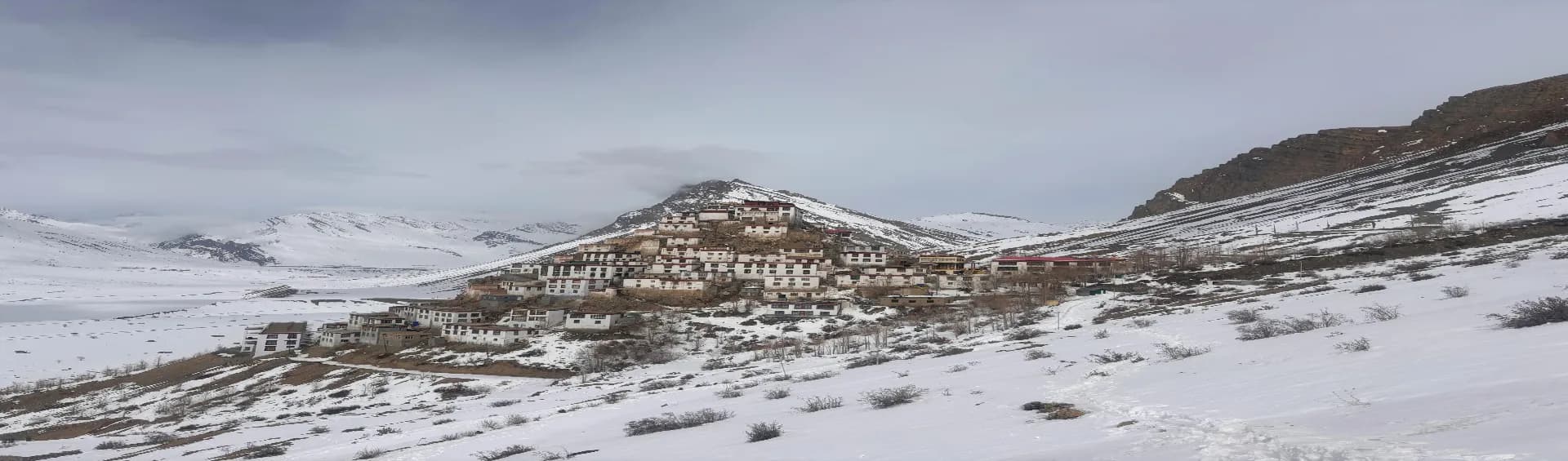
Visiting Spiti Valley is a test of planning, patience, and decision-making. Dry landscapes, high-altitude villages, and ancient monasteries, everything here feels raw and real. But before you even think about Kaza or Chandratal, one question quietly decides your entire trip: which route to choose between the Shimla vs Manali route for Spiti?We have seen people cut their trip short just because they picked the wrong route. You are probably here with the same confusion: which route is safer, faster, or better for your kind of trip? The correct route for the Spiti Valley packages depends on your choice, difficulty, and when you plan to take the trip.This blog will compare both routes to visit Spiti and find out which route is the best between the Manali and Shimla routes. Which Route is Better for Spiti?If you want a straight answer, the Shimla route is better for most travellers. It gives your body time to adjust to the altitude, roads are more predictable, and the journey feels manageable.Manali route is shorter and more thrilling, but it comes with risks. Sudden altitude gain, rough roads, and unpredictable water crossings can turn your trip stressful if you are not prepared.In the Shimla vs Manali route for the Spiti debate, the decision depends on your priority. Comfort and safety, go via Shimla. Speed and adventure, choose Manali, but only if you know what you are doing.Understanding Both RoutesShimla RouteRoute: Delhi → Shimla → Reckong Peo → Nako → Tabo → KazaOpens: Year-roundTravel Time: Around 3 daysRoad Conditions & Safety: Most of the road till Kalpa is smooth. After Nako, you will see rough patches, but nothing too extreme. This route gives you more control and fewer surprises.If you are comparing the Shimla vs Manali route for Spiti from a safety lens, then the Shimla route is clearly better than Manali.Manali RouteRoute 1: Delhi → Manali → Atal Tunnel → Kunzum Pass → KazaRoute 2: Delhi → Manali → Jibhi → Chitkul → Kalpa → KazaOpens: Late-May to mid-October, November to March (closed)Travel Time: 10 to 12 hours from Manali to Kaza without long breaks in route 1, but it takes 3 days if you follow route 2.Road Conditions & Safety: After Koksar, roads get unpredictable. Loose pebble and water crossings are common. During peak summer afternoons, water crossings become stronger due to melting snow.Best Time for Spiti via Shimla vs Manali RouteChoosing the right time is as important as choosing the route. Weather directly affects roads, accessibility, and your overall experience.The Shimla route remains open throughout the year, but it can be closed during heavy snowfall. This makes it reliable for most travellers. Manali route opens late, often mid-May, and it has more adventurous trails.That is why many smart travellers combine both routes. Enter via Shimla, exit via Manali. It gives you safety and adventure in one trip while balancing the Shimla vs Manali route for the Spiti dilemma.Spiti Itinerary via both routes: Shimla vs ManaliSpiti Itinerary Via ShimlaDay 1: Delhi to Shimla - Reach Shimla, relax, and prepare for the journey ahead.Day 2: Shimla to Kalpa - Drive through Kinnaur, enjoy Sutlej river views.Day 3: Kalpa to Nako - Visit Nako Lake, experience the first taste of a high-altitude desert.Day 4: Nako to Kaza - Stop at Tabo Monastery and Dhankar village.Day 5: Explore Kaza - Visit Key Monastery, Hikkim, Langza, and Kibber.Day 6: Kaza to Chandratal - Camp near the lake, one of the most peaceful spots in Spiti.Day 7: Chandratal to Manali - Cross Kunzum Pass and reach Manali.This plan works well for people who prioritise comfort in the Shimla vs Manali route for Spiti decision.Spiti Itinerary Via ManaliDay 1: Delhi to Manali - Reach and rest properly.Day 2: Manali to Kaza - Start early, cross Atal Tunnel and Kunzum Pass.Day 3: Explore Kaza - Visit monasteries and nearby villages.Day 4: Kaza to Chandratal - Short but scenic journey.Day 5: Chandratal to Manali - Return via the same route.Day 6: Manali to Delhi - Overnight journey.Shimla vs Manali Route for Spiti - Which route is best?If your goal is a smooth, well-paced, and safer journey, the Shimla route is the better choice. It prepares your body, reduces stress, and gives you time to enjoy the landscape instead of worrying about survival.The Manali route is for those who want thrills and have limited time. It looks shorter on paper, but delays, road conditions, and health issues can easily stretch your plan.A practical approach that works for most travellers is simple. Start from Shimla, return via Manali. You get the best of both worlds without unnecessary risk.So, your route will look like this - Delhi → Shimla → Kalpa → Kaza → Chandratal Lake → Kunzum Pass → Manali → Delhi. This will take 7 days in total.In the ongoing Shimla vs Manali route for Spiti debate, there is no one-size-fits-all answer. Your experience level, time, and travel style decide everything. Choose wisely, because in Spiti, the route is not just a path; it defines your entire journey.

Read More

You're Going to Meghalaya and Missing These 15 Things?
April 15, 202617 Minutes
You're Going to Meghalaya and Missing These 15 Things?
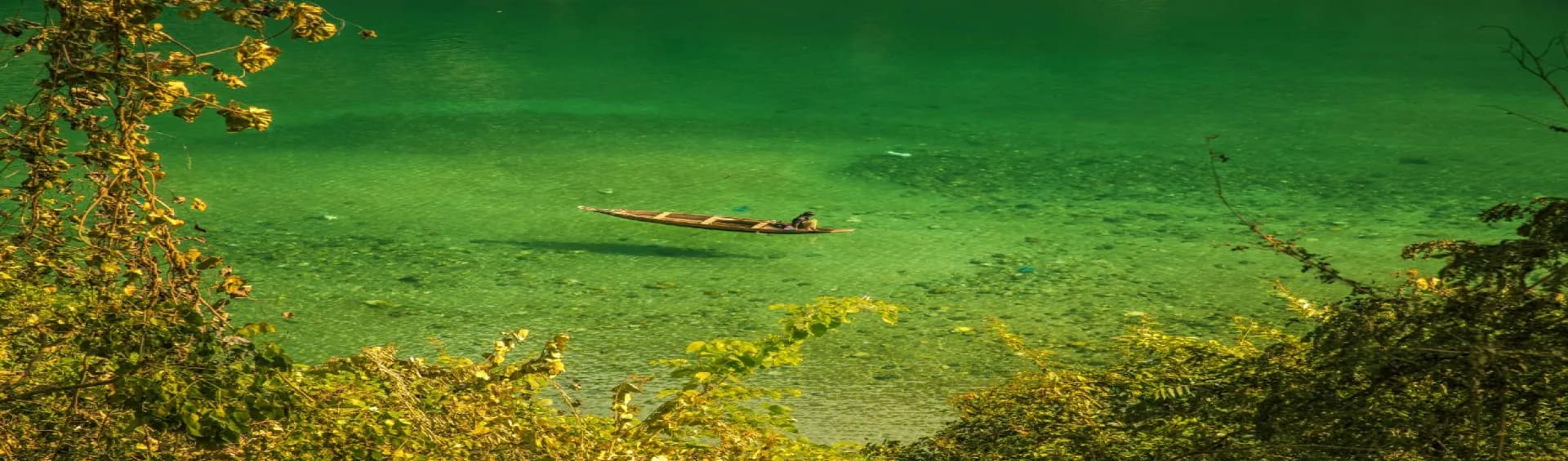
Meghalaya is one of the seven sisters of Northeast India, and a part of the Eastern Himalayas that is always covered with clouds. Well, there are countless things to do in Meghalaya, like exploring hidden waterfalls, isolated villages, lush green valleys, boating, and many more. Unlike other Himalayan regions, Meghalaya is completely covered with dense forests, and the peaks are covered with fog, which is the reason why Meghalaya is called the “Scotland of the East.”Since most of these things are relatively lesser known, these will make your Meghalaya trip surprisingly memorable. You landed here because you want real, practical things to do in Meghalaya, not just generic suggestions. You want experiences that are worth your time, your money, and your effort. This blog is built exactly for that. While there are tons of activities in Meghalaya, here are some honest insights into Meghalaya things to do that are unmissable, and actually make your Meghalaya tour packages memorable.15 Unmissable Things to Do in Meghalaya1. Visit Seven Sisters FallsWhen talking about Meghalaya, we cannot forget “Seven Sisters Falls.” It is one of those views that makes you stop talking for a minute. Seven streams flow down a massive ridge, especially during the monsoon when the water is at full power. The sheer scale and sound of the falls create a strong impact. Because it truly shows the region’s natural beauty, it's a great and popular photo stop.Best time: June to SeptemberLocation: Nohkalikai, Cherrapunji2. Witness Nohkalikai Falls, India’s Tallest Plunge WaterfallNohkalikai Falls is a story + View combo. It drops into a water pool, creating one of the most striking visuals in India. There is also a local story behind the name, which adds emotional depth to the visit. The story tells of a grieving mother, Likai, who unknowingly ate a meal prepared by her jealous husband containing the remains of her murdered daughter. Consumed by immense grief and horror, she threw herself off the cliff. If you want powerful scenery without crowds pushing you around, this is one of the best things to do in Meghalaya. Its height, which is 340 meters (1,115 feet), and the clean plunge make it stand out from other waterfalls.Best time: October to JanuaryLocation: Located near Sohra (Cherrapunji) in the East Khasi Hills district of Meghalaya.3. Hiking and Trekking in and around ShillongShillong is the very base for multiple small treks and nature walks. You can explore forest trails, hidden viewpoints, and waterfalls without going too far. It is great for beginners as well as casual explorers. This makes it one of the easiest things for people who want adventure without extreme effort.Best time: October to AprilFamous spots: Shillong Peak, Elephant Falls, forest trails4. Trek the Mawryngkhang Bamboo Trail (Scariest Trek)If you are a daring person and want to do something adventurous, then go for the Mawryngkhang Bamboo Trail trek. This is also considered one of the scariest treks in northeast India, and the boldest things to do in Meghalaya. This trek is not for the faint-hearted. The path is made of bamboo bridges fixed along cliffs, and you literally walk above deep valleys. Every step feels thrilling. It is short but intense, and the views are wild.Best time: October to AprilLocation: Wahkhen village, East Khasi Hills district of Meghalaya5. Visit Mawlynnong – Asia’s Cleanest VillageMawlynnong, you must’ve definitely heard of the cleanest village of Asia, it's this place. It is famous for its cleanliness, but what stands out is how disciplined and peaceful the place feels. You will find Bamboo dustbins, tidy paths, and smiling locals make the experience refreshing. It is simple, yet impactful. Spending a few hours here changes how you see rural tourism.Best time: October to AprilLocation: 80 km from Shillong, near the India-Bangladesh border.6. Boating in the Crystal Clear Dawki RiverEveryone knows this place; it won’t be wrong to say that Meghalaya is visited just to witness the crystal clear Dawki River. Its water is so clear that boats appear to float in the air. You can see the riverbed clearly, which makes boating here a surreal experience. Considering Meghalaya's things to do, it’s an injustice if you visit Meghalaya and forget this place. Photos do not fully capture it; you need to see it yourself. Best time: November to FebruaryHighlight: Crystal clear water, boating surrounded by lush green forest.7. Shopping in MeghalayaShopping in Meghalaya is great in many ways. First, you get handcrafted things here, including shawls, decoratives, etc. And Second, as everything is locally produced, you get it at a very affordable price. Shopping for souvenirs in Meghalaya is as interesting as exploring the region. It is about local markets, handmade items, and unique finds. Bamboo crafts, traditional clothes, and organic products are some of the amazing things to buy in Meghalaya. Shopping in Meghalaya doesn't stop here, its local markets have some of the best organic honey and spices.Best things to buy: Handwoven Shawls and sweaters, bamboo handicrafts, beaded necklaces & home Decor.Famous markets: Police Bazaar (Shillong), Iewduh (Bara Bazar), Cherrapunjee Local Market8. Try Local FoodsMeghalaya cuisine is the soul of the State. It is simple and flavorful. Rice, meat, and fresh ingredients dominate the plate. Trying different dishes of Meghalaya can be so much exciting. Dishes like Jadoh and Dohneiiong are worth trying. The taste is different from typical North Indian food, so be ready for something new. Exploring food is one of those underrated Meghalaya things to do that adds depth to your trip.Best places: Flare restaurant, City hut family dhaba, Cafe sola, Jiva grill.Famous dishes: Local Khasi dishes, Jadoh, Dohneiiong, and Tungrymbai9. Camping under the starsCamping in Meghalaya and soaking in its lush beauty is a whole different experience. Because there is less noise and fewer crowds, camping feels peaceful here. The sky looks clearer, and the surroundings feel untouched. You have options to camp near rivers, forests, or hills, depending on your route. Yes, a permit is required for certain areas, and you can also go camping without a guide.Best time: October to MarchFamous spots: Dawki riverside, near Krang Suri waterfall, or inside Mawphlang Sacred Forest.10. Birdwatching at Nongkhnum IslandBirdwatching is a unique experience you get in Meghalaya. If you enjoy slow travel, this is one of the most calming things to do in Meghalaya. What makes birdwatching in Nong Khnum Island unique is that it is not crowded because there is no permanent residential population there, which makes it really isolated. So, you will spot various species while enjoying quiet surroundings. It is more about patience and observation than action. Best time: October to AprilFamous birds: Green Bee-eater, Brahminy Kite, Red-vented Bulbul, White-throated Kingfisher.11. Visit Nongjrong Village (Hidden Sunrise Spot)Do you remember seeing photos of Meghalaya where travelers are standing on a hill above clouds? This is that place. It's offbeat and trending recently for sunrise views above clouds. Nongjrong village is known for its sunrise views where clouds settle in the valley, and sunlight slowly spreads across the hills. It feels peaceful and less commercial. Reaching early morning is worth the effort. This spot gives you that quiet moment every traveler looks for.Best time: October to April ( Avoid monsoon)Famous spot: Sunrise viewpoint12. Attending Local FestivalsTaking part in the local festivals of Meghalaya can be really fun and culture-driven. Festivals in Meghalaya reflect the culture, music, and traditions of northeastern history.The tribes of Meghalaya, mostly consisting of the Khasi, Jaintia, and Garo tribes, have their own culture and festivals that reflect their unique traditions. Attending these local festivals is definitely one of the best things to do in Meghalaya to understand the place better. It gives you a closer look at local life. Best time: October to DecemberFamous festivals: Wangala Festival (100 Drums), Me.Gong Festival (Cultural and Musical), and Nongkrem Festival (Harvest).13. Visit Laitlum CanyonLaitlum is considered one of the beautiful places of Meghalaya, and the Laitlum Canyon is Meghalaya's most spectacular viewpoint. Around 25 km from Shillong, Laitlum is surprisingly untouched yet feels untouched. This viewpoint offers wide-open views that feel almost endless. From the parking area, it's very minimal walking to the viewpoint, and standing here gives you a sense of scale that photos cannot explain. The wind, the silence, and the view together create a strong experience.Best time: October to MarchHighlights: Canyon views, sunset point, trekking paths14. Trek to the Double Decker Living Root BridgeThe most popular attraction of Meghalaya, this trek is one of the most obvious Meghalaya things to do. Located in the Nongriat village of Meghalaya, these bridges are made from living tree roots, an artistry of Mother Nature, shaped over the years by locals. The trek is around 5 km round trip, and passes through the forest, and lets you witness the indigenous tribes of Meghalaya, so cultural exploration is also a small part of this trek. It involves many steps and can be tiring, but the reward is worth it. It combines nature, culture, and adventure in one experience.Best time: October to April (Avoid Heavy Rain)Highlights: Lush rainforest, forest trek, cultural immersion15. Witness the Whistles of KanthongKongthong village is famous for something you will not find anywhere else. People here communicate using unique tunes instead of regular names. There’s a long-standing tradition behind this; Mothers create a unique tune for their child at birth, and that melody becomes their identity within the village. And as Kongthong is surrounded by deep valleys and hills, normal names don’t travel far. Whistles and tunes echo across long distances, making it easier to call someone working in farms or forests. Each person has a personal whistle, almost like a musical identity. Hearing villagers call each other through melodies is among the rare things to do in Meghalaya. Best time: Year–roundLocation: 53 - 60 km from Shillong, East Khasi Hills district of Meghalaya.Discover breathtaking waterfalls, living root bridges, caves, and lush green hills with exciting things to do in Meghalaya while exploring the most beautiful Places to Visit in Meghalaya for an unforgettable travel experience.

Read More

Is Vietnam Worth Visiting in 2026? Honest Travel Insights
April 15, 202615 Minutes
Is Vietnam Worth Visiting in 2026? Honest Travel Insights
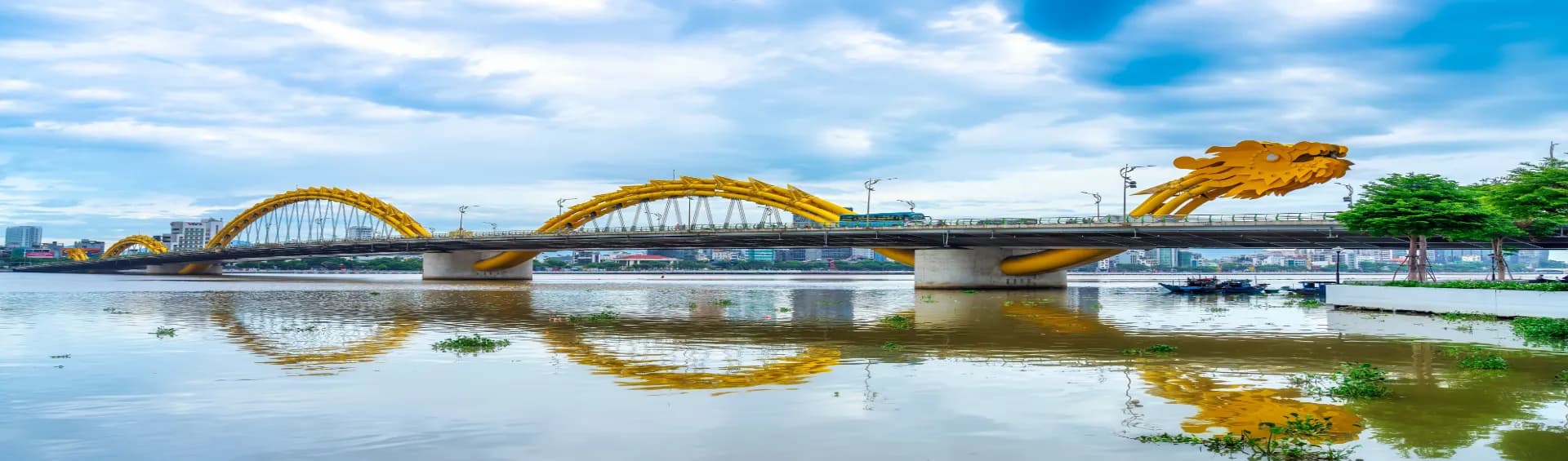
Doom scroll through any travel reel today, and you will see Vietnam again and again. Budget backpackers, honeymoon couples, everyone seems to be visiting Vietnam in 2026. The reason is simple. There are plenty of reasons behind that, budget destination, friendly locals, good food, and many more. And the most favorable thing, everything comes under budget.Flights are getting cheaper, visa rules are smoother, and social media is doing free marketing to book Vietnam tour packages every single day. But is Vietnam worth visiting in 2026 beyond the hype? That is exactly what this breaking down is needed. Just honest insights so you can decide if this destination truly matches your expectations.Why Vietnam is So Popular Right Now?Travel from India has changed a lot. People want international trips to be affordable and easy to plan. And for Indian travelers, Vietnam lies perfectly into that gap. Flight routes have improved, especially from metro cities, and visa processes are now more straightforward with e-visa options.Another big reason that Vietnam is becoming very popular is its content. Instagram, YouTube, and travel reels have turned places like Ha Long Bay and Da Nang into dream destinations. You are constantly seeing cafes, lantern streets, cruises, and scenic motorbike rides. That creates a strong pull.Costs also play a major role. Compared to Europe or even some parts of Thailand, Vietnam is still budget-friendly. You get good hotels, local food, and experiences at prices that do not feel painful. So when someone asks, “Is Vietnam worth visiting in 2026?”, yes, the popularity, affordability, accessibility, and constant online exposure clearly answer it.Pros to Visit Vietnam in 20261. Indian Travel Ecosystem is Stronger in Vietnam NowIn the last 5 years, Vietnam has shown a 297% increase in Indian tourists compared to pre-pandemic levels. That is why Vietnam understood the demand and developed more Indian restaurants, tour operators, and local guides. This is a big relief for travelers who worry about food or communication. In 2026, you will not feel lost even if it is your first international trip. That comfort level was missing earlier.2. Budget Advantage is Still Alive, But Might Not Last LongVietnam gives you more for less. Hotels, transport, and food are cheaper than in many international destinations. A mid-range traveler can enjoy premium experiences without stretching the budget too much. This makes it very attractive for Indian travelers planning their first international trip. But prices are slowly rising as tourism grows. Hotels, experiences, and flights are cheaper now compared to what they might be in the next few years. 2026 gives you that window where you can enjoy premium experiences at mid-range prices. 6. Growing Indian Travel Ecosystem is a Big AdvantageTravel companies from India are now actively creating Vietnam packages, which means better pricing, verified stays, and guided support. You also get access to Indian meals, Hindi-speaking guides in some places, and curated itineraries designed for Indian preferences. That is why the question (Is Vietnam worth visiting in 2026?) keeps trending, because for many travelers, it checks almost every box at the right time.3. Food Feels Comfortably DifferentVietnamese cuisine is light, fresh, and full of flavor. Rice, noodles, vegetables, and meat also. For Indians, this is familiar enough to enjoy without a cultural shock. Vegetarian options are available, though you need to ask clearly. Street food is also a big highlight. You can eat well without spending much.4. Wide Range of Experiences in One TripYou are not stuck with one type of experience. Because Vietnam tourism saw a major tourist flow in the last few years, Vietnam has developed its beaches, mountains, rivers, and cities in a way that no one feels alone or lost. They have improved their infrastructure really well for tourists, whether we talk about beach cafes, the metro, their nightlife experiences, etc. So, is Vietnam worth visiting in 2026? Yes, you can experience multiple sides of Vietnam without wasting time in transit. This increases the value of your trip.5. Cultural Experience Feels AuthenticDespite the increase in tourism in the last few years, Vietnam has not lost its local charm. Markets, temples, old towns, and daily life still feel real and not overly commercialized in many areas. You get a glimpse of how people actually live, not just tourist shows. So, sooner the better, visit Vietnam before these experiences are demolished, or are ruined.6. Safer than Ever for Most TravelersVietnam is considered safe for tourists. Petty theft can happen, but violent crime is very rare. Solo travelers, including women, feel comfortable if they follow basic precautions. Tourism growth has pushed authorities to improve safety and traveler awareness. There are no such criminal incidents recorded in the last few years related to travelers or tourists, which proves that visiting Vietnam in 2026 is safe and best.7. Perfect for Short International TripsIf you have limited leaves, Vietnam works well. A 5 to 7-day Vietnam trip can still feel fulfilling. That makes it ideal for working professionals. All these points explain why people keep asking, is Vietnam worth visiting in 2026, and the answer often leans towards yes for budget-conscious travelers.Cons You Should Know Before Visiting (10 Points)Language barrier can create confusion in smaller townsStreet scams and overcharging exist in tourist-heavy areasTraffic in cities like Hanoi feels chaotic and stressfulVegetarian food is available, but not always easy to find clearly labeledWeather changes quickly, and planning can get trickySome attractions feel overcrowded due to rising tourismHygiene standards vary, especially in street food spotsBargaining is common, and fixed pricing is rare in local marketsInternet scams and fake bookings are increasingNot all hotels match the pictures shown onlineFinal Verdict: Is Vietnam Worth Visiting in 2026So, is Vietnam worth visiting in 2026? Yes, but only if you go with the right expectations. If you want a budget-friendly international trip with great food, scenic beauty, and cultural depth, Vietnam is a strong choice. It works especially well for first-time international travelers from India.If you expect luxury-level hygiene everywhere, zero chaos, and perfect planning without effort, you might feel disappointed.The smart way to travel to Vietnam is to plan carefully, verify bookings, and stay aware of common tourist traps. Do that, and Vietnam can easily become one of your most memorable trips.Must Read: Places to Visit in VietnamAlso Checkout: Things to do in Vietnam

Read More

Vietnam Travel Tips: 10 Mistakes Tourists Should Avoid
April 15, 20264 Minutes
Vietnam Travel Tips: 10 Mistakes Tourists Should Avoid
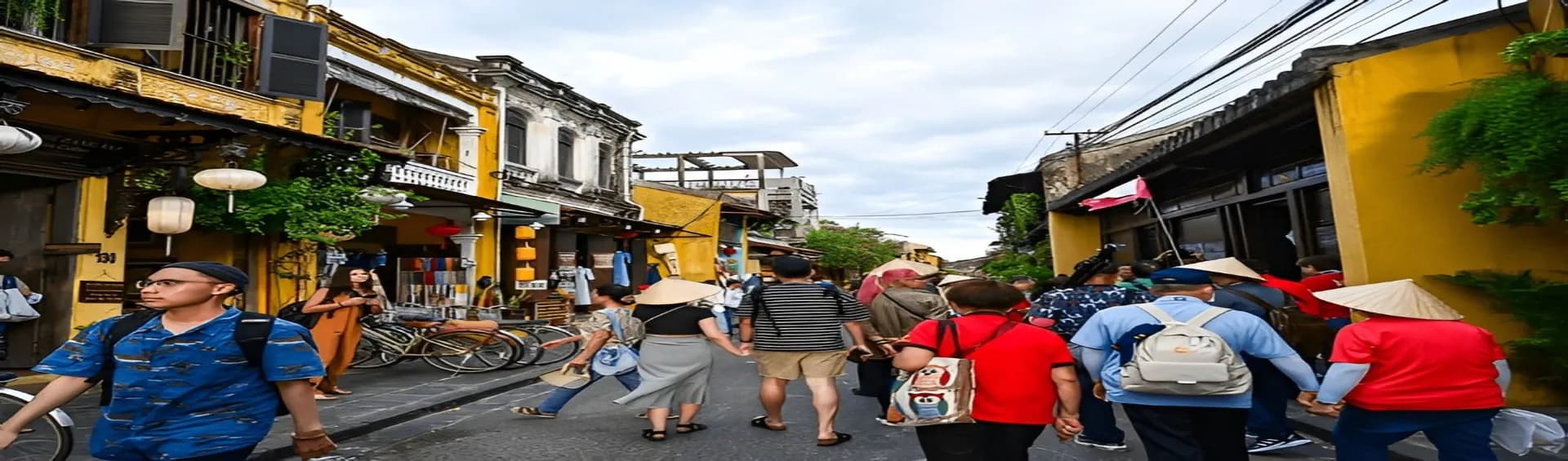
Vietnam is one of those places that hits you with everything at once: chaotic streets, unbelievable food, peaceful temples, and wonderful landscapes. Sounds perfect, right? It is… until small mistakes quietly ruin your experience.Most first-time travellers do not mess up because they are careless. They mess up because no one tells them the real, on-ground problems. If you are searching for practical Vietnam trip with Vietnam travel tips, not generic advice, you are in the right place. Check out our Vietnam tour packages designed while keeping all these common travel mistakes in mind. Now, let's understand 10 common mistakes tourists make in Vietnam, and how its fixing can save your time, money, and mood.10 Common Mistakes Travelers Make in Vietnam1. Getting Scammed by Rental TrapsMistake: Renting bikes or cars without checking properly and ending up paying extra.What happens: Tourists rent scooters quickly in places like Hanoi, Ho Chi Minh City, and at the airport, and regret it later. Many rental shops in Vietnam hand over poorly maintained bikes, then blame you for damage you did not cause. This complaint is heavily seen in Vietnam, and people lose deposits over tiny scratches. Solution: Always record a video before taking the vehicle. Choose verified rental shops, even if they cost a little more. Check brakes, lights, and tyres properly. These small checks protect you from the common mistakes tourists make in Vietnam and keep your trip stress-free.2. Chasing Fancy Cafes and Missing Real FoodMistake: Eating at overpriced tourist-focused restaurants.What happens: Places with big menus, English boards, and high staff often serve average food at double the price. You miss the real taste of Vietnam. Solution: Look for places filled with locals, plastic stools, and simple menus. That is where the magic happens. Even if communication feels tricky, just point and try.3. Paying the First Price Without QuestionMistake: Not negotiating while shopping or booking.What happens: In Vietnam’s local markets, the first price is rarely the final one. Vendors expect you to bargain. If you accept instantly, you often overpay. Solution: Smile, and negotiate politely. Do not treat it like a fight; treat it like a conversation. If the price still feels high, just walk away. This is one of the key mistakes to avoid in Vietnam, especially if you plan to shop frequently.4. Blindly Following Influencer RecommendationsMistake: Trusting viral travel reels without verification.What happens: Social media shows perfect angles, not the reality. A place might look peaceful online but be overcrowded in real life. Influencers rarely show waiting times, hidden costs, or seasonal issues. Solution: Cross-check reviews on multiple platforms. Ask recent travellers, or connect with locals if possible. Many first-time visitors blindly trust online trends instead of real feedback.5. Ignoring Temple Etiquette and Cultural BasicsMistake: False dressing or behaving casually at sacred places is one of the most common mistakes tourists make in Vietnam.What happens: Temples in Vietnam are deeply respected and an active place of worship. Wearing shorts, loud behaviour, or clicking insensitive photos can offend locals.Solution: Carry a light scarf or wear modest clothing. Remove footwear where required. Keep your voice low. Respect earns you better interactions with locals, and helps you avoid subtle but important that many travellers overlook.6. Trying to Cover the Whole Country in One TripMistake: Planning to explore the whole of Vietnam in a week is one of the common mistakes to avoid in Vietnam.What happens: Vietnam looks small on the map, but travel takes time. Flights get delayed, trains run slowly, and roads can be unpredictable. If you try to cover everything, you end up exhausted. Solution: Focus on 2–3 regions instead. Plan to visit popular places to visit in Vietnam in your first visit, and leave the offbeat ones for your next visit.7. Assuming Vegetarian Food Is Hard to FindMistake: Believing there are no good vegetarian options.What happens: Many travellers worry about food, as many visitors say that Vietnamese cuisine is non-vegetarian-dominant, and it's hard to find vegetarian food.Solution: Look for “chay” restaurants, which means vegetarian. You will find delicious tofu dishes, fresh spring rolls, noodle soups, and more. These practical insights often get missed, yet they are simple Vietnam travel tips that make your journey smoother.8. Packing Like the Weather Never ChangesMistake: Carrying clothes for only one climate.What happens: Vietnam has different weather zones. The north can be cool, the central areas can be humid, and the south stays warm. Packing only summer clothes can leave you uncomfortable in places like Sapa. Solution: Carry light layers, a rain jacket, and comfortable walking shoes. Smart packing saves you from discomfort and keeps you away from unnecessary hassles that many travellers face.9. Choosing the Cheapest Tours Without Checking QualityMistake: Booking tours only based on low price.What happens: Cheap tours often cut corners. Poor transport, rushed itineraries, hidden charges, or untrained guides can spoil your experience. We have seen travellers regret saving a few hundred rupees. Solution: Book Vietnam trip packages from authorised operators like Viacation. Check what is included. Ask questions before booking. 10. Relying Fully on Google Maps for NavigationMistake: Trusting maps blindly in every situation is among the common mistakes tourists make in VietnamWhat happens: Google Maps works well in cities, but not always in narrow streets or remote areas. Sometimes, locations are pinned incorrectly. You may end up walking in circles or reaching the wrong place. Solution: Always double-check with locals or hotel staff. Save offline maps as backup. Real navigation in Vietnam often works better when you mix technology with human help.If you apply these simple fixes, you are already ahead of most travellers. These are real-world learnings from real-life sources that help you travel better, smoother, and smarter.Also Checkout: Things to do in Vietnam

Read More

Top 10 Offbeat Things to Do in Spiti Valley
April 15, 20265 Minutes
Top 10 Offbeat Things to Do in Spiti Valley
Spiti Valley isn’t just a list of famous places to cross off. Honestly, the real magic is in how you experience it. If you slow down and look a little closer. You’ll find a bunch of small adventures that stay with you long after the trip ends.Most Spiti Valley Packages rush you through the big landmarks. But here’s the thing, the best bits of Spiti reveal themselves when you step off the main trail, take your time, and enjoy those unplanned, simple moments.Here are some offbeat things to do in Spiti Valley experiences that truly define.1. Stay in a Traditional Spitian HomestaySwap out hotels for a night or two and stay with a local family. Rooms are simple, meals are home-cooked, and there’s something deeply comforting about returning after a day out. The real treat, though? You get a window into daily Spitian life. Usually, it’s the long conversations over tea that you’ll remember most.Famous Homestay: The Eco Domes Spiti and Mahamaya Regency by Eco. The prices start from ₹2000, it may vary.2. Explore the Hidden Village of LangzaLangza is quiet and tucked away, and that’s the whole point. This village invites you to slow down, breathe in mountain air, and just be present for a while. Walk around, talk with locals, and take in those spectacular views. Can you see the Fossils?Yes, Spiti was once an ancient sea, and you can find proof scattered across these hills. Hunting for fossils turns into a small quest and one of the most unique things to do in Spiti. Just don’t pocket anything, respect the land, and leave those bits of history for others to discover, too. The experience is worth more than a keepsake.3. Check Out the Mummy in Gue VillageGue Village throws a curveball you wouldn’t expect in Spiti, a naturally preserved mummy of a Buddhist monk, over 500 years old. Sounds a bit odd, right? But standing in front of it isn’t creepy at all. If anything, it feels spiritual. The locals treat the mummy with real respect, and once you’re there, it’s easy to see why it means so much to them.4. Send a Letter from Hikkim Post OfficeWriting and mailing a postcard from one of the world’s highest post offices feels surprisingly special and excited things to do in Spiti Valley. There’s an old-school charm to it. Scribbling a few words and sending them off from this remote spot. It is a simple act but it turns into a memory that lasts.5. Camp Near Chandratal LakeCamping by Chandratal Lake is a dream. The lake shifts from blue to green to silver as the day changes, and once night falls, you get a sky filled with stars. It’s the kind of quiet that forces you to just sit still and take it all in no agenda, no fuss.6. Try Local Spitian FoodWarming up with a bowl of thukpa or biting into fresh momos can’t get more comforting than that, especially when the temperature drops. Most of what you eat is prepared by locals and tastes honest. Grabbing a meal here does more than fill you up it supports the community, too.7. Visit Pin Valley National ParkSet deep in Spiti’s cold desert, Pin Valley National Park is wild and peaceful all at once, making it one of the most unique things to do in Spiti. If yo u’re lucky, you might spot wildlife like the elusive snow leopard or a red fox darting across the slopes. In summer, little bursts of color rare alpine flowers stretch out over the rugged landscape. There is no entry fee and it opens 24/7.8. Attend a Local FestivalFestivals in Spiti are pure energy. Think masks, dances, rituals, and music stretched out under open skies. Whether it’s the Cham Dance Festival at Key or Kungri monasteries, or the colorful Ladarcha Fair. You get to see Spiti’s culture at its brightest.9. Take a Slow Walk Around Kaza MarketKaza’s market may be small, but it’s full of life. Every corner has a story, cafes tucked away, prayer flags fluttering, stalls lined with handmade woolens or Tibetan trinkets. You’ll probably find a simple souvenir that brings the whole trip back when you look at it later.10. Experience Absolute SilenceThis is rare, real quiet, the kind you feel in your bones. Just find a spot, sit down, and notice how everything slows. There’s no traffic, no hum of machines, just wind and the wide empty sky. At first, it’s strange. Then it just feels right. Doing nothing can also be one of the things to do in Spiti Valley.Spiti Valley is not about doing more. It is about experiencing better. Take your time, stay curious, and let these offbeat moments shape your journey.

Read More

Skip the Tourist Traps: 12 Places in Meghalaya Worth Your Time
April 15, 202615 Minutes
Skip the Tourist Traps: 12 Places in Meghalaya Worth Your Time
Meghalaya, the "Home of Clouds," is a land where 70% of its area is covered with jungles. While most of the travellers stick to the crowded main streets of Shillong, the true soul of this state lies in its ancient forests, misty canyons, and crystal-clear lakes. Are you exploring places to visit in Meghalaya? Then you need a guide that separates the overhyped places from the truly magical experiences.Experience the magic of Sohra’s living root bridges, the deep gorges of Laitlum, and the charm of Mawlynnong, from panoramic vistas at the state’s highest peak to the cascading Elephant Falls.To make your journey easy, you can choose from various Meghalaya tour packages that cover everything from the "Majestic Shillong" to "Mesmerising Cherrapunjee." These curated trips ensure you don't miss out on breathtaking spots like Elephant Falls or the panoramic views from Shillong Peak.12 Places to Visit in MeghalayaExplore this well-researched list of Meghalaya tourist places that promise more than just a photo; they offer a real connection with nature.1. Elephant FallsThis three-tier waterfall is a natural wonder that looks like a staircase of frothing milk. The British named it after a rock that looked like an elephant, which was later destroyed in an earthquake.Address: Upper Shillong, 12 km from the city centre, Meghalaya 793009.How to reach: You can easily reach Elephant Falls by local taxi or private car from Police Bazaar, Shillong. It will take almost 30 to 40 minutes via the NH 106 route.Best time to Visit: June–September for the best water flow and clear weather.Nearby Attractions: Shillong Peak, Air Force Museum, and Mattilang Park.2. Umiam LakeThe travellers who visited here compared this lake to the beautiful lakes of Scotland. Umiam Lake is a vast man-made reservoir. It is a great choice for water sports like kayaking or a quiet sunset picnic by the shore. People from their personal experience tell us the lake is one of their favourite places to visit in Meghalaya.Address: Umiam, Meghalaya 793103.How to reach: It will take 30 to 45 minutes to reach here by local taxi from the main city, Shillong. The distance is almost 15-20 km.Best time to Visit: October to March for pleasant weather and water activities.Timings: 10 am to 5 pm.Nearby Attractions: Lum Nehru Park and Orchid Lake Resort.3. Cathedral of Mary Help of ChristiansYou are a believer or not, it doesn't matter. You should visit the Cathedral of Mary Help of Christians Church for its earthquake-proof design built on sand. After a fire destroyed the original wooden building in 1936, this stronger stone cathedral was built. It features beautiful French stained glass and survived many historical challenges.Address: Laitumkhrah, Shillong, East Khasi Hills, Meghalaya 793003.How to reach: You can take a local taxi or bus from the Police Bazar and reach here via Soso Tham Road in 10 to 15 minutes.Best time to visit: October to March for the best weather experience.Nearby Attractions: Don Bosco Museum, Ward’s Lake and Police Bazar.4. Don Bosco MuseumThis seven-story museum is ranked top of the places to visit in Meghalaya for culture lovers. Each floor shows a different part of Northeast India's rich tribal heritage and history. Don’t come here in a hurry; this landmark deserves a dedicated half-day to truly appreciate its vast history and soul.Address: Mawlai, Shillong, East Khasi Hills, Meghalaya 793008.How to reach: Take a local taxi from the Shillong city centre or Police Bazaar, which is about 3-5 km away.Timings: Bosco Museum is open daily except Sunday, from 9:30 AM to 5:30 PM.Ticket Prices: ₹200 per person.Nearby Attractions: Shillong Golf Course and Ward’s Lake.5. Shillong PeakShillong Peak is the highest point in the state. It provides a 360-degree view of the entire city, and you can even see the distant plains of Bangladesh. This spot is famous for photography, one of the best selfie points in Meghalaya, also known as Shillong Peak View Point. Address: Pomlakrai, Meghalaya 793010.How to reach: Hire a taxi from Shillong main city(Jowai Road). It will take 40 to 45 minutes (10 km) to get there. Best time to Visit: October to March for clear, fog-free views of the valley.Timings: Open daily except Wednesday from 9 am to 3:30 pm.Entry Fees: ₹50 per person. It may vary; best confirm with the local authority.Nearby Attractions: Elephant Falls, Cathedral of Mary Help of Christians and the Air Force Museum.Important Point: You must carry a valid ID card as it is an Air Force area.6. Laitlum CanyonSituated in the East Khasi Hills, Laitlum Canyons is famous for its endless green valley views. As one of the most breathtaking Meghalaya tourist places, it perfectly lives up to its name, "End of Hills," where deep gorges and rolling meadows make you feel like you are standing at the edge of the world.Address: Smit Village, Meghalaya 793015.How to reach: It is about 24 km from Shillong. First, reach Shillong and then go to the Smit village. From here, the Canyon is 8 km away. You can travel with a private vehicle or public buses.Best time to Visit: November to March for lush greenery and dramatic cloud views. It is advisable to visit here in the morning.Timings: Entry opens daily from 7 am to 5 pm.Nearby Attractions: Smit Village, Ward’s Lake and Rasong Village trek.7. Ward’s LakeThis horseshoe-shaped lake is a traveller's favourite. Surrounded by colourful flower beds and a stone path, it is ideal for a gentle evening walk or a quick boat ride. The lake is famous for its vibrant flower beds and well-kept lawns, which look especially stunning during the cherry blossom season.Address: Near Police Bazar, Shillong, East Khasi Hills, Meghalaya 793001.How to reach: Ward’s Lake is within a 15-minute walking distance of the main Police Bazar bus stand.Best time to Visit: Visit here from March to June to see the beautiful cherry blossoms.Nearby Attractions: Lady Hydari Park and Botanical Garden.8. Mawlynnong VillageMawlynnong is a heartwarming village in the East Khasi Hills, about 78 km from Shillong. Known as "Asia’s Cleanest Village," its soul lies in its people. These kind Khasi farmers use bamboo dustbins and ban plastic to protect their home, making every flower-lined street feel like a peaceful, living garden and one of the most essential places to visit in Meghalaya.Address: Pynursla Block, East Khasi Hills District, Meghalaya 793110.How to reach: Drive (about 78-100 km) from Shillong Airport or Guwahati railway station via private or shared taxi and cost approx. ₹2800.Best time to Visit: Winter is considered the best time to visit when the gardens are at their greenest.Nearby Attractions: Living Root Bridge (Riwai) and Balancing Rock.9. Mawjymbuin CaveLocated in Mawsynram, the wettest place on earth, this cave is famous for its natural stone formation that looks like a Shivling. It is an important site for both nature and religion.Address: Mawjymbuiñ Rd, Māwsynrām, Meghalaya 793113.How to reach: It is about 60 km from Shillong and 2.5 km from Mawsynram Bus Station; you can reach here by taxi or local bus.Best time to Visit: October to March to avoid heavy rain that makes the ground slippery.Timings: Mawjymbuin Cave opens daily from 8 am to 4 pm.Nearby Attractions: Mawlyngbna Fossil Park and Jakrem Hot Springs.10. Seven Sisters WaterfallThe Seven Sisters Waterfall, or Nohsngithiang Falls, is a breathtaking sight where seven silken streams dance down a 1,033-foot cliff. As India’s fourth-highest plunge, its roaring power during the monsoon feels like nature's own music,Address: Nongkalikhai, Nohkalikai, Cherrapunji, Meghalaya 793108.How to reach: Drive 50 km from Shillong to Cherrapunji, then travel 3.7 km via Sohra-Shella Rd to reach the beautiful waterfall.Best time to visit: June to September to see all seven streams in full flow.Nearby Attractions: Mawsmai Cave and Eco Park.11. Mawphlang Sacred ForestThe Mawphlang Sacred Forest is one of the most remarkable places to visit in Meghalaya because it is a living laboratory of ancient nature and Khasi tribal culture. For over 800 years, the local Lyngdoh clan has protected this grove, believing it is guarded by a powerful deity. You can enjoy a rare collection of old trees, flowers, and monoliths.Address: Nongrum, Synrang Kaban, Meghalaya 793121How to reach: About 25 km from Shillong; hire a taxi or take a shared vehicle from Bara Bazar. It will take approximately one hour.Best time to Visit: October to April for comfortable walking and trekking.Nearby Attractions: David Scott Trail and Khasi Heritage Village.12. Lady Hydari ParkAre you tired of watching animals on TV? Then visit Lady Hydari Park, which is famous for its beautiful Japanese-style gardens and its mini-zoo. Located in the heart of Shillong, it is a favourite among Meghalaya tourist places to explore. You will see graceful deer, jackals, and black bears. There are also many colourful Himalayan birds, ponies, and a section for hornbills that are truly fascinating to watch in reality!Address: Lower, Lachumiere, Shillong, Meghalaya 793001.How to reach: You can easily reach here by local taxi from the Shillong city centre or the bus stand. It takes hardly 7 minutes(2.6 km).Best time to Visit: October to March when the flowers are blooming, and the weather is bright. Timings: Open daily 8 am to 5 pm, on Monday it remains closed.Entry Fee: ₹10 per person, charges may vary.Nearby Attractions: Ward's Lake and the State Museum.Discover the beauty of Meghalaya with stunning waterfalls, living root bridges, and scenic hills while exploring the best enjoying exciting Things to do in Meghalaya like trekking, cave exploration, boating, and local sightseeing.

Read More

Ladakh Bike Trip vs Tempo Traveller Trip – Which One Should You Choose?
April 15, 202615 Minutes
Ladakh Bike Trip vs Tempo Traveller Trip – Which One Should You Choose?
Vacation presents the biggest debate of Ladakh, Ladakh bike trip vs tempo traveller? Social media makes both look perfect, but reality is different. A bike ride gives you a thrill, but also exhaustion. A tempo traveller gives comfort, but maybe less “adventure feel.”If you’re stuck in this decision, you’re not alone. Most first-time travelers struggle with this exact choice. In this guide on Ladakh Bike Trip vs Tempo Traveller, we’ll break it down in a simple, practical way so you don’t regret your decision later. Check out our Ladakh tour packages, which offer both options, but choosing the right one matters more than you think.Who Must Choose Ladakh Bike TripA bike trip to Ladakh is not for everyone, and that’s where most people go wrong. It looks exciting, but it demands a lot from you physically and mentally.You should choose a bike trip if:You have prior long-distance riding experienceYou’re comfortable riding 6–8 hours dailyYou can handle extreme weather and basic bike issuesThe biggest advantage is freedom. You can stop anywhere, take detours, and truly feel the landscape. That sense of achievement after completing the ride is unmatched.But here’s what nobody tells you. By day 3 or 4, fatigue hits hard. High altitude, low oxygen, and continuous riding can drain your energy. Add cold winds, dust, and sudden weather changes, and it becomes tough quickly. Breakdowns are another reality. Even a small issue can delay your entire plan in remote areas.Viacation's Budget-Friendly Bike Trip to Ladakh for 2026:6 Nights & 7 Days Ladakh Bike Trip From Leh starting at ₹209997 Nights & 8 Days Ladakh Bike Trip Starting at ₹25999When comparing Ladakh Bike Trip vs Tempo Traveller, the bike wins on thrill, but comes with real risks. If you’re doing it just for Instagram, rethink your decision.Who Must Choose Ladakh Tour on Tempo TravellerIf your goal is to enjoy Ladakh without turning it into a physical challenge, a tempo traveller is the smarter choice.This option is ideal for:First-time Ladakh travelersFamilies or groupsPeople who prefer comfort over adventureThe biggest advantage is convenience. You sit back, enjoy the views, and let an experienced local driver handle tough roads. These drivers know how to deal with landslides, water crossings, and tricky mountain routes.Another major benefit is energy. Instead of getting exhausted from riding, you actually have the energy to explore monasteries, lakes, and villages.Viacation's Ladakh Group Tour / Private Tour Packages for 2026:5 Nights & 6 Days Ladakh Group Tour Package starting at ₹209994 Nights & 5 Days Ladakh Private Tour Package starting at ₹259995 Night & 6 Days Ladakh Group Tour with Flights starting at ₹389998 Night & 9 Days Ladakh Private Tour Package starting at ₹58999Now, there are two major downsides of the Ladakh trip by tempo travellers. First, you follow a fixed itinerary, and spontaneous stops are limited. Second, you won’t get that “I conquered Ladakh” feeling that bikers talk about. Still, when you realistically compare the Ladakh Bike Trip vs Tempo Traveller, most travelers end up enjoying their trip more in a tempo. That’s why many people now prefer a structured Ladakh trip over self-driving.Best Time for Ladakh Bike TripThe best time for a bike trip to Ladakh is from June to September. During these months, roads like Khardung La and Chang La are open, and the weather is relatively stable.Early June gives you stunning snow walls, but also tricky road conditions with melting ice. By July and August, routes are smoother, but you may face occasional landslides, especially on the Manali route. September is quieter and cleaner, but colder. Cold mornings, strong winds, and long riding hours make timing very important for bikers.Best Time for Ladakh Tempo Traveller TripFor a tempo traveller Ladakh trip, the best time is also June to September, but you get more flexibility. Even if weather conditions are slightly off, you’re safer compared to riding a bike. Late May and late September work better here than for bikers, since you’re protected from extreme cold and wind.One big advantage: You don’t get physically drained, so you can cover more places comfortably. This makes tempo travel a more relaxed way to explore Ladakh, especially for first-time visitors.Cost of Ladakh Bike Trip vs Tempo TravellerBike Trip Costs:Bike rental: ₹1400–₹2000 per dayFuel: ₹8,000–₹12,000 for full tripPermits: ₹600–₹1000Riding gear (if not owned): ₹1000–₹3000Repairs/emergency buffer: unpredictableAt first glance, a Ladakh tour by bike looks cheaper. But costs keep adding up, especially if something goes wrong.Tempo Traveller Costs:Package cost: ₹28,000–₹40,000 per personIncludes: stay, meals, transport, driverMinimal extra expensesThe upfront cost is higher, but it’s predictable and hassle-free.Real Comparison Insight:When you compare the Ladakh by Bike vs Tempo, the cost difference is not as big as it seems. A well-planned Ladakh trip in a tempo often gives better value when you consider comfort, safety, and overall experience.Final Verdict If you want thrill, challenge, and a story to tell, go for a bike trip.If you want to actually enjoy Ladakh without exhaustion, choose a tempo traveller.The real decision in Ladakh Bike Trip vs Tempo Traveller is simple: Adventure vs comfort. Choose based on your capacity, not social media influence.Suggest Read: Places to Visit in LadakhAlso Read: Things to do in Ladakh

Read More

Restaurants in Switzerland: A Delicious Journey
March 27, 2026
Restaurants in Switzerland: A Delicious Journey
Switzerland, a living heaven on Earth, is not only known for its stunning Alps and beautiful lakes but also for its food culture and traditions. From traditional Swiss dishes to international fine dining, the Switzerland restaurant offers an unforgettable gastronomic journey. Every region presents unique flavors influenced by its French, German, and Italian neighbours, making Swiss cuisine incredibly diverse.Whether you’re exploring Zurich’s trendy food scene, enjoying lakeside dining in Lucerne, or tasting mountain specialties in Zermatt, Swiss restaurants promise both taste and ambiance. Visitors can indulge in everything from creamy fondue and raclette to gourmet chocolates and freshly baked pastries served with scenic views of the Alps.Switzerland’s restaurants focus on quality, freshness, and presentation. Many establishments use locally sourced ingredients and seasonal produce to create authentic dishes. With Europe Tour Packages, you can have the taste of Michelin-starred dining rooms, cozy alpine chalets, and elegant lakeside cafes. The country is a paradise for food lovers seeking a blend of tradition, innovation, and world-class service.Top 10 Restaurants in Switzerland1. Restaurant de l’Hotel de Ville CrissierThis three-Michelin-starred restaurant near Lausanne is considered the pinnacle of Swiss gastronomy. It offers an elegant fine dining experience where every dish is crafted with precision and creativity using local ingredients. The restaurant is perfect for those who appreciate artful presentations and exceptional flavors.2. Schloss SchauensteinLocated in a beautiful castle, Schloss Schauenstein is a top Switzerland restaurant led by renowned Chef Andreas Caminada. Holding three Michelin stars, it offers a perfect mix of innovation and tradition. Each course is carefully crafted to surprise your palate, making it a must-visit for gourmet lovers.3. Cheval Blanc by Peter KnoglSituated inside the Grand Hotel Les Trois Rois, this three-Michelin-star restaurant is celebrated for its French-inspired cuisine. Chef Peter Knogl combines classical techniques with modern flair, offering a luxurious experience enhanced by an impressive wine selection and elegant interiors.4. Restaurant des Trois ToursLocated in Bourguillon near Fribourg, this elegant Switzerland restaurant holds one Michelin star. The chef serves French-style cuisine with a modern twist. Guests can enjoy a peaceful atmosphere, stunning hill views, and attentive service, making it perfect for special celebrations or a quiet, memorable evening meal.5. The OmniaThe Omnia is in Zermatt, high above the town, with amazing views of the Matterhorn. It has a Michelin star and serves dishes made with seasonal, local ingredients. The food is modern, fresh, and delicious. The restaurant also provides warm hospitality and a cozy interior, making it a great choice for both tourists and locals who want a memorable alpine dining experience.6. Restaurant Ecco AsconaRestaurant Ecco is in the beautiful town of Ascona and has two Michelin stars. The chef uses fresh Swiss ingredients to make tasty dishes with a modern twist. The Switzerland restaurant is calm, stylish, and perfect for a special meal. Guests can also enjoy friendly service and a peaceful view of Lake Maggiore, making their dining experience unforgettable.7. Bayview by Michel RothLocated in the Hotel President Wilson, Bayview is a top restaurant with a Michelin star. It has beautiful views of Lake Geneva, making meals extra special. Whether you enjoy fine wines or delicious food, Bayview offers a memorable and enjoyable dining experience.8. Ristorante Ecco AsconaSet by the beautiful Lake Maggiore, Ecco Ascona offers an unforgettable dining experience with two Michelin stars. The Switzerland restaurant is praised for its aromatic cuisine and meticulous presentation. It’s a place where nature, creativity, and gastronomy come together perfectly.9. Ristorante Da EnzoFor travelers seeking authentic Swiss-Italian flavors, Da Enzo in the Ticino region is a hidden gem. Surrounded by mountains and nature, the restaurant serves rustic dishes prepared with passion. Its peaceful outdoor setting makes it a favorite among locals and tourists alike.10. Stiva VegliaLocated in a historic building in the small town of Ilanz, Stiva Veglia is a charming Switzerland restaurant offering traditional Swiss dishes with a modern twist. Its cozy wooden interiors and locally inspired menu provide a warm, authentic dining experience that reflects the heart of Swiss hospitality.Famous Swiss Dishes to Try1. FondueA symbol of Swiss cuisine, fondue is melted cheese served in a communal pot. Diners dip bread cubes into the hot, creamy mixture, a perfect winter comfort food.2. RacletteAnother cheese delight, raclette involves melting cheese and pouring it over boiled potatoes, pickles, and onions. It’s rich, flavorful, and loved across the country.3. RostiA crispy potato dish originally from Bern, Rosti is now enjoyed nationwide. It’s usually served with eggs, sausage, or Zürcher Geschnetzeltes.4. Zürcher GeschnetzeltesA Zurich specialty of sliced veal cooked in a creamy mushroom sauce, often paired with Rösti for the perfect hearty meal.5. Swiss Chocolate DessertsSwitzerland’s world-famous chocolates take many forms, fondants, pralines, and mousse desserts, all offering a sweet taste of perfection.Unique Dining Experiences in SwitzerlandSwitzerland Restaurant gives you a chance to dine in the Sky, Lucerne, offers rooftop dinners with lake and mountain views.Alpine Chalets, experience homemade meals in cozy mountain huts surrounded by snow.Luxury trains like the Glacier Express serve gourmet dishes with breathtaking views.Enjoy candlelit dinners beside Lake Geneva or Lake Thun with fresh fish and Swiss wine.Tips for Dining in SwitzerlandReserve early Michelin-star restaurants often require advance booking.Dress Smartly, fine dining spots usually prefer semi-formal attire.Tipping service is included, but leaving a 5–10% tip is appreciated.Try Local Wines from Valais or Vaud, which pair beautifully with local dishes.Ask for Specials, each region has signature dishes worth trying.Also Read: Places to visit in switzerlandMust Read: Things to do in switzerland

Read More

South Georgia Island: A Hidden Gem of the Southern Ocean
March 27, 202611 Minutes
South Georgia Island: A Hidden Gem of the Southern Ocean
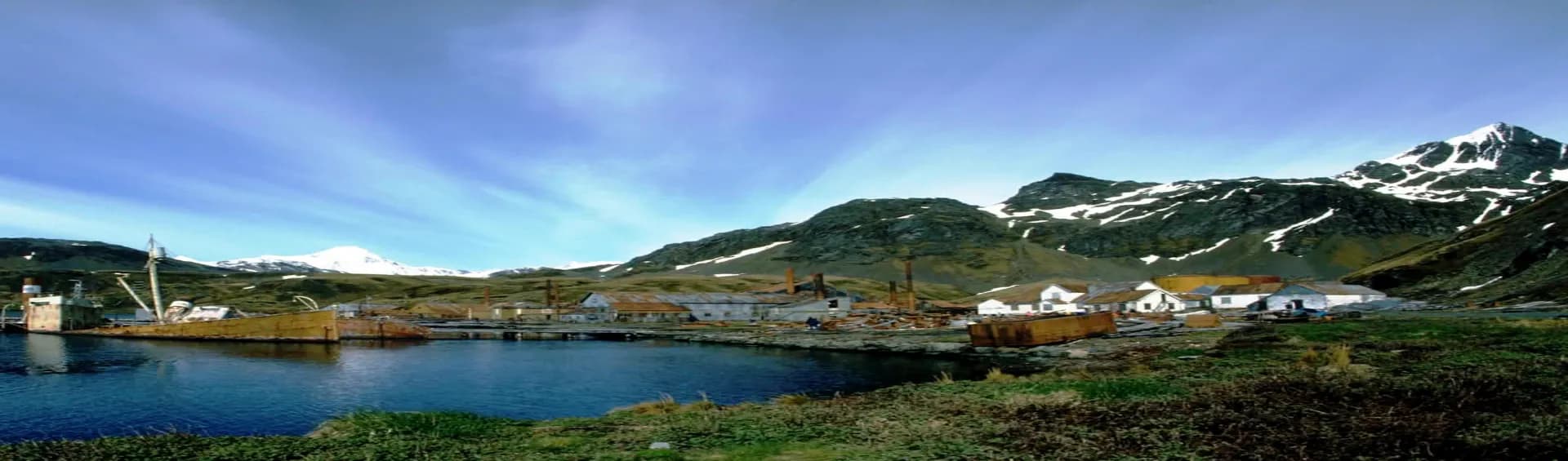
South Georgia Island, located in the remote South Atlantic Ocean, is one of the most fascinating yet lesser-known destinations on Earth. This rugged island, surrounded by icy waters and snow-capped peaks, offers a breathtaking mix of dramatic landscapes, diverse wildlife, and untouched natural beauty.What makes this Island special is its incredible biodiversity. It’s home to millions of penguins, seals, and seabirds that thrive in its protected environment. The island’s unique ecosystem and pristine surroundings attract nature lovers, photographers, and adventurers seeking an authentic experience far from modern civilization.Beyond its wildlife, the Island holds deep historical importance and can be explored through well-planned Georgia Tour Packages. Once a hub for whaling and sealing, it now stands as a symbol of conservation and exploration. Visitors can explore old whaling stations, visit the grave of Sir Ernest Shackleton, and witness the island’s remarkable transformation toward environmental preservation.Best Time to Visit:The best time to visit South Georgia Island is between November and March, during the Southern Hemisphere’s summer. This is when temperatures are relatively mild, and wildlife is most active. Penguins breed, seals give birth, and migratory birds fill the skies, creating a lively natural spectacle. Expedition cruises operate during this period, offering safe and guided access to the island’s shores. Visiting in summer also provides longer daylight hours, ideal for exploring and photography.10 best places to visit in South Georgia Island:1. GrytvikenGrytviken is the most popular stop on South Georgia, known for its whaling history and peaceful atmosphere. You can visit the South Georgia Museum, Whalers’ Church, and the grave of Sir Ernest Shackleton, which attract explorers and history lovers from around the world.Things to Do: Visit Shackleton’s grave, explore the museum, and walk around the restored whaling station ruins.2. Salisbury PlainSalisbury Plain offers a breathtaking view of endless penguin colonies and the icy Grace Glacier in the background. It’s an incredible place to witness the natural beauty and animal life of South Georgia Island, where seals, penguins, and seabirds live together peacefully.Things to Do: Take wildlife photos, observe penguin behavior, and enjoy glacier views.3. St. Andrews BaySt. Andrews Bay is home to one of the largest king penguin colonies in the world. The sight of thousands of penguins standing beside glaciers and snow-covered mountains makes it a magical and unforgettable experience for nature photographers and wildlife enthusiasts.Things to Do: Watch king penguins, photograph glaciers, and observe elephant seals on the beach.4. Fortuna BayFortuna Bay on South Georgia Island is a beautiful, wide bay surrounded by snow-covered peaks and home to playful fur seals and penguins. It’s also part of the famous Shackleton Walk, where visitors can follow in the explorer’s footsteps while enjoying stunning views of the island’s coastline.Things to Do: Hike part of the Shackleton route, watch seals, and enjoy panoramic bay views.5. StromnessStromness is a historic whaling station where Sir Ernest Shackleton’s legendary expedition ended in 1916. The remains of old machinery and rusted buildings tell fascinating stories of bravery, endurance, and exploration, making it a must-visit for anyone interested in history and adventure.Things to Do: Explore historical ruins, retrace Shackleton’s steps, and enjoy guided storytelling tours.6. Prion IslandPrion Island is a small, protected area known for being a nesting site for wandering albatrosses, one of the world’s largest birds. Visitors can walk on wooden paths and watch these magnificent birds spread their wings, all while enjoying the island’s calm natural environment.Things to Do: Observe albatross nesting, take quiet nature walks, and photograph seabirds responsibly.7. Gold HarbourGold Harbour is one of the most scenic and colorful places on South Georgia Island. Surrounded by golden cliffs and bright glaciers, it’s filled with penguins, seals, and seabirds. The golden light during sunrise gives the whole place a magical and peaceful glow.Things to Do: Photograph the sunrise, watch seals and penguins, and enjoy birdwatching near the cliffs.8. Cooper BayCooper Bay lies at the southeastern tip of the island and is famous for its large macaroni penguin colonies. Surrounded by rocky cliffs and crystal-clear waters, it’s a great place to explore by zodiac boat while watching penguins and seals in their natural home.Things to Do: Spot macaroni penguins, enjoy zodiac cruising, and photograph coastal rock formations.9. Drygalski FjordDrygalski Fjord is one of the most dramatic and beautiful parts of South Georgia Island. Towering cliffs, bright blue glaciers, and icy waters create a breathtaking landscape that can only be seen by cruise ship or zodiac, offering amazing views and perfect photo opportunities.Things to Do: Cruise through the fjord, capture glacier reflections, and watch seabirds flying overhead.10. Elsehul BayElsehul Bay is usually the first stop for travelers arriving by expedition cruise. It’s full of life, with fur seals, penguins, and nesting seabirds all around. The high cliffs and green slopes make it one of the most welcoming and lively areas on the island.Things to Do: Watch fur seals, spot nesting birds, and take zodiac rides around the rocky coast.Georgia offers a perfect mix of natural beauty, history, and modern attractions, making it a must-visit destination for travelers. From charming towns and scenic mountains to lively cities and coastal escapes, there are countless places to visit in Georgia to explore. Whether you’re into adventure, culture, or relaxation, you’ll always find exciting things to do in Georgia that create unforgettable travel experiences.

Read More

Switzerland in February: A Winter Wonderland Awaits
March 27, 2026
Switzerland in February: A Winter Wonderland Awaits
Switzerland in February is pure magic - a time when the Alpine nation transforms into a snowy paradise of majestic peaks, cosy chalets, and glistening lakes. The month offers a unique blend of winter sports, scenic train rides, and romantic escapes, making it one of the best times to explore this European gem. Whether you’re skiing down the slopes of Zermatt, indulging in hot fondue in Zurich, or witnessing the Carnival of Basel, every moment feels cinematic.February in Switzerland also brings fewer crowds compared to Christmas, allowing for more serene experiences. The country’s efficient rail system ensures you can glide from cityscapes to snowfields effortlessly. With specially curated Switzerland tour packages, travelers can easily plan their dream vacation filled with comfort and adventure. From snow-dusted villages to luxury resorts, Switzerland in February promises experiences that stay with you long after the snow melts.Switzerland Climate in FebruarySwitzerland in February is distinctly wintry and refreshingly crisp. February sits at the heart of Switzerland’s winter season, offering ideal conditions for skiing, snowboarding, and cosying up by the fireplace. The weather varies depending on altitude and region - with cities like Zurich and Geneva averaging temperatures between -2°C and 6°C, while alpine resorts like Zermatt or St. Moritz often drop below -10°C at night.Snowfall is frequent, blanketing the landscape in brilliant white and creating postcard-perfect scenes. The air is cold but clean, and the days, though shorter, often offer bright sunshine reflecting off the mountains. It’s also one of the best times for those seeking winter festivals, as the Fasnacht (Carnival) season begins in many towns. Travelers should pack warm layers, waterproof boots, and thermal wear to stay comfortable. Overall, Switzerland’s February climate delivers the ideal mix of snowy adventures and serene mountain charm.Top 5 Things to Do in Switzerland in February1. Skiing and Snowboarding in the AlpsIf you’re in Switzerland in February, skiing is a must. Resorts like Zermatt, Verbier, and St. Moritz offer world-class slopes, breathtaking views, and après-ski luxury. Even beginners can enjoy lessons from expert instructors.2. Attend Basel Carnival (Fasnacht)Held in late February or early March, the Basel Carnival is Switzerland’s biggest festival. Expect parades, music, costumes, and an electric atmosphere that brings locals and tourists together in celebration.3. Explore Lucerne and Lake LucerneLucerne’s old town, wooden Chapel Bridge, and lakeside promenades are picturesque even in winter. Take a cruise across the partially frozen lake for a magical experience.4. Ride the Glacier ExpressThis panoramic train journey connects Zermatt and St. Moritz, offering stunning vistas of snowy valleys, bridges, and alpine villages. It’s one of the most scenic rides in Switzerland in February.5. Indulge in Swiss Chocolate and CheeseVisit chocolate factories in Zurich or cheese cellars in Gruyères. Winter enhances these culinary experiences - the warmth and aroma perfectly complement the chilly air outside.Top 5 Places to Visit in Switzerland in February1. ZermattAt the foot of the Matterhorn, Zermatt is the crown jewel for skiing and winter hiking. In Switzerland in February, the resort buzzes with snow lovers enjoying scenic trails and lively après-ski lounges.2. InterlakenNestled between Lake Thun and Lake Brienz, Interlaken is a hub for winter adventures - from snowshoeing to paragliding over snow-covered peaks. February also offers romantic frozen-lake walks and spa retreats.3. St. MoritzThe epitome of luxury in Switzerland in February, St. Moritz is famous for its elegant ski slopes, gourmet dining, and winter polo events on frozen lakes. It’s ideal for those seeking glamour and snow.4. LucerneLucerne’s medieval charm glows in winter - explore its cobbled streets, visit Mount Pilatus, or relax on a scenic boat cruise. February often brings light snow, adding a fairytale touch to the city’s wooden bridges and historic towers.5. Jungfrau RegionKnown for its breathtaking mountain views, the Jungfrau area is perfect for scenic train rides and ice palace visits. The crisp air and snow-covered cliffs make Switzerland in February a photographer’s dream.Travel Tips to Visit Switzerland in FebruaryDress in layers - the Switzerland in February climate can shift from sunny to snowy quickly.Carry waterproof boots and gloves for outdoor comfort.Many attractions close earlier during winter, so plan sightseeing accordingly.Try traditional Swiss dishes like raclette and fondue - they’re perfect for cold evenings.Don’t miss night sledging or snowshoeing excursions for a unique alpine thrill.Carry power banks and keep devices warm - batteries drain faster in the cold.In Switzerland in February, rivers like the Rhine River and Aare River flow through snowy landscapes, creating a magical winter view. Exploring these scenic spots is among the best places to visit in Switzerland, while peaceful riverside walks and winter views make them unique things to do in Switzerland.

Read More

Georgia Islands Guide: Best Beaches, Resorts & Things to Do
March 27, 2026
Georgia Islands Guide: Best Beaches, Resorts & Things to Do
Tucked along the scenic Atlantic coastline, the Georgia Islands are a paradise of unspoiled beaches, ancient oak trees, and southern charm. From sunlit shores to historic treasures, each island offers something unique - adventure, tranquillity, and natural beauty. Ideal for families, honeymooners, and solo travellers, these islands make for a perfect coastal retreat. Whether you seek luxury resorts, private getaways, or eco-friendly escapes, our Georgia tour packages promise a seamless blend of comfort and exploration. Get ready to soak in golden sunsets, coastal trails, and warm southern hospitality as you explore the best of these enchanting barrier islands.Best Time to Visit Georgia IslandsThe Georgia Islands enjoy a mild, coastal climate year-round, but choosing the right time can elevate your experience, making it easier to plan around the best time to visit Georgia.Peak Season (March to May): Spring brings perfect weather, blooming azaleas, and pleasant sea breezes. It’s ideal for outdoor activities, beach walks, and exploring local festivals—especially during Georgia in March—though it’s also the busiest time with higher accommodation rates.Off-Season (June to August): Summers are warm and humid, perfect for beach lovers, water sports, and family vacations. Expect occasional rain showers but fewer crowds in mid-summer, making Georgia in June a great time to enjoy coastal activities with a more relaxed atmosphere.Waning Season (September to November): Fall offers tranquillity, cooler air, and vibrant foliage. It’s perfect for travellers seeking peaceful escapes and lower prices, especially during Georgia in September, while still enjoying the islands’ charm. Winter months remain mild and quiet, ideal for those craving solitude and scenic beauty.Top 10 Georgia Islands to Visit:1. St. Simons IslandA blend of charm and history, St. Simons Island boasts majestic oak-lined avenues, boutique shops, and stunning beaches. Visitors can climb the iconic lighthouse, explore Fort Frederica, or unwind at Neptune Park. With lively nightlife and cosy seaside cafes, it’s a favourite among families and couples alike.2. Jekyll IslandOne of the crown jewels of the Georgia Islands, Jekyll Island is known for Driftwood Beach - a photographer’s dream. Explore its rich history at the Jekyll Island Historic District or bike through scenic marsh trails. The island’s eco-friendly resorts and protected wildlife make it a sustainable and serene retreat.3. Cumberland IslandRemote and wild, Cumberland Island offers pristine beaches, lush forests, and wild horses roaming freely. It’s perfect for nature lovers and history enthusiasts alike. Visit the Dungeness Ruins, hike shaded trails, and enjoy the untouched beauty of one of Georgia’s most secluded coastal treasures.4. Sea IslandA luxurious getaway among the Georgia Islands, Sea Island is famed for its five-star resorts, world-class golf courses, and elegant spa experiences. Ideal for honeymooners and luxury travellers, it offers fine dining, beach horseback rides, and exclusive access to private beaches - all wrapped in refined southern elegance.5. Sapelo IslandA hidden gem accessible only by ferry, Sapelo Island is a haven for culture and nature. Visit the Hog Hammock community, explore the historic lighthouse, or take a guided eco-tour through salt marshes. It’s a peaceful, lesser-known destination ideal for an authentic coastal experience.6. Tybee IslandOne of the most popular Georgia Islands, Tybee Island offers vibrant beaches, casual dining, and outdoor fun. Only 20 minutes from Savannah, it’s perfect for a quick seaside escape. Climb the Tybee Lighthouse, kayak through tidal creeks, or simply relax along its golden sands.7. Little St. Simons IslandA private island paradise limited to just a few guests at a time, Little St. Simons Island is a dream for eco-travelers. With seven miles of untouched beaches, guided nature walks, and abundant wildlife, it’s a perfect blend of luxury and sustainability in a serene, secluded setting.8. St. Catherine’s IslandPart of the private conservation-focused Georgia Islands, St. Catherine’s Island is open mainly for research and limited tours. It’s home to lush forests, pristine dunes, and a diverse array of wildlife. Its restricted access ensures that the island remains an unspoiled sanctuary for those seeking a rare, offbeat adventure.9. Wassaw IslandA barrier island accessible by boat, Wassaw Island is ideal for hikers, kayakers, and birdwatchers. It offers quiet beaches, maritime forests, and unspoiled coastal trails. Protected as a wildlife refuge, it offers a peaceful escape for travelers seeking a deep connection with nature.10. Blackbeard IslandThe mysterious Georgia Islands gem, Blackbeard Island, blends legend and wilderness. Named after the infamous pirate, it features scenic marshlands, dunes, and nesting sea turtles. Accessible by boat, it’s a national wildlife refuge that promises serenity, adventure, and the thrill of untamed beauty.Georgia is a diverse destination filled with scenic landscapes, historic landmarks, and vibrant city life. From coastal islands to mountain regions and cultural hubs, there are many incredible places to visit in Georgia to explore. Whether you enjoy outdoor adventures, local cuisine, or sightseeing, you’ll find plenty of exciting things to do in Georgia that make every trip memorable.

Read More

Rivers in Switzerland: Nature, Water & Wonder
March 27, 2026
Rivers in Switzerland: Nature, Water & Wonder
Switzerland is woven with rivers that shape its landscapes, culture, and natural beauty. These flowing arteries carve deep valleys, feed lakes, power hydro-plants, and offer peaceful escapes. If you love nature, hiking, or simply enjoying water views, exploring the rivers in Switzerland can be a highlight of your trip.Pairing riverside walks, boat rides, or charming villages along rivers with curated Switzerland tour packages means you can see both major rivers and hidden gems. From the mighty Rhine to alpine streams, each river tells a story of glaciers, forests, and human history.Top 10 Rivers of Switzerland1. Rhine The Rhine is Switzerland’s longest river (within the country) and one of its most famous rivers in Switzerland, rising in the Swiss Alps. It flows north, forming borders and finally reaching the North Sea. Along its path are iconic landmarks like the Rhine Falls at Neuhausen, spectacular gorges, and vibrant cities such as Basel. Whether for boat rides, waterfalls or riverside walks, the Rhine is a river of power and beauty.Location: Starts in Graubünden (Vorderrhein & Hinterrhein), flows toward Basel2. Aare (or Aar)The Aare is the longest river entirely within Switzerland, flowing about 295 km. It rises in the Bernese Alps and passes through places like Interlaken, Lake Brienz, and the city of Bern. The river loops around Bern’s old town, offering scenic views, historic bridges, and options for swimming in summer. It’s a favourite for locals and tourists alike.Location: Canton of Bern and central Switzerland3. RhôneA river that begins in the glaciers of the Valais region, the Rhône flows through Swiss lakes, valleys, vineyards, and then into France. It is known for its turquoise waters and powerful flow. The Rhône supports agriculture, wine production, and hydroelectric power. Its valleys offer scenic drives, walks, and classic Swiss views.Location: Valais, flows west through Geneva4. Reuss Deep in the Alps, the Reuss is one of the major rivers in Switzerland that carves dramatic landscapes. It originates in the Gotthard massif, flows through the central regions, Lake Lucerne, and joins the Aare. The river is noted for its mountain views, clear waters, and rich history. Adventurers love its valleys and trails.Location: Canton of Uri, Lucerne5. Linth/ Limmat Linth begins in the Alps and flows through Lake Walen and then as Limmat out of Lake Zurich. The Linth / Limmat river system connects alpine beauty with urban life - you can hike around mountain headwaters and then enjoy city riverside promenades in Zurich. The rivers support boating, sightseeing, and local culture.Location: Canton of Glarus toward Zürich6. Saane / SarineOne of the scenic tributaries in Switzerland, rivers in Switzerland like the Saane (or Sarine in French) flow through the Bernese Oberland and Vaud cantons. It begins high in the Alps, creating reservoirs, waterfalls, and passes forested valleys. People enjoy rafting, fishing, and riverside villages along its course.Location: Canton of Valais, Bern, Vaud7. ThurThe Thur is another important river flowing in eastern Switzerland. It runs through wild and pastoral landscapes, orchards, forests, and small towns. It’s prized for its natural floodplains, biodiversity, and hiking trails alongside its banks. In summer, locals enjoy swimming in its clearer stretches.Location: Canton of St. Gallen, through eastern Switzerland toward the Rhine8. InnThe Inn begins high in the Alps in Switzerland and flows into Austria and Germany. Rivers in Switzerland such as the Inn bring glacial waters, mountain streams, and are key tributaries for regional hydropower. The upper Inn valley is popular for winter sports, nature walks, and cultural heritage in Engadin.Location: Canton of Graubünden (Engadin)9. TicinoFlowing southward from the Alps into Italy, the Ticino is warm compared to many Swiss rivers. It passes through scenic valleys, gorges, and towns before exiting into Lake Maggiore. Ticino valley is lush, with Mediterranean-influenced climate in parts, making it good for rafting, kayaking, and exploring charming villages.Location: Canton of Ticino, toward Italy10. BirsRivers in Switzerland like the Birs may be smaller but are full of character. The Birs flows through the Jura region, ending in the Rhine near Basel. It runs through valleys, gorges, and towns like Delémont, with waterfalls, wildlife habitats, and restoration projects that have cleaned and revitalised its banks.Location: Jura region to BaselSwitzerland’s rivers, like the Rhine River and Aare River, offer stunning scenery and refreshing experiences. Visiting these rivers is among the best places to visit in Switzerland, with activities like riverside walks and rafting ranking as top things to do in Switzerland.

Read More

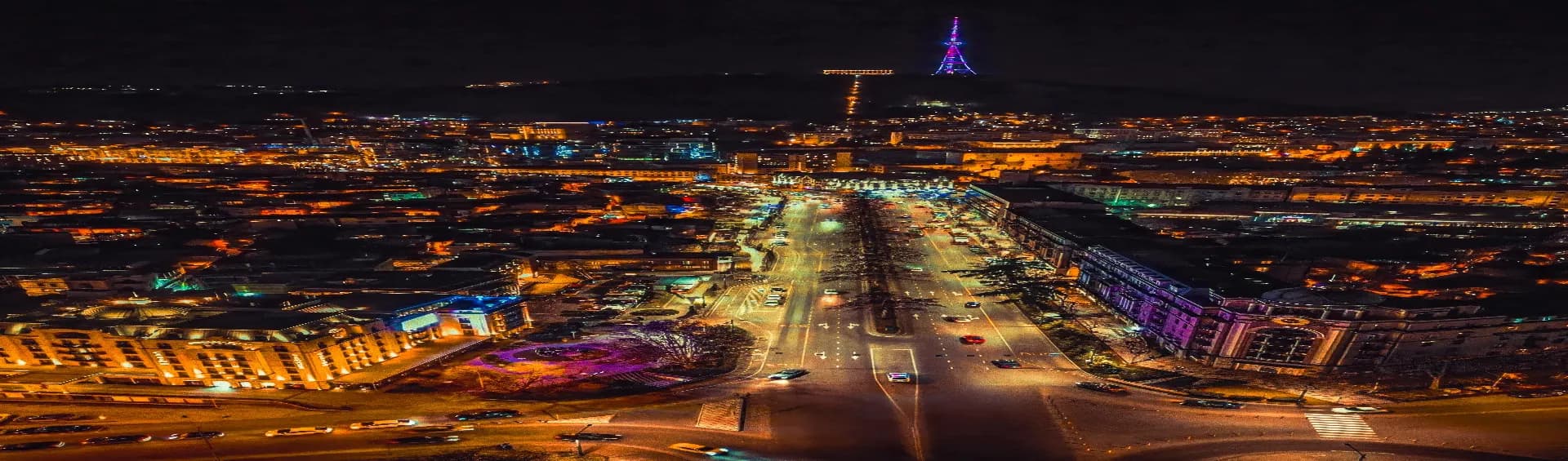
Tbilisi Georgia Nightlife: A Complete Guide to the City After Dark
March 27, 2026
Tbilisi Georgia Nightlife: A Complete Guide to the City After Dark
Tbilisi, the vibrant capital of Georgia, truly awakens after sunset. Whether you’re into underground techno clubs, cozy bars, or artsy hangouts, Tbilisi Georgia nightlife offers a mesmerizing mix of modern energy and traditional charm. In this guide, we’ll explore the top 10 spots that define the city’s after-dark magic - from world-famous clubs like Bassiani to hip cultural hubs like Fabrika.As night falls, the city transforms into a playground of lights, music, and laughter. From rooftop bars with stunning views to underground techno basements, every corner hums with excitement. Many Georgia tour packages now include nightlife experiences, making it easy for visitors to enjoy Tbilisi’s dynamic evenings safely and effortlessly. Whether you’re a party lover, a wine enthusiast, or simply curious about local culture, Tbilisi promises nights you’ll never forget.Best Places to Experience the Magic of Tbilisi Georgia Nightlife:1. BassianiIf there’s one place that symbolizes Tbilisi Georgia nightlife, it’s Bassiani. Located beneath the Dinamo Arena, this world-renowned techno club is often compared to Berlin’s Berghain. The industrial interiors, world-class sound system, and lineup of international DJs make it a paradise for electronic music lovers. With music that pulses through your veins until sunrise, Bassiani isn’t just a club — it’s an experience.Timings: Friday: 11:50 PM – 12 AM Saturday: 12 AM – 10 AM2. Khidi Meaning “The Bridge” in Georgian, Khidi is another cornerstone of Tbilisi Georgia nightlife. Built under a Soviet-era bridge, this club combines minimalism with raw underground aesthetics. The venue attracts electronic and experimental artists, offering a unique auditory and visual experience. It’s a favorite among locals who love dark techno and immersive light shows.Timings: Friday: 11:50 PM – 12 AM Saturday: 12 AM – 10 AM3. MtkvarzeFor those who love a view while they dance, Mtkvarze is a must. Perched along the Mtkvari River, this riverside club offers stunning nightscapes of Tbilisi. The atmosphere is slightly more relaxed compared to Bassiani or Khidi, making it perfect for socializing, sipping cocktails, and enjoying quality electronic beats. It’s where good music meets good vibes.Timings:Friday: 11 PM – 12 AMSaturday: 12 AM – 11 AM4. Cafe GalleryCafe Gallery is where Tbilisi’s creative crowd gathers. By day, it’s an art café; by night, it transforms into a lively dance spot filled with local DJs and artists. Its intimate vibe and eclectic playlist make it one of the most beloved venues in Tbilisi Georgia nightlife. Expect to meet friendly locals, travelers, and artists - all under one colorful roof.Timings: 12 AM – 6 AM5. Shardeni StreetIf you prefer an evening of bar-hopping and people-watching, Shardeni Street in Old Town is the place to be. Lined with bars, cafes, and restaurants, it’s the most bustling nightlife area in central Tbilisi. Here, you can start your night with Georgian wine, move to a cocktail lounge, and end up dancing at one of the nearby clubs. The energy on Shardeni Street perfectly captures the essence of Tbilisi Georgia nightlife fun, vibrant, and full of life.6. FabrikaFabrika is a one-of-a-kind venue that blends culture, art, and nightlife. Once a Soviet sewing factory, it’s now a hip social space filled with bars, art studios, and hostels. The open-air courtyard buzzes with conversations, music, and creativity. From live performances to DJ nights, Fabrika is the heartbeat of alternative.7. Dive BarNot every night needs to be a rave. If you’re in the mood for something chill, Dive Bar is your go-to spot. Known for its affordable drinks, friendly staff, and welcoming crowd, it’s a favorite hangout for backpackers and locals alike. This cozy pub-style bar captures the laid-back side of Tbilisi Georgia nightlife, offering a perfect spot to start or end your night.8. 9 MTABeer lovers rejoice! 9 MTA (meaning “Nine Mountains”) is one of the top craft beer bars in Tbilisi. Here you can try locally brewed beers that showcase the growing Georgian craft scene. Pair your drink with local snacks and you’ve got yourself a relaxed evening amid the buzz of the city. It’s a must-visit for those exploring the casual side of Tbilisi Georgia nightlife, and a must-visit.9. LolitaIf you’re after something a little more refined, Lolita is the place to be. With its stylish décor, outdoor terrace, and mix of cocktails and light bites, it’s perfect for a classy night out. The music is upbeat yet not overpowering, making it ideal for conversations and late-night drinks. Lolita is where Tbilisi’s trendy crowd gathers to relax and celebrate.10. 8000 VintagesFor a more relaxed side of Tbilisi Georgia nightlife, head to 8000 Vintages - a chic wine bar named after Georgia’s 8,000-year-old winemaking tradition. It offers a wide range of local wines, from rich reds to crisp whites, all paired perfectly with cheese and snacks. The cozy, stylish vibe makes it ideal for winding down after a busy night out.Best for: Wine tasting and chill eveningsHours: 5 PM – 1 AMGeorgia offers a perfect blend of history, nature, and vibrant city life, making it a must-visit destination for travelers. From ancient monasteries and mountain landscapes to lively streets and coastal views, there are many incredible places to visit in Georgia to explore. Whether you’re into adventure, culture, or food experiences, you’ll always find amazing things to do in Georgia that create lasting memories.

Read More

Georgia Nightlife Guide: The State After Dark
March 27, 2026
Georgia Nightlife Guide: The State After Dark
Georgia, nestled between Europe and Asia, is a land of stunning mountains, lush valleys, and historic cities. Beyond its natural beauty, this Georgia nightlife offers a vibrant scene that combines modern entertainment with centuries-old traditions. From rooftop bars in Tbilisi to beach clubs in Batumi, the country comes alive after sunset for both locals and tourists.At night, Georgia pulses with energy, music, and culture. You can enjoy trendy clubs, cozy wine bars, traditional Georgian music performances, and seaside lounges. Each city has a unique way of celebrating the night, giving visitors unforgettable experiences under the stars, especially when planned around the best time to visit Georgia for pleasant weather and vibrant nightlife.Whether it’s sipping traditional Georgian wine, dancing to live music, or strolling along illuminated streets, Georgia has something for every traveler. With Georgia tour packages, visitors can explore nightlife hotspots, meet locals, and enjoy a perfect mix of culture, fun, and evening entertainment.Where to Go at Night: 10 Amazing Places1. Bassiani, TbilisiTbilisi’s Bassiani is one of the most famous nightclubs in Europe. Located under the Dinamo Arena, it’s known for electronic music, world-class DJs, and an energetic dance floor. The club attracts both locals and international visitors, creating an unforgettable high-energy nightlife experience.Hours: 11:00 PM - 6:00 AM (Friday to Sunday)2. Funicular Restaurant Complex, TbilisiThe Funicular offers panoramic views of Georgia nightlife. You can enjoy cocktails, fine dining, and the sparkling city lights while sitting on the rooftop. The romantic ambiance and live music make it ideal for couples or anyone wanting a magical evening in Tbilisi.Hours: 5:00 PM - 12:00 AM3. Shavi Lomi, TbilisiShavi Lomi is one of the best spots to enjoy Georgia nightlife, offering live jazz nights, traditional Georgian food, and a cozy, artistic vibe. Guests can savor local drinks, meet friendly people, and experience the city’s warm culture in a relaxed, welcoming atmosphere.Hours: 6:00 PM - 1:00 AM4. Batumi Beach ClubsBatumi vibrant beach clubs light up the Black Sea coast at night. Music, lights, and dancing create a party atmosphere. Visitors can enjoy cocktails by the beach, live DJ sets, and spectacular sea views, making it an unforgettable seaside nightlife destination in Georgia.Hours: 6:00 PM - 2:00 AM5. Khidi Club, TbilisiKhidi is another legendary part of Georgia nightlife, famous for underground electronic music, incredible acoustics, and late-night dancing. It regularly hosts international DJs, attracting music enthusiasts who want a modern, energetic, and unforgettable nightlife experience in the heart of the city.Hours: 11:00 PM - 6:00 AM(It may vary)6. Mtkvarze, TbilisiMtkvarze is a riverside bar and live music venue offering craft cocktails, local beers, and a relaxed, artistic vibe. With live performances and a scenic location along the Kura River, it is perfect for a fun yet cultural night out with friends or solo travelers.Hours: 6:00 PM – 1:00 AM7. Cafe Gallery, TbilisiCafe Gallery is a laid-back cafe and bar with an artsy, creative atmosphere. Guests can enjoy local wine, snacks, and live acoustic music. Georgia nightlife is ideal for travelers seeking a calm, cultural, and social night in one of Tbilisi’s charming spots.Hours: 6:00 PM - 1:00 AM8. Batumi BoulevardBatumi Boulevard comes alive at night with fountains, cafes, and street performances. Visitors can walk along the illuminated seaside promenade, enjoy local snacks, take photos, and soak in the vibrant yet relaxed atmosphere of this Black Sea city after sunset.Hours: Open 24 hours9. Wine Bars in Tbilisi Old TownTbilisi Old Town has numerous wine bars offering authentic Georgian wines. Venues like Vino Underground and G.Vino provide tasting experiences, local snacks, and an opportunity to meet locals while learning about Georgia’s rich wine-making traditions.Hours: 5:00 PM - 12:00 AM(Generally)10. Kazbegi Night ViewsFor travelers seeking a calm side of Georgia nightlife, Kazbegi (Stepantsminda) offers magical mountain views under a sky full of stars. Instead of clubs, cozy lodges, local music, and warm bonfires create a peaceful and unforgettable evening in the heart of the Caucasus.Hours: Open 24 hoursWhat You Can Do at Night in GeorgiaExplore Tbilisi’s nightlife: Visit clubs like Bassiani and Khidi, enjoy live music at Shavi Lomi, or sip cocktails with panoramic city views.Stroll through Old Town: Walk cobblestone streets, stop by wine bars, and enjoy local snacks and live performances.Enjoy Batumi by night: Walk along Batumi Boulevard, visit beach clubs, or watch street performances on the Black Sea coast.Try traditional Georgian wine: Visit wine bars and cellar bars in Tbilisi to taste authentic Georgian wines.Relax in the mountains: Spend a quiet night in Kazbegi lodges, enjoy a bonfire, or gaze at the starry Caucasus sky.Tips for Night Visiting in GeorgiaAlways stay in well-lit areas and travel with friends if possible.Confirm the opening hours of bars, clubs, and tours before visiting.Wear smart casual clothes for clubs or comfortable shoes for walking.Most bars, clubs, and some tours require a valid ID.Use Uber or Lyft for safe travel at night.Bring Cash/Card, some small bars or tours may not accept cards.Follow local rules, respect staff, and be polite.Georgia is a captivating destination known for its scenic landscapes, historic cities, and rich cultural heritage. From the charming streets of Tbilisi to the stunning Caucasus Mountains and Black Sea coast, there are countless places to visit in Georgia that offer diverse experiences. Whether you enjoy sightseeing, wine tasting, or adventure activities, you will find plenty of exciting things to do in Georgia that make your trip truly unforgettable.

Read More

Activities to Do in Spiti Valley: Adventure & Travel Guide
March 26, 2026
Activities to Do in Spiti Valley: Adventure & Travel Guide
If you’re dreaming of crystal-clear skies, surreal moonscapes, and adrenaline-pumping high-altitude experiences, you will find many incredible activities to do in Spiti Valley, promising a perfect mix of cultural immersion and raw adventure. Located deep within the Himalayas, this cold desert region in Himachal Pradesh transforms into a playground for trekkers, bikers, and spiritual seekers. Whether you’re a solo explorer, an adventure junkie, or a family seeking an offbeat vacation, Spiti offers countless ways to soak up the Himalayan spirit.With stunning, barren landscapes, charming mountain hamlets, and centuries-old monasteries, a trip to Spiti brings together the best of the outdoors and untouched Tibetan-Buddhist culture. With organized Spiti Valley packages, you can spend your mornings exploring remote villages, your afternoons trekking to serene high-altitude lakes, and your evenings stargazing under the clearest skies. Let’s dive into the top 10 experiences you shouldn't miss during your next trip to Spiti Valley, especially when planning around the best time to visit Spiti Valley for the most comfortable weather and accessible routes.Top Activities to Do in Spiti Valley:1. Find Peace at Key Monastery (Ki Gompa)Start your spiritual adventure at Key Monastery, the largest and most famous gompa (monastery) in the valley. Perched atop a hill, its fortress-like structure offers breathtaking panoramic views of the Spiti River. This over 1,000-year-old center of learning is a must-visit for its ancient murals, priceless scriptures, and the sheer serenity of the Buddhist monks' daily life. This is one of the most important adventures in the list of activities to do in Spiti Valley for cultural travelers.Best time to visit: May to OctoberHighlights: Architecture, spiritual chants, panoramic views of the valleyEntry Fee: Free (Donations welcome)Ideal for: History lovers, photographers, and spiritual seekers2. Camp Under the Stars at Chandratal LakeKnown as the "Moon Lake," the stunning Chandratal Lake is a high-altitude crescent-shaped lake surrounded by towering snow-capped peaks. Camping by its turquoise-blue waters under a sky free of light pollution is one of the most unforgettable activities to do in the beautiful Spiti Valley during the warmer months. It’s a perfect way to break the Spiti road trip and reconnect with nature.Best time to visit: June to SeptemberThings to do: Trekking, camping, night photography, 360° circular viewsEntry Fee: ₹100–₹300 (for forest/vehicle permit, extra for camping)Ideal for: Campers, couples, and nature lovers3. Visit the World’s Highest Villages (Hikkim, Komic, Langza)Explore the cluster of iconic high-altitude villages: Hikkim (home to the world's highest post office), Komic (Asia’s highest village connected by a motorable road), and Langza (famous for its huge Buddha statue and fossil hunting). Visiting these hamlets is a key inclusion in the list of activities to do in Spiti Valley, offering a glimpse into the resilient, traditional lifestyle of the local people.Best time to visit: May to OctoberHighlights: Highest Post Office, Langza Buddha Statue, traditional homestaysEntry Fee: FreeIdeal for: Road trippers and cultural enthusiasts4. Trek to Dhankar Lake and MonasteryExperience a moderate yet rewarding trek to the secluded Dhankar Lake, situated high above the Dhankar Monastery. The ancient monastery itself is dramatically perched on a cliffside overlooking the confluence of the Spiti and Pin rivers. The short, steep hike to the lake offers stunning views and a quiet place for reflection, certainly one of the most fulfilling activities to do.Best time to visit: June to SeptemberDuration: 1–2 hours trek to the lakeEntry Fee: Free (Donations to the Monastery welcome)Ideal for: Adventure seekers and trekkers5. Send a Postcard from the Highest Post OfficeLocated in the village of Hikkim, this unique attraction allows you to send postcards from the highest post office in the world, with the pin code 172114. This small but memorable act is an extremely popular addition to the activities to do in Spiti Valley list and a beautiful way to share your journey with loved ones back home.Best time to visit: May to OctoberAttractions: Meet the postmaster, local interactionEntry Fee: Free (cost of postcard and stamp extra)Ideal for: Families and memorable souvenirs6. Explore the Ancient Tabo MonasteryOften called the "Ajanta of the Himalayas," the Tabo Monastery is over 1,000 years old and a UNESCO World Heritage Site. Unlike other monasteries perched on hills, Tabo is situated in a flat basin and is renowned for its priceless wall paintings, murals, and stucco sculptures that have been remarkably preserved for centuries. Learning the history here is one of the best experiences.Best time to visit: Year-round (Summer is easiest)Popular events: Festivals (held every few years), meditation caves walkEntry Fee: Free (photography inside the main temple is restricted)Ideal for: Historians and art/culture enthusiasts7. Spot Wildlife in Pin Valley National ParkVenture into the pristine Pin Valley National Park, a cold-desert biosphere reserve known as the natural habitat of the elusive Snow Leopard. While spotting a leopard is rare, you're almost guaranteed to see the majestic Himalayan Ibex, Bharal (blue sheep), and various rare birds, making this wildlife watching one of the exciting activities to do in Spiti Valley. People love visiting there for this.Best time to visit: June to OctoberStops: Mudh Village, trekking trails, sighting rare faunaEntry Fee: ₹100–₹300 (for Indians, higher for foreigners)Ideal for: Wildlife lovers and trekkers8. Experience the Spiti Road Trip CircuitThe ultimate Spiti experience is the entire road trip circuit itself. The journey, typically taken from Shimla-Kinnaur or Manali-Kunzum Pass, is an adventure across some of the world's most challenging and scenic roads. The dramatic landscape changes from lush greenery to stark, colorful mountains, defining the region's raw beauty and making the drive itself one of the key activities to do.Best time to visit: Late May to Early OctoberStops: Nako, Kalpa, Kaza, Manali, Kunzum PassEntry Fee: Free (vehicle entry tolls/permits may apply, ₹50–₹150)Ideal for: Road trippers, bikers, and landscape photographers9. Go Fossil Hunting and Yak RidingIn the regions around Langza and Kibber, you can engage in two unique activities to do in Spiti Valley. Langza is famous for its marine fossils left behind from the ancient Tethys Sea. You can also experience a traditional Yak Safari in Kibber or Kaza, which provides a gentle, cultural way to explore the high-altitude meadows.Best time to visit: June to SeptemberActivities: Fossil searching, Yak rides, and photography with the statueEntry Fee: Free (Yak ride cost ₹500–₹1000)Ideal for: Curious travelers and families10. Visit the Mummy of Giu VillageConclude your cultural tour with a visit to the small village of Giu, which houses the 500-year-old mummy of a Buddhist monk. Preserved naturally without any chemical treatment, the mummy sits in a shrine and is a fascinating, if slightly mysterious, relic of the region’s deep spiritual history. Finding this hidden village is one of the most rewarding activities to do in Spiti Valley, which makes the trip worth it.Best time to visit: Year-round (easier in summer)Activities: Viewing the mummy in the temple, cultural stopEntry Fee: FreeIdeal for: Curious travelers and those interested in ancient historyTravel Tips for Spiti Valley:Acclimatize Slowly: Spiti is a high-altitude region. Take rest days, especially in Kaza, and stay well-hydrated to avoid Acute Mountain Sickness (AMS).Book Stays/Travel Early: Summer (peak season) sees heavy tourist inflow; pre-book accommodations and transport, especially for Chandratal.Dress in Layers: Even in summer, temperatures fluctuate wildly. Pack thermal wear, a down jacket, and warm accessories for freezing nights.Connectivity and Cash: BSNL/Jio are the only reliable mobile networks. Kaza is the last major town with an ATM; it carries sufficient cash for remote areas.Permits: Foreign nationals need an Inner Line Permit (ILP). Indian nationals may need a Forest Department permit/Green Tax for certain areas (approx. ₹150–₹300).Spiti Valley is a breathtaking Himalayan destination known for its raw landscapes, ancient monasteries, and peaceful mountain villages. From Key Monastery and Chandratal Lake to remote hamlets like Kibber and Langza, there are many stunning places to visit in Spiti that offer unforgettable views. Whether you enjoy trekking, photography, or cultural exploration, you will find plenty of exciting things to do in Spiti Valley that make every moment of your journey truly memorable.

Read More

History of Thailand: A Story of Kings, Culture & Continuity
March 26, 2026
History of Thailand: A Story of Kings, Culture & Continuity
The history of Thailand unfolds like a vibrant tapestry, woven with threads of faith, art, and power. Unlike many nations in Southeast Asia, Thailand proudly remains the only country in the region never colonized by Western powers. This independence allowed its culture, monarchy, and religion to develop in a uniquely authentic way.From ancient temples to the bustling streets of Bangkok, every corner tells a story of transformation and timeless pride, making the journey through Thai history as captivating as its landscapes.Those planning their next cultural getaway can explore Thailand tour packages that trace this history firsthand. From the ancient ruins of Sukhothai and Ayutthaya to the royal palaces and floating markets of modern Bangkok, Thailand’s heritage offers travelers a living museum of Southeast Asia’s past. It’s a destination where tradition still breathes, through dance, architecture, and the warmth of its people.Early Civilizations and the Birth of a Nation:The history of Thailand begins long before written records, with archaeological discoveries dating back over 4,000 years. The earliest inhabitants were rice cultivators and traders who settled along fertile river valleys. Over time, small communities evolved into complex societies influenced by Indian culture, language, and religion.By the 9th century, the Mon and Khmer civilizations dominated parts of present-day Thailand, leaving behind remarkable relics such as the Dvaravati art and the Khmer-style temples seen in Phimai and Phanom Rung. These influences laid the foundation for Thai identity, blending Buddhism, artistry, and architectural elegance.The Sukhothai Kingdom: Dawn of Thai Civilization (1238–1438):Sukhothai, often called the first true Thai kingdom, marked the golden dawn in the history of Thailand. Founded in the 13th century by King Si Inthrathit, it became a symbol of unity and independence. Under King Ramkhamhaeng the Great, Sukhothai flourished, Thai script was created, Theravada Buddhism was promoted, and governance emphasized fairness and compassion. The kingdom’s serene Buddha statues, graceful stupas, and peaceful energy continue to represent the ideal Thai spirit. Today, Sukhothai Historical Park stands as a UNESCO World Heritage Site, a silent storyteller of the nation’s glorious beginnings.The Ayutthaya Era: Power and Prosperity (1351–1767):Following Sukhothai’s decline, the Ayutthaya Kingdom emerged as one of the most influential empires in the history of Thailand. Situated near modern-day Bangkok, Ayutthaya became a center of trade and diplomacy, connecting with China, India, Persia, and Europe. Its kings expanded Thai influence across the region, while magnificent temples and palaces rose along the Chao Phraya River. The blend of Thai, Khmer, and foreign architectural styles created Ayutthaya’s unique charm.For over four centuries, Ayutthaya symbolized wealth and wisdom until 1767, when it was tragically destroyed by Burmese forces. Yet, even in ruins, it remains one of Thailand’s most breathtaking historical treasures.Thonburi and the Rise of the Chakri Dynasty (1767–Present):After Ayutthaya’s fall, General Taksin established the short-lived Thonburi Kingdom, uniting fragmented provinces and restoring stability. Later, King Rama I founded the Chakri Dynasty, marking a new era in the history of Thailand. Bangkok became the new capital, and under this dynasty, the nation flourished once again. The early kings built the Grand Palace, preserved Buddhist teachings, and nurtured arts and literature. The Chakri lineage continues to this day, with the monarchy remaining a deeply respected symbol of Thai unity and identity.Thailand’s Modern Transformation:The modern chapter in the history of Thailand reflects remarkable adaptability. The country transitioned from an absolute monarchy to a constitutional one in the 20th century. Despite wars and political shifts, Thailand managed to maintain stability and its strong cultural roots. Bangkok transformed into a thriving metropolis, balancing skyscrapers with sacred shrines, and tradition with technology. Education, tourism, and creativity became new pillars of growth. Even as modernization sweeps across the land, Thai society continues to honor its heritage through festivals like Songkran and Loi Krathong, timeless celebrations that unite the old with the new.Top Historical Places to Visit in Thailand:1. Ayutthaya Historical ParkOnce the thriving capital of the Siamese Kingdom, Ayutthaya stands as one of the most iconic landmarks in Thailand. The ancient temples, giant Buddha statues, and crumbling pagodas tell stories of power, trade, and cultural fusion.Best Time to Visit: November to FebruaryEntry Fees: Around ₹115 per temple2. Sukhothai Historical ParkKnown as the birthplace of Thai civilization, this UNESCO World Heritage Site preserves the early roots of the history of Thailand. With serene Buddha statues, lotus ponds, and artistic temples, it beautifully reflects the rise of the Sukhothai Kingdom.Best Time to Visit: November to JanuaryEntry Fees: Around ₹230 per zone3. Grand Palace, BangkokA dazzling symbol of the modern monarchy, the Grand Palace stands as a living chapter in Thailand. Built in 1782, it once housed Thai kings and now represents the heart of the nation’s spirituality and governance.Best Time to Visit: Morning hoursEntry Fees: Around ₹1,1504. Phimai Historical ParkOne of the largest Khmer temples in Thailand, Phimai, predates Angkor Wat and showcases the architectural brilliance that influenced the early history of the Thai people's land. Its intricate carvings and sandstone structures are breathtaking examples of ancient craftsmanship.Best Time to Visit: November to FebruaryEntry Fees: Around ₹2305. Wat Phra Si Sanphet, AyutthayaOnce part of the royal palace complex, Wat Phra Si Sanphet is among the most revered temples in the history of Thailand. Its three bell-shaped stupas gleam under the sun, representing the golden age of Ayutthaya’s Buddhist devotion.Best Time to Visit: Late afternoon for photographyEntry Fees: Around ₹115Cultural Insights & Heritage HighlightsThailand’s rich past continues to shape its modern lifestyle in subtle and fascinating ways.Buddhism: Over 90% of Thais follow Theravada Buddhism, shaping daily rituals, festivals, and art.Architecture: From the intricate stupas of Chiang Mai to the Grand Palace’s golden spires, Thai architecture narrates stories of devotion and dynasty.Traditional Arts: Dance forms like Khon and classical Thai music echo royal court traditions.Cuisine: The evolution of Thai food, blending sweet, sour, and spicy, mirrors centuries of trade and migration.Festivals: Events such as the Candle Festival in Ubon Ratchathani and Yi Peng in Chiang Mai showcase ancient customs glowing under modern skies.Thailand is a vibrant travel destination known for its stunning beaches, rich culture, and exciting nightlife. From Bangkok’s bustling markets to Phuket’s beautiful islands and Chiang Mai’s temples, there are endless Places to Visit in Thailand for every type of traveler. Whether you enjoy island hopping, exploring ancient temples, or trying delicious street food, you’ll find plenty of Things To Do in Thailand that make your trip unforgettable.

Read More

Switzerland in September: A Calm and Colourful Escape
March 26, 2026
Switzerland in September: A Calm and Colourful Escape
Switzerland in September is like a quiet dream. The summer crowds have gone home, but the warm weather stays. The skies are clear, the days are long, and the first signs of autumn start to show. Trees slowly turn yellow and orange, and the hills and valleys glow in the soft sun.If you enjoy peaceful views, gentle weather, and fewer tourists, September is one of the best times to visit Switzerland. You can walk through quiet towns, take a train through the Alps, or just sit by a lake with a hot drink. Everything feels slower and more peaceful.It is also a great time to check out some Switzerland tour packages. With fewer tourists, you can often find better deals and enjoy your trip with more space and ease.Weather in Switzerland in SeptemberThe weather in September is soft and pleasant. It is not too hot, not too cold. In most places, the temperature stays between 15°C and 25°C during the day. In the mountains, it can be a little cooler, especially in the mornings and evenings. Rain is possible, but it usually doesn't stay for long. Most days are dry with lots of sunshine. The clear air and soft light make this a great time for taking photos and spending time outdoors. You can wear light clothes during the day and bring a light jacket for the cooler hours. It is perfect weather for walking, exploring, and enjoying the outdoors without sweating or freezing.Best Places to Visit in Switzerland in September1. LucerneThis city, Lucerne, is calm and beautiful in September. You can walk along the lake, visit the old wooden bridge, and enjoy clear views of the nearby mountains. The weather is perfect for boat rides and scenic mountain trips.2. InterlakenKnown for its adventure sports and beautiful views, Interlaken is very nice in September. You can try paragliding, take a train to Jungfraujoch, or just relax by the lakes.3. ZermattZermatt gives you the perfect view of the Matterhorn Mountain. September brings good weather for hiking, and the cable cars take you to stunning viewpoints. If you’re lucky, the first snow might dust the peaks.4. MontreuxLocated by Lake Geneva, Montreux is peaceful and full of charm. You can walk by the lake, visit vineyards, and enjoy fresh local food. The soft September sun makes everything look golden.5. BernThe capital city Bern is a nice mix of old streets and quiet parks. In September, you can walk through the old town, visit museums, and enjoy outdoor cafés without the summer crowds.Best Things to Do in Switzerland in September1. Take a Scenic Train RideSeptember is a great time to take a train through the mountains. The Glacier Express and Bernina Express offer amazing views of green valleys, high peaks, and clear skies.2. Go for HikesWith dry weather and clear skies, hiking is a joy in September. You can walk easy lake trails or try longer mountain hikes. The air is fresh, and the views are wide.3. Visit a Local MarketMany towns have weekly markets. You can try fresh cheese, chocolate, bread, and fruits. The markets are less crowded now, and you can enjoy a slow walk through the stalls.4. Ride a Boat on the LakesLake Lucerne, Lake Geneva, and Lake Thun are all beautiful in September. The water is calm, and boat rides give you a peaceful way to see the towns and hills.5. Try Swiss FoodSeptember evenings are perfect for sitting down to enjoy fondue or raclette. The cooler nights make warm, cheesy meals even better. Don’t forget to try local wines and chocolates.In September, Switzerland turns into a peaceful alpine escape with pleasant weather, fewer crowds, and crystal-clear views of lakes and mountains. It’s the perfect time to explore the best places to visit in Switzerland, from scenic towns like Lucerne to breathtaking mountain regions, while enjoying top things to do in Switzerland such as lake cruises, cable car rides, and relaxing nature walks.

Read More

Dubai in February: Your Ultimate Guide to a Winter Holiday
March 26, 2026
Dubai in February: Your Ultimate Guide to a Winter Holiday
Dubai in February is a delight for Indian travelers. While India begins to transition from winter to spring, Dubai remains in a sweet spot of cool breezes and soft sunshine. This month avoids the extreme heat of the desert summer, making it possible to walk around the city throughout the day. February is widely considered the peak of the outdoor season and the best time to visit Dubai, when the city feels energetic, and every street corner has something happening.Whether you are traveling with family or heading out for a romantic trip, February is a fantastic choice with Dubai Tour Packages. The city is decorated with flowers, the beaches are inviting, and the shopping deals are still going strong. Since it is a popular time for visitors from across the globe, the atmosphere is social and friendly.Beyond the pleasant weather, Dubai in February 2026 offers a special cultural energy. The month coincides with the start of Ramadan, allowing visitors to experience spiritual traditions and communal Iftar feasts. Additionally, grand Lunar New Year celebrations with fireworks and traditional dances make the city a global hub where diverse cultures meet in one vibrant place.Dubai Weather in February:The weather in Dubai in February stays pleasant and stable. Sunshine dominates most days, while rainfall remains very low. Humidity stays under control, making outdoor plans easier. Sea breezes near coastal areas feel fresh, especially in the evening.Humidity: Low and comfortable for long walks.Rain: Rare, though an occasional quick shower might happen.Winds: Cool sea breezes are common in the evenings.Sky: Bright blue and mostly clear.The climate during this month supports sightseeing, desert trips, and outdoor dining without weather-related discomfort.Dubai Temperature in February:The temperature in February is very similar to a pleasant spring day in North India. It is warm enough for the beach but cool enough that you won't sweat while walking through the markets.Daytime: Approximately 24°C to 26°C.Nighttime: Approximately 15°C to 17°C.Sea Temperature: Approximately 21°C.The evenings can get a bit chilly, especially if you are near the water or out in the open desert, so carrying a layer of clothing is a smart move.Top 10 Things to Do in Dubai in February:Visiting this time gives a great experience. Here are the top things to do in Dubai in February1. Experience the Dubai Food FestivalFebruary is a treat for food lovers. The Dubai Food Festival usually takes place during this time, bringing street food stalls, high-end dining deals, and beachside canteens to life. You can taste flavors from all over the world, including incredible Indian fusion dishes, in a festive outdoor setting.2. Walk through the Dubai Miracle GardenThis is the largest natural flower garden on earth. Since flowers bloom best in the cooler months, February is the prime time to see these massive floral structures. Dubai Miracle Garden showcases millions of blossoms shaped like airplanes and houses, making it a truly unforgettable sight you should not miss.Entry Fees: Approx. ₹2500 per person.Timings: 9 am to 9 pm daily.3. Visit the Museum of the Future Step into the year 2071 at this architectural marvel. Since the weather in Dubai in February is so nice, you can spend time outside the Museum of the Future taking photos of its unique calligraphy-covered exterior before heading inside to see the high-tech exhibits.Entry Fees: Approx. ₹4200 per person.Timings: 9 am to 9 pm daily.4. Take a Desert SafariA trip to the dunes is much better when the sun isn't scorching. In February, you can enjoy dune bashing and camel riding comfortably. The evening spent at the Bedouin-style camp is particularly nice because the desert air becomes cool and fresh after sunset.5. Relax at Kite BeachKite Beach is a favorite for those who love a bit of activity. You can watch kite surfers, play volleyball, or just walk along the running track. The water is a bit fresh but still good for a quick dip or some kayaking.6. Explore the Global VillageGlobal Village stays open throughout this month. The theme Park in Dubai in February represents over 90 cultures with pavilions, shows, and shopping. It is an ideal spot for an evening outing where you can eat snacks from Turkey, buy jackets, and watch live stunts.Entry Fees: Approx. ₹600 per person.Timings: 12 am to 4 pm daily.7. View the City from The View at The PalmFor a 360-degree look at the Palm Jumeirah, head to this observation deck. The clear February skies ensure you get a sharp view of the Arabian Gulf and the city skyline without the haze that sometimes appears in hotter months.8. Dine at Dubai MarinaThe Dubai Marina comes alive at night. In February, the outdoor seating at various restaurants is always full because the climate is so refreshing. A walk along the water after dinner is the best way to soak in the modern vibes of the city.9. Visit Hatta for AdventureIf you want to see a different side of Dubai in February, take a day trip to Hatta. The mountain air is even cooler than the city. You can go hiking, mountain biking, or enjoy a boat ride on the Hatta Dam. The scenery is rugged and beautiful.10. Shop at the Gold and Spice Souks Walking through the old parts of the city, like Bur Dubai and Deira, is a joy in February. You can hunt for jewelry or authentic spices without feeling tired. Crossing the Creek in an abra (traditional boat) for just 1 Dirham is a must-try experience.Dubai is a vibrant destination known for its futuristic skyline, luxury experiences, and rich cultural attractions. From iconic landmarks and theme parks to beaches and traditional souks, there are endless places to visit in Dubai for every kind of traveler. Whether you enjoy adventure, shopping, or sightseeing, you will always find exciting things to do in Dubai that make your journey memorable and full of unforgettable experiences.

Read More

Best Adventure Activities in Switzerland for Thrill-Seekers
March 26, 2026
Best Adventure Activities in Switzerland for Thrill-Seekers
Switzerland is a paradise for thrill-seekers and nature lovers alike, offering stunning landscapes of snow-capped mountains, pristine lakes, and verdant valleys. Adventure activities in Switzerland cater to every type of traveler, from solo explorers and families to adrenaline junkies. Switzerland tourism combines natural beauty with expertly curated experiences, making it the ultimate destination for outdoor fun. Whether you are soaring above alpine lakes, trekking across glaciers, or skiing down world-class slopes, the country promises unforgettable memories. With well-organized Switzerland tour packages, travelers can effortlessly explore the Swiss Alps, Interlaken, Zermatt, Jungfrau, and other iconic regions while indulging in heart-pumping adventures. This guide highlights the top 10 adventure activities in Switzerland, blending excitement, scenic beauty, and accessibility, ensuring an immersive and safe experience across the country’s most iconic landscapes.Explore Switzerland Through These 10 Adventure Activities1. ParaglidingSoar above Switzerland’s scenic lakes and valleys in Interlaken, Zermatt, or the Jungfrau region. Paragliding offers both adrenaline and serene aerial views of the Alps. Beginners can enjoy tandem flights with certified instructors, making it a thrilling and safe way to experience the Swiss mountains.2. SkydivingExperience one of the most exhilarating Adventure Activities in Switzerland by free-falling over majestic Alpine landscapes. Popular drop zones include Interlaken and Lauterbrunnen, where skydivers can enjoy breathtaking mountain views, crystal-clear lakes, and adrenaline-packed descents under the guidance of professional instructors.3. Skiing and SnowboardingSwitzerland’s winter season offers ideal conditions for skiing and snowboarding. Resorts like Zermatt, St. Moritz, and Verbier feature slopes for beginners and experts, modern lifts, backcountry trails, and ski schools. Enjoy thrilling runs framed by stunning snowy peaks and alpine scenery.4. Hiking and MountaineeringFrom gentle lakeside trails to challenging alpine climbs, Switzerland boasts countless hiking routes. Explore the Jungfrau region, Zermatt’s Matterhorn trails, or scenic paths around Lake Geneva. Hikers can experience breathtaking landscapes, pristine meadows, and alpine forests while enjoying fresh mountain air.5. Mountain BikingThrill-seekers can indulge in Adventure Activities in Switzerland through rugged mountain biking trails in Interlaken and Davos. Ride along valleys, forests, and alpine passes while enjoying panoramic views. Routes range from beginner-friendly paths to adrenaline-pumping downhill tracks, perfect for adventure enthusiasts.6. Glacier TrekkingVenture onto icy landscapes with guided glacier treks in Zermatt, Jungfrau, and the Aletsch Glacier. Trekking across these glaciers offers surreal experiences, combining adventure, pristine snowfields, and breathtaking ice formations, making it one of the most unique ways to explore Switzerland’s Alpine terrain.7. Via FerrataClimb Alpine cliffs on secured fixed-rope routes, blending mountaineering thrills with safety. Popular via ferrata paths in Kandersteg, Mürren, and Chur allow climbers of all levels to ascend rock faces while taking in sweeping views of mountains, valleys, and Swiss villages below.8. CanyoningEnjoy one of the most thrilling Adventure Activities in Switzerland by navigating gorges, abseiling down waterfalls, and sliding along natural rock formations. Ticino, Interlaken, and Lauterbrunnen offer ideal canyoning spots, combining water and rock adventure for both beginners and experienced adrenaline seekers.9. RaftingTackle Switzerland’s white-water rivers like the Lütschine, Reuss, and Rhine. Rafting offers high-energy adventure in scenic Alpine surroundings, perfect for groups or solo thrill-seekers. Paddle through rapids, enjoy teamwork, and experience the excitement of Swiss rivers framed by dramatic mountain landscapes.10. Jet BoatingSpeed across lakes such as Brienz Lake and Lake Lucerne with Adventure Activities in Switzerland that combine adrenaline and sightseeing. Pass cliffs, waterfalls, and scenic riversides at high speed, enjoying thrilling rides and panoramic Alpine views that leave lasting memories of Swiss adventure.In September, Switzerland offers stunning alpine scenery, mild weather, and fewer crowds, making it ideal to explore the places to visit in Switzerland like Lucerne and Interlaken, while enjoying top things to do in Switzerland such as scenic train rides, lake cruises, and mountain excursions.

Read More

Dubai in November: Winter Holiday Guide
March 26, 2026
Dubai in November: Winter Holiday Guide
Visiting Dubai in November is a dream for many Indian travellers looking for a break from the rising pollution or early winter chills back home. This month marks the true beginning of the outdoor season in the Emirates, where the scorching desert heat finally gives way to soft sunshine and refreshing evenings. It is a time when the city feels alive, with every major attraction, from the flowering gardens to the massive global fairs, throwing open their doors to the world, making it widely regarded as the best time to visit Dubai.Planning your trip with the right Dubai Tour Packages allows you to experience this peak season without the stress of last-minute bookings. Since November is highly popular, having a pre-planned package ensures you get the best hotels near the metro and confirmed tickets for top sights like the View Palm Jumeira. Whether you want to explore the Miracle Garden, go dune bashing, or enjoy a sunset in Kite Beach, November provides the most comfortable climate to do it all.Dubai Weather in November:The Dubai weather November is pleasant and stable, making it the first month where walking outdoors feels great.Sunshine: Enjoy nearly 9 hours of daily sun for perfect beach days.Humidity: Levels drop to a comfortable 50-60%, so no more sticky heat.Winds: Gentle sea breezes make evening walks by the Marina very refreshing.Visibility: Clear blue skies offer the sharpest views from tall towers.The temperature in Dubai in November:For Indians, the temperature in Dubai in November feels like a pleasant autumn day. You can expect:Daytime Highs: Approximately 30°C to 31°C.Nighttime Lows: Approximately 19°C to 20°C.Sea Temperature: Approximately 27°CList of 10 Best Places to Visit in Dubai in November:There are many places in Dubai to visit where you can enjoy many things. Here are the top places to visit in Dubai in November.1. Dubai Miracle GardenReopening for the winter season, this park features 150 million flowers arranged in shapes like airplanes and houses. It is a floral wonderland that looks best under the soft November sun.Entry Fees: Approx. ₹2,500 for Adults; ₹1,930 for Children (3-12).Timings: 9:00 AM to 9:00 PM open daily.2. The Global VillageDubai in November offers the perfect weather to enjoy open-air attractions and vibrant cultural experiences across the city. Global Village is one of the most popular evening destinations during this time. The Dubai weather November makes this massive cultural fair the best place for an evening outing. You can eat snacks from Turkey and buy clothes from across the globe while enjoying live shows under the open sky.Entry Fees: Approx. ₹680 for an any-day entry ticket.Timings: 4:00 PM to 12:00 AM (Sun-Wed); 4:00 PM to 1:00 AM (Thu-Sat).3. The Dubai Garden GlowThis unique park comes to life after sunset with thousands of energy-saving light installations and a Dinosaur Park. Dubai Garden Glow features glowing sculptures and themed zones that make it a magical experience for children.Entry Fees: Approx. ₹1,800 including access to the Dinosaur Park.Timings: 10:00 AM to 9:00 PM.4. The Museum of the FutureEntering this silver, ring-shaped building is a top highlight for anyone visiting Dubai in November. Museum of the Future takes you to the year 2071 with interactive exhibits about space and nature that look into the future.Entry Fees: Approx. ₹4,200 for a person aged 4 and above.Timings: 9:00 AM to 9:00 PM.5. Dubai Safari ParkWalking through the different villages of Dubai Safari park is a joy when the weather is cool. You can see over 3,000 animals, including lions and giraffes, in large open enclosures that mimic their natural homes.Entry Fees: Approx. ₹1,250 for Adults; ₹450 for Children.Timings: 9:00 AM to 6:00 PM.6. Dubai FrameVisiting the Dubai Frame is a must-try activity in Dubai in November for stunning views. This giant gold structure offers a 360-degree look at both the historic old town and the modern skyline.Entry Fees: Approx. ₹1,230 for Adults; ₹450 for Children (3-12).Timings: 9:00 AM to 9:00 PM.7. Hatta DamTake a drive to the mountains to enjoy kayaking on the calm, turquoise waters of the dam. The rugged mountain scenery and cool air provide a refreshing break from urban city life.Entry Fees: Free. Timings: Open 24 hours.8. Kite BeachKite Beach is a favorite spot in Dubai in November for those who love outdoor activities and sea breezes. You can walk along the running track, play volleyball, or just enjoy the view of the Burj Al Arab.Entry Fees: Free access to the public beach.Timings: Open 24 hours.9. The View Palm JumeiraHead to this observation deck for a clear view of the man-made Palm Jumeirah island. The November skies are usually very sharp, ensuring you get the best photos of the Arabian Gulf.Entry Fees: Approx. ₹2,270 for standard admission during non-prime hours.Timings: 8:00 AM to 7:30 PM.10. Al Fahidi Historical NeighbourhoodStrolling through this area is a great way to learn about local heritage in Dubai in November. Explore the old wind-tower houses and narrow lanes before crossing the Creek in a traditional abra boat.Entry Fees: Free.Timings: Open 24/7.Dubai is a world-class travel destination that offers a perfect blend of modern architecture, luxury experiences, and cultural attractions. From iconic landmarks and thrilling desert safaris to shopping malls and beach activities, there are countless places to visit in Dubai for every type of traveler. Whether you enjoy adventure, sightseeing, or relaxing experiences, you will always find exciting things to do in Dubai that make your trip memorable and unique.

Read More

Dubai in January 2026: Weather, Events & Travel Guide
March 26, 2026
Dubai in January 2026: Weather, Events & Travel Guide
Visiting Dubai in January is a dream come true for Indian travellers seeking a break from the harsh northern winters or the humid southern coast. This month is widely known as the peak of the travel season because the desert heat completely disappears, leaving behind crisp mornings and refreshing evenings. It is the best time to walk through the city streets, enjoy open-air markets, and participate in world-class festivals that happen everywhere.Choosing the right Dubai Tour Packages helps you navigate this busy month with ease and comfort. Since January is the most popular time for global tourists, having your hotel and attraction tickets booked in advance is a smart move. Whether you want to shop for gold, take your children to theme parks, or enjoy a sunset dinner on a boat, January provides the most pleasant atmosphere for a memorable family holiday.Dubai Weather and Temperature in January:The Dubai weather in January is the coolest and most comfortable of the year, making it feel like a beautiful spring day in North India.The climate during this month is ideal for those who dislike the heat. You can walk for hours in outdoor parks or flower gardens without feeling tired or thirsty. Humidity stays low, and the sky remains clear, making it the best time for photography.Daytime Temperature: Approximately 23°C to 25°C.Nighttime Temperature: Approximately 14°C to 16°C.Sea Temperature: Approximately 23°C.Rain: Expect maybe 1 or 2 days of very light, refreshing showers.Why Dubai in January Special?The Dubai Shopping Festival (DSF) is a yearly event held in Dubai in January that runs for several weeks. It turns the city into a major shopping and entertainment hub, drawing visitors from different countries with sales, activities, and large-scale celebrations. Beyond the discounts, the city vibe is electric with nightly fireworks, drone shows, and pop-up markets that only appear during this time, making it one of the best opportunities to explore unique things to buy in Dubai.Best Shopping Places:The Dubai Mall: The world's largest mall with over 1,200 stores and luxury brands.Mall of the Emirates: Home to high-end fashion and the famous Ski Dubai.Gold Souk (Deira): The historic heart of the gold trade for tax-free jewellery.Global Village: A cultural hub for authentic handicrafts from around the world.Dubai Festival City Mall: Known for the IMAGINE light show and waterfront retail.8 Best Places to Visit in Dubai in JanuaryJanuary is a special time of the year when winter reaches its peak, making it ideal for travelling. Whether you plan a family holiday or a solo trip, this month opens up several comfortable and enjoyable travel options. Here are the 10 best places to visit in Dubai in January, a period widely considered the best time to visit Dubai due to its pleasant weather and vibrant outdoor experiences.1. Dubai Miracle GardenThis is a top place to see when visiting Dubai in January. Dubai Miracle Garden comes alive during the cool weather, showcasing millions of blooming flowers arranged into stunning displays like an Emirates A380 plane and Smurfs Village covered in blossoms.Entry Fees: Approx. ₹2,500 for Adults; ₹1,930 for Children (3-12).Timings: 9:00 AM to 9:00 PM open daily.2. The Museum of the FutureEntering this silver, ring-shaped building is a top highlight for anyone visiting Dubai in January. Museum of the Future takes you to the year 2071 with interactive exhibits about space and nature that look into the future of our planet.Entry Fees: Approx. ₹4,200 for a person aged 4 and above.Timings: 9:00 AM to 9:00 PM.3. Dubai Safari ParkWalking through this wildlife park is a joy when the weather is cool. Dubai Safari Park lets you see over 3,000 animals in large open enclosures that mimic their natural homes without feeling the intensity of the sun.Entry Fees: Approx. ₹1,250 for Adults; ₹450 for Children.Timings: 9:00 AM to 6:00 PM.4. Dubai FrameVisiting the Dubai Frame is a must-try activity in Dubai in January for stunning views. This giant gold structure offers a 360-degree look at both the historic old town and the modern skyline from a glass bridge.Entry Fees: Approx. ₹1,230 for Adults; ₹450 for Children (3-12).Timings: 9:00 AM to 9:00 PM.5. The View Palm JumeiraHead to this observation deck for a clear look at the man-made Palm Jumeirah island. The January skies are usually very sharp, ensuring you get the best photos of the Arabian Gulf and the city skyline.Entry Fees: Approx. ₹2,270 for standard admission during non-prime hours.Timings: 8:00 AM to 7:30 PM.6. Kite BeachKite Beach is a favourite spot in Dubai in January for those who love outdoor activities and sea breezes. You can walk along the running track, watch kite surfers, or enjoy a meal at a beachside food truck.Entry Fees: Free access to the public beach.Timings: Open 24 hours (Swimming allowed until sunset).7. Hatta DamTake a drive to the mountains to enjoy kayaking on the turquoise waters of the dam. The rugged mountain scenery and crisp air provide a refreshing break from urban city life during the winter.Entry Fees: Free to visit.Timings: Open 24 hours.8. Al Fahidi Historical NeighbourhoodStrolling through this area is a great way to learn about local heritage in Dubai in January. Explore the old wind-tower houses and narrow lanes before crossing the Creek in a traditional abra boat.Entry Fees: Free.Timings: Open 24/7.Dubai is a dynamic destination offering a perfect mix of modern attractions, cultural landmarks, and exciting adventures for all types of travelers. From iconic skyscrapers and luxury malls to desert safaris and theme parks, there are countless places to visit in Dubai that make every trip unique. Whether you love sightseeing, shopping, or adventure activities, you will always find amazing things to do in Dubai that create unforgettable experiences.

Read More

Login ModalPost Login FormTalk with trip expertAccount Scheduled for Deletion