 Meghalaya
 sightseeing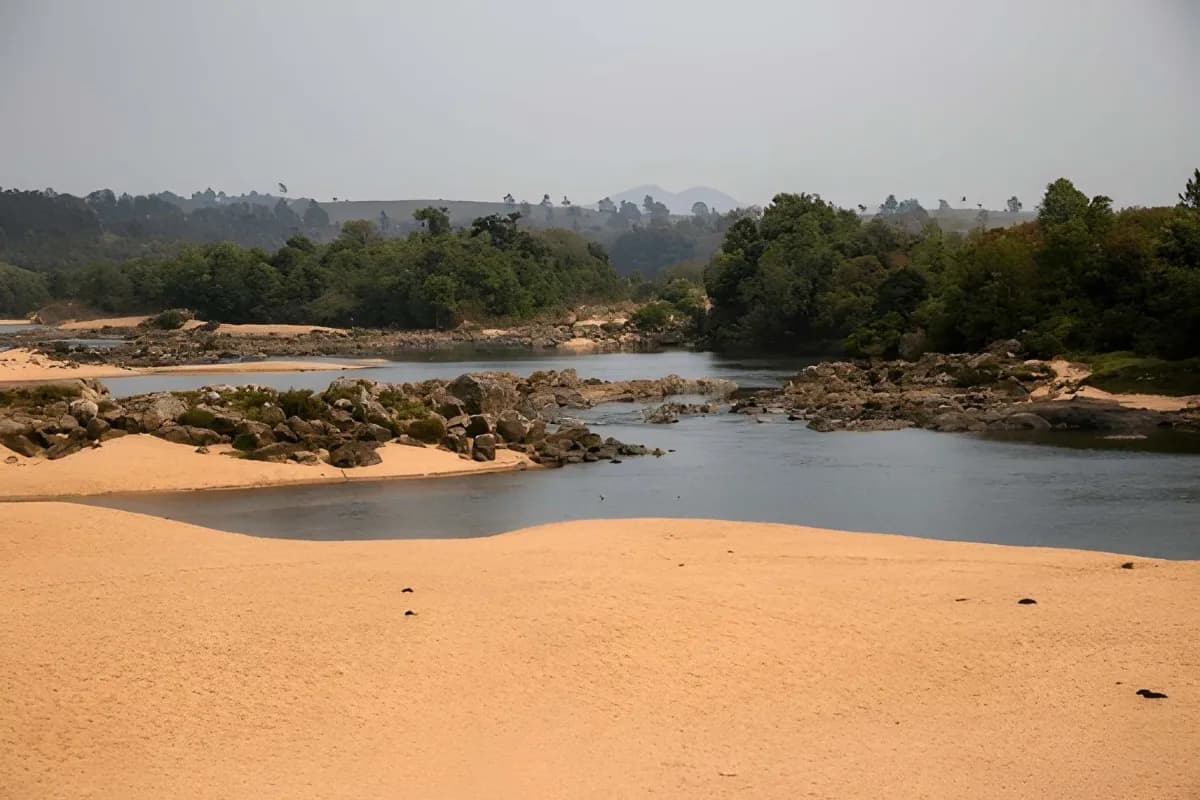
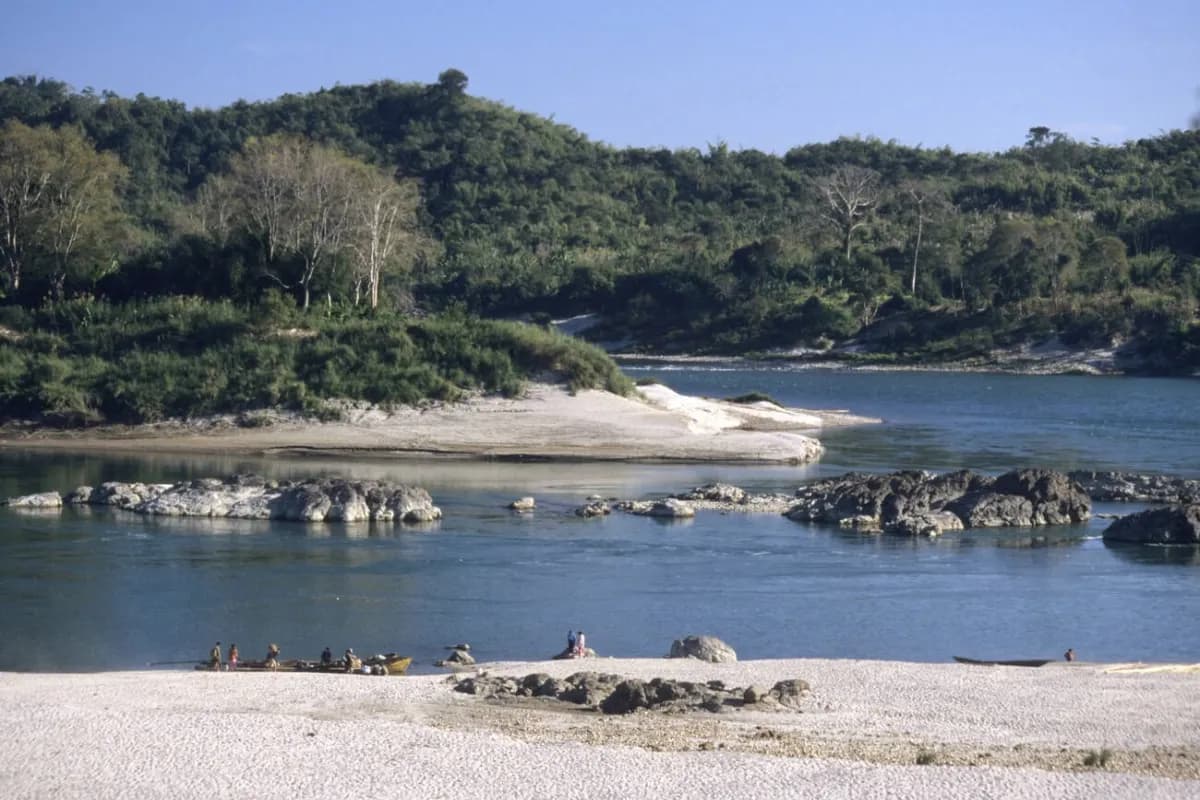
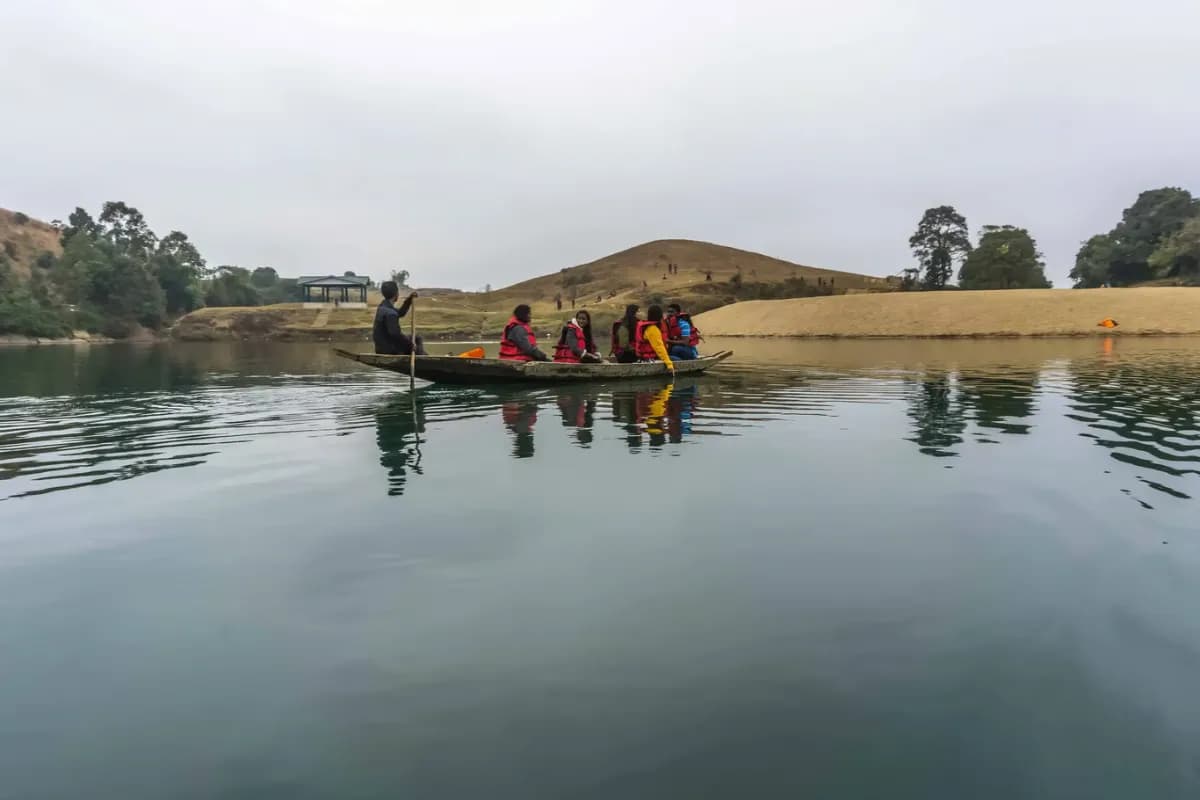
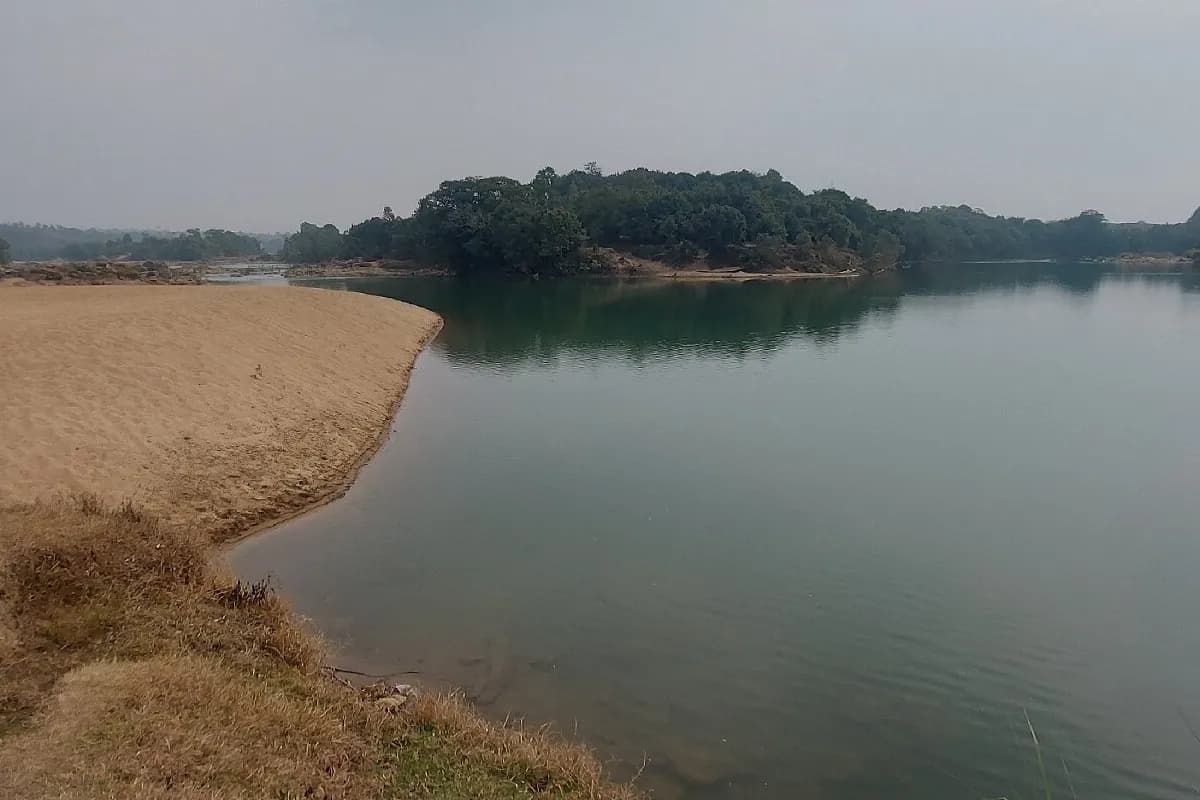
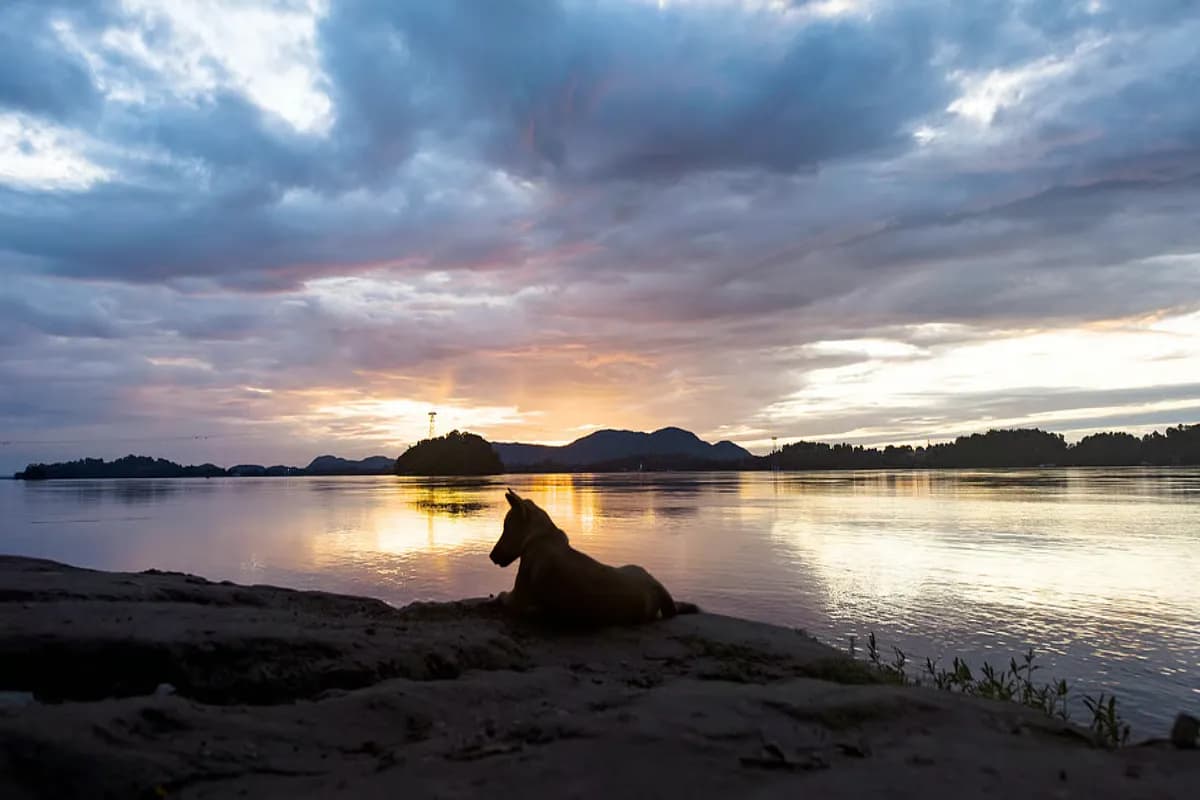
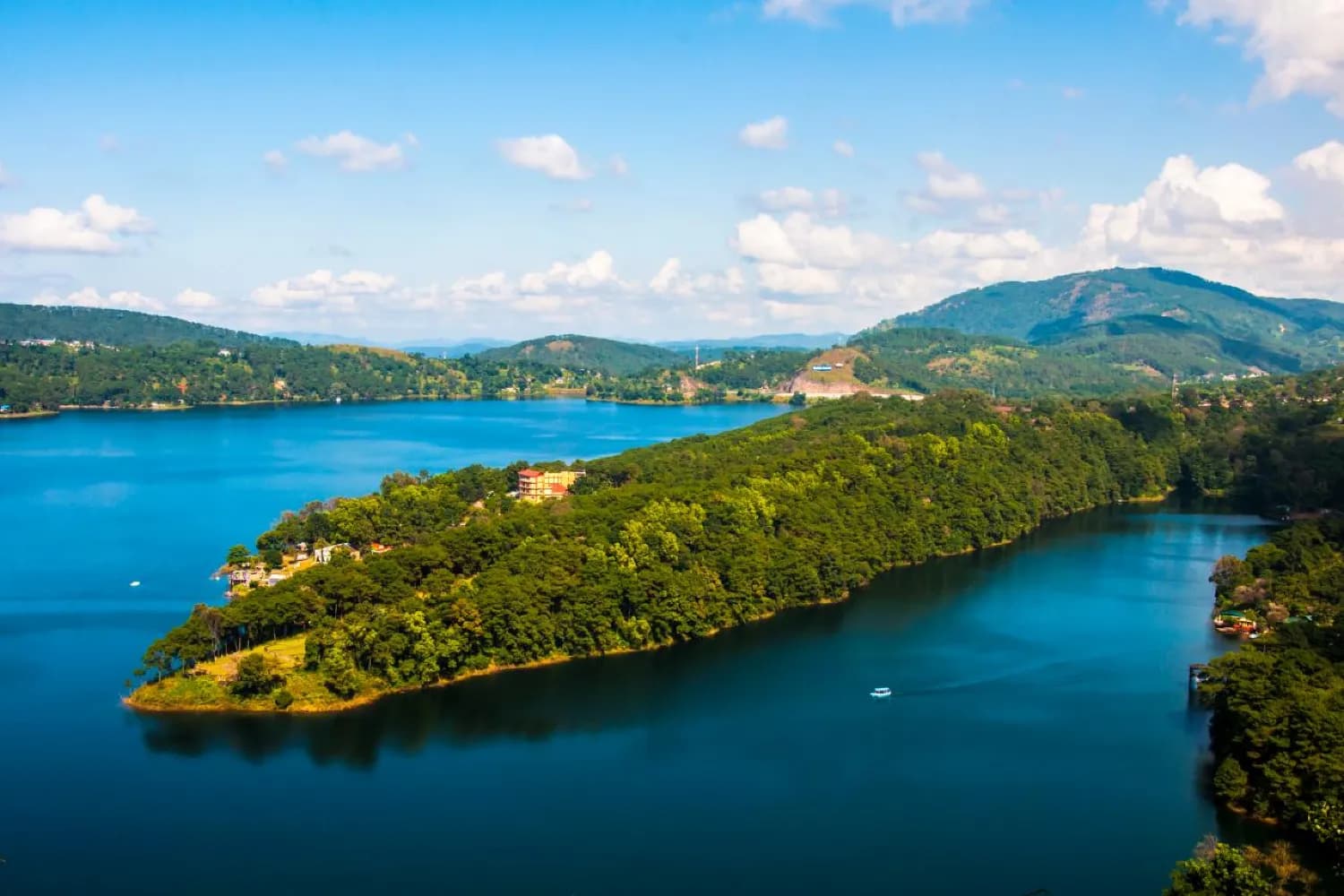
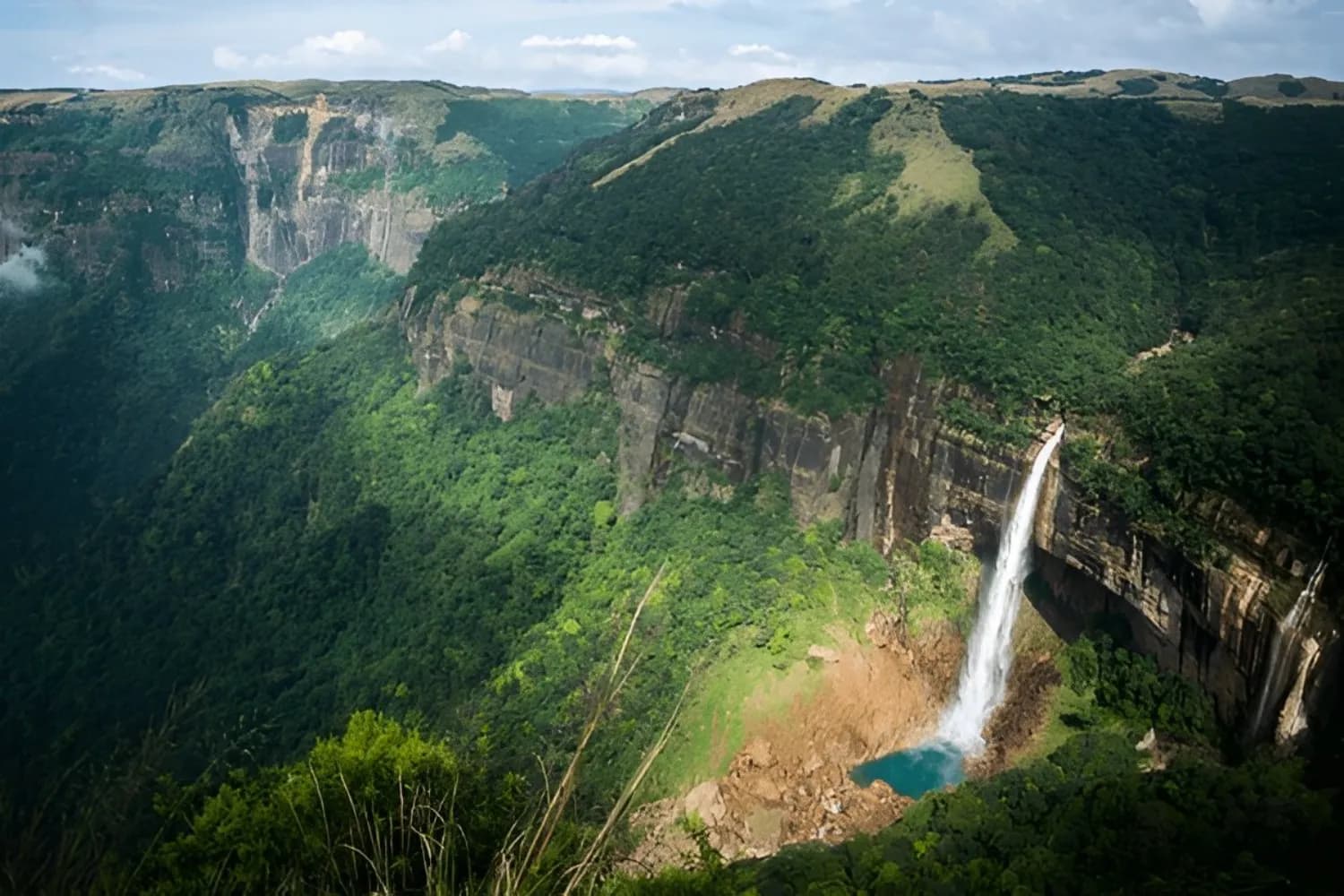
Nongkhnum Island, located in Meghalaya's West Khasi Hills, is the second-largest river island in India (after Majuli) and the largest in the state. Formed by the Kynshi River splitting into the Phanliang and Namliang rivers near Nongstoin, it is a scenic spot known for sandy beaches, green meadows, and waterfalls. Unlike commercial hill destinations, Nongkhnum is known for its quieter surroundings with very limited tourist infrastructure.
Not all people know about this hidden place, so very few include this wonderful destination in their Meghalaya tour packages, and the destination fits better for slow travel, riverside camping, and short nature-based stays instead of fast-paced sightseeing itineraries.
Nongkhnum Island is significant because it represents a less-commercialised side of Meghalaya tourism where natural landscapes remain largely undisturbed by heavy infrastructure. The island’s formation through river division creates a rare combination of grasslands, sandy stretches, cliffs, and flowing water within one geographical area. Unlike Meghalaya’s better-known destinations, focused mainly on waterfalls or trekking, this island reflects Meghalaya’s growing eco-tourism potential while still maintaining strong connections with local Khasi village life and traditional rural surroundings.
The best time to visit Nongkhnum Island is from October to April, when river levels remain manageable and outdoor activities become easier. Early mornings and late afternoons are more comfortable for exploring due to lower temperatures. Monsoon months can make access difficult because of rising water levels and slippery routes.
Reach Shillong first from Guwahati by shared taxi or bus, which usually takes 3 - 4 hours. From Shillong, shared sumos for Nongstoin are available near Police Bazaar, costing around ₹400 - ₹600 per person. Private taxis may cost ₹3,500 - ₹5,000 depending on vehicle type. From Nongstoin, local taxis take visitors towards the Nongkhnum Island village areas. The final access usually involves crossing a small suspension bridge or local boat route, depending on water conditions.
Day Wise Timings
Maps & Location
Meghalaya 793119
Essential Information
Point of Interest for Nongkhnum Island Beach
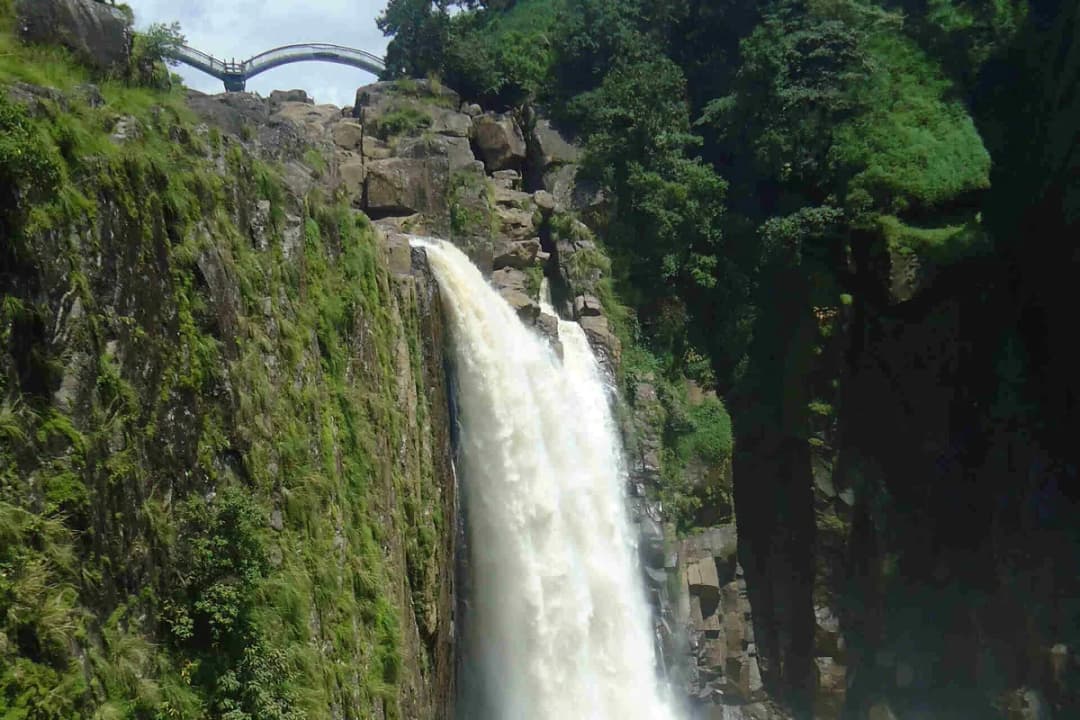
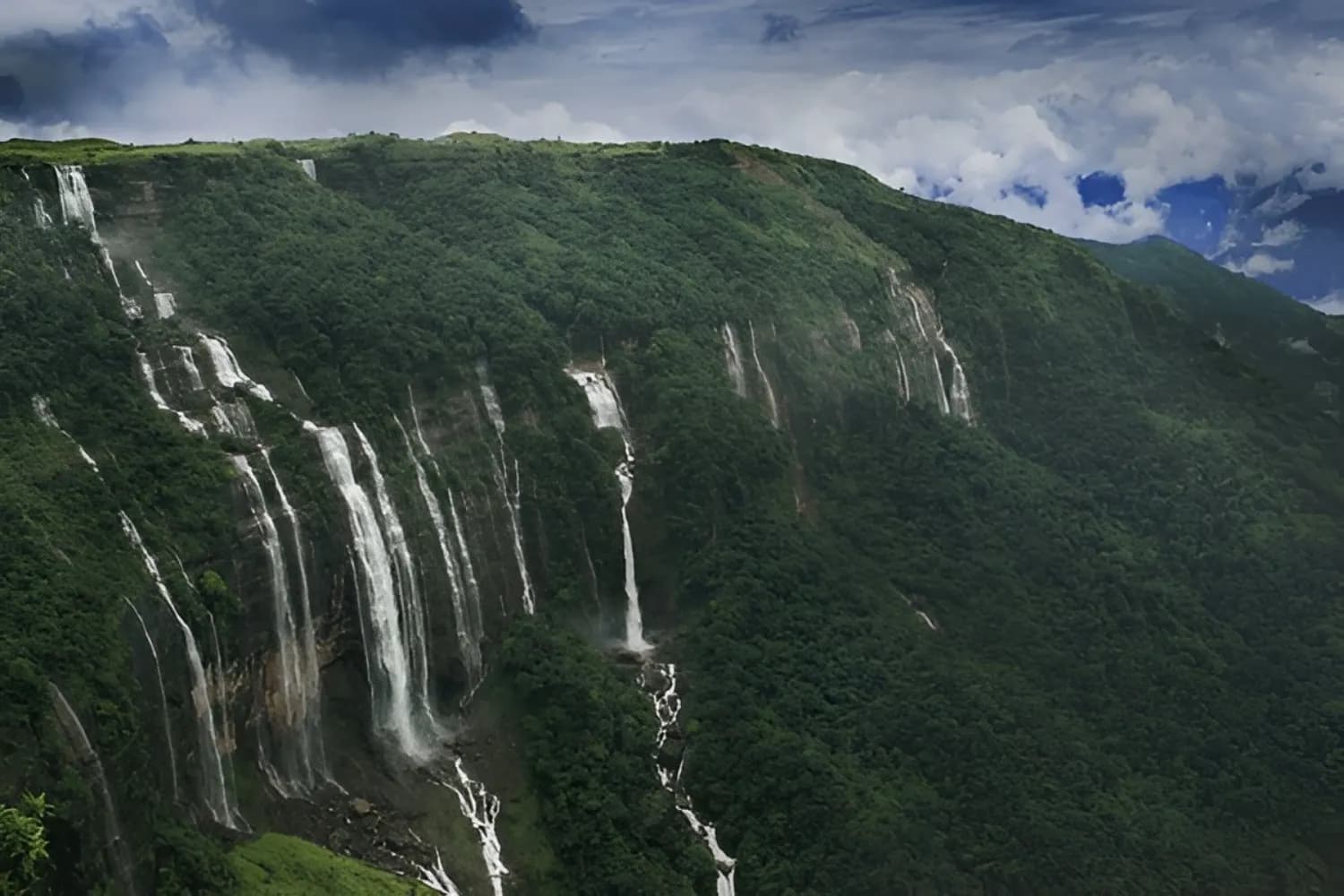
Weinia Falls Viewpoint
A waterfall viewpoint overlooking layered cliffs and flowing river sections near Nongkhnum Island.
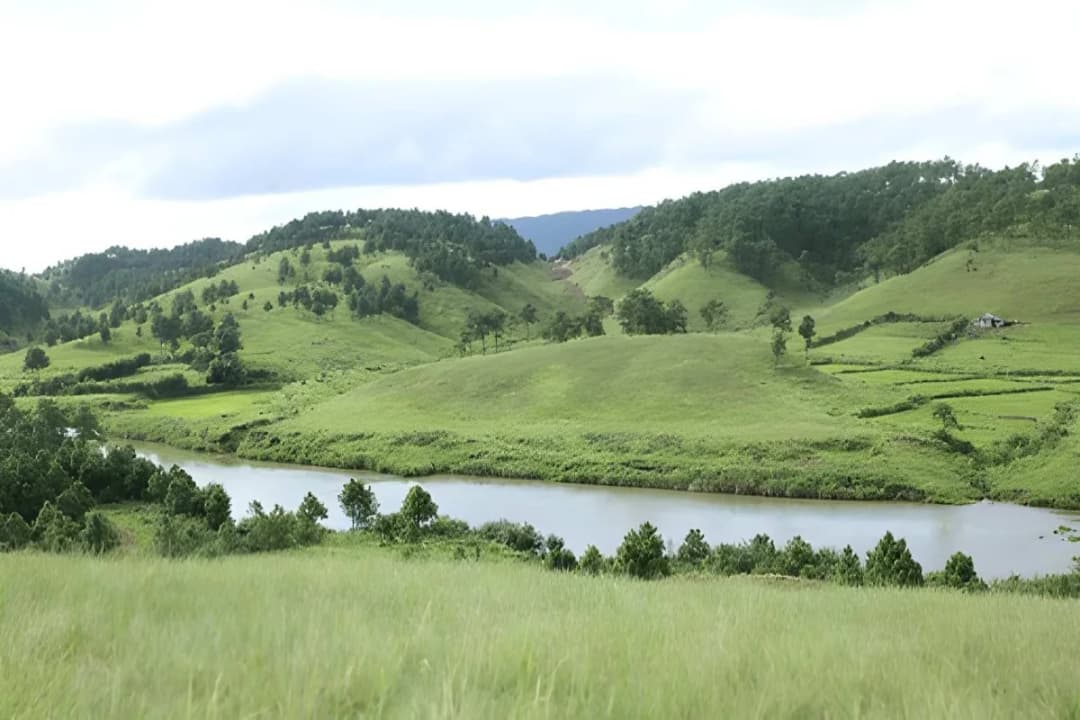
Kynshi River Sandbanks
Wide sandy stretches suitable for riverside walks, camping, and relaxed outdoor activities.
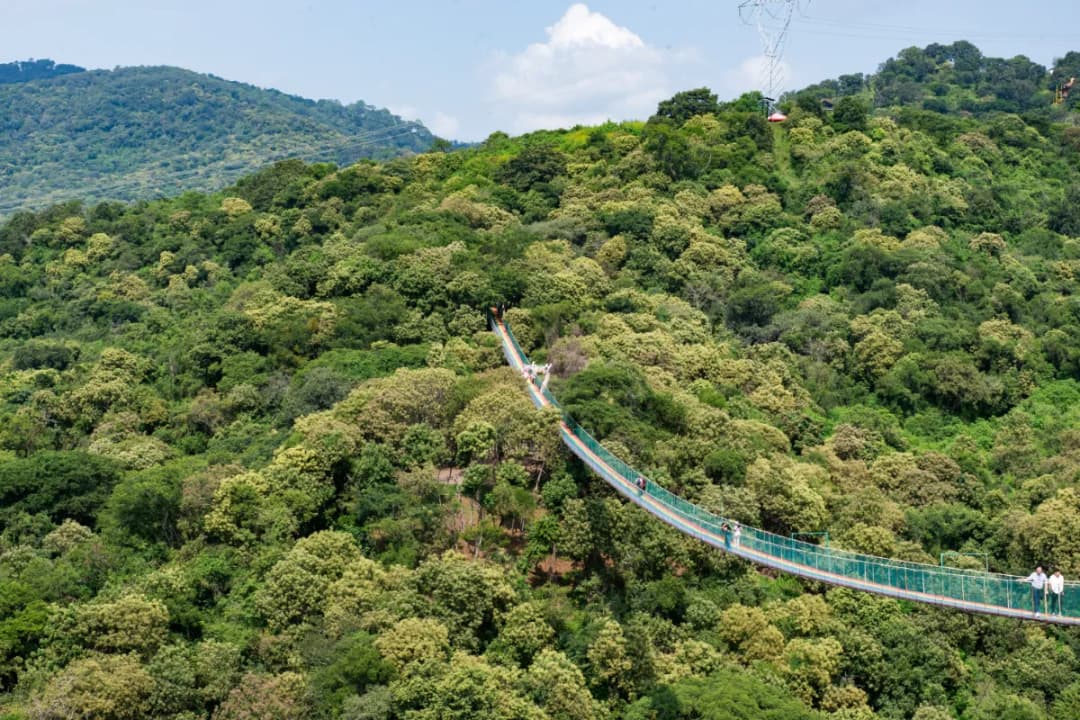
Suspension Bridge Crossing
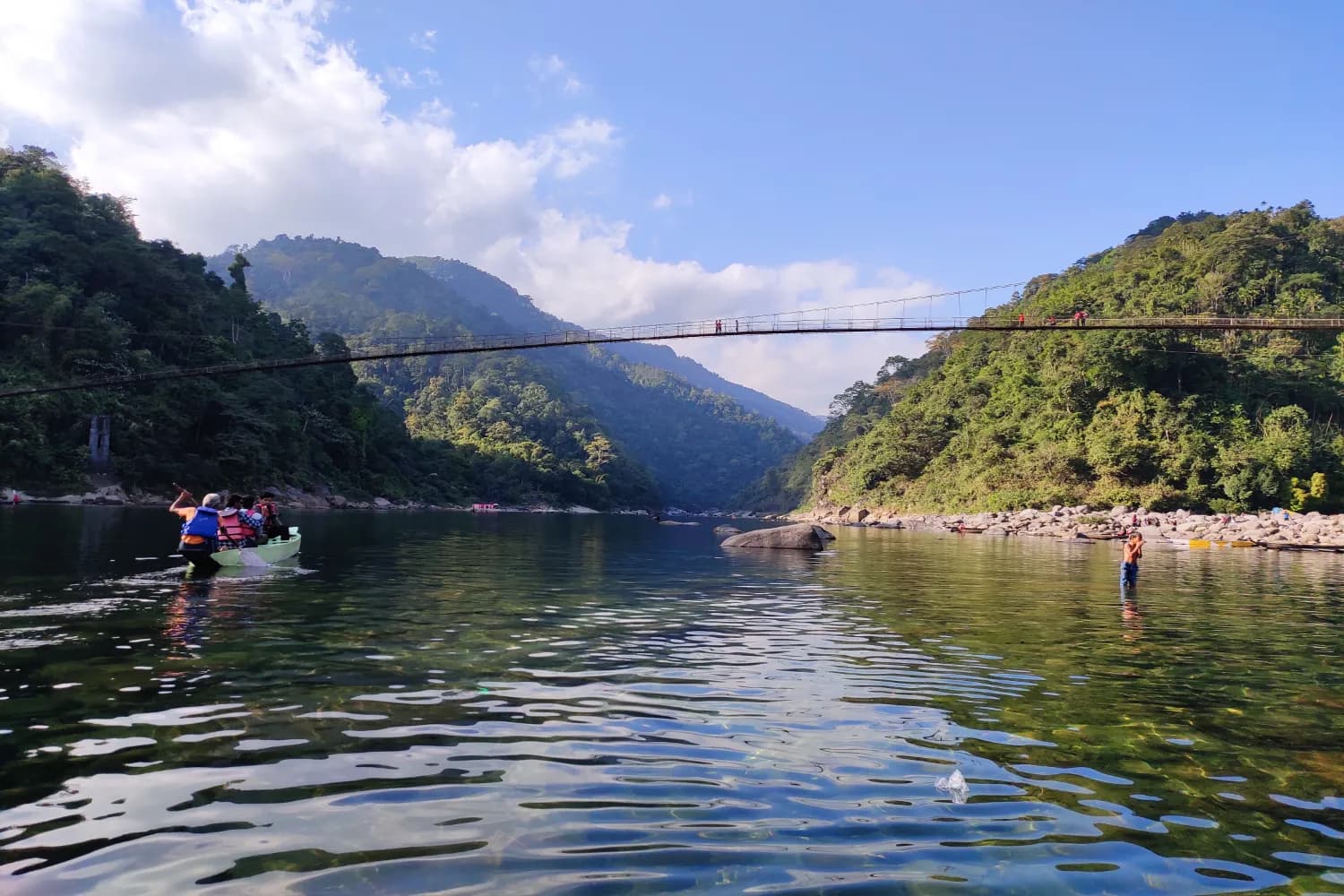
A hanging bridge connecting sections near the island with open river and valley views.
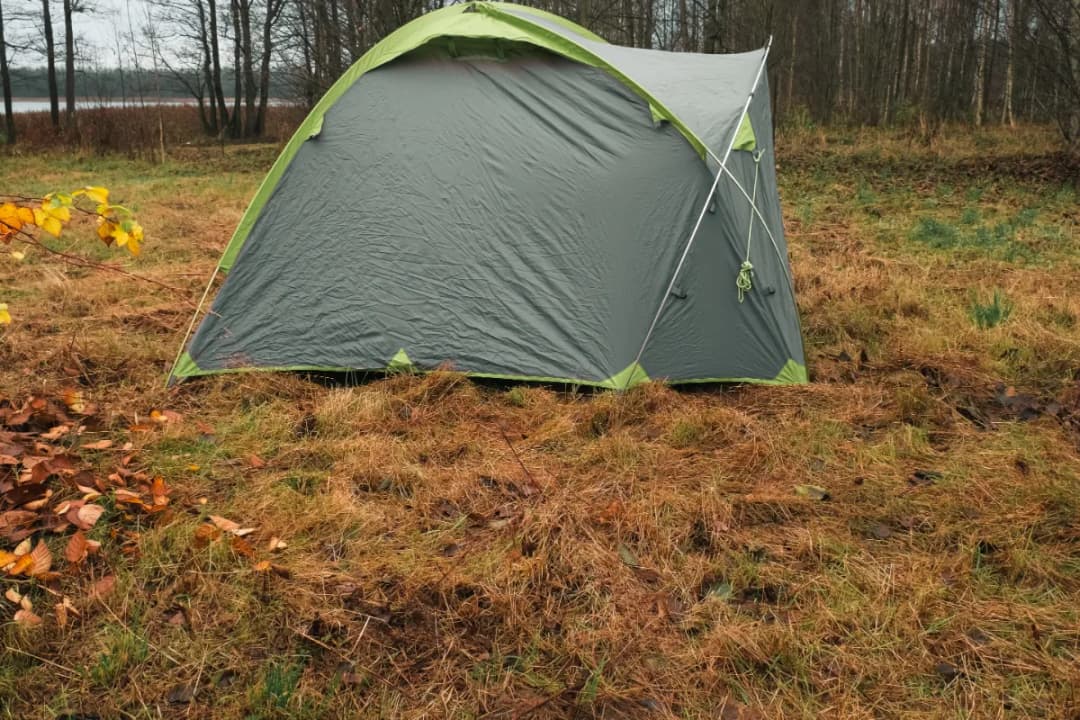
Riverside Camping Areas
Open camping spots beside the river offering quieter overnight stays away from crowded tourist zones.
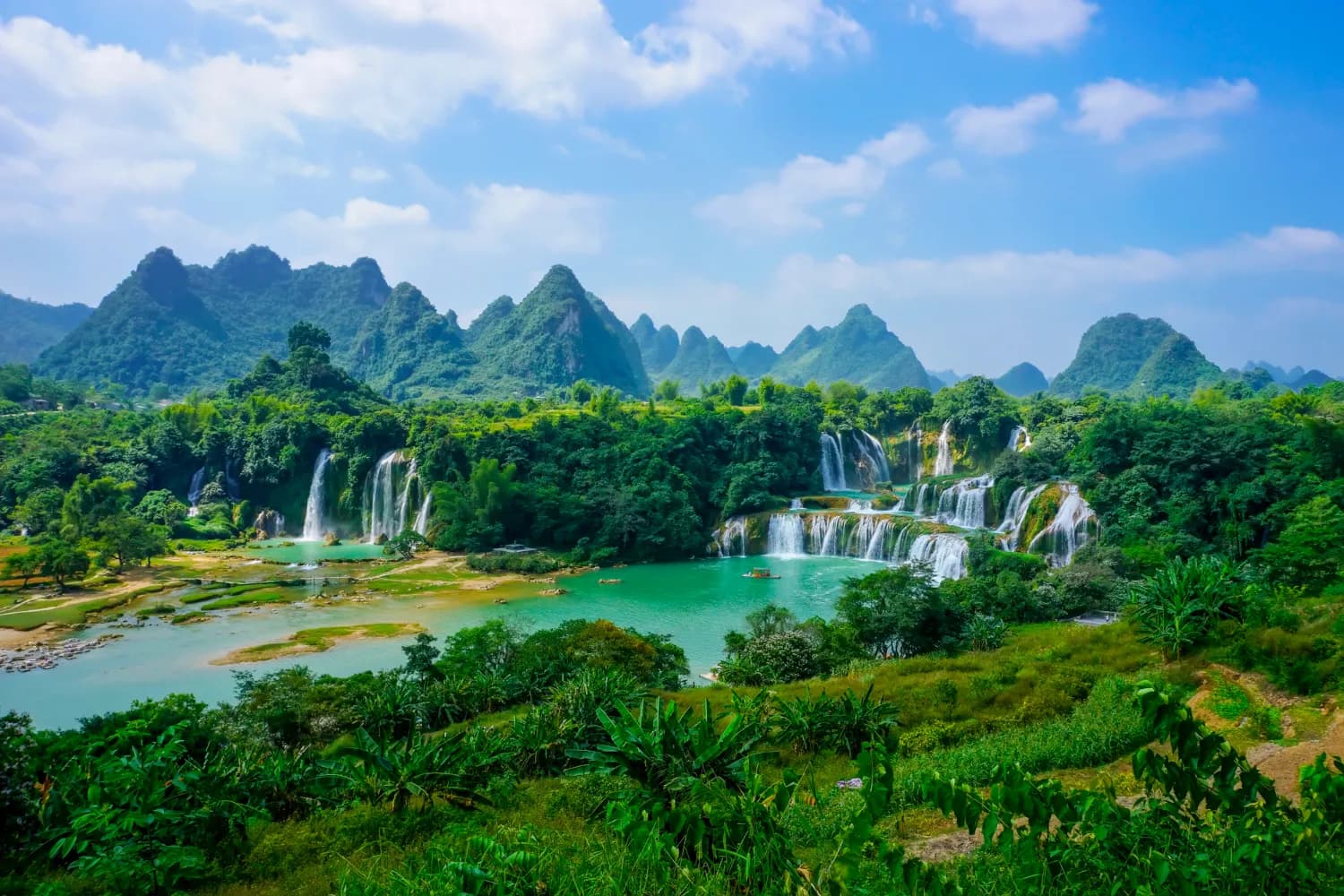
Nongkhnum Island is famous for riverside landscapes, sandbanks, waterfalls, camping areas, and quieter natural surroundings in Meghalaya.
Yes, especially for travellers looking for less-crowded destinations focused on nature, camping, and slower travel experiences.
Nongkhnum Island is formed by the bifurcation of the Kynshi River in Meghalaya’s West Khasi Hills region.
Yes, riverside camping is one of the main activities here, especially during the dry season from October to April.
One to two days are usually enough to explore the island, nearby viewpoints, and camping areas comfortably.

Trusted by 1,00,000+ travellers

Dedicated experts to plan your trips

Secure bookings, clear cancellations

10,000+ unique trips to choose from

5.0

Nikhil Joshi
Reviewed: Dec 14, 2025One of the best trips I’ve taken. The itinerary was perfect, and every destination was unique. Kaziranga safari was the highlight. Highly recommend this 6N/7D tour package.
One of the best trips I’ve taken. The itinerary was perfect, and every destination was unique. Kaziranga safari was the highlight. Highly recommend this 6N/7D tour package.
Shreya Banerjee
Reviewed: Jan 13, 2026A well-organized tour with beautiful destinations. Shillong’s landscapes were stunning, and Kaziranga safari was exciting. Minor improvements needed in coordination, but overall very satisfying.
A well-organized tour with beautiful destinations. Shillong’s landscapes were stunning, and Kaziranga safari was exciting. Minor improvements needed in coordination, but overall very satisfying.