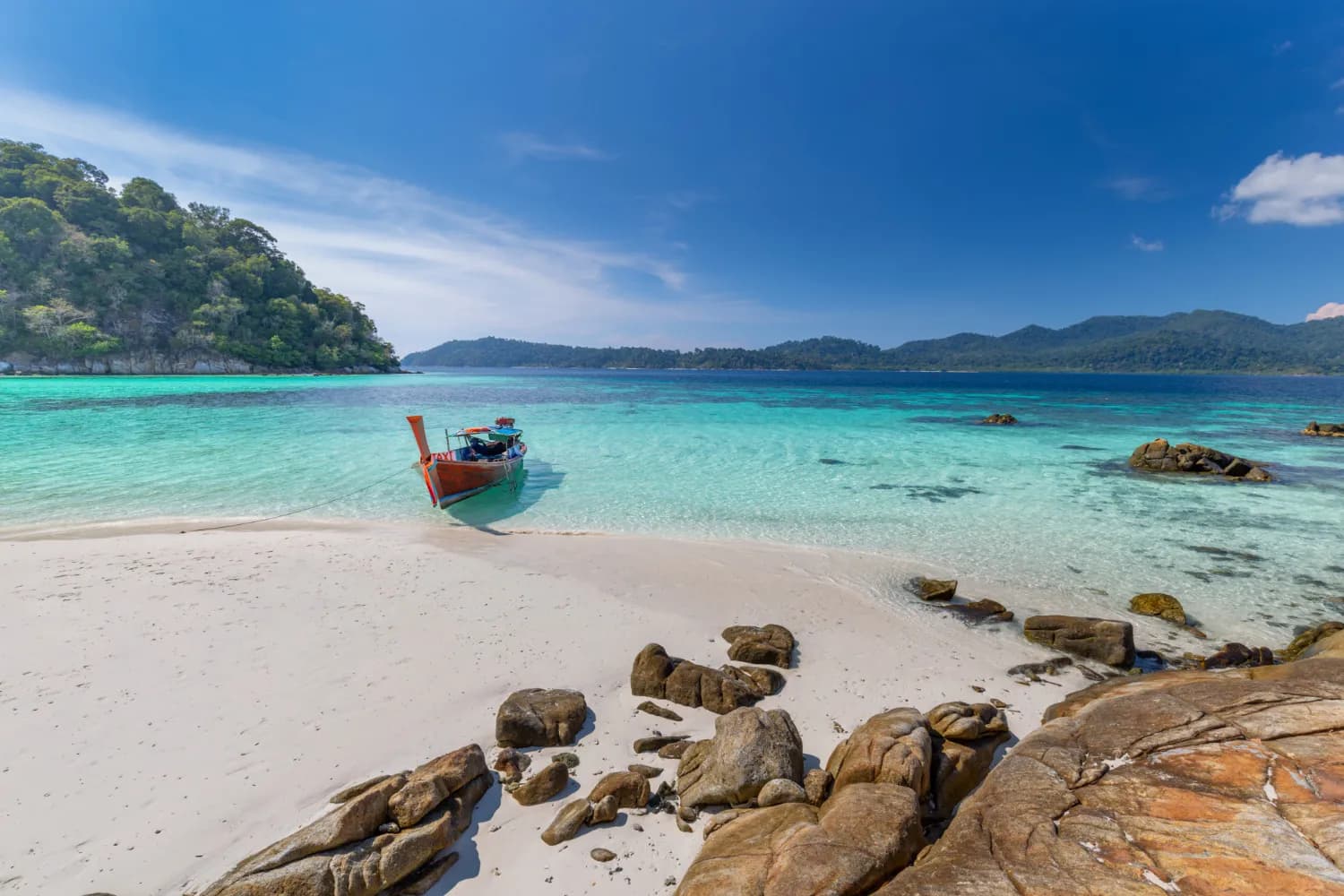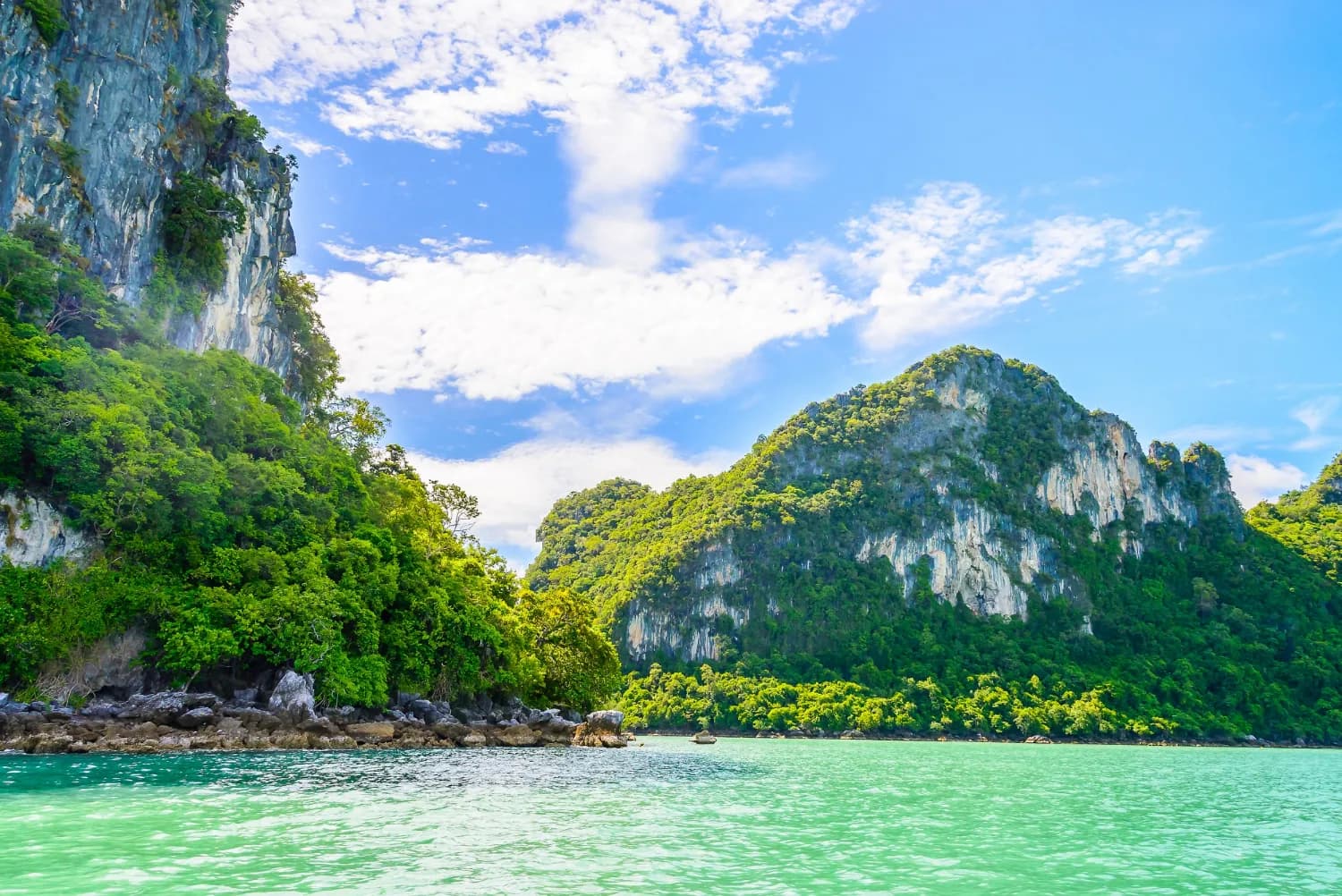

The Andaman and Nicobar Islands are always spoken about for beaches and blue water, but their past carries far more weight than most people realise. Long before tourism made the Andaman famous, it witnessed exile, resistance, survival, and sacrifice. Travellers who visit Andaman walk past the historical places of Andaman and Nicobar Islands without knowing what actually happened here or why these places matter.
If you are planning for Andaman tour packages or simply trying to understand India better, this blog adds depth to your journey. It helps you see the historical places of Andaman and Nicobar Islands not as monuments, but as reminders of courage that shaped freedom itself.
₹16,999
per person
₹38,999
per person
₹23,999
per person
₹43,999
per person
The recorded history of Andaman and Nicobar Islands is layered with isolation, colonial control, and quiet resistance. For centuries, the islands remained cut off from mainland power struggles, inhabited by indigenous tribes who lived on their own terms. Everything changed when the British arrived and saw the islands as a perfect place to imprison those who challenged their rule.
The Cellular Jail became a tool of fear, where freedom fighters were sent far away from public memory. Life here was harsh, punishments were designed to break spirit, and survival itself became an act of defiance. During World War II, the Japanese occupation added another chapter of suffering and uncertainty. Later, Netaji Subhas Chandra Bose’s arrival symbolised hope and defiance, briefly shifting the islands from prison to proclamation. Today, the historical places of Andaman and Nicobar islands quietly hold these stories, waiting for people who care enough to listen.
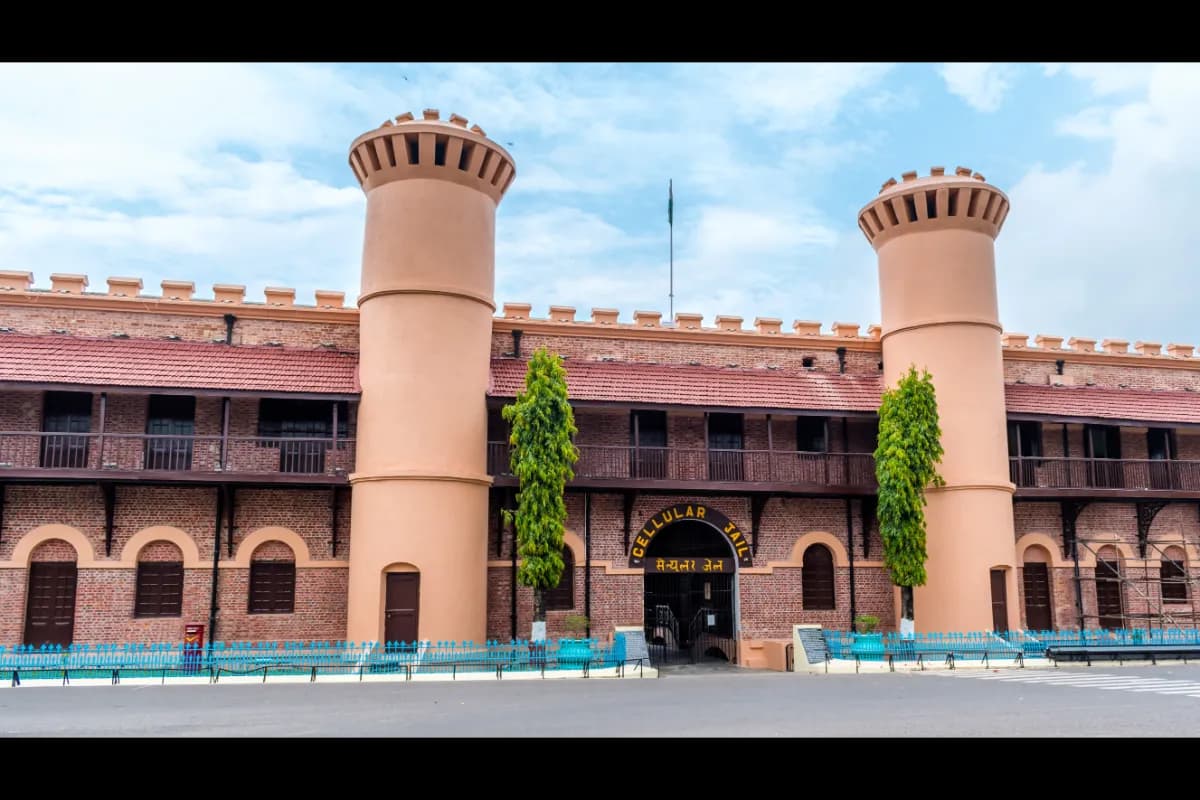
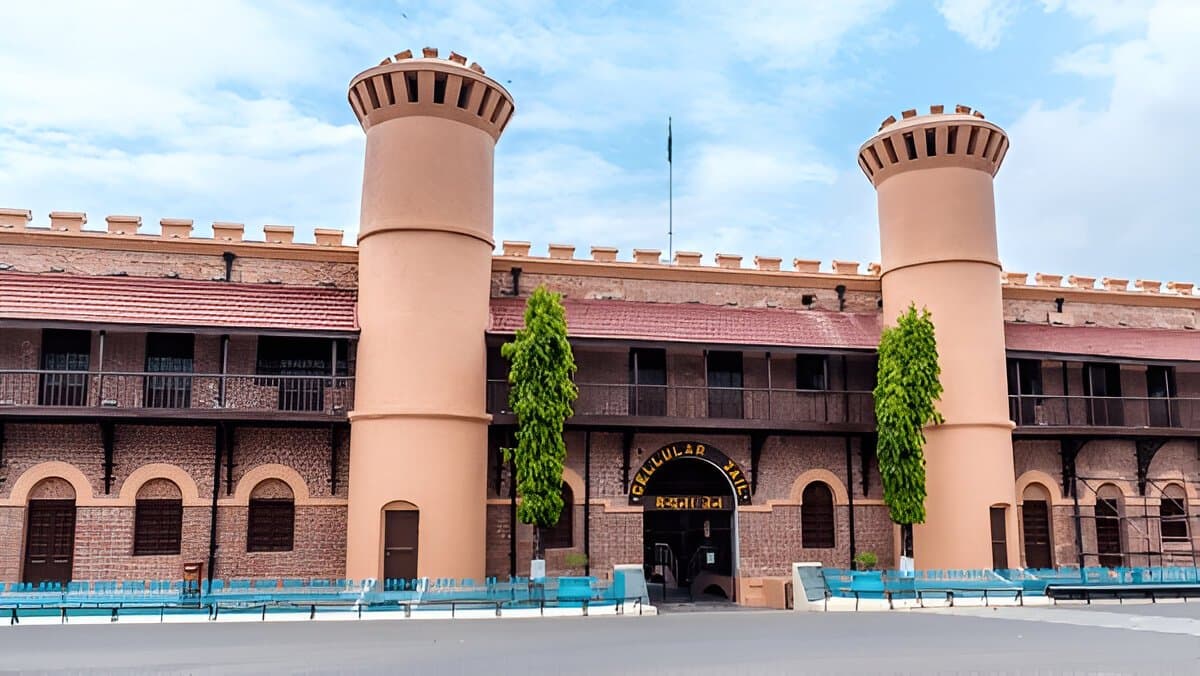
Cellular Jail is an experience that stays heavy even after you leave. Built by the British, this prison was designed to isolate inmates completely, both physically and mentally. Each cell faced inward, cutting prisoners off from human contact. Freedom fighters endured forced labour, starvation, and relentless punishment.
Many never returned home. Walking through its corridors makes you realise how calculated oppression was. The evening light and sound show helps contextualise stories, but the silence inside the cells speaks louder. Among all historical places of Andaman and Nicobar Islands, Cellular Jail stands as the most powerful reminder of sacrifice and resilience.
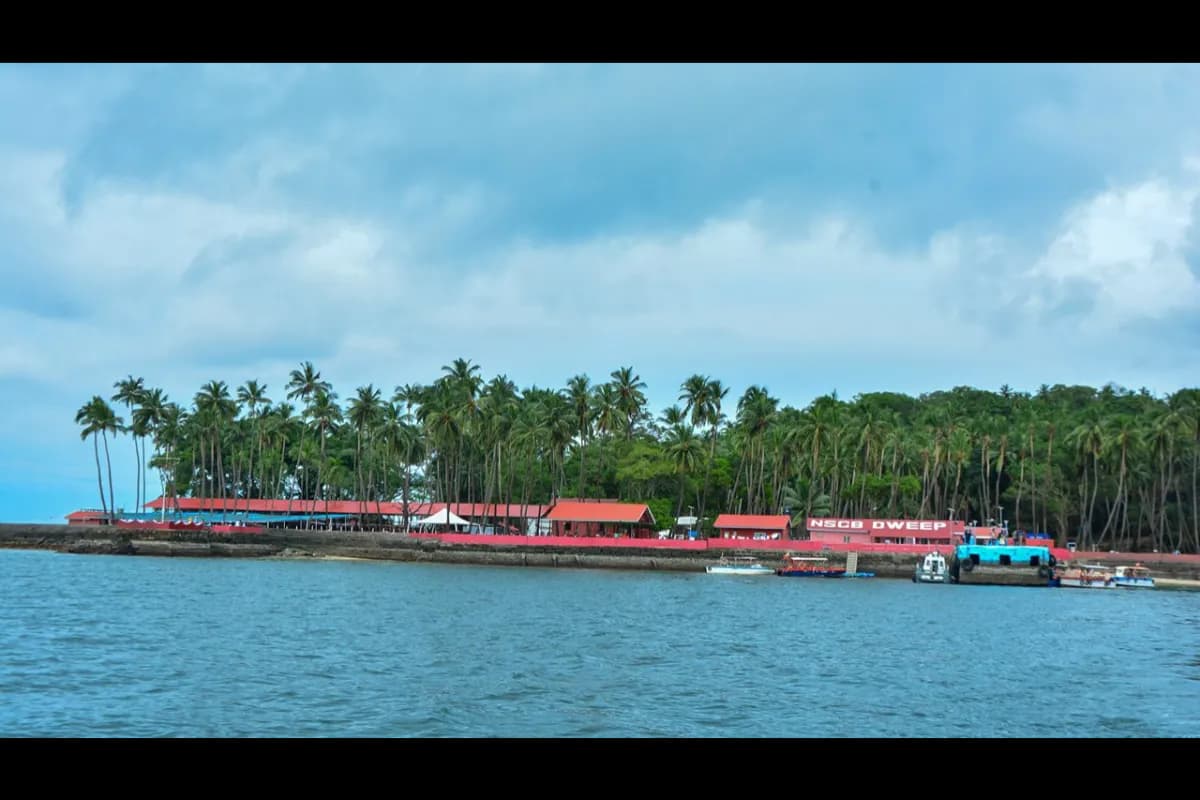
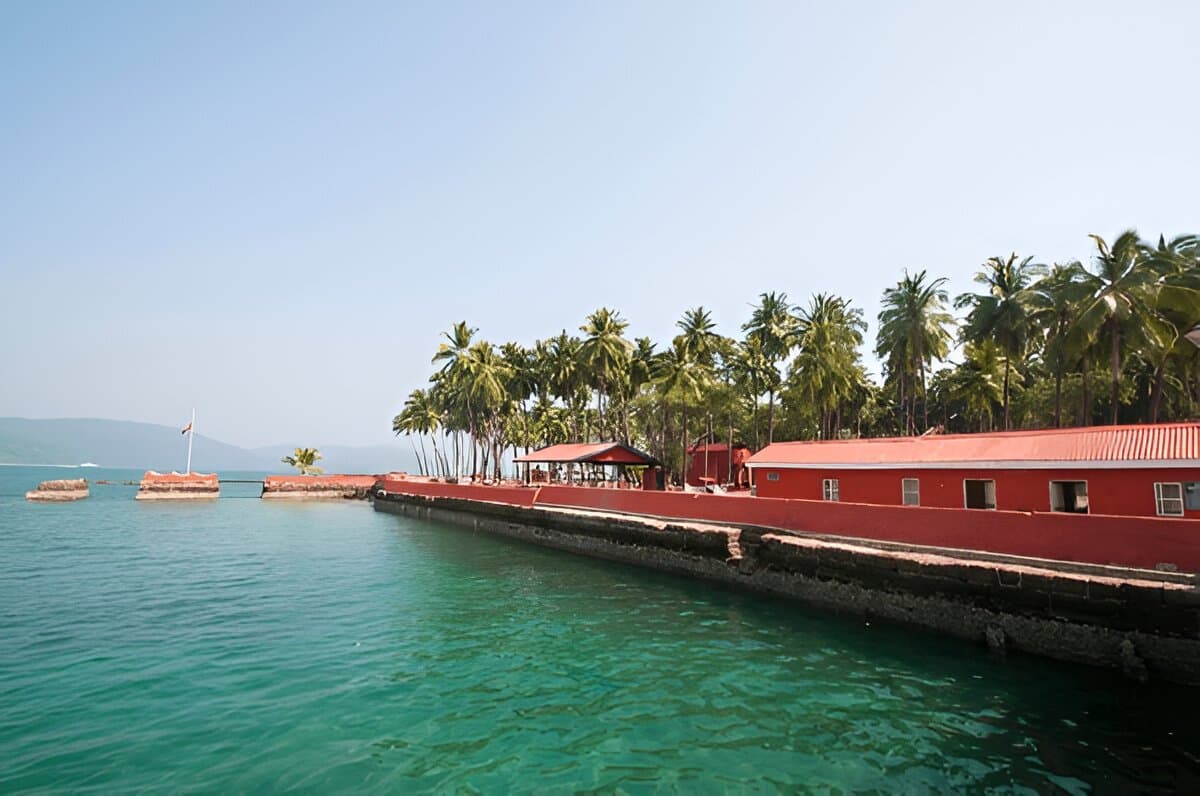
Formerly known as Ross Island, this small island played a surprisingly big role in colonial history. Once the administrative headquarters of the British, it housed officers’ homes, churches, bakeries, and clubs.
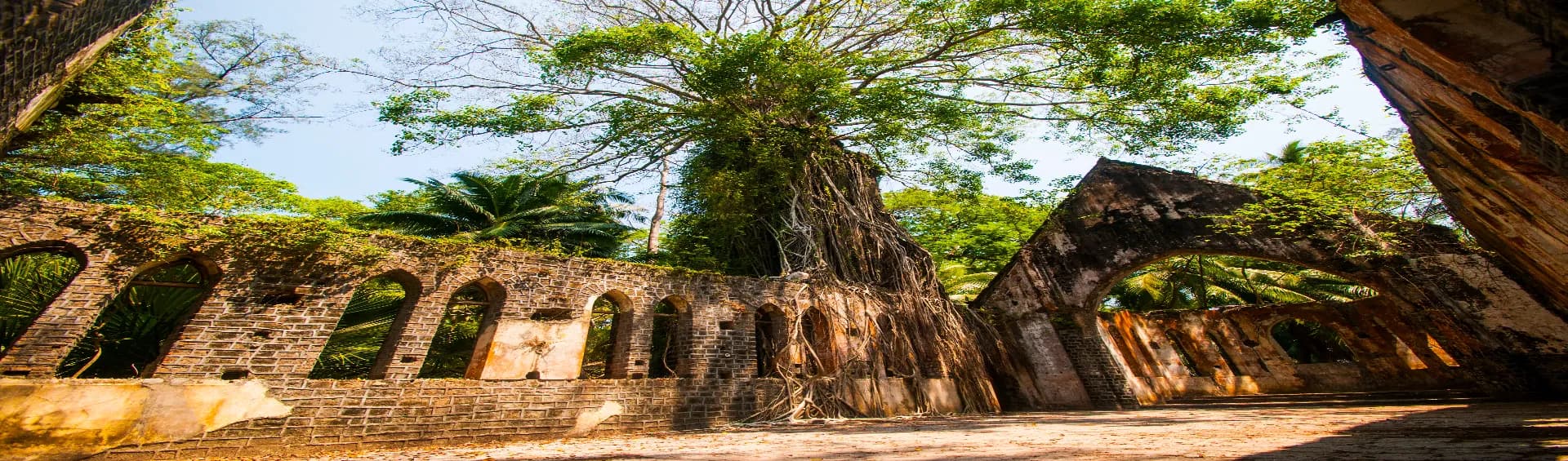
Today, nature has reclaimed most of it. During World War II, Netaji Subhas Chandra Bose visited the island and hoisted the Indian flag, renaming it in honour of freedom. That moment transformed its meaning entirely. As you walk through ruins wrapped in roots and vines, history feels close and fragile. This site adds emotional depth to the historical places of Andaman and Nicobar Islands, blending decay with remembrance.
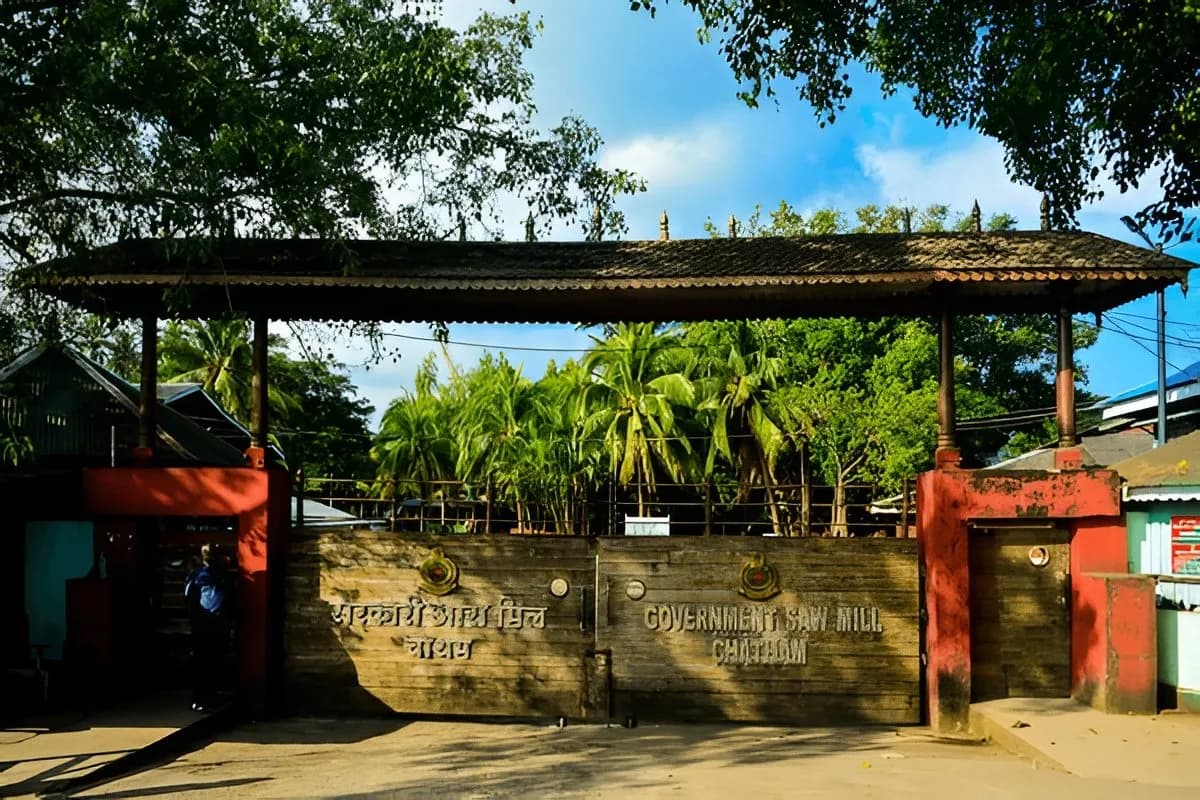
Within the historical places of Andaman, Chatham Saw Mill shows how resources, labour, and empire were closely tied together. Chatham Saw Mill stands as one of Asia’s oldest and largest wood processing units, established by the British in the 19th century.
It played a crucial role in supplying timber for colonial infrastructure across the islands. During World War II, the mill suffered heavy bombing, parts of which are still visible today. Inside, you learn how timber shaped colonial expansion and daily life in the Andaman. This place tells an industrial side of history that often gets ignored.
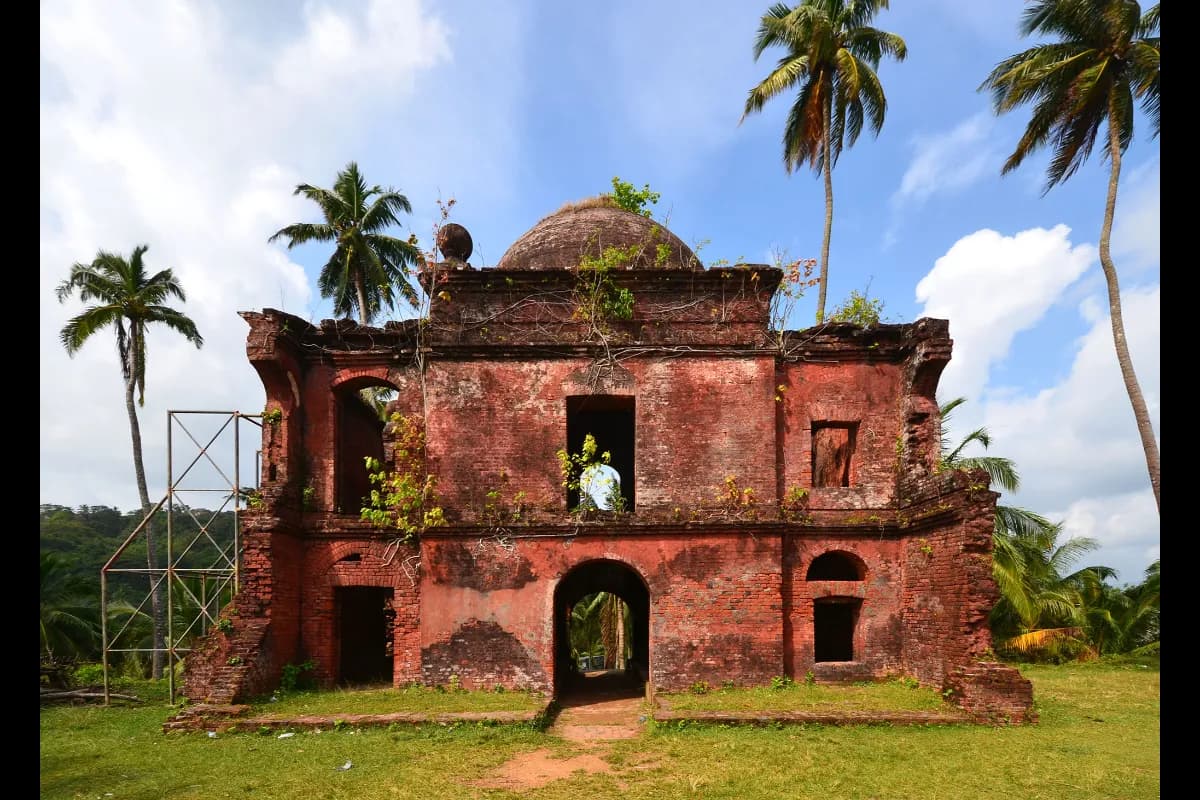
Viper Island predates Cellular Jail and served as one of the earliest detention centres used by the British. Prisoners were subjected to public punishments, including being chained and left exposed. The gallows here tell stories of cruelty that rarely make it into school textbooks.
The island feels quiet today, almost deceptively calm. Standing near the ruins, it becomes difficult to imagine the suffering that unfolded here. This location helps you understand how exile and fear were used as tools of control. It strengthens the narrative of the historical places of Andaman and Nicobar Islands by revealing their darker foundations.
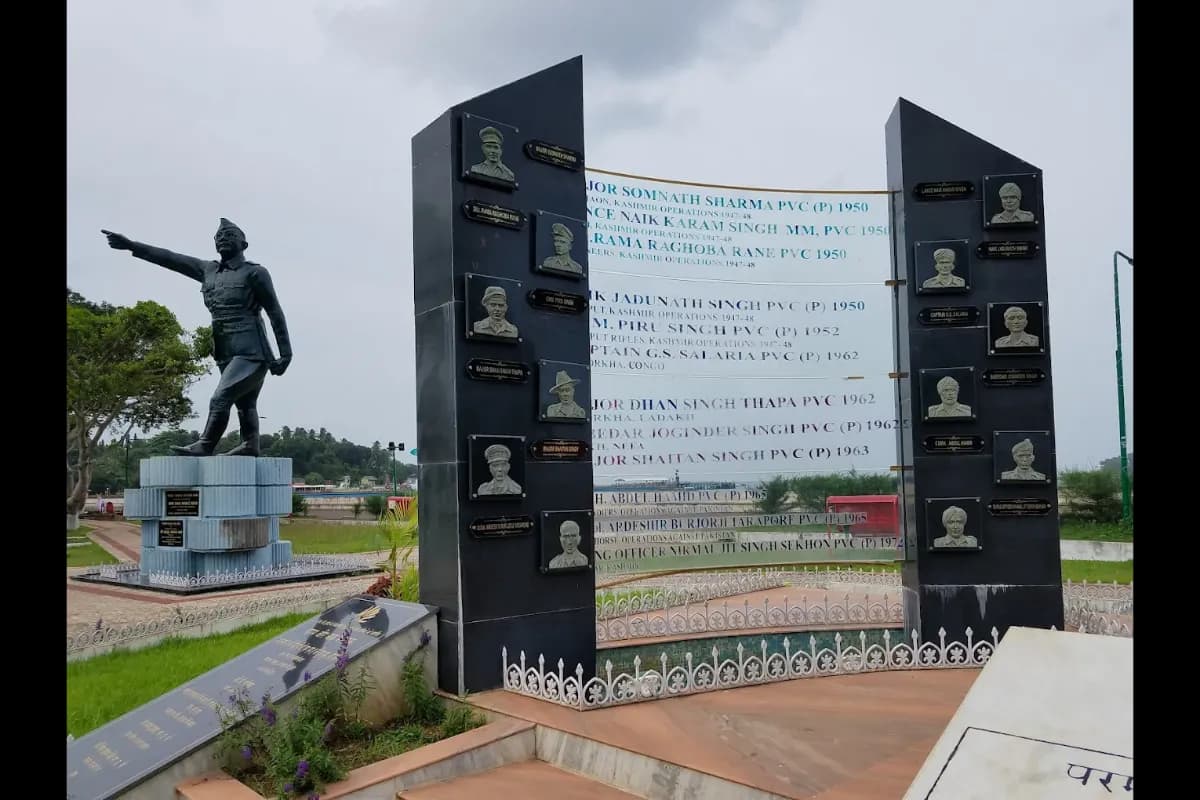
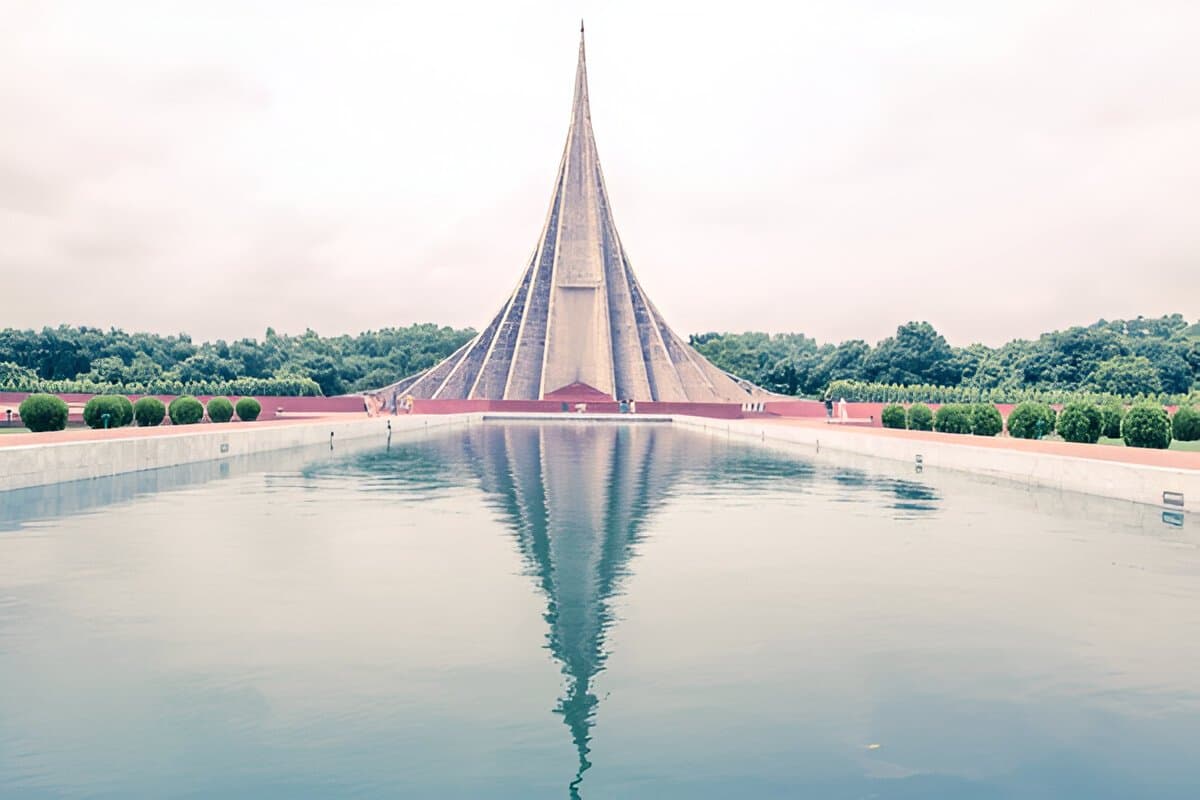
The Param Vir Chakra Memorial honours India’s highest military bravery award recipients. Located overlooking the sea, the memorial carries a sense of pride rather than sorrow. Each name etched here represents courage under extreme conditions. It connects Andaman’s colonial past with modern Indian military history. Visitors often overlook this site, but it adds balance to the story, showing honour alongside hardship.
Exploring the historical places of Andaman and Nicobar Islands adds a meaningful touch to your trip as you discover the most significant places to visit in andaman and enjoy the best things to do in Andaman. From iconic landmarks like Cellular Jail to colonial-era sites and museums, these destinations offer deep insights into India’s past and freedom struggle. Combining history with scenic beauty, Andaman provides a unique travel experience that is both educational and unforgettable.

March 21, 2026

March 21, 2026
March 20, 2026
March 20, 2026

March 20, 2026