Blog hero image
Top Travel Stories

Explore our latest blogs and travel with us

Sri Lanka in August
October 29, 20251 Minute
Sri Lanka in August
Sri Lanka in August sits in a fascinating weather pocket, making it one of the most rewarding times for a diverse travel itinerary. While the southwest coast experiences the tail end of the monsoon with occasional showers, the east coast and the Cultural Triangle are basking in glorious sunshine. This duality means you can seamlessly transition from sun-drenched beaches and surfing waves to cool highland tea estates and ancient, sun-baked cities. Planning Sri Lanka tour packages during this period allows you to experience the island’s unique regional climates and often coincides with spectacular cultural events like the Kandy Esala Perahera. Sri Lanka Weather August: Varied and Tropical The Sri Lanka weather August is distinctly tropical, but it varies significantly across the island due to the two monsoons. Overall, the temperature in Sri Lanka in the month of August is warm, and the humidity is high. East & North Coast (Trincomalee, Arugam Bay): This is the best region to visit. Expect hot, sunny days with minimal rainfall. In Sri Lanka in August, South & West Coast (Colombo, Galle): You will encounter moderate to high rainfall, usually in short, heavy bursts, primarily in the afternoons or evenings. Central Highlands (Kandy, Nuwara Eliya): Cooler and misty, with moderate rain, but perfect for enjoying the lush, green tea country. The Sri Lanka temperature in August in the lowlands ranges from 27°C to 32°C, while the hill country is much cooler, between 18°C and 26°C. The general Sri Lanka climate in the month of August supports travel, especially if you focus on the dry zones. Top Places to Visit in Sri Lanka in August 1. Trincomalee and the East Coast The East Coast is at its peak season in Sri Lanka in August. Trincomalee and nearby Nilaveli offer calm, crystal-clear seas perfect for swimming, snorkelling, and diving. The dry Sri Lankan weather in the month of August provides 7–8 hours of sunshine daily. Pigeon Island National Park, a boat ride away, is ideal for coral viewing. 2. The Cultural Triangle (Sigiriya, Dambulla, Polonnaruwa) This historical heartland is warm, dry, and perfect for exploring Sri Lanka in the month of August. Climb the magnificent Sigiriya Rock Fortress (Lion Rock) in the early morning to beat the heat. The temperature in Sri Lanka in August makes it comfortable for exploring the ancient ruins of Polonnaruwa and the Dambulla Cave Temple. 3. Kandy and the Esala Perahera Festival Kandy, the Hill Capital, is a major highlight. August often hosts the world-famous Kandy Esala Perahera, a spectacular Buddhist festival featuring illuminated processions of dancers, drummers, fire-breathers, and decorated elephants. The moderate Sri Lanka climate in August in the hills is a cool respite from the coast. Entry to the Temple of the Sacred Tooth Relic is about 1500 in Sri Lankan currency (₹400–₹500). 4. Arugam Bay For surf enthusiasts, Sri Lanka in August means peak surf season at Arugam Bay on the southeast coast. The Sri Lanka weather in the month of August is excellent, providing hot, dry conditions and consistent waves. Surf lessons and board rentals are readily available. 5. National Parks (Yala or Udawalawe) August is a great time for a wildlife safari. While Yala National Park may experience some crowding, Udawalawe National Park is renowned for its large herds of Asian elephants. The drier conditions aid in spotting animals as they congregate around water sources. Safari jeep hires typically cost around 6,000–8,000 LKR (₹1,500–₹2,000). Outdoor Adventures and Activities Beach Bliss and Surfing: Head straight to the East Coast beaches, Trincomalee and Arugam Bay, to enjoy the best Sri Lanka weather August offers. Cultural Sightseeing: Explore the ancient cities of the Cultural Triangle under dry, sunny skies. Highland Train Journeys: Take the scenic train ride from Kandy or Nuwara Eliya to Ella, winding through tea plantations under the cooler Sri lanka climate in the month of August. Wildlife Safaris: August is a fantastic month for leopard and elephant sightings in the national parks. Festival Participation: Witness the grandeur and cultural richness of the Kandy Esala Perahera. Things to prepare: Pack Smart: Given the varied Sri Lanka climate in August, pack light, breathable clothing for the coast, a light jacket or shawl for the hill country, and an umbrella or light rain gear for the southwest. Stay Hydrated & Sun Safe: The high Sri Lanka temperature in August and the strong equatorial sun require high-SPF sunscreen, a hat, and constant hydration, especially when visiting the Cultural Triangle. Book in Advance: If your trip coincides with the Kandy Esala Perahera, book Kandy accommodation and Perahera viewing seats well in advance, as this is a major cultural event. Regional Focus: To maximise beach time, focus your itinerary on the North and East Coasts, as the temperature in Sri Lanka in August is most favourable there. Frequently Asked Questions About Sri Lanka in August: 1. Is August a good time to visit Sri Lanka? Ans. Yes, August is an excellent time to visit. While the southwest is wet, the sun shines brightly on the east coast and the Cultural Triangle, offering a diverse and rich itinerary with cultural festivals. 2. How is the Sri Lanka weather August? Ans. The Sri Lankan weather in the month of August is warm and tropical. Expect dry and sunny days on the east coast, while the Southwest sees intermittent, heavy showers, often in the late afternoon. 3. What is the temperature in Sri Lanka in August? Ans. The temperature in stunning Sri Lanka in August ranges from 27°C to 32°C in coastal and lowland areas, but it is comfortable in the cool Central Highlands. It’s a good time to enjoy in Sri Lanka. 4. Which coast is best to visit in Sri Lanka in August? Ans. The best coast to visit in Sri Lanka in the month of August is the East Coast (Trincomalee, Arugam Bay), as the Sri Lanka climate in August guarantees clear skies, calm seas, and perfect beach weather. 5. What is the Sri Lanka climate in August for hiking? Ans. The Sri Lankan climate in the month of August in the hill country (Ella, Nuwara Eliya) is cool, misty, and perfect for hiking, though occasional rain should be expected. Also Read: Places to Visit in SrilankaMust Read: Things to do in Srilanka

Read More

Things to Buy in Maldives
October 29, 20251 Minute
Things to Buy in Maldives
The Maldives is a beautiful island located in the Indian Ocean. It is famous for its clear blue waters, white sandy beaches, and beautiful resorts. But it is also a great place to shop. There are many things to buy in Maldives, from handmade crafts to local food. The Maldives offers many unique items that make perfect souvenirs. Buying these products is a wonderful way to remember your trip or gift something special to loved ones. Maldives Tour Packages offer more than just a holiday, giving you a chance to explore local culture. Shopping in the Maldives is more than just buying things. Most items are handmade by local artisans and show the island’s culture and traditions. Each product tells a story about the people and their way of life. By shopping here, you not only get a special item but also support the local community. Top 10 Things to Buy in the Maldives: The islands have small markets, boutiques, and shops where you can find these treasures. Exploring them is fun, and you can find items that are not available anywhere else. Here is a list of the 10 best things to buy in Maldives. 1. Thundu Kunaa: One of the most popular items is the Thundu Kunaa, a traditional hand-woven mat. These mats are made from natural fibres and bright colours. People use them for decoration or as prayer mats. They are light, strong, and make a perfect gift. You can find them at Male Local Market and Chaandanee Magu. 2. Miniature Dhonis – A Maldivian Boat: The dhoni is a traditional Maldivian boat, one of the best things to buy in Maldives. Small wooden models of dhonis are very popular with tourists. These mini boats are hand-painted and show the islands’ fishing and sailing culture. They are perfect for home decoration or as a souvenir for friends and family. 3. Lacquerware – Art & Craft Of Maldives: Lacquerware includes boxes, bowls, and plates that are hand-painted in bright colours. The designs often reflect Maldivian art and culture. These items are beautiful and can be used at home or kept as a decorative piece. You can find high-quality lacquerware in markets like Chaandanee Magu. 4. Coconut Shell Products: If you’re wondering things to buy in Maldives, coconut-based items are a must. It is an important part of life in the Maldives. Many items are made from coconut shells, such as bowls, spoons, and small decorative objects. These products are eco-friendly and handmade, making them both useful and beautiful. Coconut shell items are unique souvenirs that show Maldivian creativity. 5. Coconut-Based Beauty Products: Coconut is also used in beauty products. Coconut oil, hair treatments, and moisturisers are popular among visitors. These products are natural, gentle, and often made using traditional methods. They make a great gift or personal treat and remind you of the tropical islands. 6. Handmade Jewellery: When thinking about things to buy in Maldives, handmade jewellery is another must-buy. It is made using shells, seeds, coral, and wood. Necklaces, bracelets, and earrings reflect the islands’ nature and culture. Each piece is unique and can be worn as a stylish accessory or kept as a special memory. Handmade jewellery is a great gift for loved ones. 7. Traditional Sarongs: A sarong is a simple piece of cloth that can be used as a dress, scarf, or beachwear. It is light and comfortable, perfect for the tropical weather. Sarongs come in many colours and patterns. They are a practical and beautiful souvenir that you can wear or gift. 8. Local Snacks and Preserved Fish: For things to buy in Maldives, local snacks and dried fish are a good choice. Coconut candies, jams, and dried fish are available in local markets. These items let you bring the taste of the Maldives home. They are also unique gifts for friends and family. 9. Maldives-Themed Souvenirs: For small and affordable gifts, look for Maldives-themed items. Fridge magnets, keychains, postcards, and T-shirts are very popular. These items often feature beaches, boats, or tropical fish. They are easy to carry and remind you of your trip every time you see them. 10. Maldivian Art and Paintings: Local art and paintings are a great way to bring the Maldives home. Artists often paint the islands’ beaches, sea life, and traditional boats, making them perfect things to buy in Maldives. These paintings are colourful and capture the beauty of the islands. They make excellent decorative pieces and are perfect for people who love art and want a unique memory of the Maldives. Where to Shop in the Maldives: Male Local Market: A busy market with local crafts, souvenirs, and fresh food. Chaandanee Magu: A famous local market in the Maldives. Known for handmade crafts, lacquerware, and textiles. Island Bazaar: Offers arts, crafts, and handmade jewellery from different islands. Nala Boutique: Specialises in unique jewellery and textile items. STO Trade Centre: A place to buy souvenirs, snacks, and local products. Tips for Shopping in the Maldives: You can politely bargain in local markets to get a better price. Make sure items are handmade and authentic before buying. Carry Maldivian Rufiyaa (MVR) for easier purchases. Choose Eco-Friendly Items. Coconut shell products or natural cosmetics are sustainable options. Pack Smart. Some markets are small, so carry only what you can manage. Frequently Asked Questions About Things to Buy in the Maldives 1. What is the best thing to buy in Maldives? The best things to buy in Maldives include local handicrafts, seashell jewellery, coconut-based products, sarongs, and handmade wooden items. These items reflect Maldivian culture and make perfect souvenirs to take home. 2. Is Maldives expensive for shopping? Yes, shopping in the Maldives can be a bit expensive, especially at resort islands. However, if you shop at local markets in Malé, you can find beautiful handmade products and souvenirs at more affordable prices. 3. What is Maldives famous for? The Maldives is famous for its crystal-clear waters, coral reefs, overwater villas, and luxury resorts. It’s one of the world’s top destinations for honeymoons, diving, snorkelling, and romantic beach vacations. 4. What is the special product in the Maldives? A special product from the Maldives is coconut-based items, such as coconut oil, coir products, and coconut shell crafts. The islands are also known for Maldivian lacquer work and local fish products like dried tuna. 5. What is not allowed to bring in Maldives? In the Maldives, it’s strictly forbidden to bring alcohol, pork, drugs, or religious materials for preaching. Visitors should also avoid collecting corals or shells, as it is against local environmental laws. Also Read: Places to Visit in MaldivesMust Read: Things to do in Maldives

Read More

Malaysia Itinerary 4 Days
October 29, 20255 Minutes
Malaysia Itinerary 4 Days
Malaysia is a dream for culture seekers and food enthusiasts. The stunning skyscrapers, ancient Hindu shrines, lush rainforests, and diverse cuisine combine to create an experience that feels like stepping into a Southeast Asian melting pot. Planning a short trip here requires careful consideration of what to prioritize. The Malaysia itinerary 4 days guide is designed to balance the famous city landmarks with cultural day trips, ensuring you don’t just visit, but truly experience the ‘Truly Asia’ motto. Whether it’s gazing up at the iconic Petronas Twin Towers, climbing the colourful steps to the Batu Caves, or indulging in world-class street food in a vibrant night market, this route gives you the best of city culture, heritage, and tropical charm. With countless Malaysia tour packages available, having a ready-made plan helps you know what to expect and how to make the most of each stop. Ultimate Malaysia Itinerary 4 days Trip Day 1: Arrival in Kuala Lumpur & Iconic City Sights: The Urban Heart Arrive at Kuala Lumpur International Airport (KLIA) and transfer to your pre-booked hotel. Check in and focus on settling in for your Malaysia itinerary 4 days adventure. In the late afternoon, head straight to the city’s most famous landmark: the Petronas Twin Towers. Spend the evening at the KLCC Park, watching the spectacular Lake Symphony water fountain show with the illuminated towers as your backdrop. Dinner can be enjoyed at a local food court or a nearby restaurant, allowing you to settle in and prepare for the adventures ahead in your 4-day Malaysia trip. Day 2: Spiritual Ascent & High-Rise Views: Batu Caves and KL Tower Begin the day with breakfast included at your accommodation, energizing you for a morning cultural trip. Travel towards the Batu Caves, a monumental limestone hill featuring a series of caves and cave temples. Climb the 272 colourful steps to the main temple cave, a major Hindu shrine outside of India. Upon returning to the city, visit the KL Tower (Menara Kuala Lumpur) for panoramic, 360-degree views of the cityscape. Dinner and overnight stay in Kuala Lumpur, prioritizing a good night’s rest after your busy exploration. Day 3: Heritage & Street Art: Melaka Day Trip After breakfast, check out and travel to Melaka (Malacca), a UNESCO World Heritage City (it’s recommended to do this as a day trip from KL for a Malaysia itinerary 4 days). The journey takes around 2-3 hours. Melaka offers a stark contrast to KL’s modernity, with its historical buildings, vibrant street art, and unique Peranakan culture. Visit the iconic Christ Church, St. Paul’s Church Ruins, and the famous Stadthuys. Explore the bustling Jonker Street (especially lively on weekends) for lunch and souvenir shopping. Return to Kuala Lumpur in the evening for a casual dinner and overnight stay, soaking in the city’s nightlife. Day 4: Markets, Temples, and Departure from Malaysia Breakfast at your hotel sets the pace for a final day of exploration. Drive to Central Market for some last-minute souvenir shopping, known for its local handicrafts and cultural items. Next, visit the nearby Petaling Street (Chinatown) to experience the lively market atmosphere. Conclude your cultural visits with a stop at the beautiful Thean Hou Temple, one of the oldest and largest temples in Southeast Asia. Return to your hotel, check out, and transfer to KLIA for your departure. Your Malaysia itinerary 4 days concludes with a journey full of cultural discoveries, urban excitement, and seamless travel experiences facilitated by proper planning and your chosen package.This is the last day of your Malaysia itinerary 4 days, hoping to make your Malaysia trip amazing and unforgettable. Frequently Asked Questions About Malaysia Itinerary 4 Days: 1. Is 4 days enough for Malaysia? A. Yes, a Malaysia itinerary 4 days (3 nights) is ideal for focusing on the capital city of Kuala Lumpur and including a significant day trip, such as Melaka or Genting Highlands. It provides a balanced experience between city life and cultural heritage. You can cover the best of Malaysia in 4 days. For a tight-budget traveller, it’s perfect. 2. How much does a 4-day Malaysia trip cost? A. On average, a package trip (including transport, accommodation, and some meals) for a Malaysia itinerary for 4 days can range between ₹15,000 to ₹35,000 per person, depending on the type of accommodation (budget/luxury), transport, and activities included. 3. What is the best time to visit Malaysia? A. Kuala Lumpur is enjoyable year-round, as its weather is consistently hot and humid with occasional short showers. The most favorable period for travel around the entire peninsula (including beach destinations) is generally from December to April for the West Coast and April to October for the East Coast. For a city-focused Malaysia itinerary 4 days, any time outside of the heaviest monsoon season (typically November-February for the east coast) is suitable. 4. What are the best activities on a Malaysia trip? A. Best activities on a Malaysia trip include visiting the Petronas Twin Towers, climbing the steps at Batu Caves, exploring the historical sites of Melaka, shopping at Central Market, and indulging in the local street food scene. 5. What is the best way to get around Kuala Lumpur? A. Kuala Lumpur has an excellent public transportation system, including the LRT, MRT, and Monorail. Ride-sharing services (like Grab) are also very affordable and convenient for short trips within the city.

Read More

Dubai Itinerary 5 Days: The Ultimate Travel Guide
October 29, 20257 Minutes
Dubai Itinerary 5 Days: The Ultimate Travel Guide
Dubai is a city that seamlessly blends the futuristic with the traditional. Whether you’re looking for luxurious experiences, adrenaline-pumping adventures, or a deep dive into the rich culture and history, this metropolis has something to offer everyone. If you’re planning a Dubai trip itinerary, this comprehensive Dubai itinerary 5 days guide will ensure you make the most out of your visit.From towering skyscrapers to ancient souks, this Dubai itinerary captures the essence of the city’s vibrant diversity. With a variety of Dubai tour packages available, travelers can easily find options that fit their budget and interests. So, pack your bags, explore stunning attractions, savor world-class cuisines, and get ready to experience one of the most dynamic cities in the world.Explore the Best with the Dubai Tour itinerary Day 1: Iconic Landmarks and Shopping ExtravaganzaMorning: Burj Khalifa and The Dubai MallKick off your Dubai itinerary 5 days with an unforgettable morning at Burj Khalifa, the tallest building in the world. Standing at 828 meters, its observation decks on the 124th and 148th floors offer breathtaking views. For the best experience, book tickets in advance, especially for sunset.Afterward, head to The Dubai Mall, a must on every Dubai itinerary for 5 days. With over 1,200 outlets, an aquarium, an ice rink, and endless dining choices, it’s more than a shopping destination, it’s an experience. Don’t miss the Dubai Fountain Show in the evening for a spectacular finale to your first day.Afternoon: Dubai Aquarium & Underwater ZooLocated inside The Dubai Mall, this massive aquarium houses thousands of marine species. Walk through a 48-meter tunnel surrounded by sharks, rays, and colorful fish. Opt for glass-bottom boat rides, shark diving, or the behind-the-scenes tour for an educational touch.Evening: Burj Al Arab & Madinat JumeirahYour evening on the Dubai travel itinerary, 5 days, takes you to the Burj Al Arab, Dubai’s luxury icon. Even if you’re not staying there, admire it from the beach or dine at one of its world-class restaurants.Next, visit Madinat Jumeirah, a recreated Arabian town with waterways, souks, and exquisite dining spots overlooking Burj Al Arab. Enjoy a romantic Abra ride, shop for souvenirs, or indulge in spa treatments before heading back to your resort.Day 2: Cultural Immersion and Dubai CreekMorning: Al Fahidi Historical DistrictDay two of your Dubai itinerary 5 days begins in Old Dubai at Al Fahidi Historical District. Wander through narrow lanes, admire traditional wind towers, and visit Al Fahidi Fort, home to the Dubai Museum. Learn about Dubai’s humble beginnings before its transformation into a global hub.Afternoon: Al Seef & LunchStroll through Al Seef, a vibrant waterfront district blending modern architecture with old-world charm. Enjoy lunch by Dubai Creek as dhows glide past, adding a timeless touch to your Dubai travel itinerary.Evening: Abra Ride & Souks of DeiraTake a traditional Abra boat across Dubai Creek to Deira, where you’ll explore the Spice and Gold Souks. The colorful stalls, the aroma of spices, and the glitter of gold create a sensory adventure you’ll never forget.Day 3: Palm Jumeirah and Dubai MarinaMorning: The Palm Jumeirah & Atlantis The PalmDay three of your Dubai itinerary 5 days, brings you to the man-made wonder, Palm Jumeirah. Visit Atlantis The Palm, home to the famous Aquaventure Waterpark and The Lost Chambers Aquarium. Try skydiving over the island for unbeatable aerial views!Afternoon: AquaVenture WaterparkCool off at Aquaventure with thrilling water slides, a private beach, and river rides. It’s one of the best attractions to include in any Dubai itinerary, especially for families.Evening: Dubai Marina & Yacht CruiseHead to Dubai Marina, a glittering waterfront area with skyscrapers and upscale restaurants. Book an evening yacht cruise to enjoy dinner as the skyline lights up, making for a magical experience to remember.Day 4: Desert Safari AdventureMorning: Leisure Time at Arabian Dreams Dubai ResortRelax and recharge at Arabian Dreams Dubai, an ideal stay for those following a Dubai itinerary 5 days. Enjoy spa treatments, poolside relaxation, and world-class amenities.Afternoon: Desert Safari ExperienceNo Dubai trip itinerary is complete without a desert safari. Brace yourself for dune bashing, camel rides, sandboarding, and mesmerizing sunset views. Afterward, head to a Bedouin-style camp for a BBQ dinner under the stars, complete with belly dancing and Tanoura performances.This unforgettable experience perfectly blends adventure, culture, and entertainment, an essential highlight of any Dubai itinerary.Day 5: Beach Relaxation and FarewellMorning: JBR BeachSpend your final morning unwinding at JBR Beach, one of Dubai’s most popular spots. Whether you’re swimming, parasailing, or sipping coffee at a beachfront café, it’s the perfect way to relax before departure.Afternoon: Last-Minute ShoppingReturn to The Dubai Mall or explore Souk Madinat Jumeirah for souvenirs. With everything from perfumes to handicrafts, it’s a great way to wrap up your Dubai travel itinerary.Evening: Dubai Fountain Show & Farewell DinnerEnd your trip with one last Dubai Fountain Show at the Burj Khalifa Lake. For a memorable farewell, dine at a rooftop restaurant with views of the fountain and city lights a fitting end to your unforgettable Dubai itinerary 5 days.Also Read: Places to Visit in DubaiMust Checkout: Things to Do in Dubai

Read More

Explore Dubai by planning your stay at the best family hotels Dubai
October 29, 20257 Minutes
Explore Dubai by planning your stay at the best family hotels Dubai
Dubai, a city where modern luxury meets Arabian charm, is home to some of the best family hotels Dubai has to offer. Whether you seek beachfront bliss, theme park adventures, or a peaceful city retreat, Dubai’s hotels promise comfort, elegance, and unforgettable experiences for all ages. From the iconic Atlantis – The Palm to the heritage-rich Queen Elizabeth 2, each property offers its own unique blend of hospitality, world-class amenities, and breathtaking views. Perfect for families, couples, or solo travellers, these hotels redefine indulgence and convenience. Pairing your stay with curated Dubai tour packages ensures a seamless experience, allowing you to explore top attractions like the Burj Khalifa, Palm Jumeirah, and Dubai Marina effortlessly. Whether it’s lounging by infinity pools, dining in Michelin-starred restaurants, or embarking on desert safaris, Dubai’s family-friendly hotels make every stay memorable, combining adventure, relaxation, and world-class luxury in one dazzling destination.Top 10 best family hotels in Dubai1. Four Points by Sheraton Bur DubaiLocated in the heart of Bur Dubai, Four Points by Sheraton blends comfort and convenience for both business and leisure travellers. Guests enjoy spacious rooms, an outdoor pool, multiple dining options, and proximity to major attractions like the Dubai Museum and Meena Bazaar.Location: Sheikh Sabah Al-Ahmad Al-Jaber Al-Sabah Street 4C, Bur Dubai, DubaiStars: 4 starsPrice per night: INR 14,0002. Holiday Inn Dubai Al-Maktoum Airport by IHGJust minutes from Dubai World Central, this modern hotel offers premium comfort with spacious rooms, an all-day dining restaurant, and a rooftop pool. Its family-friendly amenities and convenient location near Expo City make it one of the best family hotels Dubai visitors can choose for a relaxing stay.Location: Aviation City, Madinat Al Mataar, Dubai South, DubaiStars: 4 starsPrice per night: INR 7,0003. Rove At The ParkPerfect for theme park lovers, Rove At The Park sits within Dubai Parks and Resorts. The hotel offers playful design, family rooms, a pool, and easy access to Motiongate, Legoland, and Bollywood Parks. Great for families and fun-seekers exploring Dubai’s entertainment district.Location: Dubai Parks and Resorts, Jebel Ali Freezone, DubaiStars: 3 starsPrice per night: INR 10,0004. Rixos The Palm Hotel & SuitesSituated on the iconic Palm Jumeirah, this luxurious all-inclusive beachfront resort offers elegant suites, gourmet dining, and a world-class spa. Its vibrant atmosphere and kid-friendly facilities make Rixos one of the best family hotels Dubai travellers love for a stylish, activity-filled holiday.Location: Plot 40 East Crescent, Palm Jumeirah, DubaiStars: 5 starsPrice per night: INR 3,50,0005. Queen Elizabeth 2Experience history aboard the legendary Queen Elizabeth 2, permanently docked in Mina Rashid. This floating hotel combines British heritage with Dubai luxury, offering maritime-themed rooms, fine dining, and cultural exhibits. Ideal for travellers seeking a unique, nostalgic stay in Dubai.Location: Bur Dubai, Port Rashid, DubaiStars: 4 starsPrice per night: INR 7,0006. Atlantis – The PalmAn iconic resort on Palm Jumeirah, Atlantis dazzles with its underwater suites, Aquaventure Waterpark, and marine exhibits. The resort’s family-centric experiences and dining variety make it one of the best family hotels Dubai offers for a luxurious and adventure-filled vacation.Location: Crescent Rd, Nakhlat Jumeira, DubaiStars: 5 stars Price per night: INR 1,90,0007. Mövenpick Hotel Jumeirah Village TriangleModern and stylish, this Mövenpick property provides warm hospitality with elegant rooms, multiple dining options, and a relaxing rooftop pool. Located in a peaceful area, it’s perfect for families and business travellers seeking a cosy Dubai escape.Location: B1 Joory Street, District 3, Jumeirah Village Triangle, DubaiStars: 5 starsPrice per night: INR 18,0008. Khalidia Palace Hotel Dubai by Mourouj GloriaNestled in Deira, Khalidia Palace offers contemporary rooms, a rooftop pool, and easy access to the city’s shopping and cultural hubs. With spacious accommodations and family-friendly service, it stands out among the best family hotels Dubai for comfort and convenience.Location: Al Maktoum Rd, Deira, DubaiStars: 5 starsPrice per night: INR 16,0009. Grand Mercure Dubai CityA sophisticated retreat in the heart of the city, Grand Mercure Dubai City features refined Arabian-inspired interiors, exceptional dining, and a rooftop pool with skyline views. It’s ideal for both leisure and business travellers seeking authentic Dubai hospitality.Location: Al Garhoud – DubaiStars: 5 starsPrice per night: INR 12,00010. Lou’Lou’a Beach ResortSet along the Arabian Gulf, Lou’Lou’a Beach Resort offers relaxed beachfront stays with water sports, spacious rooms, and international cuisine. Its laid-back charm and family-friendly atmosphere make it one of the best family hotels Dubai travellers pick for a cosy seaside getaway.Location: Al Khalidiya District – SharjahStars: 3 starsPrice per night: INR 12,000Also Read– Places To Visit in DubaiMust Checkout– Things To Do in Dubai

Read More

North East Itinerary 10 days
October 28, 20251 Minute
North East Itinerary 10 days
North East India is a dream for adventure travelers and culture seekers. The emerald mountains, crystal-clear rivers, iconic living root bridges, and charming tribal villages combine to create an experience that feels like stepping into a hidden paradise. Planning a trip here requires careful consideration of road conditions and permits. The 10-day Northeast Itinerary Guide is designed to balance famous landmarks with travel time, ensuring you don’t just visit, but truly experience the ‘Seven Sister States’. Whether it’s seeing the one-horned rhino in Kaziranga, cruising on the Brahmaputra, or marveling at the ancient Tawang Monastery, this route gives you the best of culture, adventure, and Himalayan serenity. With countless North East tour packages available, having a ready-made plan helps you know what to expect and how to make the most of each stop. Ultimate 10-Day North East India Trip Itinerary Day 1: Arrival in Guwahati & Journey to Shillong: The Scotland of the East Arrive at Guwahati Airport (Gauhati) and begin your drive towards Shillong, the capital of Meghalaya. En route, stop at the beautiful Umiam Lake (Barapani) for some scenic views. Check in to your pre-booked hotel/homestay in Shillong. Focus on rest and light activity to begin the north east itinerary 10 days. Dinner can be enjoyed at the accommodation, allowing you to settle in and prepare for the adventures ahead in your 10-day North East trip. Day 2: Shillong Exploration: Culture and Views Begin the day with breakfast included at your accommodation, energizing you for local sightseeing. Visit the Don Bosco Centre for Indigenous Cultures (Museum) to understand the diverse tribal life of the region. Later, explore the picturesque Ward’s Lake and enjoy panoramic views of the city from Shillong Peak. Dinner and overnight stay in Shillong, prioritizing a good night’s rest. Day 3: Cherrapunjee: Waterfalls and Living Root Bridges After breakfast, check out and travel to Cherrapunjee (Sohra), one of the wettest places on earth. On the way, visit the breathtaking Elephant Falls. Upon arrival in Cherrapunjee, check in to your hotel/homestay. In the afternoon, visit the dramatic Nohkalikai Falls and Seven Sisters Falls viewpoint. Then your north east itinerary 10 days, comes to the stay in Cherrapunjee, which will serve as your base for exploring its unique landscapes. Day 4: Cherrapunjee: Nature’s Marvels Breakfast at your hotel sets the pace for a day full of exploration. Drive or trek to the start point of a Living Root Bridge trek (e.g., Single Decker or Double Decker, depending on fitness and time) – a true marvel of bio-engineering. Next, explore the mysterious Mawsmai Cave, known for its limestone formations. Conclude the day with a visit to the Eco Park. Return to your Cherrapunjee accommodation for a casual dinner and overnight stay, soaking in the misty surroundings. Day 5: Cleanest Village & Dawki: Mawlynnong and the Transparent River The North East itinerary 10 days comes on the 5th day, the day with breakfast before heading towards Mawlynnong, famously known as ‘Asia’s Cleanest Village’. Explore the village and its local root bridge. From there, drive to Dawki, famous for the Umngot River, where the water is so clear that boats appear to float in the air. Enjoy a boat ride (seasonal) and visit the Indo-Bangladesh border viewpoint. Drive back to Shillong or a suitable transitional stop for your overnight stay. Day 6: Drive to Kaziranga National Park: Wildlife Awaits Following breakfast, check out and begin the long but scenic drive towards Kaziranga National Park in Assam. The north east itinerary 10 days, will take you from the hills of Meghalaya down to the plains of Assam, crossing the mighty Brahmaputra River. Check in to your accommodation near Kaziranga. Dinner and overnight stay in Kaziranga, preparing for the next morning’s safari. Day 7: Kaziranga Safari: The One-Horned Rhino Enjoy an early morning Elephant Safari (seasonal and subject to availability) in the park’s western or central range to get up close with the famous One-Horned Rhino. After lunch, take a Jeep Safari in a different range (e.g., Eastern Range) for a diverse wildlife viewing experience, including wild buffalo, swamp deer, and various bird species. Return to the resort for dinner and your second overnight stay in Kaziranga. Day 8: Journey towards Arunachal/Tezpur: Transition Day Enjoy breakfast at your resort before checking out. This is the 8th day of the North East itinerary 10 days. It starts with the drive towards Tezpur/Bhalukpong (or a suitable transitional point for the Arunachal circuit, if including). This day is primarily a travel day, covering the distance to position you for the final leg of the trip. Check in to your hotel/homestay for a relaxing evening. Day 9: Cultural Exploration/Departure Prep: Tezpur or Guwahati Depending on your flight plans, spend the day exploring the historical and cultural sites of Tezpur (e.g., Agnigarh Hill, Chitralekha Udyan) or drive to Guwahati and visit the revered Kamakhya Temple and take a sunset cruise on the Brahmaputra River. Check in to your final accommodation in Guwahati. Day 10: Departure from North East: Return Journey with Memories Enjoy breakfast at your hotel before checking out. North East itinerary 10 days concludes with a journey to the Guwahati Airport/Railway Station for your departure, filled with memories of lush landscapes, unique cultures, and seamless travel experiences facilitated by proper planning and your chosen package. Frequently Asked Questions About North East 1. Is 10 days enough for North East India? A. Yes, the 10-day itinerary for North East India (9 nights) is ideal for completing the core circuit of 2-3 states (e.g., Assam and Meghalaya, or Assam and Arunachal). It provides a balanced experience between travel, sightseeing, and wildlife exploration. 2. How much does a 10-day North East India trip cost? Ans. On average, a package trip (including transport, accommodation, and some meals) can range between ₹25,000 to ₹45,000 per person, depending on the states covered (Arunachal trips are often higher due to travel time/permits), the type of transport (shared/private), and accommodation (budget/luxury). 3. What is the best time to visit North East India for this itinerary? Ans. The best time to complete the North East itinerary 10 days is generally from October to May, when the weather is pleasant, the skies are clear, and major attractions like Kaziranga National Park are fully operational. Monsoon season (June to September) is beautiful but can disrupt travel plans due to heavy rain. 4. What are the best activities on a North East India trip? Ans. Highlights include visiting the Living Root Bridges and the clean village of Mawlynnong in Meghalaya, taking a safari at Kaziranga National Park to spot the One-Horned Rhino, boating on the clear Umngot River (Dawki), and exploring the cultural heart of Shillong. 5. Are special permits required for North East India? Ans. Yes. While Assam and Meghalaya do not require permits for Indian tourists, visiting states like Arunachal Pradesh requires an Inner Line Permit (ILP) for Indian citizens, and a Protected Area Permit (PAP) for foreigners. It is essential to check and arrange these permits in advance if your North East itinerary 10 days includes these states. Also Read– Places To Visit in North EastMust Checkout– Things To do in North East

Read More

Spiti in September
October 28, 20251 Minute
Spiti in September
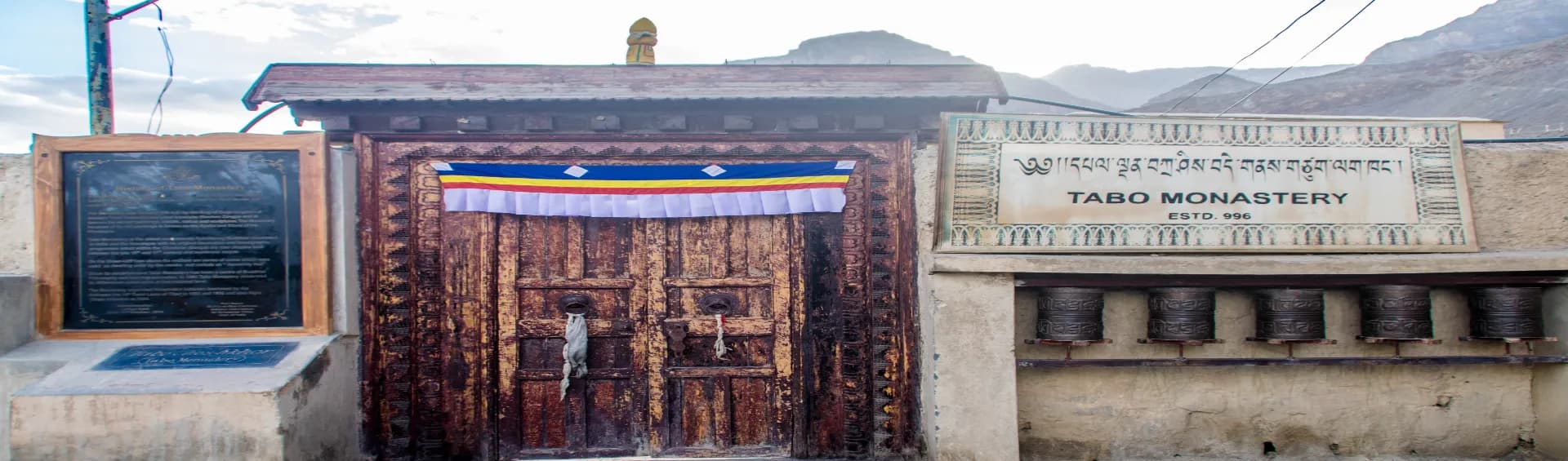
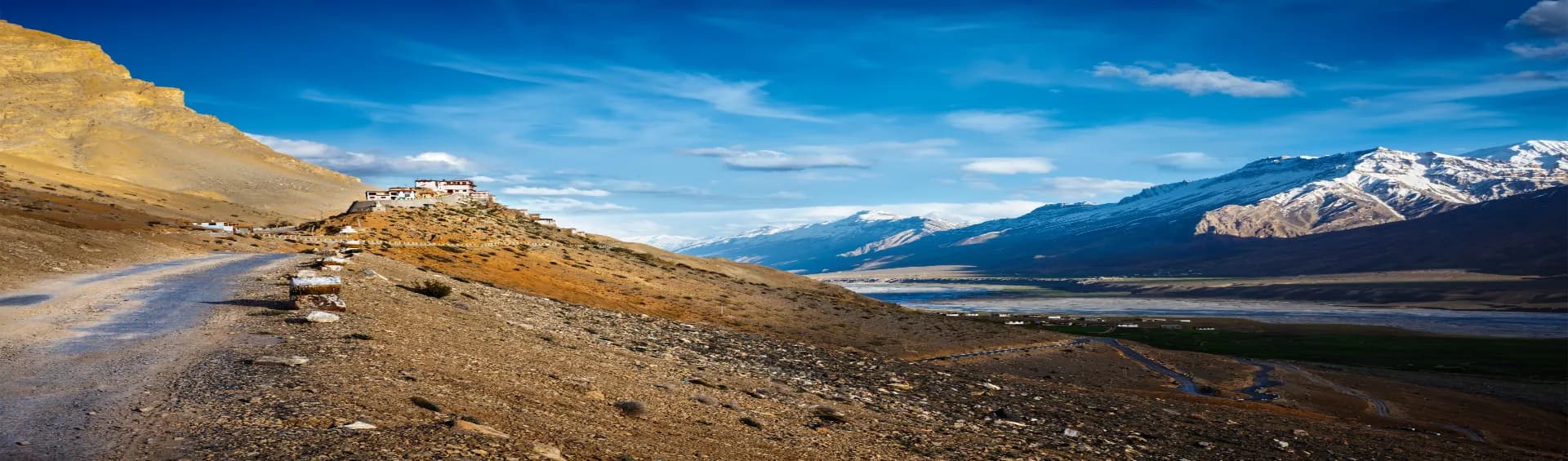
Tucked deep within Himachal Pradesh, the Spiti Valley is one of those rare places that seem untouched by time. When you visit Spiti in September, the landscape transforms into a painting, a mix of post-monsoon greenery, shimmering lakes, and snow-dusted mountain peaks. With the monsoon clouds drifting away, this is the moment when the valley truly breathes, calm, clear, and captivating. September marks the tail end of the tourist season. The roads are open, the villages buzz gently with life, and the air carries that unmistakable chill of approaching winter. Backed by Viacation and thoughtfully curated Spiti valley Tour Packages, this month offers an excellent balance of accessibility and solitude. Whether you’re a nature lover, a road tripper, or someone seeking spiritual silence, Spiti Valley during September is a journey into stillness, one that lingers long after you return. Weather and Temperature in Spiti in September The weather in Spiti in September is cool, crisp, and refreshingly clear. Daytime temperatures: Around 14°C–22°C, ideal for exploring. Night temperatures: Can drop to -2°C–6°C, so woollens are a must. Rainfall: Minimal, as the monsoon withdraws. Wind: Expect breezy afternoons, especially in open valleys like Kaza and Pin. The Spiti Valley in September glows under golden sunshine. You might even spot early snowfall on higher passes like Kunzum La, while lower regions stay comfortably cold. The rivers flow full from monsoon melt, and the skies turn a deep sapphire blue, perfect for photographers and dreamers alike. Road Conditions and Accessibility September is one of the best months for road trips to Spiti. Shimla–Kaza Route: Open and smoother than the monsoon months. Expect occasional landslide-prone patches but mostly clear roads. Manali–Kaza Route: Usually open until early October, though check local updates before travel. Chandratal Lake: Typically open till the first week of October, one of the most surreal places you can visit this month. However, always keep buffer days in your itinerary. Sudden weather shifts are common in the Himalayas, and flexibility ensures a stress-free journey. What to Pack for Spiti in September Packing right can make your Spiti trip far more comfortable. Clothing: Layered thermals, fleece jackets, and windproof outerwear. Footwear: Trekking shoes or insulated boots. Accessories: Gloves, woollen caps, warm socks, sunscreen, and lip balm. Extras: Power bank, basic medicines, and a reusable water bottle. The temperature swings can be sharp between day and night, so layers are your best friend in Spiti’s unpredictable climate. Top 10 Places to Visit in Spiti in September 1. Kaza – The Heart of Spiti The gateway town for most travellers, Kaza offers monasteries, local cafes, and cosy guesthouses. The weather stays pleasant, and you can explore nearby villages like Langza and Hikkim. 2. Chandratal Lake – The Moon Lake Magic Known as one of the most beautiful high-altitude lakes, Chandratal remains open in early September. The reflection of the sky on its turquoise waters is beyond breathtaking. 3. Key Monastery – Icon of Peace Standing tall since the 11th century, Key Monastery overlooks the Spiti River valley. Visiting in September means fewer tourists, perfect for a quiet prayer or meditation. 4. Langza – Fossil Village Known for its ancient fossils and the giant Buddha statue, Langza feels straight out of a postcard. The golden-yellow fields in September make the landscape surreal. 5. Pin Valley National Park Home to snow leopards and ibex, the park bursts with post-monsoon greenery. Trekking here in September is pure bliss: crisp air, quiet trails, and endless mountain views. 6. Komic – One of the World’s Highest Villages Experience life above 14,000 feet! The chilly September breeze and traditional mud houses create a rustic charm unlike anywhere else. 7. Dhankar Monastery Perched dramatically on a cliff, Dhankar offers views of Spiti’s meeting rivers. The sunsets here, especially in September’s soft light, are unforgettable. 8. Tabo Monastery Often called the “Ajanta of the Himalayas,” Tabo is one of the oldest monasteries in India. The calm weather of September adds to its sacred stillness. 9. Hikkim – The Highest Post Office Drop a postcard from Hikkim, one of the world’s highest post offices! Clear September skies make this small ritual even more memorable. 10. Losar – The Last Village of Spiti Before the Kunzum Pass, Losar offers simple homestays and raw Himalayan views, a perfect end to your Spiti adventure. Top 5 Things to Do in Spiti in September Go on a Road Trip – Drive through the Shimla–Kaza or Manali–Kaza route for unmatched views. Trek to Chandratal – The trek is short, stunning, and safe in early September. Attend a Local Festival – Witness harvest celebrations and traditional dances in villages. Try Local Cuisine – Relish thukpa, momos, and butter tea — comfort food for chilly nights. Stargaze – With zero pollution and crystal-clear skies, Spiti offers some of India’s best astrophotography spots. Best Time to Visit Spiti Valley – A Season-by-Season Guide March to May (Spring): Snow melts, valleys bloom, roads begin to reopen. Ideal for peaceful exploration. June to August (Summer): Warm days, open roads, and vibrant festivals, peak tourist season. September to October (Early Winter): Fewer crowds, crisp weather, and magical landscapes, perfect for adventure and solitude. November to February (Winter): Roads close from the Manali side. Ideal for hardcore explorers or snow lovers, but with challenging conditions. Each season reveals a new shade of Spiti, from white winters to green summers, but Spiti in September strikes the perfect balance between beauty, comfort, and adventure. Tips for Visiting Spiti in Every Season Summer (May–August): Carry sunscreen, sunglasses, and light jackets. Monsoon (July–August): Check weather updates; avoid night drives due to landslides. September (Post-Monsoon): Ideal for photography, peaceful travel, and cultural exploration. Winter (Nov–Feb): Only for experienced travellers, pack extreme cold gear and travel via the Shimla route. Frequently Asked Questions About Spiti in September 1. How can I reach Spiti in September? A. You can reach Spiti in September through two scenic routes, Shimla–Kaza and Manali–Kaza. While both remain open during this month, the Shimla route is considered safer and more reliable post-monsoon, offering smoother travel and better acclimatisation to high altitudes. 2. Can I visit Chandratal Lake in September? A. Yes, you can visit Chandratal Lake until early October, as it usually remains accessible during this time. However, always check local weather and road updates, since unexpected snowfall or landslides in late September can temporarily restrict access to the lake. 3. Is it safe to travel to Spiti during September? A. Yes, travelling to Spiti Valley in September is safe if you stay prepared. Keep buffer days in your plan, check weather and road updates regularly, drive cautiously on mountain routes, and carry essential supplies for a smooth, stress-free journey. Also Read: Places to Visit in Spiti ValleyMust Read: Things to do in Spiti Valley

Read More

10 Fun Facts About Europe That Will Amaze Every Traveler
October 28, 20257 Minutes
10 Fun Facts About Europe That Will Amaze Every Traveler
If you’re planning Europe tour packages or dreaming about a European adventure, you’ll love these surprising and entertaining fun facts. Europe isn’t just famous for its landmarks; it’s full of quirky, little-known stories that make travel more engaging and memorable. What makes Europe even more fascinating are the little-known stories and quirky details that you won’t find in a typical guidebook. Did you know there’s a desert in Spain, a city built on over 100 islands, and countries smaller than some urban parks? These Fun facts about Europe are just the tip of the iceberg. For travelers planning their Europe trip, these insights can help ensure you don’t miss these hidden gems while still hitting all the iconic landmarks. Let’s list and understand these amazing facts: 1. Europe Has Its Own Desert Europe is known for snow-capped mountains and historic cities, but it also has a real desert, the Tabernas Desert in Spain. It has been used as the backdrop for countless movies, including classic westerns. Travelers often find it fascinating that Europe combines such varied landscapes, from glaciers to deserts, all within a few hours’ travel. This is one of the most unexpected Fun facts about Europe that adds a unique twist to your trip. 2. Venice Is a City on 100+ Islands Venice is built on over 100 small islands connected by 400 bridges. Cars are banned, and canals serve as streets, making it one of the most romantic and unique cities in the world. Visitors are amazed at how a city can thrive entirely on waterways, combining history, architecture, and charm. This is a must-know thing for first-time travelers. 3. Tiny Countries, Big Impact Fun facts about Europe are that it is home to some of the world’s smallest countries, like Vatican City (0.49 km²) and Monaco. Despite their size, these microstates hold significant cultural, religious, and economic importance. Learning about these small nations adds depth to your understanding of the continent and makes your itinerary richer with European facts. 4. Ancient Universities Still Teach Today The University of Bologna, founded in 1088, is still operational and is one of the oldest universities in the world. Europe’s academic history is full of remarkable traditions, where centuries-old classrooms and libraries are still in use. For travelers, this is one of the Fun facts about Europe that shows how history blends with the modern day. 5. Europe Is Full of Quirky Traditions From tossing coins in Rome’s Trevi Fountain to Finland having more saunas than cars, Europe’s customs are unique and entertaining. Experiencing these traditions first-hand makes travel more memorable and immersive. These are not just stories; they are living practices that travelers can witness on tours or excursions, making them one of the most interesting facts about Europe. 6. The World’s Longest Railway Tunnel Is Here Switzerland’s Gotthard Base Tunnel stretches 57 km under the Alps and is the longest railway tunnel in the world. Traveling through it feels like a modern marvel hidden beneath mountains. Including such wonders in your itinerary adds a tech-savvy side to your Fun facts about Europe collection. 7. Europe Has Its Own Miniature Empires Many European cities are home to ancient castles and fortresses; Germany alone has over 20,000 castles. These structures are living pieces of history, often surrounded by scenic landscapes. Exploring them gives travelers a glimpse into medieval life, making them essential highlights in European tour packages. 8. Languages Are Everywhere Over 200 languages are spoken across Europe. From French and German to Finnish and Icelandic, each country offers a new way to experience culture. Language diversity is an important aspect of a Europe tour, especially for travelers who enjoy interacting with locals or learning basic phrases. 9. The Oldest Bookstore Still Operates The Bertrand Bookstore in Lisbon, Portugal, has been selling books since 1732 and is still running today. Visiting it is like stepping back in time and is a dream for book lovers. This adds charm to the tour, blending culture and history beautifully, and is one of the Fun facts about Europe that surprises many travelers. 10. Europe Has Tiny Towns with Huge History Some European towns, like Hum in Croatia, have populations of fewer than 50 people but are centuries old. They often feature historic architecture, local legends, and festivals that remain untouched by modern life. Discovering these towns is a treat for travelers who want hidden gems in their amazing Europe facts collection. Frequently Asked Questions About Fun Facts About Europe Q1. What is the best time to visit Europe? Ans. The best time to visit Europe depends on your interests. Spring (April–June) and autumn (September–October) offer mild weather, fewer crowds, and beautiful scenery. Fun facts about Europe are that it has festivals in the summer, Summer is ideal for festivals and has longer days, while winter brings cozy Christmas markets and winter sports opportunities. Q2. How much does a trip to Europe cost? Ans. Costs vary depending on destinations, travel style, and season. On average, a two-week Europe trip can range from ₹2,50,000 to ₹4,00,000 per person, including flights, accommodation, and sightseeing. Booking through packages for a Europe tour can often help save money and streamline planning. Q3. Do I need a visa to travel to Europe? Ans. Most travelers from outside the Schengen Area require a visa to enter European countries. It’s important to check the visa requirements for each country you plan to visit well in advance, as some countries have specific regulations or shorter processing times. Q4. What are the best ways to travel between European cities? Ans. Europe offers excellent transport options, including trains, flights, and buses. High-speed trains connect major cities efficiently, while budget airlines are ideal for longer distances. Planning helps save money and ensures smoother connections. Q5. How can I experience authentic European culture? Ans. Experiencing authentic European culture means exploring local markets, attending festivals, trying regional cuisines, and interacting with locals. Many packages include guided cultural experiences to help travelers immerse themselves in traditions, history, and daily life. Also Read: Places to Visit in EuropeMust Read: Things to do in Europe

Read More

The Rich and Fascinating History of North East India
October 28, 20256 Minutes
The Rich and Fascinating History of North East India
North East India, also called the “Seven Sisters” by people, is a region of India filled with diverse cultures, landscapes, and histories. The states in this region, including Assam, Arunachal Pradesh, Manipur, Meghalaya, Mizoram, Nagaland, and Tripura, each have unique historical stories that trace back thousands of years. From ancient kingdoms to colonial encounters, the history of North East India has always been a melting pot of traditions, trade, and power struggles. The history of this region is as rich as its natural beauty. Rolling hills, rivers, and valleys were once home to powerful dynasties and tribal communities that left behind forts, palaces, and temples. Over centuries, these lands witnessed the rise and fall of kings, the spread of Buddhism and Vaishnavism, and interactions with neighboring countries like Myanmar, Bhutan, and Tibet. Today, travelers can walk through these historical sites and experience the region’s vibrant heritage firsthand. For history lovers, North East India is more than just a destination. It is an experience of ancient culture, traditional arts, and stories of valor. North East Tour packages give you a chance to explore the highlights of historical landmarks, royal palaces, and temples, taking visitors on a journey through centuries of the region’s past. Every visit reveals the bravery, spirituality, and cultural richness that define this extraordinary part of India. A Quick Overview of North East India’s History: The history of North East India goes back to ancient times, with early settlements and tribal communities forming kingdoms that shaped the region’s culture. Assam was ruled by the powerful Ahom dynasty for nearly 600 years, known for defending the land against Mughal invasions. Manipur had the Meitei dynasty, which encouraged art, literature, and traditional martial practices. Other states like Meghalaya, Nagaland, Mizoram, and Tripura also have rich tribal histories, with communities keeping their own customs, rituals, and ways of governing. Over time, religions like Buddhism, Hinduism, and later Christianity influenced the local culture, blending spiritual and cultural traditions. During the colonial period, the British brought changes to administration, trade, and infrastructure, including roads, tea plantations, and modern education. They also created new conflicts and agreements with the local kingdoms. Today, North East India proudly preserves its history through forts, palaces, festivals, and monuments, inviting travelers to explore its unique and less-visited historical paths. Top Historical Places to Visit in North East India: 1. Kaziranga, Assam – The Ancient Land of Ahoms: Kaziranga is famous for its wildlife today, but historically, it was part of the Ahom kingdom that ruled Assam for centuries. The Ahoms were known for their bravery, military skills, and administrative efficiency, and they played a key role in shaping Assam’s identity. Highlights: Ahom palaces, Kareng Ghar, Rang Ghar, and wildlife heritage. 2. Majuli, Assam – The Cultural and Religious Hub: Majuli, the world’s largest river island, has been a center for Neo-Vaishnavism, a religious and cultural movement started in the 15th century by Saint Sankardeva. Exploring Majuli offers insights into the history of North East India, as the island’s Satras (monasteries) preserve unique dance forms, art, and centuries-old religious practices. Highlights: Satras, traditional mask-making workshops, river scenery. 3. Imphal, Manipur – The Royal City: Imphal has a rich history as the capital of the Meitei kings. Kangla Fort, the old royal palace, reflects Manipur’s ancient power and cultural achievements. The city also witnessed historic battles during World War II, adding to its historical significance. Highlights: Kangla Fort, Ima Keithel (women’s market), Shri Govindajee Temple. 4. Shillong, Meghalaya – The Abode of the Clouds: Majuli, the world’s largest river island, has long been a centre for Neo-Vaishnavism, a religious and cultural movement started in the 15th century by Saint Sankardeva. Visiting Majuli provides a deep look into the history of North East India, as its Satras (monasteries) safeguard unique dance forms, traditional art, and centuries-old spiritual practices. Highlights: Shillong Cathedral, Don Bosco Museum, Ward’s Lake. 5. Agartala, Tripura – The Royal Heritage City: Agartala was the capital of the Manikya dynasty. Ujjayanta Palace, now a museum, represents Tripura’s royal past and architecture. The city also preserves traditions, festivals, and artifacts of the kingdom. Highlights: Ujjayanta Palace, Tripura State Museum, Neermahal Palace. 6. Tawang, Arunachal Pradesh – The Buddhist Heritage: Tawang is famous for its monastery, one of the largest in India. The town has long been a center of Tibetan Buddhism and trade between India and Tibet. Exploring Tawang provides a glimpse into the history of North East India, highlighting its religious importance and strategic role in the region’s historical events. Highlights: Tawang Monastery, War Memorial, scenic valleys. 7. Kohima, Nagaland – The War Legacy: Kohima, the capital of Nagaland, is known for the Battle of Kohima during World War II. The city and its surroundings preserve historical monuments, cemeteries, and memorials dedicated to soldiers. Traditional Naga villages nearby show ancient tribal lifestyles. Highlights: Kohima War Cemetery, Naga Heritage Village, local markets. 8. Aizawl, Mizoram – Tribal Kingdom and Colonial History: Aizawl was influenced by the Mizo chiefs before British annexation in the late 19th century. The city reflects both the tribal history of North East India and colonial-era architecture. Visitors can explore Mizo traditions, festivals, and historical sites. Highlights: Mizoram State Museum, Durtlang Hills, Solomon’s Temple. 9. Silchar, Assam – Gateway to Barak Valley: Silchar has a history linked to the Kachari kings and later colonial administration. It preserves old temples, historical landmarks, and cultural traditions of the Barak Valley. Highlights: Khaspur ruins, Sri Govinda Temple, and local tea gardens. 10. Cherrapunji, Meghalaya – Ancient Khasi Kingdom: Cherrapunji was part of the Khasi kingdom and is known for its natural beauty and history of North East India. The traditional living root bridges and old villages tell stories of the Khasi people and their adaptation to the hilly terrain. Highlights: Living root bridges, Khasi villages, Nohkalikai Falls. Frequently Asked Questions About Northeast India: Why is it called Northeast? It is called Northeast India because it lies in the northeastern corner of the country, sharing international borders with China, Myanmar, Bhutan, and Bangladesh, making it a strategically important and culturally unique region. Why is Northeast India famous? Northeast India is famous for its scenic landscapes, biodiversity, unique tribes, festivals, and adventure tourism. Its forests, rivers, mountains, and wildlife sanctuaries attract nature lovers, while cultural heritage and handloom crafts draw tourists seeking authentic experiences. What is the history of Northeast India? The history of North East India dates back to ancient times, with early tribal settlements and kingdoms shaping the region’s culture. Dynasties like the Ahoms in Assam and the Meitei kings in Manipur played a major role in defending and developing their territories over centuries. What is the nickname of Northeast India? Northeast India is nicknamed the “Seven Sisters of India”, referring to the seven contiguous states: Arunachal Pradesh, Assam, Meghalaya, Manipur, Mizoram, Nagaland, and Tripura. These states share similar geography and cultural diversity. What is the story of Seven Sisters of India? The Seven Sisters term was coined to describe the seven northeastern states that are closely connected geographically and culturally. Each state has its own distinct traditions, languages, and festivals, yet together they form a vibrant and diverse region in India. Also Read: Places to Visit in North EastMust Read: Things to do in North East

Read More

5 Star hotels in North East India
October 28, 20257 Minutes
5 Star hotels in North East India
The North East region of India is a paradise of rolling hills, vibrant culture, and untouched natural beauty. For travellers seeking to experience this charm with a touch of luxury, the 5 Star hotels in North East India offer the perfect escape. Whether nestled amid Darjeeling’s tea gardens, overlooking Gangtok’s misty valleys, or located in Shillong’s lively heart, these hotels redefine elegance and comfort. Guests can indulge in infinity pools, serene spas, and gourmet dining experiences inspired by local flavours. With North East India Tourism drawing more attention each year, many curated North East India Tour Packages now feature these stunning stays, perfect for those who crave both adventure and indulgence. Let’s explore the most luxurious 5-star properties that blend modern hospitality with the raw, captivating beauty of the Northeast, making every moment of your journey truly memorable. From Hills to Valleys: Top 10 Luxury Hotels in North East India: Here are the top 10 luxury hotels in North East India: 1. Taj Guras Kutir Resort & Spa, Gangtok: Located amid the tranquil hills of Gangtok, Taj Guras Kutir Resort & Spa is where Himalayan serenity meets modern sophistication. Its architecture reflects Sikkimese charm with breathtaking views of the Kanchenjunga range. Guests can enjoy rejuvenating therapies at the Jiva Spa, relish local delicacies, and wake up to misty mountain mornings. Address: No. 1396 & 1397, Gangtok-Chungthang Rd, Bulbulay Dara, Pangthang Forest Block, Gangtok, Sikkim 737103 Price: ₹23,500 – ₹30,000 2. Vivanta Sikkim, Pakyong: Set in the calm Namcheybong Valley, Vivanta Sikkim offers a blend of contemporary design and traditional hospitality. Its peaceful setting makes it ideal for both leisure and business travellers. With elegant interiors, local art accents, and panoramic views, it’s among the best 5 Star hotels North East travellers adore. Address: Bassnett Gaon, Namcheybong, Pakyong, Sikkim 737106 Price: ₹7,400 – ₹10,000 3. Vivanta Meghalaya, Shillong: In the lively centre of Police Bazar, Vivanta Meghalaya offers a premium stay with modern facilities and local warmth. Guests can enjoy rooftop dining, city views, and proximity to Shillong’s attractions like Ward’s Lake and Don Bosco Museum. A perfect urban retreat for travellers who prefer luxury in the heart of the city. Address: Police Bazar, Shillong, Meghalaya 793001 Price: ₹14,700 – ₹20,000 4. Taj Chia Kutir Resort & Spa, Darjeeling: Nestled within the Makaibari Tea Estate, this Taj property is a dream come true for tea lovers and luxury seekers. The resort showcases eco-luxury with its tea-inspired decor, infinity pool, and guided tea tours. Overlooking the lush gardens and hills, this retreat offers an immersive experience into Darjeeling’s timeless beauty. Address: Makaibari Tea Estate, Pankhabari Rd, Gardens, Makai Bari Tea Garden, Kurseong, West Bengal 734203 Price: ₹43,000 – ₹45,000 5. MAYFAIR Spa Resort & Casino, Gangtok: Known for its grand design and vibrant atmosphere, MAYFAIR Spa Resort & Casino is one of the most iconic 5 Star hotels in North East India. The resort features lavish rooms, a world-class casino, an award-winning spa, and multiple dining options. Perfect for couples or groups seeking both entertainment and comfort in Gangtok. Address: Lower Samdur Block, Ranipool, Gangtok, Sikkim 737135 Price: ₹14,800 – ₹20,000 6. MAYFAIR Himalayan Spa Resort, Kalimpong: Offering panoramic views of the Kanchenjunga, the MAYFAIR Himalayan Spa Resort in Kalimpong is a heritage property with a regal touch. With elegant suites, antique decor, and wellness therapies, it’s ideal for travellers seeking peace with a hint of nostalgia. Its gardens and colonial charm make every stay unforgettable. Address: Upper Cart Rd, Kalimpong Khasmahal, Kalimpong, West Bengal 734301 Price: ₹10,400 – ₹15,000 7. Courtyard by Marriott Shillong: A modern sanctuary in Meghalaya’s capital, Courtyard by Marriott Shillong is among the finest 5 Star hotels in North East India, combining world-class amenities with warm local hospitality. Guests can enjoy modern suites, international cuisine, a wellness spa, and scenic views of the surrounding hills. Its central location makes it a perfect base to explore Shillong’s waterfalls, lively markets, and cosy cafes. Address: Jail Road, Police Bazar, Shillong, Meghalaya 793001 Price: ₹17,600 – ₹20,000 8. Ging Tea House, Darjeeling: For travellers seeking vintage luxury, Ging Tea House is a hidden gem. Built in the colonial era, this boutique property offers elegant suites, fireplaces, and sweeping tea garden views. Guests can enjoy curated experiences like tea tasting and heritage walks, making it a peaceful retreat away from the city rush. Address: Ging Tea Garden, Darjeeling, West Bengal 734105 Price: ₹19,200 – ₹20,000 9. Mayfair Spring Valley Resort, Guwahati: Set amid lush greenery, Mayfair Spring Valley Resort brings a resort-style stay close to nature. Its landscaped gardens, private cottages, and rejuvenating spa make it ideal for families and couples. The resort also offers easy access to city attractions and is known for its warm hospitality and serene ambience. Address: Tapesia Garden Rd, Sonapur, Guwahati, Batakuchi Gaon, Assam 782402 Price: ₹11,800 – ₹15,000 per night 10. Radisson Blu Hotel, Guwahati: Radisson Blu Guwahati offers a blend of luxury and convenience, ideal for both business and leisure travellers. As one of the top 5 Star hotels in North East India, it features multiple dining options, a refreshing pool, and a full-service wellness centre that ensures a relaxing stay. Its proximity to the airport and highway makes it one of the most accessible luxury hotels in the region. Address: National Highway 37, Guwahati, Assam 781033 Price: ₹15,500 – ₹20,000 Frequently Asked Questions About North East India: Q1. Which are the most popular 5 Star hotels in North East India? Ans. Some of the most loved luxury stays include Taj Guras Kutir Resort & Spa in Gangtok, Vivanta Meghalaya in Shillong, and Taj Chia Kutir Resort & Spa in Darjeeling, known for their comfort and scenic charm. Q2. When is the best time to visit North East India for a luxury stay? Ans. The best time to plan a luxury vacation is between October and April, when the weather is pleasant and ideal for exploring the hills, valleys, and cultural attractions. Q3. Do North East India Tour Packages include luxury stays? Ans. Yes, several North East India Tour Packages offer premium accommodations along with curated experiences, local tours, and comfortable travel arrangements. Q4. Why should travellers choose 5 Star hotels in North East India for their trip? Ans. Travellers should choose 5 Star hotels in North East India for the perfect blend of comfort, elegance, and regional charm. These luxury stays promise world-class hospitality and unforgettable experiences amid the pristine landscapes of the Northeast. Also Read: Places to Visit in North EastMust Read: Things to do in North East

Read More

Top 10 Things You Must Buy in North East India
October 28, 202510 Minutes
Top 10 Things You Must Buy in North East India
The North East of India, a vibrant tapestry of unique cultures and unmatched natural beauty, offers an incredible range of authentic souvenirs. When you shop here, you bring home a piece of its ancient, artistic soul. These distinct regional products are arguably some of the most memorable Things to buy in North East India that you will find anywhere in the country. ​Planning a trip to this stunning region? Whether you are looking for textiles, spices, or handicrafts, integrating your shopping plans into your travel is essential. Many travelers book comprehensive North East tour packages that include visits to specialized craft villages and markets. This ensures you get direct access to authentic Muga silk weavers, skilled artisans crafting Manipuri black pottery, and local vendors selling potent Lakadong turmeric. Top 10 amazing things to buy in North East India: 1. Assam Silk (Muga, Eri, Pat): Assam is globally renowned as the ‘Silk State’ for its indigenous silks. The Muga Silk (Golden Silk) is exclusive and improves with every wash, while the warm Eri Silk is harvested non-violently. These magnificent textiles, often woven into the traditional Mekhela Chador, are without a doubt some of the most sought-after Things to buy in North East India for both quality and cultural significance. Where to Buy: Sualkuchi (Silk Village near Guwahati), State-run Handloom Emporiums in Guwahati, or specialized silk stores in Jorhat and Sibsagar. Price Guide: Eri Shawls (₹1,500 – ₹5,000); Muga Silk Mekhela Chador/Saree (₹10,000 – ₹50,000+ for pure handloom). Tips: Always check for the Silk Mark label for certified authenticity, especially for expensive Muga items. 2. Handwoven Shawls (Naga and Mizo): These heavy, hand-loomed tribal textiles are rich in cultural meaning. Each Naga Shawl uses distinct tribal patterns and colours, historically marking the wearer’s status. Similarly, the brightly patterned Mizo Puan makes a vibrant and authentic cultural souvenir that is highly prized by collectors. Where to Buy: Kohima Local Market and Heritage Village Kisama (Nagaland), Luangmual Handloom Centre (Aizawl, Mizoram), and state emporiums. Price Guide: Naga Shawls (₹1,500 – ₹12,000 depending on intricacy and wool quality); Mizo Puan (₹1,200 – ₹4,500). Tips: Look for pieces where the motifs are clearly defined and the weave is tight. Authentic Naga shawls are often woven in three pieces and then stitched together. 3. Bamboo and Cane Crafts: Utilizing the region’s abundant natural resources, local artisans craft everything from durable furniture and elegant wall hangings to utility baskets. These beautifully woven, eco-friendly products are available across all states, making them an accessible item on any list of Things to Buy in North East India for quality and unique products. Where to Buy: Markets in Shillong (Meghalaya), Itanagar (Arunachal Pradesh), and Guwahati. Look for specialized cane furniture workshops. Price Guide: Coasters/Small Baskets (₹100 – ₹500); Decorative Lamps/Large Baskets (₹800 – ₹3,000+). Tips: Choose items that are lightweight and easy to pack, such as small utility baskets or decorative screens. Avoid wet items that could develop mould during transit. 4. Manipuri Black Pottery (Nungbi): Hailing from Manipur’s Ukhrul district, this unique pottery is distinctive for being handcrafted without a potter’s wheel and acquiring a deep black colour from a special local firing technique. Delicate teapots, cups, and elegant serving vessels made from this unique process are fantastic decorative items. Where to Buy: Paona Bazaar and IMA Market (Imphal, Manipur), and the local artisan market in Ukhrul district. Price Guide: Tea Cup (₹300 – ₹600); Tea Set/Kettle (₹1,500 – ₹4,000+). Tips: This pottery is naturally non-porous and high in iron. Wrap fragile items thoroughly, as it is stone-based and can chip if dropped. 5. Tribal Jewellery and Adornments: Tribal ornaments are bold, colourful expressions of identity. Naga Jewellery is famous for its bold, statement pieces featuring intricate beadwork, shells, and brass, while other states like Mizoram offer unique designs using local materials. These authentic pieces make for memorable statement additions to any collection. Where to Buy: Handicraft stalls at major festivals (Hornbill, etc.), local markets in Kohima and Aizawl, and State Emporiums. Price Guide: Simple Bead Necklaces (₹300 – ₹800); Intricate Brass/Shell pieces (₹1,500 – ₹5,000+). Tips: Always inquire about the materials used, especially the source of shells or animal parts, to ensure you are buying ethically and legally. 6. Arunachal Wood Carvings and Headgear: Tribes like the Monpa and Wancho are masters of woodcraft. Look for beautifully carved wooden bowls, functional utility items, or intricate animal and bird sculptures that make for excellent home de cor. Traditional cane and bamboo headgear are other unique Things to buy in North East India that reflect tribal diversity. Where to Buy: Tawang and Bomdila markets (Monpa crafts), Local markets in Longding or Khonsa (Wancho crafts). Price Guide: Small Carvings (₹500 – ₹2,000); Low Wooden Tables (Cho-tze) (₹4,000+). Tips: For heavy wood carvings, ask if the wood has been treated to prevent insects. Smaller items like engraved keychains are easier to carry. 7. Lakadong Turmeric and Regional Spices: Meghalaya’s Lakadong Turmeric is celebrated globally for its high curcumin content, giving it an intensely bright colour and potency. This, along with other specialized herbs and spices found in the hill states, offers a powerful culinary keepsake. Where to Buy: Farmers’ co-operatives and specialized spice stores in Shillong, Jowai, or The Meghalayan Age Store. Price Guide: Lakadong Turmeric Powder (₹250 – ₹500 per 250g); Turmeric paste/oil (Varies). Tips: Authentic Lakadong turmeric has a GI (Geographical Indication) tag. Check the curcumin percentage, which should be 7% or higher, for genuine potency. 8. Bhut Jolokia (Ghost Pepper) Products: For those who crave heat, the North East is the original home of the Bhut Jolokia. Jars of Naga Chilli Pickle or specially prepared chilli oil are fiery souvenirs, perfect for gifting to any adventurous food lover. These products are popular Things to Buy in North East India that travelers often pick up at local markets. Where to Buy: Local food stalls and small vendors in Kohima and Dimapur (Nagaland), and Tezpur (Assam). Price Guide: Small bottle of chilli pickle/paste (₹200 – ₹400). Tips: Be sure the jar is tightly sealed for transport, as the strong oil and aroma can leak. Ask for the traditional recipe made with fermented soybean or bamboo shoot. 9. Sikkim Woolen Goods and Tibetan Art: The cold climate ensures the quality of Sikkim’s woolen carpets and shawls, often featuring rich Tibetan-Buddhist motifs. Alongside textiles, genuine Thangka paintings (Buddhist scroll art) are profound and beautiful cultural Things to buy in North East India from the monastic regions. Where to Buy: Directorate of Handloom & Handicrafts in Gangtok, local shops near Rumtek Monastery, and M.G. Marg. Price Guide: Woolen Shawls (₹1,500 – ₹5,000); Small Thangka paintings (₹2,500 – ₹10,000+). Tips: Thangka paintings can be very fragile. Look for reputable sellers and ensure it is properly rolled and packaged in a protective tube for travel. 10. Speciality Teas and Wild Honey: Beyond the everyday brew, seek out fine Temi Organic Tea from Sikkim or a premium blend of Assam Orthodox Tea. Complement this with raw, highly medicinal Wild Forest Honey sourced from the pristine forests of Meghalaya and Arunachal Pradesh for an all-natural, delectable purchase. Where to Buy: Temi Tea Estate outlet (Sikkim), Assam tea auction centres/boutique tea shops in Guwahati, and co-op stores in Shillong for honey. Price Guide: Specialty Tea (₹500 – ₹1,500 per 250g); Wild Forest Honey (₹600 – ₹1,000 per 500g). Tips: Buy tea in vacuum-sealed packs for maximum freshness. Avoid buying honey from unverified sources; always purchase from a registered store or cooperative. General Shopping Tip: Government-run emporiums like NEDFi Haat are excellent for finding authentic, certified products from across the region in one location, and prices are usually fixed. Bargaining is generally only common in street-side flea markets. Frequently Asked Questions About Top 10 Things You Must Buy in North East India: Q1. How many states are in the North East region of India? Ans. The North East region is traditionally composed of seven states, known as the “Seven Sisters.” Sikkim is officially included in the North Eastern Council (NEC), making it the “Eighth Sister.” For travelers planning a trip, many North East trip packages cover all eight states. Q2. Which state in North East India is the largest by area? Ans. Arunachal Pradesh is the largest state by area in the North East region. It is a great destination for buying unique Monpa wood carvings and traditional tribal attire. When planning your visit, check out the various Things to buy in North East India from this state’s local markets. Q3. Where is the best place to buy Assam Silk? Ans. The best place to buy authentic Assam Silk is the village of Sualkuchi, also known as the “Manchester of the East.” Here, you can watch the entire weaving process and choose genuine Muga or Paat silk directly from the weavers. This is one of the most rewarding experiences related to the Things to Buy in amazing North East India. Q4. Are handicrafts among the best things to buy in North East India? Ans. Yes, handicrafts are definitely among the best Things to buy in North East India. The region is famous for its intricate bamboo and cane products, Naga shawls, and Manipuri black pottery. Purchasing these items directly supports the local tribal artisans and preserves ancient craft traditions. Q5. Can I include a shopping trip in my North East tour packages? Ans. Absolutely, it is highly recommended to integrate shopping stops into your planned itinerary. Many North East trip packages now include visits to government emporiums (like NEDFi Haat) and local bazaars. This ensures you get authentic products while exploring the beautiful region. Also Read: Places to Visit in North EastMust Read: Things to do in North East

Read More

Resorts in North East India
October 28, 20258 Minutes
Resorts in North East India
Are you planning to visit North East India? This region is truly magical, with misty mountains, green forests, and rich culture. Whether you want peace, adventure, or a luxurious getaway, exploring the best resorts in North East India adds even more charm to your journey. The region’s nature, tradition, and warm hospitality create unforgettable memories. Each resort in North East India gives a special experience. You can stay in cozy cottages with mountain views or comfortable riverside rooms. Wake up to birds singing, enjoy fresh local food, and visit nearby villages or waterfalls. These resorts make your trip relaxing, fun, and memorable for everyone. From the tea gardens of Assam to the hills of Meghalaya and the valleys of Sikkim, every corner of this region is filled with natural beauty. If you’re planning your trip through North East Tour Packages, you’ll find that choosing the right stay adds magic to your experience. That’s why we’ve created this guide to the best resorts in North East India, where comfort blends perfectly with nature. Top Luxury Resorts in North East India: 1. MAYFAIR Spa Resort & Casino, Gangtok: Located in the heart of Gangtok, Mayfair Spa Resort & Casino is one of the most luxurious resorts in North East India. Surrounded by lush greenery and the Himalayan foothills, it offers a blend of modern amenities and Sikkimese architecture. Why Stay Here: For its world-class facilities, beautiful interiors, and spa services. It’s also the only resort in Sikkim with a casino, making it a unique experience. Price: ₹13,000 – ₹20,000 per night Location: Ranipool, Gangtok, Sikkim 2. Ri Kynjai -Serenity by the Lake: “Ri Kynjai” means “Serenity by the Lake” in Khasi, and that’s exactly what this resort offers. Overlooking Umiam Lake, this resort is one of the best resorts in North East India, surrounded by pine-covered hills, providing a perfect escape from busy city life. Why Stay Here: Ideal for those seeking peace, scenic views, and a touch of luxury. The rooms are designed in a traditional Khasi style with modern comforts. Price: ₹15,000 – ₹20,000 per night Location: Umiam Lake, Shillong, Meghalaya 3. Sterling Gangtok Orange Village: Nestled high in the Himalayas, away from the city bustle, surrounded by orange orchards, and by the meandering river Rani Khola, this resort offers an idyllic retreat to relax in nature’s lap. Why Stay Here: For its serene location amidst nature, comfortable accommodations, and a variety of dining options. Price: ₹5,000 – ₹10,000 per night Location: East Sikkim, Gangtok 4. The Fern Denzong Hotel & Spa, Gangtok, Sikkim: Nestled amidst lush greenery and rolling hills of Gangtok, this hotel is one of the finest luxury resorts in North East India, offering a peaceful retreat with modern amenities, a spa, and scenic views of the surrounding mountains. Guests can relax, rejuvenate, and enjoy the serene environment away from the city hustle. Why Stay Here: For its tranquil setting, comfortable rooms, spa facilities, and excellent hospitality. Price: ₹4,500 – ₹9,000 per night Location: East Sikkim, Gangtok 5. Kaziranga Golf Resort: Kaziranga Resort offers a comfortable and affordable stay for travelers visiting the renowned Kaziranga National Park. Established in 2008, the resort has been serving guests with warm hospitality and a cozy ambiance, making it a popular choice for families and couples seeking a memorable wildlife experience. Why Stay Here: Perfect for honeymooners and couples looking for a peaceful getaway. Price: ₹4,500 – ₹7,500 per night Location: Mohbondha, No.2 Mohbondha Grant 6. Summit Swiss Heritage Resort & Spa, Darjeeling: Although not technically in the North East, Darjeeling often features in the best resorts in North East India. This resort combines colonial charm with modern comfort, allowing guests to enjoy stunning views of the Kanchenjunga range while sipping hot Darjeeling tea and experiencing a peaceful, memorable stay. Why Stay Here: For its heritage charm, cozy rooms, and proximity to Mall Road. Price: ₹4,800 – ₹9,500 per night Location: Gandhi Road, Darjeeling 7. Pemaling Lords Inn Dirang: Nestled in the valley of Dirang, this resort offers breathtaking views of the hills and the river. It is a great stop for travelers heading to Tawang. Best choice for a solo person and also for a family Why Stay Here: Comfortable rooms, warm hospitality, and local cuisine make it a delightful experience. Price: ₹3,000 – ₹5,000 per night Location: Dirang, West Kameng District, Arunachal Pradesh 8. Vivanta Meghalaya, Shillong: One of the newest luxury properties in the region, Vivanta Meghalaya by Taj is among the best resorts in North East India, offering elegant rooms, modern interiors, and excellent dining options. It’s ideal for travelers seeking a perfect blend of nature, comfort, and luxury for an unforgettable stay. Why Stay Here: For its five-star comfort, fine dining, and central location in Shillong. Price: ₹11,000 – ₹16,000 per night Location: Police Bazaar, Shillong, Meghalaya 9. Borgos The Wild Haven, Kaziranga: Located near the Kaziranga National Park gate, Borgos Resort is a favorite among wildlife travelers. The resort has a large pool, spa, restaurant, and open gardens. This resort is perfect for one person as well as for a family to enjoy the food and the environment. Why Stay Here: For its close access to Kaziranga safaris and luxury facilities. Price: ₹6,000 – ₹10,000 per night Location: Kaziranga National Park, Assam 10.Ginger Gangtok, Bojoghari: Located in the hills above Gangtok, Ginger Gangtok, Bojoghari is one of the luxury resorts in North East India, a modern lean-luxe hotel by IHCL offering both convenience and comfort. Whether you’re visiting Sikkim for sightseeing or work, this property ensures a well-balanced and enjoyable stay amidst serene surroundings. Why Stay Here: Great for families and couples who enjoy peaceful surroundings and nature walks. Price: ₹2,500 – ₹4,000 per night Location: Ndra Bypass, Bojoghari, Gangtok Tips for Travelers: Best Time to Visit: October to April offers pleasant weather and clear skies. Getting There: Major entry points are Guwahati (Assam) and Bagdogra (West Bengal). From there, you can reach nearby states by road. What to Pack: Warm clothes for the hills, comfortable shoes, and a raincoat if you’re visiting during the monsoon. Local Experiences: Try local cuisines like momos, thukpa, smoked meats, and bamboo shoots. Don’t miss village walks and cultural performances. Frequently Asked Questions About Resorts in the North East: Which is the most beautiful in North East India? Meghalaya is considered one of the most beautiful states in North East India. Known as the “Abode of Clouds,” it is famous for its lush green hills, waterfalls, living root bridges, and the charming town of Shillong. What is the best time to visit the North East? The best time to visit North East India is from October to April. During these months, the weather is cool, pleasant, and perfect for exploring waterfalls, mountains, and cultural festivals. It’s also the ideal season to stay at the best resorts in North East India, where comfort and nature come together for an unforgettable experience. Which are the best places to visit in the North East? Some of the best places to visit in North East India are Shillong and Cherrapunjee (Meghalaya), Tawang (Arunachal Pradesh), Kaziranga National Park (Assam), Gangtok (Sikkim), and Aizawl (Mizoram). Each destination offers a unique mix of nature, culture, and adventure. How to plan a vacation in the North East? To plan a North East vacation, first decide how many states you want to visit. A 7-10 day trip can cover two or three states like Meghalaya, Assam, and Arunachal Pradesh. Book flights to Guwahati, plan your stays in advance, and hire a local guide or driver for smooth travel between destinations. Also Read: Places to Visit in North EastMust Read: Things to do in North East

Read More

Spiti Valley in January
October 28, 20251 Minute
Spiti Valley in January
If you’ve ever imagined a journey through a snow-covered desert, Spiti in January is an experience like no other. The valley transforms into a breathtaking white wonderland, where silence blankets the rugged terrain and every corner glows with icy charm. Though winter brings extreme cold and limited accessibility, it also reveals Spiti’s most authentic and peaceful side. Travellers can explore ancient monasteries, frozen rivers, and warm homestays surrounded by snow-draped peaks. With the right preparation and reliable Spiti Valley tour packages, your winter trip can be both safe and unforgettable. Supported by Spiti Tourism, this journey lets you witness the untouched magic of the Himalayas in their purest form, serene, frozen, and deeply spiritual. Spiti Valley Weather in January January brings bone-chilling cold to Spiti Valley, turning it into a frozen paradise. Temperatures often dip below freezing, and the entire region gets covered in snow, creating a breathtaking yet challenging landscape for those seeking true winter adventure. Average Temperature: -5°C to -25°C Daytime: Crisp and sunny but freezing Nighttime: Sub-zero, often touching -25°C in higher villages Conditions: Snowfall, frozen rivers, icy roads The valley’s beauty is surreal, with snow-dusted monasteries, frozen waterfalls, and glistening white peaks all around. How to Reach Spiti Valley in January Reaching Spiti Valley in January is only possible from the Shimla side, as the Manali–Kaza road remains closed due to snow at Kunzum Pass. Open Route: Shimla → Narkanda → Rampur → Kalpa → Nako → Tabo → Kaza Tips for the Journey: Use a 4×4 vehicle or one with snow chains. Travel with a local driver experienced in winter routes. Keep extra fuel and food supplies, petrol pumps, and eateries can be closed. 5 Best Places to Visit in Spiti Valley in January Below are the 5 best places to visit in Spiti Valley: 1. Kaza: Kaza, the heart of Spiti in January, becomes a peaceful snow-covered haven. As the main town, it offers limited yet warm homestays, a few open cafes, and stunning Himalayan views. It’s the perfect base to explore nearby monasteries and experience the calm rhythm of winter life. 2. Key Monastery: Perched dramatically on a hilltop, Key Monastery looks straight out of a dream in January. Surrounded by snow-capped peaks, it offers breathtaking panoramas and deep spiritual serenity. If the road is open, witnessing prayers amid the snow-clad silence is a soul-stirring experience for any traveller. 3. Tabo Monastery: Known as the Ajanta of the Himalayas, Tabo Monastery is one of the oldest Buddhist monasteries in the world. During Spiti in January, its mud walls and ancient murals rest silently beneath snow, offering travellers a glimpse into Spiti’s timeless spirituality and centuries-old monastic traditions. 4. Kibber Village: At over 14,000 feet, Kibber Village becomes a pristine white wonder in January. Known for its snow leopards and dramatic landscapes, it’s a dream for adventure seekers and photographers. The village’s stone houses and warm locals offer a glimpse of life in one of the world’s highest inhabited regions. 5. Dhankar Monastery: Clinging to a cliff between Tabo and Kaza, Dhankar Monastery offers surreal winter views of the Spiti and Pin rivers. Visiting this ancient site during Spiti in January can be challenging yet deeply rewarding; its calm aura, frozen surroundings, and breathtaking vistas make it an unforgettable stop in the valley. Stay Options in January Accommodation is limited but available. Kaza: Zostel Spiti and a few homestays offer winter stays. Tabo & Nako: Basic lodges and homestays with heating. Ask hosts beforehand about heating arrangements, as electricity can be intermittent. Essential Travel Tips for Spiti Valley in January Carry layered woollens, thermals, gloves, waterproof boots, and lip balm. Stay hydrated; cold weather dehydrates quickly. Keep buffer days for snow delays. Carry oxygen cans and first-aid kits. Avoid solo travel unless you’re experienced with Himalayan winters. Why Visit Spiti Valley in January Despite its challenges, Spiti Valley in January offers a once-in-a-lifetime experience for adventure seekers. The untouched landscapes, frozen rivers, and snow-covered monasteries create an otherworldly charm, making it the perfect destination for those chasing peace, solitude, and the raw beauty of the Himalayas. Final Thoughts A winter journey to this remote Himalayan valley isn’t for everyone; it’s for those who seek solitude, silence, and unfiltered natural beauty. With mindful planning and preparation, travellers can witness the region’s frozen charm, where snow-clad mountains and stillness reveal stories of peace, endurance, and the timeless spirit of the high Himalayas. Frequently Asked Questions About Spiti Valley in January: 1. Is it possible to visit Spiti in January? A. Yes, travelling to Spiti in January is possible via the Shimla–Kaza route, as the Manali road remains closed due to snow. The journey is challenging yet rewarding, offering stunning frozen landscapes and peaceful winter vibes. Proper planning and experienced local drivers are highly recommended. 2. How cold is Spiti Valley in January? A. Temperatures in January can drop as low as -25°C at night and hover around -5°C during the day. The valley remains covered in snow, creating a breathtaking winter setting. Travellers should be well-equipped with thermal clothing, insulated boots, and winter essentials for comfort and safety. 3. Are hotels and homestays open in January? A. Only a few guesthouses and homestays remain open in Kaza, Tabo, and Nako during January. These stays offer basic amenities and traditional heating methods, allowing visitors to experience local hospitality. Booking in advance ensures a warm, cozy, and authentic stay amid the frozen landscape. 4. What should I pack for Spiti in January? A. Packing wisely is essential for a winter trip. Carry heavy woollens, thermals, snow boots, gloves, and moisturisers. Include medicines, energy snacks, and backup power sources. Waterproof layers and sunglasses also help protect against snow glare and cold winds while travelling through Spiti’s high-altitude terrain. 5. Is it safe to travel to Spiti Valley in January? A. Yes, Spiti Valley in January is safe for well-prepared travellers who plan wisely. It’s best to travel in groups or through trusted Himachal tour packages. Keep buffer days for snow delays, check weather updates regularly, and follow local guidance to ensure a smooth and safe journey. Also Read: Places to Visit in Spiti ValleyMust Read: Things to do in Spiti Valley

Read More

Baku in November
October 28, 20251 Minute
Baku in November
If you’re dreaming of a journey that perfectly balances comfort, culture, and calm, Baku in November is the destination for you. As the capital of Azerbaijan transitions from autumn to winter, the city slows down, the air turns refreshingly crisp, and the golden leaves along the Caspian promenade make every stroll unforgettable. This is the time when Baku tourism reveals its softer, more authentic side, fewer crowds, cosy weather, and the chance to explore its old-world charm without rush. Whether you’re interested in history, architecture, or local markets, Baku tour packages in November offer great value. Hotels and flights are more affordable, the atmosphere is serene, and the mild weather allows travellers to enjoy both indoor and outdoor attractions comfortably. Baku Weather in November Baku weather in November is mild, breezy, and perfect for sightseeing. Temperatures usually range from 10°C to 15°C (50°F–59°F), with daytime highs around 13°C and cooler evenings dipping to 8°C or 9°C. While the city occasionally experiences light rain, it rarely hinders travel plans. Instead, it adds a cosy charm to the city’s cobbled lanes and sea-facing cafés. A gentle breeze from the Caspian Sea gives Baku its signature freshness during this time of year. The climate is comfortable enough for exploring on foot, whether you’re walking through the Old City or along the seafront boulevard. Packing layers is the best way to stay comfortable, as mornings and nights can feel a bit cooler. Top Things to Do in Baku in November There’s no shortage of incredible experiences in Baku in November. The cool, crowd-free atmosphere makes it an ideal month to discover both the city’s modern marvels and its ancient corners. 1. Explore the Old City (Icherisheher) Start your journey in Icherisheher, the walled Old City of Baku and a UNESCO World Heritage Site. Wander through narrow cobblestone alleys lined with old stone buildings, visit the Maiden Tower, and step inside the Palace of the Shirvanshahs, a masterpiece of medieval architecture. The November chill adds a romantic stillness to the area, perfect for photography and cultural immersion. 2. Walk Along the Baku Boulevard Stretching along the Caspian Sea, Baku Boulevard is the city’s scenic gem. The Baku weather in November and the air is fresh, and the crowds are minimal, making it ideal for leisurely walks. Stop for tea at a seaside café, hop on the Baku Eye Ferris Wheel, or enjoy views of the illuminated Flame Towers after sunset. The boulevard’s calm ambience makes it one of the best experiences in Baku during this season. 3. Visit Baku’s Fascinating Museums If the wind picks up, head indoors to explore Baku’s cultural treasures. The Azerbaijan Carpet Museum, designed like a rolled-up carpet, showcases centuries of weaving traditions. The Heydar Aliyev Centre, designed by Zaha Hadid, impresses with its futuristic curves and art exhibitions. For a deep dive into Azerbaijan’s history, visit the National Museum of History, one of the most comprehensive in the Caucasus. 4. Attend the Pomegranate Festival If you’re visiting Baku in November, don’t miss the Pomegranate Festival in Goychay, a few hours from the city. It’s a colourful celebration featuring local music, dance, and, of course, countless pomegranate-based dishes. From fresh juice and jams to handmade crafts, it’s an excellent chance to experience Azerbaijani culture and a great excuse for some local shopping in Baku. 5. Explore the Absheron Peninsula Take a short trip to the Absheron Peninsula, home to the mystical Ateshgah Fire Temple and Yanardag (Burning Mountain), where natural flames rise from underground gas vents. These iconic sites embody Azerbaijan’s nickname, “The Land of Fire.” Visiting in November means you’ll have fewer tourists and plenty of time to explore peacefully. 6. Discover Gobustan National Park Located about an hour from the city, Gobustan National Park is a UNESCO site known for its prehistoric rock carvings and mud volcanoes. The cooler Baku weather in November makes hiking through these ancient landscapes enjoyable. The site offers a glimpse into human history dating back 40,000 years, making it a must-visit for history buffs and nature lovers alike. 7. Enjoy Shopping in Baku Shopping in Baku is a delightful mix of tradition and modernity. Explore Nizami Street for international fashion, Taza Bazaar for spices and sweets, and Icherisheher for antiques and handmade crafts. Whether you’re searching for Baku’s famous things to buy or simply browsing, you’ll find beautiful Azerbaijani carpets, copperware, ceramics, and pomegranate-based souvenirs that reflect the country’s artistry. 8. Savour Azerbaijani Cuisine November’s cool evenings are best enjoyed with warm, hearty meals. Try plov (fragrant rice with meat and saffron), dolma, kutabs, and rich pomegranate stews. End your meal with traditional Azerbaijani tea, served with local jams. Many local cafés and tea houses offer cosy atmospheres ideal for unwinding after a day of exploration. 9. Explore Modern Baku by Night As dusk falls early in Baku in November, the city lights come alive. The Flame Towers, Heydar Aliyev Centre, and Fountains Square sparkle beautifully against the crisp evening sky. It’s a wonderful time for photography or simply soaking in the city’s modern skyline with a warm drink in hand. 10. Relax with a Spa or Mountain Escape After days of sightseeing, unwind at one of Baku’s luxurious spas or take a quick trip to the Caucasus Mountains for a weekend retreat. The fading autumn colours and cool air make the mountain villages around Qabala and Lahij particularly scenic during November. Best Time to Visit Baku: The best time to visit Baku is generally from April to June and September to October, when the weather is pleasantly mild and perfect for sightseeing, outdoor activities, and cultural experiences. During these months, the temperatures are comfortable, the skies are clear, and the city’s vibrant energy shines through its festivals, seaside walks, and café culture. However, Baku in November is also a great off-season choice for travellers seeking fewer crowds, cosy weather, and more affordable tour packages of Baku, offering a calm yet enriching travel experience. Travel Tips for Visiting Baku in November Pack Smartly: Bring layered clothing, long sleeves, and a light waterproof jacket. Stay Central: Book accommodations near Icherisheher or Fountains Square for easy access to top attractions. Use Local Currency: Azerbaijani Manat (AZN) is widely used; carry small bills for local markets. Plan for Early Sunsets: The sun sets early in November, so start sightseeing by late morning. Taste Local Tea: Azerbaijani tea culture is a must-experience part of Baku tourism, pair it with pastries or fruit jam. Top Places to Visit in Baku in November Icherisheher (Old City): Step into Baku’s ancient heart, where narrow cobbled streets and historic architecture tell stories of centuries past. Maiden Tower: This iconic landmark offers stunning panoramic views of both the city and the Caspian Sea. Heydar Aliyev Centre: Designed by Zaha Hadid, this architectural masterpiece dazzles with flowing curves and modern design. Baku Boulevard & Flame Towers: Enjoy peaceful evening walks along the Caspian promenade while the city lights reflect off the water. Gobustan National Park: Discover prehistoric rock carvings and ancient petroglyphs that date back thousands of years. Ateshgah Fire Temple & Yanardag: Witness eternal flames burning naturally at these historic sites, reflecting Azerbaijan’s nickname, the “Land of Fire.” Taza Bazaar & Nizami Street: Explore vibrant local markets at Taza Bazaar for spices, sweets, and handicrafts. Frequently Asked Questions For Baku in November? 1. What is the weather like in Baku in November? A. In Baku in November, the weather is cool and crisp, perfect for outdoor sightseeing. Daytime temperatures hover around 12–15°C (54–59°F), while evenings can drop to 8–10°C (46–50°F). Light rain showers are occasional, so packing a waterproof jacket and layers will help you stay comfortable while exploring the city and its scenic spots. 2. What are the top things to do in Baku in November? A. November is ideal for exploring Baku, with fewer tourists and pleasant weather. Visit the historic Old City (Icherisheher), stroll along Baku Boulevard, admire the modern architecture of the Heydar Aliyev Centre, and enjoy panoramic views from the Flame Towers. You can also take day trips to Gobustan or the Absheron Peninsula for cultural and natural adventures. 3. Is November a good time to visit Baku? A. Yes, November is a great time to visit Baku for travellers seeking a quieter, off-peak experience. The mild climate makes walking and sightseeing comfortable, and attractions are less crowded. It’s also a good time to find affordable hotel rates and enjoy authentic local culture without the hustle and bustle of the busy summer months. 4. What can I buy while shopping in Baku? A. Shopping in Baku offers a mix of traditional and modern options. Pick up handmade carpets, ceramics, copperware, and pomegranate-based products as souvenirs. Visit Nizami Street for fashion and global brands, or explore Taza Bazaar for spices, sweets, and local delicacies. These purchases reflect Azerbaijan’s heritage and make for memorable keepsakes from your trip. 5. What should I pack for Baku in November? A. For November in Baku, packing layers is key. Bring long-sleeve shirts, sweaters, and a light waterproof jacket for occasional rain. Comfortable walking shoes are essential for exploring streets and historical sites. Accessories like a scarf, an umbrella, and a small backpack for day trips will make your sightseeing experience more convenient and enjoyable. Also Read: Places to Visit in BakuMust Read: Things to do in Baku

Read More

Top 15 Places to Visit in Uttar Pradesh
October 28, 202510 Minutes
Top 15 Places to Visit in Uttar Pradesh
Known as the cultural and spiritual heart of India, Uttar Pradesh attracts millions of travellers each year, making it one of the country’s most visited states. Uttar Pradesh tourism offers a perfect blend of heritage, religion, architecture, and natural beauty, ensuring an unforgettable experience for every type of traveller. Exploring Uttar Pradesh tour packages allows visitors to witness the sacred ghats of Varanasi, where daily rituals on the Ganga showcase devotion and tradition. Agra, with its Mughal marvels including the Taj Mahal and Agra Fort, reflects the grandeur of India’s historical past. Ayodhya, home to the newly inaugurated Ram Mandir, offers spiritual insights and festival celebrations that attract devotees from across the world. Lucknow, the city of Nawabs, mesmerises with its elegant monuments, bustling markets, and delectable cuisine. The places to visit in Uttar Pradesh are not only historically and culturally significant but also provide immersive experiences that stay with travellers long after their journey ends. Top 15 destinations You Must Explore in Uttar Pradesh Varanasi: The Spiritual Capital of India Varanasi, one of the oldest living cities in the world, is synonymous with devotion and spirituality. Situated along the Ganga, the city’s vibrant ghats, winding lanes, and sacred temples make it an unmissable destination. A sunrise boat ride offers magical views of rituals and daily life on the river. Top Attractions: Dashashwamedh Ghat, Kashi Vishwanath Temple, Sarnath Best Time to Visit: October to March Agra: Home to the Taj Mahal Agra is one of the most famous cities in India, globally recognised for the Taj Mahal, a symbol of eternal love. The Mughal capital also houses UNESCO sites like Agra Fort and Fatehpur Sikri, reflecting the empire’s grandeur. For history lovers, Agra is an essential stop in Uttar Pradesh. Top Attractions: Taj Mahal, Agra Fort, Fatehpur Sikri, Mehtab Bagh Best Time to Visit: November to February Ayodhya: The Birthplace of Lord Ram Ayodhya is a city that has recently gained global attention with the inauguration of the Ram Mandir. Its temples, ghats, and vibrant festivals like Deepotsav draw millions of devotees every year. Combining mythology, faith, and culture, Ayodhya is one of the most revered places to visit in Uttar Pradesh. Top Attractions: Ram Mandir, Hanuman Garhi, Kanak Bhawan Best Time to Visit: October to March Mathura & Vrindavan: Land of Krishna Mathura and Vrindavan are deeply associated with the life of Lord Krishna. These cities are especially vibrant during Holi and Janmashtami, when traditions, processions, and Ras Leela performances captivate locals and travellers alike. Together, they offer a spiritual and cultural immersion into Krishna’s legacy. Top Attractions: Krishna Janmabhoomi, Banke Bihari Temple, ISKCON Temple Best Time to Visit: August to March Lucknow: The City of Nawabs Lucknow is known for its elegant Nawabi culture, rich cuisine, and grand monuments. Architectural marvels like Bara Imambara and Rumi Darwaza highlight the city’s heritage, while Hazratganj markets showcase its modern appeal. Food lovers particularly enjoy its world-famous kebabs and biryani. Top Attractions: Bara Imambara, Rumi Darwaza, Hazratganj Market Best Time to Visit: November to February Prayagraj: Land of the Sangam Prayagraj, formerly Allahabad, holds immense spiritual importance due to the confluence of the Ganga, Yamuna, and Saraswati rivers. Known for hosting the grand Kumbh Mela, it attracts millions for holy dips. Its historical attractions, like Allahabad Fort and Anand Bhavan, further enrich the city’s identity. Top Attractions: Triveni Sangam, Allahabad Fort, Anand Bhavan Best Time to Visit: October to March Jhansi: The Land of Rani Lakshmibai Jhansi, tied closely to India’s freedom struggle, tells stories of courage through its forts and palaces. The Jhansi Fort and Rani Mahal stand as proud reminders of Rani Lakshmibai’s bravery. A historically significant spot, it is one of the remarkable places to visit in Uttar Pradesh for history enthusiasts. Top Attractions: Jhansi Fort, Rani Mahal, Government Museum Best Time to Visit: October to March Kanpur: A Blend of Heritage and Industry Kanpur was once central to British India and is now an industrial hub, famous for its leather industry. Alongside this modern identity, the city also offers attractions like the JK Temple, Kanpur Memorial Church, and Allen Forest Zoo, showcasing its cultural and family-friendly side. Top Attractions: JK Temple, Allen Forest Zoo, Kanpur Memorial Church Best Time to Visit: November to February Meerut: A City of Revolt and Culture Meerut is historically known as the spark point of the 1857 Revolt. Today, it offers a mix of culture, heritage, and spirituality. Gandhi Bagh gardens, the Augarnath Temple, and the Hastinapur Wildlife Sanctuary provide travellers a combination of nature, devotion, and history. Top Attractions: Hastinapur Wildlife Sanctuary, Augarnath Temple, Gandhi BaghBest Time to Visit: October to March Chitrakoot: The Spiritual Retreat Chitrakoot, linked with the Ramayana, is believed to be where Lord Ram spent part of his exile. Ramghat, Gupt Godavari Caves, and Bharat Milap Temple enhance its mythological charm. With serene surroundings, Chitrakoot offers a peaceful retreat for pilgrims and nature lovers. Top Attractions: Ramghat, Gupt Godavari Caves, Bharat Milap Temple Best Time to Visit: October to February Sarnath: Land of Buddha’s First Sermon Sarnath is one of the most significant Buddhist pilgrimage sites in the world. Lord Buddha delivered his first sermon here, making it a sacred hub for spiritual seekers. With the Dhamek Stupa, Ashoka Pillar, and its archaeological museum, Sarnath is both inspiring and one of the must-visit places to visit in Uttar Pradesh. Top Attractions: Dhamek Stupa, Ashoka Pillar, Archaeological Museum Best Time to Visit: October to March Dudhwa National Park: Wilderness of Terai For nature lovers, Dudhwa National Park is a paradise in the Terai region. It shelters tigers, rhinos, elephants, and swamp deer, along with 350+ bird species. Its jeep safaris and wetland trails make it an exciting destination for adventure enthusiasts seeking wildlife experiences in Uttar Pradesh. Top Attractions: Tiger spotting, Rhino sanctuary, Kishanpur Wildlife Sanctuary Best Time to Visit: November to April Fatehpur Sikri: Mughal Marvel Built by Emperor Akbar, Fatehpur Sikri is a red sandstone city and a UNESCO World Heritage Site. Its monuments like Buland Darwaza, Panch Mahal, and Jama Masjid showcase Mughal architectural brilliance. Once the Mughal capital, it remains a historical jewel in Uttar Pradesh’s travel circuit. Top Attractions: Buland Darwaza, Panch Mahal, Jama Masjid Best Time to Visit: November to February Kushinagar: Buddhist Pilgrimage Site Kushinagar is a global pilgrimage site as it marks the place where Lord Buddha attained Mahaparinirvana. The Mahaparinirvana Temple, Ramabhar Stupa, and Kushinagar Museum are must-visit sites for pilgrims and travellers seeking serenity and Buddhist history. The peaceful surroundings make it spiritually enriching. Top Attractions: Mahaparinirvana Temple, Ramabhar Stupa, Kushinagar Museum Best Time to Visit: October to March Ghaziabad: Gateway to Uttar Pradesh Ghaziabad, often known as the “Gateway to Uttar Pradesh,” combines urban development with green escapes. The City Forest, Swarn Jayanti Park, and ISKCON Temple highlight its recreational side. As one of the modern urban places to visit in Uttar Pradesh, it provides both leisure and cultural experiences. Top Attractions: Swarn Jayanti Park, City Forest, ISKCON Temple Best Time to Visit: October to March Frequently Asked Questions About Places to Visit in Uttar Pradesh Q1. What are the most famous tourist attractions in Uttar Pradesh? Ans. Agra’s Taj Mahal, Varanasi’s ghats, Ayodhya’s Ram Mandir, and Mathura-Vrindavan’s Krishna temples are some of the most famous attractions in Uttar Pradesh. Q2. When is the best time to travel to Uttar Pradesh? Ans. The best time to explore Uttar Pradesh is from October to March, when the weather is pleasant for sightseeing, festivals, and outdoor activities. Q3. How many days are enough to cover the major places in Uttar Pradesh? Ans. A week-long trip is ideal for covering the highlights, but for a deeper exploration of all the places to visit in Uttar Pradesh, two weeks are recommended. Q4. Does Uttar Pradesh have any wildlife destinations? Ans. Yes, Dudhwa National Park and Katarniaghat Wildlife Sanctuary are popular choices for wildlife safaris and birdwatching. Q5. Is Uttar Pradesh safe for tourists? Ans. Yes, Uttar Pradesh is generally safe for tourists. Like any other destination, basic precautions and local guidance make the journey smooth and enjoyable. Also Checkout: Things to do in VaranasiMust Read: Places to Visit in Varanasi

Read More

Top 10 Places to Visit in Thailand with Family
October 28, 20258 Minutes
Top 10 Places to Visit in Thailand with Family
Thailand, with its pristine beaches, vibrant culture, and family-friendly attractions, is a dream destination for travellers of all ages. From the bustling streets of Bangkok to the serene shores of Phuket, there are countless places to visit in Thailand with family that blend adventure, relaxation, and culture perfectly. Families can explore temples, interact with elephants, enjoy thrilling theme parks, or simply unwind on golden beaches surrounded by crystal-clear waters. With a diverse range of experiences, Thailand ensures every family member- whether a child, teen, or adult, finds something delightful to enjoy. Many Thailand tour packages cater specifically to families, offering guided tours, comfortable accommodations, and activities that make travel stress-free and exciting. Whether you seek cultural exploration, wildlife encounters, or seaside fun, Thailand offers the perfect blend of adventure and relaxation for your next family getaway. Top 10 Places to visit in Thailand with family 1. Bangkok Thailand’s bustling capital, Bangkok, is an exciting mix of tradition and modernity, offering endless attractions for families. Explore the majestic Grand Palace, take a river cruise along the Chao Phraya, or visit kid-friendly museums and aquariums. Shopping malls like Siam Paragon and ICONSIAM also feature indoor playgrounds and interactive exhibits for children. Families can enjoy authentic Thai cuisine at family-friendly restaurants or explore the lively floating markets for a unique cultural experience. Main attractions: Grand Palace, Sea Life Bangkok Ocean World, Safari World, Dream World, and Floating Markets. 2. Chiang Mai Chiang Mai is one of the best places to visit in Thailand with family, thanks to its laid-back charm and natural beauty. Nestled in the mountains of northern Thailand, it offers elephant sanctuaries, cultural workshops, and ancient temples. Families can learn Thai cooking together, enjoy ziplining adventures, or take a scenic bike ride through lush countryside. The city’s night markets are also perfect for shopping and sampling local delicacies. Chiang Mai’s friendly atmosphere and diverse experiences make it a top choice for families seeking both adventure and cultural immersion. Main attractions: Doi Suthep Temple, Elephant Nature Park, Chiang Mai Night Bazaar, Art in Paradise. 3. Phuket Phuket is Thailand’s most famous island, ideal for families seeking sun, sea, and adventure. Its turquoise beaches, lively night markets, and adventure parks ensure fun for everyone. Families can relax at Patong or Kata Beach, visit the Big Buddha, or enjoy water sports like snorkelling and parasailing. For children, Phuket’s aquariums and water parks offer endless entertainment, while parents can unwind at beachfront resorts offering kid-friendly amenities and spa treatments. Main attractions: Patong Beach, Splash Jungle Water Park, Phuket Aquarium, Big Buddha, and Old Phuket Town. 4. Pattaya Famous for its beaches and family attractions, Pattaya is one of the most exciting places to visit in Thailand with family. Beyond the nightlife, it has evolved into a family paradise with parks, gardens, and cultural shows. Visit the Nong Nooch Tropical Garden for its elephant performances, or explore the Cartoon Network Amazone Water Park. Families can also enjoy a cable car ride up Pattaya Hill for panoramic views or stroll through the charming Walking Street during the day. Main attractions: Nong Nooch Garden, Coral Island, Pattaya Floating Market, Art in Paradise, Mini Siam. 5. Krabi Krabi offers a peaceful escape with its scenic limestone cliffs, crystal-clear waters, and stunning beaches. It’s perfect for families who love nature and relaxation. Go island-hopping to Phi Phi Islands, explore caves, or enjoy snorkelling adventures together. Families can also take kayaking tours through mangrove forests or visit hot springs. The region’s friendly locals and safe beaches make it ideal for family vacations. Main attractions: Railay Beach, Phi Phi Islands, Emerald Pool, Tiger Cave Temple, Ao Nang Beach. 6. Hua Hin Hua Hin is among the best places to visit in Thailand with family because of its tranquil beaches, fun water parks, and royal charm. This seaside resort town blends history with entertainment, offering activities for all ages. Visit the Hua Hin Night Market, enjoy horseback riding on the beach, or spend a day at Vana Nava Water Jungle. The town also has a vintage railway station and scenic vineyards, perfect for relaxed family outings. Main attractions: Hua Hin Beach, Vana Nava Water Jungle, Santorini Park, Hua Hin Railway Station, Cicada Market. 7. Ayutthaya Step back in time with a visit to Ayutthaya, Thailand’s ancient capital and a UNESCO World Heritage Site. Families can explore centuries-old temple ruins, palaces, and historical museums. Rent bicycles or take a river cruise around the island city to discover its charm. The peaceful ambience and cultural richness make Ayutthaya an educational and memorable experience for both kids and adults. Main attractions: Wat Mahathat, Wat Phra Si Sanphet, Ayutthaya Historical Park, Chao Sam Phraya Museum. 8. Chiang Rai Chiang Rai, one of the most serene places to visit in Thailand with family, is known for its picturesque temples and tranquil scenery. It’s less crowded than other destinations, making it ideal for families seeking calm and exploration. Visit the famous White Temple, interact with hill tribes, or explore the Golden Triangle region. The cool weather and cultural experiences make Chiang Rai a hidden gem for family vacations. Main attractions: White Temple (Wat Rong Khun), Blue Temple, Baan Dam Museum, Golden Triangle, and Singha Park. 9. Koh Samui Koh Samui offers a mix of luxury, nature, and fun—perfect for family vacations. Its calm beaches, coconut groves, and waterfalls make it a tropical paradise. Families can enjoy snorkelling trips, visit animal sanctuaries, or take a cooking class together. The island also features child-friendly resorts with kids’ clubs, pools, and babysitting services. Main attractions: Chaweng Beach, Na Muang Waterfalls, Ang Thong Marine Park, Big Buddha Temple, Fisherman’s Village. 10. Kanchanaburi Kanchanaburi is one of the best places to visit in Thailand with family for those interested in history and nature. It’s home to the famous Bridge on the River Kwai and lush national parks. Families can visit waterfalls, ride scenic trains, and learn about Thailand’s World War II history. The tranquil landscapes and educational sites make Kanchanaburi an enriching destination for both parents and children. Main attractions: Erawan National Park, Bridge on the River Kwai, Death Railway Museum, Sai Yok National Park. Frequently Asked Questions About Top 10 Places to Visit in Thailand with Family 1. Which part of Thailand is best to visit with family? Ans. Southern Thailand is perfect for families, offering stunning beaches, island resorts, and safe tourist attractions. Phuket, Krabi, and Koh Samui are top places to visit in Thailand with family, combining relaxation, fun, and nature. Northern regions like Chiang Mai also offer cultural and wildlife experiences. 2. Is Thailand a good family trip? Ans. Yes, Thailand is one of Asia’s best family-friendly destinations. With its warm hospitality, exciting activities, delicious food, and child-safe attractions, it offers something for all ages. Families can enjoy beaches, temples, wildlife parks, and adventure, making Thailand an unforgettable and convenient international holiday option. 3. How much will a Thailand trip cost? Ans. A one-week Thailand trip typically costs between ₹70,000 and ₹1,20,000 per person, depending on travel style and season. Budget travelers can manage with less, while luxury experiences cost more. The price covers flights, accommodation, food, local transport, and sightseeing. 4. Are 7 days enough for Thailand? Ans. Yes, 7 days are enough to experience Thailand’s highlights. You can explore Bangkok’s culture, relax on Phuket’s beaches, and visit Chiang Mai’s temples. Plan wisely and choose key places to visit in Thailand with family for a balanced itinerary combining city, culture, and beach fun. 5. In which month is Thailand cheap? Ans. Thailand is cheapest during the monsoon season, from May to October. This period offers discounts on hotels, flights, and activities due to fewer tourists. Despite occasional rains, travelers can still enjoy great experiences and explore the country’s lush, green landscapes affordably. Also Read: Places to Visit in ThailandMust Checkout: Things to do in Thailand

Read More

Thailand in June
October 28, 20251 Minute
Thailand in June
Planning a trip to Thailand in June can be an incredibly rewarding experience for travellers who love lush greenery, cultural festivals, and fewer crowds. June marks the beginning of Thailand’s monsoon season, transforming the country into a paradise of vibrant landscapes, cool breezes, and refreshing rain showers. While some regions experience sporadic rainfall, the overall atmosphere remains pleasant for sightseeing and exploring. \From the serene temples of Chiang Mai to the beautiful islands of Phuket and Krabi, Thailand continues to offer plenty of adventures. Many Thailand tour packages during this period come with attractive discounts, making it an ideal time for budget travellers. Whether you wish to relax at tropical beaches, explore bustling city life, or witness traditional Thai celebrations, June provides a mix of cultural richness and natural charm that’s hard to resist. Thailand Climate in June Thailand in June experiences the onset of the southwest monsoon, bringing moderate to heavy rainfall across different regions. The average temperature ranges between 25°C to 33°C, creating a warm yet comfortable climate. Northern cities like Chiang Mai and Chiang Rai receive occasional rain showers, while central Thailand, including Bangkok, tends to be humid with short bursts of rain. Coastal destinations such as Phuket and Krabi also witness rainfall, but many days remain sunny enough for beach activities. The lush greenery after the rains enhances Thailand’s natural beauty, offering breathtaking views of waterfalls, mountains, and rice fields. Rain showers are usually brief and followed by sunshine, allowing travellers to explore comfortably. With fewer tourists around, attractions are less crowded, and accommodations are more affordable, making Thailand in June a perfect time for nature lovers, photographers, and peace seekers to experience the country’s serene and rejuvenating monsoon magic. Top 5 Things to Do in Thailand in June 1. Explore Bangkok’s Temples and Markets Even with occasional rain, Bangkok remains lively in June. Visit Wat Arun and Wat Pho to admire stunning architecture, or explore Chatuchak Market and Asiatique for shopping and dining. Indoor attractions like museums and aquariums are also great for rainy days. 2. Enjoy Beach Relaxation in Phuket While showers are expected, Phuket still offers sunshine and calm beaches. Take advantage of lower hotel prices, enjoy Thai massages, and try delicious seafood. Thailand in June brings a peaceful vibe to the island, making it ideal for a relaxing escape. 3. Experience the Phi Ta Khon Festival Held in Loei Province, this vibrant ghost festival is a must-see. Locals wear colourful masks and celebrate with music, dance, and parades. It’s one of the most unique cultural experiences in Thailand. 4. Discover Chiang Mai’s Rainforest Adventures Thailand in June transforms Chiang Mai into a green paradise. Go trekking through rainforests, visit elephant sanctuaries, or explore the lush Doi Inthanon National Park. The refreshing monsoon air makes outdoor adventures even more enjoyable. 5. Take a Thai Cooking Class June is the perfect time to learn the art of Thai cuisine. Many cooking schools across Bangkok, Chiang Mai, and Phuket offer family-friendly classes, teaching you to make local dishes like Pad Thai, Tom Yum, and Green Curry. Top 5 Places to Visit in Thailand in June 1. Chiang Mai Chiang Mai is a lush paradise during the monsoon. The rain enhances its mountains, waterfalls, and temples. Visit Doi Suthep, explore local night markets, or take day trips to elephant sanctuaries. Thailand in June makes Chiang Mai a serene destination for nature and culture lovers. 2. Phuket Phuket remains a top destination for travellers, offering sun-kissed beaches between rains. Relax at Patong Beach, visit the Big Buddha, and explore Old Phuket Town. The island’s mix of fun and calm makes it ideal for June vacations. 3. Krabi Known for its dramatic limestone cliffs and turquoise waters, Krabi is stunning after rainfall. Enjoy kayaking through mangroves, visiting Ao Nang Beach, and exploring nearby islands. The monsoon amplifies the area’s natural beauty and tranquillity. 4. Bangkok Bangkok buzzes with energy even during the rainy season. Explore the Grand Palace, enjoy river cruises, and shop at air-conditioned malls. With fewer tourists, attractions are quieter, offering a more authentic glimpse of Thai urban life in Thailand in June. 5. Ayutthaya History lovers should visit Ayutthaya for its ancient temples and cultural heritage. The light monsoon showers give the ruins a mystical charm. It’s an easy day trip from Bangkok and perfect for exploring Thailand’s rich past without crowds. Travel Tips to Visit Thailand in June Pack wisely: Carry light, quick-dry clothes, an umbrella, and waterproof footwear to stay comfortable during rain. Plan flexible itineraries: Sudden showers are common in Thailand in June, so schedule indoor and outdoor activities alternately. Use waterproof gear: Protect electronics, passports, and money using waterproof pouches or bags. Book accommodations early: Many resorts offer discounts in June—book in advance to get the best deals. Check local festivals: Don’t miss cultural events like the Phi Ta Khon Festival or Candle Festival. Stay hydrated: Humidity levels can be high; carry a reusable water bottle. Respect local customs: Carry modest clothing for temples and always greet locals politely. Frequently Asked Questions About Thailand in June: 1. Is June a good month to visit Thailand? A. Yes, Thailand in June is a great choice for travelers who prefer fewer crowds and lush scenery. The light monsoon rains bring pleasant weather, greener landscapes, and discounted prices, making it ideal for budget-friendly vacations filled with culture, beaches, and relaxation. 2. Is Phuket too rainy in June? A. Phuket experiences moderate rainfall in June, but showers are usually short and followed by sunshine. Travelers can still enjoy beaches, island tours, and indoor attractions. Thailand in June offers a peaceful atmosphere in Phuket, with fewer tourists and lower hotel rates, perfect for relaxed getaways. 3. How much will a Thailand trip cost? A. A one-week Thailand trip typically costs between ₹70,000 and ₹1,20,000 per person, depending on the type of accommodation and activities. Budget travelers can spend less, while luxury experiences like resorts or private tours increase the overall cost. 4. Are 7 days enough for Thailand? A. Yes, 7 days are enough to explore Thailand’s main highlights. You can divide your trip between Bangkok’s culture, Chiang Mai’s temples, and Phuket’s beaches. A week allows a balanced experience of sightseeing, relaxation, and adventure without feeling rushed. 5. In which month is Thailand cheap? A. Thailand is cheapest during the monsoon season, from May to October. This period sees fewer tourists and heavy discounts on hotels and flights. Despite occasional rain, you can enjoy tranquil beaches, green landscapes, and great savings on travel expenses.

Read More

Dubai Itinerary 4 days
October 28, 20251 Minute
Dubai Itinerary 4 days
Dubai, known as the City of Gold, is one of the most modern and luxurious destinations in the world. It’s a place where tall skyscrapers meet golden deserts, and where tradition blends beautifully with innovation. Whether you’re interested in shopping, beaches, culture, or adventure, a Dubai itinerary 4 days is perfect to experience the highlights of this dazzling city.Located in the United Arab Emirates, Dubai is well-connected to major cities across the world. For Indian travellers, it’s just a short flight away, around 3 to 4 hours from cities like Delhi, Mumbai, or Bangalore. The Dubai Tour Packages also include flights and visa assistance, making travel simple and stress-free. The best part? Dubai offers a visa-on-arrival facility for Indian citizens holding a valid US or UK visa, making it easy to plan a last-minute getaway.Detailed Itinerary For 4 DaysDay 1: Welcome to Dubai – City Tour Your first day in Dubai begins with excitement and wonder. Once you arrive at Dubai International Airport, check into your hotel and get ready to explore the city. Start your Dubai itinerary 4 days with a city tour that gives you a glimpse of both modern and traditional Dubai.Things to do:Drive through Sheikh Zayed Road: Admire the city’s skyline filled with futuristic skyscrapers.Visit the Dubai Frame: One of the city’s architectural marvels, it offers panoramic views of old and new Dubai.Explore Al Fahidi Historical District (Al Bastakiya): Learn about Dubai’s past before the oil boom.Take a ride on an Abra (traditional boat): Cross Dubai Creek for just 1 AED and experience the city’s charm from the water.Visit Dubai Mall: End your day at one of the largest shopping malls in the world, home to more than 1,200 stores, an aquarium, and an ice rink.Watch the Dubai Fountain Show: Outside the mall, enjoy a spectacular water and light show with music every evening.After dinner at one of the many restaurants in the mall, rest well, you’ll need your energy for tomorrow’s adventures!Day 2: Discover Modern Dubai – Burj Khalifa and Palm JumeirahOn the second day of your Dubai itinerary 4 days, dive into the modern attractions that make the city world-famous. Begin your morning with a visit to the Burj Khalifa, the tallest building in the world.Things to do:Burj Khalifa Observation Deck: Take the high-speed elevator to the 124th or 148th floor for breathtaking city views. Book your tickets in advance to avoid queues.Breakfast or coffee at At.mosphere: Enjoy your meal while overlooking the skyline.Visit Souk Al Bahar: Located near the Dubai Mall, this place offers traditional-style shopping and beautiful views of the fountain.Explore Palm Jumeirah: Dubai’s famous man-made island shaped like a palm tree. You can visit The Pointe for dining or take a monorail ride for scenic views.Atlantis, The Palm: Spend the afternoon at this luxury resort, where you can visit Aquaventure Waterpark or the Lost Chambers Aquarium.Evening at JBR Beach (Jumeirah Beach Residence): Relax by the beach, try water sports, or enjoy seaside dining at The Walk.End your day with a peaceful walk along the beach or a rooftop dinner with views of the Dubai Marina skyline.Day 3: Adventure Day – Desert SafariNo Dubai itinerary 4 days is complete without a desert adventure. The golden dunes of Dubai offer a mix of excitement, beauty, and tradition that you can’t miss.Things to do:Morning Relaxation: Spend your morning relaxing at your hotel or shopping in local markets like Deira Gold Souk and Spice Souk.Afternoon Desert Safari: Around 3 PM, your desert tour begins. You’ll be picked up in a 4×4 vehicle and taken deep into the desert for dune bashing, camel rides, and sandboarding.Sunset Photography: Capture stunning views as the sun sets over the sand dunes, a perfect photo moment.Evening Desert Camp: Enjoy a traditional Bedouin-style camp with activities like henna painting, shisha, falcon photography, and live performances like Tanoura dance and Belly dancing.Dinner Under the Stars: End the day with a BBQ buffet dinner with both vegetarian and non-vegetarian options.This day gives you a true taste of Arabian culture and adventure.Day 4: Leisure, Shopping, and DepartureOn the last day of your Dubai itinerary 4 days, take it easy and enjoy the city at your own pace. Dubai is a shopping paradise, so this is a good time to buy souvenirs or luxury goods.Things to do:Visit Global Village (Seasonal): If visiting between October and April, explore this multicultural theme park showcasing countries from around the world with food, music, and shopping.Explore Miracle Garden: The world’s largest flower garden featuring over 150 million flowers arranged in stunning designs.Shopping at Mall of the Emirates: Visit another popular mall known for its luxury brands and the indoor ski park, Ski Dubai.Relax at La Mer Beach: Have lunch by the seaside, take a swim, or enjoy water sports before your flight.After a memorable 4 days in Dubai, it’s time to say goodbye. Head to the airport with beautiful memories, photos, and stories to share.Best Time to Visit DubaiThe best time to visit Dubai is from November to March, especially if you’re planning a Dubai itinerary 4 days trip. The weather is pleasant and perfect for sightseeing, outdoor adventures, and exploring famous landmarks. Summers (June-September) are quite hot, but you can still enjoy indoor attractions like malls, aquariums, and theme parks.Travel Tips for Your Dubai Itinerary 4 DaysDress modestly in public places, especially in old Dubai and religious areas.Book attractions online in advance to save time and money.Use public transport like the Metro and tram for convenient travel around the city.Carry sunscreen, sunglasses, and a hat for outdoor sightseeing.Respect local customs, avoid public displays of affection and follow local laws.

Read More

History of Odisha: Tracing the Timeless Heritage of India’s Eastern Gem
October 28, 20251 Minute
History of Odisha: Tracing the Timeless Heritage of India’s Eastern Gem
The history of Odisha is as fascinating as its landscapes – a story of ancient kingdoms, magnificent temples, maritime trade, and spiritual evolution. Once known as Kalinga, this land has witnessed the rise of mighty empires and the transformation of hearts, like that of Emperor Ashoka after the famous Kalinga War. Every monument, dance form, and festival in Odisha whispers tales from its glorious past. From the architectural brilliance of the Konark Sun Temple to the living spirituality of Jagannath Puri, the state beautifully preserves its ancient soul while embracing modernity. Exploring this region through well-designed Odisha tour packages allows travellers to experience the art, architecture, and legends that define one of India’s most culturally rich destinations. Ancient Roots of Odisha: The Dawn of Civilization The history of Odisha dates back to prehistoric times, with archaeological findings in sites such as Kuchai and Mayurbhanj revealing human settlements that date back to the Stone Age. Known as Kalinga in ancient records, Odisha developed as a prominent centre for trade and maritime activity. Early seafarers from Kalinga sailed across the Bay of Bengal to establish trade with Sri Lanka and Southeast Asia. This deep connection with the sea has shaped Odisha’s cultural identity, which is celebrated in festivals like Boita Bandana, honouring ancient sailors who ventured into distant lands. The Great Kalinga Empire and the Turning Point of Ashoka One of the most defining chapters in the history of Odisha is the legendary Kalinga War of 261 BCE. The fierce battle between the Kalinga Kingdom and Emperor Ashoka of the Mauryan Empire changed Indian history forever. Moved by the immense loss of life, Ashoka renounced violence and embraced Buddhism. This transformation made Odisha one of the early centres of Buddhist learning. Visitors today can explore Dhauli Hills near Bhubaneswar, where Ashoka’s rock edicts still stand – silent witnesses to an emperor’s journey from conquest to compassion. The Golden Age: Odisha’s Maritime Glory During the post-Mauryan era, Kalinga flourished as a major maritime power. Its sailors navigated the seas, establishing trade and cultural links with countries like Java, Bali, and Sumatra. The history of Odisha during this period showcases the state’s global influence in art, religion, and commerce. Festivals such as Bali Yatra, held in Cuttack, commemorate these ancient voyages, offering travellers a glimpse into Odisha’s adventurous seafaring past. The coastal heritage towns and ports like Tamralipta and Manikpatna remain symbols of this glorious age of exploration. The Temple Builders: Kalinga Architecture Flourishes The medieval period marks a golden era in the history of Odisha, renowned for the rise of the state’s unique temple architecture. Rulers of the Somavamsi and Eastern Ganga dynasties built magnificent temples like Lingaraja Temple in Bhubaneswar, Jagannath Temple in Puri, and the world-famous Konark Sun Temple. These architectural marvels, adorned with intricate carvings and artistic mastery, represent the zenith of the Kalinga style. Today, they not only attract devotees but also art and history enthusiasts from across the world. The Age of Culture, Dance, and Literature Beyond its architecture, the history of Odisha shines through its vibrant cultural traditions. The medieval period witnessed the rise of Odissi- one of India’s oldest classical dance forms- along with the flourishing of Pattachitra paintings and classical literature. Poet-saint Jayadeva, who composed the divine Gita Govinda, hailed from Odisha, leaving an indelible mark on Indian art and music. Travellers exploring Puri or Raghurajpur crafts village can witness this living heritage in the form of traditional performances and handmade art. Colonial Era and Freedom Struggle The British period brought a new chapter to the history of Odisha, as the region became part of the Bengal Presidency. Despite colonial rule, Odisha preserved its cultural identity and played a significant role in India’s independence movement. Freedom fighters like Veer Surendra Sai from Sambalpur led uprisings against British dominance. The modern state of Odisha was officially formed in 1936, marking a proud moment of unity and identity for Odia-speaking people. Heritage landmarks in Cuttack and Sambalpur still narrate stories of courage and resistance. Modern Odisha: Tradition Meets Progress In contemporary times, the history of Odisha continues to evolve with a balance between tradition and progress. Bhubaneswar, now the state capital, was India’s first planned city post-independence and stands as a symbol of modern architecture blending seamlessly with ancient heritage. Festivals like the Rath Yatra in Puri attract millions of pilgrims each year, while eco-tourism initiatives in Chilika Lake and tribal regions offer travellers a unique connection with Odisha’s natural and cultural roots. The state’s growing tourism infrastructure ensures that every visitor experiences its glorious past in comfort and style. Conclusion The history of Odisha is not just a collection of dates and dynasties- it is a living journey that continues through its temples, festivals, and people. Every stone in the ancient cities of Bhubaneswar, Konark, and Puri tells a story of devotion, artistry, and resilience. Whether you are a history enthusiast, culture lover, or spiritual seeker, Odisha welcomes you with open arms and timeless tales. By creating a well-curated itinerary, travellers can witness the evolution of this enchanting land- from the mighty Kalinga Empire to the vibrant state it is today. Frequently Asked Questions About the History of Odisha 1. What is the old name of Odisha? A. The old name of Odisha was Kalinga, later known as Utkala and Orissa, before being officially renamed Odisha in 2011. In ancient times, Kalinga was a prosperous maritime kingdom famous for its trade and cultural exchanges with Southeast Asia. 2. What is the ancient history of Odisha? A. The ancient history of Odisha dates back to the Kalinga Empire, known for its maritime trade, temples, and art. The Kalinga War in 261 BCE changed Emperor Ashoka’s life, making Odisha a center of Buddhism. Later dynasties enriched its culture, architecture, and literature. 3. Who was the first king of Odisha? A. King Kharavela of the Mahameghavahana dynasty is regarded as the first great ruler of Odisha. He was known for his military victories, administrative reforms, and patronage of Jainism and art, leaving behind the iconic Udayagiri and Khandagiri cave inscriptions near Bhubaneswar. 4. Who discovered Odia? A. The Odia language was not discovered but evolved naturally from the Odra-Magadhi Prakrit. Its earliest known inscriptions date back to the 10th century. Sarala Das, a 15th-century poet, is considered the father of Odia literature for composing the Mahabharata in the local tongue. 5. Who is the queen of Odisha? A. Queen Tribhuvana Mahadevi, known as the “Regent Queen of Odisha,” ruled during the Bhaumakara dynasty in the 9th century. She played a crucial role in promoting Buddhism and temple construction, marking a golden period in the cultural and political history of Odisha.

Read More

Traditional Food of Odisha: Authentic Flavours, Famous Dishes & Cultural Delights
October 28, 20257 Minutes
Traditional Food of Odisha: Authentic Flavours, Famous Dishes & Cultural Delights
The traditional food of Odisha is a beautiful reflection of the state’s culture, spirituality, and connection to nature. Odisha’s cuisine combines simplicity, health, and divine taste, making it distinct from other regional foods. Influenced by fresh, locally sourced ingredients, seasonal produce, and temple offerings, Odia dishes are cooked with minimal oil and spices, focusing instead on balanced flavours that delight the palate. From wholesome lentil stews like Dalma to tangy, refreshing Pakhala Bhata, and from aromatic rice preparations to spiced seafood curries such as Macha Ghanta, every dish tells a story of heritage, devotion, and community. Sweets like Chhena Poda and Rasabali add a divine sweetness to the culinary journey. For travellers exploring Odisha tourism or booking Odisha tour packages, tasting local cuisine is an essential part of the experience, offering a sensory journey through the state’s history, traditions, and coastal influences.  Below are some of the top 10 traditional foods of Odisha that truly define its authentic flavours. Top 10 Traditional Foods of Odisha 1. Dalma A nutritious lentil and vegetable stew, Dalma is one of the most iconic Odia dishes. Cooked with roasted moong dal, pumpkin, raw banana, and a touch of cumin and ginger, it’s both wholesome and flavorful. Dalma is often served with rice and is a staple during festivals and family meals. 2. Pakhala Bhata A summer staple, Pakhala Bhata is fermented rice served with curd, fried or mashed vegetables, and green chillies. This cooling dish not only aids digestion but also represents the humble, rustic side of the traditional food of Odisha. It’s especially enjoyed during “Pakhala Dibasa,” celebrated across the state. 3. Khicede Known as the temple version of khichdi, Khicede is a mix of rice and lentils cooked with ghee and mild spices. It’s served as the main Mahaprasad at the Jagannath Temple in Puri. This dish beautifully represents the sacred connection between food and faith in Odia culture. 4. Besara Besara is a traditional curry made with vegetables and mustard paste. Its sharp flavour and rich aroma make it a standout dish in Odia cuisine. Often paired with rice, this curry perfectly balances tanginess and spice, reflecting the authentic coastal cooking style and culinary traditions of Odisha. 5. Mudhi Mansa A regional favourite from northern Odisha, Mudhi Mansa combines puffed rice (mudhi) with spicy mutton curry. The crispy texture of mudhi enhances the flavourful gravy, creating a delicious contrast. This hearty meal is one of the most beloved traditional food of Odisha, cherished by locals and travellers exploring authentic regional flavours. 6. Letha Letha, or watery dal, is a comforting, light dish made from lentils, tempered with mustard seeds and curry leaves. Served with rice, it’s simple yet nourishing. The mild, earthy flavours reflect the everyday comfort of Odia households and highlight the wholesome essence of Odisha. 7. Chhena Poda Known as the “cheese dessert of Odisha,” Chhena Poda is made by baking fresh cottage cheese with sugar and cardamom. The caramelised crust gives it a unique flavour, making it one of the most famous tourist attractions in Odia cuisine. It’s a must-try dessert for anyone exploring Odisha. 8. Kanika Kanika is a sweetened rice delicacy cooked with ghee, sugar, raisins, and cashews. Served during festivals and temple feasts, it exudes a festive aroma and rich taste. This traditional offering pairs beautifully with savoury dishes like Dalma or Besara, showcasing the diversity of the traditional food of Odisha in every bite. 9. Khaja Crispy, layered, and golden-brown, Khaja is a traditional temple sweet often served as Mahaprasad in Puri. Made with refined flour, sugar, and ghee, it offers a perfect balance of crunch and sweetness. This flaky dessert stands out, symbolising festivity, devotion, and the rich culinary heritage of the state. 10. Rasabali Originating from Kendrapara, Rasabali is a delectable dessert made of deep-fried chhena (cottage cheese) patties soaked in thick, cardamom-flavoured milk. The creamy texture and mild sweetness make it a comforting treat, often served during festive occasions and temple offerings, reflecting Odisha’s deep-rooted love for dairy-based sweets and traditional desserts. Conclusion Odisha’s culinary heritage is a true reflection of its culture, simplicity, and devotion. Each dish, from hearty lentil stews to delicate sweets, tells a story of tradition passed through generations. Beyond its temples and beaches, Odisha invites travellers to connect through its flavours. Experiencing these authentic dishes, including the special food of Odisha, transforms every visit into a journey of taste, warmth, and timeless cultural richness. Frequently Asked Questions About Traditional Foods of Odisha 1. What are the most famous dishes of Odisha? A. The most famous dishes of Odisha include Dalma, Macha Ghanta, Pakhala Bhata, and Chhena Poda. These dishes showcase the state’s culinary diversity, with both vegetarian and non-vegetarian traditions represented. Each dish is rooted in local culture, offering authentic flavours and a taste of Odisha’s unique gastronomic heritage. 2. Is Odia food spicy? A. Odia food is generally mildly spiced. The cuisine focuses on natural flavours, using mustard paste, fresh herbs, and minimal masalas rather than heavy chilli powders. This approach preserves the taste of fresh ingredients and balances flavours, allowing each dish to be subtle, wholesome, and reflective of Odisha’s traditional culinary philosophy. 3. What sweets are popular in Odisha? A. Popular Odia sweets include Chhena Poda, Rasabali, and Khaja. These desserts are often associated with temple offerings and festive celebrations. Made from cottage cheese, milk, sugar, and ghee, they reflect the region’s devotion and craftsmanship. Sampling these sweets offers a rich, sweet insight into Odisha’s cultural and culinary traditions. 4. Can I try traditional Odia food at home? A. Yes, you can try traditional Odia food at home by preparing recipes like Dalma, Pakhala Bhata, Macha Ghanta, and Chhena Poda. These famous dishes of Odisha use simple ingredients, fresh produce, and traditional methods, allowing anyone to enjoy the authentic flavours and cultural essence of Odisha’s cuisine in their own kitchen. 5. What makes the traditional food of Odisha unique? A. The traditional cuisine of Odisha is unique due to its simplicity and cultural richness. The famous dish of Odisha, like Dalma and Pakhala Bhata, reflect minimal oil use, mild spices, and temple-inspired cooking. Using fresh local produce, the dishes are healthy, balanced, and deeply connected to Odisha’s heritage and traditions.

Read More

Top 10 Best Hotels in Uttar Pradesh
October 28, 20258 Minutes
Top 10 Best Hotels in Uttar Pradesh
When exploring the diverse charm of Uttar Pradesh, from the iconic Taj Mahal in Agra to the spiritual ghats of Varanasi and the Nawabi elegance of Lucknow, finding the right stay is just as important as choosing the destination. The state offers a wide range of accommodations that cater to every traveller- luxury seekers, business visitors, and budget explorers alike. From heritage palaces turned into lavish retreats to modern stays offering world-class comforts, Uttar Pradesh tourism hotels combine hospitality with cultural richness. Whether you are booking a quick weekend trip or looking for curated Uttar Pradesh tour packages, the right Uttar Pradesh hotel can elevate your entire travel experience, blending convenience with unforgettable memories. Check out the 10 best Uttar Pradesh tourism Hotels: 1. The Oberoi Amarvilas The Oberoi Amarvilas, Overlooking the majestic Taj Mahal, this 5-star luxury retreat redefines elegance with Mughal-inspired architecture, intricately landscaped gardens, and unmatched hospitality. Guests can enjoy private balconies with Taj views, fine dining, and rejuvenating spa services. Every detail is crafted to deliver a royal and unforgettable stay. Location: Agra, just 600 meters from the Taj Mahal. Price: INR 35,000 per night Star: 5-star 2. Clarks Shiraz Clarks Shiraz, a family-friendly retreat, is among the most welcoming Uttar Pradesh tourism hotels, offering modern amenities, rooftop dining with sweeping Taj Mahal views, and warm hospitality. Perfect for mid-range travellers, it ensures comfort while keeping you close to Agra’s finest landmarks, blending affordability with cultural richness. Location: Agra, near the Taj Mahal and the Agra Fort. Price: INR 5,000 per night Star: 4-star 3. Taj Ganges Taj Ganges, Spread across 40 acres of lush gardens, this luxury hotel is a serene oasis in Varanasi. With elegant interiors, modern amenities, and impeccable service, it provides peace and comfort while keeping guests close to the city’s spiritual sites. Perfect for those seeking a refined, tranquil, and cultural retreat. Location: Varanasi, 6 km from Dashashwamedh Ghat. Price: INR 12,000 per night Star: 5-star 4. Hotel Surya, Kaiser Palace Hotel Surya, set in a 200-year-old palace, is a heritage gem among Uttar Pradesh hotels. It blends colonial architecture with budget-friendly comfort, offering a pool, cultural evenings, and authentic vibes. Guests enjoy both historic charm and modern amenities, making it a unique stay for travellers seeking local immersion. Location: Varanasi, near the Cantonment area. Price: INR 3,000 per night Star: 3-star 5. Taj Mahal Lucknow Taj Mahal Lucknow offers an opulent stay with Mughal-inspired architecture, fine dining, and grand interiors. Perfect for business and leisure, it seamlessly combines modern amenities with cultural elegance, making it one of Lucknow’s most iconic stays for travellers who want luxury with a touch of heritage charm. Location: Lucknow, near Gomti Riverfront. Price: INR 9,000 per night Star: 5-star 6. Fairfield by Marriott Fairfield by Marriott, part of Uttar Pradesh tourism hotels, ensures modern comfort with budget-friendly rates. Its sleek interiors, cosy rooms, and convenient Gomti Nagar location attract business and family travellers alike. With attentive service and contemporary facilities, it offers a reliable stay option without compromising on comfort or quality. Location: Lucknow, Gomti Nagar. Price: INR 4,000 per night Star: 4-star 7. FabHotel Raka Inn FabHotel Raka Inn, one of Prayagraj’s most iconic hotels, brings heritage charm with spacious rooms and timeless interiors. A favourite for families, it provides easy access to city attractions and is ideal for travellers seeking comfort, tradition, and a central location in this historic and spiritual city. Location: Newada, Ashok Nagar, Prayagraj Price: INR 1,000 per night Star: 3-star 8. The Legend Hotel The Legend Inn stands out among Uttar Pradesh hotels for offering neat rooms, attentive service, and budget-friendly rates. With its warm atmosphere and modern facilities, it is an excellent choice for solo travellers, short stays, and those who wish to experience a comfortable yet affordable hotel in Prayagraj. Location: Prayagraj, Civil Lines area. Price: INR 2,500 per night Star: 3-star 9. Taj Nadesar Palace, Varanasi Nadesar Palace, operated by Taj, offers a regal experience in Varanasi with luxurious suites, horse-drawn carriage rides, and heritage-rich ambiance. Perfect for guests wanting unmatched hospitality, it redefines luxury through royal traditions, making it an extraordinary stay for those seeking indulgence, heritage, and a glimpse into timeless grandeur. Location: Varanasi, near Nadesar Palace Grounds. Price: INR 40,000 per night Star: 5-star 10. Ramada Plaza by Wyndham Lucknow Ramada by Wyndham, part of Uttar Pradesh tourism hotels, strikes the perfect balance between affordability and comfort. Offering modern facilities, fine dining, and professional service, it caters to both leisure and business travellers, making it a dependable choice for guests who want convenience without compromising on quality. Location: Kanpur, Civil Lines area. Price: INR 6,000 per night Star: 4-star Frequently Asked Questions About Hotels in Uttar Pradesh Q1. Which is the most visited place in Uttar Pradesh? Ans. The most visited places in Uttar Pradesh are Agra, Varanasi, Mathura, Ayodhya, Prayagraj, and Lucknow. Visitors often choose nearby Uttar Pradesh tourism hotels for convenience, offering easy access to iconic monuments, ghats, and cultural hotspots. These cities attract millions annually due to their rich history, religious significance, and vibrant traditions. Q2. What are the top 5 hotels in Uttar Pradesh? Ans. There is no single definitive “top 5 hotels” list, as recommendations vary, but top-tier options often include legendary palaces and luxury resorts like Umaid Bhawan Palace (Jodhpur), The Oberoi Udaivilas (Udaipur), The Taj Lake Palace (Udaipur), The Oberoi Amarvilas (Agra), and The Leela Palace (New Delhi). These hotels are consistently ranked for their unique experiences, iconic settings, and exceptional service. Q3. Why is Uttar Pradesh famous for tourism? Ans. Uttar Pradesh, the heartland of India, awaits travellers with a treasure trove of experiences and landmarks. This sprawling state is a testament to India’s rich heritage, boasting 3 UNESCO World Heritage Sites – the majestic Taj Mahal, Fatehpur Sikri and Agra Fort – all three in the city of Agra! Q4. What is the most visited place in Uttar Pradesh? Ans. The historical city of Agra, home to the Taj Mahal and Agra Fort, sees the highest number of visitors. For travellers seeking comfort and convenience, selecting a top Uttar Pradesh hotel near these attractions enhances the overall experience. Spiritual cities like Varanasi, Ayodhya, and Prayagraj also attract many tourists. Q5. What is the famous food in Uttar Pradesh? Ans. Uttar Pradesh’s food scene is known for rich, flavorful dishes like Galouti Kebabs, Nihari, and Awadhi Biryani. Popular sweets include Agra’s translucent Petha and Mathura’s Peda. Vegetarian options feature Samosas, Aloo Tikki Chaat, and dishes like Dahiwale Aloo. The state also offers a variety of breads, such as rotis and parathas, which complement the gravies and curries.

Read More

Login ModalPost Login FormTalk with trip expert