 Meghalaya
 festival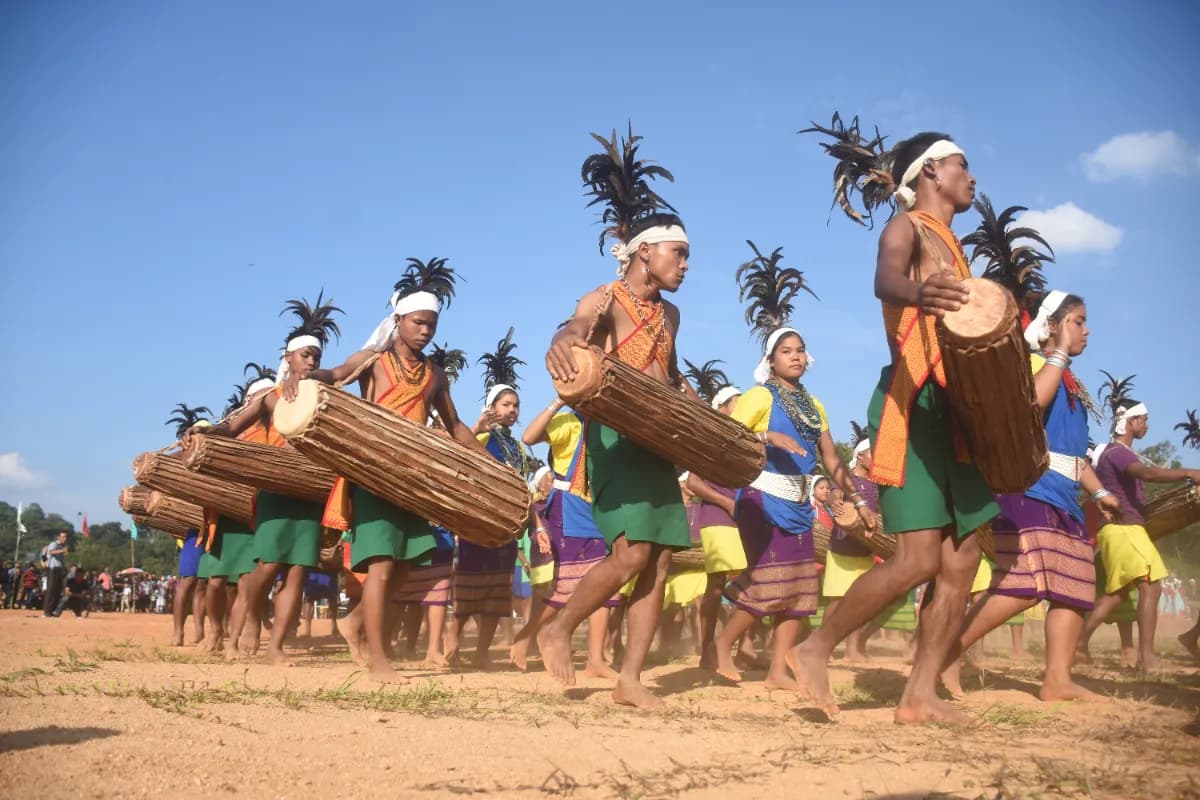
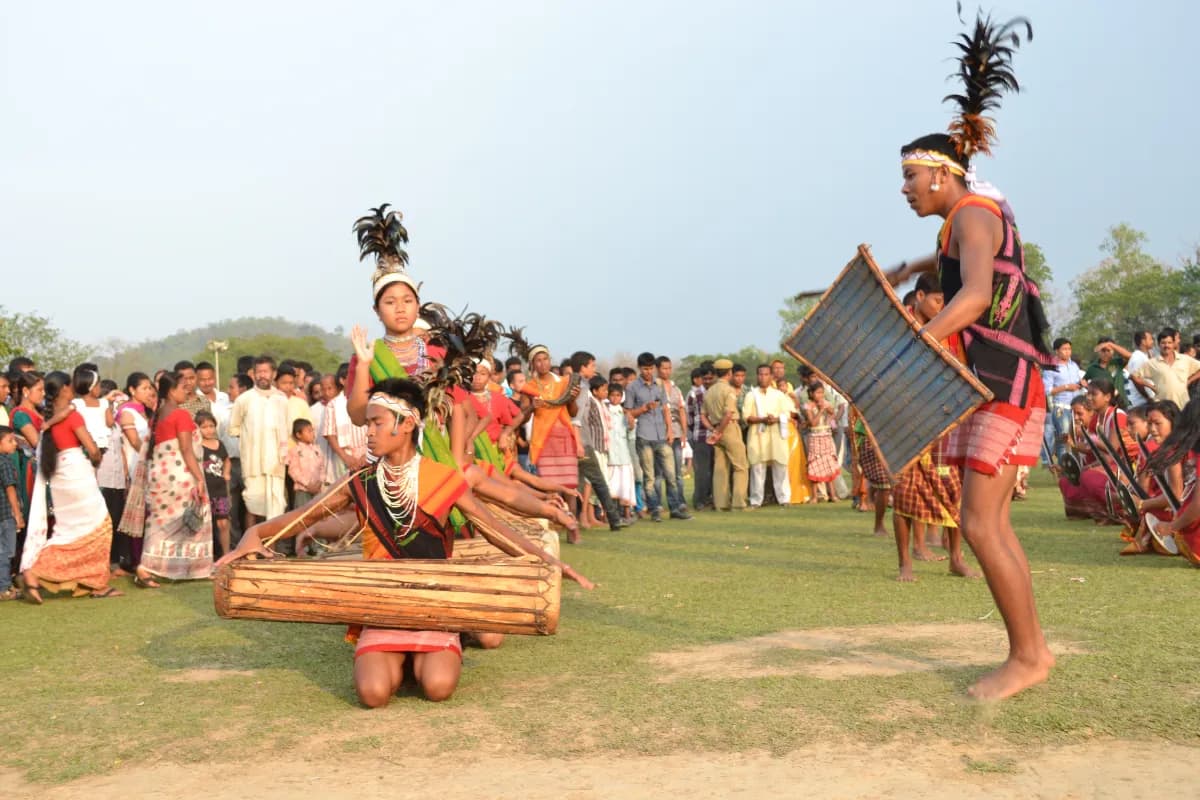
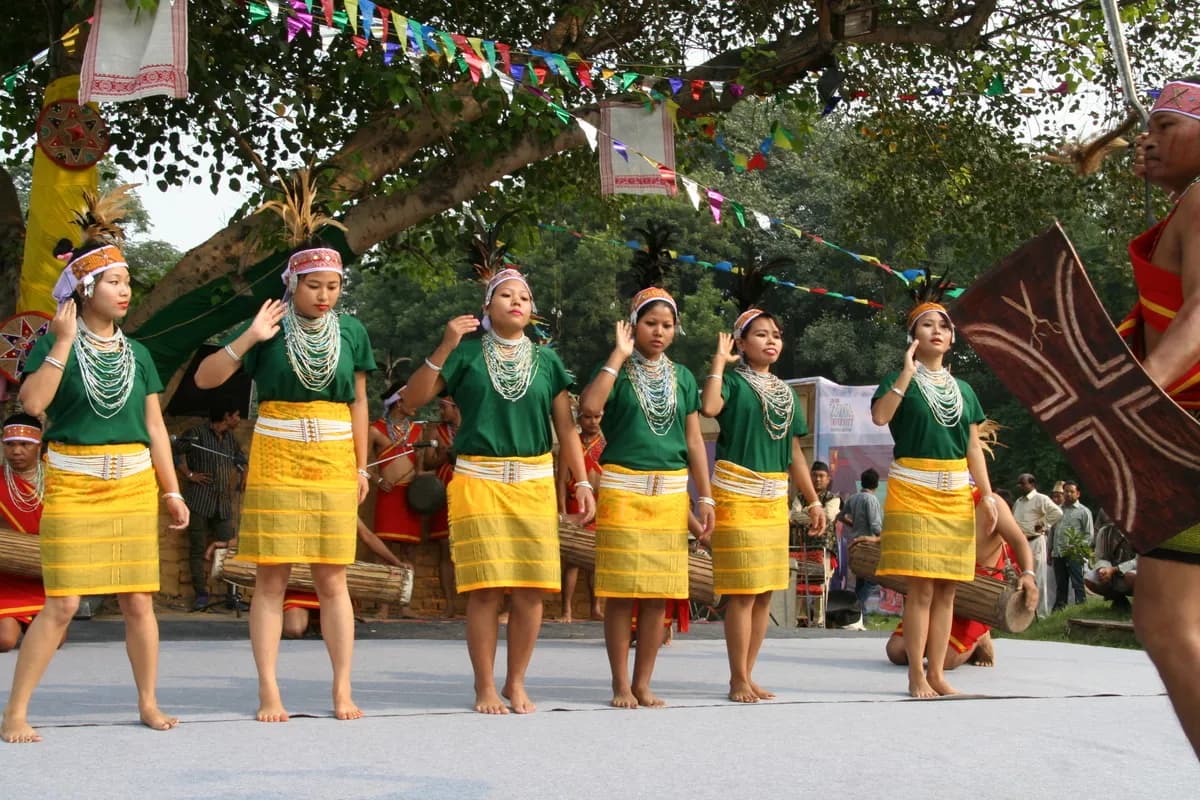
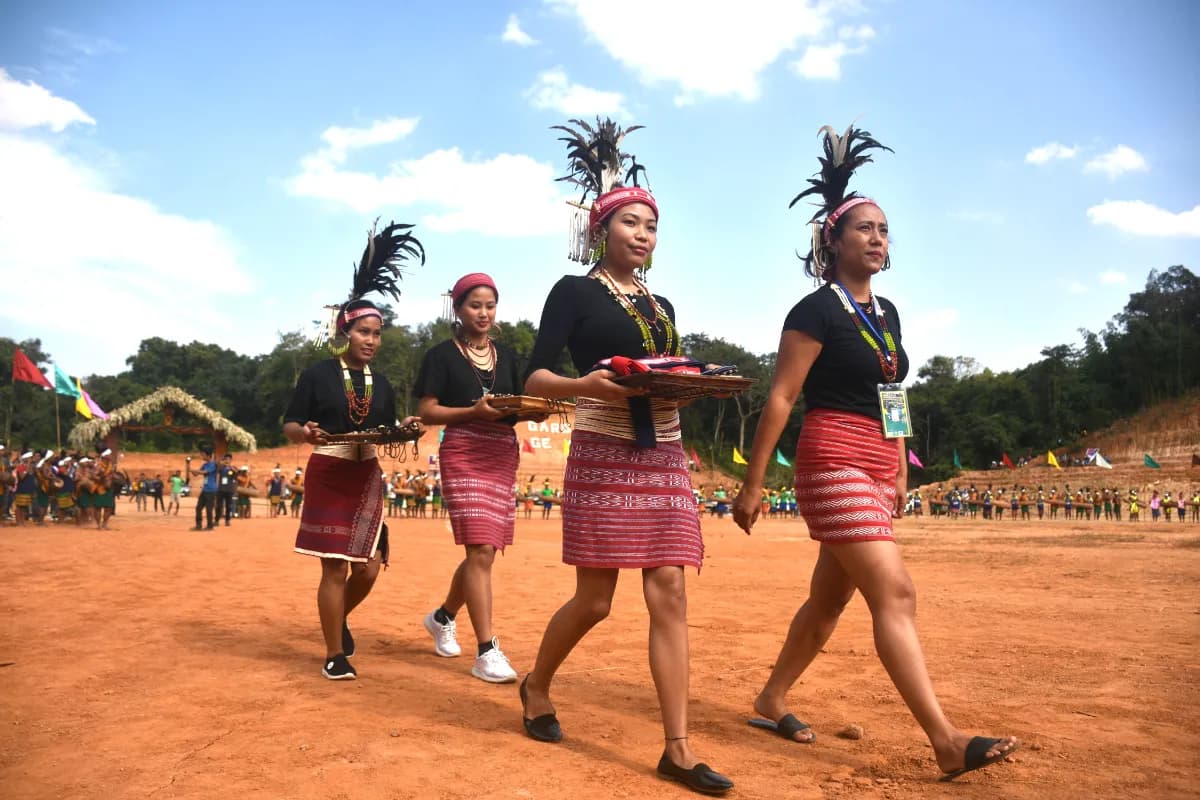
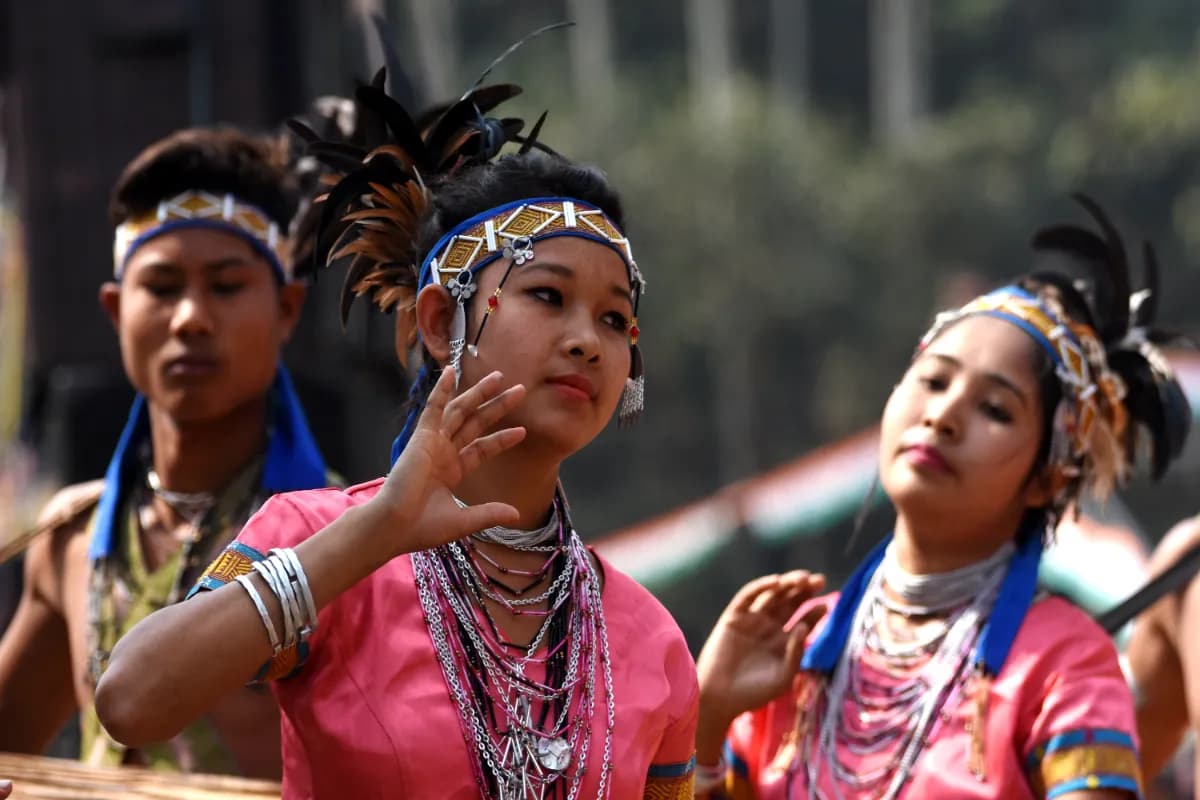
Wangala Festival is a harvest festival celebrated mainly by the Garo community of Meghalaya. It marks the end of the farming season and is known for traditional drum performances, folk dances, and cultural gatherings. The festival usually takes place in open grounds where performers wear traditional clothing and play long wooden drums called “Dama.”
Rather than focusing on sightseeing, Wangala is centred around local culture, music, and community celebrations. It is sometimes included in Meghalaya tour packages during festival season, especially for travellers interested in folk traditions, tribal festivals, and cultural experiences beyond waterfalls and viewpoints.
Wangala Festival is celebrated as a thanksgiving festival by the Garo tribe after the harvest season. It is dedicated to Misi Saljong, the Sun God, who is believed to bless crops and agricultural life.
The festival has been celebrated for generations in the Garo Hills region. Traditional drum performances, known as the “100 Drums Festival,” remain one of its main highlights. Even today, Wangala continues to preserve Garo music, dance, clothing, and community traditions across Meghalaya.
Wangala Festival usually takes place in October or November after the harvest season. Daytime events are more active between 10 AM and evening hours. Expect cooler weather, local crowds, and occasional light winter fog in some areas.
The festival is mainly celebrated near Tura in the Garo Hills region. From Guwahati, hire a private taxi to Tura (220 km, 6 hours, ₹4,500–₹5,500). Regular overnight buses also run from Guwahati's ISBT for about ₹600. The main festival is often held at the permanent site in Asanang, which is a short 15-minute drive from Tura town.
Entry Fee: Free for all visitors
Timing:
Day Wise Timings
Maps & Location
Meghalaya
Essential Information
Point of Interest for Wangala Festival
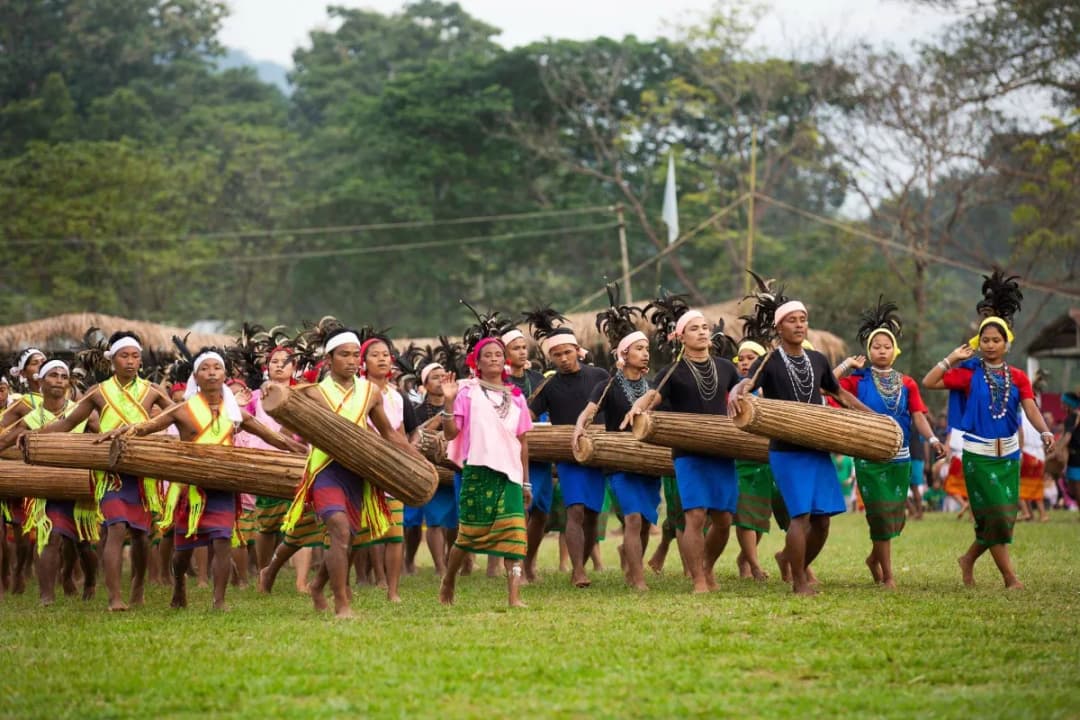
100 Drums Performance
Traditional drum dance performed by large Garo cultural groups.
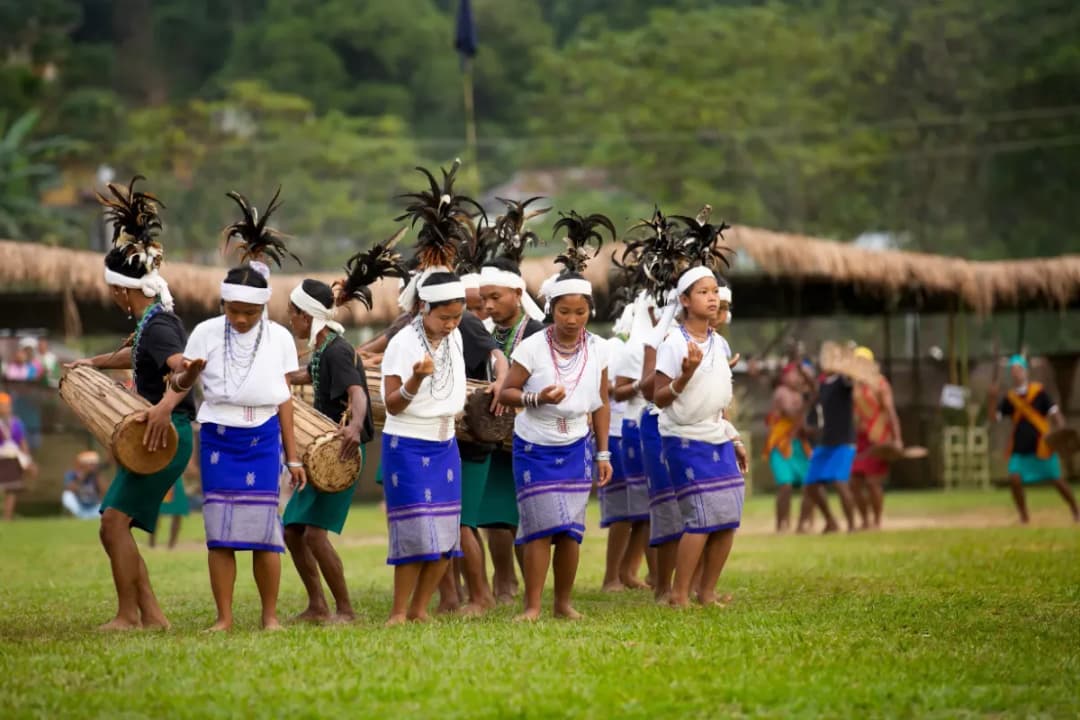
Garo Folk Dance
Local dance performances in traditional festival clothing and ornaments.
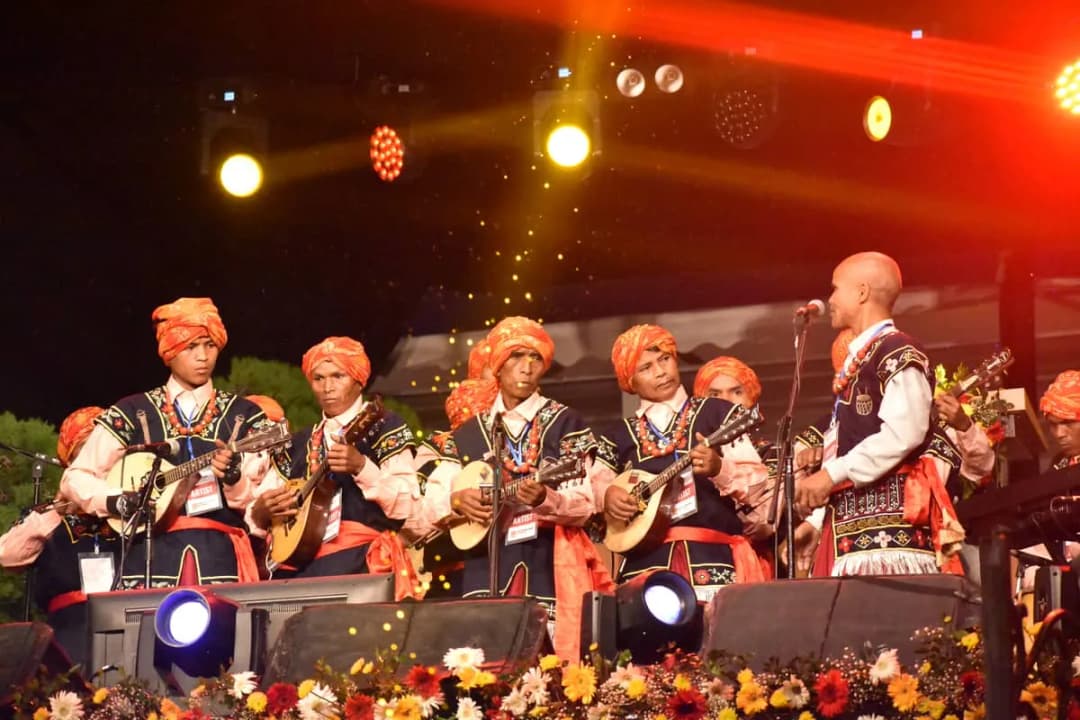
Traditional Music Shows
Live performances using drums, flutes, and local instruments
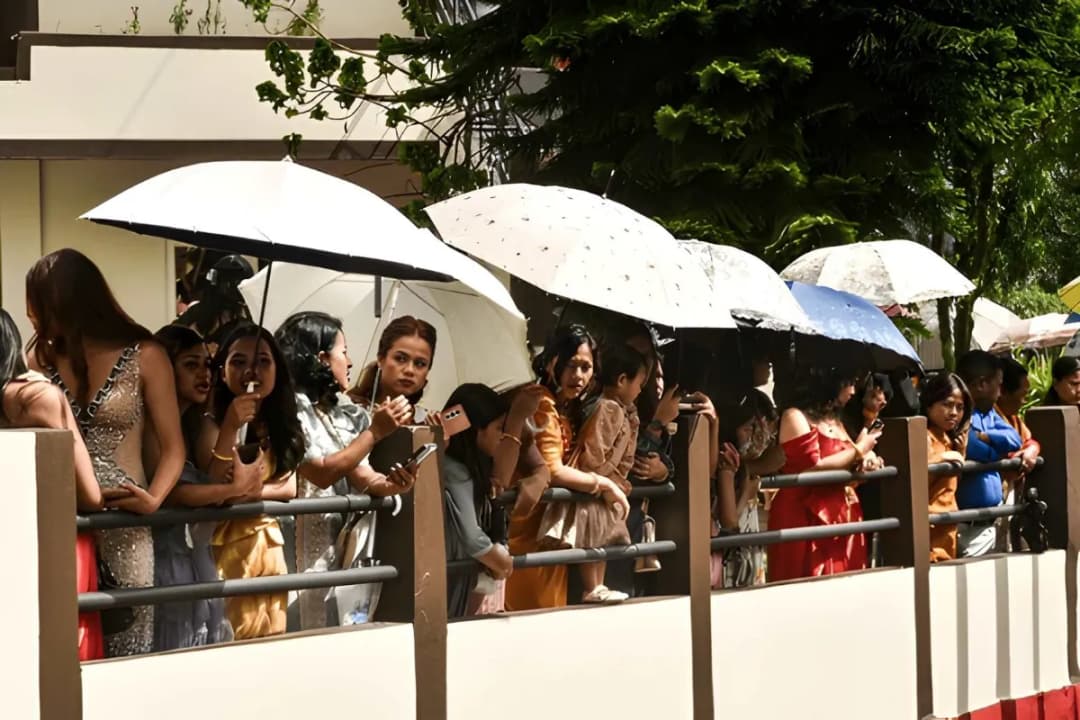
Cultural Processions
Community gatherings with performers moving across festival grounds
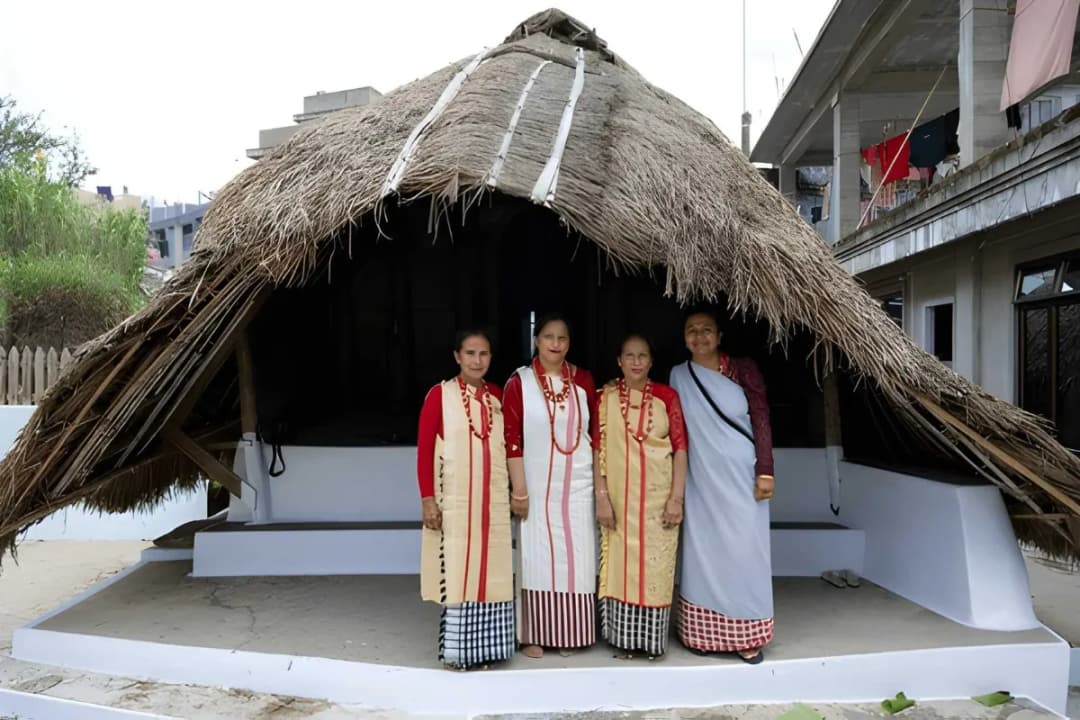
Traditional Dress Display
Visitors see colourful Garo clothing and festival accessories.
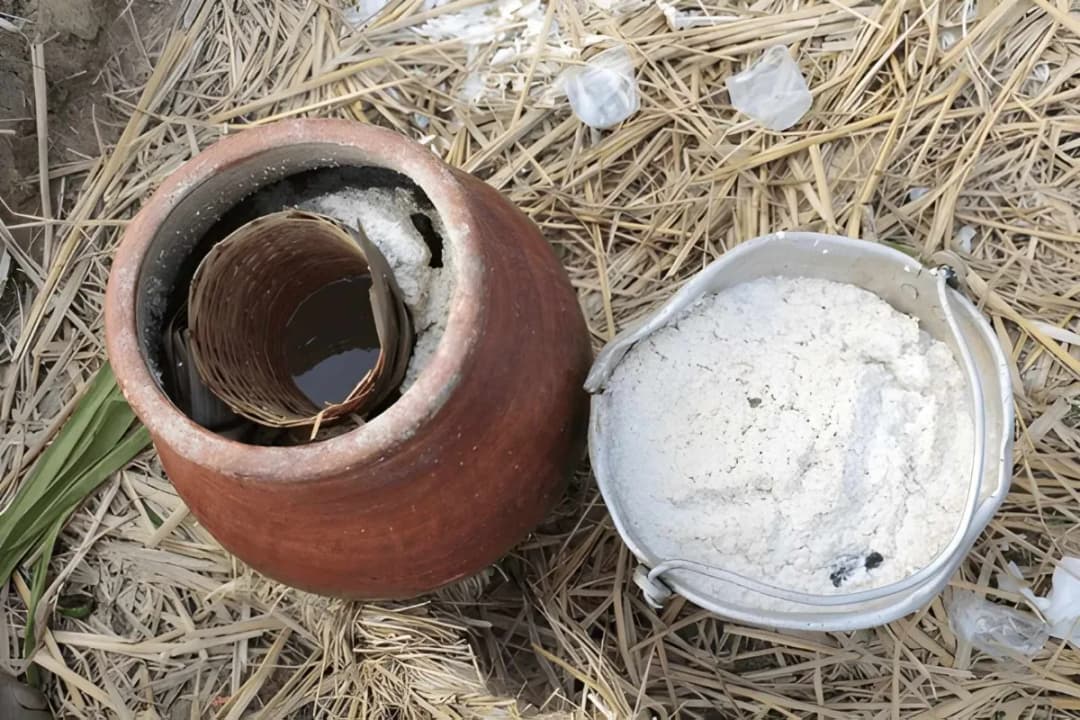
Local Rice Beer Tasting
Try the traditional "Chu," a local rice beer served in bamboo mugs during the feast.
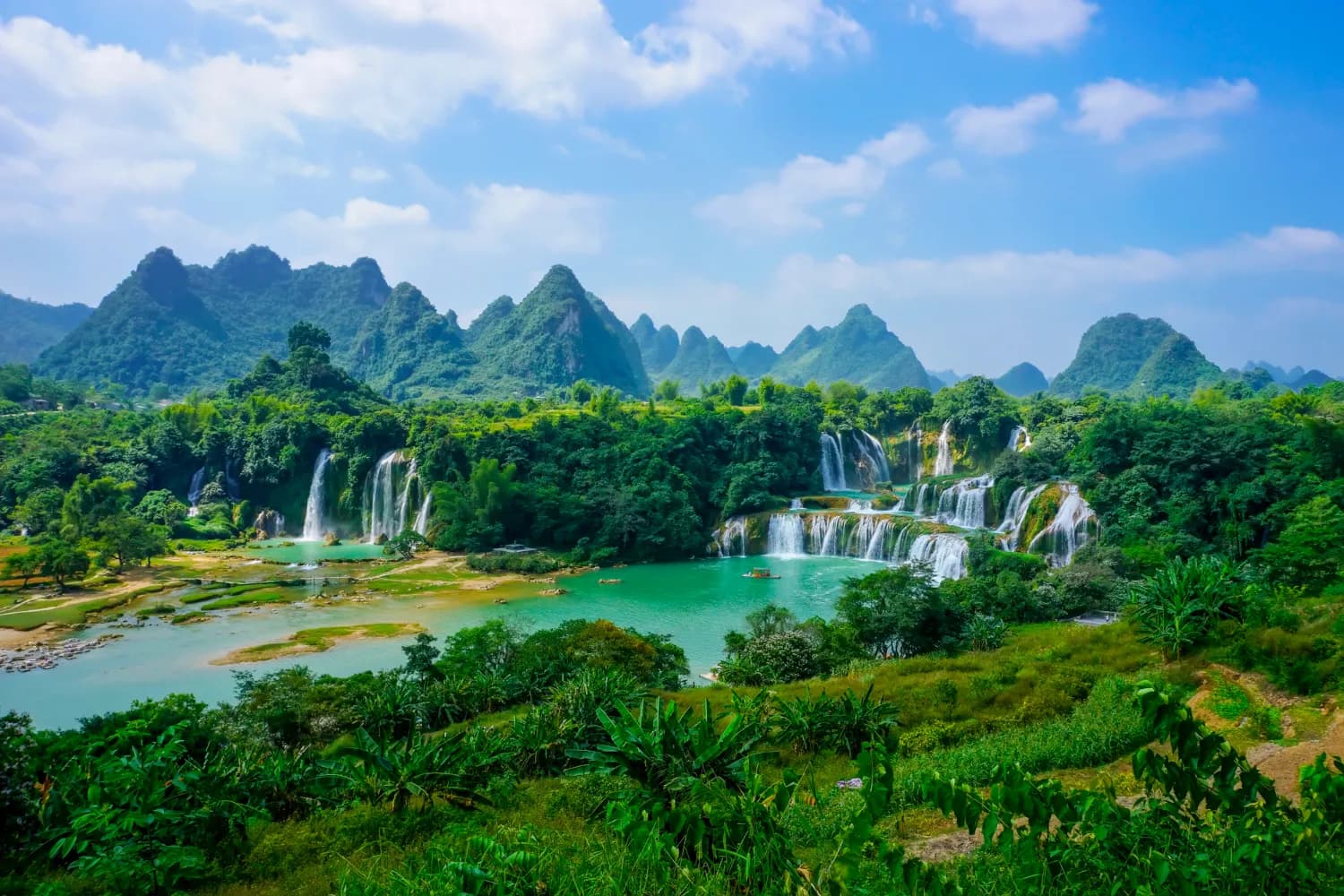
The festival is held every November in the West Garo Hills, primarily at the Asanang village grounds near Tura. It takes place after the harvest is gathered, marking a time of rest and thanksgiving for the entire Garo community.
While the Wangala Festival is the biggest event for the Garo tribe, the state is also famous for the Nongkrem Dance and Behdienkhlam. Wangala stands out globally for its iconic "100 Drums" performance and vibrant displays of tribal culture.
Men wear loincloths and feathered turbans, while women wear colorful hand-woven dresses called Dakmanda. Both participants decorate themselves with traditional bead jewelry and shells, creating a bright and rhythmic spectacle as they move in unison to the drums.
The festival is dedicated to Saljong, also known as the Sun God. He is the god of fertility and agriculture. The Garo people offer him prayers and the first fruits of their labor to thank him for a successful harvest.
It is popularly known as the "100 Drums Festival." This name comes from the grand finale where one hundred skilled drummers lead a massive procession, creating a powerful, rhythmic sound that can be heard across the rolling hills of the region.

Trusted by 1,00,000+ travellers

Dedicated experts to plan your trips

Secure bookings, clear cancellations

10,000+ unique trips to choose from

5.0

Nikhil Joshi
Reviewed: Dec 14, 2025One of the best trips I’ve taken. The itinerary was perfect, and every destination was unique. Kaziranga safari was the highlight. Highly recommend this 6N/7D tour package.
One of the best trips I’ve taken. The itinerary was perfect, and every destination was unique. Kaziranga safari was the highlight. Highly recommend this 6N/7D tour package.
Shreya Banerjee
Reviewed: Jan 13, 2026A well-organized tour with beautiful destinations. Shillong’s landscapes were stunning, and Kaziranga safari was exciting. Minor improvements needed in coordination, but overall very satisfying.
A well-organized tour with beautiful destinations. Shillong’s landscapes were stunning, and Kaziranga safari was exciting. Minor improvements needed in coordination, but overall very satisfying.