 Meghalaya
 festival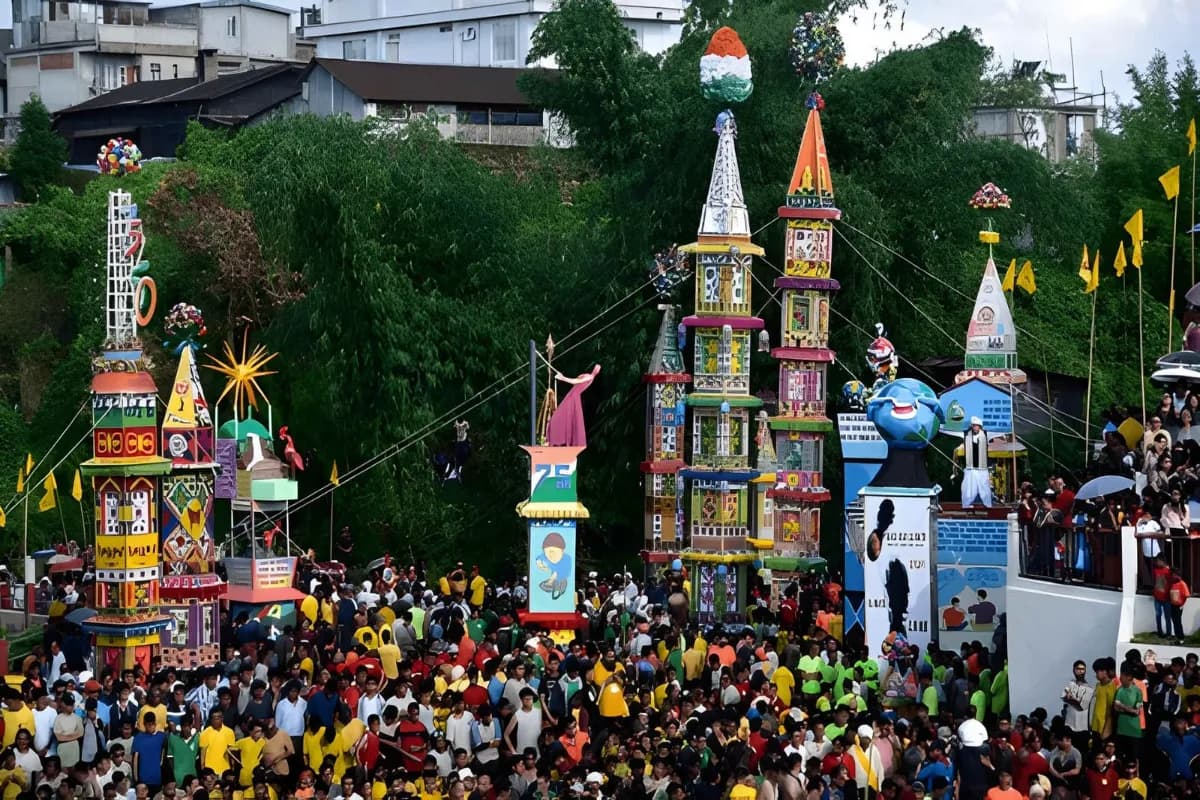
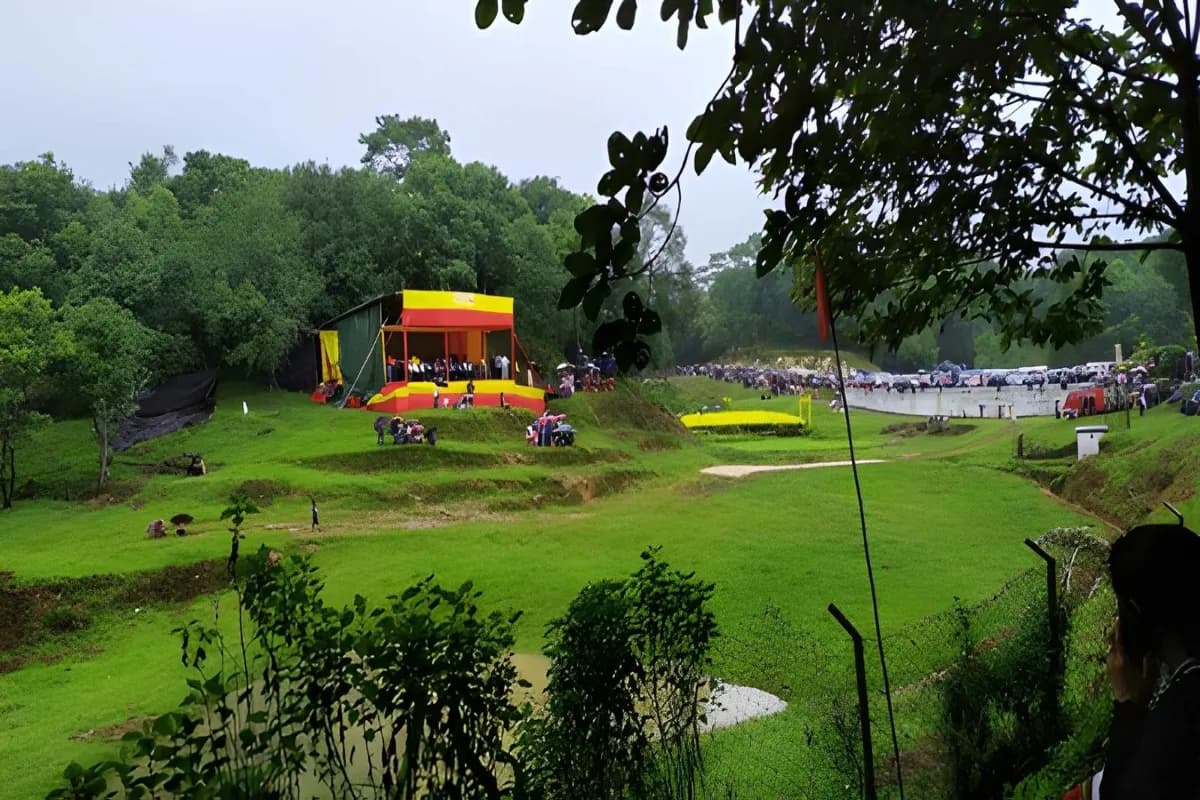
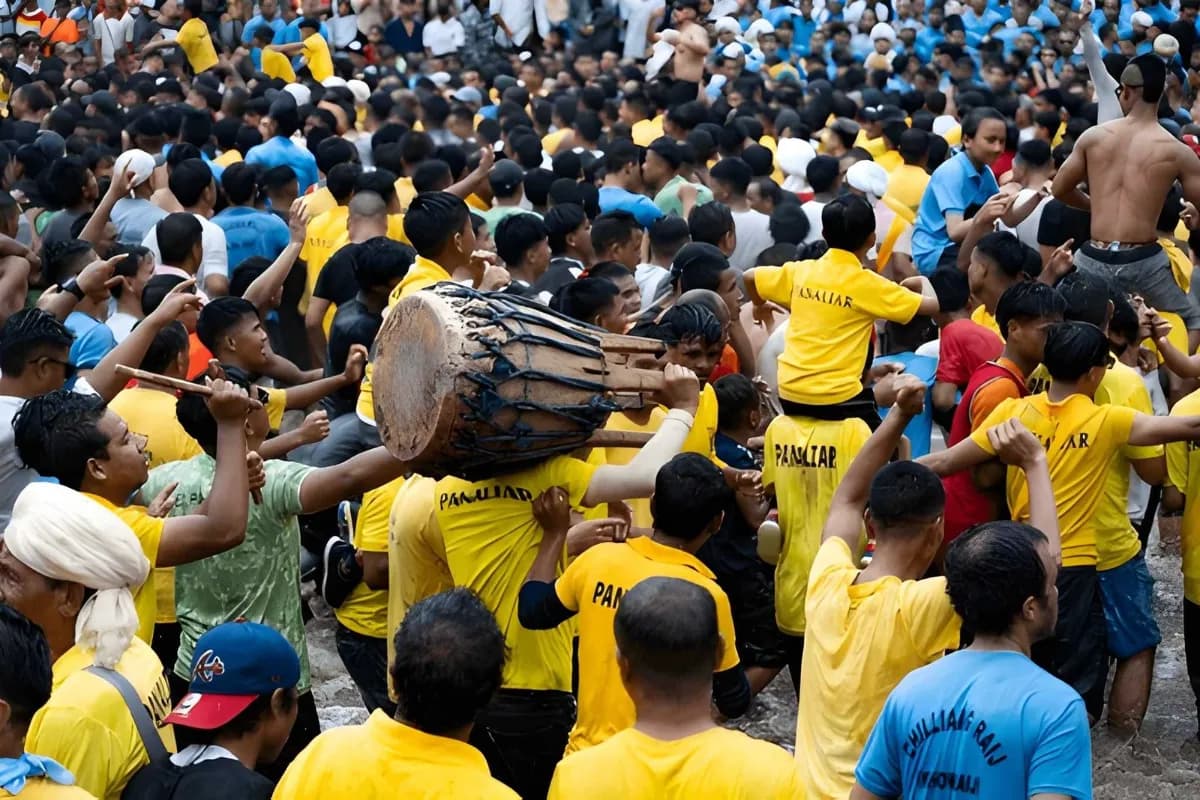
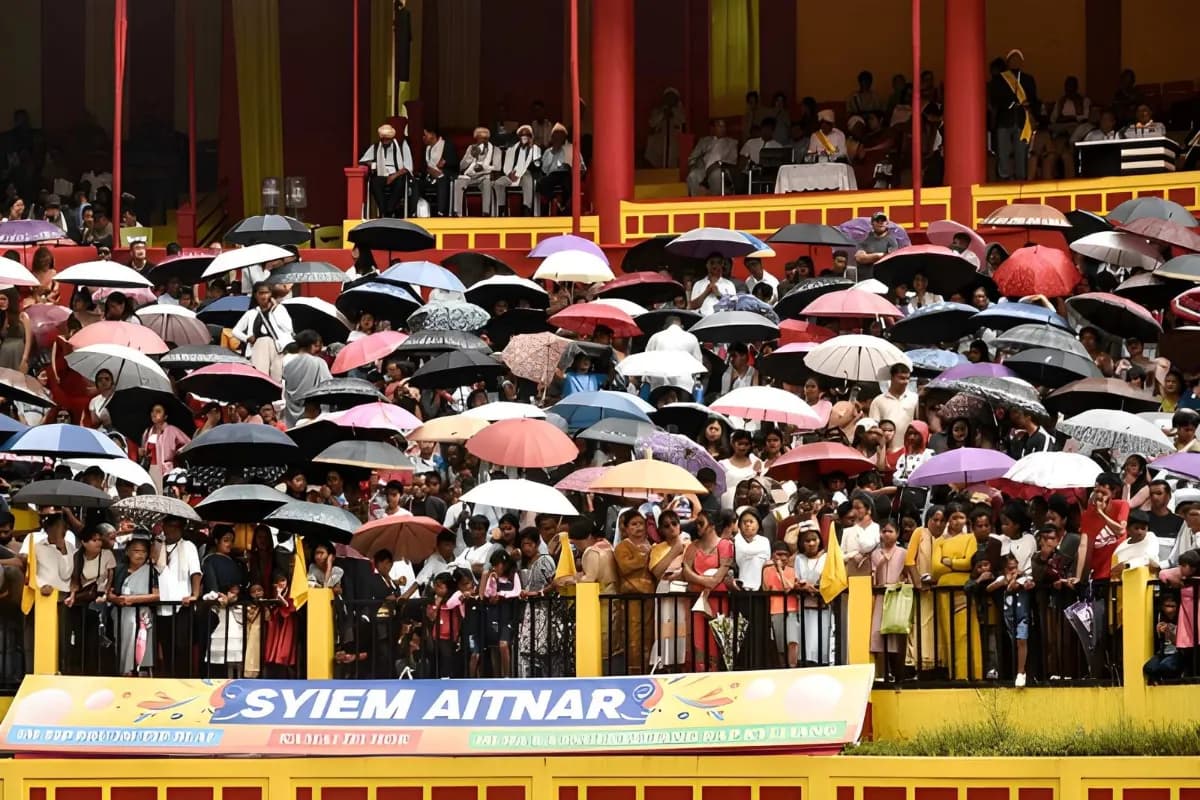
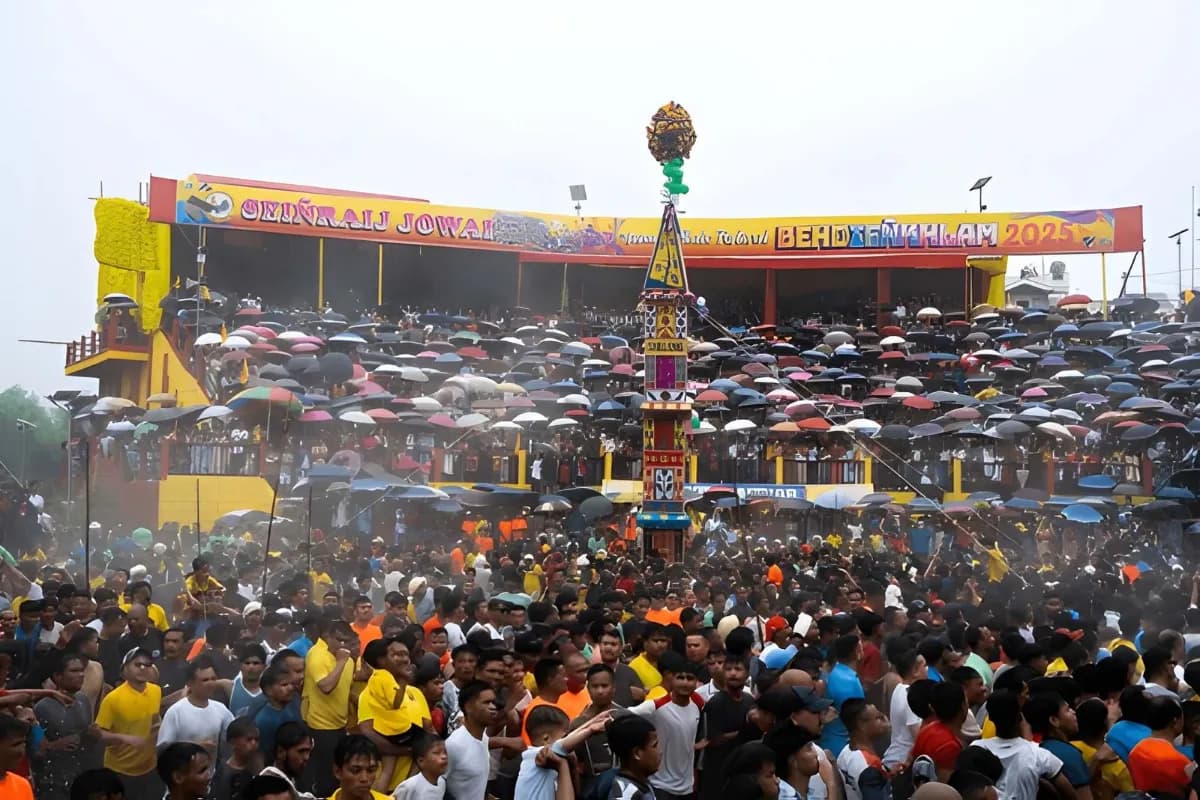
Behdienkhlam is the most important festival of the Pnar people of Meghalaya. It is celebrated in Jowai town every year in July. The word Behdienkhlam means chasing away evil with sticks. Men carry large decorated wooden structures through the streets. Drums beat continuously. The energy is loud, raw, and completely unlike anything you have seen at a mainstream Indian festival.
Jowai is 64 kilometers from Shillong. The drive takes around two hours. If you are customising Meghalaya tour packages, time your trip around July to catch this festival. It runs for four days. Accommodation in Jowai fills up fast during this period. Book at least three weeks in advance.
Behdienkhlam has been celebrated by the Pnar community for centuries. It is rooted in animist traditions that predate Christianity in the Jaintia Hills. The festival was originally performed to drive away plague and disease from the village. Communities came together to beat wooden poles on rooftops, symbolically driving out evil spirits.
The Jaintia kingdom, which ruled this region for centuries, patronised the festival as a community event. Even after Christianity arrived in the Jaintia Hills in the 19th century, many Pnar families who converted continued observing Behdienkhlam. It was deeply woven into local identity. Today it is recognised as a state festival by the Meghalaya government and draws visitors from across India every July.
Behdienkhlam falls in July every year. Exact dates follow the Pnar lunar calendar and change annually. July is the peak monsoon in Meghalaya. Carry a raincoat. The festival happens rain or shine. Check the exact dates with the Meghalaya Tourism department before booking travel.
Jowai is 64 kilometers from Shillong via NH 6. The drive takes around two hours. Private cabs charge ₹1,200 to ₹1,500 for the full trip. Shared cabs from Shillong's Iewduh bus stand cost ₹80 to ₹100 per seat. No direct train connects Shillong to Jowai.
Entry Fee:
Festival Timings:
Day Wise Timings
Maps & Location
Meghalaya 793150
Essential Information
Point of Interest for Behdienkhlam Festival
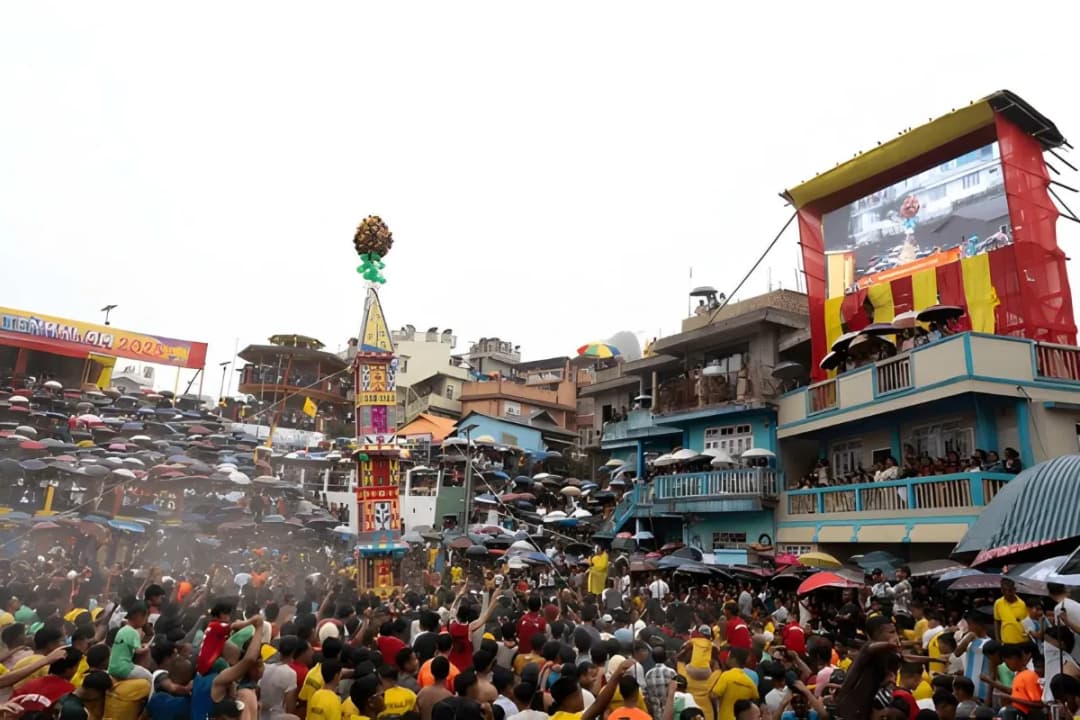
Traditional Rot Processions
Decorated wooden structures carried through festival streets by locals
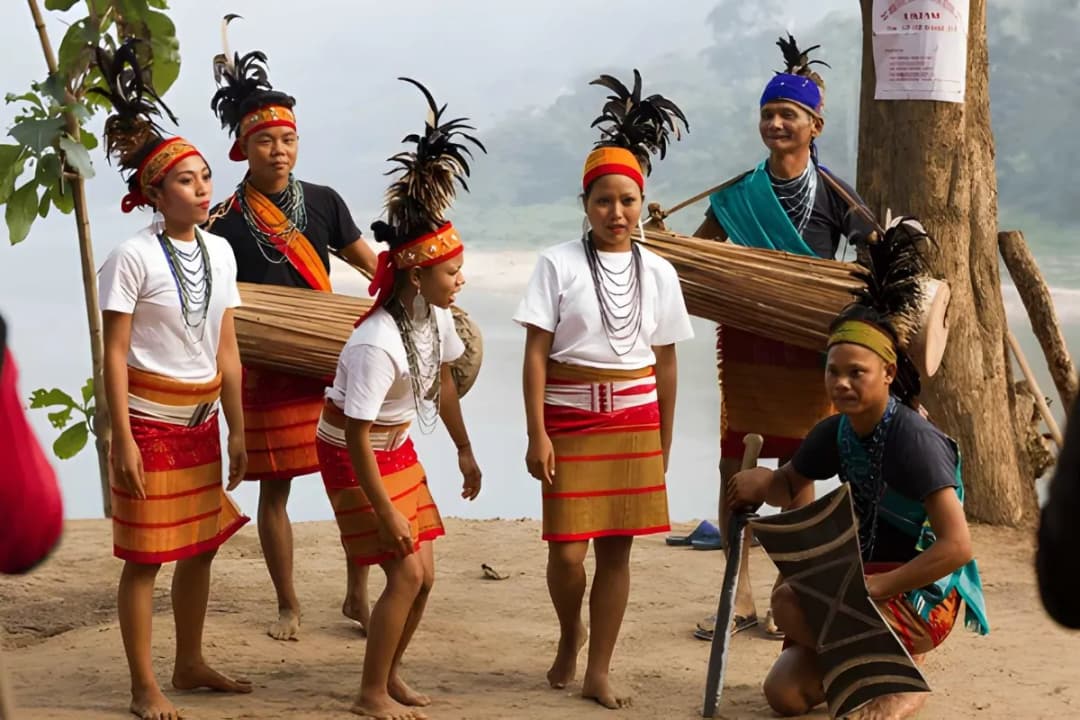
Community Dance Performances
Traditional Pnar dances performed during major festival rituals.
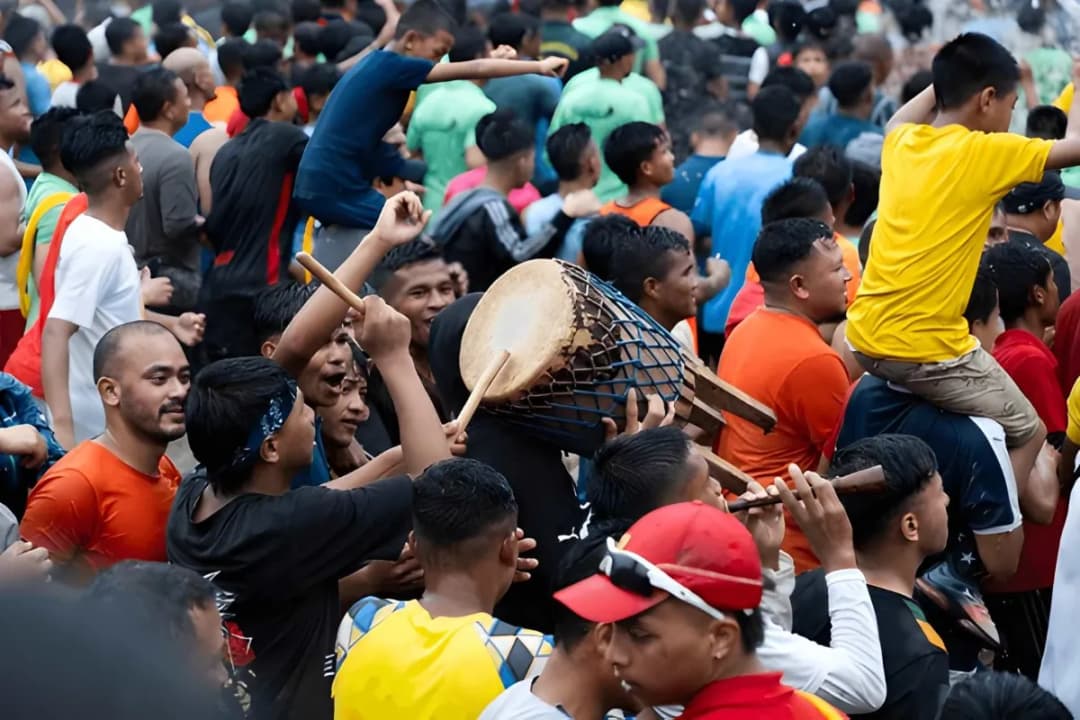
Traditional Pnar Music
The air is filled with the rhythmic sounds of pipes and drums that lead the emotional dancer
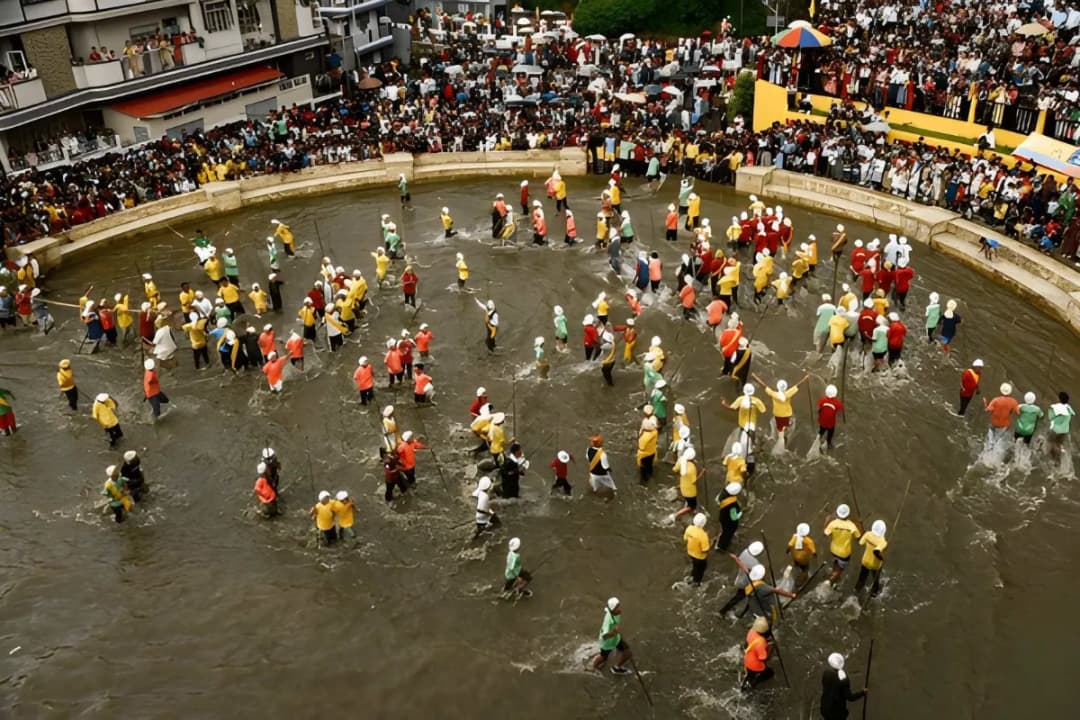
Immersion in Aitnar Pool
Watch hundreds of men dance in a muddy sacred pool as they immerse the towering rocks.
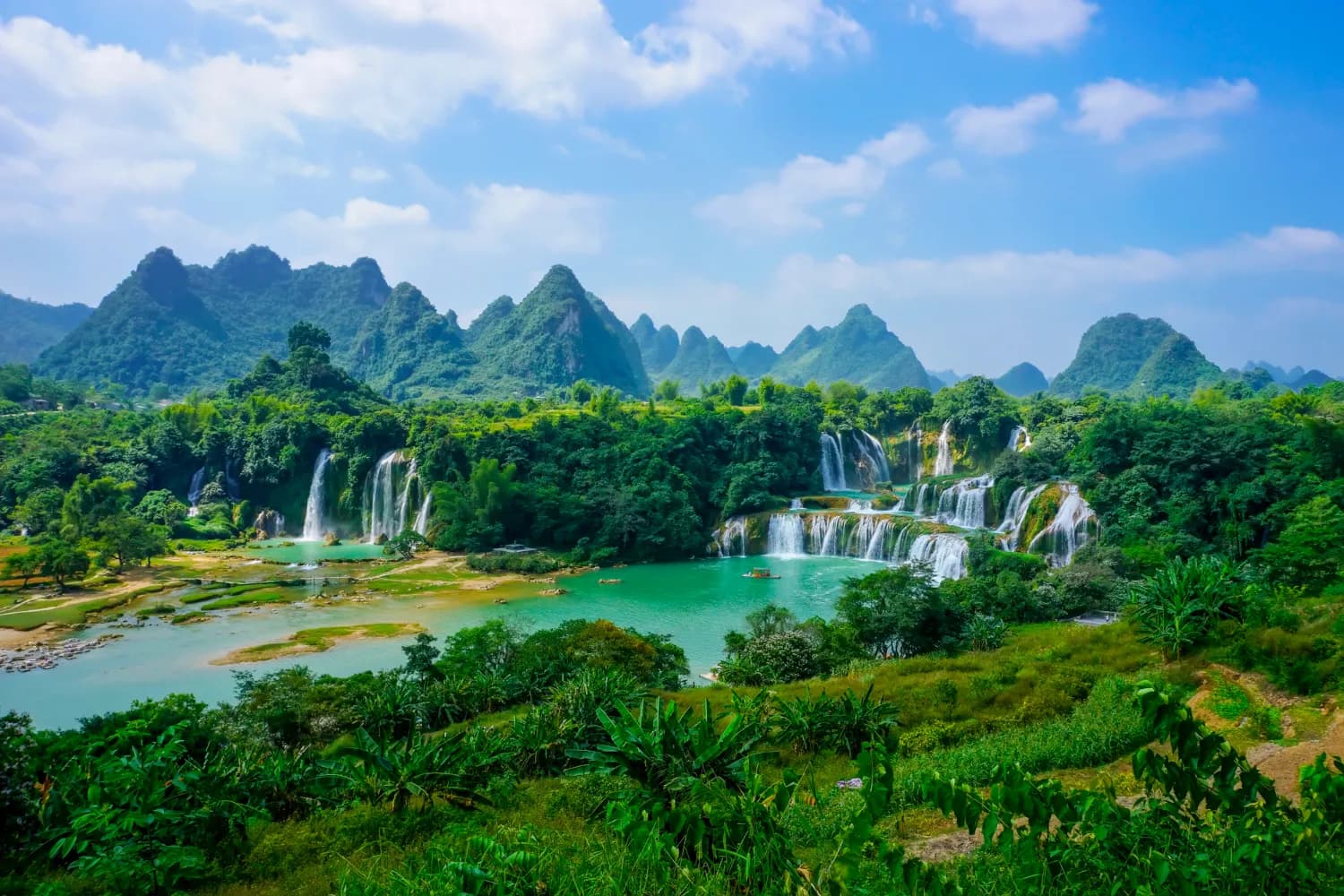
The Behdienkhlam festival is celebrated in Meghalaya, specifically in Jowai, which is the headquarters of the West Jaintia Hills district. It is a major event for the Pnar (Jaintia) people, drawing crowds from across the state and beyond every July.
Wangala, also known as the "100 Drums Festival," is widely considered the biggest and most popular festival in Meghalaya. It is a state-sponsored harvest celebration of the Garo tribe that attracts thousands of local and international tourists every November.
The word Behdienkhlam literally means "chasing away the plague" or the "demon of cholera." In the local Pnar language, Beh means to drive away, Dien means wood or stick, and Khlam refers to a plague or epidemic.
Wangala is the biggest and most significant festival for the Garo community. It is a post-harvest thanksgiving ceremony held to honor Saljong, the Sun God of fertility, marking the end of the agricultural season and the start of winter.
The Wangala dance and the Shad Suk Mynsiem are among the most famous. However, the Lahoo dance of the Jaintia people and the Nongkrem dance of the Khasis are also iconic, representing the unique rhythms and traditions of the state’s three main tribes.

Trusted by 1,00,000+ travellers

Dedicated experts to plan your trips

Secure bookings, clear cancellations
10,000+ unique trips to choose from

5.0

Nikhil Joshi
Reviewed: Dec 14, 2025One of the best trips I’ve taken. The itinerary was perfect, and every destination was unique. Kaziranga safari was the highlight. Highly recommend this 6N/7D tour package.
One of the best trips I’ve taken. The itinerary was perfect, and every destination was unique. Kaziranga safari was the highlight. Highly recommend this 6N/7D tour package.
Shreya Banerjee
Reviewed: Jan 13, 2026A well-organized tour with beautiful destinations. Shillong’s landscapes were stunning, and Kaziranga safari was exciting. Minor improvements needed in coordination, but overall very satisfying.
A well-organized tour with beautiful destinations. Shillong’s landscapes were stunning, and Kaziranga safari was exciting. Minor improvements needed in coordination, but overall very satisfying.