 Meghalaya
 sightseeing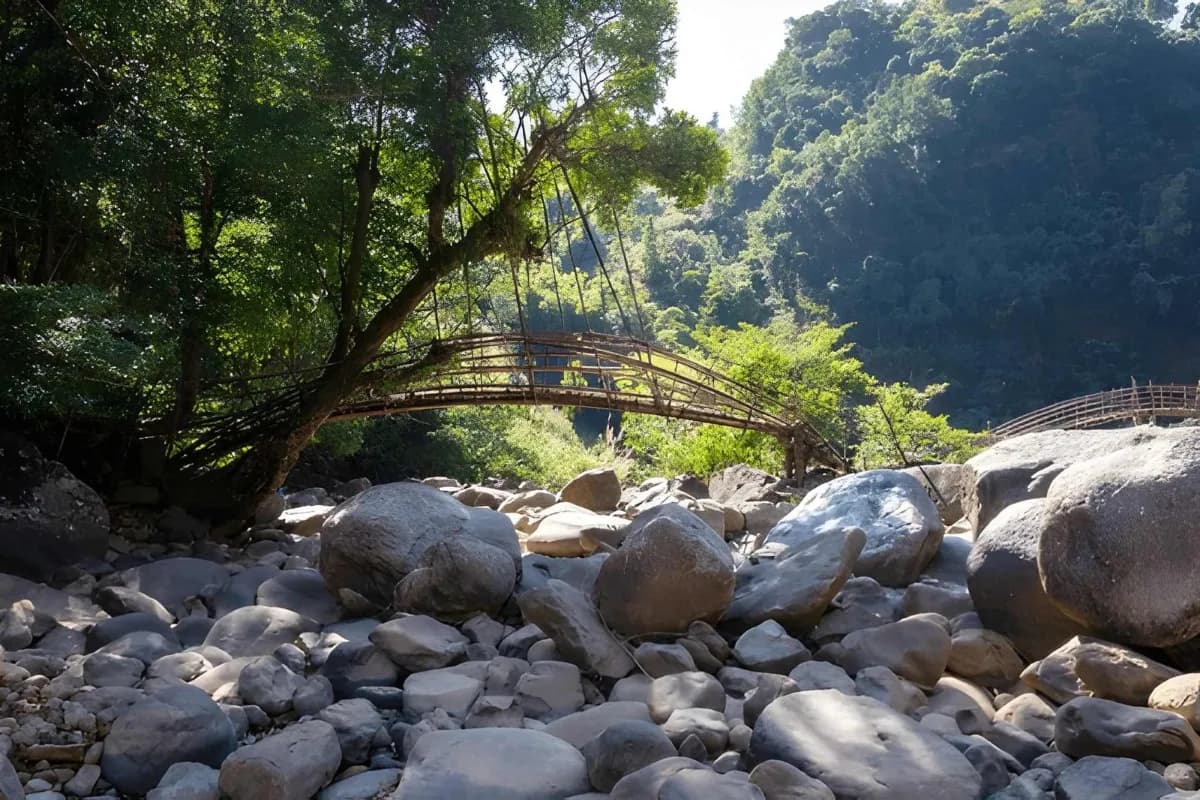
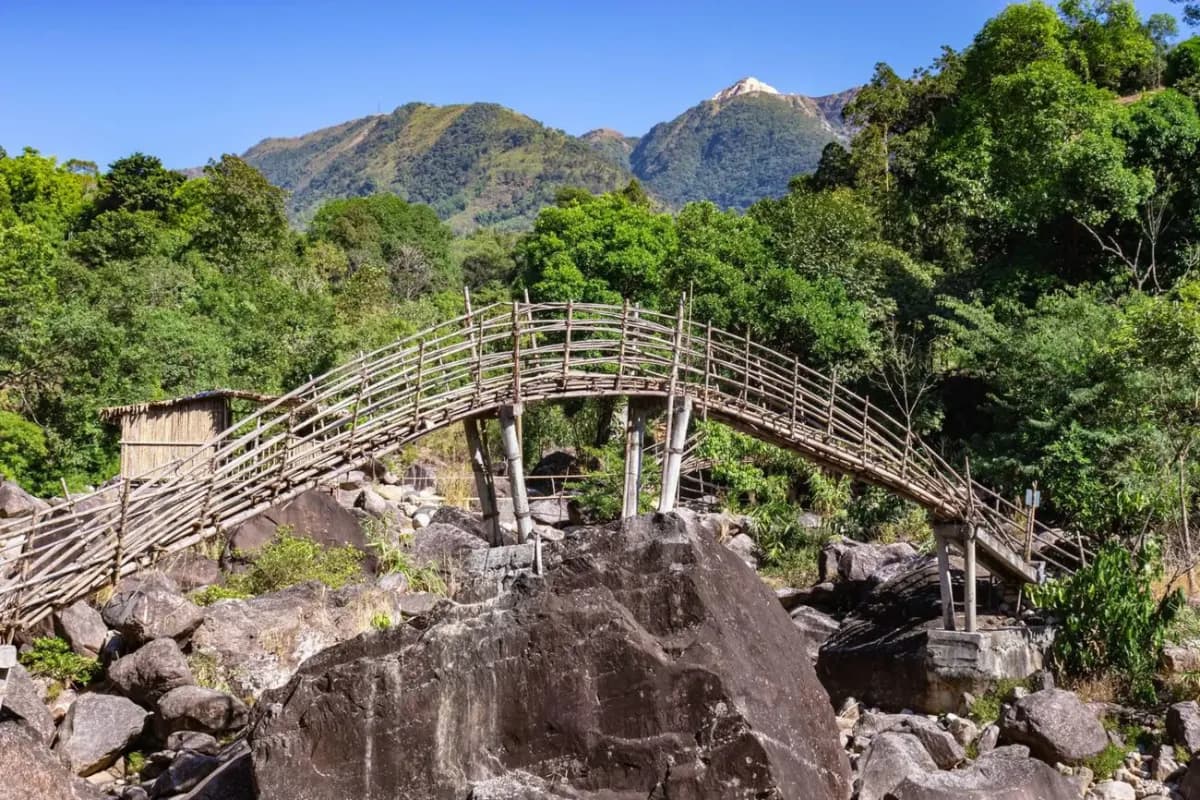
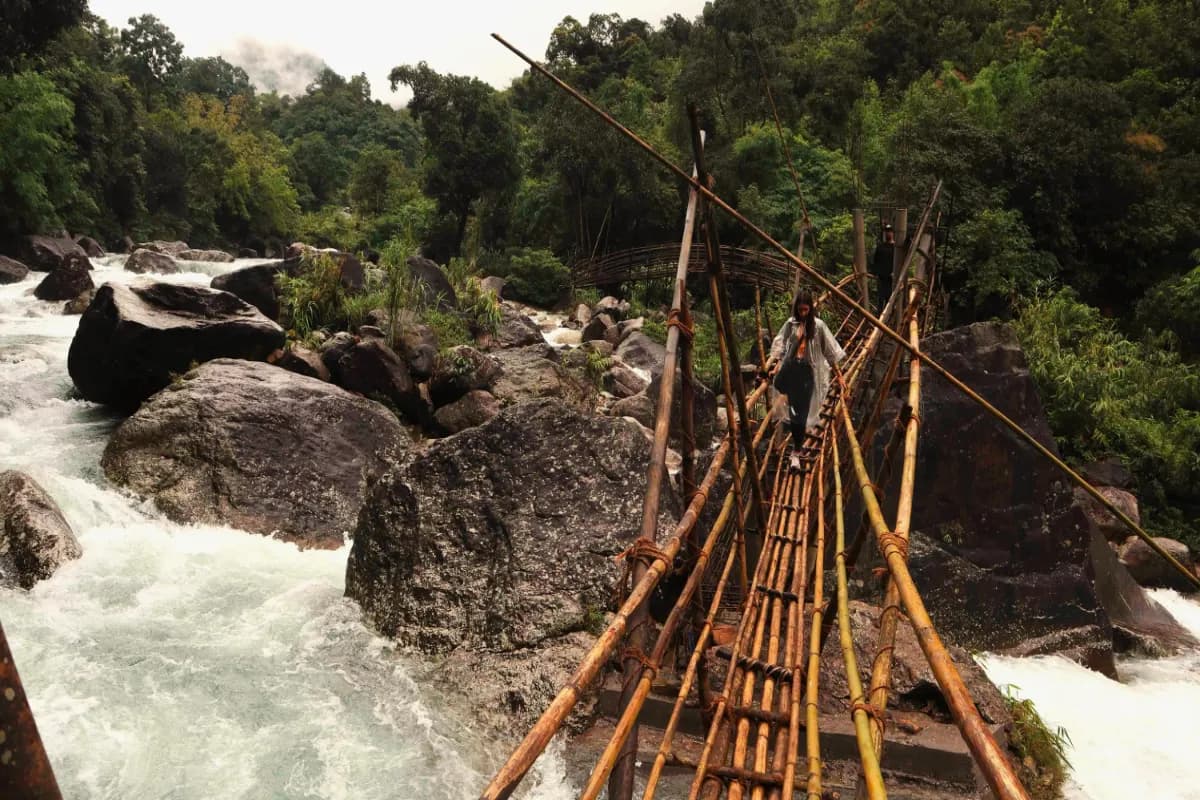
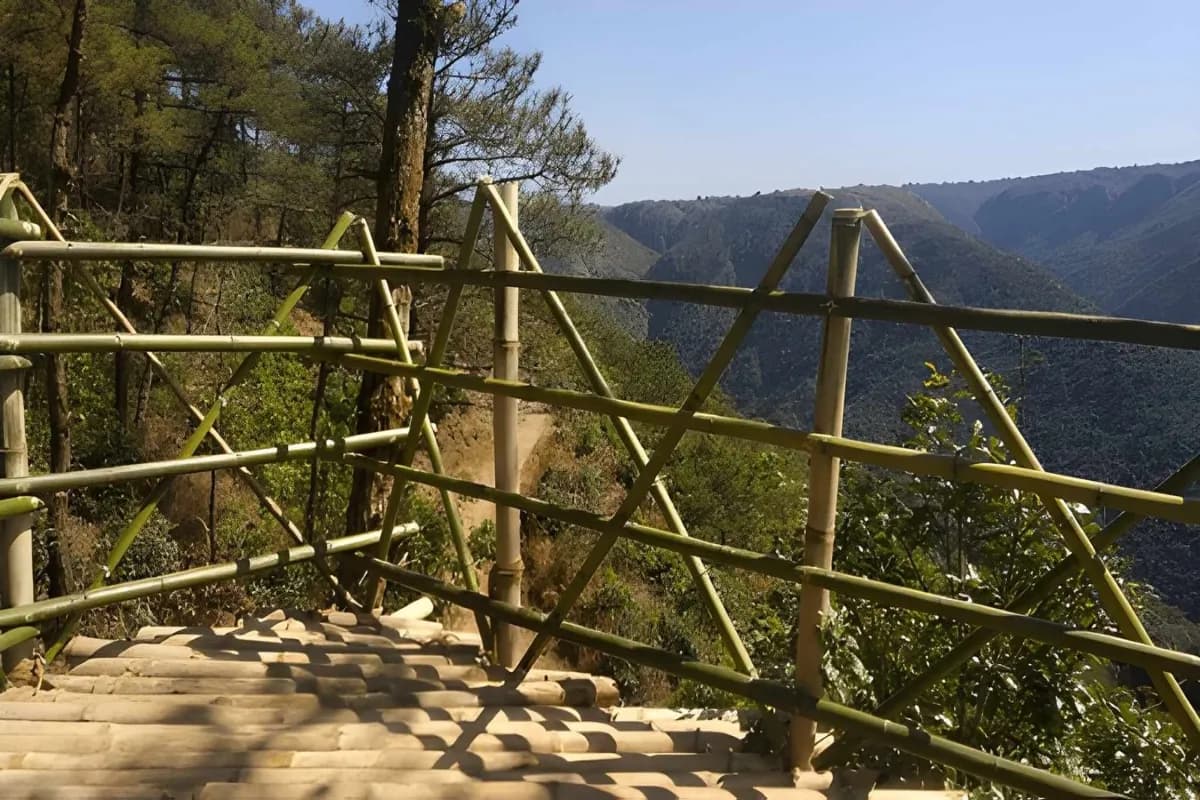
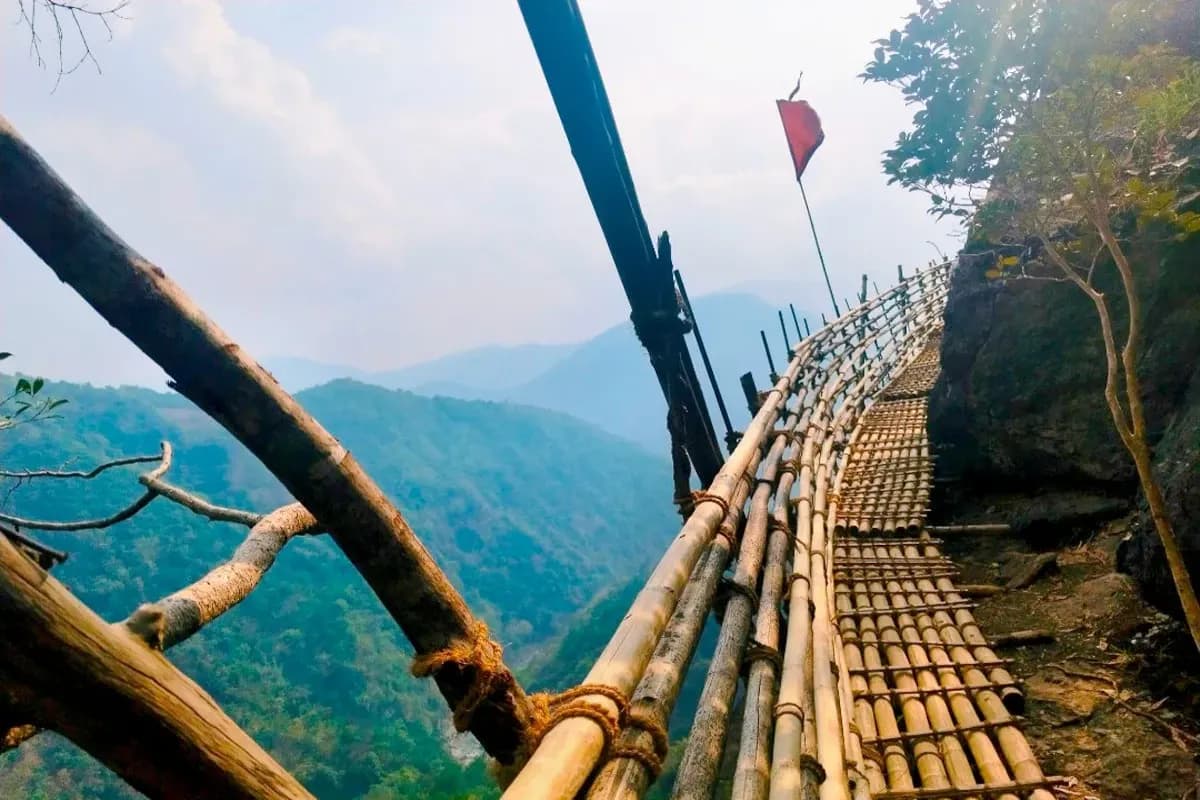
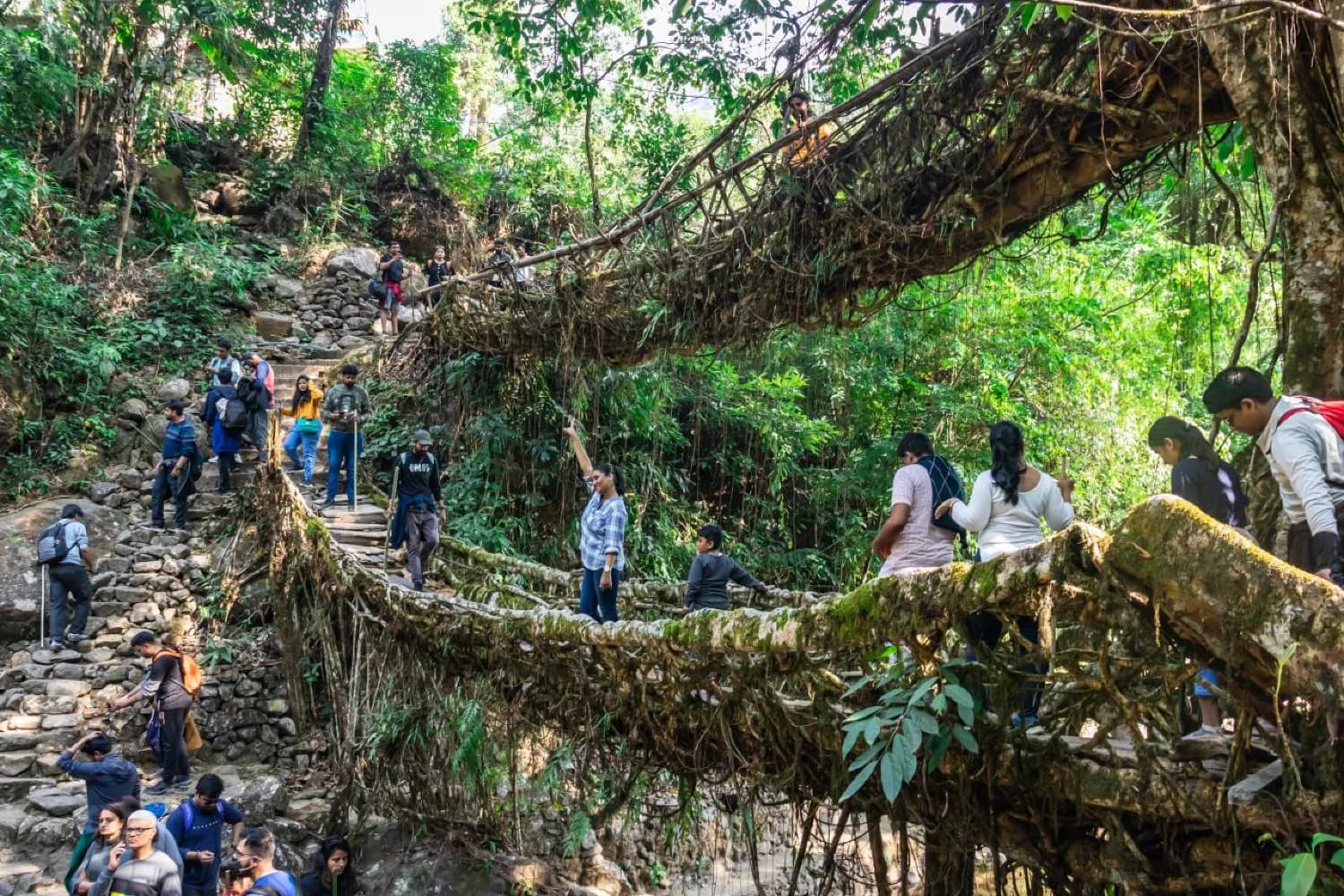
The Mawryngkhang Bamboo Trail is located in Wahkhen village within the Pynursla sub-district of the East Khasi Hills. It looks like a daring bridge made entirely of bamboo and cane, pinned to the side of massive vertical cliffs over a roaring river. The USP is the pure adrenaline of walking on a hand-woven path that hangs over a deep gorge, leading to a legendary giant rock.
This trail is a two-hour drive from Shillong and is a highlight of many Meghalaya tour packages. While it requires a bit of hiking, the road to the base village is well-connected. Nearby, you can explore the quiet Wahkhen village, the scenic Pynursla market, and several unnamed crystal-clear river pools within a 5 km radius of the trek's starting point.
The trail is named after "U Mawryngkhang," a massive lone rock that stands tall in the valley. Local Khasi legends tell a story of a great battle between two giant stones over the love of a princess. The large rock you reach at the end is said to be the victorious king of stones. It is a place where nature and ancient folklore feel very much alive.
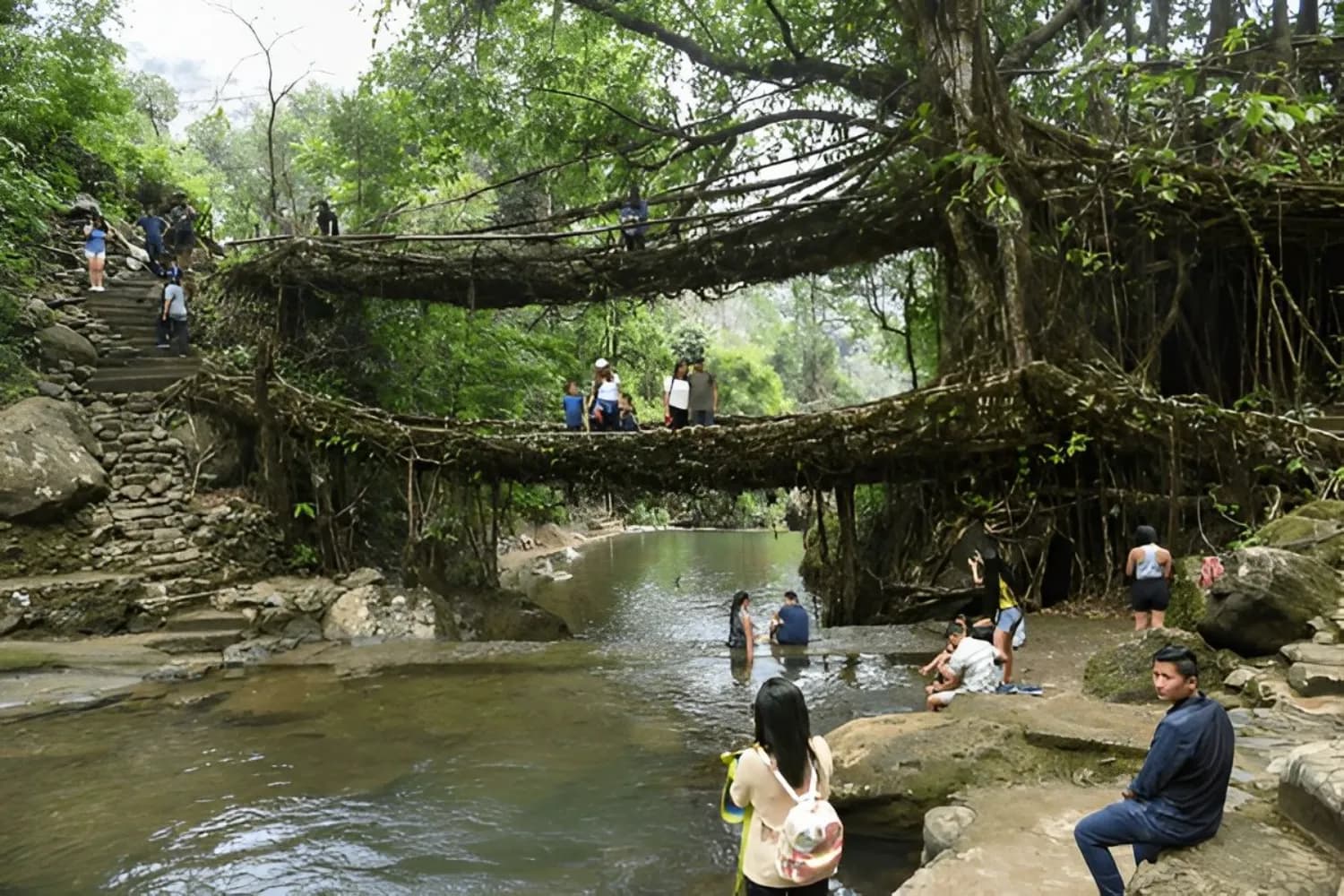
What makes this spot truly special is that the entire bridge was built by the villagers of Wahkhen. They used traditional Khasi techniques, tying bamboo together without using any modern metal nails or heavy machinery. This path was created so locals could reach their broom-grass farms, but it has since become a symbol of the community's incredible skill and hard work.
Visit between October and March for dry bamboo and clear, sunny skies. The temperature stays between 12°C and 22°C, making the climb comfortable. Avoid June to August because the bamboo becomes dangerously slippery, and the river below floods during heavy rains.
From Shillong, hire a private cab to Wahkhen village (52 km, 2.5 hours, ₹3,000–₹3,800). There are no direct buses, so a taxi is the best bet. The trek begins right from the village edge and takes about three to four hours to complete.
Entry Fee:
Timings:
Day Wise Timings
Maps & Location
9V32+2GC, Wahkhen, Meghalaya 793110
Essential Information
Point of Interest for Bamboo trek, Mawryngkhang
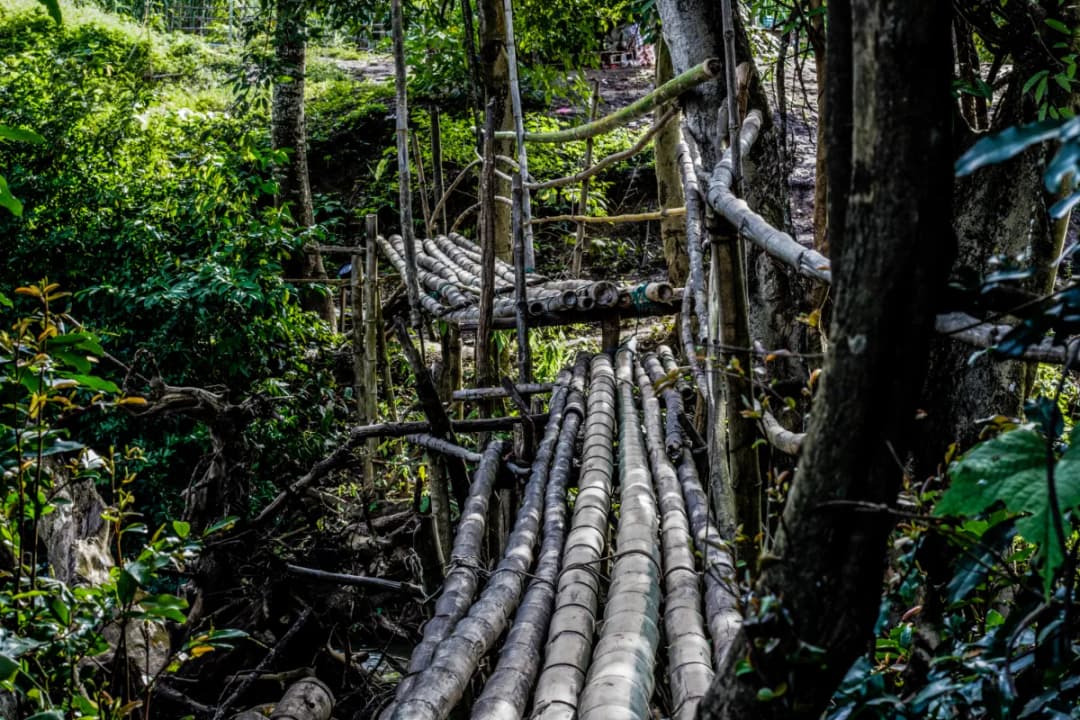
The Hand-Woven Bamboo Bridge
Walk across miles of bamboo tied to the cliffside using only local grass and cane.
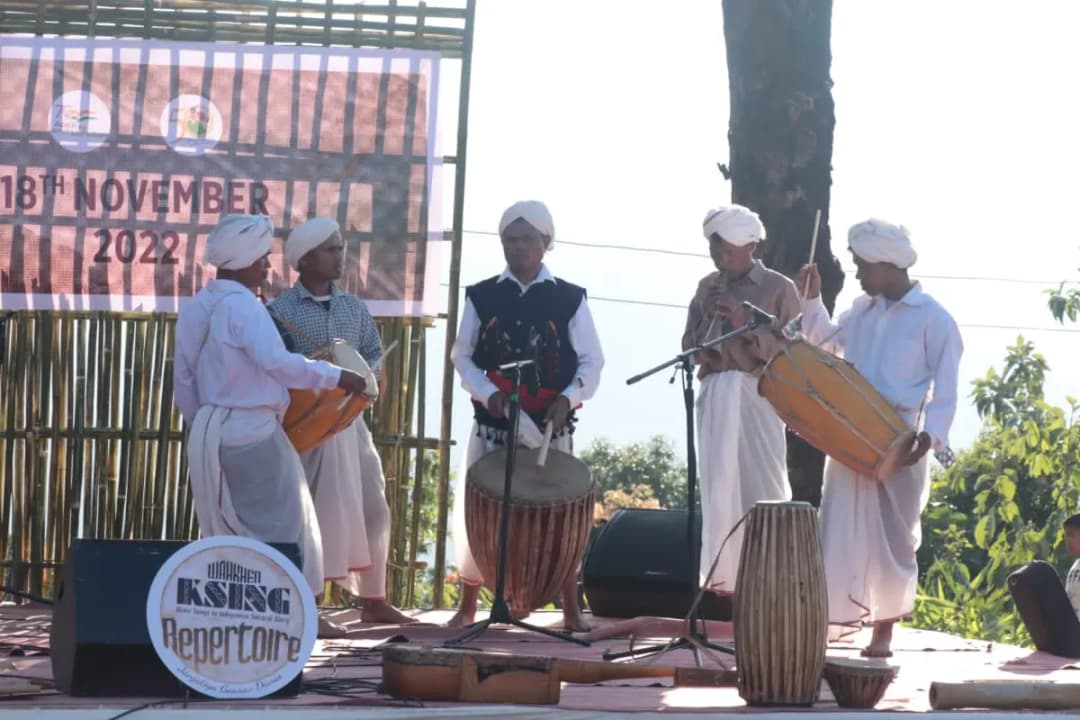
Wahkhen Village Musical Heritage
This village is famous for making traditional instruments; you might hear music nearby.
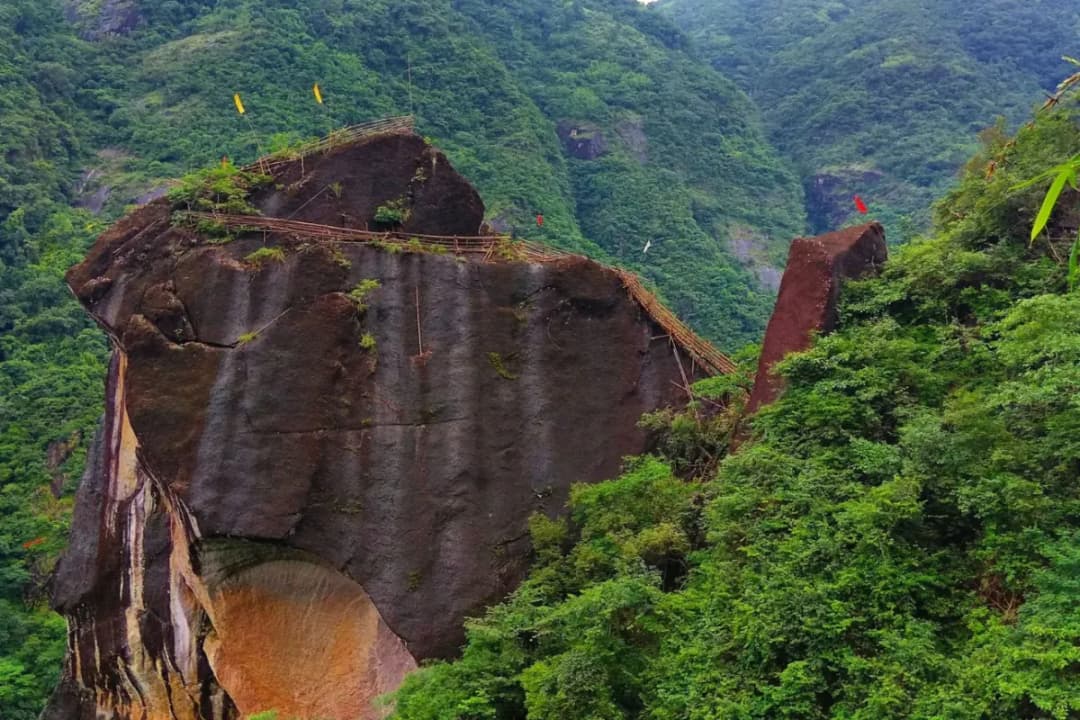
The King of Stones Rock
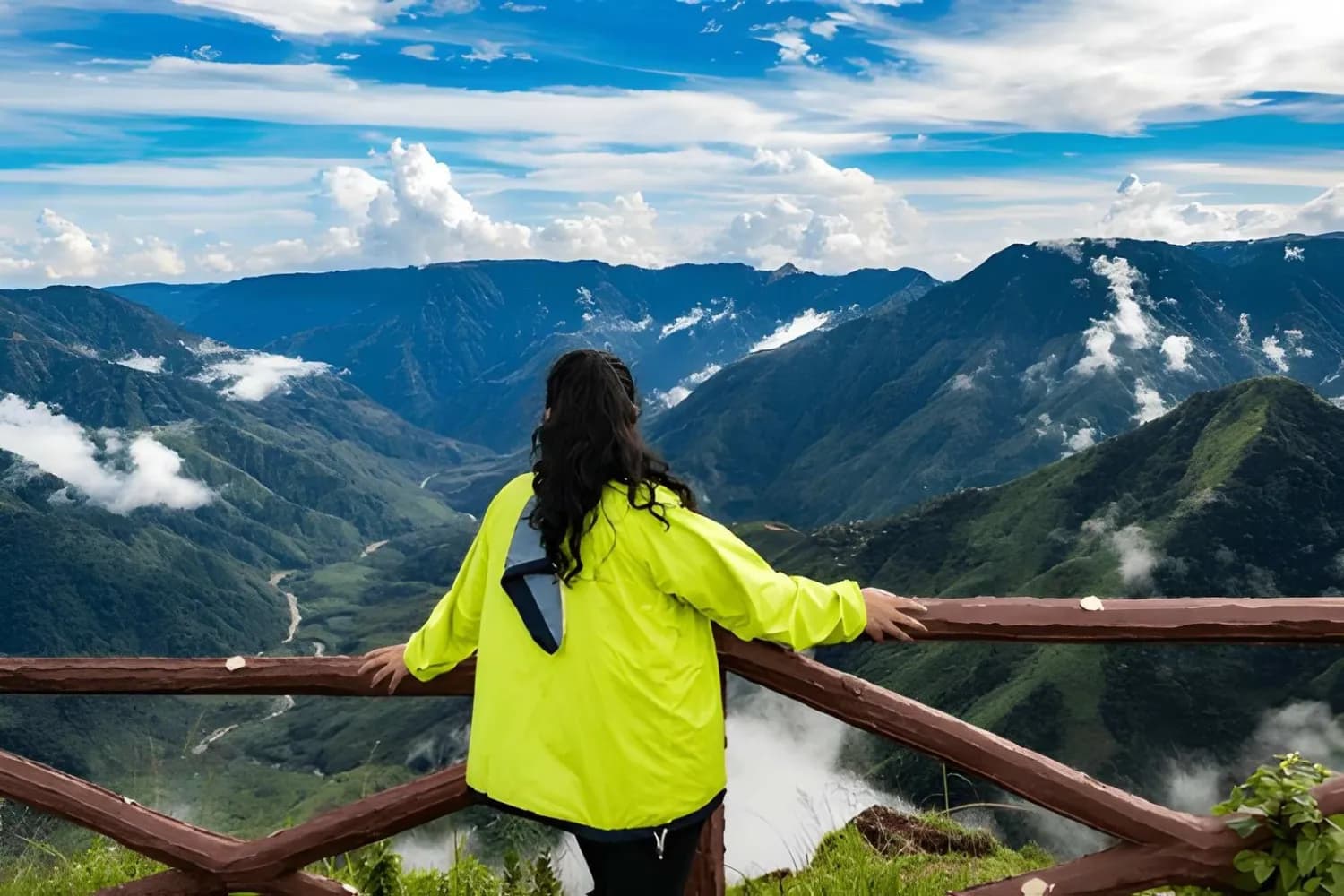
Stand on top of the massive Mawryngkhang rock for a 360-degree view of the deep valley.
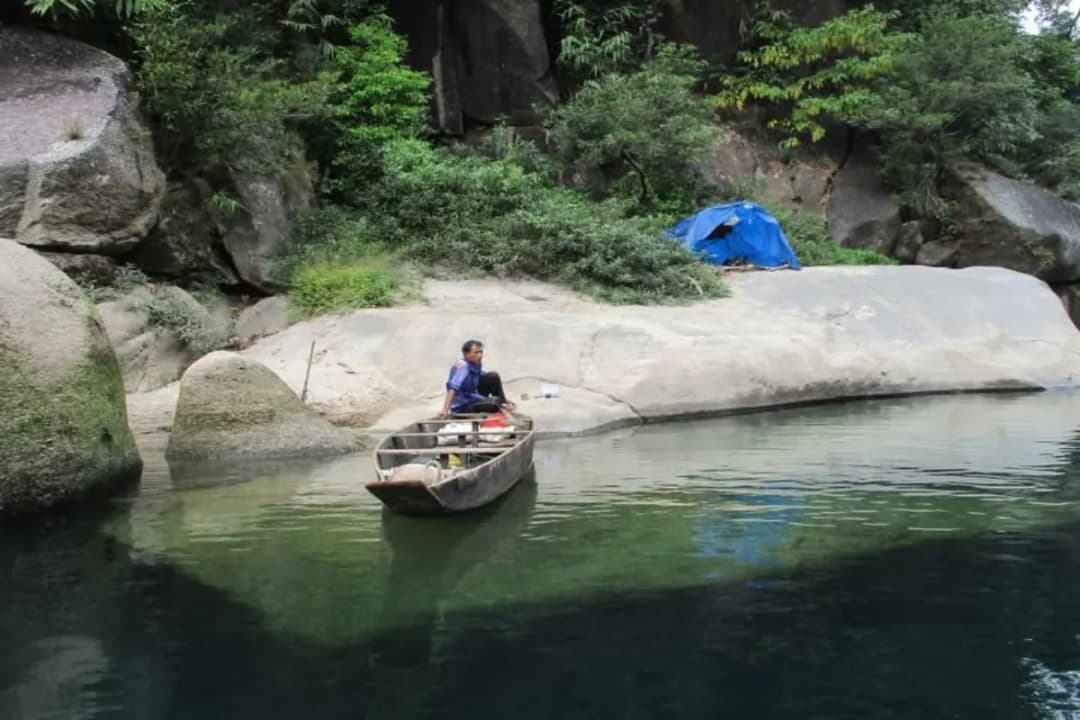
Umrew River Crossing
The trail crosses over a fast-flowing river with water so clear you can see every fish.
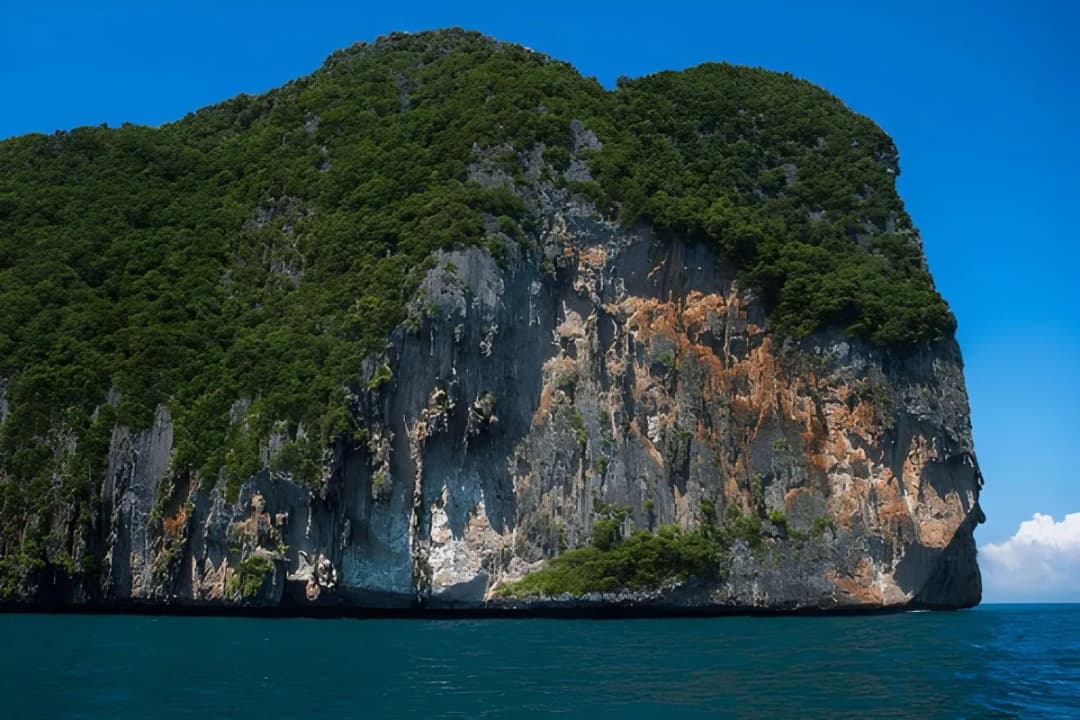
Vertical Cliff-Side Viewpoints
Look straight down hundreds of feet into the gorge while standing on the bamboo edge.
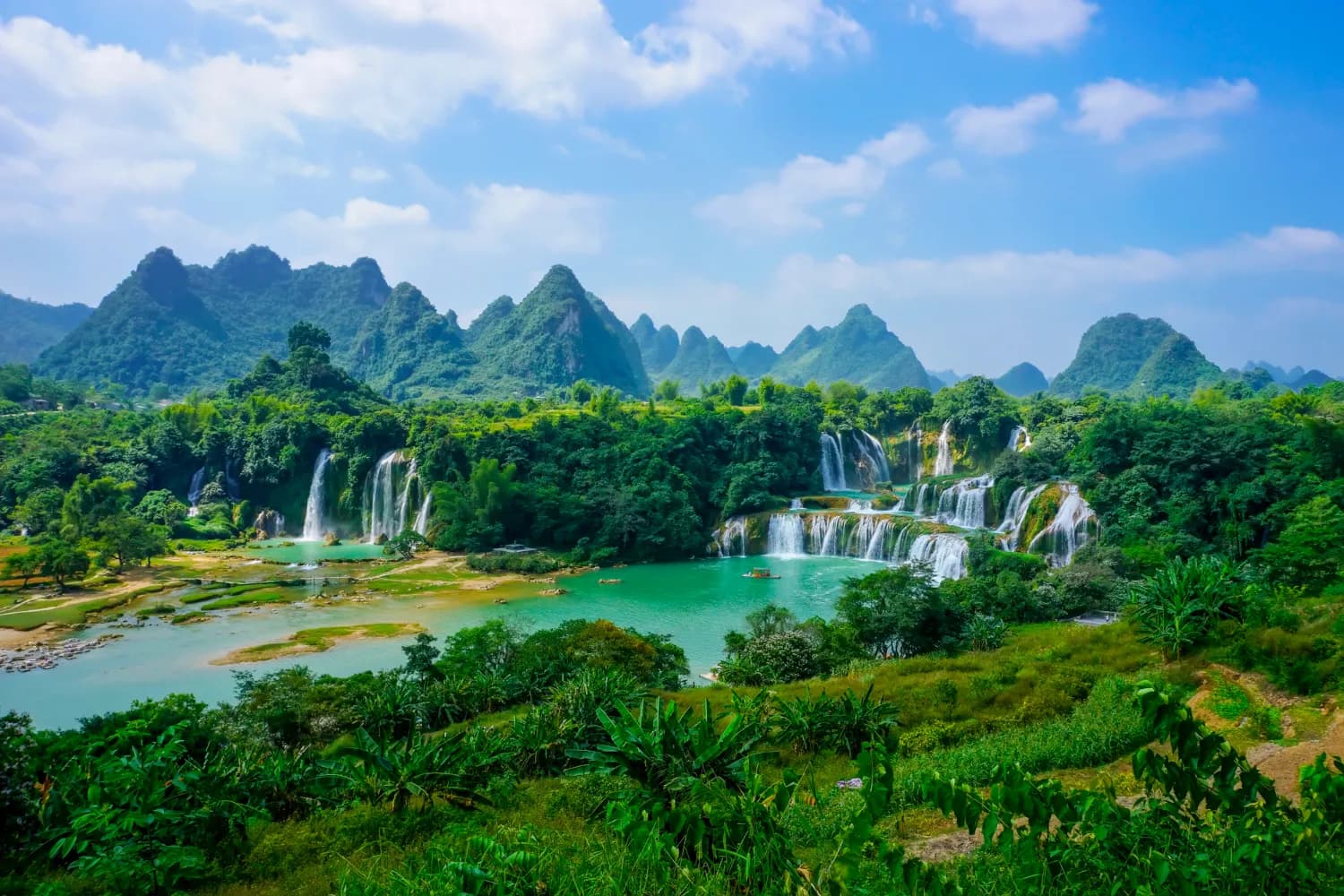
The Sacred Broom-Grass Fields
See the steep hillsides where locals harvest the grass used to make traditional brooms.
The trek is considered moderate to difficult due to its vertical nature. While the path is mostly stable, the steep climbs and narrow bamboo walkways over deep gorges require good physical fitness and a steady head for heights.
Yes, it is one of the most unique adventures in India. The combination of local engineering, breathtaking valley views, and the sheer thrill of walking on bamboo makes it a memorable experience that you won't find anywhere else.
The entry fee is ₹100 per person, which goes directly to the Wahkhen village community. This money is used to maintain the bamboo bridges and keep the trail safe for travelers throughout the year.
Mawryngkhang is widely known as the scariest trek in the state. Walking on bridges made only of bamboo, pinned to the side of a 1,000-foot cliff with only a bamboo railing for support, is a massive adrenaline rush.
The David Scott Trail is generally considered one of the easier treks. It is a relatively flat, 16 km historic walk through forests and meadows with no extreme climbing, making it suitable for beginners and casual hikers.

Trusted by 1,00,000+ travellers

Dedicated experts to plan your trips

Secure bookings, clear cancellations

10,000+ unique trips to choose from

5.0

Nikhil Joshi
Reviewed: Dec 14, 2025One of the best trips I’ve taken. The itinerary was perfect, and every destination was unique. Kaziranga safari was the highlight. Highly recommend this 6N/7D tour package.
One of the best trips I’ve taken. The itinerary was perfect, and every destination was unique. Kaziranga safari was the highlight. Highly recommend this 6N/7D tour package.
Shreya Banerjee
Reviewed: Jan 13, 2026A well-organized tour with beautiful destinations. Shillong’s landscapes were stunning, and Kaziranga safari was exciting. Minor improvements needed in coordination, but overall very satisfying.
A well-organized tour with beautiful destinations. Shillong’s landscapes were stunning, and Kaziranga safari was exciting. Minor improvements needed in coordination, but overall very satisfying.