 Meghalaya
 nature
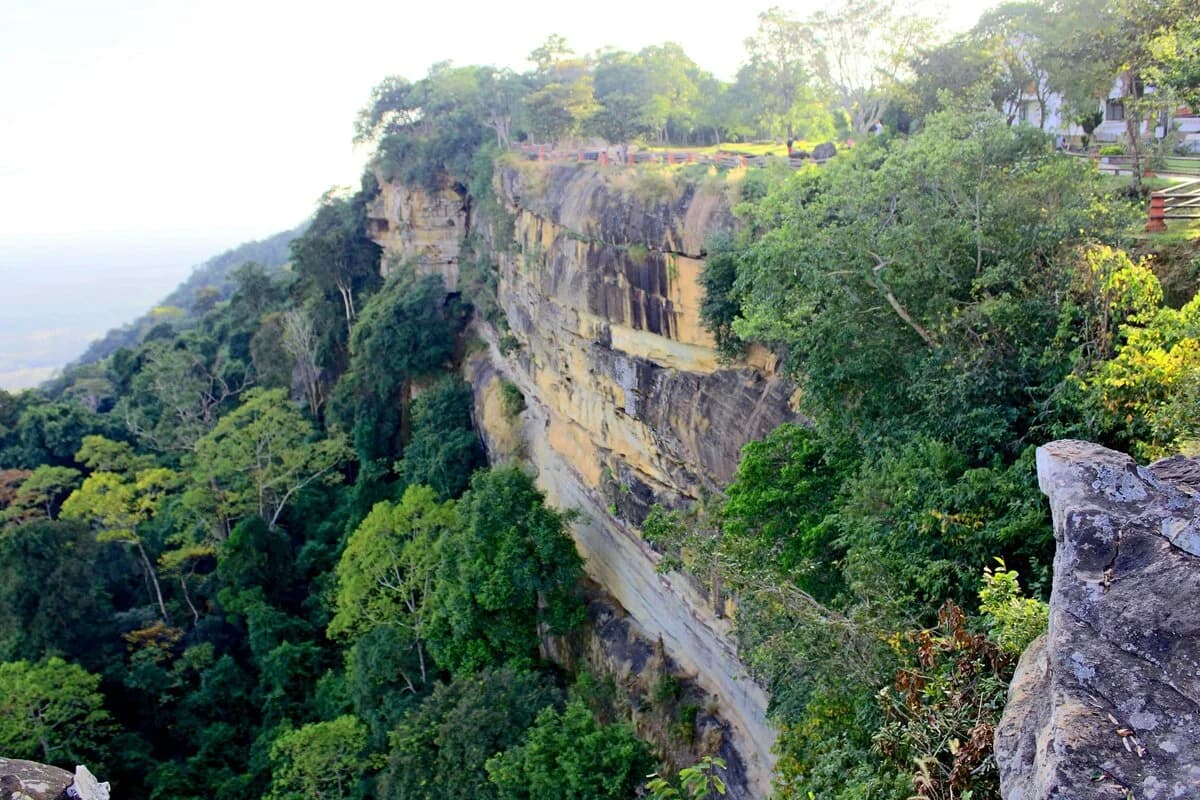
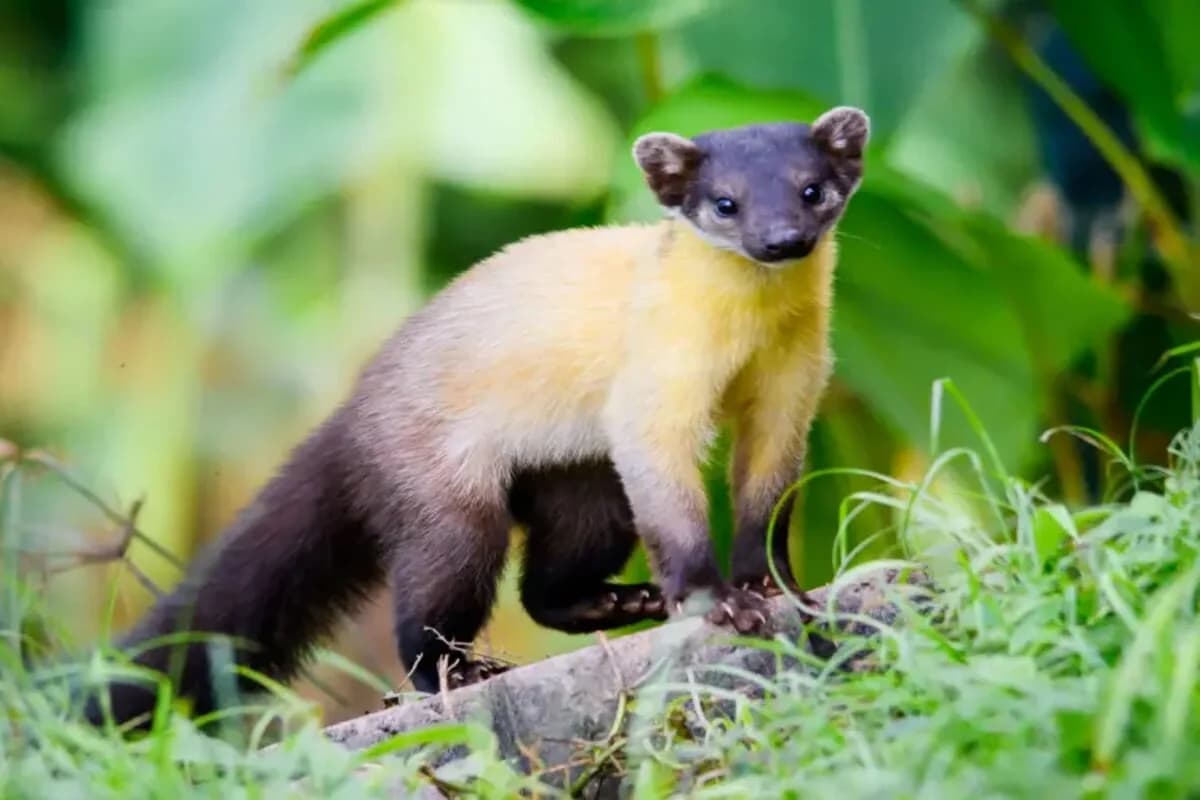
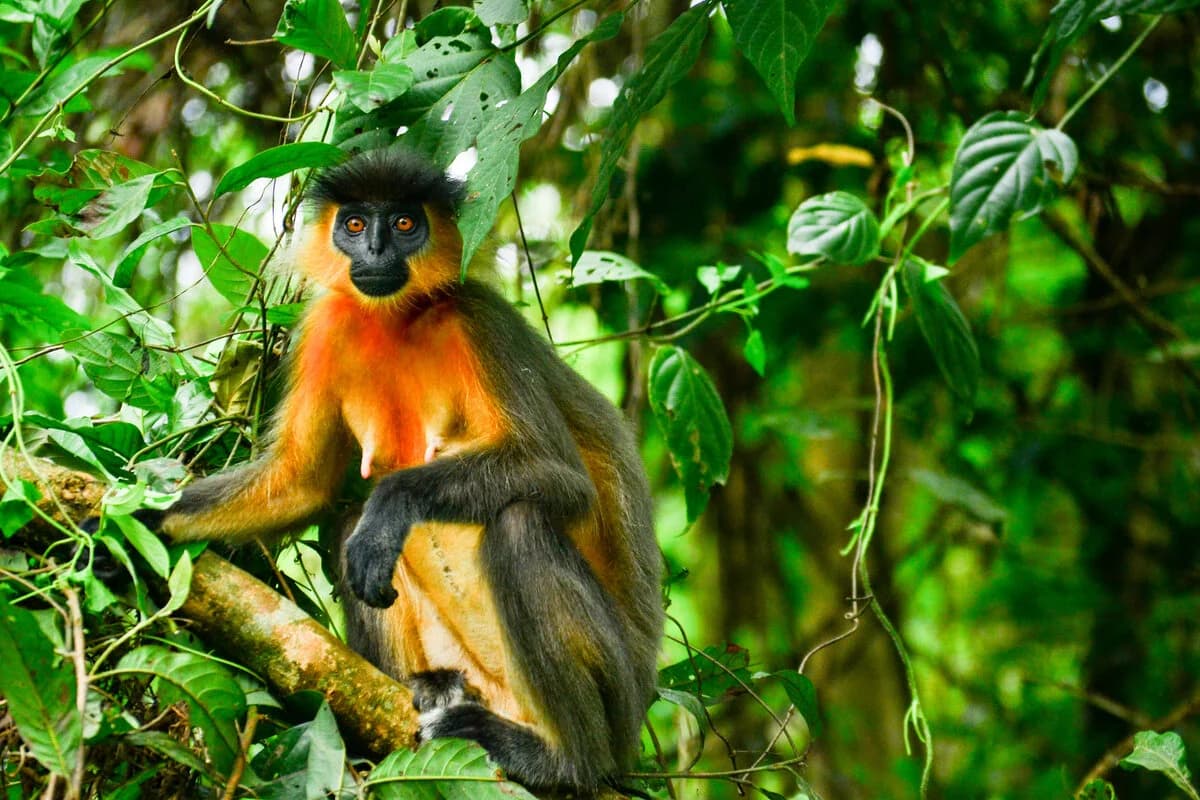
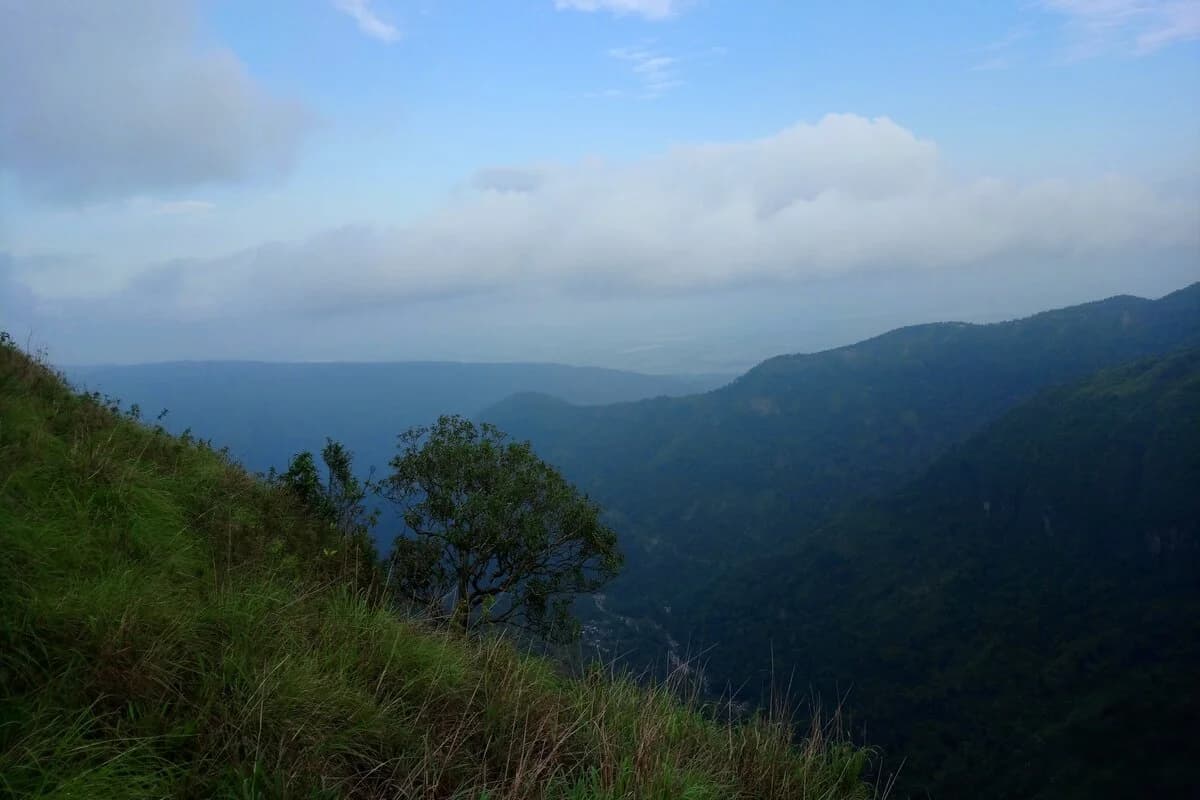
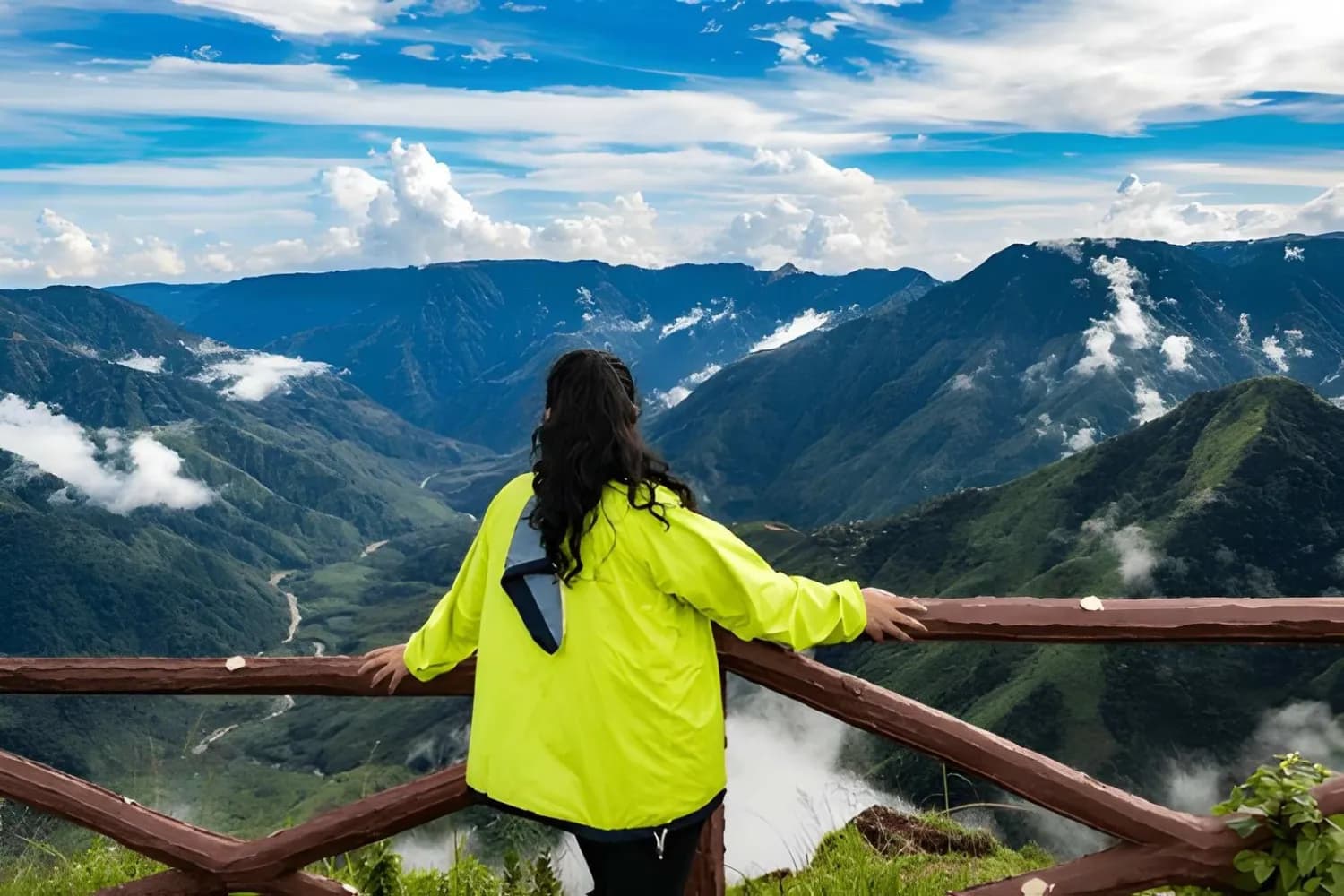
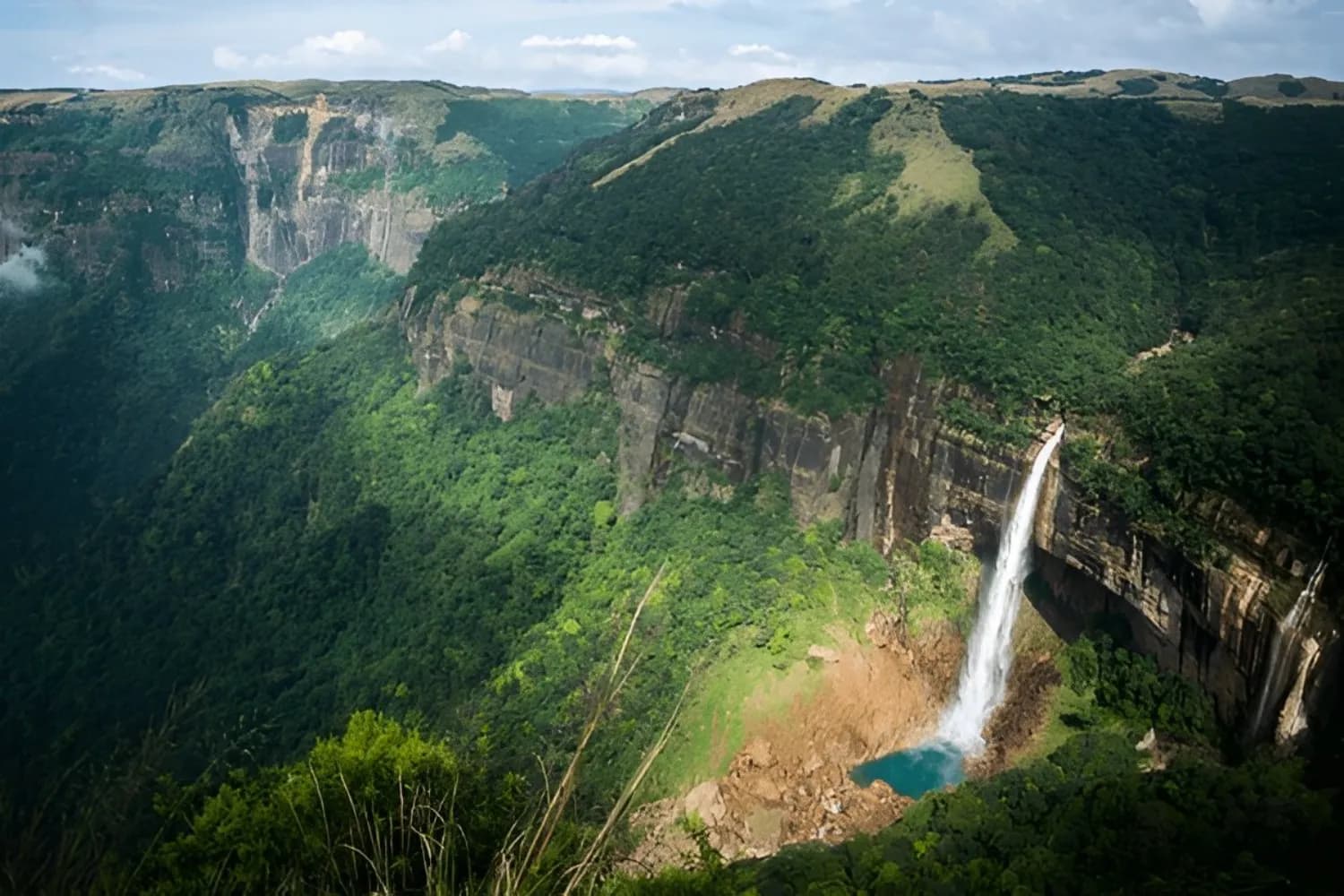
Balpakram National Park, located in the South Garo Hills of Meghalaya, is a vast 220 sq. km biodiversity hotspot often called the "Land of Perpetual Winds". Situated at an altitude of about 910 metres near the Bangladesh border, it is famous for its dramatic landscapes, including a deep gorge frequently compared to the Grand Canyon. Spread across deep gorges, plateau landscapes, caves, and dense forests, the park is known for its ecological diversity and spiritual significance among the local Garo communities.
Unlike heavily commercialised wildlife parks, Balpakram is relatively untouched and is included in those Meghalaya tour packages that let you explore hidden places like these.
Balpakram National Park is ecologically very important because it supports rare wildlife species, including red pandas, Asian elephants, barking deer, and clouded leopards. The forest ecosystem also contains medicinal plants and high-altitude vegetation unique to this part of Meghalaya.
Beyond ecology, the park carries spiritual value for the Garo tribe, who associate several cliffs and caves with ancestral beliefs and afterlife stories. Because of this, Balpakram is not viewed only as a wildlife zone but also as a culturally sensitive landscape where nature and local mythology remain closely connected.
The best time to visit Balpakram National Park is between October and March (ideal for trekking and wildlife spotting), while November to February is excellent for birdwatching and flowers. Early mornings are always better for wildlife movement and clearer valley views.
The nearest major city is Shillong, around 220–230 kilometres away. From Shillong, take a shared taxi to Tura costing around ₹700–₹1,200 per person, or hire a private SUV for ₹6,000–₹9,000. From Tura, travel to Baghmara by local taxi, then continue 66 kilometres to Balpakram National Park. The final stretch usually takes 2–3 hours due to hilly forest roads. Hiring a local driver familiar with the route is strongly recommended.
Entry Fee:
Timings: 8:00 AM to 5:00 PM (Daily)
Day Wise Timings
Maps & Location
Rongchenggiri, Meghalaya
Essential Information
Point of Interest for Balpakram National Park
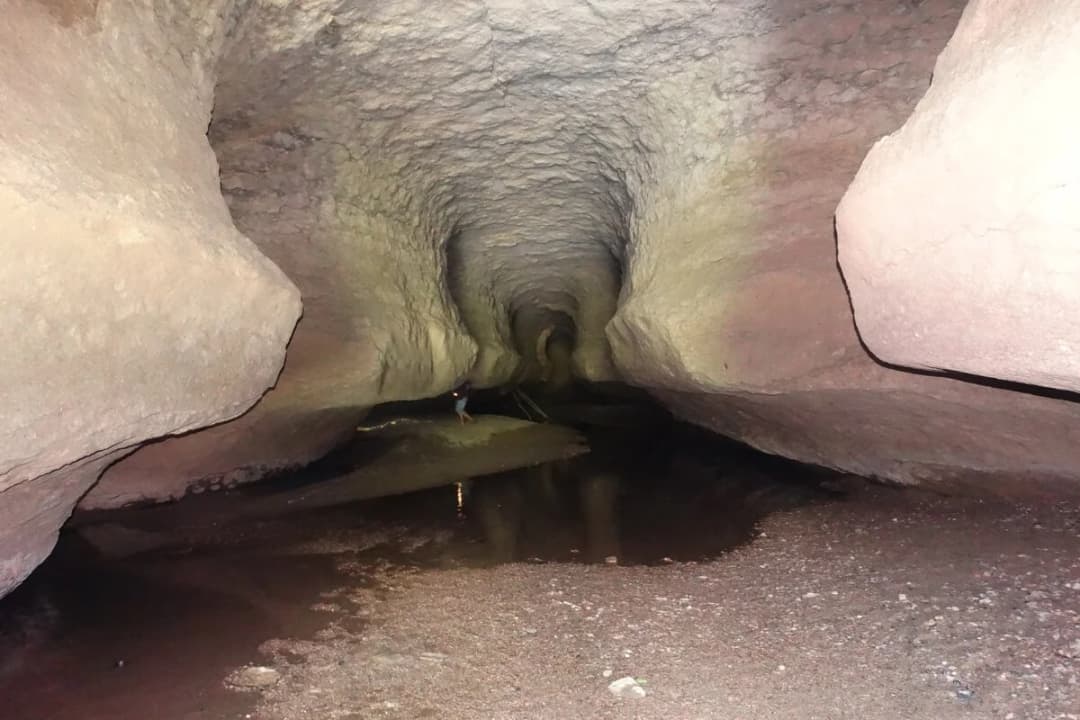
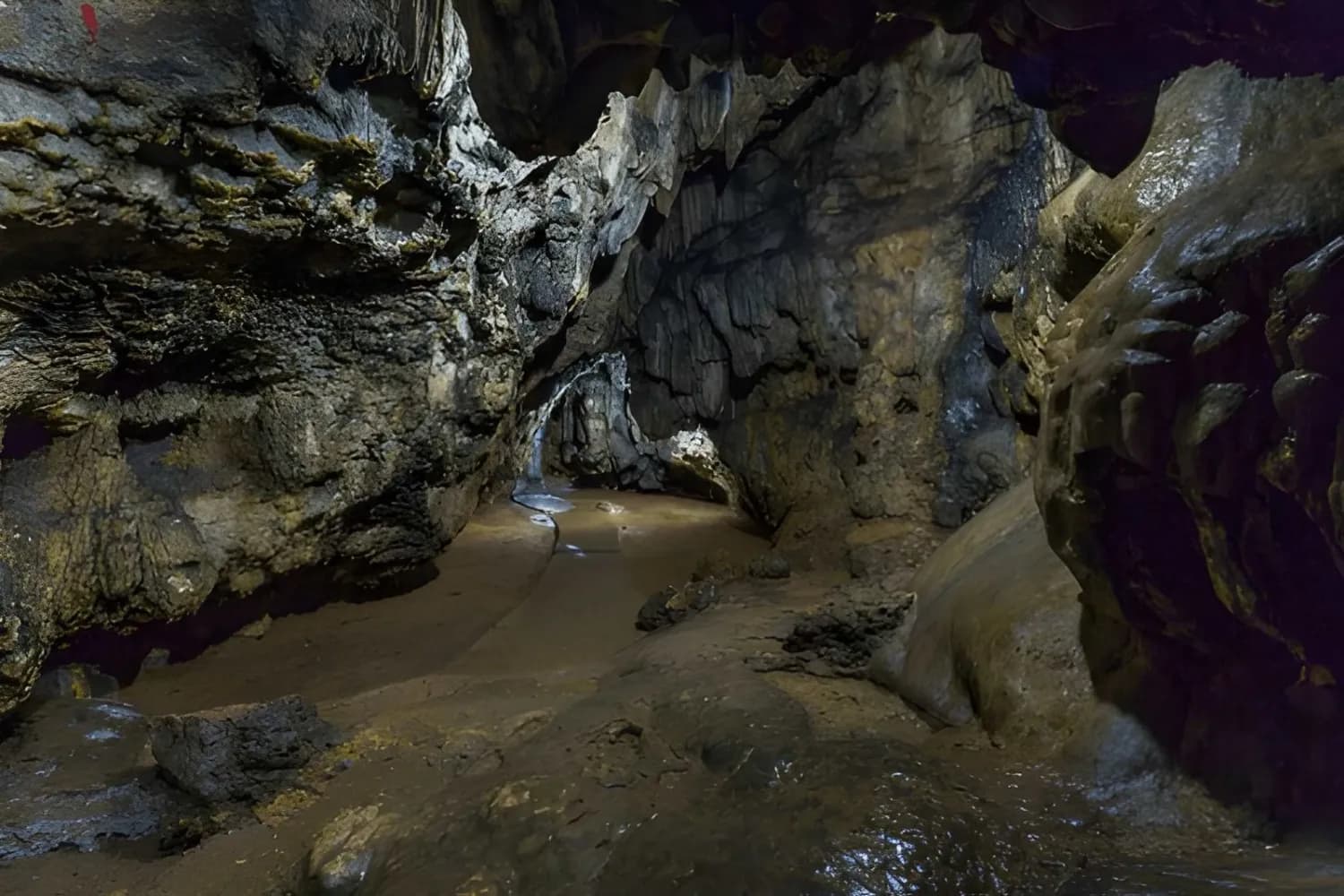
Siju Cave Exploration
A limestone cave system near the park featuring narrow passages and seasonal underground water flow.
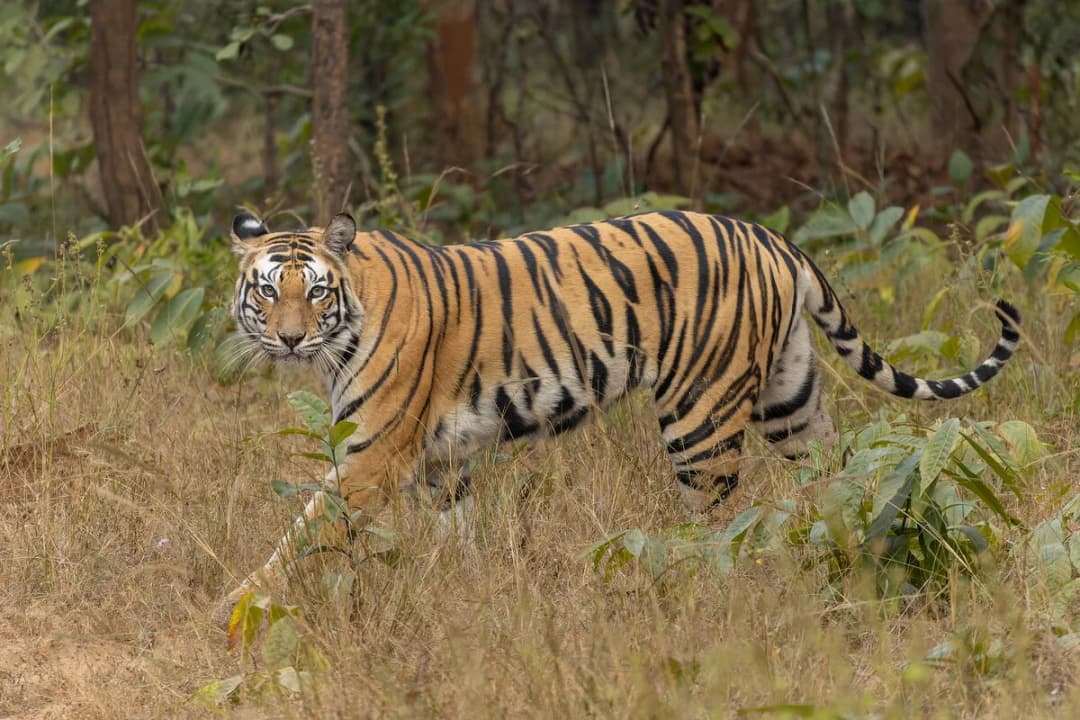
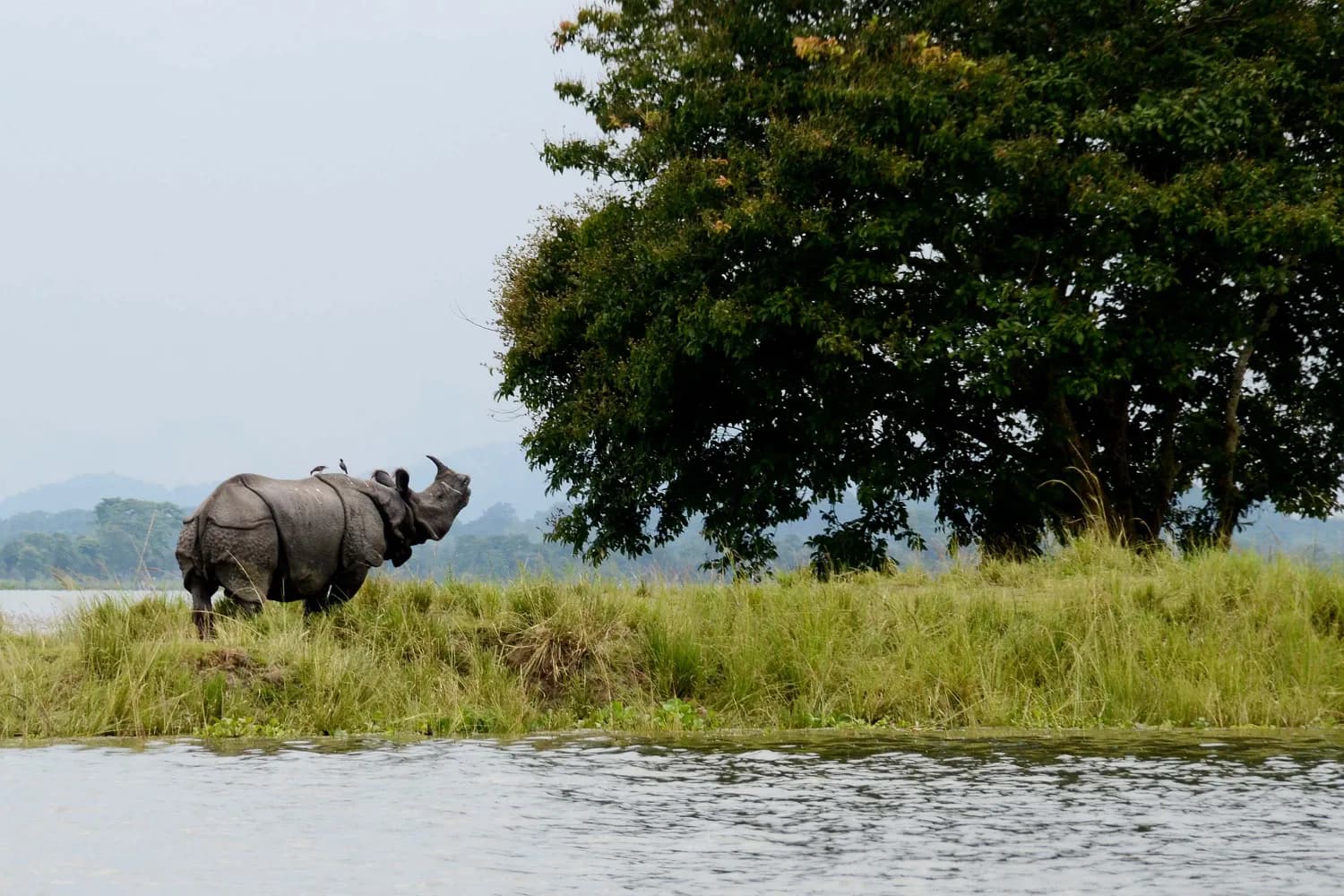
Wildlife Exploration
Explore species like the Red Panda, Asian Elephant, Bengal Tiger, and Clouded Leopard
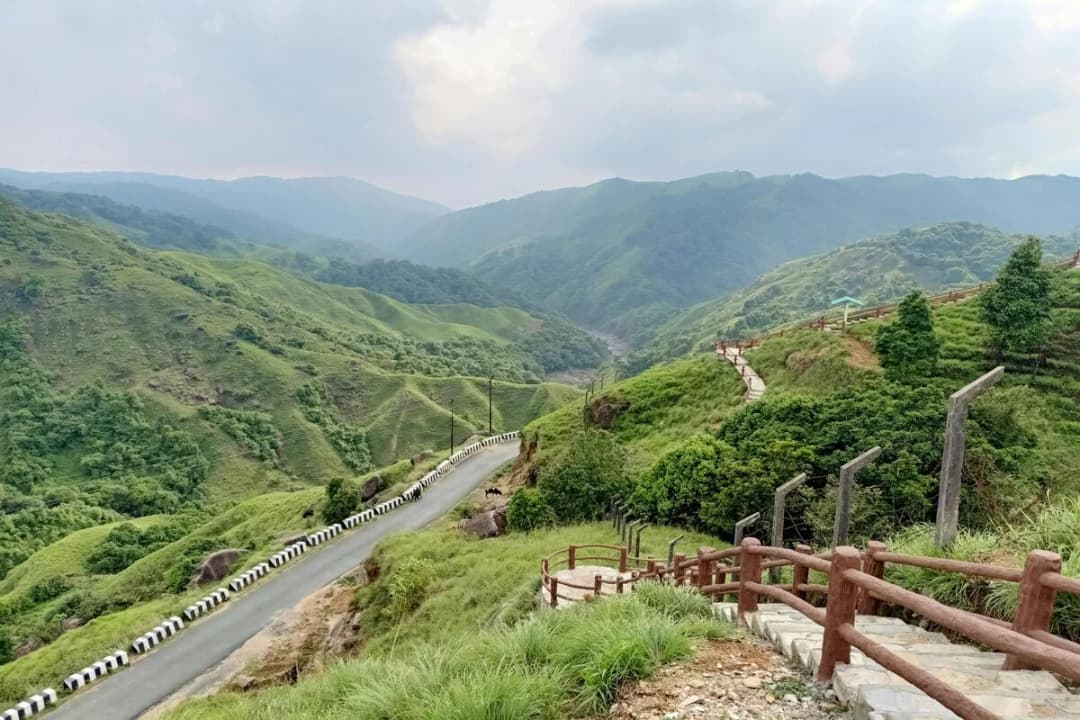
Balpakram Plateau Viewpoints
Cliffside areas offering deep valley views, especially clearer during winter.

Garo Tribal Landscape Experience
Nearby villages provide insight into local traditions and indigenous forest connections.
Yes, especially for travellers interested in remote landscapes, biodiversity, and less commercialised destinations within Meghalaya.
Balpakram National Park is famous for deep gorges, rare wildlife, limestone caves, and its spiritual connection with Meghalaya’s indigenous Garo communities.
Balpakram means “land of perpetual winds” in the Garo language, reflecting the plateau’s windy terrain and strong cultural significance among local tribes.
No, Balpakram is not a tourist resort. It is a protected national park focused on wildlife conservation, forests, and culturally important landscapes.
Balpakram National Park shelters elephants, barking deer, wild buffalo, clouded leopards, red pandas, and several bird species across dense forest ecosystems.

Trusted by 1,00,000+ travellers

Dedicated experts to plan your trips

Secure bookings, clear cancellations

10,000+ unique trips to choose from

5.0

Nikhil Joshi
Reviewed: Dec 14, 2025One of the best trips I’ve taken. The itinerary was perfect, and every destination was unique. Kaziranga safari was the highlight. Highly recommend this 6N/7D tour package.
One of the best trips I’ve taken. The itinerary was perfect, and every destination was unique. Kaziranga safari was the highlight. Highly recommend this 6N/7D tour package.
Shreya Banerjee
Reviewed: Jan 13, 2026A well-organized tour with beautiful destinations. Shillong’s landscapes were stunning, and Kaziranga safari was exciting. Minor improvements needed in coordination, but overall very satisfying.
A well-organized tour with beautiful destinations. Shillong’s landscapes were stunning, and Kaziranga safari was exciting. Minor improvements needed in coordination, but overall very satisfying.