Blog hero image
Top Travel Stories

Explore our latest blogs and travel with us

Christmas in Australia
May 30, 20253 Minutes
Christmas in Australia
Overview of Christmas in Australia Christmas in Australia is unlike anywhere else in the world. While many countries celebrate with snow, fireplaces, and hot drinks, Australia enjoys warm summer weather, beachside barbecues, and outdoor festivities. Families and friends gather for picnics, seafood feasts, and fun under the sun, making it a truly special experience.  If you’re planning a trip, exploring Australia tour packages can help you make the most of this unique and exciting Christmas celebration. Even though Australia’s Christmas traditions are influenced by European customs, the summer setting adds a unique touch. Whether it’s singing Carols by Candlelight, enjoying a beachside Christmas lunch, or watching the famous Boxing Day cricket match, the holiday season in Australia is full of joy, fun, and sunshine. What are the Key Highlights of Christmas in Australia Christmas at the Beach – One of the most iconic Australian Christmas traditions is celebrating at the beach. Popular spots like Bondi Beach in Sydney and St Kilda Beach in Melbourne are packed with families and tourists enjoying the sun. Many even dress up in Santa hats while surfing and swimming! Carols by Candlelight – A much-loved tradition where people gather in parks and stadiums to sing Christmas carols under the stars, holding candles. The biggest event is in Melbourne’s Sidney Myer Music Bowl, broadcast across the country. Christmas Feasts – Instead of the usual roast dinner, Australians enjoy fresh seafood, grilled meats, and summer fruits like mangoes and cherries. The famous Christmas barbecue is a must! Festive Lights and Markets – Cities like Sydney, Melbourne, and Brisbane light up with Christmas decorations, markets, and parades, creating a magical holiday atmosphere. Boxing Day Traditions – The day after Christmas is celebrated with the Boxing Day Test Match (cricket) and the famous Sydney to Hobart yacht race, attracting sports lovers from all over. Best Time to Visit for a Christmas Experience The best time to visit Australia for Christmas celebrations is in December, as the country welcomes the start of summer. Temperatures range from 25°C to 35°C, making it the perfect time to enjoy the beach, outdoor festivals, and lively city events. Accommodations and flights fill up quickly, especially in major cities like Sydney, Melbourne, and Brisbane, where Christmas celebrations are grand and exciting. Travel Tips for Christmas in Australia Book Early – December is a busy travel season, so book your flights, hotels, and activities in advance. Stay Sun Safe – Since it’s summer, wear sunscreen, hats, and sunglasses to stay protected from the sun. Join Local Festivities – Attend Carols by Candlelight, Christmas markets, and fireworks displays for a festive experience. Explore Different Cities – Each city has its way of celebrating—Sydney’s beaches, Melbourne’s carols, and Brisbane’s stunning Christmas light displays offer unique experiences. Enjoy a Traditional Aussie Christmas Lunch – Try an outdoor Christmas barbecue or fresh seafood platter instead of the usual Christmas roast. Christmas in Australia is a time of joy, warmth, and fun-filled celebrations. Whether you’re relaxing at the beach, enjoying a festive barbecue, or experiencing Christmas carols under the stars, the holiday season here is truly unforgettable. Also Read – Places To Visit in AustraliaMust Read – Things To Do in Australia

Read More

Tasmania, Australia
May 30, 20253 Minutes
Tasmania, Australia
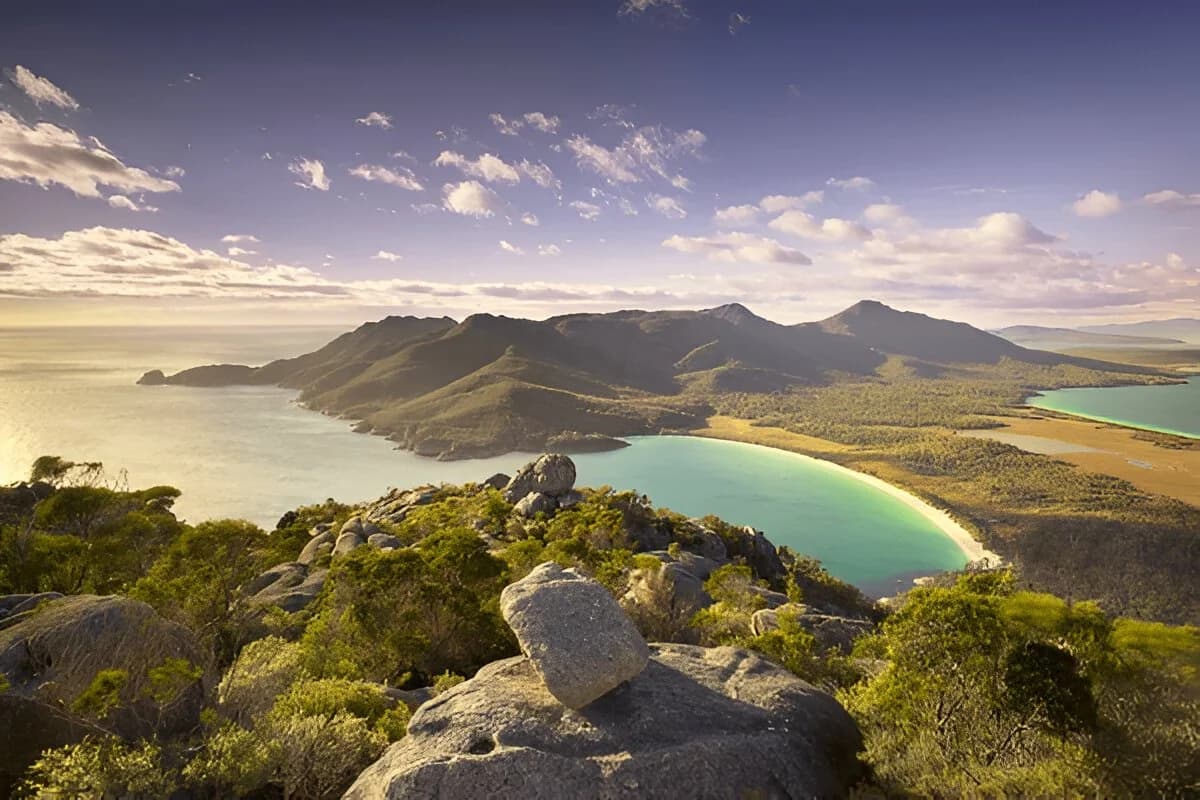
Overview of Tasmania, Australia: Tasmania is an island state located off the southern coast of mainland Australia. Despite being small in size, it is packed with breathtaking scenery, national parks, and cultural attractions. The capital city, Hobart, is known for its historic charm, waterfront restaurants, and the famous Salamanca Market. Many Australia Tour Packages include Tasmania as a must-visit destination for travelers seeking stunning landscapes and unique experiences. One of Tasmania’s biggest draws is its natural beauty. Almost half of the island is covered in protected national parks and reserves, making it a paradise for outdoor enthusiasts. Whether you enjoy hiking, wildlife spotting, or simply taking in the views, Tasmania has something for everyone. What are the Key Highlights of Tasmania, Australia: Tasmania is home to some of the most spectacular landscapes and attractions in Australia. Here are some must-visit places: Cradle Mountain-Lake St Clair National Park – A haven for hikers, this park offers stunning alpine scenery and the famous Overland Track. Freycinet National Park & Wineglass Bay – A breathtaking coastal area with white sandy beaches and crystal-clear waters. Hobart & Salamanca Market – The capital city of Tasmania is full of history, art, and great food, with Salamanca Market being a must-visit for shopping and local produce. Port Arthur Historic Site – A UNESCO World Heritage-listed site that tells the story of Australia’s convict history. Bruny Island – Known for its delicious seafood, stunning cliffs, and wildlife, including the rare white wallabies. Bay of Fires – A spectacular stretch of coastline famous for its orange-hued rocks, white sand beaches, and turquoise waters. Best Time to Visit Tasmania: Tasmania has a mild climate, making it a great destination year-round. However, the best time to visit depends on what you want to do: Summer (December – February): The warmest months, ideal for beaches, hiking, and outdoor activities. This is also the peak tourist season. Autumn (March – May): A great time to see the beautiful autumn foliage in places like the Derwent Valley. Winter (June – August): Perfect for those who love cooler weather and snow-capped mountains. This is also the best time for Tasmanian food and whisky festivals. Spring (September – November): A wonderful time for wildflowers, wildlife spotting, and fewer crowds. Travel Tips for Visiting Tasmania: Rent a car: Public transport is limited, so having a car is the best way to explore the island. Pack for all weather: Tasmania’s weather can change quickly, so bring layers and a waterproof jacket. Try local food: Don’t miss out on Tasmanian seafood, cheese, and wine. Visit local markets and restaurants for fresh produce. Book accommodations early: During peak season, hotels and lodges fill up quickly, especially in popular areas like Cradle Mountain and Freycinet National Park. Respect nature: Tasmania is known for its pristine environment, so always follow the Leave No Trace principles when visiting national parks and reserves. Tasmania, Australia, is a destination that offers a perfect mix of adventure, history, and natural beauty. Whether you’re hiking through Cradle Mountain, exploring the charming streets of Hobart, or relaxing on the beaches of Wineglass Bay, there is something for every traveler. If you’re looking for a unique and unforgettable travel experience, Tasmania should definitely be on your bucket list! Also Read – Places To Visit in AustraliaMust Read – Things To Do in Australia

Read More

Cairns, Australia
May 30, 20254 Minutes
Cairns, Australia
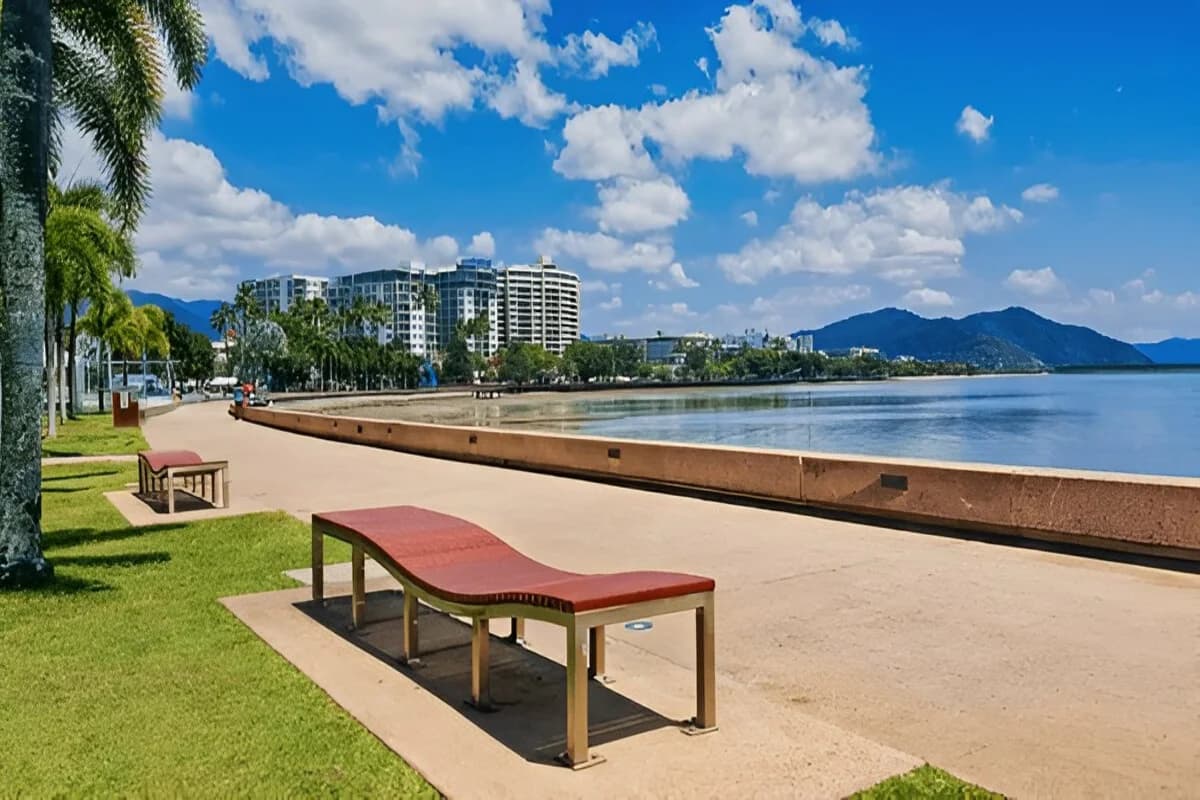
Overview of Cairns, Australia: Cairns is located in Far North Queensland, and is one of the most beautiful places to visit in Australia. Known for its tropical climate and laid-back vibe, it serves as the main access point to the Great Barrier Reef, one of the world’s greatest natural wonders. But there’s so much more to this city than just the reef. It’s a place where you can explore ancient rainforests, stunning waterfalls, and picturesque islands, all while soaking up the relaxed coastal atmosphere with the best Australia tour packages. Unlike the big cities of Sydney or Melbourne, Cairns has a small-town charm but is packed with activities for all types of travelers. Whether you’re into adventure sports, nature walks, or just enjoying good food by the waterfront, Cairns has something special waiting for you. Top Attractions in Cairns, Australia: 1. Great Barrier Reef: The Great Barrier Reef is the highlight of any trip to Cairns. There are plenty of boat tours that take you out to the reef, where you can swim among colorful corals, sea turtles, and tropical fish. 2. Daintree Rainforest – Step into Ancient Nature: Just north of Cairns lies the Daintree Rainforest, one of the oldest rainforests in the world. You’ll come across exotic wildlife, breathtaking viewpoints, and even hidden waterfalls. 3. Cairns Esplanade Lagoon – A Relaxing Waterfront Spot: The Cairns Esplanade Lagoon is the heart of the city. Since Cairns doesn’t have natural beaches in the city itself, this man-made lagoon is the perfect place to relax and cool off.. 4. Kuranda – A Scenic Village in the Rainforest: Take a day trip to Kuranda, a charming village nestled in the rainforest. You can reach it via the Kuranda Scenic Railway, a historic train journey that winds through stunning landscapes, waterfalls, and mountains. 5. Fitzroy Island – A Tropical Getaway: If you’re craving a beach escape, Fitzroy Island is just a short boat ride away from Cairns. With white sandy beaches, snorkeling spots, and hiking trails, it’s an ideal place to spend a day in nature. Best Time to Visit Cairns: Cairns has a tropical climate, meaning it’s warm all year round. However, the best time to visit depends on what kind of experience you’re looking for. May to October (Dry Season): This is the most popular time to visit. The weather is warm but not too humid, making it perfect for outdoor activities like diving, hiking, and island-hopping. November to April (Wet Season): Expect higher temperatures and tropical rains. While this means fewer tourists, it’s also stinger season, so swimming in the ocean requires stinger suits for protection. However, the rainforest looks extra lush during this time! Travel Tips for Cairns: Book tours in advance – Whether you’re heading to the Great Barrier Reef or taking the Skyrail to Kuranda, booking early ensures you get the best experience. Wear reef-safe sunscreen – Protect the delicate corals by using eco-friendly sunscreen while snorkeling or diving. Be prepared for tropical weather – Pack light, breathable clothing and a rain jacket, especially if visiting during the wet season. Stay hydrated and use insect repellent – The humid climate means you’ll sweat more, so drink plenty of water and protect yourself from mosquitoes. Try local seafood – Cairns is famous for its fresh seafood, so don’t miss out on trying dishes like Barramundi, prawns, and mud crab. Cairns is more than just a gateway to the Great Barrier Reef—it’s a destination filled with adventure, natural beauty, and cultural charm. Whether you’re exploring rainforests, swimming in hidden waterfalls, or simply enjoying a sunset by the Esplanade, this city leaves a lasting impression on every traveler. So, if you’re planning a trip to Australia, Cairns should definitely be on your list. It’s a place where unforgettable memories are made, and nature’s beauty shines in every direction. Also Read – Places To Visit in AustraliaMust Read – Things To Do in Australia

Read More

Craigieburn, Australia
May 30, 20253 Minutes
Craigieburn, Australia
Overview of Craigieburn, Australia: Craigieburn is a beautiful suburb located 25 kilometers north of Melbourne’s city center. Once a quiet rural area, it has now become a modern, family-friendly community with parks, schools, and shopping centers. People love Craigieburn for its affordable housing, open spaces, and peaceful atmosphere, while still being close to the city. Whether you are looking for a place to settle down or exploring with Australia Tour Packages, Craigieburn offers a perfect mix of nature, recreation, and modern conveniences. The suburb is well connected with trains, buses, and major highways, making it easy to travel to Melbourne and nearby areas.  Things to Do in Craigieburn, Australia: 1. Explore Beautiful Parks and Lakes: Craigieburn has plenty of green spaces for relaxation and outdoor activities. Malcolm Creek Park is perfect for walking, jogging, or having a picnic with family and friends. 2. Go Shopping at Craigieburn Central: Craigieburn Central is the main shopping hub in the suburb. It has big supermarkets, fashion stores, cafes, and restaurants. 3. Stay Active with Sports and Fitness: For sports lovers, Craigieburn has fantastic facilities. The Craigieburn Sports Stadium offers basketball, netball, and indoor soccer courts. 4. Learn at the Hume Global Learning Centre: The Hume Global Learning Centre is a great place for students and professionals. It has a modern library, study spaces, and community programs, making it a perfect spot for learning and meeting new people. 5. Visit Nearby Attractions: Craigieburn is close to beautiful natural attractions. Just a short drive away, Mount Ridley Lookout offers stunning views of Melbourne’s skyline. Best Time to Visit Craigieburn, Australia: Craigieburn has a mild climate throughout the year, making it a good destination anytime. However, the best time to visit is during spring (September to November) and autumn (March to May). During these months, the weather is pleasant, and the parks are full of colorful flowers and fresh greenery. Summer (December to February) can be warm, with temperatures reaching up to 35°C, making it ideal for outdoor activities like picnics and sports. Winter (June to August) is cooler, but you can still enjoy indoor activities, shopping, and exploring local cafes. Travel Tips for Craigieburn, Australia: Getting Around: Craigieburn has a train station and several bus routes, making it easy to travel to and from Melbourne. If you have a car, there are well-connected roads and highways for convenient travel. Accommodation: Craigieburn mostly has residential homes, so visitors usually stay in Melbourne’s city center or nearby suburbs. Dining: There are many cafes, restaurants, and fast-food chains offering a variety of cuisines, from Australian to international flavors. Safety: Craigieburn is a safe and family-friendly suburb, making it a comfortable place for visitors and locals alike. Craigieburn is a growing suburb with a mix of natural beauty, shopping, and sports facilities. Whether you are exploring the parks, shopping at Craigieburn Central, or enjoying outdoor activities, there’s something for everyone. With its friendly community and great location, Craigieburn is a wonderful place to visit or live in. Also Read – Places To Visit in AustraliaMust Read – Things To Do in Australia

Read More

Todnam Spiti
May 30, 20253 Minutes
Todnam Spiti
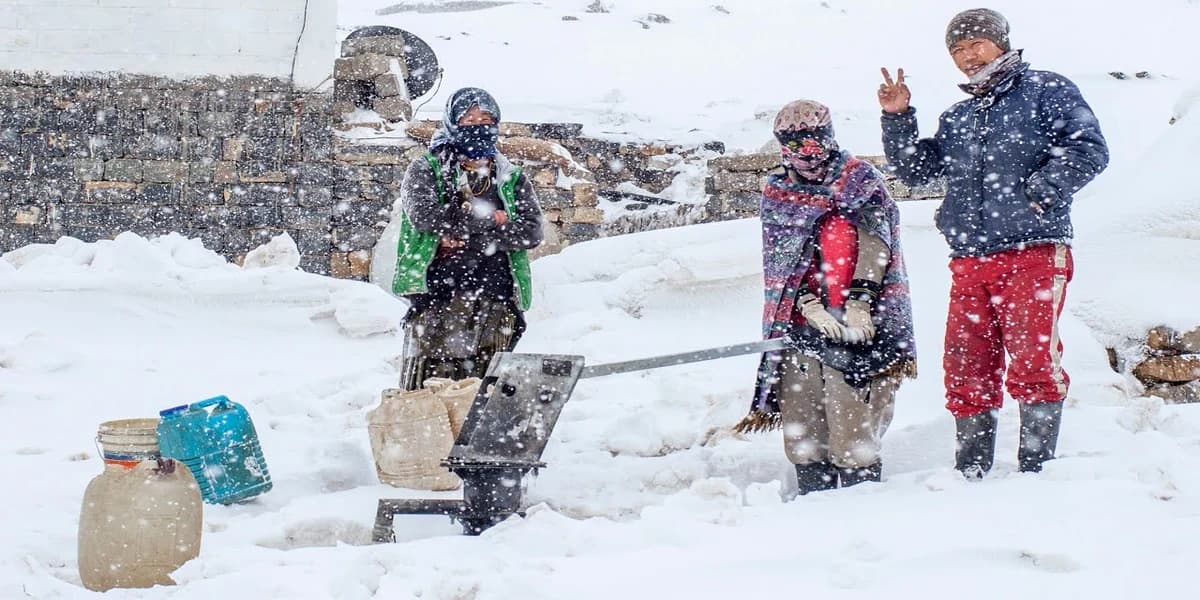
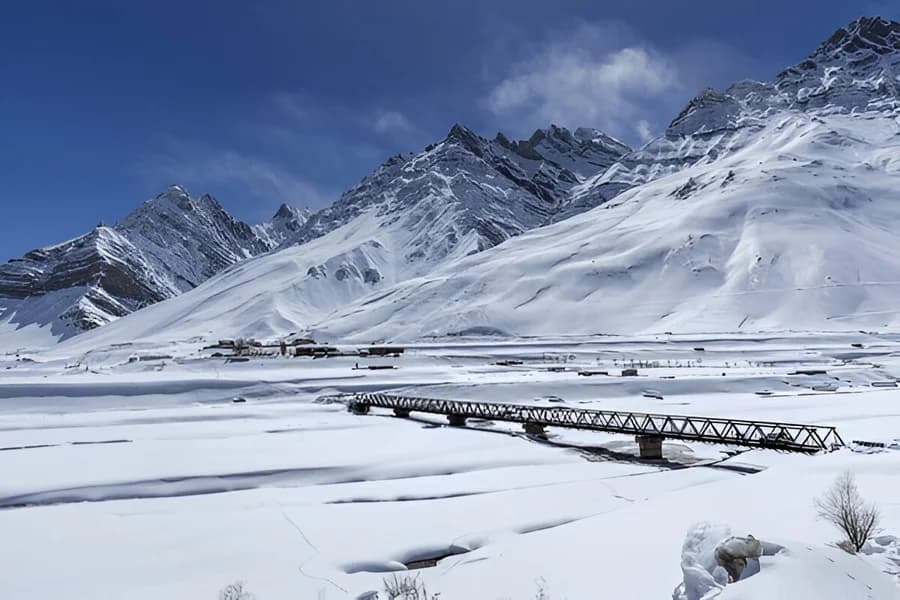
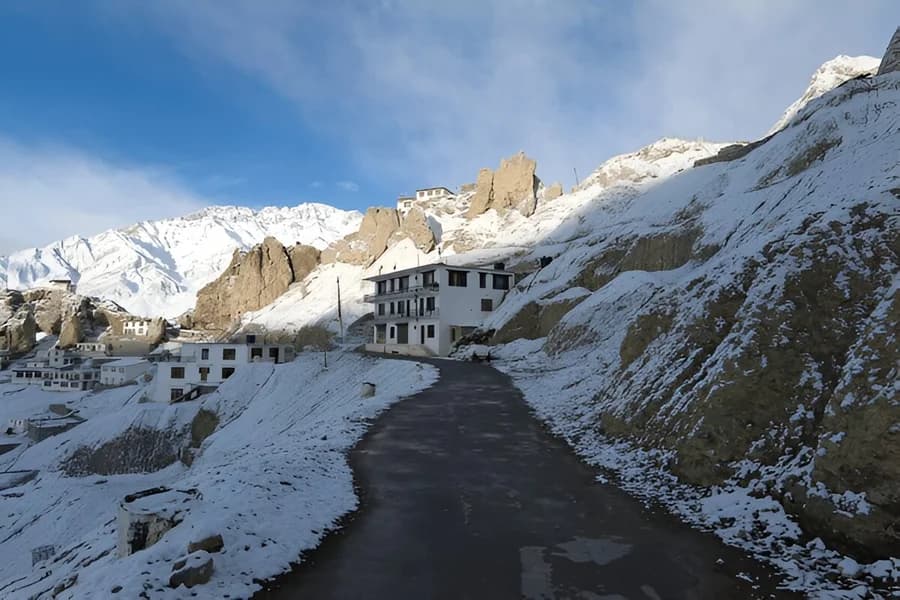
Overview of Todnam Spiti: One of the most hidden places in Himachal Pradesh, Todnam Spiti is quiet, underrated, but full of surprises. While the bigger names like Kaza or Tabo get all the attention, Todnam sits peacefully with its intact. It started gaining popularity among travelers who wanted a more offbeat experience — the kind of place where your soul finds full signal but your phone doesn’t. It’s the untouched beauty, the soulful silence, and those typical Spitian houses. No noisy crowds, no honking cars — just you, and the mountains. People are attracted here for the peace, the raw vibe of Spiti, and a chance to live like a local. Many travelers even include Todnam in their Spiti Valley packages for that one unforgettable “offbeat” stop in the journey. What are the Key Highlights of Todnam Spiti Traditional Spitian Homes: The mud-brick homes with flat roofs and prayer flags make you feel like you’re really at an offbeat location. Panoramic Views: Snow-covered peaks, blue skies, and valleys that look straight out of a dream — it’s like nature showing off its art skills. Local Life & Culture: You won’t just visit Todnam, you’ll feel it. Watch locals doing their daily work, learn how barley is harvested, or join in a small village celebration. Spiti Hospitality: The warmth of the people here will melt you faster than Maggi melts in boiling water. Their kindness is as pure as the mountain air. Peace & Silence: There’s no nightlife here unless you count stargazing. The nights are so quiet, even your thoughts echo. Great place to disconnect and just be. Perfect for Slow Travel: If you’re tired of running around on fast-paced trips, Todnam forces you to slow down, sip tea, read a book, or just stare at the mountains for hours Photography: Every corner is Insta-worthy. The light, the colors, the landscapes — you won’t need filters here. Travel Tips / Essential Information for Todnam Spiti Best Time to Visit: May to September is ideal. The weather is friendly, roads are open, and your fingers won’t freeze while clicking selfies. How to Reach: The nearest major town is Kaza. From there, you can either take a local taxi or a sturdy vehicle. Stay Options: Homestays are the best way to experience Todnam. Simple rooms, warm blankets, and homemade food Food: Try local dishes like Thukpa, momos, and butter tea. And yes, carry some snacks – Maggi and chai breaks are a ritual here. Altitude Tips: Don’t rush. Acclimatize well. Drink water, breathe slow, and no sudden dancing after climbing stairs – high altitude is no joke. Keep a Reusable Water Bottle: It’s eco-friendly, and water tastes better in the mountains anyway. Carry Essentials: No ATMs, no fancy stores – pack warm clothes, medicines, power banks, and a good playlist (though even music takes a back seat here). Mobile Network: Mostly absent. Only postpaid, and BSNL works here. Also Read: Places to Visit in Spiti ValleyMust Read: Things to do in Spiti Valley

Read More

Southern Lights in Australia
May 30, 20254 Minutes
Southern Lights in Australia
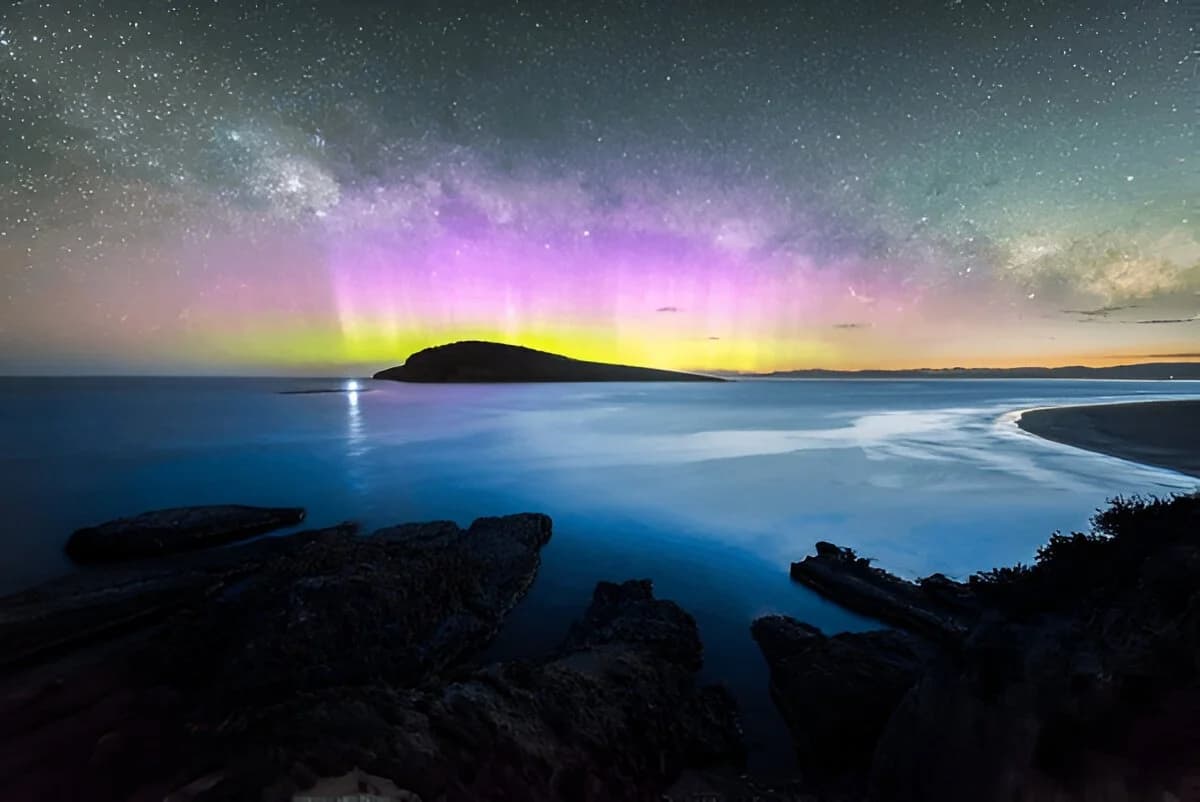
Overview of Southern Lights in Australia: The Southern Lights, also called Aurora Australis, are one of nature’s most breathtaking phenomena. This dancing display of colorful lights appears in the night sky, creating a magical and unforgettable experience. The lights can appear in shades of green, purple, pink, and blue, forming beautiful patterns that shift and swirl across the sky. These glowing lights happen when charged particles from the sun collide with the Earth’s atmosphere. While many people have heard about the Northern Lights, the Southern Lights are equally stunning but less known and less crowded, making them a hidden gem for travelers. If you’re planning a trip to witness this stunning phenomenon, exploring Australia tour packages can help you find the best locations and experiences to make your journey unforgettable. Australia is one of the best places in the world to see the Southern Lights, especially in Tasmania and parts of Victoria. The further south you go, the better your chances of witnessing this spectacular natural event. What are the Key Highlights of the Southern Lights in Australia: A Mesmerizing Natural Light Show – The sky lights up with brilliant shades of green, purple, blue, and pink, making it a dreamlike experience. Unique and Less Crowded – Unlike the Northern Lights, which attract thousands of tourists every year, the Southern Lights offer a peaceful and private experience in untouched landscapes. Best Viewing Locations in Australia – Tasmania is the top location, but you can also see them in parts of Victoria and South Australia. Unpredictable and Special – The lights appear without warning, making each sighting unique and exciting. A Photographer’s Paradise – The glowing skies and beautiful landscapes make for stunning photography opportunities, perfect for those who love capturing nature’s beauty. Best Time to See the Southern Lights in Australia: Unlike the Northern Lights, which have a specific season, the Southern Lights can appear at any time of the year. However, the best time to see them is during the Australian winter (May to August) when the nights are longer, darker, and clearer. To have the best chance of seeing the aurora: Look for a clear, cloud-free night. Go to a dark location away from city lights. Check aurora activity forecasts online before heading out. Be patient, as the lights can take time to appear. Top Places to See the Southern Lights in Australia: If you’re planning to witness this magical experience, here are the best places to visit in Australia: 1. Mount Wellington, Tasmania: Located near Hobart, Mount Wellington offers high-altitude views and a clear night sky, making it one of the best places to see the aurora. It’s easily accessible and offers stunning views of the city below. 2. Bruny Island, Tasmania: Bruny Island is known for its dark skies, free from light pollution. It’s a great spot to relax and enjoy the natural beauty of the aurora. You can also explore the island’s wildlife and beaches during the day. 3. Cradle Mountain, Tasmania: This famous national park is a perfect location for aurora spotting and photography. Surrounded by mountains and lakes, the reflections of the aurora on the water create breathtaking scenes. 4. Phillip Island, Victoria: Just a short drive from Melbourne, Phillip Island offers a chance to see the aurora without traveling too far. It’s also famous for its penguin parade, so you can enjoy two amazing experiences in one trip! 5. Lake Tekapo, South Australia: A lesser-known but beautiful spot, Lake Tekapo has clear skies and a peaceful environment, making it ideal for aurora viewing. The lake’s still waters often reflect the lights, creating a mirror-like effect. Travel Tips for Seeing the Southern Lights in Australia: To increase your chances of seeing the Southern Lights, keep these travel tips in mind: Pick the Right Time – The best months are May to August when the nights are longer and darker. Choose a Dark Location – Get away from city lights and pollution for a clearer view. Check the Weather Forecast – Cloudy skies can block the aurora, so aim for a clear night. Use an Aurora Forecast App – Websites and apps can help track aurora activity levels. Bring Warm Clothes – Australian winters can be cold, especially in Tasmania, so layer up! Be Patient and Stay Late – The aurora is unpredictable, and sometimes it takes hours to appear. Use a Camera with Long Exposure Settings – A phone or camera with long exposure can help capture the aurora’s full colors, even if it looks faint to the naked eye. The Southern Lights in Australia are a once-in-a-lifetime experience that offers a breathtaking display of colors in the night sky. Unlike the crowded Northern Lights, this phenomenon can be enjoyed in peaceful and beautiful locations across Tasmania, Victoria, and South Australia. If you’re planning a trip to Australia, consider adding the Southern Lights to your travel itinerary. With a little patience, good timing, and the right location, you can witness one of nature’s most incredible light shows and make unforgettable memories. Also Read – Places To Visit in AustraliaMust Read – Things To Do in Australia

Read More

Goa Travel Guidelines
May 30, 20259 Minutes
Goa Travel Guidelines
Goa is the land of beaches, parties, and endless coconut trees! Nestled along the Arabian Sea, Goa is a vibrant blend of golden beaches, exciting nightlife, and rich Portuguese heritage, making it a must-visit destination for travellers of all kinds. Whether you’re a beach lover seeking relaxation, an adventure enthusiast craving thrilling water sports, or a history buff eager to explore centuries-old churches and forts, Goa has something for everyone. Explore the best of Goa with customized Goa Tour Packages, offering beach adventures, nightlife, and cultural experiences tailored to your travel needs. This Goa Travel Guide will take you through everything you need to know—the best time to visit, top attractions, delicious Goan cuisine, thrilling activities, and hidden gems. Get ready to experience stunning sunsets, lively beach shacks, and a laid-back tropical vibe that makes Goa an all-time favourite getaway. Best Time to Visit Goa The best time to visit Goa is between November and March, when the weather is pleasant, and the beaches are at their finest. During these months, the temperature ranges from 20°C to 30°C, making it ideal for sightseeing, beach hopping, and water sports. If you love festivals, this is the time to witness the Sunburn Festival, Goa Carnival, and Christmas celebrations. As part of your Goa travel guidelines, it’s recommended to book accommodations in advance, follow local beach safety rules, and respect the state’s cultural and environmental norms for a hassle-free experience. Goa Climate 1. Summer in Goa Goa’s summer lasts from March to May, with temperatures soaring between 30°C to 36°C. The humidity can be intense, but this is a great time to explore Goa’s less crowded beaches and enjoy off-season discounts. If you can handle the heat, you’ll find cheaper stays and fewer tourists! 2. Monsoon in Goa From June to September, Goa experiences heavy monsoons. While beach activities take a backseat, this season is perfect for enjoying Goa’s lush greenery, waterfalls, and spice plantations. A Goa travel guide might suggest exploring Dudhsagar Falls, and Aguada Fort, and enjoying monsoon treks. 3. Winter in Goa Winter, from November to February, is the best season to visit Goa. The cool, breezy weather makes it perfect for sunbathing, partying, and exploring Goa’s vibrant streets. This is also when Goa sees the most tourists, so book your accommodation in advance! How to Reach Goa There are multiple ways to reach Goa: By Air – The nearest airport is Goa International Airport (Dabolim Airport), which connects major cities like Delhi, Mumbai, and Bangalore. By Train – Goa has major railway stations, Madgaon and Thivim, which are well-connected to different parts of India. By Road – You can take a bus or drive to Goa from nearby cities like Mumbai, Pune, and Bangalore. Road trips along the Konkan Coast are scenic and highly recommended! As per Goa travel guidelines, it’s advisable to check local transport availability, follow road safety rules, and plan your journey for a smooth travel experience. Places to Visit in Goa Goa is divided into North Goa and South Goa, each offering unique experiences. A Goa travel guide is incomplete without these incredible locations, so add them to your itinerary! Here are some must-visit places: 1. Baga Beach Baga Beach is where Goa’s energy truly comes alive. By day, it’s perfect for water sports like jet skiing, parasailing, and banana boat rides. As the sun sets, the beach transforms into a nightlife hub, with famous clubs like Tito’s, Mambo’s, and Café Mambos keeping the party going till dawn. If you’re into good food, the beach shacks serve amazing seafood and chilled drinks right by the waves. Whether you’re a thrill-seeker or just want to soak in Goa’s party scene, Baga Beach won’t disappoint. 2. Anjuna Beach If you love bohemian culture, beachside parties, and shopping, Anjuna Beach is the place to be. This beach became popular in the 1960s with the hippie movement, and it still carries that free-spirited vibe. The Wednesday Flea Market is a shopper’s paradise, offering everything from handcrafted jewellery to quirky souvenirs. At night, beachside bars and cafes host trance parties, attracting backpackers and music lovers from all over the world. 3. Old Goa Goa isn’t just about beaches; it’s also home to some of India’s most stunning Portuguese-era churches. If you’re interested in history and architecture, Old Goa is a must-visit. The Basilica of Bom Jesus houses the remains of St. Francis Xavier and is a UNESCO World Heritage Site. Nearby, the Se Cathedral and Church of St. Francis of Assisi showcase beautiful colonial architecture. Walking through these churches feels like stepping back in time to Goa’s Portuguese past. 4. Palolem Beach If you prefer quiet beaches and natural beauty, head to Palolem Beach in South Goa. Unlike the crowded northern beaches, Palolem is perfect for relaxing in beach huts, enjoying yoga retreats, or taking a dolphin-watching tour. One of its unique attractions is the silent disco, where you can dance with wireless headphones—great for party lovers who don’t want to disturb the peaceful vibe of the beach. As per Goa travel guidelines, visitors are encouraged to respect the serene environment, follow local beach regulations, and ensure responsible tourism while enjoying this beautiful destination. 5. Chapora Fort If you’ve seen the Bollywood movie Dil Chahta Hai, you’ll recognize Chapora Fort instantly. Perched on a hill overlooking Vagator Beach, this fort offers some of the best panoramic views of the Arabian Sea. While the fort itself is in ruins, it’s a great place for a scenic sunset, photography, or just soaking in the cool sea breeze. Top Things to Do in Goa Apart from soaking in the sun, there’s plenty to do in Goa! Here are some must-try experiences: Water sports – Jet skiing, parasailing, windsurfing, and more await you at beaches like Calangute and Baga. Casino Nights – Try your luck at Deltin Royale or Casino Pride, some of the top casinos in Goa. As per Goa Travel Guidelines, visitors must carry valid ID proof and follow the casino’s age restrictions and dress codes. Shopping at Flea Markets – Anjuna and Mapusa flea markets are perfect for buying souvenirs, beachwear, and jewellery. Cruise on the Mandovi River – Enjoy a sunset cruise and witness Goa’s stunning coastal views. Savor Goan Cuisine – Try Prawn Balchao, Bebinca, Vindaloo, and fresh seafood at local shacks. Water Activities in Goa Goa is a water sports paradise, drawing adventure seekers from across the world. A Goa Travel Guide wouldn’t be complete without mentioning its thrilling activities: Scuba Diving & Snorkeling – The waters around Grand Island and Bat Island are teeming with marine life. Parasailing & Jet Skiing – Experience the adrenaline rush at beaches like Candolim and Baga. Kayaking & Paddleboarding – Explore Goa’s backwaters and mangroves in a peaceful setting. Banana Boat Rides & Flyboarding – Ideal for thrill-seekers looking for an adventure on the waves. If you’re an adventure lover, make sure to explore Water Activities in Goa for more details! Travel Tips for a Goa Trip Here are some essential tips to make your Goa trip even better: Book Early – Goa gets crowded in peak season, so reserve hotels and flights in advance. Rent a Scooter or Bike – The best way to explore Goa is by renting a scooter or bike for easy commuting. As per Goa Travel Guidelines, always wear a helmet, carry a valid license, and follow traffic rules for a safe ride. Dress Comfortably – Light cotton clothes, sunglasses, and sunscreen are a must! Respect Local Culture – Goa is fun-loving but has religious sites, so dress modestly when visiting temples and churches. Stay Hydrated – The tropical climate can be exhausting, so drink plenty of water. Carry Enough Cash – While cards are widely accepted, some small vendors prefer cash. Frequently Asked Questions for Goa Travel Guidelines 1. What are the travel restrictions for Goa? A. Travel restrictions in Goa are minimal, but it’s important to follow Goa Travel Guidelines, including carrying valid ID proof and adhering to local safety rules. Always check for any updates during festivals or peak tourist seasons. 2. How many days are sufficient for Goa? A. A 3 to 5-day trip is ideal for exploring Goa’s beaches, nightlife, churches, and markets. If you want a relaxed vacation, five days allow you to enjoy both North and South Goa at a comfortable pace. Shorter trips of 2-3 days are good for a quick getaway, but longer stays are perfect for a deeper experience. 3. How much will a Goa trip cost? A. A budget Goa trip can cost around ₹8,000-₹15,000 per person for 3-4 days, including budget stays, local travel, and food. Mid-range travellers may spend ₹20,000-₹35,000, while luxury vacations can go beyond ₹50,000. Costs depend on accommodation, activities, and personal preferences, so planning wisely helps manage expenses. 4. Is 25k enough for a Goa trip? A. Yes, ₹25,000 is enough for a comfortable Goa trip for 3-4 days. This budget allows for decent accommodation, food, local travel, and some activities. Opting for budget hotels, renting a scooter, and eating at local shacks can help keep costs within this range while still enjoying Goa’s highlights. Also Checkout: Things to do in GoaAlso Read: Places to visit in Goa

Read More

Char Dham Yatra Guide
May 30, 20255 Minutes
Char Dham Yatra Guide
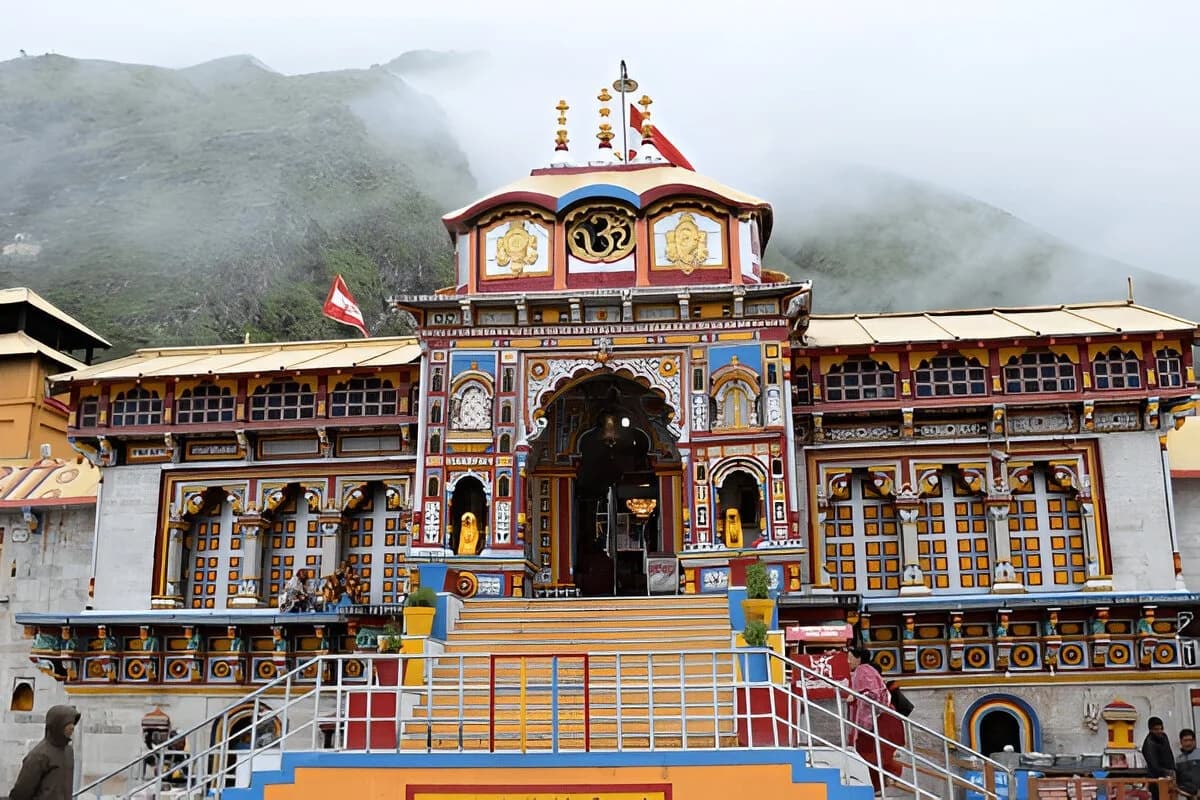
You need a Char Dham Yatra Guide more than you think; Chardham is a journey of faith, devotion, and some spectacular views. Chardham takes you through 4 sacred sites located in the Himalayas—Yamunotri, Gangotri, Kedarnath, and Badrinath. Believed to be the path to salvation, this yatra is revered by Hindus across the world. While the experience is deeply spiritual, the geographical challenges demand careful planning. With unpredictable weather and high altitudes, a well-prepared itinerary is necessary. Before you set out on this journey, make sure to explore Chardham Yatra Packages to find the best itinerary suited for you. Whether you’re going solo, with family, or in a group, early bookings can save you from last-minute hassles. Overview of Char Dham Yatra: The Char Dham Yatra Guide takes pilgrims to four sacred sites: Yamunotri – Dedicated to Goddess Yamuna, it is the starting point of the journey. Gangotri – The origin of the holy River Ganga and a place of deep spiritual significance. Kedarnath – One of the twelve Jyotirlingas of Lord Shiva, accessible via a challenging trek. Badrinath – The abode of Lord Vishnu, attracting devotees from all over the country. The Chardham Yatra Starting Point is usually Haridwar, Rishikesh, or Dehradun, where pilgrims begin their journey. From here, you can opt for road transport, helicopter services, or pony rides, depending on your convenience. The yatra follows a clockwise route, starting from Yamunotri and ending at Badrinath. Depending on weather and time, pilgrims complete the circuit in 10-12 days. Chardham Opening Date & Closing Date: The Chardham Opening Date varies each year based on Hindu calendar calculations and weather conditions. Typically, the yatra begins in late April or early May, with temple doors opening on Akshaya Tritiya. This year(2025), Yamunotri and Gangotri will open on April 30th, followed by Kedarnath on May 2nd and Badrinath on May 4th. The Closing Date of Char Dham Yatra falls around late October or early November, coinciding with Diwali. Harsh winter conditions and heavy snowfall make the temples inaccessible after this period. The Best time to visit Chardham is between May and June or September and October. Avoid monsoons as landslides are common. It’s crucial to check the official dates before planning your trip. Weather and natural factors can sometimes lead to changes in the schedule, so staying updated ensures a hassle-free pilgrimage. Things to Carry for Chardham Yatra: Here are the essential Things to Carry for Chardham Yatra: Clothing: Heavy woolen, thermal wear, gloves, and a raincoat. Footwear: Comfortable trekking shoes with a good grip. Health Essentials: Medicines for altitude sickness, first-aid kit, and prescribed medication. Documents: ID proof, permits, and medical certificates. Miscellaneous: Torch, power banks, extra batteries, dry fruits, and snacks. Since the weather in the Himalayas is unpredictable, always be prepared for sudden changes. Pack as if you’re meeting both summer and winter in one day because, in the mountains, that’s quite literally what happens! Also, don’t forget to explore Places to Visit in Chardham and exciting Things to Do in Chardham while you’re there. Chardham Yatra Travel Tips & Guidelines: Here are some essential Chardham Yatra Travel Tips: Altitude Readiness: Acclimate yourself in Haridwar or Rishikesh before heading up. Weather Watch: Check forecasts and be prepared for rain and snow. Early Mornings: Start your journey early to avoid traffic and long queues. Hydration & Food: Drink plenty of water and stick to vegetarian meals to avoid stomach issues. Respect the Rules: Follow Chardham Yatra Guidelines, such as maintaining temple decorum and avoiding photography where prohibited. Book hotels and transport in advance. Eat light and avoid street food to stay healthy. Travel insurance is a good idea in case of medical emergencies. Pack energy bars and glucose for treks.Also Checkout the best hotels in chardham. Dos and Don’ts for Chardham Yatra: Following the Dos and Don’ts for Chardham Yatra ensures a safe and respectful journey: Dos: Respect local customs and temple traditions. Carry enough cash and don’t rely on ATMs. Hire experienced guides when trekking. Don’ts: Avoid using plastic and littering. Do not overexert yourself, especially at high altitudes. Avoid eating heavy or stale food to prevent health issues. Char Dham Yatra Tour Guide & Travel Guide: If planning feels tough, a Char Dham Yatra Travel Guide can help. Several agencies offer well-structured Char Dham Packages, covering transport, accommodation, and food. For those who prefer DIY trips, plan your itinerary carefully. Budget travelers can opt for buses and shared taxis, while helicopter services are available for those looking for a quicker and more comfortable journey. Going on the Chardam Yatra is a life-changing experience, which is why a good Char Dham Yatra Guide becomes essential. Proper planning, physical preparation, and respect for local traditions ensure a smooth pilgrimage. Frequently Asked Questions about Char Dham Yatra Guide: 1. What is the rule of Char Dham? A. The key rule of Char Dham is to visit the four temples in a fixed sequence: Yamunotri, Gangotri, Kedarnath, and Badrinath. Devotees must follow temple rituals, maintain cleanliness, and not be allowed to touch any idols or religious books. 2. What precautions should be taken during Char Dham Yatra? A. Carry warm clothes, stay hydrated, and acclimatize to high altitudes. Follow Char Dham Yatra Guide instructions, avoid plastic waste, and check weather conditions before traveling. 3. What are the requirements for Char Dham Yatra? A. Pilgrims need a government-issued ID and Yatra registration. Travel insurance, essential medications, and proper trekking gear are recommended to avoid last-minute hassles. 4. In which order should I visit 4 Dham? A. The traditional order for Char Dham Yatra is Yamunotri first, followed by Gangotri, then Kedarnath, and finally Badrinath. This sequence is believed to ensure a spiritually fulfilling journey and aligns with Hindu pilgrimage traditions.

Read More

Best Time to Visit Leh Ladakh
May 30, 20256 Minutes
Best Time to Visit Leh Ladakh
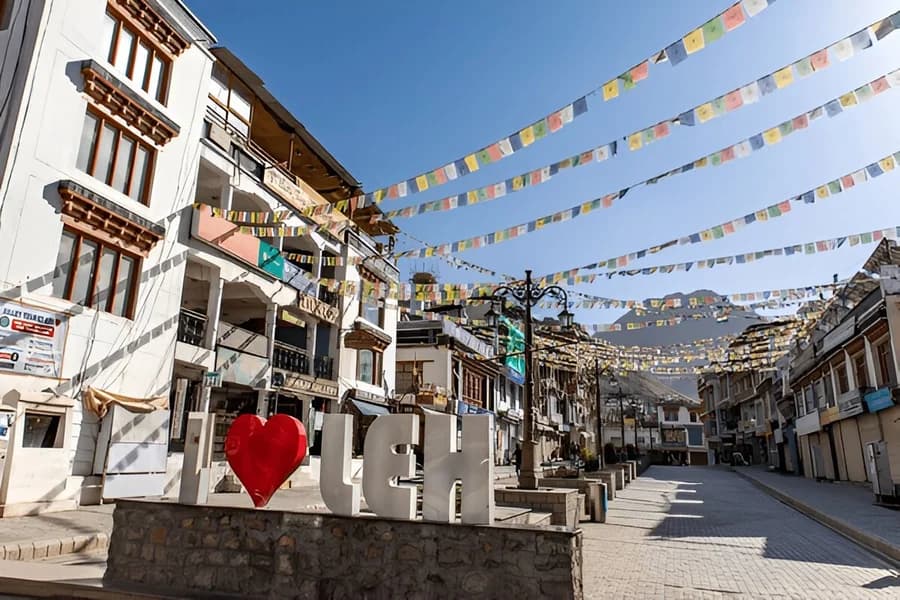
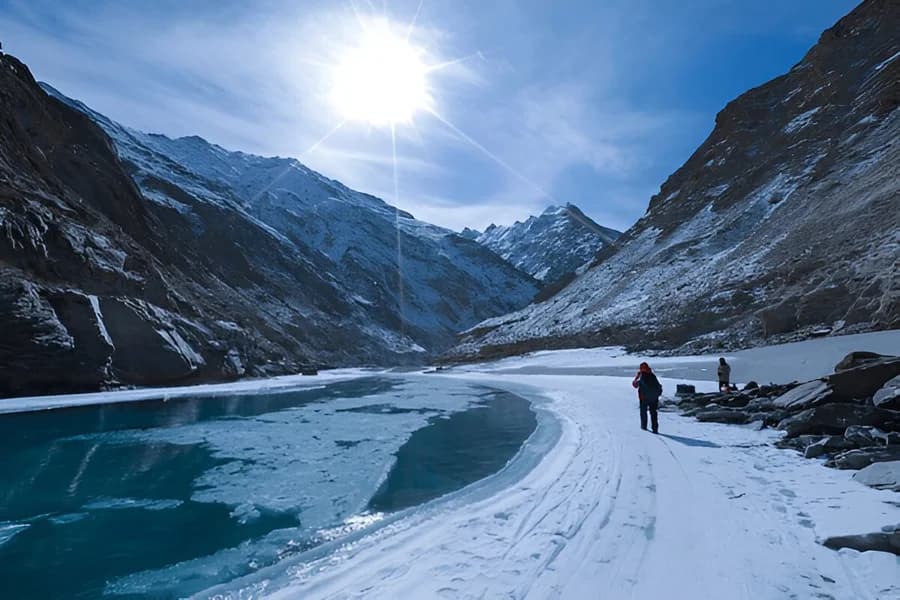
Located high in the Himalayas, Leh Ladakh is India’s very own moonland – a cold desert in the sky that leaves visitors spellbound with its beauty. Visiting Ladakh is on every Indian’s bucket list. But here’s the thing about this magical destination: timing is everything! Let’s talk about the best time to visit Leh Ladakh. Fortunately, various Leh Ladakh Tour Packages are designed around different seasons, allowing you to experience this heavenly destination regardless of when you choose to visit. Common Mistake While Choosing the Right Time: With elevations ranging from 9,000 to 25,000 feet, the region experiences extreme weather swings that can make or break your trip. So you have to choose the best time to visit Leh Ladakh to avoid discomfort – it’s about ensuring you can actually reach your destination and experience its wonders safely. A miscalculated visit during heavy snowfall could leave you stranded, while the perfect timing can reward you with clear lake views, blooming valleys, and comfortable temperatures for exploration. Best Time to Visit Ladakh: 1. Peak Season (June to September): June to September is the peak season of Ladakh. Undoubtedly, it is the best time for most travelers. During this period, the leh ladakh temperature stays pleasantly moderate, hovering between 15°C to 25°C during daytime – perfect for exploring without freezing or sweating. This is also the best time to visit Leh Ladakh by bike when all the roads and all major mountain passes including Khardung La (world’s highest motorable road) and Chang La are fully operational. The highways from both Manali and Srinagar remain open for those epic road trips that Indian travelers dream about. The list of activities during peak season is endless: trekking, rafting, mountain biking, and exploring famous Places to visit in Ladakh like Pangong Lake, Nubra Valley, and the Magnetic Hill. 2. Shoulder Season (April to May & October): April-May and October are the mid or shoulder season of Ladakh. This season is for those who cringe at the sight of tourist crowds. Temperature ranges between -5°C to 15°C – chilly but manageable with proper layers. These months are perfect for photographers chasing that perfect shot without twenty other tourists photobombing it. The landscapes transform magically – April brings the first signs of spring with melting snow and blooming vegetation. This period is considered the best time to visit Ladakh by flight since roads may still be partially blocked, especially in early April when snow clearing operations continue. Flights to Leh operate year-round. 3. Waning Season (November to March): November to March is the off season of Ladakh. But, no to off. Because of the extreme chilly weather, Ladakh fully gets covered in snow. If you love snow and are ready to face the freezing weather, this is the best time to visit Leh Ladakh for snowfall. Be warned though – this beauty comes with a price. The temperature plummets between -15°C to -30°C. Power cuts are common, hot water becomes a luxury, and many guesthouses and restaurants shut shop for the season. During these months, both the Manali-Leh and Srinagar-Leh highways remain firmly closed due to heavy snowfall, making flights the only way in or out. Flights too can be canceled at short notice due to weather conditions, so flexibility in your itinerary is essential. Seasonal Guide of Ladakh – Travel Experience by Month: Let me break down the best time to visit Ladakh month-by-month so you can plan your trip perfectly: January-February: The heart of winter. Expect extreme cold, frozen lakes, and the famous Chadar trek. Limited accommodation options and restricted movement, but unparalleled snow landscapes. March: Still very cold but slightly warming up. Snow begins to melt on lower altitudes. Good for budget travelers as prices remain low. April: The spring transition period. Flowers begin blooming in the valleys, mountain passes start opening up. Tourist facilities reopen gradually. May – June: Early summer with perfect temperatures. This is the best time to visit Leh Ladakh by road, ideal for motorbiking, trekking and all adventure activities. July, August-September: Peak tourist season with the best weather. All routes open, but expect higher prices and advance bookings. October: Early autumn with gorgeous colors. Tourist crowds thin out, temperatures start dropping, but still pleasant during daytime. November-December: Winter begins. Increasingly cold temperatures, passes begin closing, and the region prepares for the harsh winter ahead. Following a reliable Ladakh Travel Guide is essential regardless of when you visit, as weather conditions can change rapidly. Highlights That’ll Make You Pack Your Bags Right Now: Summer Highlights: Perfect weather for first-timers with temperatures between 15-25°C, all roads and passes open, and full access to activities like trekking, river rafting, and motorbiking. Autumn/Spring Highlights: Fewer tourists, magical lighting for photography, and significantly lower prices on accommodations. Winter Highlights: Walk on the frozen Zanskar River during the legendary Chadar Trek, experience Pangong Lake transformed into a crystal-clear ice sheet, and capture photographs that few travelers ever will. Stargazing Opportunities: Experience some of the clearest night skies in India, with winter being the Best Time to visit Leh Ladakh offering the most spectacular night sky views due to crisp air and minimal light pollution. Frequently Asked Questions of Best Time to Visit Leh Ladakh: 1. Which month is best to visit Ladakh? A. May to September is the best time to visit Leh Ladakh with mild and pleasant weather, roads are open, and all tourist attractions are accessible. This duration is best for sightseeing, trekking, and biking. 2. Which month is there snowfall in Leh? A. Snowfall in Leh usually starts between November and March, with peak snowfall in December and January. During this time, temperatures drop significantly, and most roads remain closed. 3. Which is the best time to visit Ladakh for snowfall? A. The best time to visit Ladakh for snowfall is from December to February, when the region is covered in snow. It’s perfect for winter adventures like the Chadar Trek and snow biking, though extreme cold and road closures limit accessibility. 4. Which is off-season in Ladakh? A. The off-season in Ladakh is November to March, when harsh winters bring heavy snowfall and sub-zero temperatures. Most roads remain closed, and only air travel is possible. Also Read – Places To Visit in LadakhMust Checkout – Things To Do in Ladakh

Read More

Comfortable Chardham Hotels
May 30, 20256 Minutes
Comfortable Chardham Hotels
Apart from packing your essentials and prepping for the Chardham Yatra, one crucial thing to figure out is – Chardham hotels! You don’t want to end up in a place where the bed creaks, right? Choosing the right stay plays a vital role in making your pilgrimage smooth and comfortable. Whether you are visiting Kedarnath, Badrinath, Gangotri, or Yamunotri, choosing the right stay can make a world of difference. For those looking for a hassle-free experience, you can check out Chardham Yatra Packages, which often include accommodation, transport, and meals. But if you prefer picking your own stay, don’t worry! We’ve got you covered with the best Chardham hotels near each temple. Let’s dive in! Hotels in Kedarnath: Kedarnath is popular for its divine aura and challenging trek. But after a long day of devotion and walking, you need a cozy place to crash! Here are the top Chardham hotels near Kedarnath: 1. Punjab Sindh Awas: This budget-friendly hotel has simple clean rooms, offering a comfortable stay for tired pilgrims. The staff is friendly and ensures that all basic amenities are provided, including clean bedding and hot water. The in-house restaurant serves delicious vegetarian meals. Location: 500 meters from Kedarnath Temple. Price: ₹2,000 per night. 2. GMVN Tourist Rest House: A government-run guesthouse has clean and spacious rooms at reasonable rates. The place is well-maintained, and the rooms come with essential facilities like comfortable bedding, attached bathrooms, and access to hot water. It is a preferred choice for budget travelers looking for a simple and peaceful stay. The guesthouse also has a common dining area where vegetarian meals are served. Location: 700 meters from the temple. Price: ₹1,500 – ₹2,500 per night. 3. Hotel Bikaner: This mid-range hotel is known for its warm hospitality and cozy rooms. The interiors are simple yet well-furnished, providing a homely atmosphere for visitors. Guests can enjoy mountain views from their rooms, and the hotel also offers room service to make the stay more convenient and serves fresh vegetarian meals. Location: 1 km from the temple. Price: ₹3,000 – ₹4,000 per night. Hotels in Badrinath: Badrinath is one of the 4 shrines of Chardham Yatra. And trust us, after a long darshan, nothing feels better than a comfy bed! Here are the best Chardham hotels in Badrinath: 1. Narayan Palace Hotel: This luxurious hotel provides spacious and well-furnished rooms, ensuring the utmost comfort for pilgrims. The property offers modern amenities, including Wi-Fi, power backup, and room service. The hotel also has a beautiful garden where guests can relax and enjoy the stunning mountain views. Location: 500 meters from Badrinath Temple. Price: ₹4,000 – ₹5,500 per night. 2. Hotel Dwarikesh: A budget-friendly stay option that provides neat and clean rooms with essential amenities like hot water, comfortable beds, and an attached bathroom. The on-site restaurant offers simple yet delicious North Indian meals. This is an excellent choice for travelers looking for affordability without compromising on comfort. Location: 300 meters from the temple. Price: ₹1,500 – ₹3,000 per night. 3. GMVN Tourist Bungalow: A government-operated stay, this bungalow has well-maintained rooms with basic amenities. Guests can expect clean bedding, a peaceful atmosphere, and a scenic view of the surrounding mountains. The guesthouse is ideal for those who prefer a no-frills, budget-friendly stay while visiting the temple. Location: 700 meters from the temple. Price: ₹1,500 – ₹2,500 per night. If you’re visiting Badrinath, these Chardham hotels will ensure you have a relaxing stay. Hotels in Gangotri: Gangotri is not just about faith; it’s about finding peace in the lap of the Himalayas. And to enjoy that, you need a good hotel. Here are some of the best Chardham hotels in Gangotri: 1. Hotel Mandakini: This riverside hotel offers a serene ambiance with breathtaking views of the Bhagirathi River. The rooms are cozy, with wooden interiors that add to the charm. The hotel provides 24-hour room service, clean bathrooms, and hot water facilities. Their restaurant serves a variety of vegetarian dishes, including piping hot parathas, perfect for chilly mornings. Location: 500 meters from Gangotri Temple. Price: ₹3,000 – ₹4,500 per night. 2. GMVN Gangotri Tourist Rest House: A simple yet well-maintained guesthouse offering essential amenities like comfortable beds, clean bathrooms, and warm blankets. The place is managed by the government, ensuring a standard level of hygiene and service. It also has a canteen serving fresh vegetarian food. Location: 600 meters from the temple. Price: ₹1,500 – ₹2,500 per night. 3. Hotel Ganga Kinare: Located just 100 meters from the Kedarnath temple. Hotel Ganga Kinare offers five and six-bed non-AC rooms. If you are looking for a stay near Kedarnath temple, this is an ideal option. This budget-friendly hotel is known for its friendly staff and clean environment. The hotel also provides travel assistance for sightseeing in the area. Location: 700 meters from the temple. Price: ₹2,000 – ₹3,000 per night. With these detailed hotel descriptions, your Chardham Yatra will be even more comfortable and well-planned. Hotels in Yamunotri: Yamunotri, known for its serene beauty and spiritual significance, has a few comfortable hotel options for travelers. Here are the best Chardham hotels in Yamunotri: 1. Hotel Yamuna Riverfront: A charming hotel offering clean rooms with breathtaking views of the Yamuna River. The staff is hospitable and ensures that all necessary amenities, including hot water and fresh linen, are provided. The hotel also has a small restaurant that serves delicious vegetarian meals, perfect for pilgrims. Location: 40 km from Yamunotri Temple. Price: ₹2,500 – ₹4,000 per night. 2. GMVN Yamunotri Tourist Rest House: A government-run guesthouse offering budget-friendly accommodations with basic amenities. The rooms are simple yet clean, and guests can enjoy a peaceful environment away from the crowd. The rest house also has a canteen that serves fresh vegetarian food. Location: 600 meters from the temple. Price: ₹1,500 – ₹2,500 per night. 3. Hotel Devbhoomi: A mid-range hotel with comfortable rooms and a homely atmosphere. The hotel is well-maintained, with clean bathrooms and cozy bedding. Guests can enjoy freshly prepared vegetarian meals at the in-house restaurant. Location: 600 meters from the temple. Price: ₹3,000 – ₹4,500 per night. Choosing the right Chardham hotels is essential for a smooth pilgrimage. Whether you prefer budget-friendly stays or more luxurious accommodations, each destination offers something for every traveler. From government rest houses to well-furnished hotels, there are plenty of options to make your journey comfortable.Apart from booking a great stay, don’t forget to explore the surroundings and enjoy the spiritual essence of these holy sites. There are plenty of Things to do in Chardham, such as taking a dip in the sacred rivers, attending evening aartis, and exploring nearby attractions. Also Read: Places to Visit in Chardham YatraMust Read: Things to do in Chardham Yatra

Read More

History of Char Dham Yatra
May 30, 20256 Minutes
History of Char Dham Yatra
The Char Dham Yatra is one of the holiest pilgrimages in Hinduism, yet most people go on this journey without truly knowing its deep-rooted past. We often hear about the divine temples of Yamunotri, Gangotri, Kedarnath, and Badrinath, but few take the time to understand the Char Dham history—the legends, the mystical connections, and the centuries-old faith that shaped these sacred places. Beyond just a trip to the mountains, this yatra is a spiritual experience that has been followed for generations, promising not just blessings but also a path to salvation. For those looking to undertake this sacred journey, Chardham Yatra packages offer an easy and organized way to explore these revered sites. This journey is all about reconnecting with your roots and experiencing something truly divine. History of Yamunotri: Yamunotri is the birth source of the Yamuna River, one of India’s holiest rivers. Located in Uttarkashi district, Uttarakhand, it marks the starting point of the Char Dham Yatra and holds deep spiritual significance in the Char Dham history. Devotees believe that bathing in the river’s waters washes away sins and protects against untimely death. The famous Yamunotri temple was constructed in 1839 by King Naresh Sudarshan Shah of Tehri. Inside the temple, along with Goddess Yamuna, an idol of Goddess Ganga is also worshipped. Surrounding the temple are natural hot water springs, with Surya Kund being the most significant. Locals cook rice and potatoes in the kund’s boiling water and accept them as prasad. Legend: Goddess Yamuna is believed to be the daughter of the Sun God (Surya) and the twin sister of Yama, the god of death. According to mythology, the sage Asit Muni lived here and used to bathe in both the Yamuna and Ganga rivers. When he became too old to travel to Gangotri, a stream of Ganga miraculously appeared near the Yamuna, fulfilling his wish. This legend is an integral part of the history of Char Dham Yatra, which highlights the divine significance of these holy places. History of Gangotri: Gangotri is the sacred seat of Goddess Ganga and an important destination in the Char Dham Yatra. The Ganga River originates from the Gangotri Glacier at Gaumukh, approximately 18 km from the temple town of Gangotri in Uttarkashi district. The present-day Gangotri temple was built in the early 19th century by Amar Singh Thapa, a Gorkha general. Pilgrims visit this holy site because it is believed to cleanse all sins. The Char Dham history considers Gangotri one of the holiest places where Goddess Ganga descended to absolve human sins. Legend King Sagar, as part of an Ashwamedha Yagna, sent his 60,000 sons along with the sacrificial horse. When the horse went missing, they found it near Sage Kapila’s ashram. The sons disturbed the sage in deep meditation, and in his fury, he reduced them to ashes. To liberate their souls, King Sagar’s grandson Anshuman prayed to Goddess Ganga to descend to earth. His efforts failed, but later, Bhagirath, through intense surfing for his pains, succeeded in bringing Ganga down. To soften her powerful flow, Lord Shiva caught the river in his hairlocks and released it in streams, ensuring it did not flood the earth. This divine event holds great importance in the history of Char Dham Yatra. History of Kedarnath: Kedarnath, located in Rudraprayag district, is the most remote and popular shrine of the Char Dham Yatra. It is believed that the original Kedarnath temple was built by the Pandavas, while the present structure was established by Adi Shankaracharya in the 8th century. The temple, built with massive grey stones has been standing strong against extreme weather conditions. This temple plays a crucial role in the Char Dham history, attracting thousands of devotees each year. Legend After the Mahabharata war, the Pandavas sought Lord Shiva’s blessings to atone for their sins. However, Shiva, unwilling to forgive them easily, disguised himself as a bull and escaped to the Garhwal region. When the Pandavas tracked him down, he dived into the ground. Different parts of his body surfaced at five locations—his hump at Kedarnath, arms at Tunganath, navel at Madhyamaheshwar, face at Rudranath, and hair at Kalpeshwar—these collectively form the Panch Kedar pilgrimage. To honor the Lord, the Pandavas built temples at each of these five sites. History of Badrinath: Badrinath is one of Hinduism’s most sacred sites, forming part of the Char Dham Yatra and Chota Char Dham circuits. It is also among the 108 Divya Desams, which are important in Vaishnavism. The idol of Lord Badrinath (Vishnu) was discovered by Adi Shankaracharya in the Alaknanda River and was initially placed in a cave near Tapt Kund. Later, in the 16th century, a Garhwal king built the present temple, which has been renovated multiple times due to natural calamities. The temple, set between the Nar and Narayan mountain ranges, stands against the Neelkanth Peak. The Char Dham history considers Badrinath the final stop of the sacred pilgrimage. Legend One story says that Lord Vishnu was once criticized by a sage for leading a luxurious life. As a self-punishment, he meditated in Badrinath, enduring harsh weather conditions. Seeing his hardships, Goddess Lakshmi transformed into a berry (Badri) tree to provide him shade, which led to the name Badrinath. Another legend states that Badrinath was originally Lord Shiva’s abode, but Vishnu tricked Shiva into leaving, thereby claiming the holy site for himself. Such stories are central to the history of Char Dham Yatra, which reflects the deep-rooted spiritual beliefs associated with these divine places. Frequently Asked Questions About Char Dham History: 1. What are the 4 temples of Char Dham? The four temples of Char Dham in Uttarakhand are Badrinath, Kedarnath, Gangotri, and Yamunotri. These temples have deep roots in Char Dham history and are key stops of Char Dham Yatra. 2. What are the real 4 Dham names? Badrinath (Uttarakhand), Dwarka (Gujarat), Puri (Odisha), and Rameswaram (Tamil Nadu) are the real Dham of India. However, Badrinath Kedarnath, Gangotri, and Yamunotri are considered as Chota Char Dham. 3. Which is the first Dham in India? Badrinath is considered the first and most significant Dham in India. As per the history of Char Dham Yatra, Adi Shankaracharya re-established the temple here, making it a vital pilgrimage spot where Lord Vishnu is worshipped as Badri Narayan. 4. Which God is worshipped in Char Dham? Each Dham is dedicated to a different deity—Badrinath worships Lord Vishnu, Dwarka is home to Lord Krishna, Puri is dedicated to Lord Jagannath (a form of Vishnu), and Rameswaram is a sacred shrine of Lord Shiva. Also Read: Places to Visit in Chardham YatraMust Read: Things to do in Chardham Yatra

Read More

Gangtok
May 30, 20253 Minutes
Gangtok
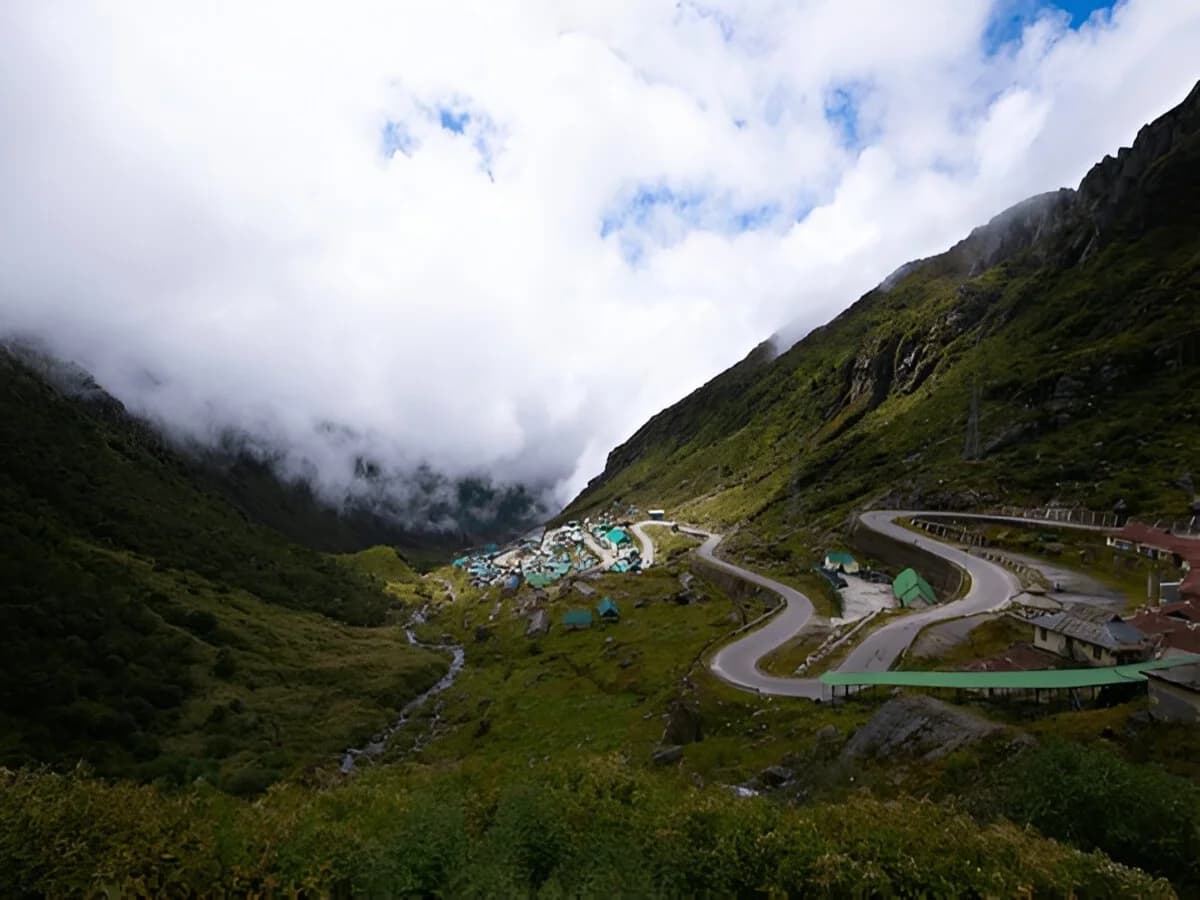
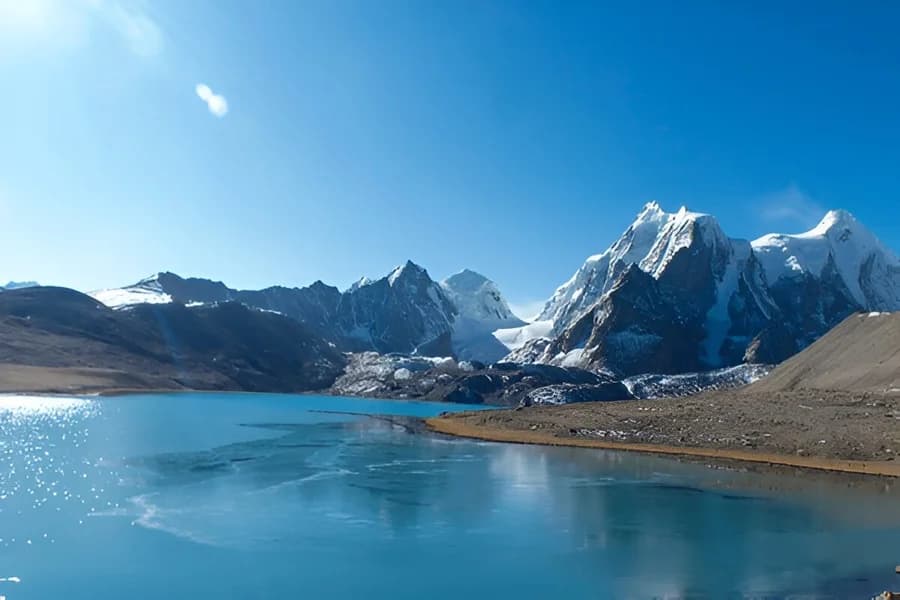
Gangtok, in North East India, is a beautiful hill station with mountains, monasteries, and lively markets. It’s a perfect mix of nature, culture, and adventure. If you love nature, visit the Tsomgo Lake or enjoy the stunning views from Hanuman Tok. For culture, explore the Rumtek Monastery or try delicious local food at MG Road. Whether you want peace, adventure, or shopping, Gangtok has something for everyone. To make your trip easier, you can check out North East tour packages, which cover all the best places. From breathtaking sights to fun experiences, North East Gangtok is a place you will never forget! Best Places to Visit in North East Gangtok 1. Tsomgo Lake – A Glacial Wonder One of the most famous attractions in North East Gangtok, Tsomgo Lake sits at an altitude of 12,400 feet. The lake changes color with the seasons—deep blue in summer and frozen white in winter. If you visit during the colder months, you might even get to ride a yak along the lake’s edge! 2. Nathula Pass – Gateway to Tibet If you love adventure, Nathula Pass is a must-visit. Located at 14,140 feet, this pass connects India with Tibet and offers breathtaking views of the Himalayas. However, keep in mind that permits are required to visit this border area, and it remains closed on certain days. 3. MG Road – The Heart of Gangto No trip to North East Gangtok is complete without a stroll along MG Road. This pedestrian-only street is lined with shops, cafés, and restaurants, making it the best place to relax, shop for souvenirs, and try local delicacies like momos and thukpa. 4. Rumtek Monastery – A Spiritual Retrea For those interested in Buddhist culture, Rumtek Monastery is a must-visit. This peaceful monastery is one of the most significant in Sikkim, offering insights into Tibetan Buddhism and stunning architecture. 5. Hanuman Tok – A Viewpoint with a Temple If you’re looking for panoramic views of Kanchenjunga, head to Hanuman Tok. This temple, dedicated to Lord Hanuman, is located at a high altitude and offers one of the best viewpoints in Gangtok. Things to Do in North East Gangtok Enjoy a Cable Car Ride – Take a ride on the Gangtok Ropeway for a bird’s-eye view of the city and mountains. Try Local Cuisine – Savor Sikkimese food, including gundruk soup, chhurpi (fermented cheese), and Sha Phaley (Tibetan stuffed bread). Visit a Tea Garden – Explore the lush Temi Tea Garden, the only tea estate in Sikkim, to taste fresh organic tea. Experience Nightlife at MG Road – Gangtok has a lively nightlife, with several bars and live music venues offering a fun evening experience. Best Time to Visit North East Gangtok The best time to visit North East Gangtok is March to June for pleasant weather and blooming rhododendrons. If you love snow, plan your trip between November and February, but be prepared for cold temperatures. How to Reach Gangtok By Air: The nearest airport is Bagdogra Airport (125 km), followed by a 4-5 hour scenic drive to Gangtok. By Train: The nearest railway station is New Jalpaiguri (NJP) in West Bengal, from where you can hire a taxi or take a shared cab. By Road: Regular buses and taxis are available from Siliguri, Darjeeling, and Kalimpong to Gangtok. A trip to North East Gangtok is a blend of adventure, relaxation, and culture. Whether you’re exploring high-altitude lakes, ancient monasteries, or lively markets, Gangtok is a place that leaves a lasting impression. So, pack your bags and get ready to discover this charming Himalayan paradise! Also Checkout – Things to do in North EastMust Read – Places to Visit in North East India​

Read More

Bike Trip in Northeast India
May 30, 20254 Minutes
Bike Trip in Northeast India
Overview of Bike Trip in Northeast India Northeast India is one of the most scenic and untouched regions of the country, making it a paradise for bikers. This land of rolling hills, misty mountains, and vibrant tribal culture offers an experience unlike any other. The roads here are an adventure in themselves, leading you through dense forests, hidden villages, and breathtaking passes. Whether you’re exploring Meghalaya’s valleys, Arunachal’s rugged terrains, or Assam’s countryside, Northeast tour packages promise a unique adventure at every turn. A bike trip in Northeast India is not just about the ride—it’s about the connections you make with the land and its people. From Tawang Monastery to the root bridges of Cherrapunji, every destination adds a unique touch to the journey. If you love open roads and unexplored beauty, then this is the adventure you’ve been waiting for! Why Northeast India is Perfect for a Bike Trip 1. Unmatched Natural Beauty Northeast India is home to snow-capped peaks, dense forests, serene lakes, and roaring waterfalls. The entire region feels untouched and pristine, making every ride feel like a cinematic experience. 2. Adventure at Every Turn The roads in this region are curvy, steep, and thrilling, making them perfect for adventure lovers. Whether you’re crossing a high-altitude pass or riding through deep valleys, the thrill never ends. 3. Cultural and Spiritual Experience Northeast India is rich in culture, with numerous tribes, Buddhist monasteries, and ancient traditions. From the Mishing tribe in Assam to the Monpa people of Arunachal Pradesh, every encounter feels like stepping into a different world. Best Bike Routes in Northeast India 1. Guwahati to Tawang (Arunachal Pradesh) – A High-Altitude Challenge Distance: 500 km Highlights: Sela Pass (13,700 ft), Tawang Monastery, Bum La Pass Best Time: March to May, September to November This is one of the most thrilling bike routes in the Northeast. The ride takes you through rugged mountains, freezing high-altitude passes, and stunning valleys. The biggest challenge is crossing Sela Pass, but the stunning views make it all worthwhile. 2. Shillong to Cherrapunji (Meghalaya) – The Land of Waterfalls Distance: 55 km Highlights: Nohkalikai Falls, Mawsmai Caves, Living Root Bridges Best Time: October to April This is a short yet mesmerizing ride. Meghalaya is known as the wettest place on Earth, and riding through the misty hills is pure magic. Cherrapunji is famous for its living root bridges, which are a must-visit. 3. Kaziranga to Majuli (Assam) – Ride Through the Wild Distance: 150 km Highlights: Kaziranga National Park, Majuli River Island Best Time: November to April Start your ride from Kaziranga, home to the one-horned rhinoceros, and head to Majuli, the world’s largest river island. The ferry ride to Majuli is an experience in itself! 4. Siliguri to Gangtok (Sikkim) – A Himalayan Dream Distance: 120 km Highlights: Teesta River, Tsomgo Lake, Nathula Pass Best Time: March to June, September to November This ride takes you through lush green tea gardens, river valleys, and high-altitude mountain passes. Gangtok, with its Buddhist monasteries and vibrant culture, is the perfect place to relax after a long ride. Best Time for a Bike Trip in Northeast India The best months for a bike trip are March to June (spring-summer) and September to November (autumn). These seasons offer clear skies, pleasant weather, and dry roads. Essential Tips for a Safe and Enjoyable Ride Carry all necessary permits – Some states like Arunachal Pradesh require special entry permits.Ride a reliable bike. The best bikes are Royal Enfield, KTM, or any bike with strong suspension and power.Pack smart – Carry a raincoat, warm clothes, a first-aid kit, and extra fuel.Respect the locals – Northeast India has many indigenous tribes; always be polite and respectful.Check road conditions – Some routes, especially in Arunachal Pradesh, may have landslides. A bike trip in Northeast India is not just a journey—it’s a once-in-a-lifetime experience. The serene landscapes, warm people, and thrilling roads make it a paradise for bikers. Whether you’re riding through foggy mountain passes, exploring hidden villages, or simply enjoying a sunset over the Brahmaputra, every moment feels like magic. So, fuel up, put on your riding gear, and get ready to experience the raw beauty of the Northeast like never before! Also Checkout – Places To Visit in North EastMust Read – Things To do in North East

Read More

Ladakh Hotels
May 30, 20258 Minutes
Ladakh Hotels
Ladakh is a dream for many travelers. But wait, before you pack your bags, there’s one crucial thing to consider—where to stay. Ladakh hotels play a significant role in making your trip comfortable and memorable. And if you’re booking Leh Ladakh tour packages, make sure they include accommodations that match your travel style. After all, after a long day of exploring, you deserve a comfy bed, good food, and a view that takes your breath away. See, Ladakh offers a variety of accommodations catering to different budgets and preferences. It has luxury hotels, mid-range options, budget stays, and even camps for that authentic raw experience. When Booking Leh Ladakh Hotels, there are few things you should consider, budget, location, so that you can explore all the Places to Visit in Ladakh. Here are some of the top stays in Ladakh. Top 10 Best Hotels in Ladakh: 1. The Grand Dragon Hotel: The most luxurious hotel in Ladakh, The Grand Dragon is known for its premium hospitality, world-class amenities, and stunning interiors. The hotel features well-furnished rooms with breathtaking views of the mountains, central heating, fine dining restaurants, and modern comforts like Wi-Fi and conference halls. It’s perfect for travelers who want a lavish stay. Price: Starts from ₹8000Location: Leh, close to the main market and airport. 2. Sia La Guest House: A charming hotel with exteriors and interiors of the hotel has an authentic Ladakhi feel. One of the best Leh Ladakh hotels, hotel Leh Chen has big rooms, lush gardens, and warm hospitality. The in-house restaurant serves delicious Ladakhi and North Indian cuisine, making it a favorite among food lovers. With its prime location near Shanti Stupa, sightseeing becomes effortless. Price: Starts from ₹3500Location: Fort Rd, Leh 3. Hotel Druk Ladakh: This is an ultimate lavish hotel and is a great option for those looking for a comfortable yet stylish stay. This hotel is the best stay you can find not only in Leh but in the entirety of Ladakh. The interiors have Ladakhi heritage with wooden furnishings. Guests love the cozy rooms, excellent room service, and the hotel’s proximity to key attractions like Leh Palace. The peaceful environment makes it a great place to relax after a day of exploring. Price: Starts from ₹5600Location: Leh, close to Leh Palace. 4. Hotel Omasila: One of the most popular mid-range best hotels in Leh Ladakh, Hotel Omasila has a homely vibe and friendly staff. The rooms are spacious, many with balconies that provide stunning views of the Himalayas. The hotel also has a beautiful garden. It’s a great place to unwind with all the necessary amenities at hand. Price: Starts from ₹3100Location: 600 meters from Shanti Stupa, Leh. 5. Spic n Span Hotel: Spic n Span Hotel is a fancy hotel with a fancy name. A well-maintained hotel with traditional Ladakhi architecture also provides modern conveniences. The hotel is essentially classy and offers almost all the facilities you would want to have on your Ladakh trip. The rooms are quite spacious, and they also have a garden for relaxing. This tops the list of best Ladakh hotels because of its location near the main attractions of Leh. Price: Starts from ₹4000Location: Leh, near the main attractions. 6. Hotel Mandala, Leh: This is one of the budget-friendly Ladakh hotels and is a great option for backpackers and budget travelers looking for a clean and comfortable stay. The rooms are simple yet well-equipped with all the essentials. The in-house restaurant serves home-style Ladakhi food, and the staff is extremely helpful in guiding travelers about local attractions and activities. The views can also be enjoyed from the garden and terrace available here. Price: Starts from ₹4200Location: Fort Road, Leh 7. Hotel Snow View: True to its name, Hotel Snow View offers mesmerizing views of the snow-clad mountains. The rooms are basic but clean and cozy, and the hospitality makes guests feel at home. If you’re looking for an affordable stay, Hotel Snow View is among the best hotels in Ladakh, and with easy access to the main market and tourist sites, this hotel is a great pick. Price: Starts from ₹4300Location: Leh, close to the city center. Suggested Read: Things to do in Ladakh 8. Hotel Ladakh Residency: Ladakh Residency features elegantly designed rooms with wooden furnishings, excellent dining options, and a peaceful atmosphere. With all the luxuries on offer, the hotel is a delight in itself. The hotel staff goes the extra mile to make your stay pleasant, and its proximity to Leh Palace makes it a convenient choice for travelers. Price: Mid-rangeLocation: Changspa Village, Leh. 9. Hotel Lasermo: One of the best hotels in Leh Ladakh, Hotel Lasermo is known for its elegant decor, traditional Ladakhi touches, and modern amenities. The accommodations are divided into three categories: Deluxe Single Rooms, Deluxe Double Rooms, and Suite rooms. And the views you can enjoy from the window are simply spectacular. Its luxurious yet homely ambiance makes it a favorite among visitors. Price: Starts from ₹5600Location: Leh, near the main market. 10. Hotel Antelope: A peaceful retreat in Leh, Hotel Antelope is a perfect blend of traditional Ladakhi beauty and modern comfort. The rooms are spacious, and the hotel’s open terrace provides a wonderful place to enjoy the sunset over the mountains. It is well-located near Shanti Stupa, making it one of the most convenient Ladakh hotels. Price: Starts from ₹3000Location: Leh, near Shanti Stupa. Frequently Asked Questions for Ladakh Hotels: 1. What is the cost of stay in Leh? A. Stay in Leh differs. Budget Leh Ladakh Hotels and guesthouses start from ₹1,000–₹3,000 per night, mid-range hotels from ₹3,000–₹7,000, and luxury stays can go from ₹8,000–₹20,000. 2. Is it mandatory to stay in Leh for 2 days? A. Yes, staying in Leh for two days is mandatory and advised for acclimatization. The high altitude can cause dizziness or headaches, so giving your body time to adjust helps prevent altitude sickness before heading to Pangong Lake or Nubra Valley. 3. Which place is better to stay, Leh or Ladakh? A. Leh is the best option since it has better hotels, restaurants, and medical facilities. Ladakh is a region, not a specific town, so Leh hotels serves as the main base for travel, acclimatization, and easy access to nearby attractions. 4. Is it safe to stay at Pangong Lake? A. Yes, but expect basic accommodations, mostly camps and cottages. Nights are extremely cold, even in summer, and oxygen levels are lower. If you have breathing issues, take precautions. Carry warm clothes and stay hydrated for a comfortable experience. Also Read – Places To Visit in LadakhMust Checkout – Things To Do in Ladakh

Read More

North East in December
May 30, 20257 Minutes
North East in December
December is a magical time to explore North East India. The crisp winter air, clear blue skies, and occasional snowfall make it a dream destination for travellers. Each state in this region offers a unique charm, whether it’s the snow-capped landscapes of Arunachal Pradesh, the vibrant Christmas celebrations in Meghalaya, or the serene monasteries of Sikkim. For adventure lovers, this is the best time to trek, bike, and explore remote villages. If you prefer a more relaxed holiday, North East tour packages offer serene experiences like unwinding by pristine lakes, enjoying stunning mountain views, or exploring the region’s rich tribal cultures. Wildlife enthusiasts will find northeast in December an ideal month to visit Kaziranga National Park, where animals gather near water bodies, making sightings easier. The beauty of North East India lies in its diversity. No matter what kind of traveller you are, a winter trip here promises memories that will last a lifetime. Best Time to Visit North East in December The entire month of December is ideal for visiting North East India. However, the kind of experience you want will determine the best time within the month. Early December (1st – 15th) is perfect for sightseeing, with cool weather and clear skies. Mid-December (16th – 25th) is when snowfall begins in higher regions like Tawang and Nathula Pass. Late December (26th – 31st) is the coldest period but also the most festive, with Christmas and New Year celebrations in full swing, especially in Shillong and Aizawl. Temperatures vary based on the location. Higher altitudes like Tawang, Gangtok, and Ziro Valley can drop below freezing, while places like Shillong, Kohima, and Kaziranga remain cool but comfortable. Best Places to Visit in North East in December 1. Tawang, Arunachal Pradesh Tawang in December is a winter paradise. The famous Sela Pass is often covered in snow, making the journey an adventure in itself. The Tawang Monastery, one of the largest in India, looks even more stunning against the backdrop of white peaks. You can also visit the frozen Madhuri Lake or take a drive to Bum La Pass, which connects India with Tibet. 2. Shillong, Meghalaya If you want to experience a lively yet cosy Christmas, Shillong is the place to be. The city is beautifully decorated with lights, and the streets are filled with music and festive cheer. Beyond the celebrations, Elephant Falls, Umiam Lake, and Laitlum Canyons offer stunning natural views. 3. Gangtok, Sikkim Gangtok is another must-visit destination of north east in December. The cool weather makes it perfect for exploring Tsomgo Lake, Rumtek Monastery, and Nathula Pass. If you’re lucky, you might even witness snowfall, making the landscape even more magical. 4. Kaziranga National Park, Assam December is the best time for a wildlife safari in Kaziranga, making it one of the top places to visit in North East in December for nature and wildlife enthusiasts. The cold weather draws animals out into open spaces which makes it easier to spot one-horned rhinos, elephants, and even tigers. Early morning jeep safaris are a great way to experience the raw beauty of this UNESCO World Heritage site. 5. Ziro Valley, Arunachal Pradesh Ziro Valley is known for its lush greenery, rice fields, and the Apatani tribal culture. North east in December adds a touch of mist and magic to this picturesque location. It’s an ideal place for those looking for a peaceful retreat amidst nature. Things to Do in North East in December 1. Experience Snowfall in Tawang & Sikkim For those who have always dreamed of a snowy holiday, December in Tawang and Sikkim is the perfect opportunity. Take a scenic drive through Sela Pass or visit Tsomgo Lake to see its frozen beauty. 2. Celebrate Christmas in Shillong Shillong is known for its grand Christmas celebrations. Churches are decorated beautifully, and the streets are filled with music, lights, and joyful gatherings. Experiencing North East India in December is truly special, as the festive spirit adds warmth and charm to the celebrations. 3. Go on a Wildlife Safari in Kaziranga Kaziranga National Park is at its best in winter. Early morning safaris are a great way to witness the rich biodiversity of this park, home to the famous one-horned rhinoceros. 4. Trekking Adventures If you love trekking, December is a fantastic time to explore the North East’s incredible trails. Some of the best options include: Dzukou Valley Trek (Nagaland-Manipur border) – Famous for its rolling green hills and untouched beauty. Sandakphu Trek (Sikkim-West Bengal border) – Offers breathtaking views of Mount Everest and Kanchenjunga. 5. Visit Ancient Monasteries The North east india in december is home to some of the most peaceful and beautiful monasteries in India. The Tawang Monastery in Arunachal Pradesh and the Rumtek Monastery in Sikkim are must-visits for those seeking serenity and spiritual connection. Travel Tips for North East in December Pack warm clothes. The temperatures in high-altitude areas can drop below freezing, so carry heavy jackets, gloves, and woollens. Check road conditions. Some mountain passes may close due to snowfall, so always check before planning your route. Book accommodations in advance. December is a popular travel season, and places can fill up quickly. Carry Inner Line Permits (ILP). States like Arunachal Pradesh require a permit for entry, so get it in advance. Try local food. Warm yourself up with traditional dishes like thukpa (Tibetan noodle soup), momos, and Assamese tea. December is one of the best times to explore North East India, offering a mix of snow, festivals, adventure, and cultural experiences. Whether you’re looking for a peaceful retreat in the mountains, a wildlife safari, or a festive Christmas celebration, there are many amazing places to visit in North East in December that offer unforgettable experiences for every type of traveler. From the snow-capped peaks of Tawang to the lively streets of Shillong, this region is filled with magic during winter. With fewer crowds, breathtaking views, and unforgettable experiences, it’s the perfect time to explore the hidden gems of North East India in December. So, pack your bags, get ready for an adventure, and let the charm of the Northeast captivate your heart! Frequently Asked Questions About North East in December 1. Is it good to visit North East in December? A. Yes, December is a great time to visit North East India. The weather is cool, snowfall covers places like Tawang, and festivals bring lively celebrations. It’s perfect for trekking, sightseeing, and enjoying nature’s winter beauty. 2. Which North East state is best to visit in December? A. North East in December Arunachal Pradesh, Meghalaya, and Sikkim are among the best North East states to visit in December. Arunachal offers snow-capped peaks, Meghalaya has festive Christmas vibes, and Sikkim’s frozen lakes and mountain views make it a winter wonderland. 3. What is the best time to visit North East? A. The best time to visit North East depends on your preference. Winter (November to February) is ideal for snow and festivals, while summer (March to June) is great for lush greenery. Monsoon (July to September) brings heavy rain but enhances natural beauty. Also Read– Places To Visit in North EastMust Checkout– Things To do in North East

Read More

Leh Ladakh in Winter
May 30, 20256 Minutes
Leh Ladakh in Winter
Before planning your trip to Ladakh in winter, there are a few things you should know. Ladakh is situated at 11,000 ft. and being at this height surely means that the temperature you experience in winters is going to be insane. Leh Ladakh in winter is an entirely different experience than its summer form, one that’s both challenging and rewarding in equal measure. When most tourists pack up and leave, some arrive to witness this Himalayan desert in its most beautiful, although freezing, form. For those planning a winter expedition to this cold desert, Leh Ladakh Tour Packages can be lifesavers. These packages are specially crafted to navigate the tricky logistics of winter travel while ensuring you experience the best of what frozen Ladakh. Temperature of Ladakh in Winter: The temperature of Ladakh in winter can be bone-chilling -30°C, especially in January and February. Daytime might offer some relief with chilling temperatures, but those nights are often freezing. Lakes freeze and rivers turn to ice highways. It’s so cold that sometimes your camera batteries might die faster. Different regions experience varying levels of cold – Nubra Valley tends to be slightly warmer than Leh town, while Pangong and Tso Moriri lakes are among the coldest spots. Special Things to do in Leh Ladakh in Winter: When life gives you ice, walk on it! Leh Ladakh in winter is a unique adventure that summer visitors can only dream about: 1. The Chadar Trek The Zanskar River freezes so solid that it becomes a pathway – though occasionally, you might hear alarming cracking sounds beneath your feet. Chadar trek becomes popular among trekkers during winters. 2. Snow Leopard Spotting Winter is when these “ghosts of the mountains” descend to lower altitudes. Spotting one requires patience, and luck. Hemis National Park is the best place for this. 3. Winter Festivals Events like Gustor and Losar offer a glimpse into Ladakhi culture, complete with masked dances, traditional food, and celebrations that somehow seem warmer despite the freezing temperatures. For adrenaline junkies, winter offers some of the Top Things to Do in Ladakh – including snow trekking, photography in surreal landscapes, and enjoying hot butter tea while watching snowflakes transform the barren landscape. Common Problems in Leh Ladakh in Winter: The Obvious Cold: Frostbite is a really severe thing that can happen to anyone. Your extremities need constant attention and protection. Road Closures: The Manali-Leh and Srinagar-Leh highways typically close by November. Your only way to travel is by air, and flights can be canceled at the drop of a snowflake. Acclimatization is Necessary: Combine high altitude with cold air, and breathing becomes an achievement worth celebrating. Acclimatization is non-negotiable. Limited Services: Many guesthouses, restaurants, and shops shut down. So book all your accommodation and activities in advance. Power and Water Issues: Expect frequent power cuts and frozen water pipes. Hand sanitizer might also freeze in your pocket – yes, that actually happens. Tips for Visiting Leh Ladakh in Winter: Flying In: With roads closed, air travel is your only option. Book flexible tickets and be prepared for delays or cancellations due to weather. Layering: Thermal innerwear, fleece mid-layers, jackets, windproof outer layers. Battery Problem: Electronic devices lose power quickly in extreme cold, so keep them warm. Itinerary Planning: Be realistic about what you can cover. Travel times increase, and some Places to visit in Ladakh, like Nubra Valley, might be accessible only by helicopter in peak winter. Important Precautions for Winter: Altitude Acclimatization: Give your body at least 2-3 days to adjust before attempting any strenuous activities. Headaches, nausea, and dizziness are signals to slow down. Hydration: The dry cold air dehydrates you faster than you realize. Drink plenty of fluids even when you don’t feel thirsty. Sun Protection: The sun reflecting off snow can cause severe burns. Sunscreen, sunglasses, and lip balm are must-haves, not optional extras. Health: Carry basic medications, especially for altitude sickness, cold, and fever. The nearest well-equipped hospital might be a flight away. Local Knowledge: Before setting out, consider the Ladakh Travel Guide for updated information on weather conditions and accessible areas. A visit to the ancient Hemis Monastery in winter offers a unique perspective. Just check if it’s open before making the journey. Is Winter Ladakh Worth It? Leh Ladakh in winter demands resilience, preparation, and a genuine love for extreme adventures. But those who brave the cold are rewarded with beautiful white landscapes, and authentic cultural experiences. The silent beauty of snow-covered prayer flags, the warmth of Ladakhi hospitality and the pride of experiencing one of India’s most challenging destinations at its most challenging time. Frequently Asked Questions About Leh Ladakh in Winter: 1. Can we visit Leh Ladakh in winter? A. Yes, Leh Ladakh is accessible in winter, mainly by air, as roads from Manali and Srinagar close due to heavy snowfall. Travelers visit for frozen Pangong Lake, and winter treks. However, extreme cold and limited facilities require careful planning and proper winter gear. 2. Which is the best month to visit Leh Ladakh? A. The best months to visit Leh Ladakh are May to September when the weather is pleasant, and roads remain open. However, for winter experiences like the Chadar Trek and snow-covered landscapes, January and February are ideal despite harsh temperatures. 3. Which is the coldest month in Ladakh? A. January is the coldest month in Ladakh, with temperatures dropping as low as -30°C in some areas. The region experiences extreme cold, frozen rivers, and heavy snowfall, which makes travel challenging. 4. Is Pangong Lake frozen in December? A. Yes, Pangong Lake begins to freeze in December as temperatures drop below freezing. By January and February, the lake is completely frozen, creating a breathtaking icy landscape. However, extreme cold and difficult accessibility make winter visits challenging. 5. Which month does Ladakh have snowfall? A. Ladakh experiences snowfall from late October to early March, with peak snowfall occurring between December and February. January and February witness heavy snow, making it ideal for snow trekking and photography but requiring careful planning. Also Read – Places To Visit in LadakhMust Checkout – Things To Do in Ladakh

Read More

North East Festival
May 30, 20256 Minutes
North East Festival
The North East Festival is a grand celebration that showcases the diverse culture, traditions, and heritage of North East India. Every year, this festival brings together music, dance, art, food, and fashion, giving people from all over India a chance to experience the unique beauty of the region. From energetic folk dances to soulful music performances, from traditional handlooms to delicious cuisine, the festival offers a one-of-a-kind experience for visitors. If you have ever wanted to explore the rich traditions of North East India, attending this festival is the best way to do it. Many travelers also look for North East tour packages to make the most of their visit by exploring the region’s stunning landscapes and cultural sites. Let’s take a closer look at what makes the North East Festival so special! The Essence of North East Festival The North East Festival was started to promote the culture and heritage of the eight states – Arunachal Pradesh, Assam, Manipur, Meghalaya, Mizoram, Nagaland, Tripura, and Sikkim. The festival highlights folk traditions, traditional crafts, tourism, and entrepreneurship, helping the rest of the country understand the uniqueness of this region. The event is held in major cities like Delhi, Mumbai, or Guwahati, allowing people from different parts of India to experience the rich diversity of the North East without having to travel far. The festival also serves as a platform for young artists, musicians, and entrepreneurs to showcase their talent and connect with a wider audience. Famous Festivals in North East India 1. Bohag Bihu (Assam) Bohag Bihu is the New Year festival of Assam, celebrated in April. It marks the beginning of the harvest season. People wear traditional clothes, dance the Bihu dance, and sing folk songs. Families prepare delicious dishes like pitha (rice cakes) and laru (sweet snacks). It is a festival of happiness and togetherness. 2. Hornbill Festival (Nagaland) The Hornbill Festival is one of the most famous festivals in North East India. It is held every December in Nagaland. The festival showcases the culture of all Naga tribes. People wear traditional clothes, perform folk dances, and enjoy tribal music. There are also food stalls, handicraft exhibitions, and even rock concerts. 3. Ziro Festival of Music (Arunachal Pradesh) This is a music festival held in Ziro Valley, Arunachal Pradesh, in September. It is one of the best outdoor music festivals in India. Musicians from different parts of the world come to perform. The festival is surrounded by green hills, making it a magical experience for music lovers. 4. Ambubachi Mela (Assam) Ambubachi Mela is a spiritual festival held at the Kamakhya Temple in Assam. It happens in June and is related to Goddess Kamakhya’s annual menstruation cycle. Devotees from different places visit the temple to seek blessings. Many saints and sadhus also take part in this festival. 5. Kharchi Puja (Tripura) Kharchi Puja is a traditional Hindu festival celebrated in Tripura. It is dedicated to 14 deities and happens in July. People perform rituals, sing devotional songs, and take part in processions. It is an important religious festival for the local people. 6. Aoling Festival (Nagaland) Aoling Festival is celebrated by the Konyak tribe of Nagaland in April. It marks the beginning of the New Year for the tribe. The festival includes traditional dances, feasts, and hunting rituals. It is a great way to see the unique culture of the Konyak people. The festivals of North East India are full of joy, traditions, and unique celebrations. Each festival tells a story about the people and their way of life. If you love culture and traditions, visiting during these festivals is a great way to experience the real beauty of North East India. Best Time to Experience the North East Festival The festivals of North East India are usually held in October or November, making it an ideal time to visit. The weather during these months is pleasant and perfect for outdoor activities. If you are also planning a trip, this is the best time to visit North East as the landscapes look stunning, and the festive vibe makes the experience even more special. Other Places to Visit in North East India If you’re attending the festivals of North East India, why not explore the region too? Some of the best places to visit in North East India include: Tawang Monastery (Arunachal Pradesh) – One of the largest monasteries in India. Loktak Lake (Manipur) – The only floating lake in the world. Cherrapunji (Meghalaya) – Known for its waterfalls and living root bridges. Ziro Valley (Arunachal Pradesh) – Famous for its music festival and breathtaking scenery. Things to Buy in North East India If you love shopping, don’t forget to check out the local markets during your visit. Some of the best things to buy in North East India include: Handwoven silk fabrics from Assam Bamboo and cane crafts from Nagaland Organic tea from Assam and Darjeeling Handmade tribal jewelry from Meghalaya and Manipur. Frequently Asked Questions for North East Festival? 1. Which is the largest state in North East India? The largest state in North East India is Arunachal Pradesh. It covers an area of about 83,743 square kilometers and is known for its breathtaking landscapes, diverse tribal culture, and beautiful monasteries. 2. Which festival is celebrated in the North East? A. The North East celebrates many vibrant festivals, including Bihu (Assam), Hornbill Festival (Nagaland), Losar (Sikkim), Chapchar Kut (Mizoram), and Wangala (Meghalaya). Each festival highlights the unique traditions, music, dance, and food of the region. 3. What is the festival of the North East region? A. The North East Festival is a major cultural festival that showcases the rich heritage, music, food, handlooms, and traditions of all the North Eastern states. It is one of the biggest events promoting the region’s diversity. Also Read– Places To Visit in North EastMust Checkout– Things To do in North East

Read More

Best Time to Visit Spiti Valley
May 30, 20256 Minutes
Best Time to Visit Spiti Valley
Traveling to Spiti Valley is a once-in-a-lifetime. Located between Tibet and India, Spiti Valley is a cold desert mountain valley, and being in the Tibetan region of India, it has ancient monasteries, and some of the most popular attractions in India. Most travelers make this mistake, they tend to travel in the wrong season, because of which, their experience suffers. Timing your visit is super important in Spiti Valley because of its extreme weather conditions. The best time to visit Spiti Valley varies and depends on what you want to experience. This is why travelers opt for Spiti Valley Packages that are specially designed for different seasons to make their experience designed for them. Overview of Spiti Valley’s Climate Because Spiti is at a height between 12,500 to 15,000 feet above sea level, Spiti experiences some truly extreme weather. Summers are pleasant but still cool, while winters are bone-chilling with temperatures dropping to -20°C! The valley remains cut off from the outside world for nearly six months during winter due to heavy snowfall. Each season offers a completely different experience, which is why knowing the best time to visit Spiti Valley can make or break your trip. Let’s break down what each season has to offer. 1. Summer (March to June) Summer is definitely the Spiti Valley best time to visit for most travelers, especially first-timers. The temperature stays between 15°C to 20°C during the day, making it perfect for sightseeing and outdoor activities. Highlights: All roads are open, including both Shimla-Kaza and Manali-Kaza routes Perfect weather for visiting Key Monastery, Chandratal Lake, and Dhankar Monastery Star-gazing opportunities with crystal-clear night skies Local festivals in full swing with colorful ceremonies During summer, you’ll see the patches of green against the barren mountains. The roads are in better condition, though that’s not saying much – prepare for bumpy rides! Many homestays and guesthouses open up during this time. Even in summer, carry warm clothes as evenings can get chilly, and sudden weather changes are common in the mountains. 2. Monsoon (July to September) Monsoon brings its own set of challenges to Spiti. However, this is not the best time to visit Spiti Valley. The region doesn’t receive heavy rainfall like other Himalayan areas (it’s a rain shadow region), and the surrounding areas face landslides and road blockages. Real Problems Travelers Face: Getting stuck for days due to landslides on the Shimla-Kaza route Limited accommodation options as many places close during risky periods Medical emergencies with limited access to hospitals (the nearest good hospital is in Shimla) Despite these challenges, some adventure lovers still visit during monsoon because the landscape turns unusually green. If you do decide to travel during monsoon, keep extra buffer days in your itinerary and check weather updates daily. 3. Autumn (September to October) September to early October is arguably the best time to visit Spiti for photographers. The skies clear up after the monsoon, and the crowds thin out considerably. The temperatures start dropping (5°C to 15°C) but remain manageable with proper layers. The monasteries appear even more magical with clear blue skies. One local tip: This is a great time to try the fresh apples from Spiti’s orchards – they’re smaller than regular apples but pack an incredible punch of flavor! 4. Winter (November to February) Winter is definitely the best time for Spiti Valley visits if you love snow and are prepared for extreme conditions. The mercury drops well below freezing, often reaching -30°C at night. What To Expect: Most hotels and restaurants shut down; only a few homestays remain open Limited electricity and water (often frozen pipes) Frozen Spiti River that you can actually walk on The famous winter Spiti Snow Leopard Trek Only the most hardcore travelers venture into Spiti during winter. The Manali route completely closes, and the Shimla route remains partially open depending on snowfall. You’ll need serious winter gear, including thermal layers, down jackets, snow boots, and more. The Spiti Valley best time to visit during winter is specifically late January to February when locals celebrate the Spiti Winter Festival. During this time, the community comes together for cultural performances, traditional sports on ice, and authentic food festivals. The best time to visit Spiti Valley ultimately depends on your comfort level, what you want to experience, and your adventure appetite. For most travelers, June to early September offers the perfect balance of accessibility and reasonable weather. If you’re flexible with dates, consider these quick recommendations: First-time visitors: June to early July Photographers: Late September to early October Adventure seekers: February (for snow leopard treks) Budget travelers: Early June or late September (shoulder season with lower prices) The Spiti Valley best time to visit is also influenced by your starting point. If you’re planning the complete circuit (Manali-Kaza-Manali or Shimla-Kaza-Shimla), then June to mid-September is your only window as the Kunzum Pass on the Manali side remains snow-covered the rest of the year. Frequently Asked Questions for Best Time to Visit Spiti Valley 1. Spiti Valley temperature in winter? A. Spiti Valley is extremely cold in winter, around -20°C to -30°C. Heavy snowfall blocks roads, making travel challenging. Only experienced travelers should visit during this time with proper gear and preparation. 2. What is Manali to Spiti distance? A. The distance from Manali to Spiti Valley is approximately 180 km via the Atal Tunnel and Kunzum Pass. And 500 km via Nako and Tabo. The route is open only from June to October due to heavy snowfall in winter. 3. Can we travel from Shimla to Spiti? A. Yes, Shimla to Spiti Valley is accessible year-round via Kinnaur. The distance is around 420 km, but winter travel can be difficult due to snowfall and roadblocks in some sections. 4. Which month is best for Spiti Valley? A. June to September is the best time to visit Spiti Valley. Roads are open, the weather is good, and all major attractions are accessible. Also Read: Places to Visit in Spiti ValleyMust Read: Things to do in Spiti Valley

Read More

Spiti in April
May 30, 20256 Minutes
Spiti in April
Spiti Valley is a high-altitude cold desert almost at the centre of Himachal Pradesh. Famous for its extreme weather conditions that make parts of it inaccessible during winter months, Spiti in April marks the beginning of a more welcoming travel season. The fourth month of the year brings a magical transformation to Spiti. With snow still crowning the mountain peaks but roads gradually opening up, April offers the perfect blend of winter charm and spring accessibility. Spiti in April treats visitors to moderate daytime temperatures, breathtaking landscapes, and fewer tourists compared to peak summer months. April is also the right time to explore various Spiti Tour packages available for travelers who want to experience this unique destination without the logistical headaches of winter travel. Spiti Weather in April Goodbye to the bone-chilling cold of winter as April begins its gradual warming. The temperature during this month typically ranges from a chilly 5°C at night to a more pleasant 15°C during daytime. You’ll still need to bundle up after sunset, but the days offer comfortable conditions for exploration. You get to experience the valley’s snowy beauty without enduring the extreme cold that keeps most travelers away during winter. Higher regions like Kunzum Pass might still be snow-covered, but many key areas become accessible as roadblocks diminish. The weather in Spiti Valley in April also brings fantastic visibility, making it a photographer’s delight. Special Activities in Spiti in April 1. Key Monastery: Snow Wonderland The ancient Key Monastery, situated atop a hill at 4,166 meters, looks particularly enchanting with snow-clad mountains in the background. Morning prayers here feel more spiritual with fewer visitors interrupting the monk’s chants. 2. Tabo Monastery Tabo Monastery, often called the ‘Ajanta of the Himalayas,’ and the precariously positioned Dhankar Monastery also offer peaceful visits during this time. Some of the best Places to visit in Spiti during April include these monasteries as well as remote hamlets like Kibber, Langza, and Komic, where traditional Spitian life continues largely unchanged for centuries. 3. Visit Dhankar Lake Depending on snow levels, short treks around Dhankar Lake become possible by late April. The blue waters against the rugged mountains. April is also great to try out a few exciting Things to do in Spiti like stargazing under crystal-clear night skies, sampling warming local buckwheat dishes, or attempting snow hiking in areas where winter still maintains its grip. 4. Rugged Wildlife All the wildlife lovers visiting Spiti Valley in April, you can spot Himalayan ibex or blue sheep grazing in Pin Valley National Park, or on mountainsides as animals emerge from their winter routines. Bird watchers can look out for lammergeiers (bearded vultures) and golden eagles overhead. Travel Tips for Visiting Spiti in April Packing essentials: Layer up with thermals, fleece jackets, windproof outer layers, good quality hiking boots, warm socks, gloves, and caps. Don’t forget sunglasses and high-SPF sunscreen – the high-altitude sun is strong. Medical kit: Carry medications for altitude sickness, cold, fever, and any personal prescriptions. Oxygen cans can be helpful for those sensitive to high altitudes. Electronics: Pack power banks and extra batteries as electricity can be unreliable. Camera equipment needs protection from dust and cold. Road access: The Shimla-Kaza route opens earlier than the Manali route (which usually remains snow-blocked until May). Plan your itinerary accordingly and keep buffer days for unexpected roadblocks. Accommodation: Homestays and guesthouses start opening by mid-April, but early bookings are strongly advised. Call ahead to confirm as some places in higher villages might still be closed. Carry Cash: Carry sufficient cash as ATMs are limited to Kaza and often unreliable. Environmental responsibility: Carry back all non-biodegradable waste as waste management facilities are limited in these remote areas. For more information on routes, stays, and local culture, refer to this detailed Spiti Travel Guide which contains updated information specifically for early-season travelers visiting Spiti Valley in April. Spiti in April is a rare opportunity to experience this Himalayan desert in its transitional beauty – when winter’s grip loosens but before summer’s tourist rush begins. The valley rewards early visitors with a perfect mix of snow-capped mountains, gradually blooming landscapes, and authentic cultural experiences without the crowds. If you’re someone who appreciates witnessing a place awakening after its winter slumber, Spiti Valley in April will not disappoint. The slight logistical challenges are more than compensated by the pristine experiences and stunning photographs you’ll bring back. So pack those layers, charge those cameras, and prepare for an adventure that strikes the perfect balance between accessibility and authenticity. Frequently Asked Questions for Spiti in April? 1. Is Spiti circuit open in April? A. Yes, the Spiti circuit is open in April via both Shimla and Manali road. However, weather conditions may cause temporary disruptions due to snow, so check local updates before traveling. 2. Which months are best for Spiti Valley? A. The best months to visit Spiti Valley are from April to June and September to October. These months have good weather, clear skies, and accessible roads. 3. How to reach Spiti Valley in April? A. In April, the best route to reach Spiti Valley is via the Shimla-Kaza road, which opens after snowfall clears. The Manali-Kaza route remains closed due to snow, so traveling through Shimla is recommended. 4. Is Chandratal Lake open in April? A. Chandratal Lake remains closed in April due to heavy snow and difficult road conditions. The lake opens from June to October, when the roads clear up and the weather is more favorable for visitors. Also Read: Places to Visit in Spiti ValleyMust Read: Things to do in Spiti Valley

Read More

Spiti Valley Circuit
May 30, 20256 Minutes
Spiti Valley Circuit
Spiti Valley stands as a desert mountain valley that attracts travelers with its ancient monasteries, and cold desert vibes. Often described as a world within a world, this high-altitude wonderland is an experience in itself. Spiti Route is as challenging as it is rewarding. The barren mountains, clear blue skies, and sparse green patches create a scene so surreal that it feels like another planet altogether. Our Spiti Tour packages are becoming increasingly popular among travelers looking for adventure. Unlike mainstream tourist destinations, Spiti promises an authentic experience where you can reconnect with nature while disconnecting from the digital world. Understanding the Spiti Route When planning your journey to this Himalayan desert, understanding the Spiti Valley route options is crucial. There are two main entry points for the trip: 1. Shimla Route The Shimla to Spiti path(via Kinnaur) is open almost year-round and offers a gradual ascent, helping your body acclimatize to the increasing altitude. The journey takes you through lush forests that gradually transform into barren mountains. 2. Manali Route The Manali to Spiti path(via Rohtang and Kunzum Pass) is only open during summer months (usually June to October) and offers a more direct but challenging path. This Spiti route is perfect for those who love road rush. Choose based on your comfort level with altitude, available time, and whether you prefer your adventures to escalate gradually or hit you all at once. Exploring the Route The complete Spiti Valley circuit is for adventure lovers. Starting from Shimla, the journey takes you through Kinnaur, Nako, the ancient monastery of Tabo, Kaza, the Chandratal Lake, and finally to the tourist hotspot of Manali. Each bend in the road reveals new landscapes that seem to compete with the previous one for your attention. One moment you’re driving alongside the Sutlej River, and the next you’re in the mountains that change colors with the moving sun. Completing the circuit gives you bragging rights that few tourists can claim. Must-Visit Places in Spiti These are some of the most visited places of the Spiti circuit trip: Kaza Kaza is the main town of this Spiti circuit, as it has the most attractions that you’ll visit during your trip. There are monasteries, remote villages, world’s highest restaurant, and many more things. At least 2 days are required to visit all the famous places of Kaza, and at night, it also gets covered with stars all over your head, so it also the place for stargazing. Monasteries Key Monastery is the most popular monastery of Kaza which is located at the top of the hill. Kungri, Dhankar, and Kibber are other popular ones. Tabo village houses a monastery that’s over 1000 years old and is often called the “Ajanta of the Himalayas” which is a must visit. Even today, Tabo holds the distinction of being the largest monastic complex in Spiti Tourist Places Overlooking the village, Langza is famous for its huge Buddha statue. Hikkim is situated 16 km from Kaza, requiring an hour-long uphill drive. This remote village is popular for housing the world’s highest permanently operated post office, at an altitude of 14,567 feet. Komic in Himachal Pradesh is said to be home to the world’s highest motorable village. These are the must-visit places of the Spiti valley circuit. Chandratal Chandratal Lake, with its crescent shape and crystal-clear waters, serves as the perfect finale before heading to Manali. Each of these places tells a story of resilience, spirituality, and coexistence with harsh nature – much like the traveler who braves this journey. Best Time to Visit Spiti Timing your journey is crucial for the Spiti experience you desire. The best time to visit Spiti is during summer months (May to September) when mountain passes are open, temperatures are bearable, and you can explore without layering up. Winter travel (October to April) transforms Spiti into a snow desert with temperatures plummeting to -30°C. Only the bravest or perhaps the slightly craziest attempt this season. If you decide to join this elite winter adventurer club, prepare for frozen water pipes, limited accommodation options, and the constant companion of bone-chilling cold. Planning Your Spiti Valley Route: Essential Tips Navigating the Spiti Valley route requires preparation beyond just fueling your excitement. Inner Line Permits: These are necessary for certain areas, especially if you’re a foreign national. Fuel Issue: Fuel stations are rare, Kaza has a petro pump, so fill up whenever possible. Altitude Guide: Acclimatization isn’t just travel jargon but a necessity to avoid altitude sickness. The whole circuit climbs from around 2000m to over 4500m, so give your body time to adjust. Packing: Your Spiti circuit trip packing list should include medications, sunscreen (the sun is especially fierce at high altitudes), warm clothes (regardless of season), and a good camera with extra batteries. The Spiti route journey is more than just ticking off tourist attractions, it’s about living and admiring a simpler way of life. For first-time travelers, start with shorter trips before attempting the complete circuit. Respect local customs, especially around monasteries, and practice responsible tourism. The Spiti route challenges you physically and rewards you spiritually. It strips away urban comforts and replaces them with spectacular vistas and starry nights that city dwellers can only dream of. When you return, you’ll have stories that don’t need filters or exaggeration – Spiti’s reality is enough.So, pack your bags, charge your cameras, and prepare your lungs for the thin mountain air. Frequently Asked Questions for 1. Which route is better for Spiti? A. The Shimla to Spiti route is open almost all year and is safer for gradual altitude acclimatization. The Manali to Spiti route is shorter but remains closed in winter due to heavy snowfall. Manali Route is faster. 2. Is the Spiti route open? A. The Shimla to Spiti route is open throughout the year, except for occasional roadblocks due to landslides. The Manali to Spiti route remains closed in winter (October to May) due to snowfall at Rohtang Pass and Kunzum Pass. 3. What is the route for Lahaul Spiti? A. The Lahaul-Spiti route can be accessed via Shimla or Manali. Both routes complete the Spiti Valley circuit, offering different landscapes and experiences. 4. Can we go to Spiti by car? A. Yes, you can drive to Spiti by car, but it’s advisable to take a 4×4 or high-ground clearance vehicle like an SUV due to rough terrain, river crossings, and unpaved roads. Avoid low-clearance sedans especially on the Manali to Spiti route. Also Read: Places to Visit in Spiti ValleyMust Read: Things to do in Spiti Valley

Read More

Vietnam Itinerary 5 Days
May 30, 20258 Minutes
Vietnam Itinerary 5 Days
Vietnam is a beautiful blend of history, culture, and stunning landscapes. Even in just five days, you can experience its lively cities, peaceful countryside, and breathtaking coastlines. Whether you love history, food, or scenic views, this Vietnam tour package ensures a memorable trip that feels relaxed and enjoyable. From the bustling streets of Hanoi and Ho Chi Minh City to the peaceful waters of Ha Long Bay and the charming, lantern-lit alleys of Hoi An, every moment in Vietnam is special. This Vietnam itinerary 5 days is designed to let you explore the country’s rich heritage, delicious cuisine, and incredible scenery without feeling rushed. Stay tuned as we break down the perfect itinerary to make the most of your trip! Day 1: Arriving in Hanoi – A City of Chaos and Culture Your journey begins in Hanoi, the capital of Vietnam. This city is a beautiful mix of old and new, where ancient temples stand beside bustling modern streets. The first thing you’ll notice? The traffic! Thousands of motorbikes weave through the roads in what looks like complete chaos, but somehow, it all works. On your Vietnam itinerary 5 days, start your day at Hoan Kiem Lake, a peaceful spot in the city. Walk around the lake and visit Ngoc Son Temple on a small island. Then, explore the Old Quarter, a lively area with shops, cafés, and street food. Don’t miss trying Pho, a delicious Vietnamese noodle soup. In the afternoon, visit the Temple of Literature, Vietnam’s first university, known for its beautiful courtyards and traditional Vietnamese architecture. Later, stop by the Train Street, where a train passes through a narrow alley lined with cafés, which is an unforgettable sight! As evening falls, experience Hanoi’s Night Market, where you can shop for souvenirs, try local snacks, and watch street performances. If you enjoy nightlife, grab a drink at Ta Hien Street, often called “Beer Street,” where locals and tourists gather to enjoy Hanoi’s vibrant energy. Day 2: Exploring the Stunning Ha Long Bay On the second day, leave the city behind and head to one of Vietnam’s most famous natural wonders—Ha Long Bay. The best way to experience this breathtaking place is by taking a cruise. The sight of towering limestone islands emerging from emerald waters feels like something out of a fantasy movie. On your Vietnam itinerary 5 days, take a day cruise through the bay, stopping at Sung Sot Cave, known for its stunning rock formations. For adventure, try kayaking in the calm waters. You’ll also see floating fishing villages, where locals live in stilt houses and boats. Lunch is usually included on the cruise, and seafood lovers are in for a treat. Freshly caught fish, shrimp, and crab are served with delicious Vietnamese spices. As the day comes to an end, relax on the deck and watch the sunset paint the sky in shades of orange and pink—a picture-perfect moment. Day 3: Discovering the Charm of Hoi An After a short flight from Hanoi to Da Nang, take a taxi to Hoi An, one of Vietnam’s most beautiful towns. Unlike the fast-paced cities, Hoi An has a peaceful, almost magical feel, with colorful lanterns decorating the streets and ancient houses adding to its charm. The best way to explore Hoi An is on foot. In your Vietnam itinerary 5 days, stroll through the Ancient Town, where old wooden houses and historic sites reflect its trading past. Don’t miss the Japanese Covered Bridge, a beautiful 16th-century landmark with intricate carvings. If you love shopping, Hoi An is famous for its tailor shops, where you can get custom-made outfits within a day. Whether it’s a suit, dress, or traditional Vietnamese áo dài, the skilled tailors here can create something just for you. For a more relaxed experience, head to An Bang Beach, a quiet spot just a short drive away. Here, you can enjoy fresh seafood while listening to the gentle sound of the waves. As night falls, take a lantern boat ride on the river—a magical experience as thousands of colorful lanterns reflect on the water, creating a truly enchanting sight. Day 4: Experiencing the Energy of Ho Chi Minh City After leaving behind the peaceful charm of Hoi An, it’s time to fly to Ho Chi Minh City, also known as Saigon. This city is Vietnam’s economic hub, buzzing with life 24/7. Its unique character is a mix of French colonial architecture, modern skyscrapers, and historical landmarks. Start your day with a visit to the Cu Chi Tunnels, an underground network used during the Vietnam War. If you’re planning a Vietnam itinerary 5 days, this historical site is a must-visit. If you’re feeling adventurous, you can even crawl through some of the narrow tunnels to experience what life was like for the soldiers.. Back in the city, explore Ben Thanh Market, a great place to pick up souvenirs and sample local delicacies. For those interested in history, the War Remnants Museum offers a deep and emotional insight into Vietnam’s past. As the sun sets, head to the Saigon Skydeck for a panoramic view of the city. If you’re looking for an exciting night out, Bui Vien Street is the place to be. With neon lights, lively bars, and music filling the streets, it’s a great spot to experience the nightlife of Ho Chi Minh City. Day 5: A Relaxing End with a Mekong Delta Tour After several days of exploring cities, it’s time for a change of pace. A trip to the Mekong Delta offers a glimpse into the peaceful countryside of Vietnam. A boat ride along the Mekong River takes you through floating markets, fruit orchards, and small villages where life moves slowly. Visiting a coconut candy factory is a fun experience. It is always a delight to watch how the sweet treats are made before tasting some fresh ones. Another highlight is a traditional sampan boat ride, where you glide through narrow canals surrounded by lush greenery. By evening, return to Ho Chi Minh City and prepare for your journey home, carrying memories of a country full of surprises, warmth, and unforgettable experiences. Vietnam Itinerary 5 Days from India – Essential Travel Tips For those traveling from India, here are a few things to keep in mind: Visa: Most Indian travelers need an eVisa, which can be applied for online before the trip. Currency: The Vietnamese Dong (VND) is used across the country, and while some places accept USD, it’s best to carry local currency. Weather: The best time to visit is between March to April and September to November, when the weather is pleasant. Flights: Direct and connecting flights are available from major Indian cities like Delhi, Mumbai, and Bangalore to Hanoi or Ho Chi Minh City. If you’re looking for a hassle-free travel experience, you can go for a customized Vietnam travel itinerary 5 days package. Your perfect Vietnam adventure starts here! A Vietnam itinerary 5 days might seem short, but with careful planning, you can experience the country’s rich history, stunning landscapes, and vibrant culture without feeling rushed. Whether it’s the peaceful charm of Hoi An, the bustling streets of Ho Chi Minh City, or the breathtaking beauty of Ha Long Bay, Vietnam has something to offer every traveler. Frequently Asked Questions About Vietnam Itinerary 5 Days: 1. Is 5 days enough to visit Vietnam? A. Yes, 5 days is enough to explore Vietnam’s highlights. You can visit Hanoi, Ha Long Bay, Ho Chi Minh City, and Hoi An. While you can’t see everything, it’s a great short trip to experience culture, history, and beautiful landscapes. 2. Where to go in Vietnam for 5 days? A. You can visit Hanoi for culture, Ha Long Bay for nature, and Hoi An for history. Another option is Ho Chi Minh City and the Cu Chi Tunnels. A mix of cities, beaches, and countryside makes for a well-balanced trip. 3. How much would a 5-day trip to Vietnam cost? A. A 5-day trip to Vietnam can cost ₹25,000–₹85,000+ per person, depending on your travel style. Budget travelers spend less with hostels and street food, while luxury trips with hotels and private tours cost more. Flights, activities, and shopping add to the budget. Also Read: Places to Visit in VietnamMust Read: Things to do in Vietnam

Read More

Login ModalPost Login FormTalk with trip expert