Blog hero image
Top Travel Stories

Explore our latest blogs and travel with us

Coorg
May 30, 20253 Minutes
Coorg
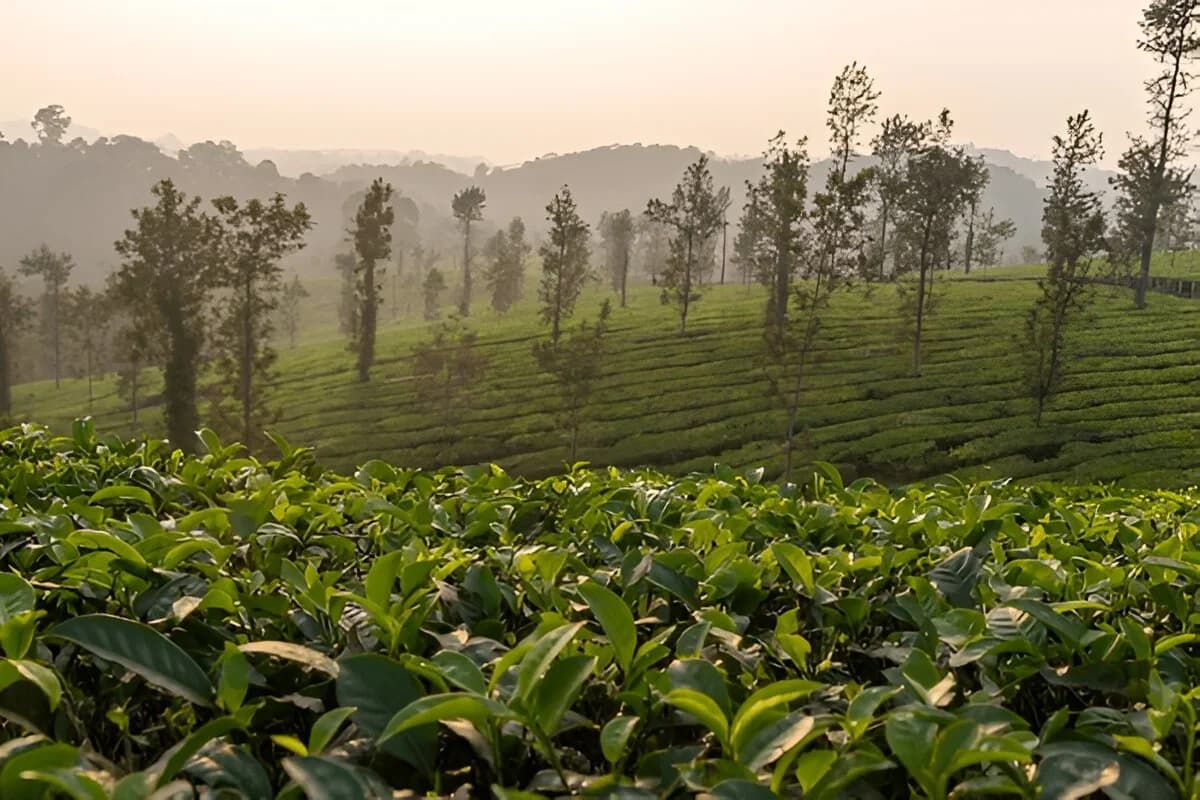
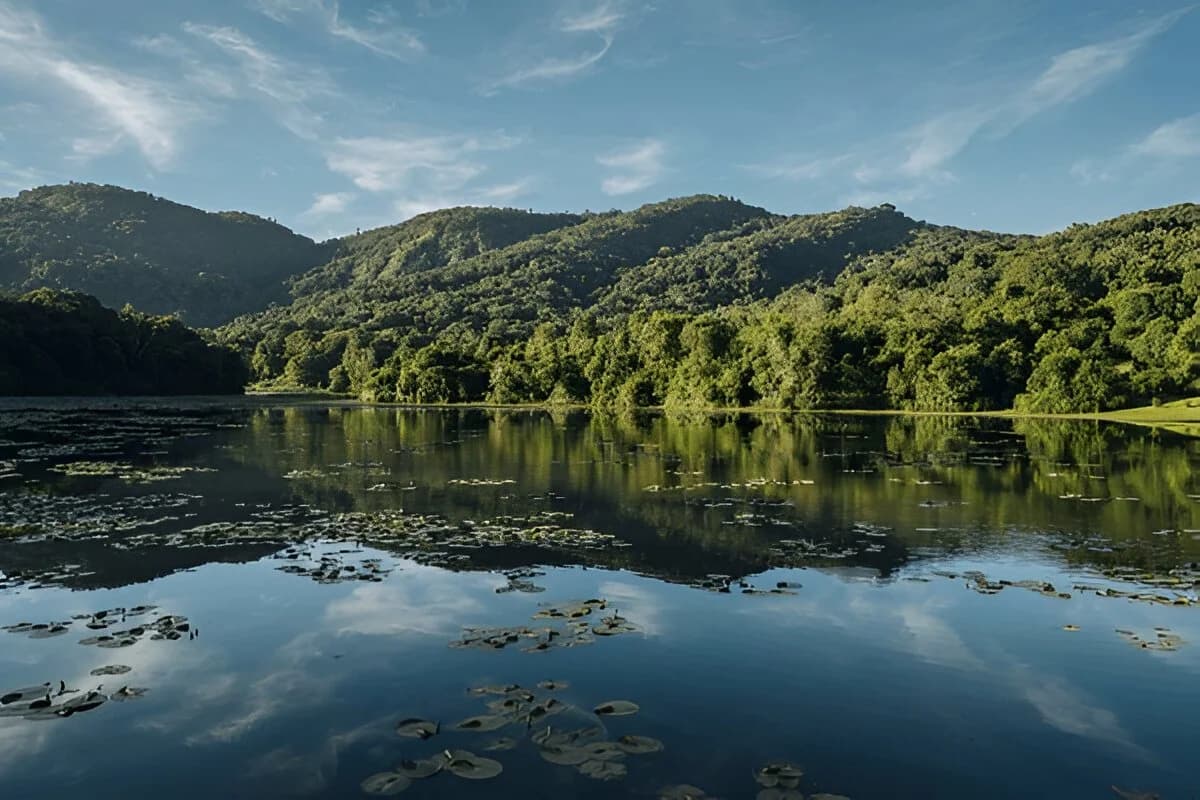
Overview of Coorg: Located away in the Western Ghats of Karnataka, Coorg—also known as Kodagu—is one of the most beautiful hill stations in South India. With its lush green hills, coffee estates, and cool climate, it feels like a piece of heaven on Earth. Coorg is a pretty place; it also has an interesting past. It was once a small kingdom ruled by the Haleri dynasty before becoming part of the British Empire in the 19th century. The local people, called Kodavas, are known for their unique culture, love for nature, and proud warrior history. Coorg is not just about landscapes; it’s also a great spot for travelers. Whether you’re a nature lover, an adventurer, or just someone looking to relax, Coorg is great destination for both. This is why people book South India tour packages that include Coorg—because it’s the kind of place that you simply shouldn’t miss.  What are the Key Highlights & Attractions of Coorg: Abbey Falls: Located amidst a private coffee estate, this beautiful waterfall is a must-see. The sound of the water crashing and the cool breeze make it perfect for photos and a peaceful break. Dubare Elephant Camp: Here, you can interact with elephants, feed them, and even help in their bath. It’s an amazing experience, especially for kids and animal lovers. Coffee Plantations: Coorg is famous for its coffee. Walking through these plantations, you’ll smell fresh coffee beans and learn how your morning coffee is made from scratch. Namdroling Monastery: Also known as the Golden Temple, this Tibetan monastery is full of color, prayer flags, and peaceful energy. It’s a different side of Coorg, filled with spiritual vibes. Mandalpatti Viewpoint: This place is known for its breathtaking views. A bumpy jeep ride takes you to the top, where you’ll see green hills and endless skies. It’s perfect for those who enjoy nature and photography. Travel Tips & Essential Information for Coorg: Best Time to Visit: Coorg is pleasant throughout the year, but the best time is from October to March. The weather is cool, and it’s great for sightseeing and outdoor activities. How to Reach: The nearest airport is Mangalore (160 km away). The nearest railway station is Mysore (120 km away). From there, you can hire a cab or take a bus to Coorg. Where to Stay: Coorg has many options—budget hotels, homestays, and luxury resorts. If you want a more local experience, choose a homestay in a coffee estate. What to Pack: Carry light jackets, especially if you’re going in winter. Comfortable shoes are a must for sightseeing and nature walks. Don’t forget your umbrella or raincoat if you’re visiting during the monsoon. Food to Try: Don’t leave Coorg without trying Pandi Curry (pork curry), Kadambuttu (rice balls), and local filter coffee. The food here is spicy and full of flavor. Local Transport: Public transport is limited, so hiring a cab or a bike is a better idea to move around and explore the area comfortably. Also Read: Places to visit in South IndiaMust Read: Things to do in South India

Read More

Thanjavur
May 30, 20253 Minutes
Thanjavur
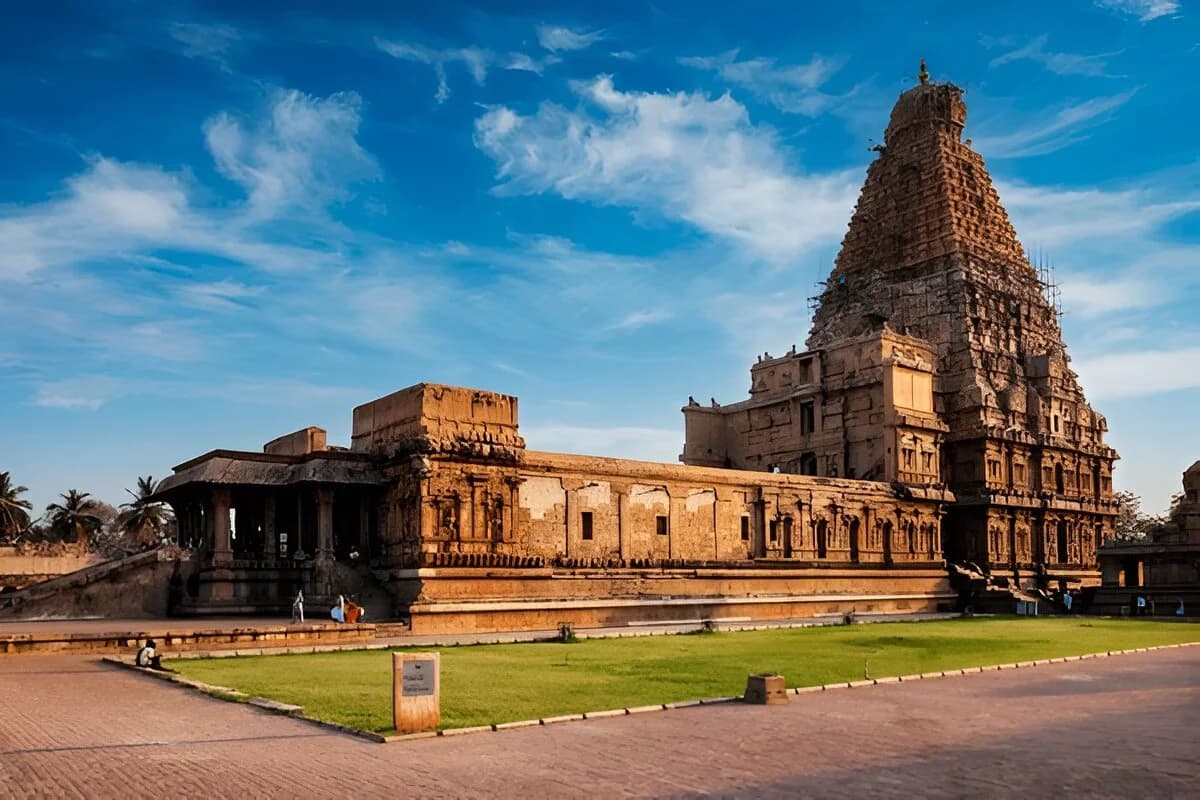
Overview of Thanjavur: Thanjavur, also called Tanjore, is a beautiful city in Tamil Nadu, known for its grand temples, classical music, and old-world charm. It was once the capital of the Chola dynasty, one of the most powerful kingdoms in South India. During their rule, the Cholas built many temples and promoted art, culture, and literature. The famous Brihadeeswara Temple, a UNESCO World Heritage Site, was built by Raja Raja Chola I in the 11th century and still stands tall today. This city is not just about temples. Thanjavur is also known for Tanjore paintings, which are handmade art pieces with gold foil, and Carnatic music, which is practiced and performed here even today. The city also has many palaces, museums, and local markets where you can experience the rich culture of Tamil Nadu. If you are planning a vacation, Thanjavur is a must-add destination in your itinerary. And if you’re looking for a complete travel experience, our customizable South India tour packages are a great way to explore Thanjavur along with nearby gems like Madurai, Rameswaram, and Kanyakumari. What are the Key Attractions of Thanjavur: 1. Brihadeeswara Temple: Architectural Wonder: Built over 1,000 years ago, this temple is an engineering marvel with a huge tower that’s over 200 feet tall. Cultural Heritage: It is dedicated to Lord Shiva and is still active, with daily prayers and festivals attracting thousands of visitors. 2. Thanjavur Maratha Palace: Royal Touch: Once home to the Maratha kings, this palace is a mix of Tamil and Maratha styles with spacious halls and ancient towers. Art Gallery: Inside the palace, there is a museum that holds Chola bronzes, stone sculptures, and ancient manuscripts. 3. Saraswathi Mahal Library: Historical Collection: One of Asia’s oldest libraries, it has rare palm-leaf manuscripts and old books written in many Indian languages. Open to Visitors: You can walk through and see some of the displayed works — it’s a must for history lovers. 4. Rajaraja Cholan Manimandapam: Tribute to a King: This monument celebrates the great Chola king who built the Brihadeeswara Temple. Peaceful Park: The surrounding garden is quiet and good for an evening walk or to sit and relax. 5. Thanjavur Art Gallery: Tanjore Paintings: You’ll find beautiful traditional paintings that use gold foil and bright colors — a treat to the eyes. Craft Showcase: The gallery also exhibits traditional crafts, bronze idols, and local artistry. 6. Punnainallur Mariamman Temple: Spiritual Stop: This is a famous temple dedicated to the goddess Mariamman, known for its powerful presence. Festive Feel: The temple is often crowded during festivals, especially by locals who come for blessings. Travel Tips & Essential Information for Thanjavur: Best Time to Visit: October to March is the best time. The weather is pleasant, and it’s ideal for sightseeing. How to Reach:By Train: Thanjavur has its own railway station, well-connected to Chennai, Madurai, and Trichy.By Air: The nearest airport is in Tiruchirappalli (Trichy), about 60 km away.By Road: Good roadways connect Thanjavur to nearby cities. Buses and cabs are easily available. What to Wear: Wear cotton clothes if you visit in summer. Don’t forget to carry a hat and sunscreen. For temple visits, dress modestly. Language: Tamil is widely spoken, but many locals understand basic English and Hindi. Local Food: Try South Indian dishes like dosa, sambar, idli, and Thanjavur’s famous banana chips. Many restaurants also serve North Indian food.Shopping Tip: Buy Tanjore paintings, bronze idols, and silk sarees as souvenirs. Also Read: Places to visit in South IndiaMust Read: Things to do in South India

Read More

Madurai
May 30, 20253 Minutes
Madurai
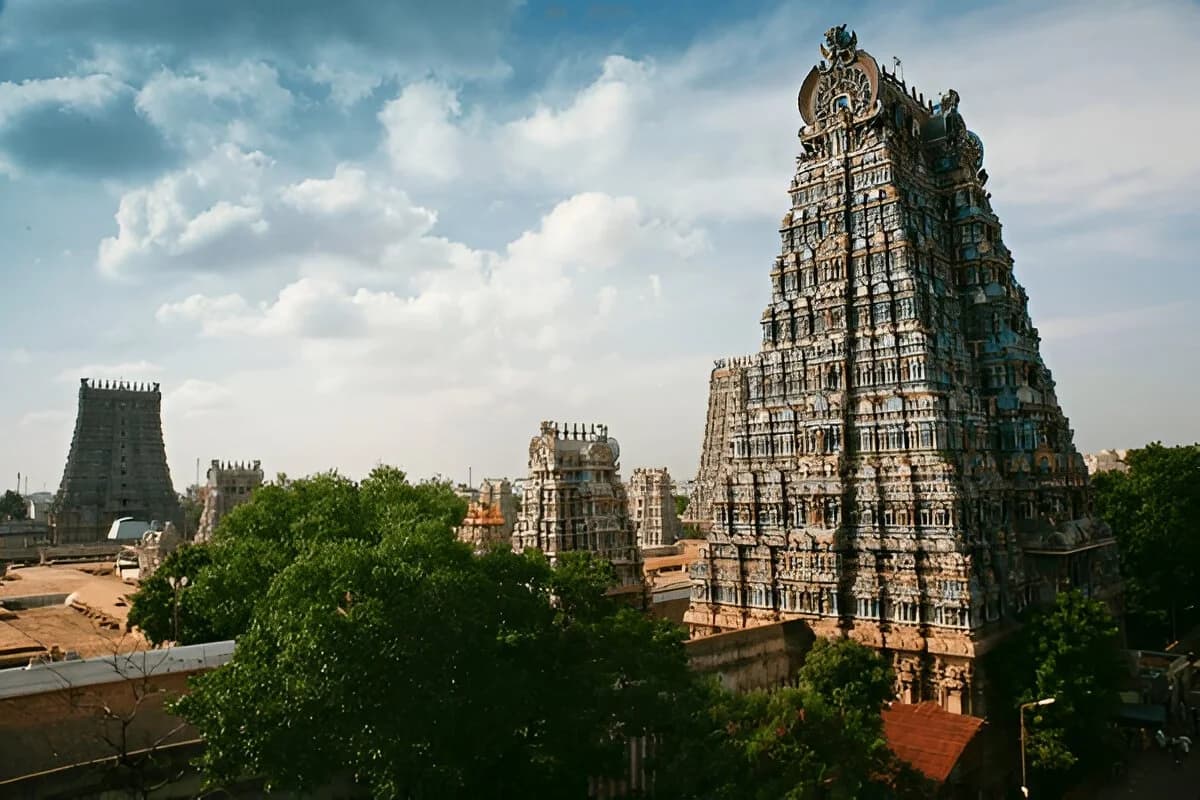
Overview of Madurai: Madurai, one of the oldest cities in India, is located in the heart of Tamil Nadu. It has been continuously inhabited for over 2,500 years. Known as the Athens of the East, Madurai was once ruled by the mighty Pandya kings and later by the Nayaks, who left behind grand temples and palaces. The city has always been a major center for learning, culture, and religion. The Meenakshi Amman Temple is the city’s crown jewel. Every year, lakhs of tourists and devotees come here just to see this marvel. But Madurai is not just about temples. It’s a mix of history, street food, shopping, and real South Indian culture. If you’re planning a trip to Tamil Nadu or anywhere in the southern part of the country, our South India tour packages offer a well-planned, budget-friendly way to explore Madurai and nearby places. These packages include travel, accommodation, and guided tours, so you can sit back and enjoy. What are the Popular Attractions of Madurai: 1. Meenakshi Amman Temple: Architectural Wonder: The temple is famous for its tall gopurams (towers) filled with colorful statues. Each corner tells a story from Hindu mythology. Spiritual Atmosphere: It’s not just a tourist spot; it’s a place where you’ll truly feel peace and devotion in the air. 2. Thirumalai Nayakkar Mahal: Royal Touch: This palace was built in the 17th century and shows a mix of Dravidian and Islamic styles. Light & Sound Show: In the evening, a show explains the rich history of Madurai and the palace in simple language and visuals. 3. Gandhi Memorial Museum: Freedom Struggle Connection: This museum has rare photos and items used by Mahatma Gandhi. It gives a good insight into India’s freedom struggle. Peaceful Visit: Located inside the Tamukkam Palace, the calm surroundings make it a peaceful stop during your trip. 4. Vandiyur Mariamman Teppakulam: Massive Temple Tank: This is one of the largest temple tanks in South India. It connects to the Meenakshi Temple by an underground channel. Float Festival: If you visit in January or February, don’t miss the colorful Float Festival held here. 5. Koodal Azhagar Temple: Artistic Interiors: This temple is dedicated to Lord Vishnu and is known for its beautiful sculptures and carvings. Quiet Devotion: It’s less crowded than Meenakshi Temple, perfect for some peaceful time. 6. Banana Market (Wholesale Market): Local Flavor: Madurai is famous for bananas. This market has hundreds of banana varieties. Photo Spot: The busy market lanes and piles of bananas make for great photos and fun stories to share. Travel Tips & Essential Information for Madurai: Best Time to Visit: October to March is the best time. The weather is cooler and good for sightseeing. Avoid Peak Summer: April to June can be very hot, with temperatures going above 40°C. How to Reach: By Air: Madurai has its own airport with flights from major cities like Chennai, Bengaluru, and Mumbai.By Train: The city is well-connected by trains. Madurai Junction is a big station with trains from across India.By Road: You can take buses or taxis from nearby cities like Chennai (460 km), Coimbatore (215 km), or Rameswaram (170 km). Book Early: If you’re visiting during a festival or school holidays, book your stay in advance to avoid the last-minute rush. Local Culture Tips: Dress Modestly: When visiting temples, wear clothes that cover your shoulders and knees. Respect Traditions: Photography is not allowed inside some temple areas. Follow the rules and maintain silence inside temples. Also Read: Places to visit in South IndiaMust Read: Things to do in South India

Read More

Chennai
May 30, 20253 Minutes
Chennai
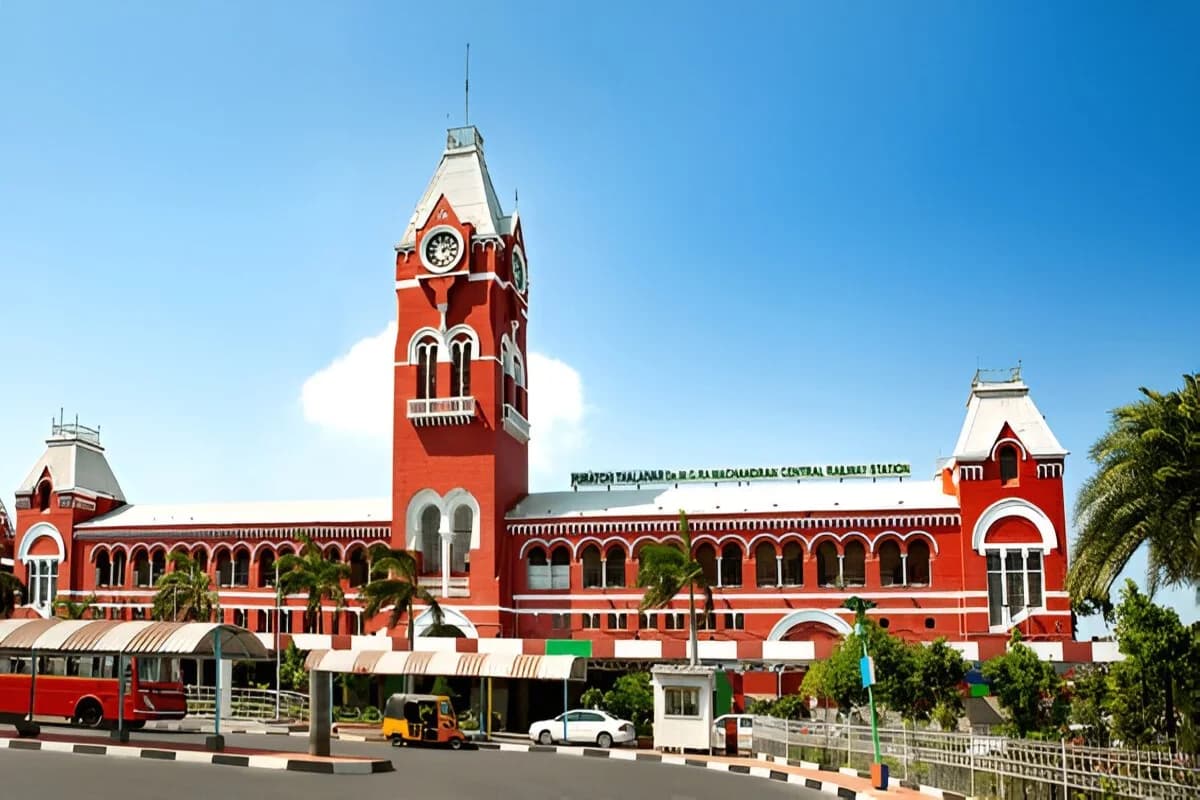
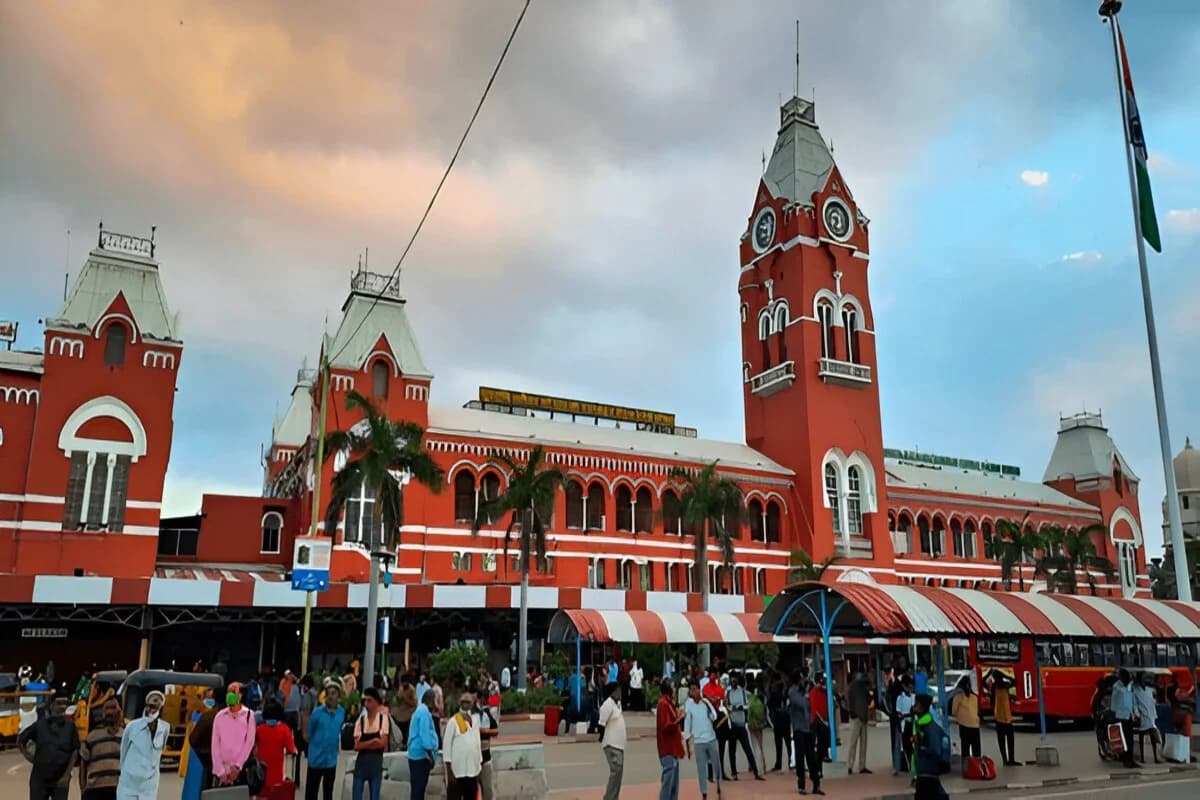
Overview of Chennai: Chennai is one of those cities that doesn’t try to impress you at first glance, but the more time you spend here, the more it grows on you. If you’re browsing through South India tour packages, don’t overlook Chennai.  It’s where tradition and modern life run side by side. One moment, you’re walking past a centuries-old temple, and the next, you’re sipping filtered coffee at a stylish café. The Marina Beach stretches endlessly, offering space to breathe and watch life unfold. Mylapore buzzes with the sound of temple bells, Carnatic music, and street food sellers. Art, cinema, Bharatanatyam, and silk — it all lives here in its truest form. Chennai is a city that knows who it is and doesn’t pretend otherwise. It may not be loud about its charm, but for those who pay attention, it offers something quietly unforgettable. What are the Key Highlights of Chennai: 1. Marina Beach – More Than Just Sand: One of the longest urban beaches in the world, Marina Beach is where locals walk at dawn, families gather at dusk, and the city finds a breath of calm. 2. Kapaleeshwarar Temple – Tradition Still Lives Here: This 7th-century temple in Mylapore is not just a place of worship — it’s the heart of cultural Chennai. The architecture and atmosphere are timeless. 3. Fort St. George – Where the Colonial Past Lingers: Built by the British East India Company, this historic fort tells the story of Chennai’s colonial chapter and still houses the Tamil Nadu Assembly. 4. DakshinaChitra – A Village of Stories: A unique heritage museum just outside the city that brings together art, craft, architecture, and traditions of South India in an open-air setting. 5. Chennai’s Music Season – A Cultural Phenomenon: Every December and January, the city transforms into a stage for classical music and dance — it’s a celebration unlike any other. Timings & Entry Fees for Chennai: Marina Beach is open to the public all day, with early mornings and evenings being most pleasant. Kapaleeshwarar Temple opens from 5:00 AM to 12:00 PM and 4:00 PM to 9:00 PM, with free entry. Fort St. George charges around ₹15–₹25 for entry. DakshinaChitra’s entry is approx. ₹100 per adult. Travel Tips / Essential Information For Chennai: Best Time to Visit: Chennai’s cooler months—November to February—are ideal for exploring comfortably, especially if you’re attending the Music Season. Dress & Culture: Chennai is traditional at heart. Lightweight cotton clothing is perfect, and modest dress is appreciated, especially in temples and cultural spaces. Getting Around: Auto-rickshaws are common, but using ride apps like Ola and Uber is more reliable for pricing. The city also has a good suburban rail network. Food to Try: Don’t leave without tasting idli-sambar, filter coffee, Chettinad chicken, and fresh seafood by the beach. Language & Interaction: While Tamil is the local language, English is widely spoken. People are generally helpful and polite. Unique Experience: Walk through Mylapore in the early morning — the temple, the smell of jasmine, the rhythm of life — it’s Chennai at its most authentic. Also Read: Places to visit in South IndiaMust Read: Things to do in South India

Read More

Rameswaram
May 30, 20253 Minutes
Rameswaram
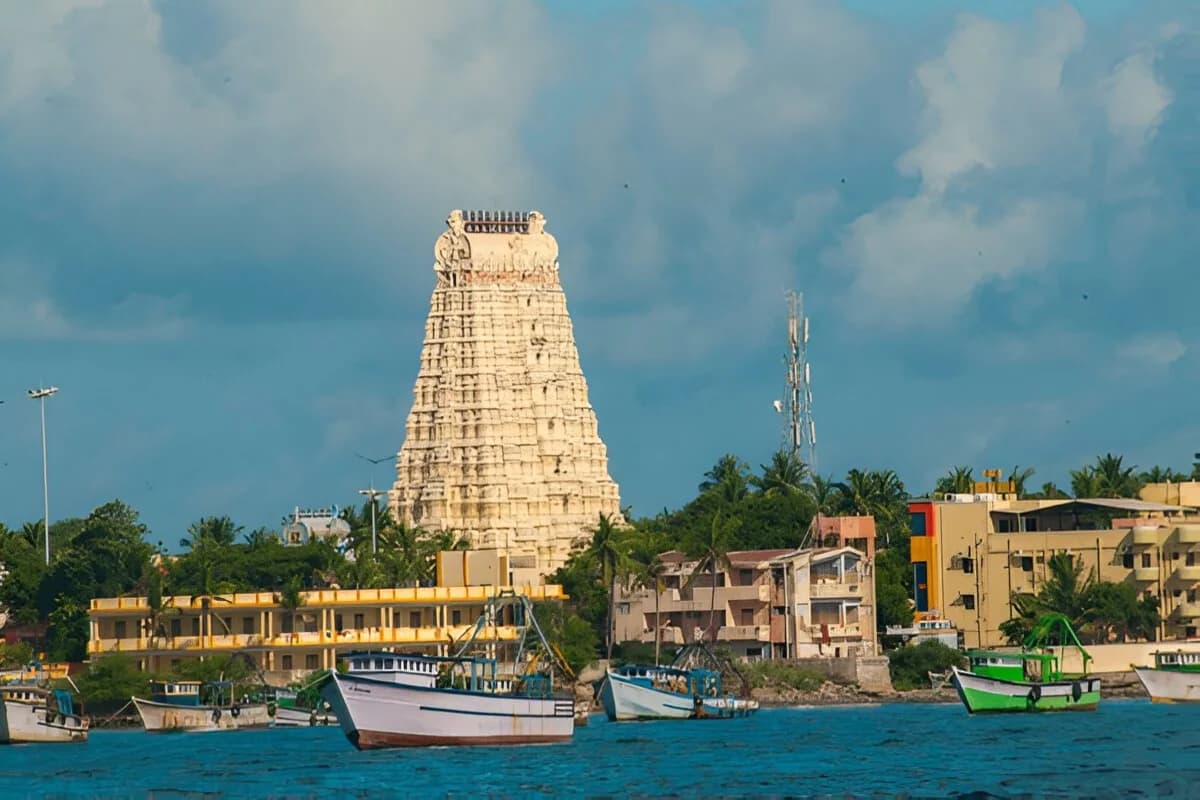
Overview of Rameswaram: Rameswaram, on Pamban Island in Tamil Nadu, is a calm and sacred place in South India. It is one of the four important Char Dham pilgrimage sites in Hinduism and holds a special place in India’s spiritual history. For those exploring South India tour packages, Rameswaram offers a chance to find peace and connect with ancient stories. The town is famous for the Ramanathaswamy Temple, dedicated to Lord Shiva, which is believed to be where Lord Rama prayed before his journey to Lanka. The temple’s long corridors and holy wells draw thousands of visitors every year. But Rameswaram is not just about temples—it also has quiet beaches, beautiful views, and interesting places to explore. You can take a walk on the famous Pamban Bridge, visit the nearby abandoned town of Dhanushkodi, or simply enjoy the soothing sea breeze. Rameswaram truly offers something special for every traveller. What are the Key Highlights of Rameswaram: 1. Ramanathaswamy Temple: One of India’s most sacred temples, it’s famous for its large corridors, 22 holy wells, and religious importance. Pilgrims come here to perform rituals and seek blessings. 2. Agni Theertham: Just outside the temple, this beach is where pilgrims take a ritual dip. It’s also a calm, peaceful place to relax by the sea. 3. Pamban Bridge: This is India’s first sea bridge, offering scenic views of the Bay of Bengal. Watching trains cross the bridge over the ocean is truly memorable. 4. Dhanushkodi: A short drive from Rameswaram, this quiet, ruined town tells stories of past tragedies. It’s now a peaceful place where land meets sea. 5. Gandhamadhana Parvatham: This small hill offers panoramic views of Rameswaram and is believed to carry Lord Rama’s footprints. Timings & Entry Fees for Rameswaram: Ramanathaswamy Temple is open daily from 5:00 AM to 1:00 PM and 3:00 PM to 9:00 PM. Entry is free, but special darshan tickets are available for a small fee. Other attractions like beaches and Dhanushkodi are open throughout the day and do not charge an entry fee. Travel Tips / Essential Information for Rameswaram: Best Time to Visit: Visit between October and March for pleasant weather. Summers can be very hot and humid. Dress Code: Temples require modest clothing. Traditional or simple attire is recommended, especially inside religious places. Accommodation Options: Budget lodges to mid-range hotels are available in Rameswaram. Book early during holidays or festivals. Getting Around: Auto-rickshaws and taxis are easily available. For local exploration, renting a two-wheeler is a good option. Food Availability: The town offers mostly vegetarian meals, especially near temple areas. Traditional South Indian thalis are popular. Cultural Respect: Avoid wearing footwear inside temple complexes and follow any posted rules. Be respectful during rituals. Connectivity: Mobile networks are available, and the town is well connected by road and rail to major Tamil Nadu cities. Also Read: Places to visit in South IndiaMust Checkout: Things to do in South India

Read More

Kanyakumari
May 30, 20253 Minutes
Kanyakumari
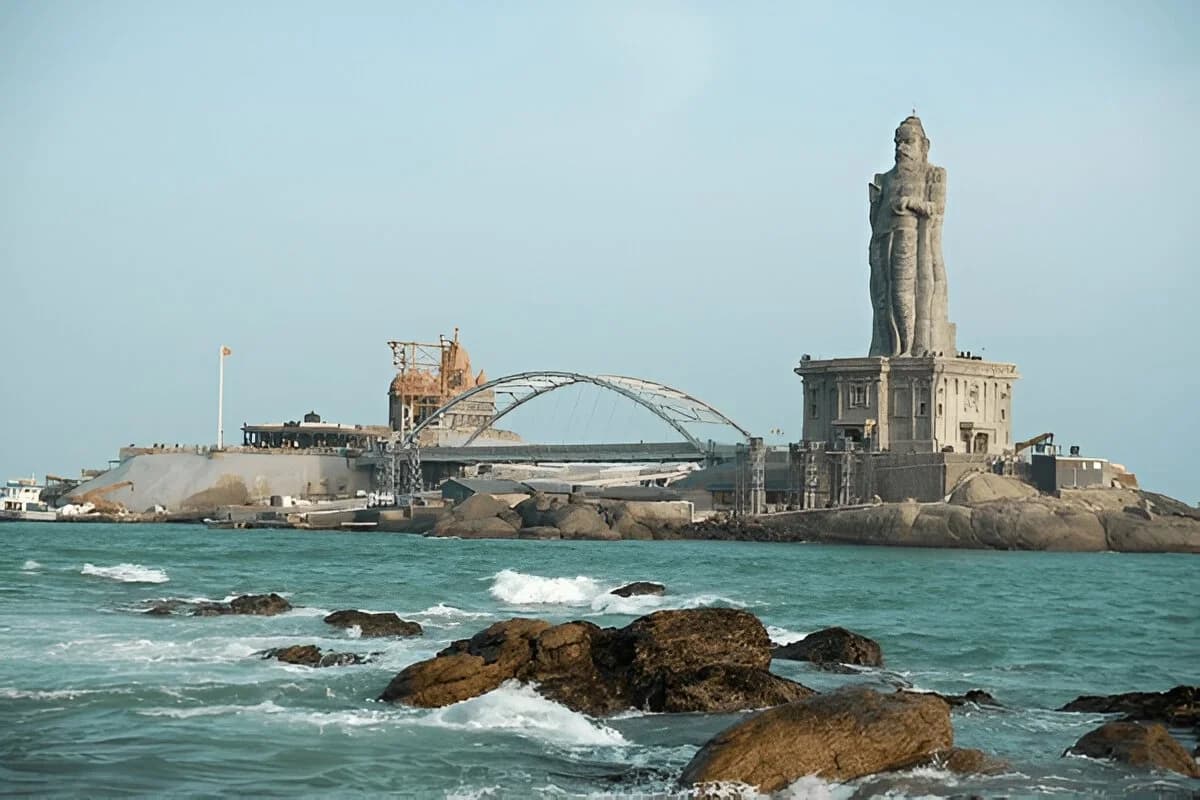
Overview of Kanyakumari: Kanyakumari, located at the southernmost point of mainland India, is a beautiful coastal town known for its spiritual charm, cultural richness, and scenic beauty. It’s the unique meeting point of the Arabian Sea, Bay of Bengal, and Indian Ocean. This small town is often included in South India tour packages for its peaceful vibe and iconic attractions. People come here to witness the stunning sunrise and sunset over the ocean, something truly special. The Vivekananda Rock Memorial, built on a rock island, is a major highlight, along with the towering Thiruvalluvar Statue. The town also has ancient temples, quiet beaches, and simple street markets. Whether you want to meditate by the sea, explore history, or just enjoy the breeze, Kanyakumari offers something for every kind of traveller. It’s a peaceful escape with stories told through its land, sea, and soul. What are the Key Highlights of Kanyakumari: 1. Vivekananda Rock Memorial: This iconic memorial sits on a rock island and honors Swami Vivekananda. Visitors take a short ferry ride to reach the site and enjoy peaceful views and spiritual calm. 2. Thiruvalluvar Statue: Next to the memorial stands a 133-foot statue of the Tamil poet Thiruvalluvar, representing his 133 chapters of wisdom. It’s a major cultural symbol. 3. Sunrise and Sunset Point: Kanyakumari is one of the few places in India where you can watch both sunrise and sunset over the ocean, making it a must-visit for nature lovers. 4. Kanyakumari Temple: This ancient temple is dedicated to the goddess Kanyakumari and is an important place of worship, rich in myth and tradition. 5. Gandhi Memorial: Built where Mahatma Gandhi’s ashes were kept before immersion, this spot is quiet and full of historical value. Timings & Entry Fees for Kanyakumari: The Vivekananda Rock Memorial is open daily from 8:00 AM to 4:00 PM, with an entry fee of ₹20 for adults and ferry charges of around ₹50. The Thiruvalluvar Statue is accessible via the same ferry. Other spots like the temple and the beach are open from early morning until sunset. Travel Tips / Essential Information for Kanyakumari: Best Time to Visit: Plan your trip between October and March for pleasant weather and clear skies for sunrise and sunset views. Dress Modestly: Temples and memorials require conservative clothing. Avoid sleeveless tops and shorts during visits. Getting There: Kanyakumari is well-connected by train and road. The nearest airport is in Thiruvananthapuram, about 90 km away. Local Travel: Auto-rickshaws and rented bicycles are good for short distances. Most attractions are close to each other. Accommodation: You’ll find budget hotels to mid-range lodges within walking distance of the seashore and temple area. Respect Local Customs: Photography may not be allowed inside some temples. Be mindful of local traditions during visits. Keep Essentials Handy: Carry water, sunscreen, and a hat while exploring outdoor sites, especially during the day. Also Read: Places to visit in South IndiaMust Checkout: Things to do in South India

Read More

Things to Buy in Thailand
May 30, 20258 Minutes
Things to Buy in Thailand
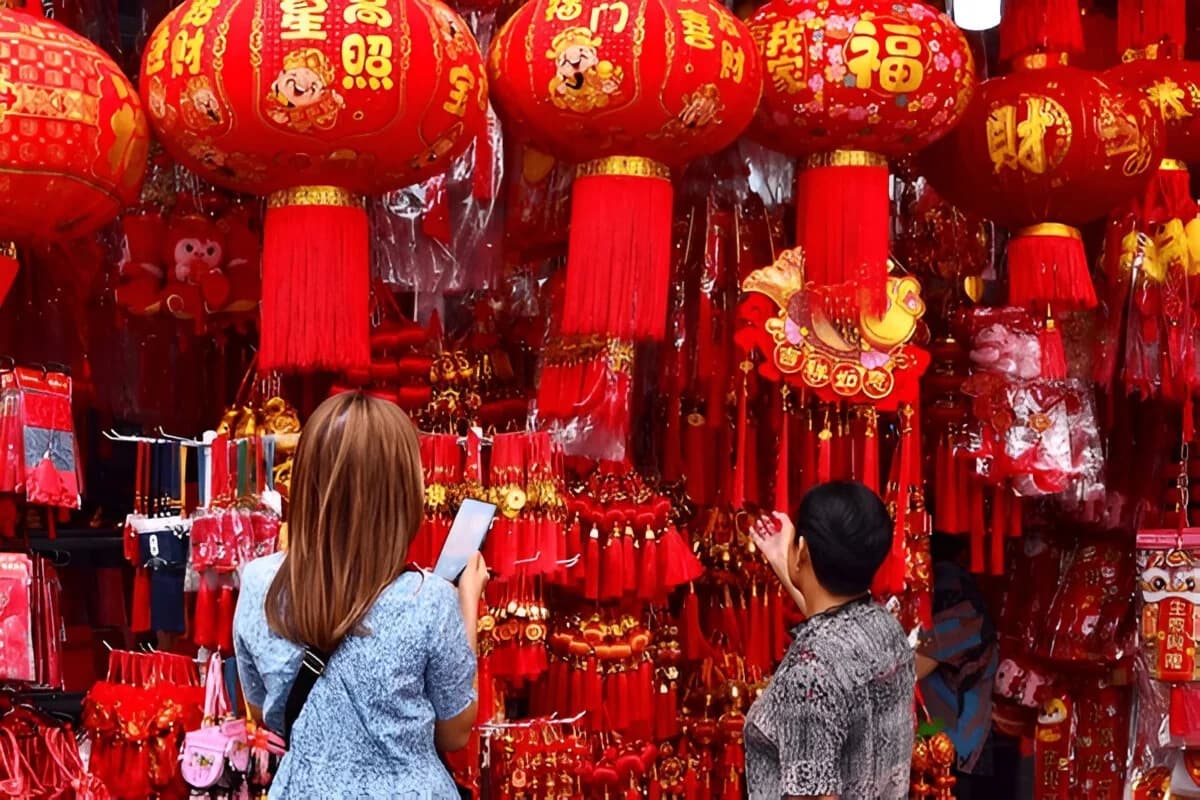
Thailand is a fun place to visit, not just for beaches and temples, but also for shopping. Everywhere you go, there’s something new to see and buy—colourful markets, small shops, and local crafts that show off the culture. From tasty snacks and handmade bags to comfy clothes and natural beauty products, there’s always something special to take home. Many Thailand tour packages even include stops at markets and shopping spots, so you can enjoy it all while exploring. If you’re planning your trip, don’t forget to check out what to buy. This blog will guide you through the best and most interesting things to buy in Thailand. These items make great souvenirs for yourself or gifts for family and friends. Plus, they’re a nice way to remember your time in the country. Let’s take a look at what you can shop for when visiting this beautiful and lively country. Top 10 Things to Buy in Thailand: 1. Thai Silk and Cotton: Thai silk is soft, shiny, and full of colour. It’s one of the most well-known things to buy in Thailand. You’ll see scarves, shirts, dresses, and cushion covers made with this lovely fabric. Thai cotton is also very popular, especially in villages where locals still weave it by hand. You can find these in local markets, big shopping streets, or small village shops. They make wonderful gifts and are easy to carry in your suitcase. 2. Traditional Handicrafts: If you enjoy buying items that have a story behind them, Thai handicrafts are a perfect choice. These include carved wooden items, painted paper umbrellas, handmade bags, and bamboo products. The details and colours in these items reflect the culture and traditions of Thailand. These are some of the most meaningful things to buy in Thailand, especially if you want something handmade. Local markets in Chiang Mai and small shops across Bangkok are great places to explore. 3. Snacks and Spices: Thailand is known for its tasty food, and luckily, you can take a little of that flavour home with you. Local snacks like dried mango, coconut chips, and spicy peanuts are fun to try. You can also find curry pastes, tom yum soup mix, and Thai spices in easy-to-carry packs. These are perfect gifts for food lovers and a fun way to remember your trip. Markets and stores across Thailand are full of options to choose from. 4. Herbal and Coconut Products: One of the best Thailand famous things is the wide range of coconut and herbal products. From soaps and shampoos to oils and balms, these items are natural, fragrant, and useful. Many people buy them as gifts or souvenirs for loved ones. Coconut oil is often used for both beauty and cooking, and herbal balms help with aches and colds. You’ll find these items in markets, local beauty stores, and even convenience shops. 5. Thai Fashion and Clothes: Thailand is a great place for picking up light, colourful clothes. You’ll see elephant pants, beach dresses, handmade bags, and cute t-shirts almost everywhere. The style is relaxed, perfect for travel, and easy to wear. This is one of the easiest and most fun things to buy in Thailand, especially if you want to dress like a local or just enjoy cool, affordable fashion. Shops in Bangkok and Chiang Mai are full of options for every taste. 6. Jewellery and Accessories: If you’re into accessories, Thailand has some lovely silver jewellery, beads, and gemstone pieces. Many are handmade, giving each item a personal touch. From small rings and earrings to bold necklaces and bracelets, you’ll find lots of variety. Markets in Chiang Mai and street vendors in tourist areas often sell these. They make great gifts and are easy to carry home in your bag. 7. Ceramics and Pottery: Thai ceramics are beautiful and often painted by hand. Bowls, plates, mugs, and jars come in many colours and designs. The famous Benjarong style, with detailed patterns and gold lining, is especially popular. These are good things to buy in Thailand if you enjoy unique home items. Just be careful while packing them—they’re delicate but worth it. 8. Herbal Tea and Natural Remedies: If you’re into health and wellness, Thai herbal teas are worth a try. Butterfly pea tea, lemongrass tea, and ginger blends are not only tasty but also known for their health benefits. You can also find herbal compress balls and natural oils used in traditional Thai massages. These make peaceful, thoughtful gifts and help you bring a bit of that relaxing Thai spa vibe back home. 9. Buddhist Amulets and Lucky Charms: Buddhist amulets are small charms often blessed by monks and believed to bring luck, love, or protection. Many locals wear them or keep them in their homes or cars. As a visitor, these can be meaningful souvenirs that hold spiritual value. You can find these at amulet markets, temples, or special shops around Thailand. They’re simple but powerful reminders of Thai beliefs and traditions. 10. Muay Thai Souvenirs: Muay Thai, the famous Thai boxing sport, is a big part of the local culture. If you’ve watched a fight or trained at a gym, you might want to take home some Muay Thai gear. Gloves, shorts, or even t-shirts with gym logos are popular picks. These are special things to buy in Thailand for sports lovers or those who enjoy martial arts. It’s a great way to remember a unique experience from your trip. Final Tips for Shopping in Thailand: Thailand is filled with colorful markets, friendly vendors, and shops that are fun to explore. Here are a few tips to help: Try bargaining at local markets—do it kindly and with a smile. Always check if your items are handmade or mass-produced. Pack breakables carefully if you’re buying anything fragile. Keep some space in your suitcase—you’ll probably end up buying more than planned! Frequently Asked Question About Things to Buy in Thailand: What is Thailand famous for buying? A. Thailand is famous for buying silk, handmade crafts, herbal products, snacks, and silver jewellery. You’ll also find unique souvenirs like coconut oil items, carved soaps, and elephant-themed gifts in many local markets. What is cheaper to buy in Thailand? A. Clothes, accessories, skincare items, and street market goods are much cheaper in Thailand than in many other countries. Local snacks, herbal balms, and handmade souvenirs also offer great value for money. What is the best thing to get from Thailand? A. One of the best things to get from Thailand is Thai silk—it’s beautiful, high-quality, and makes a perfect gift. Other popular items include spa products, handmade bags, and local spices, which capture the spirit of Thailand. Also Read: Places to Visit in Thailand

Read More

Deserts in Europe
May 30, 20259 Minutes
Deserts in Europe
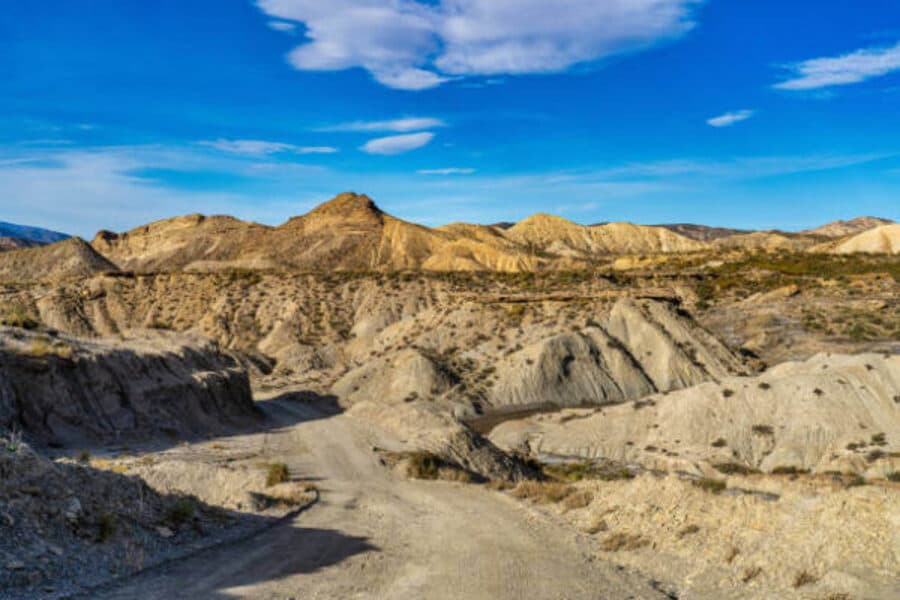
When you think of Europe, what usually comes to mind? Beautiful cities, snowy mountains, green countryside, and cosy villages, right? But here is something most travellers don’t expect—deserts in Europe. Yes, real deserts with dry lands, dunes, and wide, open spaces. While Europe isn’t known for extreme heat like Africa or the Middle East, it still has a few unique deserts that surprise visitors with their strange beauty. If you plan your next adventure, some of these places might be worth adding to your Europe tour packages for a truly offbeat experience. These deserts aren’t always sandy like the Sahara. Some are rocky, some are dry grasslands, and others feel more like dry moonscapes. But each one offers a completely different travel experience. Whether you love photography, quiet walks, or exploring rare landscapes, visiting these deserts in Europe could be something different for your travel bucket list. Top Deserts in Europe: Here are 8 fascinating deserts in Europe you can visit, along with their location and best visiting time. 1. Tabernas Desert – Spain: The Tabernas Desert in southern Spain is Europe’s largest desert in Europe. It receives less than 250 mm of rainfall per year, which makes it the only true semi-arid desert in continental Europe. What makes Tabernas truly special is its resemblance to the landscapes of the American Southwest. Many classic Spaghetti Westerns were filmed here in the 1960s and 70s, including famous titles like The Good, The Bad and The Ugly. Today, you can even visit old film sets that have been turned into mini theme parks with cowboy shows and saloons. The rock formations, dry riverbeds, and open plains make it perfect for walking trails, nature tours, or simply soaking in the wild silence. Location: Almería, Andalusia, Spain Best time to visit: October to April (cooler temperatures and less intense sun) 2. Błędów Desert – Poland: The Błędów Desert might be one of the most unexpected places in Poland. Located in the Silesian region, this desert covers about 32 square kilometres and is often called “Poland’s Sahara.” It was created during the Ice Age, and human activities like deforestation later caused more sand to spread, giving it a desert-like appearance. In the past, it was used for military exercises and even by the German army during World War II. Today, it’s a peaceful area where tourists can take walking trails through dunes, enjoy guided tours, and learn about its unique history. It’s a reminder that not all deserts in Europe are natural—some come with stories. Location: Silesian Voivodeship, southern Poland Best time to visit: May to September 3. Oltenian Sahara – Romania: The Oltenian Desert, also called the Romanian Sahara, is one of Europe’s strangest deserts. It wasn’t always a desert—it formed over time because of overgrazing, deforestation, and climate change. What remains now is an 80-square-kilometre patch of sandy land in Dolj County. It has very little vegetation and strong winds that blow the sand across nearby villages. Some locals have even built fences to stop the sand from covering roads. This desert is growing slowly every year, which raises concerns about desertification in Europe. For travellers, it offers a surreal, dry landscape and a glimpse of how nature can change when not cared for. Location: Dolj County, southern Romania Best time to visit: April to June or early autumn 4. Highlands of Iceland – Iceland: You won’t find dunes in Iceland, but the Highlands of Iceland are considered a kind of cold desert. These volcanic deserts are made up of black sand, ash, lava rocks, and almost no plant life. The weather is unpredictable, and strong winds blow across the barren land, giving it a very harsh, otherworldly look. Because most of the highland roads are only open in summer, you can only visit during a short window each year. Driving through this area feels like being on another planet, with landscapes shaped by volcanoes and glaciers. It’s a must-see for adventurous travellers looking for something far from the usual stops in Europe. Location: Central Iceland Best time to visit: June to August 5. Deliblato Sands – Serbia: The Deliblato Sands is one of the largest sandy areas in Europe, often nicknamed the “European Sahara.” Unlike other deserts in Europe, this one is made up of dunes, steppe-like grasslands, and even forests. The area is also a special nature reserve, home to many rare species of birds, butterflies, and plants. It stretches across about 300 square kilometers and offers excellent opportunities for hiking, birdwatching, and nature photography. While it doesn’t feel as dry as the Tabernas or Błędów deserts, it still counts due to its sandy soil and semi-arid environment. Location: Vojvodina, northeastern Serbia Best time to visit: May to October 6. Accona Desert – Italy: Tuscany is usually known for rolling green hills and vineyards, but the Accona Desert shows a completely different side of the region. This desert is also called the “Crete Senesi,” known for its white clay soil, deep gullies, and barren hills. It looks dry and cracked, especially in summer, giving it a desert-like vibe. Even though there’s no sand, the dryness, erosion, and sparse vegetation make it feel like a true desert. The area is quiet, peaceful, and great for walking tours. You can also explore nearby monasteries, historic villages, and scenic roads that make the visit even more interesting. Location: Near Siena, Tuscany, Italy Best time to visit: April to June and September to October 7. Las Bardenas Reales – Spain: The Las Bardenas Reales is a stunning semi-desert natural region located in Navarra, northern Spain. Covering over 42,000 hectares, this desert features clay, chalk, and sandstone landscapes shaped by centuries of wind and rain. You’ll see dramatic plateaus, dry canyons, and oddly shaped hills that look straight out of a sci-fi movie. It’s not a desert by temperature, but by its dry, eroded look. Many parts of this desert were used as filming locations for shows like Game of Thrones. Visitors can hike, bike, or drive through it (by designated routes), and it’s also a protected UNESCO Biosphere Reserve. If you’re looking to explore unique deserts in Europe, Las Bardenas Reales offers both raw beauty and easy accessibility, making it a great addition to any adventure. Location: Navarra, northern Spain Best time to visit: March to June or September to October 8. Monegros Desert – Spain: The Monegros Desert is located between Zaragoza and Huesca in northeastern Spain. It’s a semi-arid region with dry plains, strange rock formations, and a warm climate. This desert gets around 350 mm of rainfall annually and is one of the hottest and driest places in Spain after Tabernas. It’s also considered one of the biggest deserts in Europe in terms of area and landscape variety. It’s popular for hiking and photography due to its quiet beauty and dramatic landscapes. Every summer, it also hosts the Monegros Desert Festival, a huge electronic music event that brings people from around the world. So you can enjoy both nature and culture in one place. Location: Aragón, Spain Best time to visit: March to May or September Frequently Asked Questions About Deserts in Europe: 1. Are there any desert areas in Europe? A. Yes, there are! While Europe isn’t known for huge sand deserts like Africa or the Middle East, it does have several semi-arid and desert-like regions. Places like the Tabernas Desert in Spain, Błędów Desert in Poland, and Deliblato Sands in Serbia are all great examples. These are some of the biggest deserts in Europe, shaped by climate, soil, and wind over time. 2. Are there deserts in Italy? A. Yes! Italy has a small desert-like area called the Accona Desert in the region of Tuscany. It’s not a traditional desert with dunes, but it has dry, chalky land and very little vegetation. It’s one of the more unique deserts in Europe, especially because it’s surrounded by scenic farmland and rolling hills. 3. Which is the largest desert in Europe? A. The Tabernas Desert in Spain is widely known as the largest true desert in Europe. It’s located in the Almería province and is famous for its dry climate, rocky canyons, and even for being the filming location of many Hollywood westerns. It’s also one of the most visited deserts in Europe by travellers. 4. Can you visit deserts in Europe? A. Yes, most of them are open to visitors and are great for hiking, photography, or even music festivals! Some deserts, like Las Bardenas Reales in Spain or Monegros, have marked trails and are protected areas. If you’re booking Europe tour packages, you can even include stops to explore these amazing dry landscapes. Also Read: Places to Visit in EuropeMust Read: Things to do in Europe

Read More

Tamil Nadu
May 30, 20253 Minutes
Tamil Nadu
Overview of Tamil Nadu: Tamil Nadu, one of the most culturally rich states in South India, offers a remarkable blend of ancient heritage and scenic beauty. It is home to centuries-old temples with intricate architecture, serene hill stations, spiritual destinations, and coastal towns that reflect the state’s diverse charm. From the towering gopurams of Madurai and Thanjavur to the peaceful backwaters of Kumbakonam and the colonial streets of Puducherry, the region offers a variety of travel experiences. Tamil Nadu’s appeal lies in its history and natural beauty, cuisine, and traditions that continue to thrive in everyday life. Many South India tour packages feature Tamil Nadu prominently due to its unique ability to satisfy both the spiritual and the leisure-seeking traveller. Whether you’re interested in temple trails, coastal retreats, or hill station getaways, Tamil Nadu provides a rich and fulfilling journey. What are the Key Highlights of Tamil Nadu: Architectural Marvels: Explore the Meenakshi Amman Temple in Madurai, one of the most iconic temples in India. Known for its elaborate gopurams and detailed sculptures, this temple is an outstanding example of Dravidian architecture and religious devotion. Coastal Heritage: Kanyakumari, the southernmost tip of the Indian mainland, is known for its spiritual landmarks and scenic beauty. Visit the Vivekananda Rock Memorial and witness the stunning view where the Arabian Sea, Bay of Bengal, and Indian Ocean meet. Scenic Train Journeys: Experience the Nilgiri Mountain Railway, a UNESCO World Heritage Site. The toy train journey from Mettupalayam to Ooty passes through tunnels, bridges, and lush green hills, offering a nostalgic travel experience. Historic Temples: The Brihadeeswarar Temple in Thanjavur is a grand testimony to the Chola dynasty’s architectural excellence. This UNESCO-listed site is known for its massive structure and detailed stone carvings. Timings & Entry Fees for Tamil Nadu: Most temples and heritage sites in Tamil Nadu operate between 6:00 AM to 12:30 PM and 4:00 PM to 8:30 PM. Entry to temples is generally free, while historical monuments and museums may charge between ₹10 to ₹50 for Indian nationals and a higher fee for foreign visitors. Travel Tips / Essential Information for Tamil Nadu: Cultural Etiquette: Dress modestly, especially when visiting temples and religious places. Footwear is not allowed inside the temple premises. Language and Communication: Tamil is widely spoken, but English is understood in most tourist-friendly areas. Learning a few local phrases can be helpful. Best Time to Visit: Plan your trip between October and March for the most comfortable weather. Summers can be extremely hot, especially in interior regions. Transport and Connectivity: While buses and trains are available, hiring a private car offers more flexibility when visiting remote temples and hill stations. Payments and Essentials: Keep some cash handy for small purchases in rural areas. Carry sunscreen, hats, and light cotton clothing during warmer months. Food and Water Safety: The cuisine is predominantly vegetarian and can be spicy. Always drink bottled water and avoid consuming tap water in remote areas. Also Read: Places to visit in South IndiaMust Read: Things to do in South India

Read More

Karnataka
May 30, 20253 Minutes
Karnataka
Overview of Karnataka: Karnataka is one of those rare places where ancient history, natural beauty, and modern charm come together seamlessly. From the majestic ruins of Hampi to the serene hills of Coorg and the royal heritage of Mysuru, the state offers something for every kind of traveller. Whether you’re exploring centuries-old temples, walking through coffee plantations, or relaxing by peaceful beaches, Karnataka delivers a travel experience that’s rich and deeply immersive. For wildlife lovers, there’s Kabini and Bandipur, while architecture buffs can marvel at Belur and Halebidu’s intricate carvings. It’s no surprise that Karnataka plays a starring role in many South India tour packages, offering a diverse and well-rounded journey through the heart of the region. With its mix of culture, nature, and vibrant cities, Karnataka is not just a destination—it’s an experience that stays with you long after you leave. What are the Key Highlights of Karnataka: Explore the ruins of Hampi: Step into a surreal world of stone temples, massive boulders, and ancient marketplaces. Hampi, a UNESCO World Heritage Site, offers a glimpse into the grandeur of the Vijayanagara Empire. Relax in the hills of Coorg: Known as the “Scotland of India,” Coorg is famous for its coffee estates, misty landscapes, and peaceful vibe. It’s perfect for those looking to unwind in nature. Discover royal heritage in Mysuru: From the stunning Mysore Palace to the bustling Devaraja Market, the city blends royal history with vibrant local culture. Don’t miss the Dasara festival if you visit in October. Experience wildlife at Kabini: Take a jungle safari in Kabini and spot elephants, leopards, and maybe even a tiger. The calm backwaters and forest lodges make it ideal for nature lovers. Timings & Entry Fees for Karnataka: Major attractions in Karnataka open between 9:00 AM and 6:00 PM. Entry fees vary—Hampi and Mysore Palace may charge ₹20 to ₹70 for Indian visitors and more for foreigners. Wildlife safaris at Kabini require pre-booking and cost approximately ₹1,200 to ₹2,500, depending on the package and season. Travel Tips / Essential Information for Karnataka: Best Time to Visit: October to March offers pleasant weather across Karnataka, especially in hill stations and wildlife areas. Transport Options: Private taxis are best for exploring multiple sites. Buses and trains connect major cities well, but may not reach remote spots. Language Help: Kannada is the local language, but English and Hindi are commonly understood in cities and tourist areas. Clothing & Essentials: Pack light cottons for most places and warm layers for hill areas like Coorg or Chikmagalur. Comfortable footwear is a must. Food & Water: South Indian cuisine dominates the menu—expect plenty of dosas, idlis, and spicy curries. Always drink bottled water while travelling. Temple Etiquette: Dress modestly and remove footwear before entering temples. Photography may be restricted in certain areas. Local Experiences: For an authentic experience, try a plantation stay in Coorg, taste filter coffee at a local café, and walk through village markets. Must Checkout: Things To Do in South IndiaAlso Read: Places to Visit in South India

Read More

Kerala
May 30, 20253 Minutes
Kerala
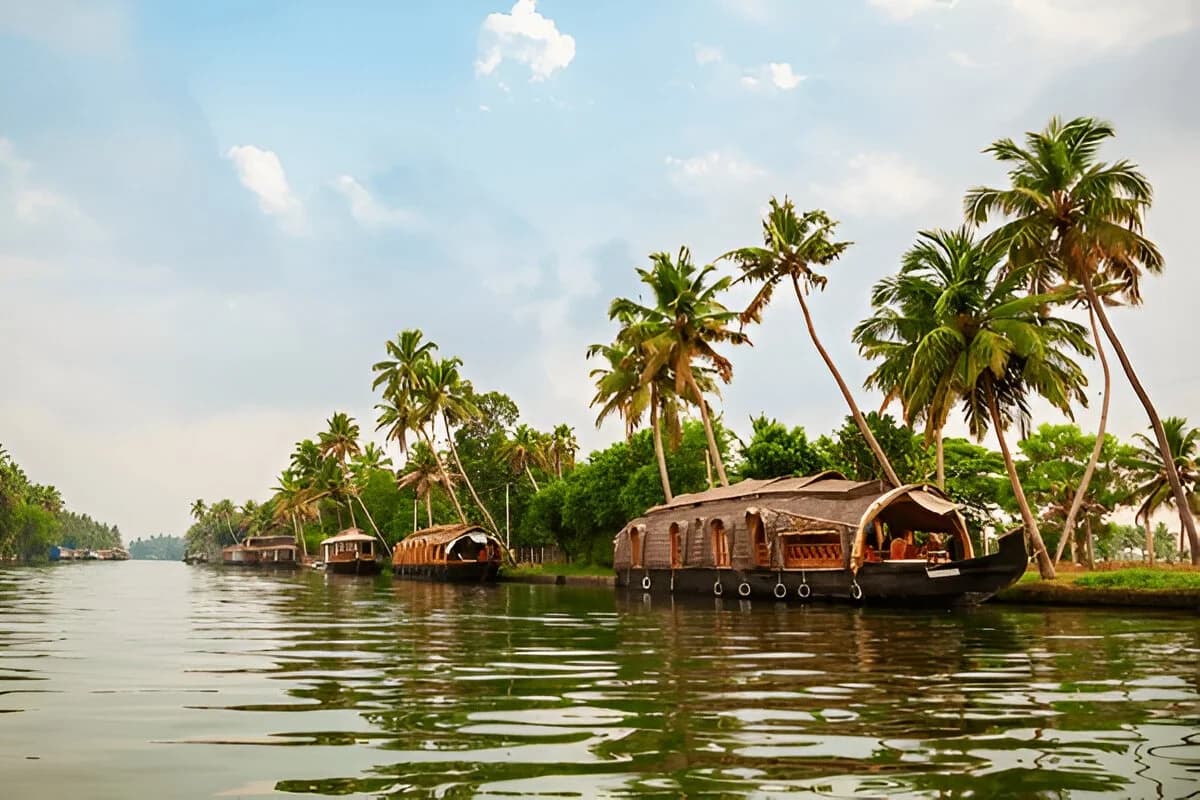
Overview of Kerala: Kerala, often called “God’s Own Country,” is where nature truly shows off. With its lush green landscapes, peaceful backwaters, sun-kissed beaches, and mist-covered hills, Kerala is perfect for anyone looking to slow down and reconnect with nature, with culture, or with themselves. Whether you’re cruising through Alleppey’s backwaters, sipping tea in Munnar’s plantations, or spotting elephants in Thekkady, every part of Kerala has something unique to offer. The charm isn’t just in the places—it’s in the little things: the warmth of the locals, the rhythm of Kathakali, the aroma of spices, and the healing touch of Ayurveda. That’s why Kerala is a must-have in many South India tour packages. It’s not just about sightseeing; it’s about feeling present, relaxed, and a little more alive. Few places in India blend natural beauty and local culture as effortlessly as Kerala does. What are the Key Highlights of Kerala: Cruise the Backwaters of Alleppey: Float along palm-lined canals in a traditional houseboat and watch village life unfold along the water’s edge. It’s peaceful, scenic, and unforgettable. Explore the Tea Gardens of Munnar: Munnar’s rolling hills covered in tea plantations feel like a green dream. You can also visit tea museums and enjoy fresh mountain air. Wildlife Adventures in Thekkady: Head to Periyar Wildlife Sanctuary for jungle treks and boat rides. You might spot elephants, bison, and exotic birds in their natural habitat. Sunsets at Kovalam & Varkala Beaches: Whether you prefer laid-back Varkala or the more lively Kovalam, Kerala’s beaches offer stunning sunsets and a relaxing vibe by the Arabian Sea. Experience Local Culture in Kochi: From colonial-era streets to art cafés and Kathakali dance shows, Kochi beautifully blends old and new, making it one of Kerala’s most vibrant cities. Timings & Entry Fees for Kerala: Kerala’s major attractions usually open between 9:00 AM and 5:00 PM. Entry fees vary: houseboat cruises start around ₹1,000 per hour, Periyar Wildlife Sanctuary charges ₹50–₹500 depending on activity, and the tea museum entry in Munnar is around ₹75. It’s best to check local listings for exact timings. Travel Tips / Essential Information For Kerala: Best Time to Visit: October to March is ideal, with cool and pleasant weather across most destinations. Stay Options: From eco-resorts to heritage homestays, Kerala offers a wide range of stays—houseboats included! Local Transport: Auto-rickshaws, private taxis, and local buses work well. For longer distances, trains are reliable. What to Pack: Carry light cotton clothes, sunscreen, an umbrella (just in case), and comfortable walking shoes. Health & Safety: Stick to bottled water. Try local food, but be mindful if you’re not used to spices. Cultural Etiquette: Dress modestly, especially in temples and rural areas. Always remove footwear before entering temples. Language Tips: Malayalam is the local language, but English is widely spoken in tourist areas. Unique Experiences: Try an Ayurvedic massage, watch a Kathakali performance, and don’t miss eating a traditional Kerala sadya served on a banana leaf. Also Read: Places to visit in KeralaMust Read: Things to do in Kerala

Read More

Andhra Pradesh
May 30, 20253 Minutes
Andhra Pradesh
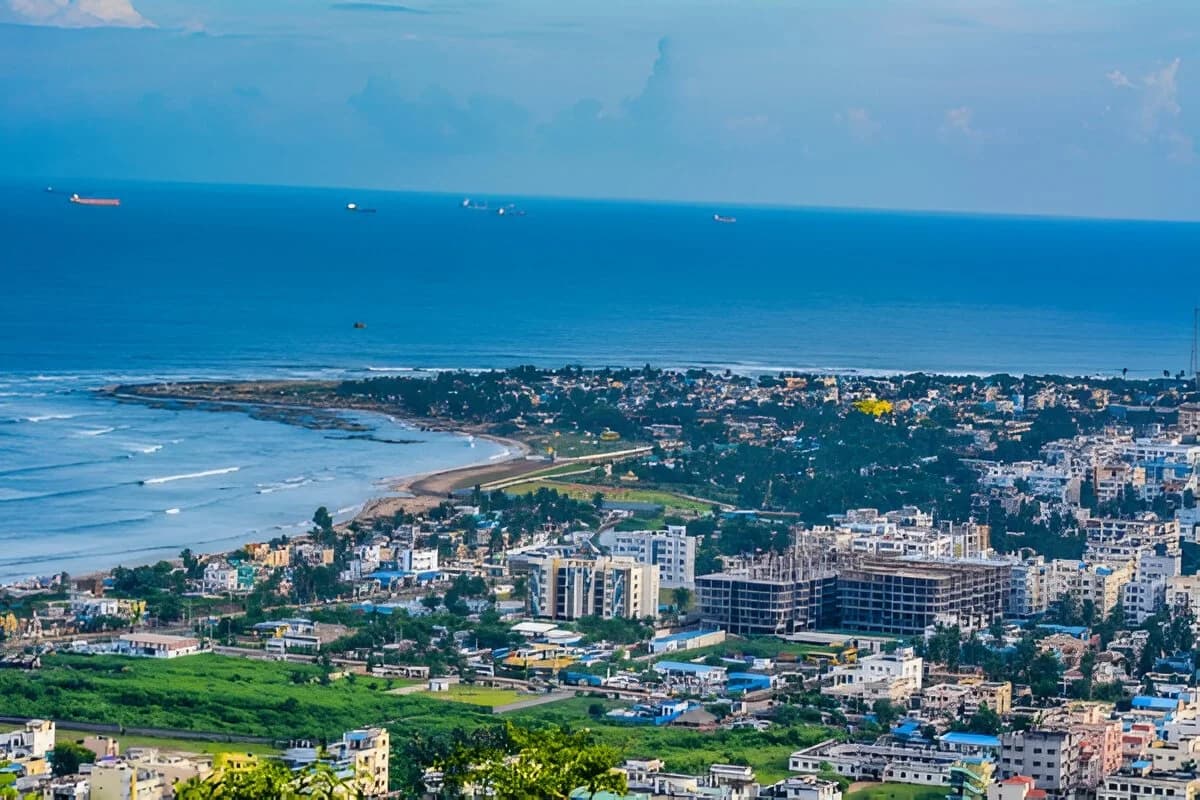
Overview of Andhra Pradesh: Andhra Pradesh is one of those states that quietly surprises you. It blends deep spirituality, rich history, and natural beauty in ways that few other places do. From the sacred hills of Tirumala to the quiet beaches of Visakhapatnam and the coffee-scented slopes of Araku Valley, every corner has something worth discovering. The ancient Buddhist sites in Amaravati and the majestic ruins of Lepakshi tell stories that go far beyond textbooks. Add to that the spicy local cuisine and warm hospitality, and you’ve got a destination that feels both welcoming and fascinating. For anyone exploring South India tour packages, Andhra Pradesh is a refreshing addition—less crowded, deeply rooted in tradition, yet full of diverse landscapes. Whether you’re chasing spiritual peace, natural beauty, or cultural depth, this state delivers it all at its own unhurried pace. What are the Key Highlights of Andhra Pradesh: Tirupati & Tirumala: Home to one of the richest and most visited temples in the world, Lord Venkateswara Temple is a must-visit for spiritual seekers and architecture lovers alike. Araku Valley: Nestled in the Eastern Ghats, Araku is known for its cool weather, tribal culture, and lush coffee plantations—a perfect escape from city life. Lepakshi: Famous for its hanging pillar and detailed temple carvings, Lepakshi is a must for history buffs and lovers of ancient architecture. Visakhapatnam: This coastal city blends urban comforts with natural charm. Don’t miss the pristine Rushikonda Beach and the Kailasagiri hilltop park. Amaravati: A quiet town with ancient stupas and Buddhist relics, Amaravati gives you a glimpse into India’s lesser-known spiritual heritage. Timings & Entry Fees for Andhra Pradesh: Most temples and heritage sites in Andhra Pradesh open between 6:00 AM and 8:00 PM. Entry to religious sites is usually free, while monuments like Lepakshi may charge a nominal ₹25–₹50. Araku Valley attractions vary, so it’s best to check locally for updated fees and seasonal timings. Travel Tips / Essential Information of Andhra Pradesh: Best Time to Visit: October to March offers the most pleasant weather for sightseeing and outdoor activities. Getting Around: Andhra Pradesh has a good network of trains and buses. For hill regions and remote spots, hire a private cab for flexibility. Cultural Sensitivity: Temples require modest dress, and footwear must be removed. Photography may be restricted in some sacred areas. What to Pack: Light cottons for the plains, light jackets for hill regions like Araku. Keep sunscreen, a hat, and water handy during daytime outings. Local Cuisine: Don’t miss local Andhra meals—spicy, flavorful, and served with love on banana leaves. Try dishes like Pulihora, Gongura pickle, and filter coffee. Language & Communication: Telugu is the main language, but English is commonly understood in cities and tourist zones. Unique Experience: Try a ride on the Vizag–Araku train route—it’s one of the most scenic rail journeys in South India. Also Read: Places to visit in South IndiaMust Read: Things to do in South India

Read More

Telangana
May 30, 20253 Minutes
Telangana
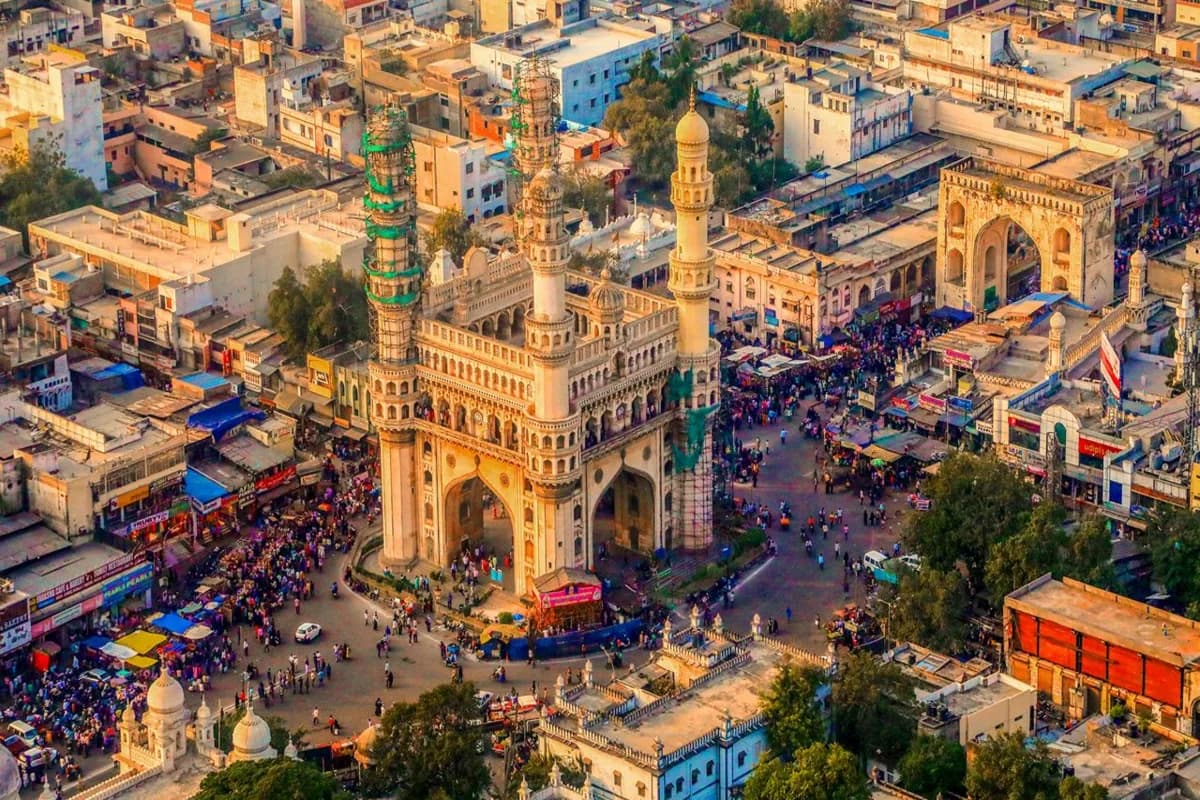
Overview of Telangana: Telangana, India’s 29th and youngest state, was officially formed on 2nd June 2014, separating from Andhra Pradesh. The land was once ruled by powerful dynasties like the Satavahanas, Kakatiyas, Qutb Shahis, and the Nizams of Hyderabad, each leaving behind forts, palaces, and traditions that still shine today. And if you’re planning to explore the rich culture and vibrant cities of this region, you’ll explore our South India tour packages, designed especially for Indian travellers who want to explore the gems of South India with ease and comfort. Telangana is home to Hyderabad — the City of Pearls. From spicy street food to great palaces, from ancient temples to modern IT hubs, Telangana is a great mix of culture and development. What are the Key Highlights & Attractions of Telangana: Historic Charminar: This 16th-century mosque and monument stands proudly in the heart of Hyderabad. It’s surrounded by bustling markets where you can shop for pearls, bangles, and perfumes. Golconda Fort: A majestic fort known for its clever architecture and echoing halls. Don’t miss the sound and light show that brings its history to life. Ramoji Film City: Spread across 2,000 acres, this is the world’s largest film studio complex. You can tour movie sets, enjoy fun rides, and maybe spot a film shoot in progress. Hussain Sagar Lake: A huge man-made lake with a beautiful Buddha statue right in the middle. Perfect for boat rides and relaxing evening walks. Warangal Fort: Built during the Kakatiya dynasty, this ancient fort features grand gateways and beautiful carvings that are still admired by historians and tourists. Thousand Pillar Temple: Located in Hanamkonda, this temple is known for its detailed carvings and grand architecture. It’s dedicated to Lord Shiva, Vishnu, and Surya. Kuntala Waterfalls: Located in the Adilabad district, it’s the highest waterfall in Telangana. Best visited during monsoon when the water flow is at its peak. Bhongir Fort: Built on a huge rock formation, this fort offers amazing views after a short trek to the top. It’s perfect for a weekend adventure. Salar Jung Museum: One of the three National Museums of India, it houses a massive collection of art, clocks, sculptures, and rare antiques from across the world. Travel Tips / Essential Information for Telangana: Best Time to Visit: The best time to visit Telangana is between October and February. The weather is cool and perfect for sightseeing. Language & People: Telugu is the main language, but Hindi and English are also widely spoken in cities. People are friendly and helpful to tourists. Local Transport: Hyderabad has a good metro and bus system. For long journeys, trains and taxis are reliable. Auto-rickshaws are common for short distances. What to Pack: Light cotton clothes work well for most of the year. If you’re visiting temples, carry a shawl or scarf. Comfortable shoes are a must for walking around forts and temples. Food & Safety: Try local dishes like Hyderabadi biryani, haleem, and mirchi ka salan. Most places are safe for tourists, but it’s always good to be alert in crowded areas. Festival Vibes: If possible, plan your trip during Bonalu or Bathukamma (June/July)— two local festivals full of colour, music, and dance. It’s the best time to experience Telangana’s traditions. Also Read: Places to visit in South IndiaMust Read: Things to do in South India

Read More

Pondicherry
May 30, 20253 Minutes
Pondicherry
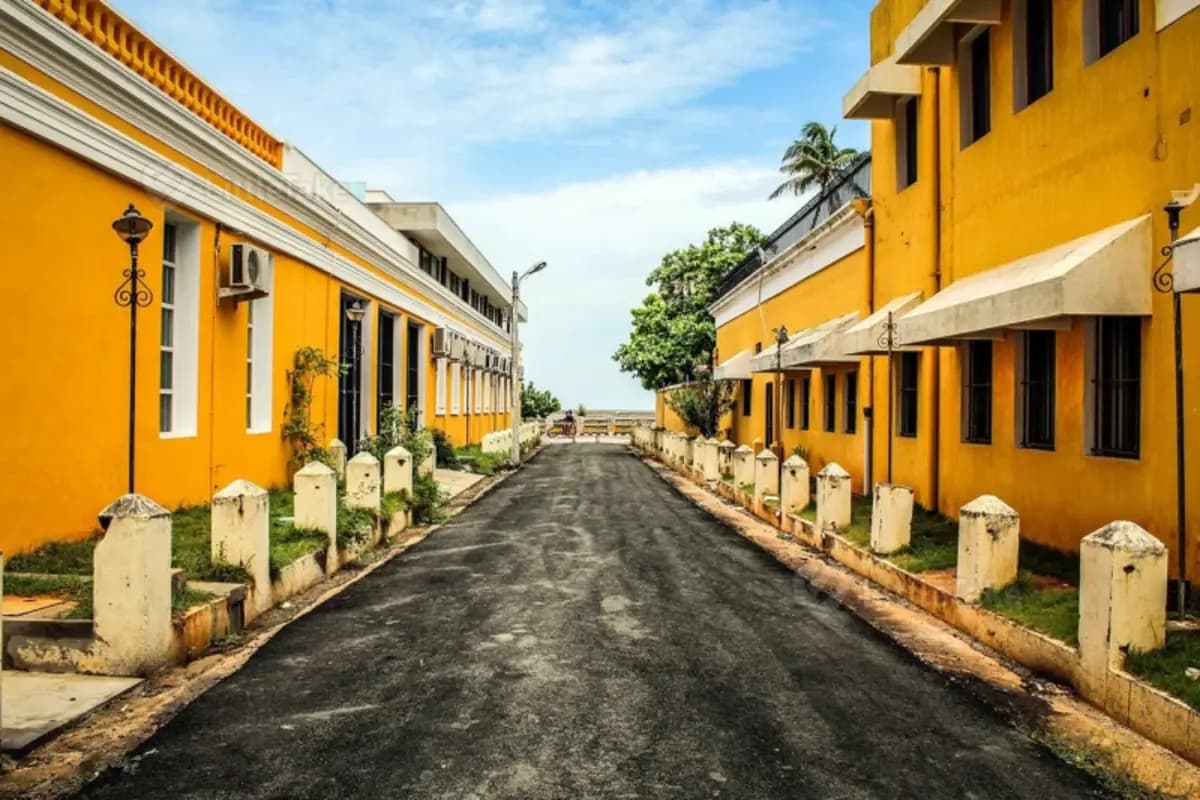
Overview of Pondicherry: Pondicherry, now called Puducherry, is a peaceful coastal town in South India. It is different from other Indian cities is its French connection. This place was ruled by the French for almost 300 years, and even today, you can see the impact. Yellow buildings, clean streets, and people speaking French — it’s like a mini-France in India. You can even enjoy fresh croissants with your morning coffee. Back in the day, Pondicherry was an important trading port. In the 17th century, the French East India Company made it their base. After India got independence in 1947, Pondicherry officially became part of India in 1954. Today, it’s a blend of Indian and French cultures, which makes it a unique travel destination. This peaceful town is now a favourite spot for solo travellers, couples, families, and even people who want to find peace through yoga and meditation. It’s one of the top picks in the Viacation’s South India tour packages because it offers a mix of beach fun, heritage walks, spiritual experiences, and French food — all in one place. What are the Key Highlights & Attractions of Pondicherry: French Quarters: Take a walk through White Town, the famous French area of Pondicherry. The streets are full of colourful houses with old wooden doors, trees, and cafes on every corner. It’s the best place for morning walks and Instagram pictures. Aurobindo Ashram: Founded by Sri Aurobindo and The Mother, this ashram is a calm space where you can meditate, read spiritual books, or just sit in silence. It’s right in the heart of the city and welcomes everyone. Promenade Beach: This long stretch of road by the beach is perfect for evening walks. No vehicles are allowed here in the evenings, so you can enjoy the sound of waves without any honking. Auroville: Located just outside Pondicherry, Auroville is an experimental township where people from different countries live together in peace. The golden globe in the center, called Matrimandir, is the main attraction. Paradise Beach: To reach this beach, you need to take a boat ride through the backwaters. Once you reach, you’ll find soft golden sand, clean water, and no crowds — perfect for those who want to relax. Cafe Culture: Pondicherry has many French-style cafes. Try crepes, baguettes, and cold coffee in small cafes where you can sit for hours. Cafe des Arts and Coromandel Cafe are local favourites. Street Shopping: Mission Street is where you can buy souvenirs like handmade candles, incense, organic soaps, and clothes. Don’t forget to bargain a little! Travel Tips & Essential Information of Pondicherry: Best Time to Visit: October to March is the best time to explore Pondicherry. The weather is pleasant, and you can enjoy outdoor activities without getting too tired. How to Reach: You can take a flight to Chennai and then drive to Pondicherry (around 3.5 hours). Buses and taxis are easily available from Chennai. There’s also a small airport in Pondicherry, but flights are limited. Where to Stay: Pondicherry offers all kinds of stays – from budget hostels to heritage villas. For a peaceful experience, try staying in White Town. If you want beach vibes, pick a resort near Serenity Beach. Local Transport: Rent a bicycle or a scooter to explore the city. It’s cheap and fun. Auto-rickshaws are also available, but make sure to fix the price before starting the ride. Clothing Tip: Pondicherry is hot and humid, so pack light cotton clothes, sunglasses, and sunscreen. Also, carry a cap or hat for daytime outings. Also Read: Places to visit in South IndiaMust Read: Things to do in South India

Read More

Ooty, Tamil Nadu
May 30, 20253 Minutes
Ooty, Tamil Nadu
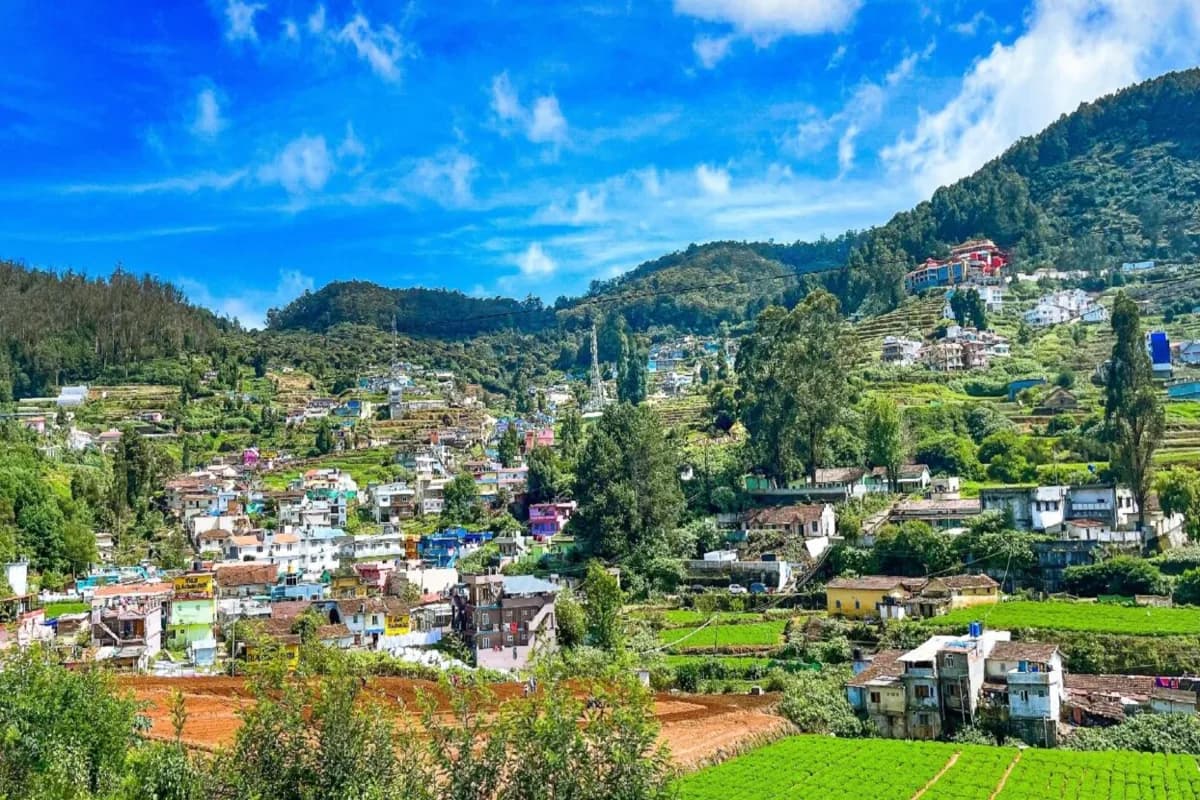
Overview of Ooty, Tamil Nadu: Ooty, officially known as Udhagamandalam, is one of the most loved hill stations in South India. Nestled in the Nilgiri Hills of Tamil Nadu, Ooty sits at an altitude of 2,240 meters and is known for its cool climate, green hills, and scenic landscapes. But did you know that this peaceful town was once the summer headquarters of the British during the colonial era? Back then, the British built homes, churches, and even a railway line to escape the heat of the plains. One of the most interesting facts about Ooty is its Nilgiri Mountain Railway, a UNESCO World Heritage Site. This charming toy train chugs slowly through tunnels, bridges, and tea gardens, giving passengers a delightful journey through nature. Ooty is not just famous for its beautiful nature—it’s also a great place for family trips, honeymooners, and nature lovers. Its calm lakes, beautiful gardens, and rich culture attract tourists from all over the country. If you’re planning a getaway to the hills, our South India tour packages offer the perfect escape to Ooty and nearby gems like Coonoor and Kotagiri. With comfortable stays and guided experiences, you’ll enjoy the best of the Nilgiris without any hassle. What are the Key Highlights & Attractions of Ooty: Botanical Gardens: Spread across 55 acres, these gardens are home to over 650 species of plants and trees. Don’t miss the fossil tree trunk, which is believed to be over 20 million years old. Ooty Lake: This man-made lake is perfect for boating. Surrounded by eucalyptus trees and a mini amusement park nearby, it’s a popular spot for families and couples. Nilgiri Mountain Railway: This heritage train offers one of the most scenic rides in India. The journey from Mettupalayam to Ooty is slow but filled with beauty—waterfalls, forests, and mist-covered mountains. Doddabetta Peak: Standing at 2,637 meters, this is the highest point in the Nilgiris. On a clear day, you can see as far as Mysore. It’s a must-visit for nature lovers and photographers. Tea Estates & Museum: Ooty is popular for its tea plantations. Visit the tea museum to learn how tea is made and sip on fresh Nilgiri tea. The aroma alone is worth the trip. Rose Garden: With over 20,000 varieties of roses, this garden is a treat for the eyes and the nose. It’s best to visit between March and June when the roses are in full bloom. Wax World Museum: This museum has wax figures of Indian freedom fighters and historical personalities. It’s a quick but fun stop, especially for kids. St. Stephen’s Church: Built in 1829, this colonial church has beautiful stained glass windows and peaceful surroundings. Travel Tips & Essential Information of Ooty: Best Time to Visit: March to June is the best time if you enjoy flowers and mild weather. If you like the chill, October to February is perfect for winter vibes. How to Reach:By Train: Take the Nilgiri Mountain Railway from Mettupalayam for a scenic ride.By Road: Well-connected from Coimbatore, Mysore, and Bangalore.By Air: Nearest airport is Coimbatore, about 90 km away. Local Transport: Auto-rickshaws and taxis are available. You can also rent a bike for local sightseeing. Clothes to Pack: Light woollens in summer and heavy jackets in winter. It can get quite cold at night, even during May. Also Read: Places to visit in South IndiaMust Checkout: Things to do in South India

Read More

10 Famous Waterfalls in Kerala
May 30, 20258 Minutes
10 Famous Waterfalls in Kerala
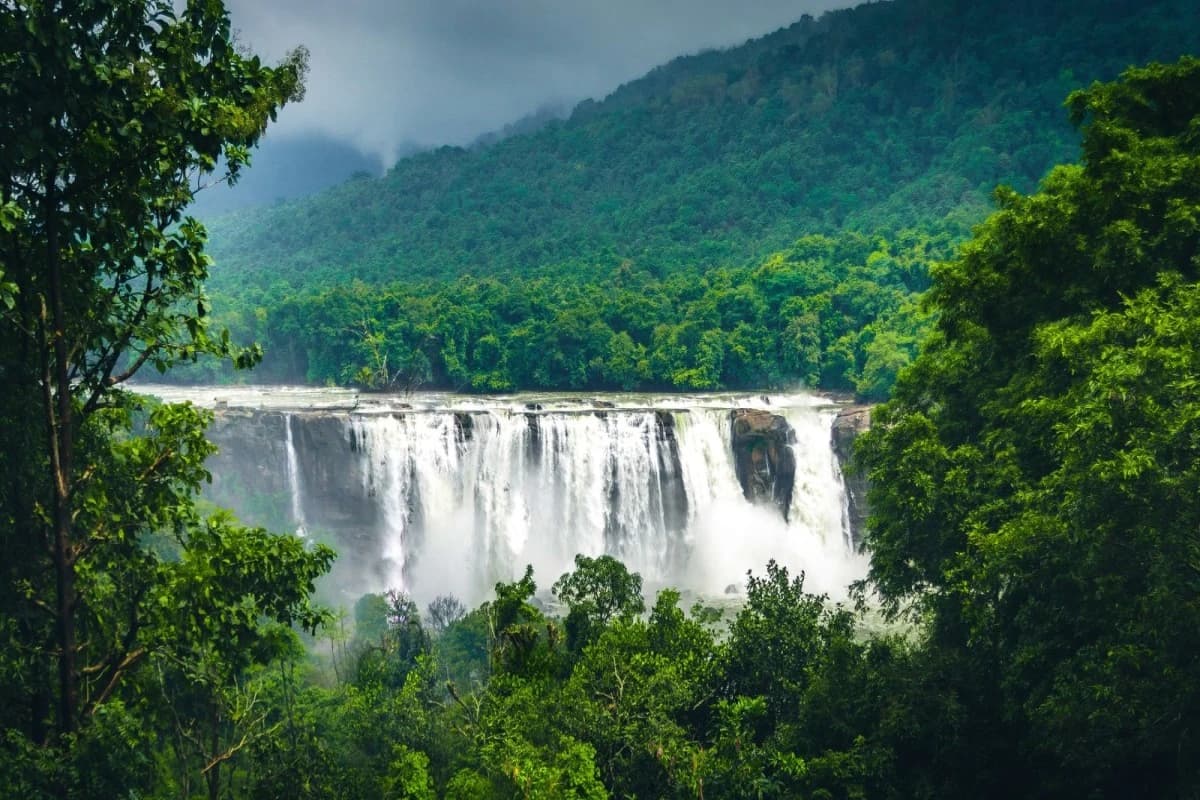
Kerala is pretty green heaven of South India, and when people talk about Kerala, it’s usually about backwaters, Asyurveda, houseboats, or Munnar. While these are lovely experiences, many travelers miss out on something equally beautiful — waterfalls in Kerala. These natural wonders are tucked away in the forests, along mountain paths, or near quiet villages. Most tourists stick to the main sightseeing points and skip exploring these waterfalls. But believe it or not, some of the best waterfalls in Kerala are not only gorgeous but also perfect for photography, trekking, and a peaceful picnic with family. Consider our best Kerala tour packages to make sure at least a couple of waterfalls are on your list. The sound of water crashing down rocks, surrounded by thick green forests and cool mist, creates a magical vibe. Some falls are big and famous, while others are smaller and lesser-known — but each one has its charm. Let’s take a look at 10 of the most popular waterfalls in Kerala that you must explore on your next trip. Most Popular Waterfalls in Kerala 1. Athirappilly Waterfalls: Called the famous waterfall in Kerala, Athirappilly is often compared to Niagara Falls. Surrounded by Sholayar forests, the falls drop from 80 feet, creating a thunderous sound and mist. You can view it from above or walk down to see the entire stretch. Monsoon is the best time when the falls are in full force, and the greenery around is breathtaking. Location: Thrissur district (around 70 km from Kochi) Timings: 8 am – 6 pm Entry Fee: ₹30 for adults, ₹10 for children 2. Meenmutty Waterfalls: This is the second-highest waterfall in Kerala, falling from 300 feet in three stages. Reaching the falls involves a 2 km trek through Wayanad’s dense forest. It’s an adventure-lovers’ paradise and a great escape for those looking to enjoy Kerala’s raw beauty. Make sure to wear good shoes and carry water for the trek. Location: Wayanad district Timings: 9 am – 5 pm Entry Fee: Free 3. Soochipara Waterfalls: Also called Sentinel Rock Falls, this is one of the most famous waterfalls in Kerala for families and couples. The drive to the falls is scenic, with tea estates on both sides. After a short 15-minute walk from the parking, you reach the fall. There’s a natural pool below, perfect for a dip if the water flow isn’t too strong. Location: Vellarimala, Wayanad Timings: 8 am – 5 pm Entry Fee: ₹50 per person 4. Vazhachal Waterfalls: Not far from Athirappilly, Vazhachal is more about calm beauty. The water here flows gently over wide rocks, making it ideal for quiet relaxation. It’s a good place for kids and elderly visitors who want to enjoy a scenic spot without much walking. If you’re visiting Kerala in June, the rain enhances the greenery and beauty of this place. Location: Thrissur district Timings: 8 am – 6 pm Entry Fee: ₹50 per person 5. Thommankuthu Waterfalls: This one’s a true nature lover’s delight — a chain of seven waterfalls located deep inside the forest. It’s a bit of a trek, but worth every step. The sound of the water and chirping birds gives a peaceful jungle feel. Among all waterfalls in Kerala, this one stands out for its unique structure and adventure vibes. Location: Idukki district Timings: 8 am – 4 pm Entry Fee: ₹30 per person 6. Palaruvi Waterfalls: “Palaruvi” means “stream of milk” — and that’s exactly how the water looks as it drops from 300 feet. This is one of the best waterfalls in Kerala for families because there are separate safe bathing areas for men and women. Surrounded by thick forest, it’s peaceful, clean, and refreshing. Location: Aryankavu, Kollam district Timings: 8 am – 4 pm Entry Fee: ₹25 per person 7. Cheeyappara Waterfalls: On your way to Munnar, you’ll find Cheeyappara Falls right beside the road. It’s a great spot to stretch your legs and click a few pictures. The fall has multiple steps flowing down large rocks. In monsoon, it gets heavy and mighty. This is one of the easily accessible water falls in Kerala that requires no trekking. Location: Between Neriamangalam and Adimali, Idukki Timings: 24 hrs open Entry Fee: Free 8. Valara Waterfalls: Very close to Cheeyappara, Valara is another roadside beauty. It drops down into a thick forest, and though you can’t go close to it, the view from the road is beautiful. It is a hidden gem, often overlooked but definitely worth a stop while exploring the Places to visit in Kerala. Location: Near Adimali, Idukki Timings: 24 hrs open Entry Fee: Free 9. Perunthenaruvi Waterfalls: Less crowded and more raw, this waterfall offers natural beauty in its purest form. Located in a remote village, it’s one of the few water falls in Kerala that hasn’t been overly commercialized. The water here is wide rather than tall, flowing over large rock slabs and creating mini pools along the way. Location: Pathanamthitta district Timings: 9:30 – 5 pm (Tuesday & Thursday Closed) Entry Fee: ₹30 per person 10. Kombaikani Waterfalls: Located inside the Peppara Wildlife Sanctuary, this is one of the secret but famous waterfalls in Kerala. The journey involves a scenic drive and a small trek through the forest. You need permission to enter the sanctuary, but the mix of greenery, wildlife, and water makes it a complete nature trip. Location: Thiruvananthapuram district Timings: 9:30 – 5 pm Entry Fee: ₹2900 per person for a 5 km guided trek of 1 day(includes wildlife entry fee) Suggested Read: Best time to visit Kerala Frequently Asked Questions About Waterfalls in Kerala: 1. Which is the largest waterfall in Kerala? A. Athirappilly Waterfall is the largest waterfall in Kerala. It falls from a height of 80 feet and is located in Thrissur district. It’s also the most visited waterfall in the state due to its size and beauty. 2. What are the top 5 waterfalls? A. The top 5 waterfalls in Kerala are Athirappilly, Meenmutty, Soochipara, Vazhachal, and Palaruvi. These are known for scenic views, accessibility, and popularity among tourists. Each one offers a different experience, from trekking to safe bathing areas. 3. How many Falls are there in Kerala? A. Kerala has around 27 well-known waterfalls, spread across districts like Wayanad, Idukki, and Thrissur. Many are seasonal and active during the monsoon, while others have year-round water flow. Some are also located inside forest areas or sanctuaries. 4. Is the waterfall in Bahubali real? A. Yes, the waterfall shown in Bahubali is real. It is Athirappilly Waterfall in Kerala. Some scenes were digitally enhanced, but the main waterfall location exists and is a popular tourist spot near Thrissur and Chalakudy town. Also Checkout: Things to do in KeralaMust Read: Places To Visit in Kerala

Read More

Kodaikanal
May 30, 20253 Minutes
Kodaikanal
Overview of Kodaikanal: Kodaikanal, often called the “Princess of Hill Stations,” is a quiet town in Tamil Nadu that offers a much-needed pause from city life. Located high up in the Western Ghats, this hill station is filled with misty mornings, pine forests, and winding roads. Whether you’re travelling for peace, nature, or a bit of both, Kodaikanal is a place where you can truly slow down. Its cool weather, scenic lake, and simple charm make it a favourite in many South India tour packages. Couples come for the romance, families come to relax, and solo travellers find calm in every walk. From boating on the star-shaped lake to sipping coffee in small hillside cafés, every moment here feels soft and unhurried. It’s not a place that overwhelms — it welcomes you quietly, offering comfort, views, and a kind of peace that stays with you long after the trip ends. What are the Key Highlights & Attractions of Kodaikanal: 1. Kodaikanal Lake: This star-shaped lake is the centre of the town and a must-visit. You can enjoy a peaceful boat ride, cycle around it, or simply walk along its calm edges. The mornings here are especially quiet and beautiful.2. Coaker’s Walk – Short Walk, Long Views: A paved path running along a steep slope, Coaker’s Walk offers stunning views of the valley below. On clear days, you can even spot the distant plains stretching far away.3. Bryant Park – A Bloom of Colour: Located right next to the lake, this well-kept garden is filled with flowers, trees, and open lawns. It’s perfect for a lazy afternoon or a small picnic with loved ones.4. Pine Forest – A Natural Retreat: Rows of tall pine trees and soft brown ground make this forest a peaceful stop. It’s quiet, shaded, and ideal for photography or a short break from sightseeing.5. Pillar Rocks – Nature’s Stone Guardians: Three tall rock pillars stand side by side, looking over the green valley. Often covered in mist, they appear almost magical when the clouds shift. Timings & Entry Fees of Kodaikanal: Most attractions in Kodaikanal are open from around 9 AM to 6 PM. Entry to Bryant Park is ₹30 per person. Coaker’s Walk charges a small fee of ₹10. Boating at the lake starts at ₹100, depending on the boat type. The Pine Forest and Pillar Rocks are usually free or charge a minimal amount. Travel Tips / Essential Information of Kodaikanal: Best Time to Visit: Visit between March and June for pleasant weather, or during October to February if you enjoy the cold and fog. Monsoons (July–September) are less ideal due to rain. How to Reach: Kodaikanal is about 120 km from Madurai, which has the nearest airport. You can also take a train to Kodai Road and then a taxi up the hill. Stay Options: There are plenty of stay choices — from heritage cottages to modern resorts. Look for one near the lake for easy access to main spots. Things to Carry: Even in summer, bring a light jacket. The evenings can be chilly. Comfortable walking shoes are a must. Local Travel: You can hire local taxis or simply walk around, especially near the lake and market. Food to Try: Don’t miss hot idlis, fresh vegetable stews, local chocolates, and filter coffee at the small cafés around town. Also Read: Places to visit in South IndiaMust Checkout: Things to do in South India

Read More

Mysore
May 30, 20253 Minutes
Mysore
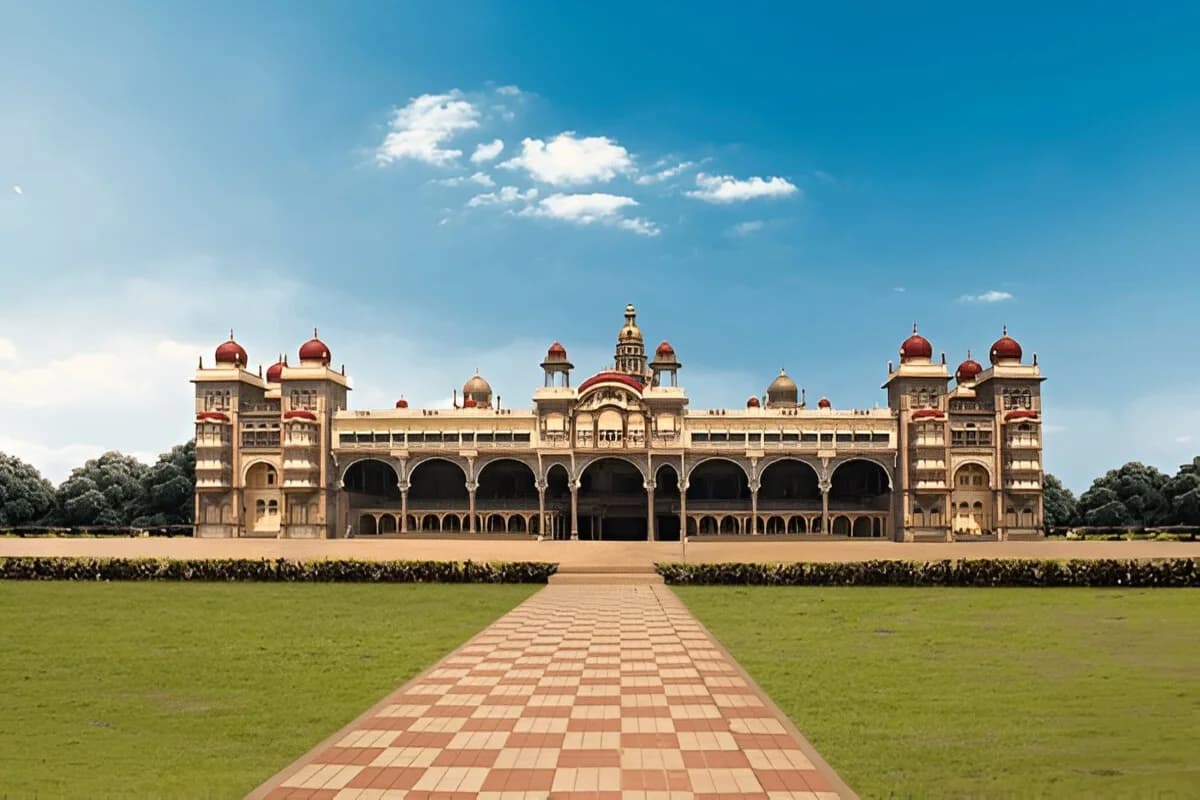
Overview of Mysore: Mysore, located in Karnataka, is a city where tradition, royalty, and culture meet. Once the capital of the Wodeyar dynasty, it still carries a regal charm through its architecture, customs, and atmosphere. The city’s heart is the stunning Mysore Palace — a blend of Indo-Saracenic design and royal heritage. Walk its halls and you’ll feel a sense of grandeur that’s hard to miss. But Mysore isn’t just about the palace. It’s about peaceful gardens, colourful markets, and the gentle rhythm of a slower lifestyle. For travellers exploring south India tour packages, Mysore is a must-see — not for its speed, but for how it invites you to slow down and experience culture with depth. From the scent of sandalwood in the markets to the quiet steps up Chamundi Hill, Mysore blends history with serenity in a way few places do. It’s charming, cultured, and unforgettable. What are the Key Highlights & Attractions of Mysore: Mysore Palace: This grand palace is the centrepiece of the city. With stained glass, beautiful domes, and golden ceilings, it offers a peek into royal life and hosts the famous lighting ceremony on Sundays and during Dussehra. Chamundi Hill: Climb or drive up to visit the Chamundeshwari Temple and enjoy sweeping views of the city. The large Nandi statue halfway up is also a well-known landmark. Brindavan Gardens: Located near the Krishna Raja Sagar dam, these gardens come alive in the evening with their musical fountain show — a favourite for families and couples alike. Devaraja Market: One of the oldest markets in India, it’s filled with flowers, spices, fruits, and Mysore’s famous sandalwood. A perfect spot to explore and feel the city’s everyday life. St. Philomena’s Church: This tall neo-Gothic church stands out with its design and peaceful presence in the city, offering a quiet corner for visitors. Timings & Entry Fees of Mysore: Mysore Palace is open daily from 10 AM to 5:30 PM with an entry fee of ₹100 for adults and ₹50 for children. Brindavan Gardens are open from 6 AM to 8 PM, with an evening light show starting around 6:30 PM. Entry is ₹15 for adults and ₹5 for children. Travel Tips & Essential Information of Mysore: Best Time to Visit: October to March is ideal — the weather is cooler and perfect for sightseeing. Dussehra (usually in October) is the most vibrant time, though it can be crowded. How to Reach: Mysore is well connected by train and road from Bangalore (around 150 km away). It also has a small domestic airport with limited flights. Getting Around: Auto-rickshaws and cabs are widely available. Most main attractions are within a short distance of each other. What to Buy: Look for Mysore silk sarees, sandalwood items, rosewood carvings, and incense sticks. The city’s local craft markets offer great souvenirs. Food to Try: Don’t miss Mysore masala dosa, Mysore pak (a sweet), and traditional thali meals. There are also many cafés and bakeries near the city centre. Local Etiquette: Temples require modest dress. It’s a respectful and calm city, so a polite attitude goes a long way. Also Read: Places to visit in South IndiaMust Checkout: Things to do in South India

Read More

Hampi
May 30, 20253 Minutes
Hampi
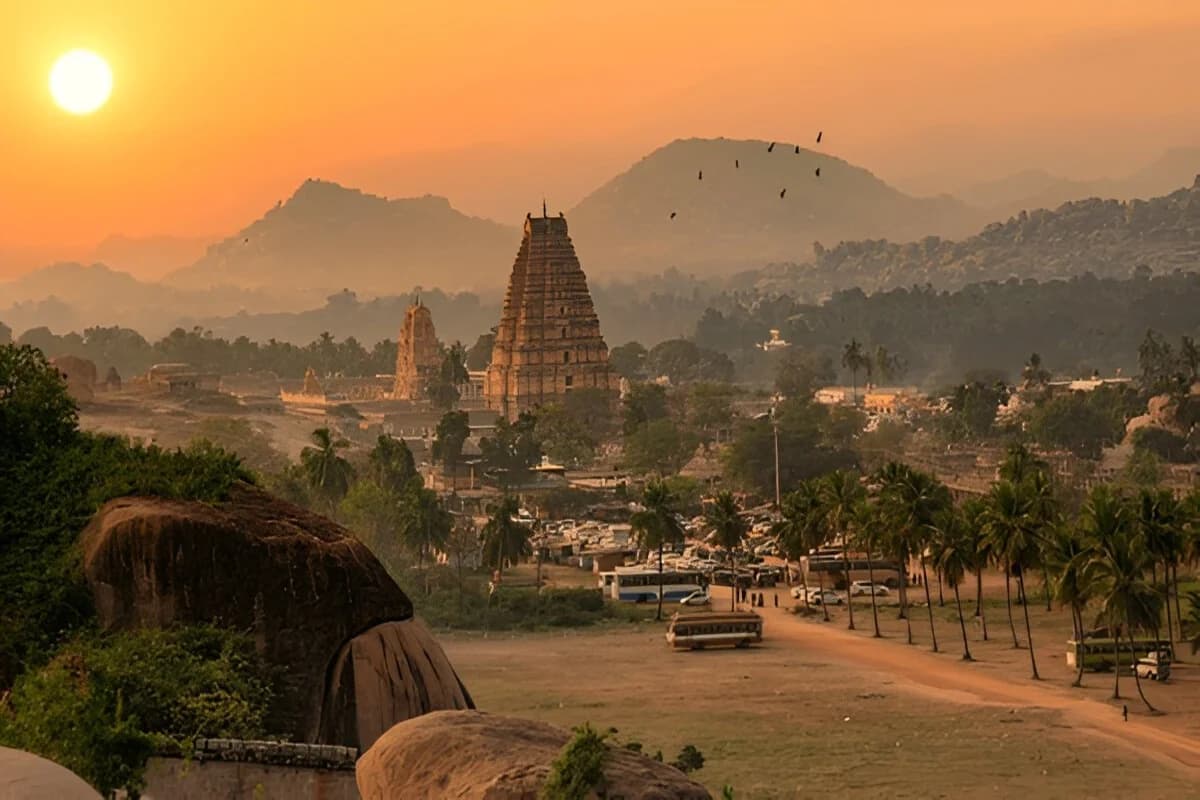
Overview of Hampi: Hampi is a small town in Karnataka that once used to be a big and powerful city. Long ago, it was the capital of the Vijayanagara Empire. Today, it is full of old temples, broken-down buildings, and big rocks that look like they’ve been placed by hand. The town sits next to the Tungabhadra River, which adds to its peaceful beauty. People from all over the world come to Hampi to see these amazing ruins. It’s a calm place, perfect for walking and exploring slowly. If you’re choosing from South India tour packages, Hampi is a wonderful option. You’ll see tall temples like Virupaksha Temple, famous stone carvings, and beautiful views from hills like Matanga. It’s a mix of history, nature, and peace. Hampi isn’t just a place to visit — it’s a place to feel. Every part of it tells a story. What are the Key Highlights & Attractions of Hampi: Virupaksha Temple – The Main Temple of Hampi: This is one of the oldest and most important temples in Hampi. People still come here to pray, and it has tall towers and carvings. Vittala Temple – See the Stone Chariot: This temple is known for its stone chariot and musical pillars. When you tap the pillars, they make soft musical sounds. Hampi Bazaar – Walk Through History: This old market street shows how people used to live and shop long ago. Now, it’s a quiet place to walk and take photos. Matanga Hill – Best Viewpoint: Climb this small hill early in the morning. You’ll see an amazing view of the ruins and the river below. Elephant Stables and Lotus Mahal – Royal Remains: These buildings were made for kings and queens. They are big, beautiful, and still in good shape after hundreds of years. Timings & Entry Fees of Hampi: Most places in Hampi are open from 6 AM to 6 PM. You need a ticket for places like Vittala Temple and Lotus Mahal — ₹40 for Indian visitors and ₹600 for foreigners. The Virupaksha Temple is mostly free, but some areas may have small charges. Travel Tips / Essential Information of Hampi: When to Visit: October to February is the best time. The weather is cool and good for walking around. How to Reach: The nearest railway station is Hospet (13 km away). You can take an auto or a taxi to reach Hampi. The nearest airport is in Hubli. Where to Stay: You’ll find guesthouses and budget hotels in Hampi and nearby Hospet. Book early during the busy season. Getting Around: You can walk, rent a bicycle, or take an auto-rickshaw. Scooters are also available. What to Carry: Wear comfortable shoes, and bring sunscreen, a water bottle, and a hat. You’ll be outdoors most of the time. Things to Remember: Don’t climb on the ruins or touch the carvings. Wear modest clothes, especially when visiting temples. Respect the local culture and rules. Also Read: Places to visit in South IndiaMust Checkout: Things to do in South India

Read More

Bengaluru
May 30, 20253 Minutes
Bengaluru
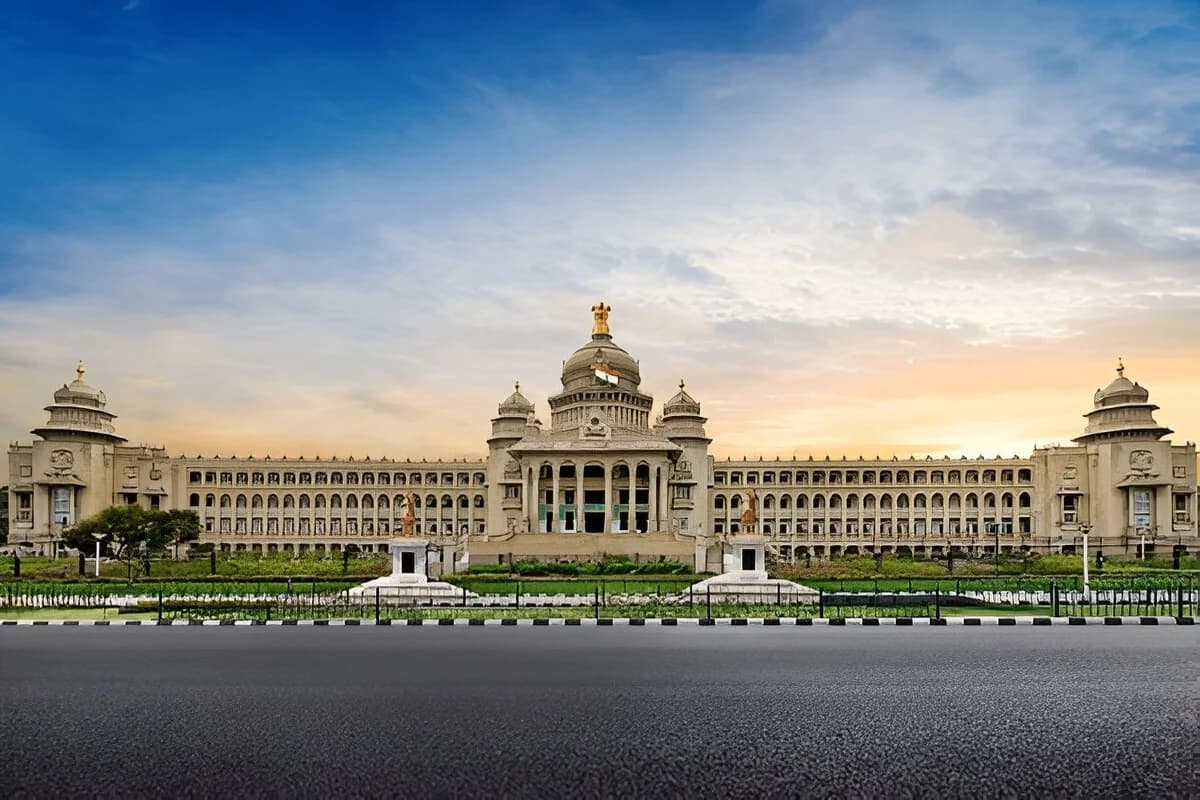
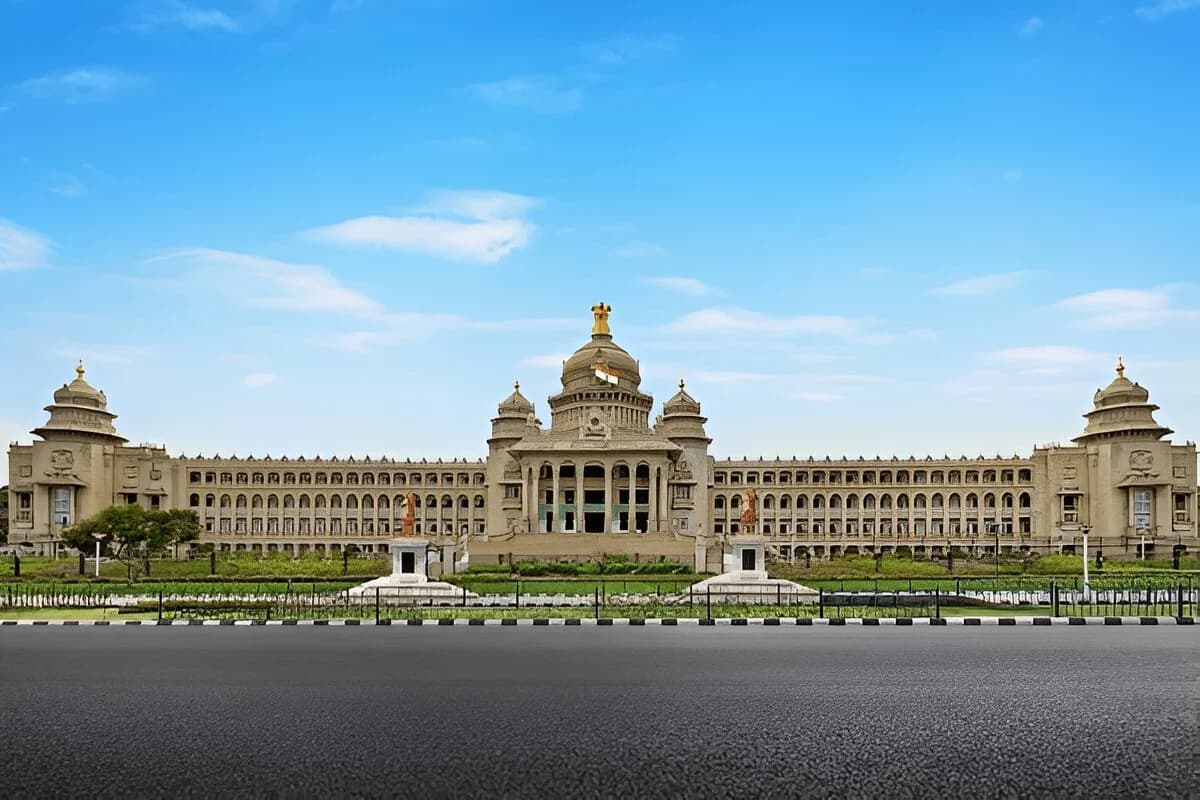
Overview of Bengaluru: Bangalore, also known as Bengaluru, is the capital city of Karnataka and one of the most popular cities in South India. It’s often called the “Garden City” because of its beautiful parks and pleasant weather. It’s also known as India’s “Silicon Valley” because many tech companies are based here. But Bangalore isn’t only about work — it has a softer side too. There are peaceful places like Cubbon Park and Lalbagh Botanical Garden, old palaces like Tipu Sultan’s Palace, and local markets full of colours and energy. It’s a city where modern life blends with tradition. When exploring South India tour packages, Bangalore makes a great start or stop, offering a taste of everything: food, culture, history, and nature. You’ll find something to enjoy whether you’re here for a day or a week. It’s a city that makes you feel at home. What are the Key Highlights & Attractions of Bengaluru: Lalbagh Botanical Garden – Nature in the City: This huge garden is known for its glasshouse, centuries-old trees, and peaceful walking paths. A great spot to relax. Bangalore Palace – A Touch of Royal History: Built in 1878, this grand palace gives you a glimpse of how the kings once lived. The woodwork and paintings are worth seeing. Cubbon Park – Green Space in the Middle of Town: Right in the city centre, this large park is perfect for morning walks or a quiet afternoon. It’s family-friendly too. Vidhana Soudha – Iconic Building: This impressive structure is the seat of the state government. You can’t go inside, but it’s great for photos. Local Cafes & Street Food – A Taste of Bangalore: From filter coffee to spicy dosas, the food here is amazing. Try small eateries around Basavanagudi or the famous CTR. Timings & Entry Fees of Bengaluru: Most parks like Lalbagh and Cubbon Park open from 6 AM to 7 PM. Entry to parks is ₹20–₹30. Bangalore Palace is open from 10 AM to 5:30 PM, with an entry fee of ₹240 for Indians and ₹480 for foreigners. Cameras may cost extra. Travel Tips / Essential Information of Bengaluru: Best Time to Visit: Bangalore is pleasant all year, but October to March has the best weather for sightseeing. How to Reach: Kempegowda International Airport connects to all major cities. The city also has good train and bus connections. Where to Stay: Bangalore offers everything from budget lodges to luxury hotels. MG Road, Indiranagar, and Koramangala are great areas to stay. Getting Around: Autos, cabs, and the Namma Metro make travel easy. For short distances, use ride apps or rent a scooter. What to Pack: Light clothes, a small umbrella (in case of rain), and comfortable shoes if you plan to walk. Local Etiquette: People are polite and helpful. Dress modestly, especially in temples or religious sites. Try speaking a few words in Kannada — locals appreciate it. Also Read: Places to visit in South IndiaMust Checkout: Things to do in South India

Read More

Mangalore
May 30, 20253 Minutes
Mangalore
Overview of Mangalore: Mangalore, also known as Mangaluru, is a beautiful coastal city in Karnataka. It lies between the Arabian Sea and the Western Ghats, giving it a perfect mix of beaches and hills. This city is not just about sea and sand – it also has a deep history. Mangalore has been an important port for centuries. Ancient trade with the Romans, Arabs, and Portuguese happened here. The name “Mangalore” comes from the Hindu goddess Mangaladevi, whose temple still stands in the city. For many reasons, Mangalore has different types of people living, following different cultures. You’ll hear people speaking Tulu, Kannada, Konkani, and even Beary. In the same way, food here is also a spicy blend of South Indian flavors with a coastal twist. Tourists love this city for its temples, churches, beaches, and peaceful vibes. It’s also a gateway to nearby hill stations and pilgrimage towns, which is why it fits perfectly in our South India tour packages – a great choice for travelers who want to explore culture, history, and nature together. What are the Key Highlights & Attractions of Mangalore: 1. Panambur Beach:– Golden Sands: This beach is known for its clean golden sand and lively atmosphere, especially during festivals and weekends.– Water Sports: From jet skiing to parasailing, Panambur is a fun spot for water lovers looking for some excitement. 2. Kadri Manjunath Temple: – Ancient Roots: This temple dates back to the 10th century and is dedicated to Lord Shiva in the form of Manjunatha.– Peaceful Vibes: Surrounded by greenery, it’s a calm place to sit, pray, and soak in the spiritual feeling. 3. St. Aloysius Chapel: – European-Style Art: The chapel is filled with beautiful paintings done by Italian artist Antonio Moscheni in the late 1800s.– Open to All: Visitors of all religions are welcome to see the art and feel the calm atmosphere inside. 4. Tannirbhavi Beach: – Serene Environment: A quieter beach perfect for those who prefer less crowd and more peace.– Perfect Sunset: The sunset views here are magical and perfect for photography or just relaxing. 5. Pilikula Nisargadhama: – Nature Escape: A large park that includes a zoo, botanical garden, lake, and heritage village – all in one place.– Family Friendly: A great place to spend the day with kids, with open spaces and fun activities. 6. Sultan Battery: – Historic Watchtower: Built by Tipu Sultan to prevent sea attacks, this small fort gives a glimpse into the past.– River Viewpoint: Offers scenic views of the river and the surrounding mangroves, great for evening visits. Travel Tips and Essential Information of Mangalore: Best Time to Visit: The best time to visit Mangalore is from October to March, when the weather is cool and ideal for sightseeing. Try to skip the rainy season (June to September) as heavy showers can spoil outdoor plans. How to Reach:– By Air: Mangalore International Airport is well-connected to major cities like Mumbai, Delhi, Chennai, and Bengaluru.– By Train: Mangalore has two main railway stations – Mangaluru Central and Mangaluru Junction – both connected to cities across India.– By Road: Regular buses and private taxis connect Mangalore to nearby towns and cities in Karnataka and Kerala. What to Eat: Try neer dosa, kori rotti, and chicken ghee roast – local favorites you’ll find in most restaurants. Being a coastal city, fresh fish, prawns, and crabs are easily available and deliciously cooked. Local Transport: Auto-rickshaws and city buses are common for short trips. You can also book app-based cabs for longer routes or day tours. If you enjoy riding a bike, rent a two-wheeler and explore the city at your own pace. What to Carry: South India experiences humidity. Carry light cotton clothes, sunglasses, sunscreen, and an umbrella if you’re traveling during summer or monsoon. Also Read: Places to visit in South IndiaMust Checkout: Things to do in South India

Read More

Login ModalPost Login FormTalk with trip expert