
 11 Minutes
If you are a hardcore traveller, you must know that Bali has two sides, North and South. Most Indian travellers return from Bali thinking they’ve “seen Bali” after spending 5 days between Kuta, Seminyak, and Ubud. But Bali in 2026 is no longer just beach clubs, floating breakfasts, and traffic-filled sunset roads. The island is split into two very different experiences: North Bali and South Bali.
And honestly, most tourists only experience the louder half.
₹44,999
per person
₹40,999
per person
That’s also why travelers searching for Bali tour packages are now asking more questions before booking. They want to know where Bali actually feels peaceful, where the crowds are lower, and whether North Bali is worth the long drive. Viacation has seen this shift clearly in updated 2026 travel inquiries. And this is why this blog is very necessary.
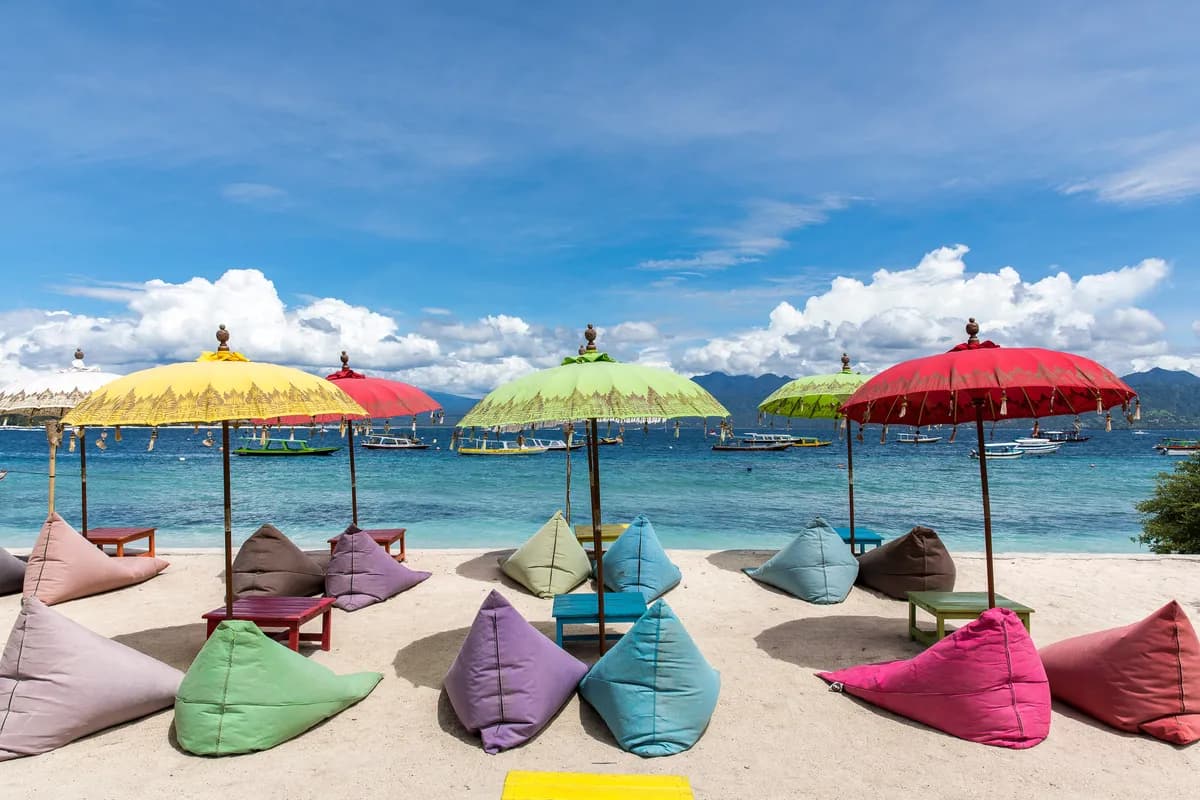
If your idea of a holiday is packed nightlife and social energy, South Bali wins easily. South Bali is designed for stimulation. The moment you enter Seminyak or Canggu, you notice it immediately: music from beach clubs, packed cafés, scooters everywhere, influencers taking photos at sunset, and restaurants open till midnight. For first-time Indian travelers, this side feels exciting because everything is accessible. With Indian food, shopping streets, clubs, and currency exchanges, it’s easy to travel.
North Bali is almost opposite. Places like Lovina don’t try hard to entertain you. Cafés are smaller, roads are quieter, and evenings end earlier. Instead of beach DJs, you hear waves and scooters passing occasionally. Some travelers call it “boring.” Others call it the side of Bali they were actually looking for.
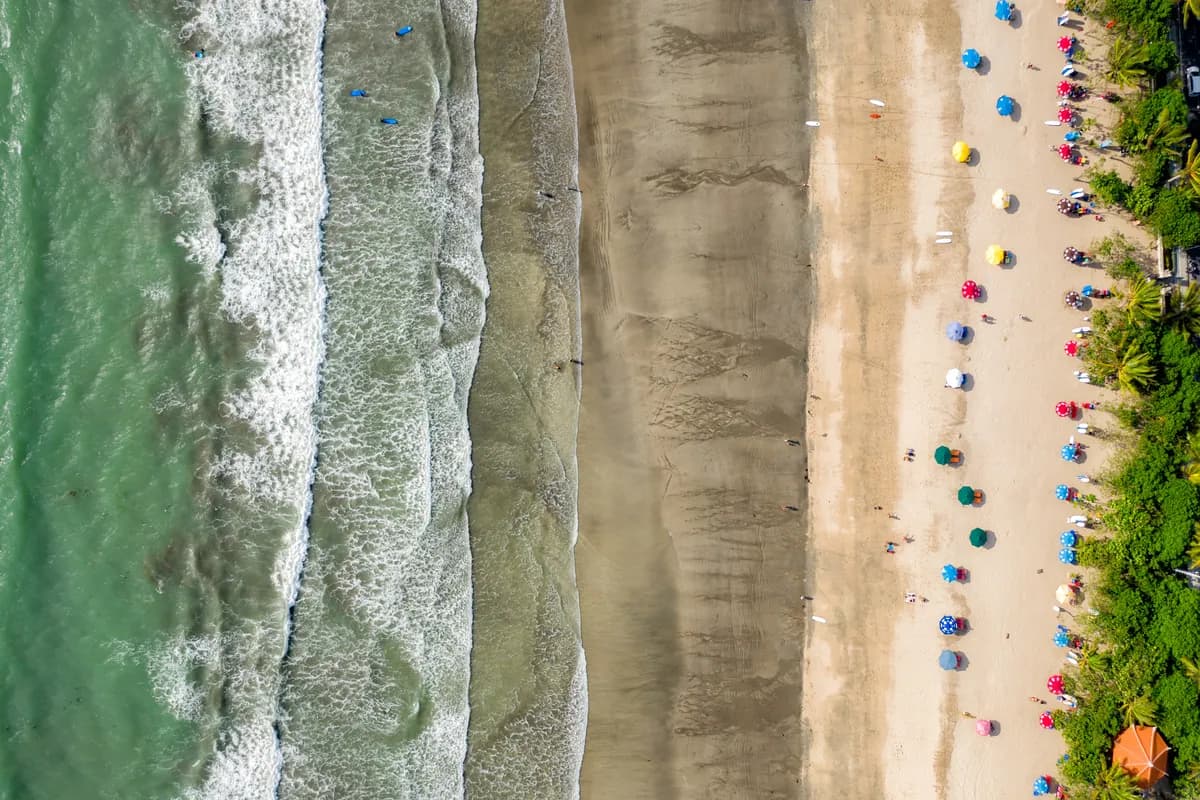
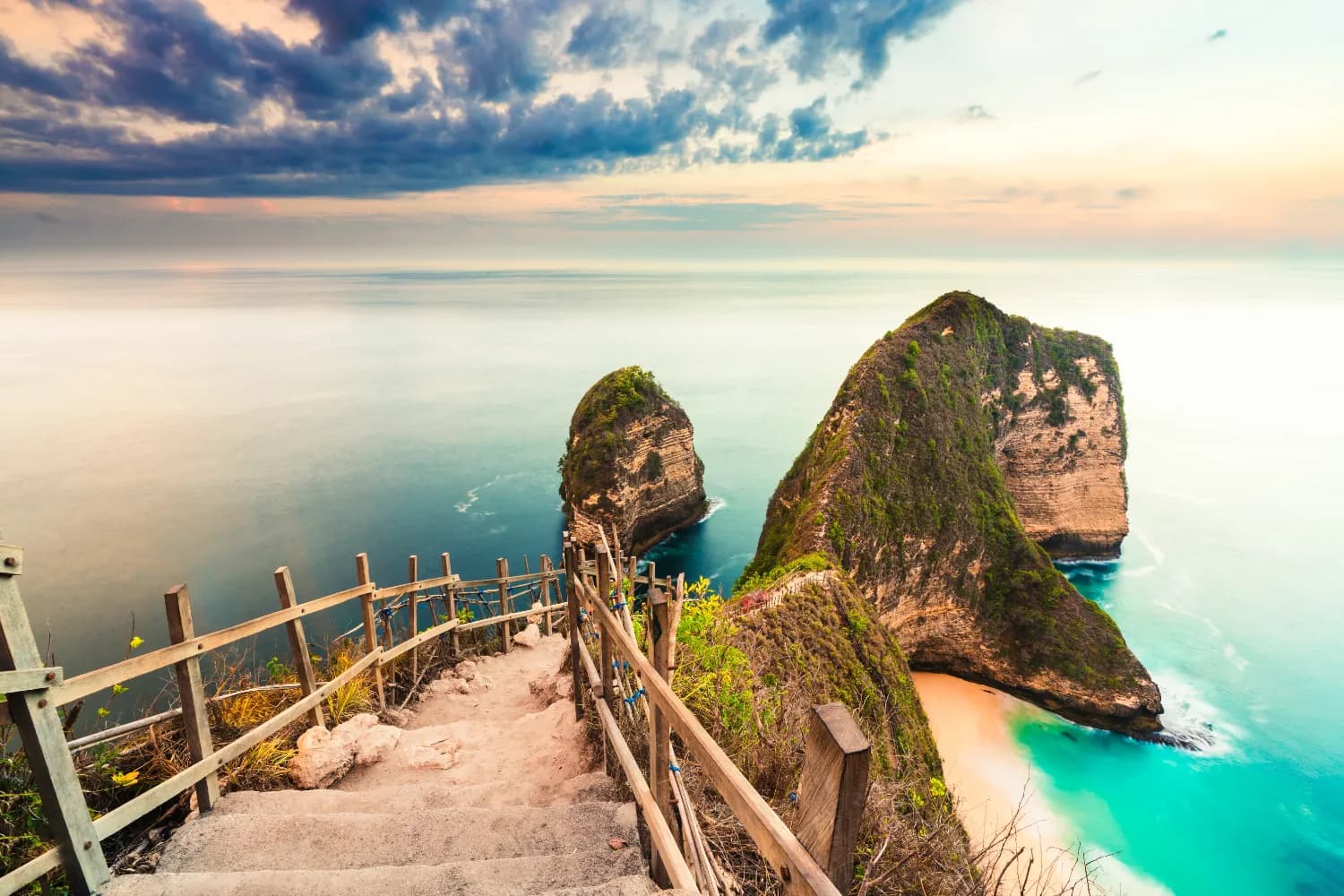
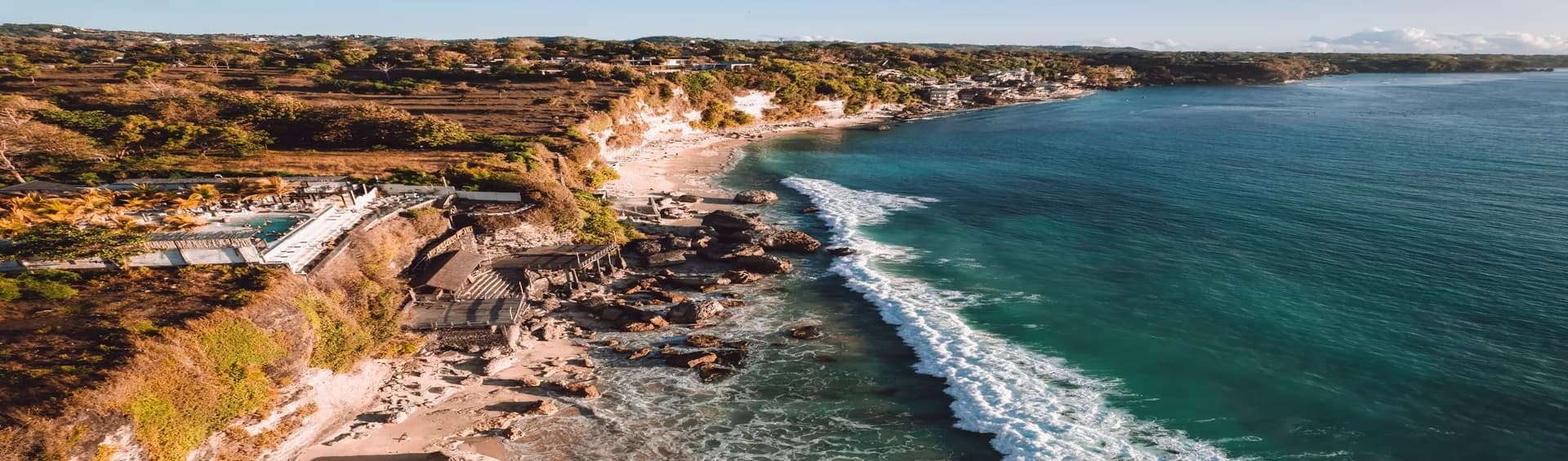
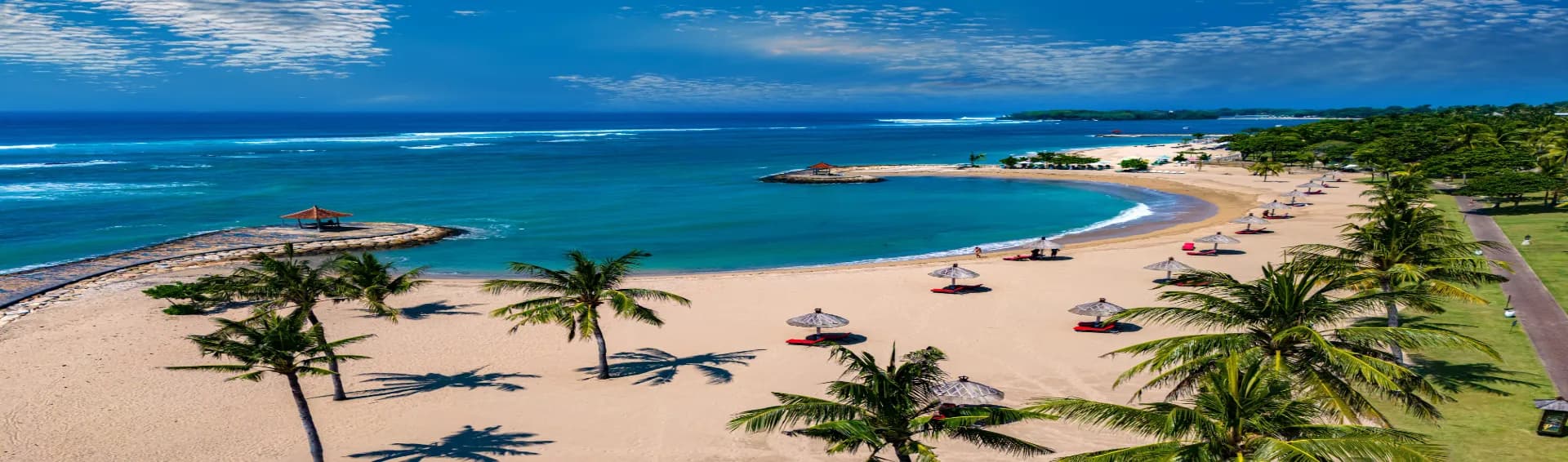
South Bali’s beaches are built around activity. Kuta is crowded almost every evening. Melasti Beach has become one of the biggest social media spots in Bali. Surf schools, beach clubs, ATV rides, café hopping, etc. For honeymooners and first-time international travelers, this works well because everything feels lively.
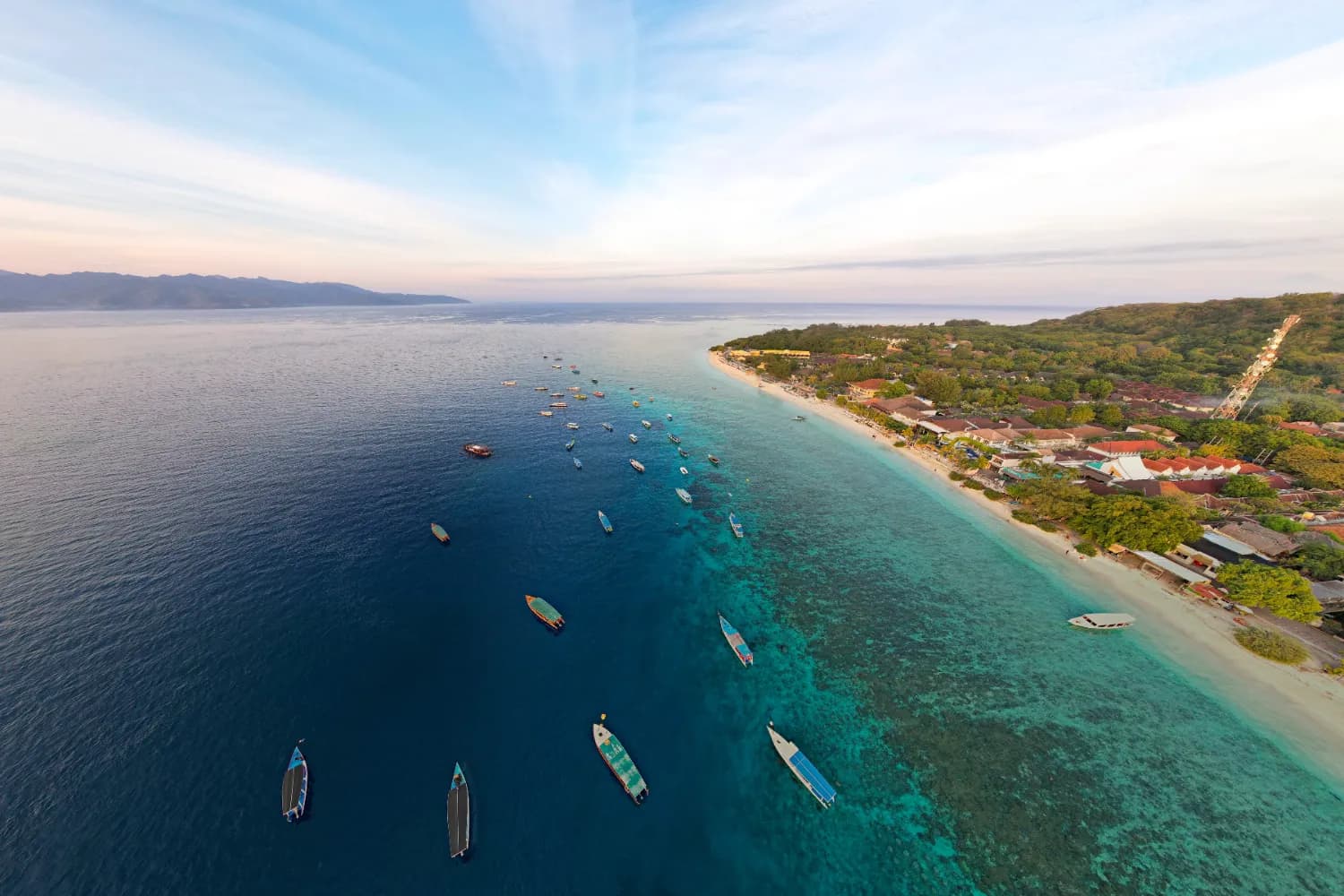
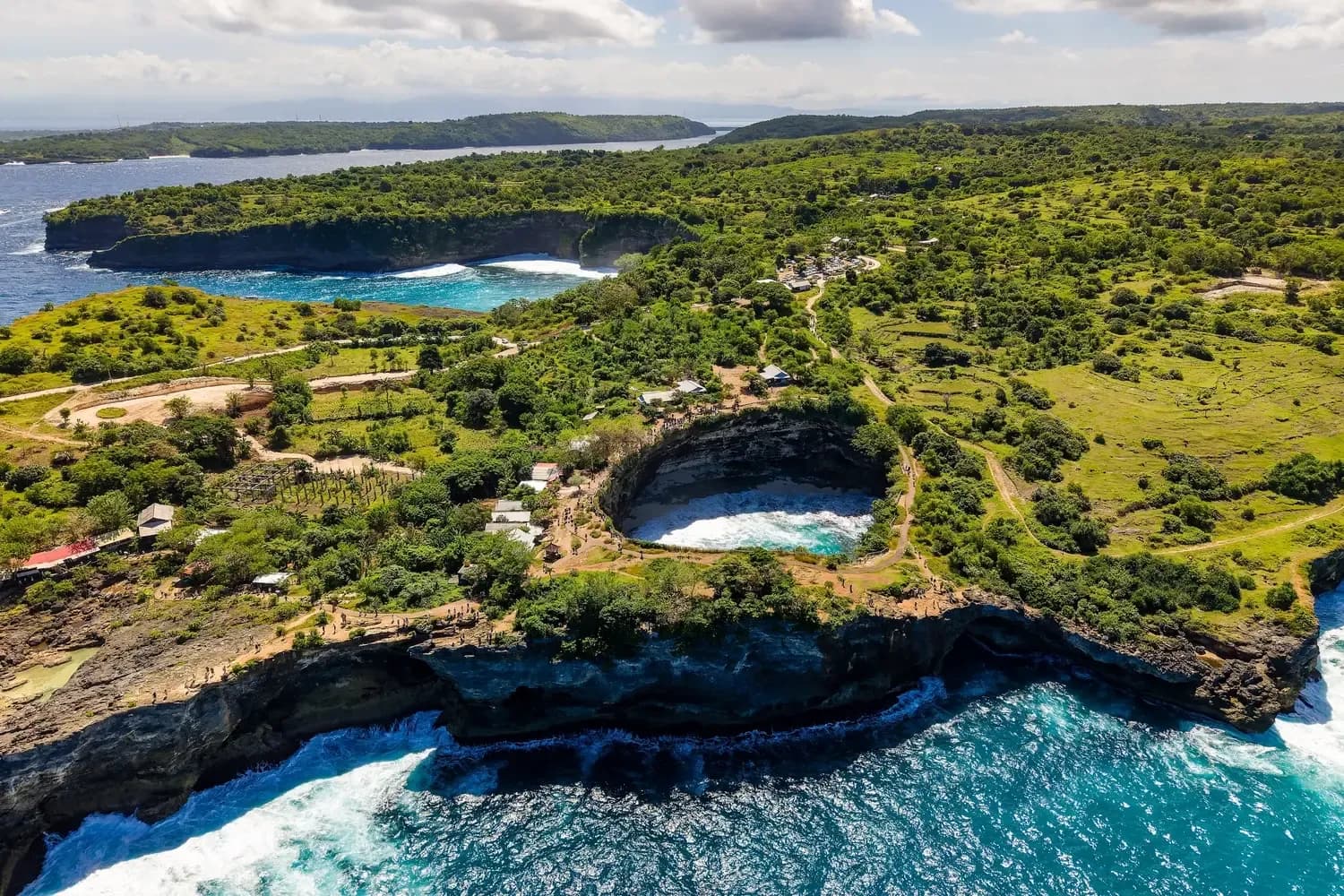
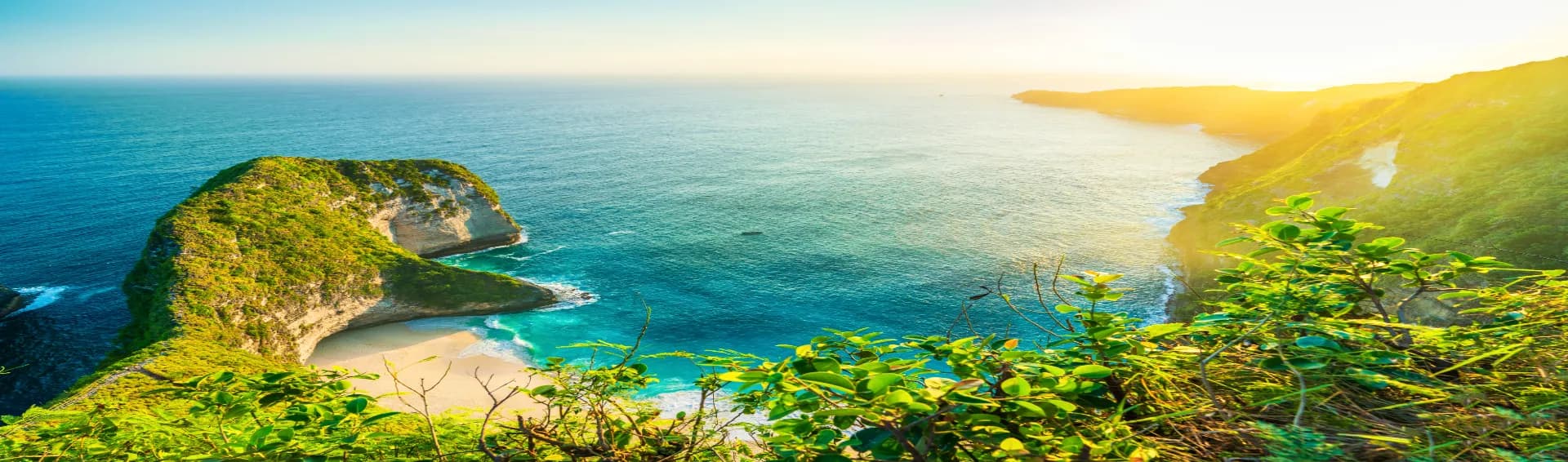
But North Bali beaches are different in both appearance and mood. The sand is darker because of volcanic activity. The waves are calmer. You won’t find rows of luxury clubs on every shoreline. Instead, beaches here feel slower and more local.
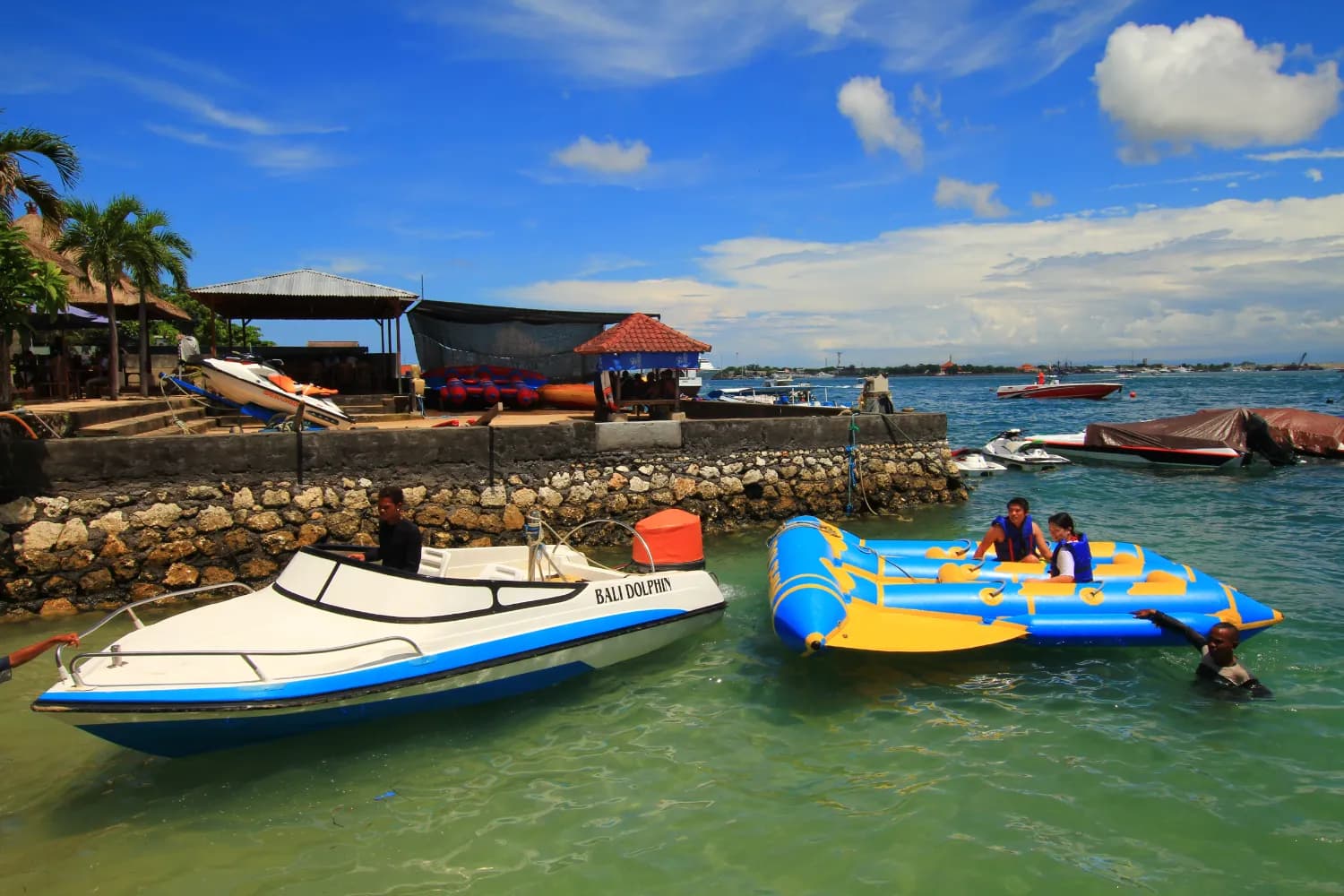
One of the biggest experiences is the sunrise dolphin tour in Lovina. But even that shows the difference between the two sides of Bali. South Bali sells sunsets and nightlife. North Bali wakes up before sunrise.
And honestly, many Indian travelers are surprised by this. They expect all of Bali to look like Instagram reels from Seminyak. North Bali feels quieter, greener, and less commercialized.
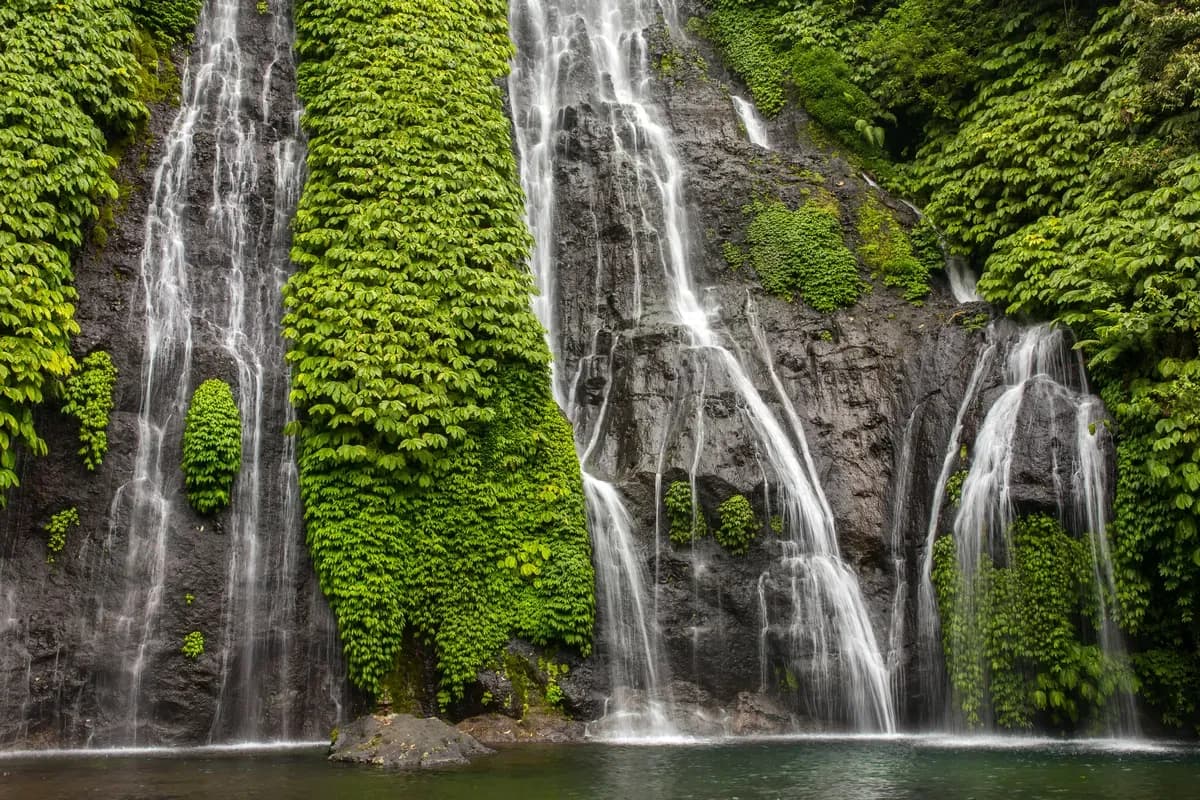
This is where the gap becomes much bigger in 2026. South Bali waterfalls near Ubud are easier to reach, which is why most tourists visit them. But many of these places now feel heavily commercialized. You’ll often find queues for photos, ticket counters everywhere, and crowded viewing points.
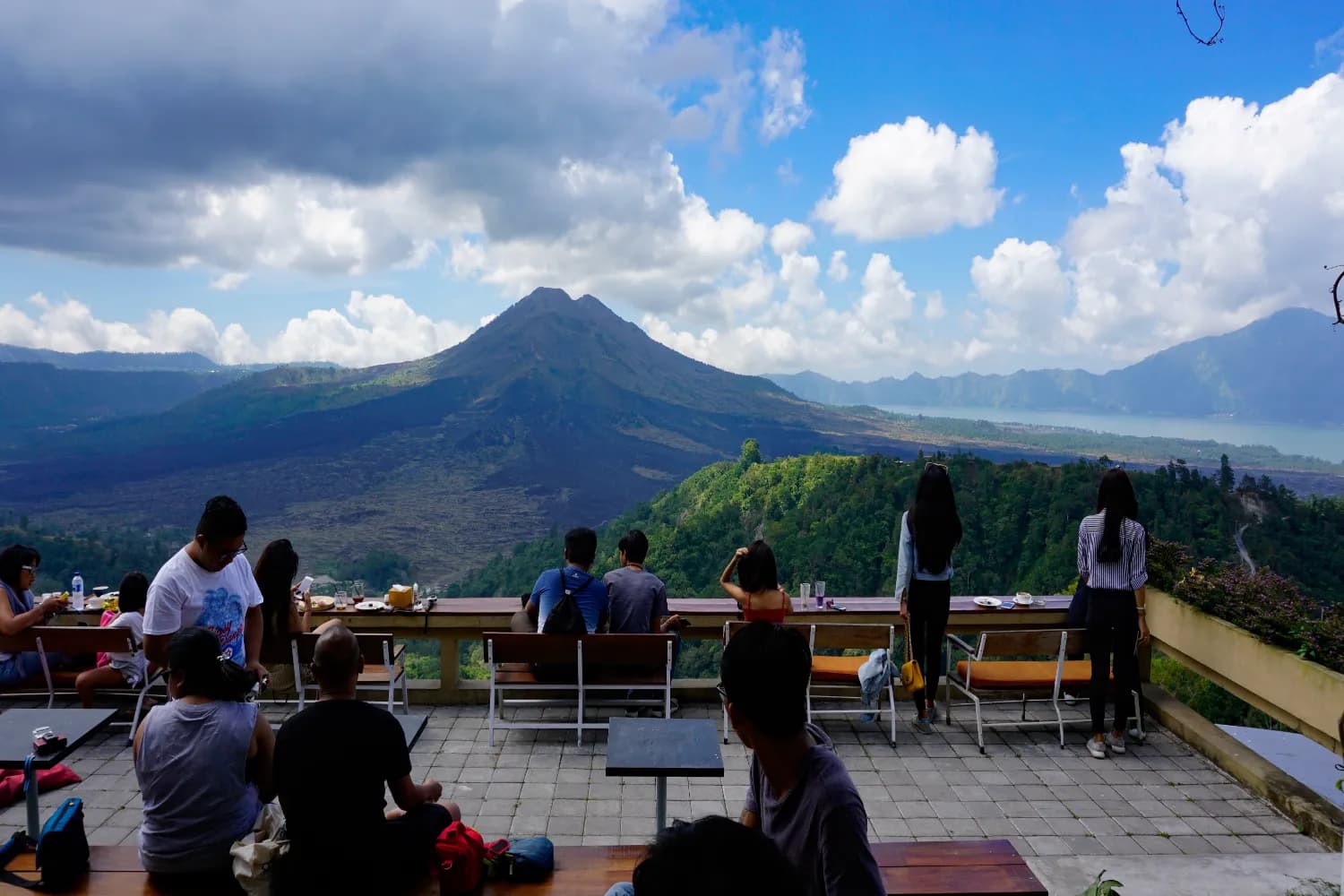
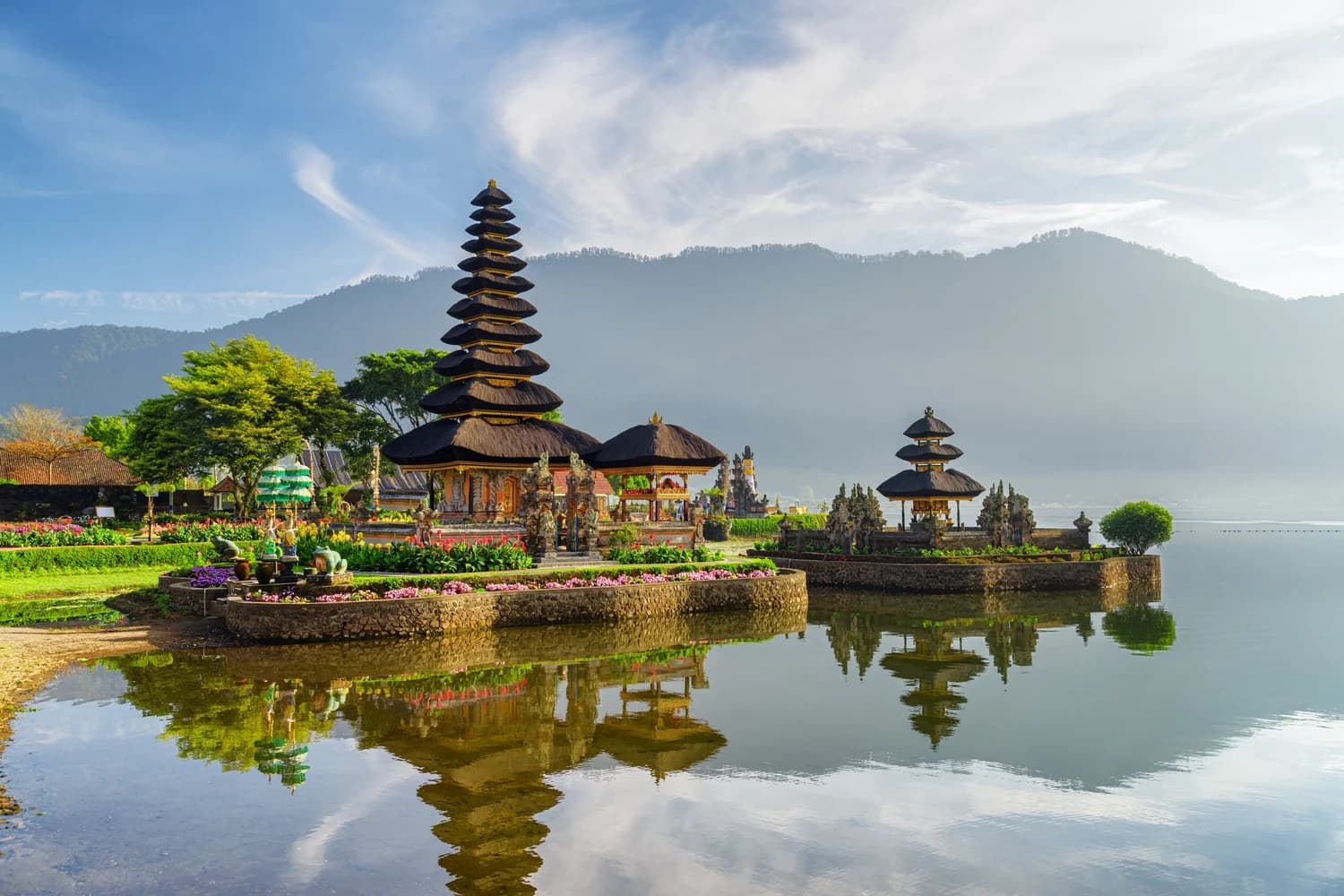
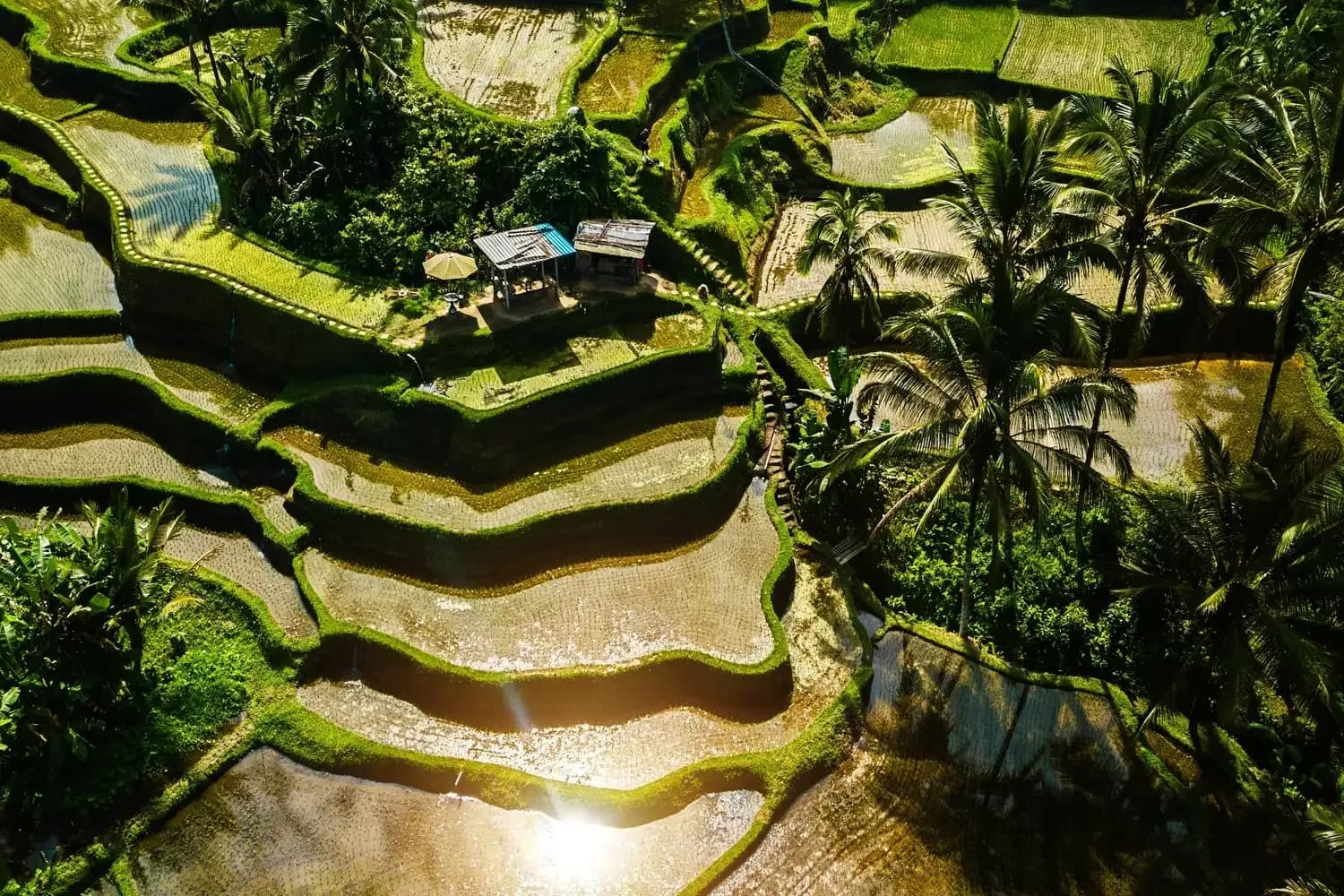
North Bali still gives a stronger feeling of discovery. Places like Sekumpul Waterfall and Munduk involve mountain roads, cooler weather, and longer drives through villages. The journey itself starts becoming part of the experience.
Bottom of the line is: South Bali feels curated for tourism. North Bali still feels connected to local life.
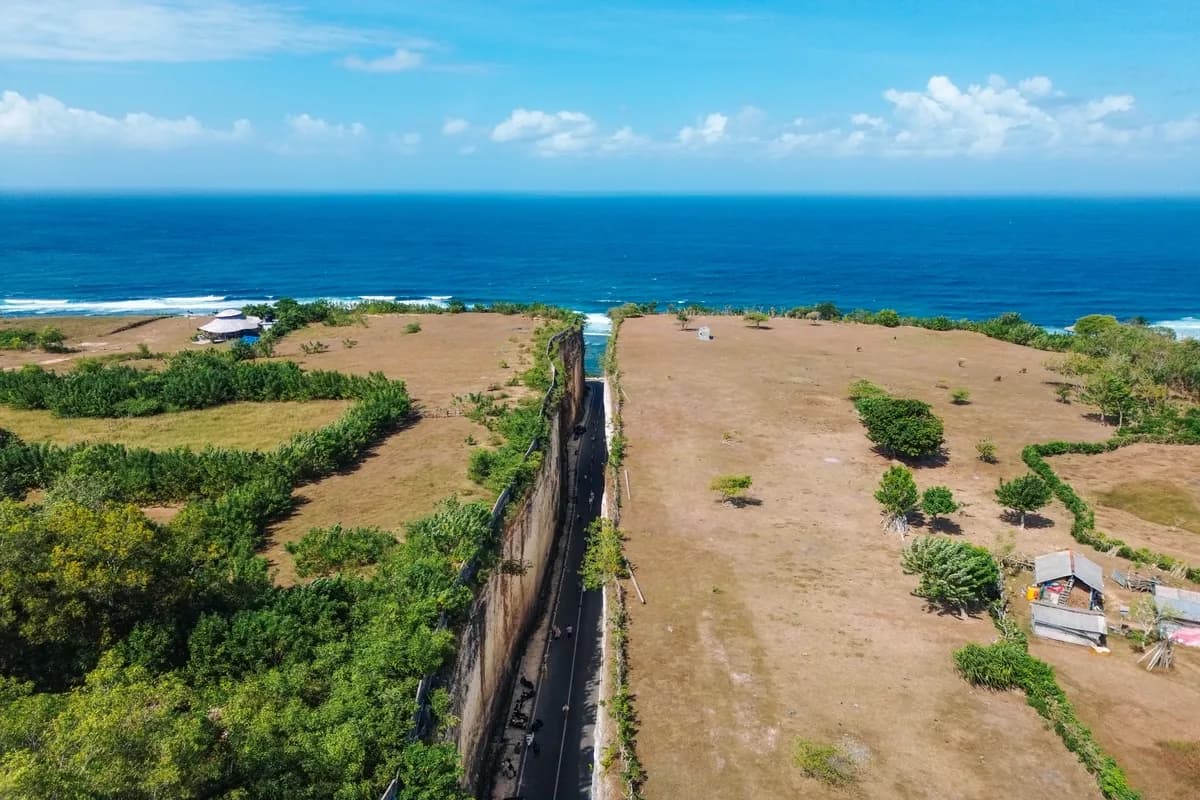
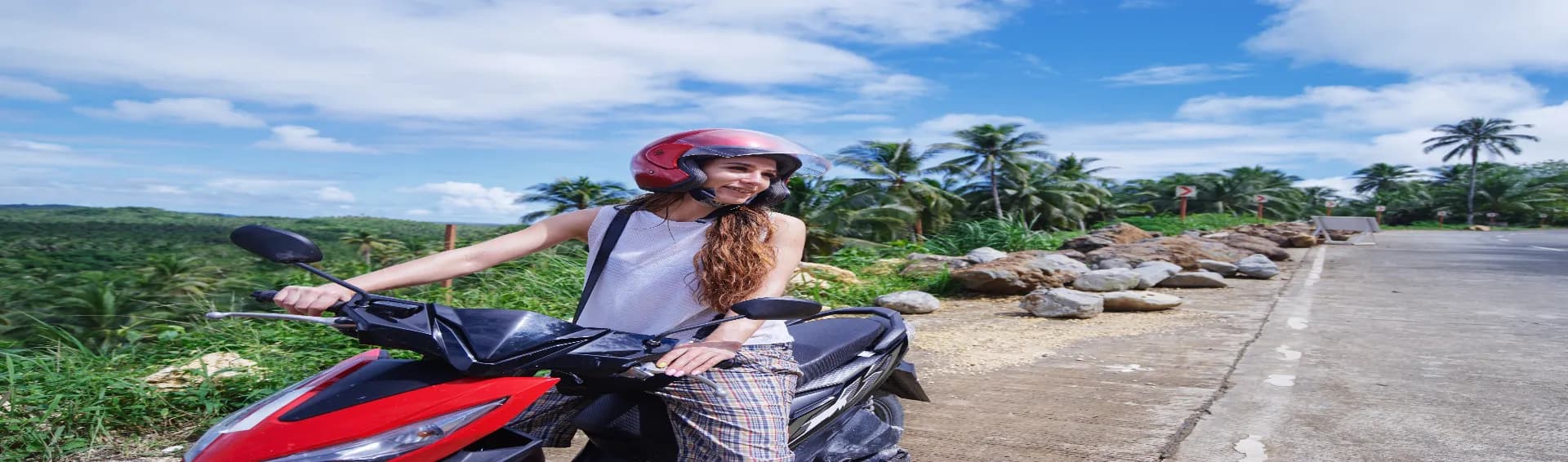
This is probably the most important difference nobody explains properly before booking Bali. South Bali traffic has become exhausting in 2026. People plan 4 - 5 activities daily because locations “look nearby” online. Then half the day disappears in cars. Many travelers return saying Bali was beautiful but tiring.
North Bali has the opposite problem. It’s far from the airport. Reaching there can take 3 - 4 hours, depending on traffic and weather. That distance scares many tourists away.
But once you arrive, the pace changes completely. Roads are emptier. Drives are scenic instead of stressful. You spend less time calculating routes and more time actually experiencing places.
Ironically, many travelers skip North Bali because of the drive, then later regret not staying there longer.
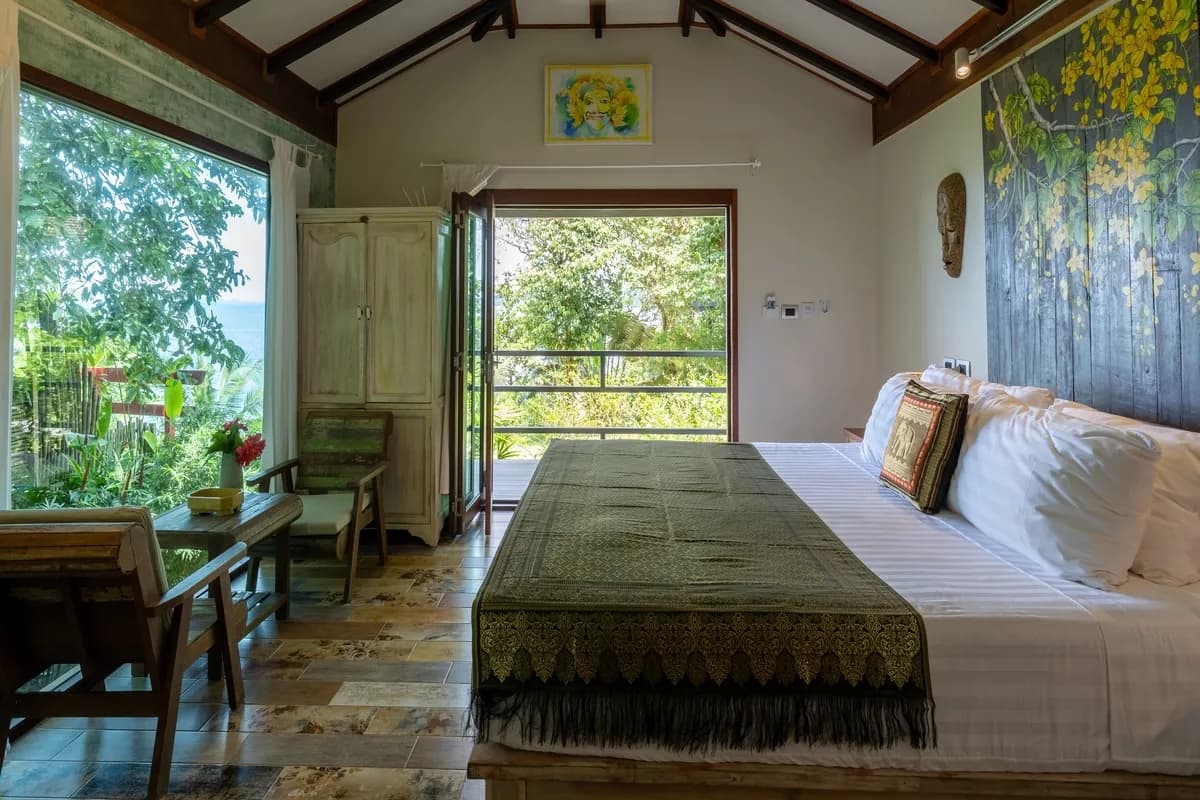
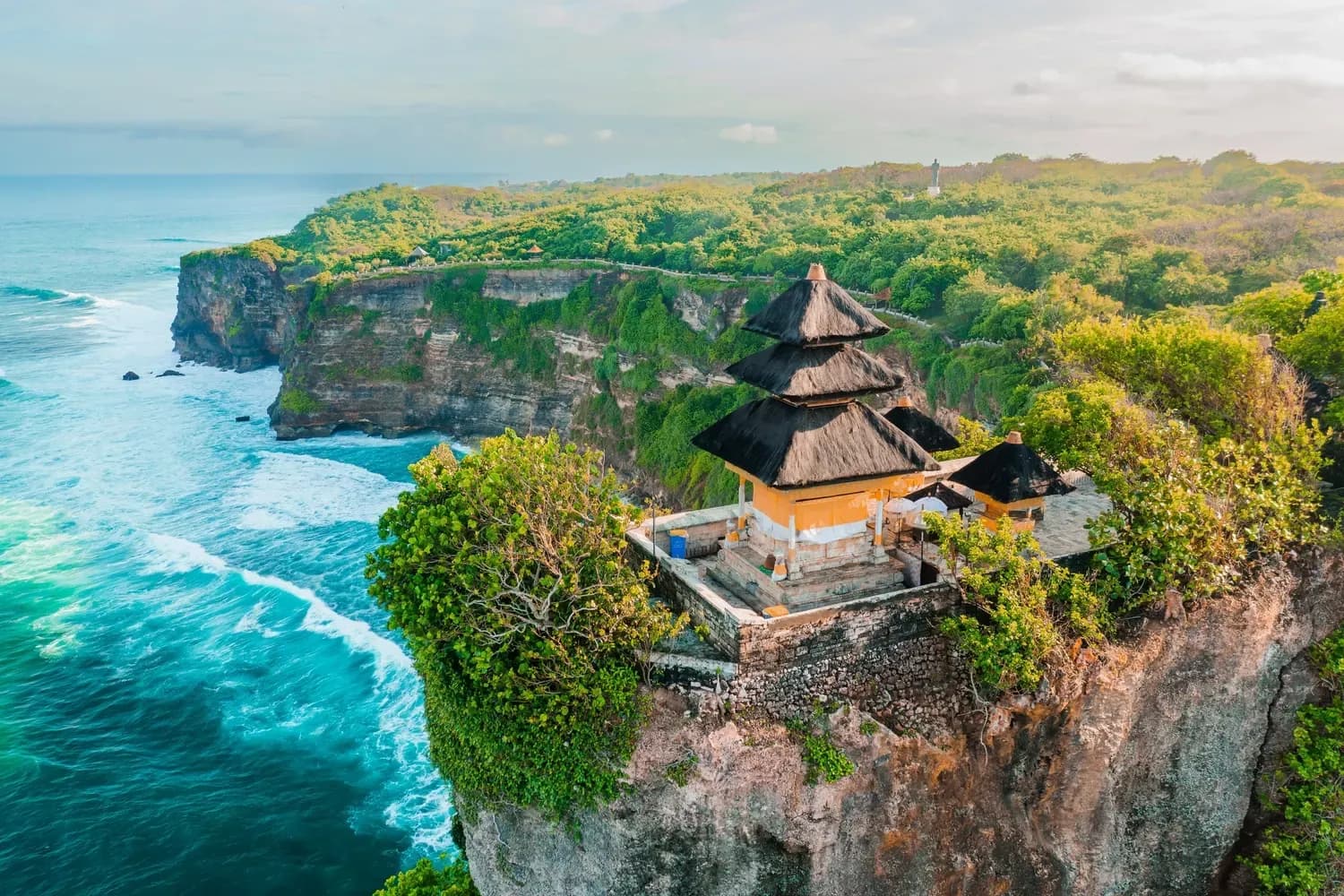
South Bali dominates when it comes to luxury resorts. Private pool villas, honeymoon properties, rooftop bars, beach resorts South Bali is better developed for premium tourism. If someone is visiting Bali for 4–5 days only, staying south makes logistical sense.
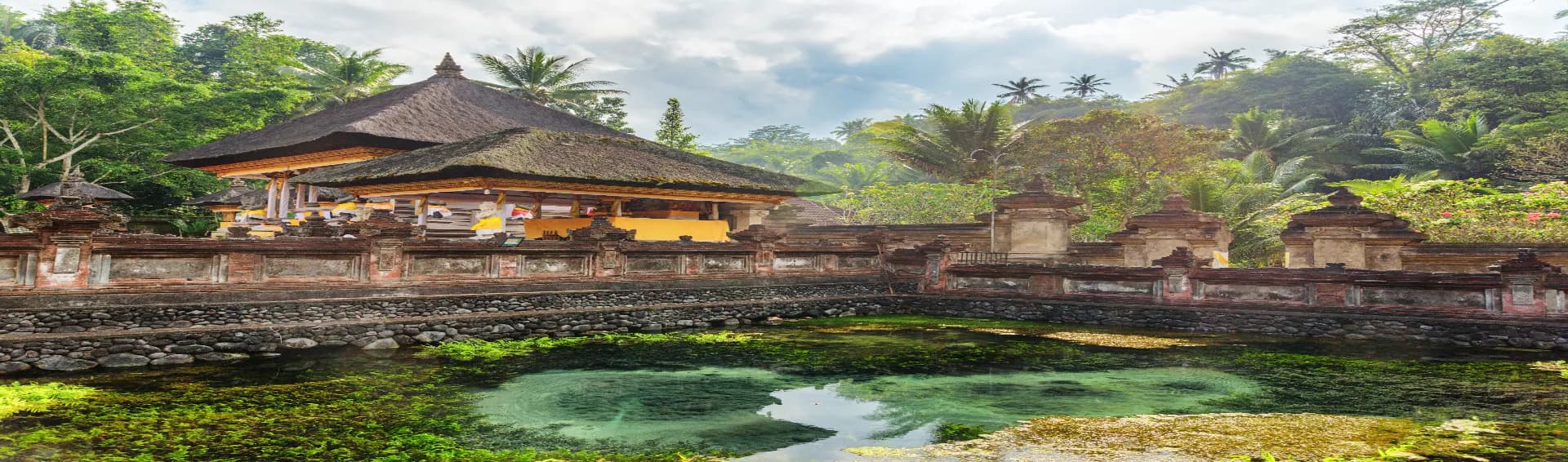
Whereas North Bali hotels focus more on atmosphere. You’ll find jungle lodges, mountain-view villas, eco-resorts, and quiet oceanfront stays. These places often feel more personal because tourism is still lighter here compared to Seminyak or Kuta.
Choose South Bali if you want:
Choose North Bali if you want:
But the smartest Bali travelers in 2026 are no longer choosing only one side. They’re combining both. Spend a few days in the south for energy and convenience, then move north for the quieter and more scenic side of the island. That balance is where Bali starts feeling complete instead of rushed.
If you’re planning a trip to Bali in 2026, Viacation can help you build a more balanced itinerary that covers both North and South Bali instead of the usual overcrowded tourist circuit.
North Bali is better for nature and peaceful stays, while South Bali is ideal for nightlife, cafés, beaches, and first-time travelers seeking convenience in 2026.
Yes, Bali remains worth visiting in 2026 for beaches, waterfalls, culture, luxury stays, nightlife, and affordable international vacations popular among Indian travelers. But don’t only visit South Bali, explore North Bali also to experience both energies of Bali.
North Bali is gaining popularity because travelers now prefer quieter beaches, waterfalls, cooler weather, scenic stays, and less crowded tourist experiences.
A 7 to 9-day Bali trip is ideal for exploring both North and South Bali comfortably without rushing to beaches, waterfalls, nightlife, and sightseeing experiences.
North Bali has significantly less traffic compared to South Bali, making travel smoother, quieter, and more relaxing for nature-focused travelers.
May 26, 2026
May 26, 2026
May 26, 2026
May 25, 2026
May 25, 2026