 Vietnam
 sightseeing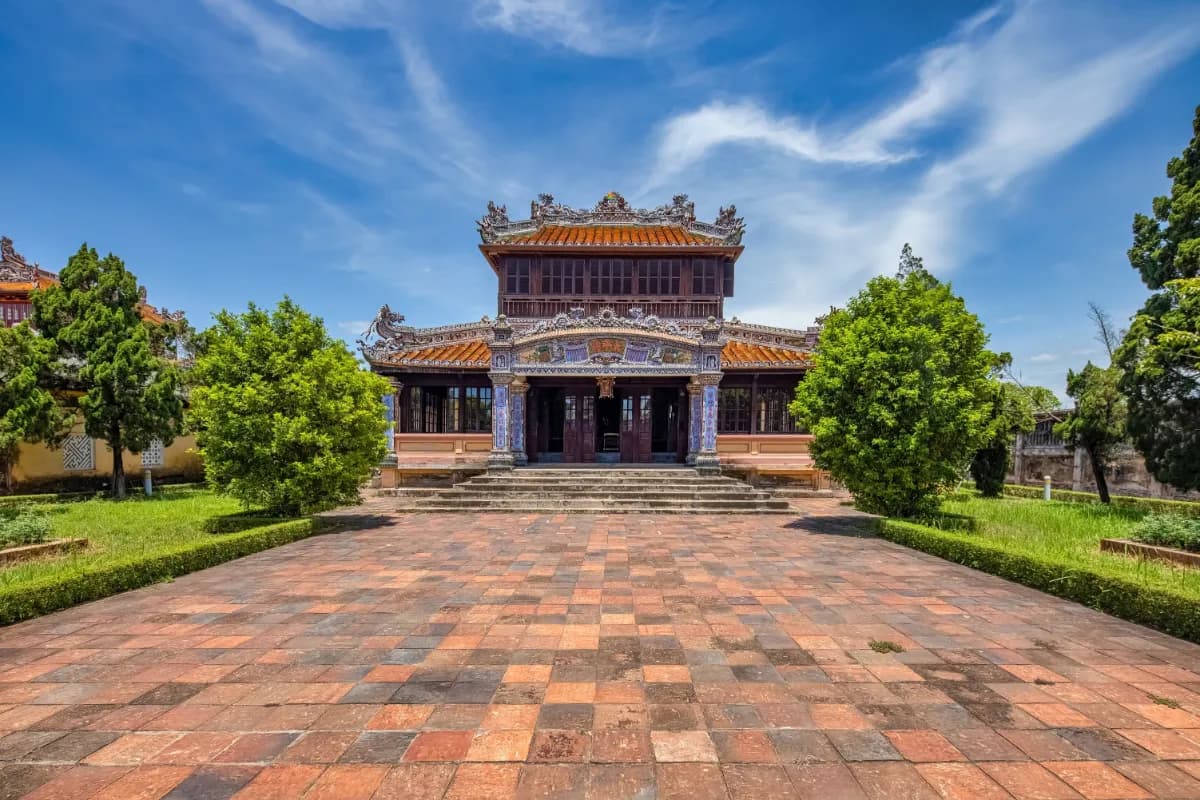
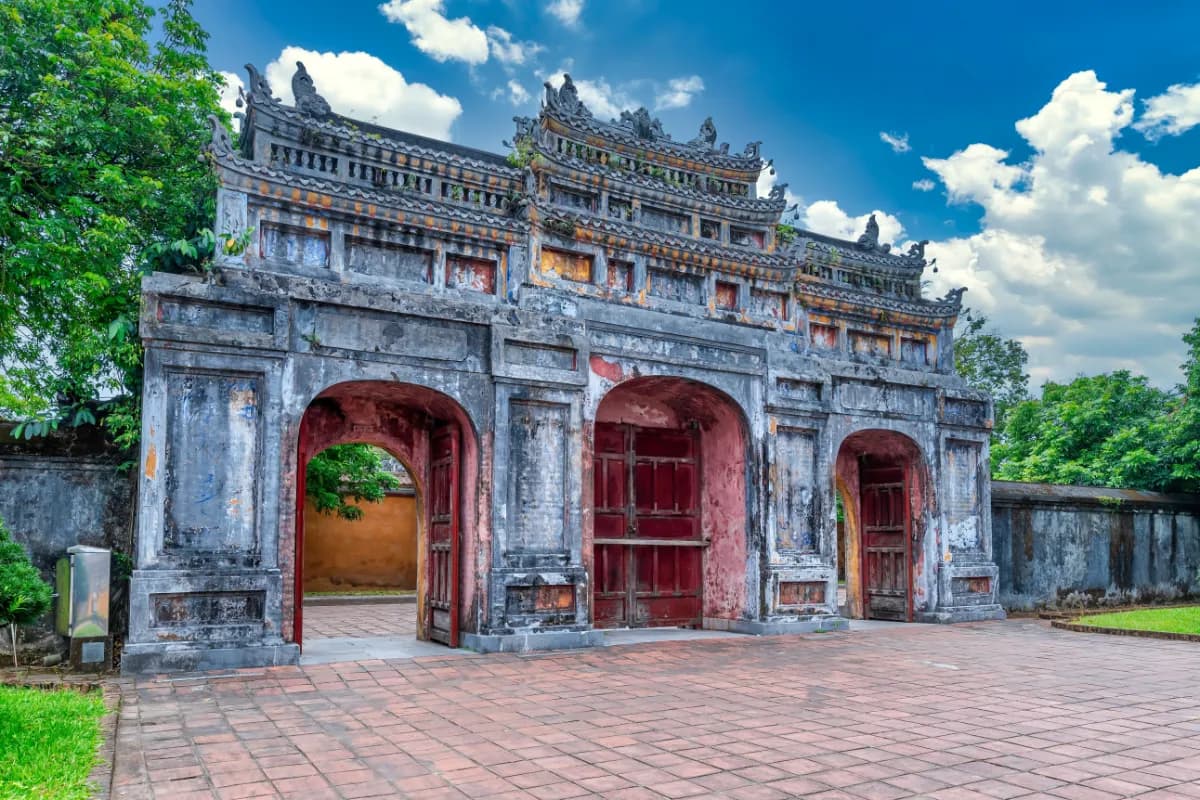
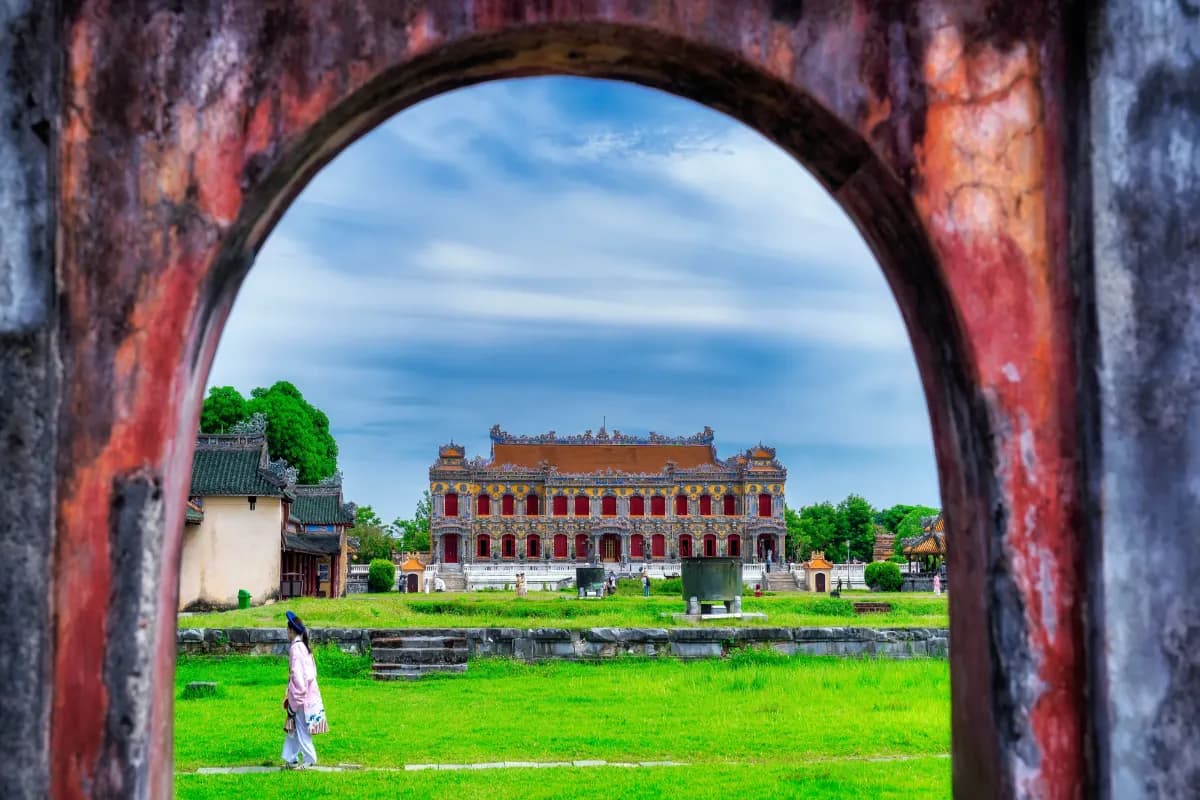
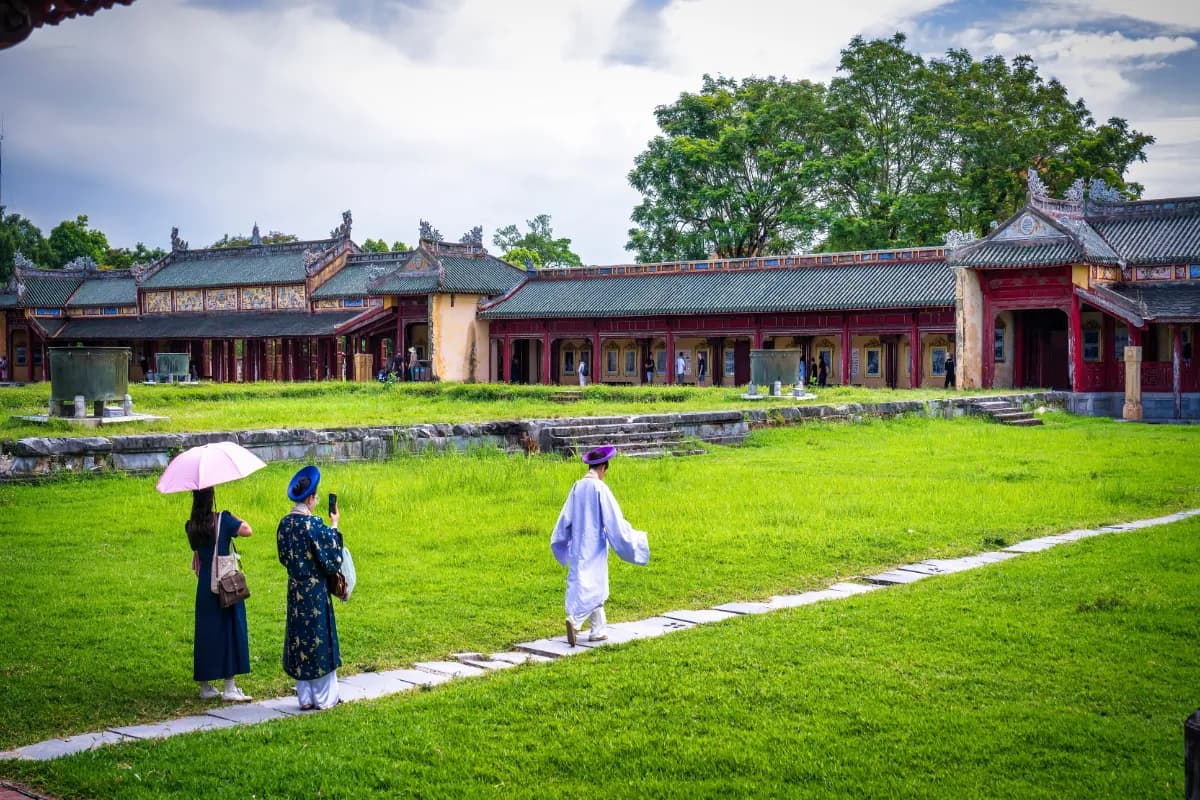
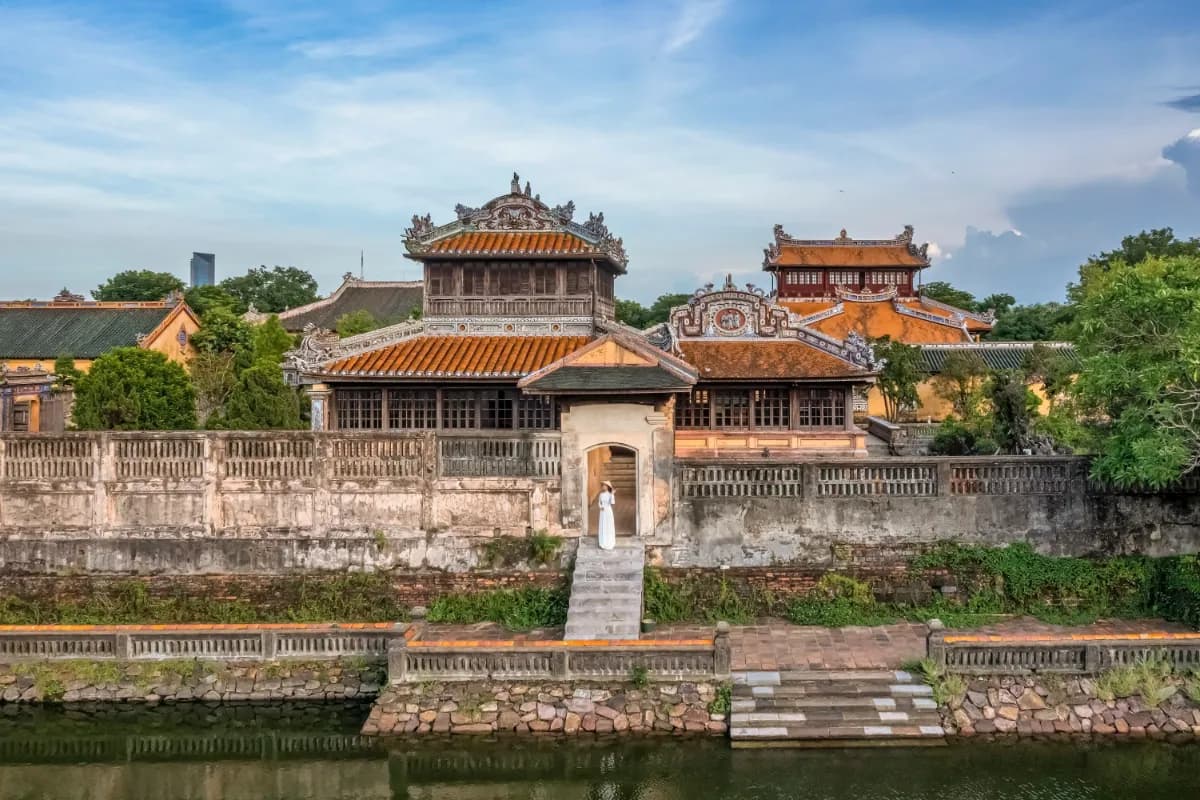
Hue Imperial City is a large walled complex located along the Perfume River in central Vietnam. It was once the political centre of the Nguyen Dynasty and still contains palaces, gates, temples, and royal courtyards inside its massive stone walls. The layout feels more historical than modern, tourist-focused.
Hue is 700 kilometres south of Hanoi and 120 kilometers north of Da Nang. Travellers reach Hue by train on one of the best rail routes in Southeast Asia. Vietnam tour packages almost always add Hue as a two-day stop. Da Nang airport is the nearest major airport, just two hours away by road.
The Nguyen dynasty chose Hue as their imperial capital in 1802. Emperor Gia Long ordered the citadel to be built immediately. It took until 1833 to finish the full complex under Emperor Minh Mang. The design drew from Beijing's Forbidden City but was adapted to Vietnamese culture and geography.
The citadel survived French colonial rule in the late 1800s. During the 1968 Tet Offensive, the city saw heavy fighting. Large sections of the Imperial City were damaged in that battle. Restoration began in the 1990s after UNESCO listed it as a World Heritage Site in 1993. Work is still ongoing in several sections today.
Plan your visit between February and April. The weather stays drier with temperatures around 20–30°C. Morning hours are better for walking inside the complex. Avoid October and November due to heavy rain and flooding risks.
Hue Imperial City is located inside Hue city, around 3 km from the railway station. Taxis and bike taxis reach the entrance within 10–15 minutes, usually costing ₹200–₹400.
Entry Fee: ₹725 per person
Timings:
Day Wise Timings
Maps & Location
Huế, Hue, Vietnam
Essential Information
Point of Interest for Hue Imperial City
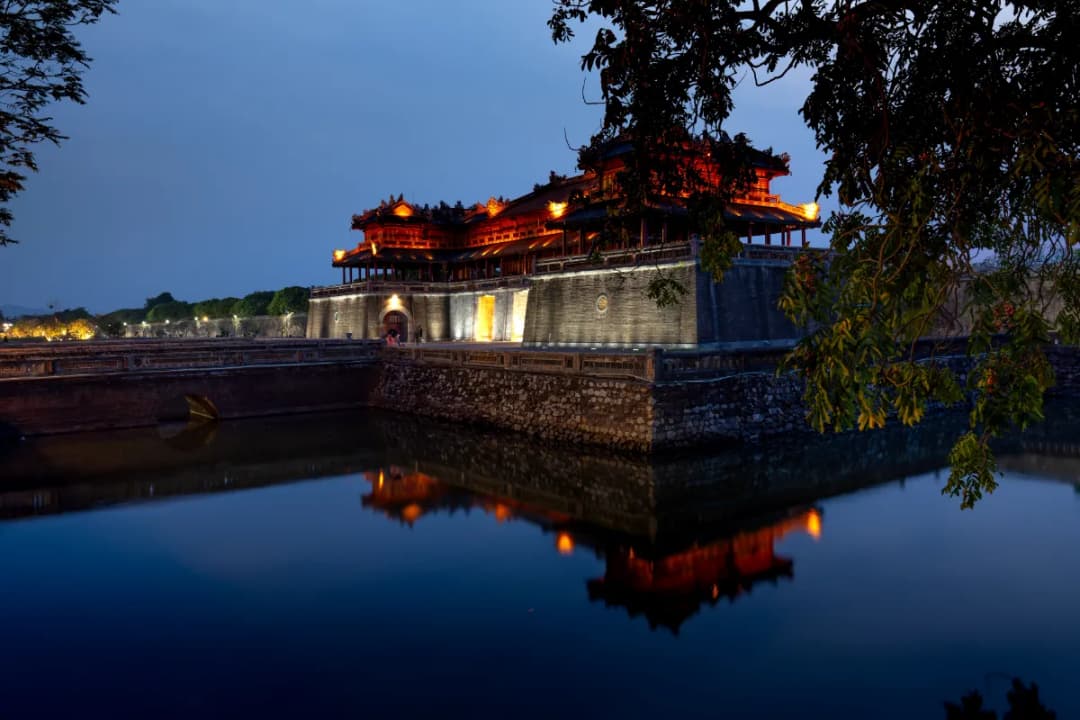
Ngo Mon Gate
Main entrance gate used by emperors during royal ceremonies
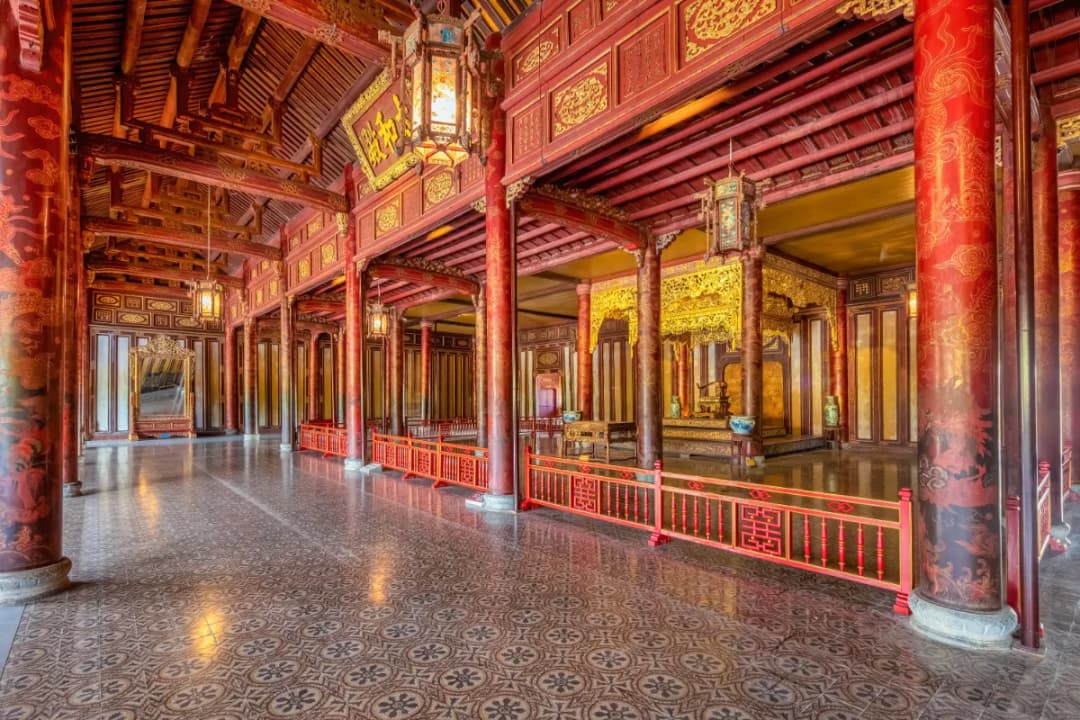
Thai Hoa Palace
Royal hall with decorated interiors and a ceremonial seating area
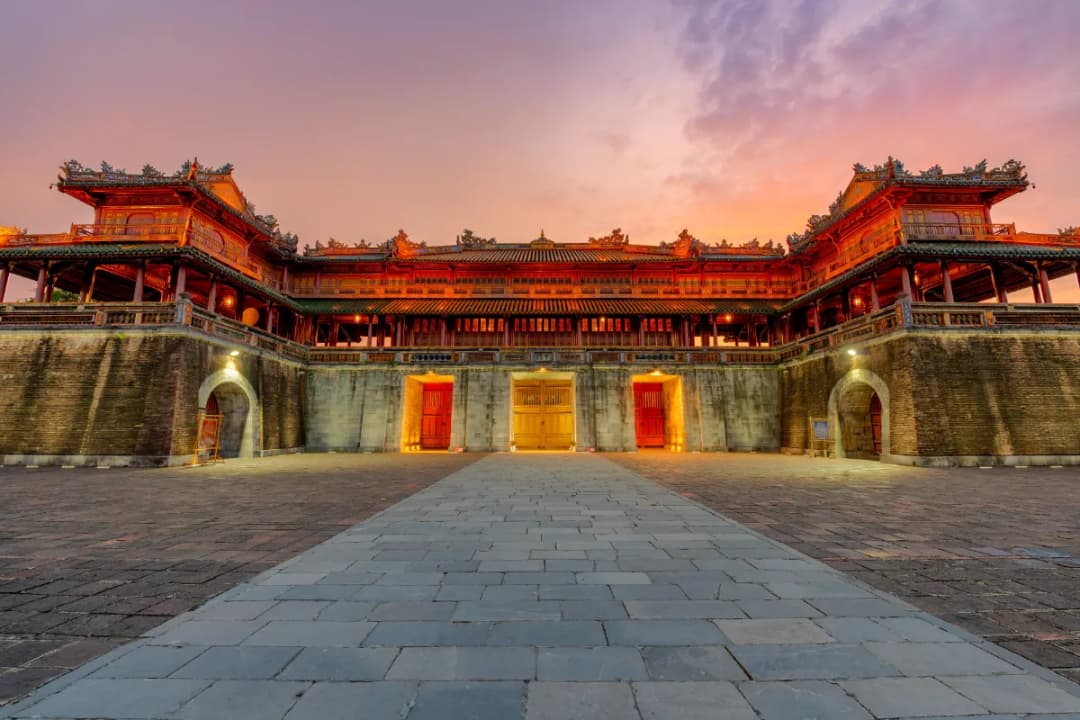
Forbidden Purple City
Former private residence area for Vietnam’s royal family
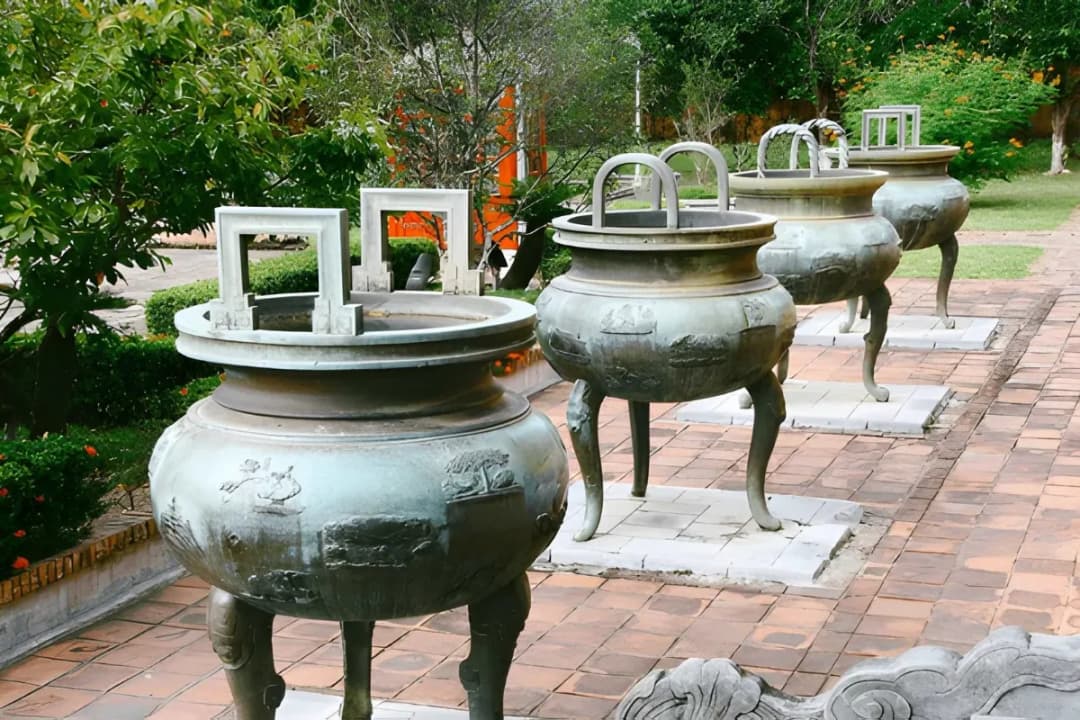
Nine Dynastic Urns
Large bronze urns representing the Nguyen Dynasty emperors and power
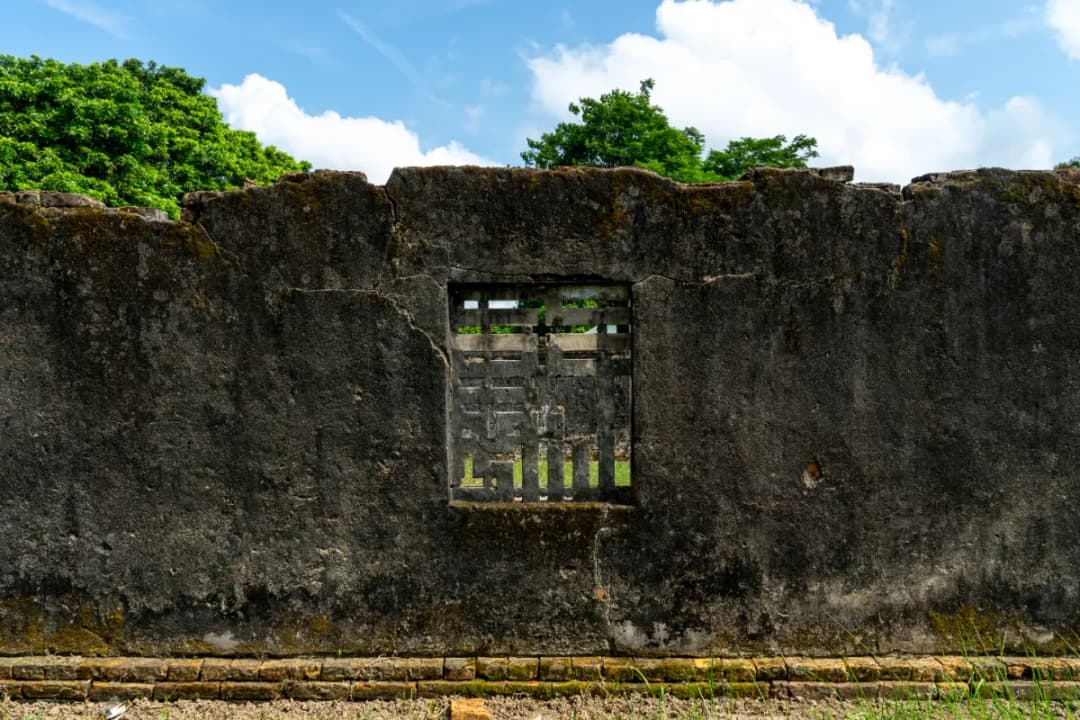
Imperial City Walls
Massive stone walls surround the historic royal complex
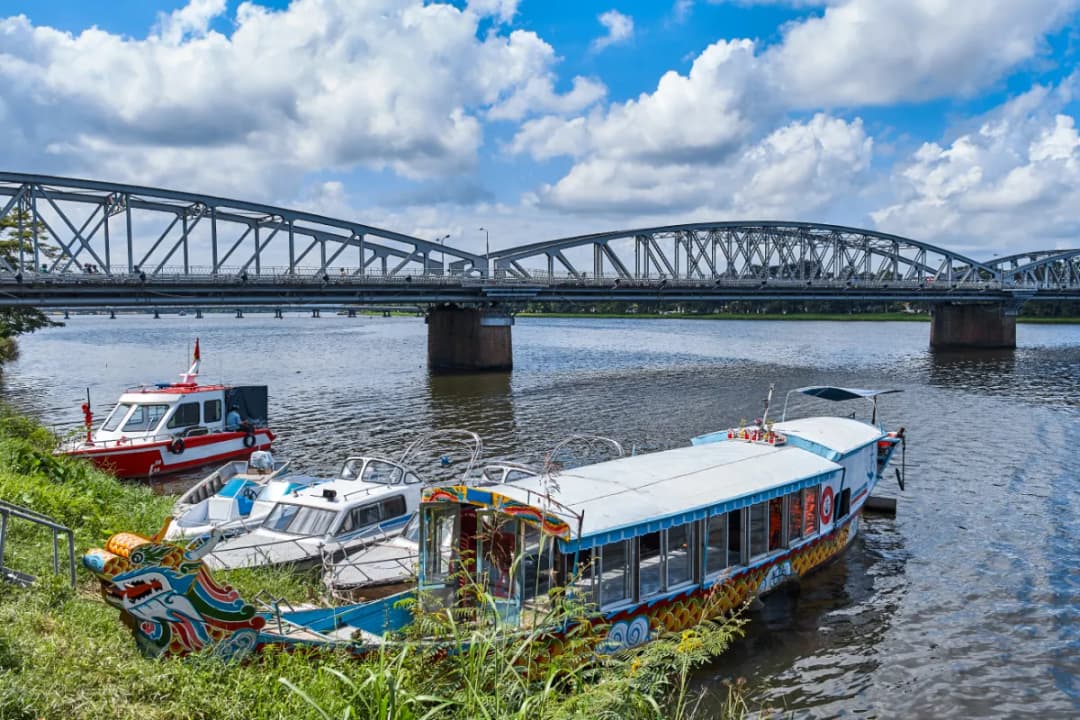
Perfume River Area
The Riverside stretch is located close to the Imperial City entrance

The Imperial City is a UNESCO World Heritage site known for its grand palaces, ornate temples, and the Forbidden Purple City. It served as the political centre for the Nguyen Dynasty.
Hue is best known as Vietnam’s former imperial capital. It is famous for its massive 19th-century citadel, royal tombs along the Perfume River, and a highly refined, world-class culinary tradition.
Yes. It is essential for history lovers and photographers. The complex offers a deep look into Vietnam's feudal past through its well-preserved architecture, sprawling gardens, and intricate royal stone carvings.
Hue is the birthplace of nearly two-thirds of all Vietnamese dishes. Many were created by royal chefs who were tasked with serving 50 different dishes to the emperor at every meal.
Locals and visitors enjoy "Royal Cuisine" like Bun Bo Hue (spicy beef noodles), Com Hen (clam rice), and delicate steamed rice cakes such as Banh Beo and Banh Nam.

Trusted by 1,00,000+ travellers

Dedicated experts to plan your trips

Secure bookings, clear cancellations
10,000+ unique trips to choose from

4.8

Grace Collins
Reviewed: Oct 18, 2025Sandeep Ahuja
Reviewed: Jan 10, 2026