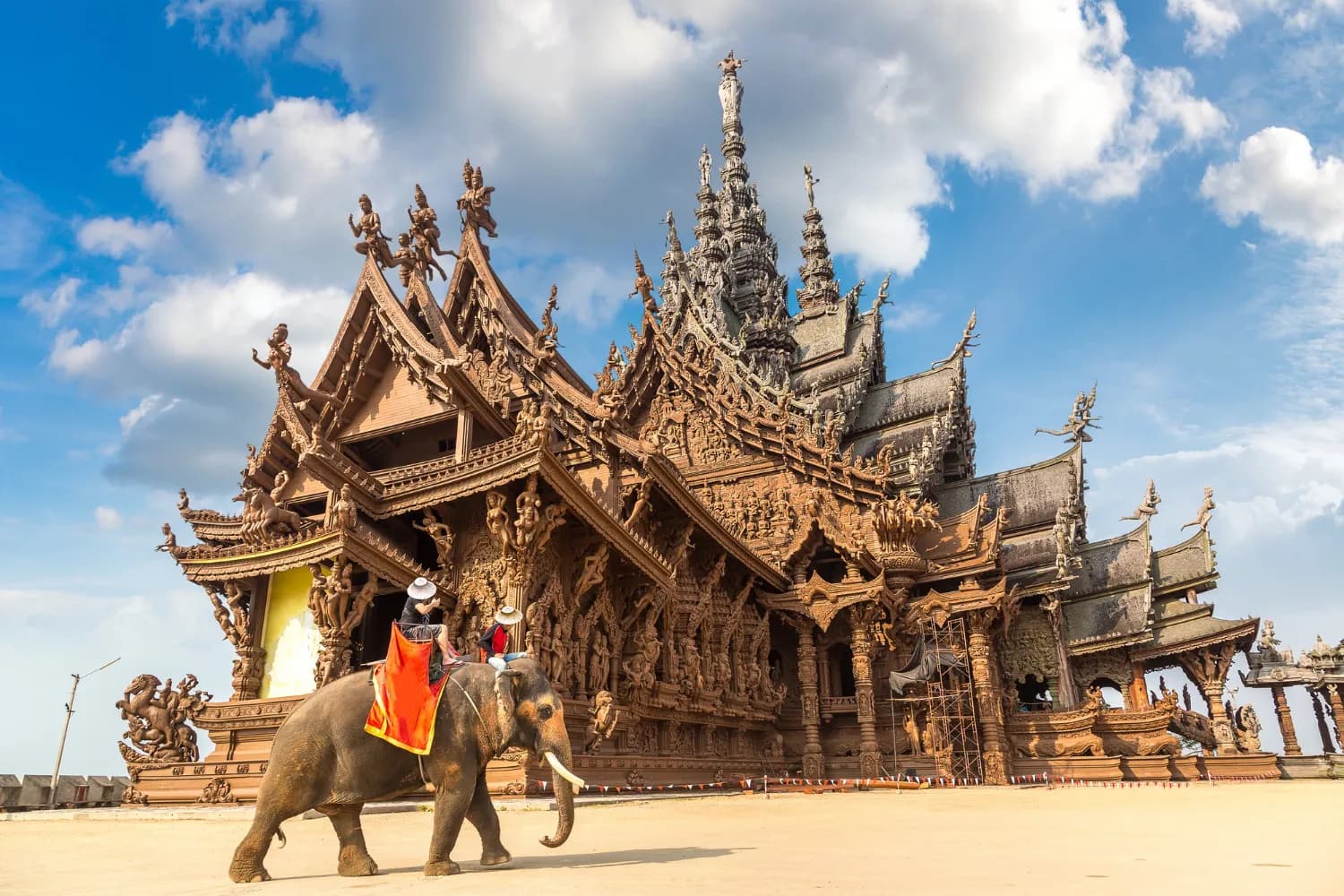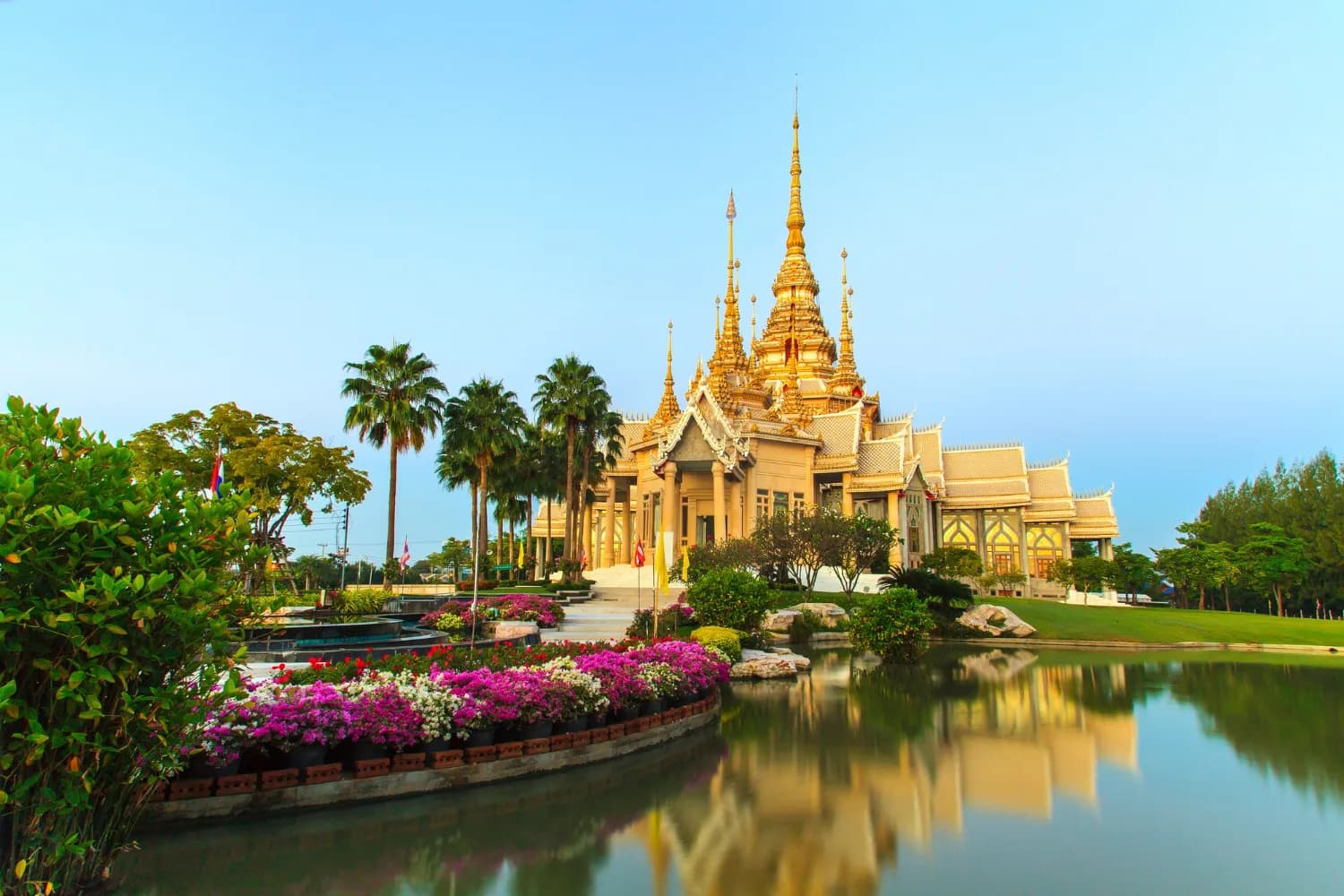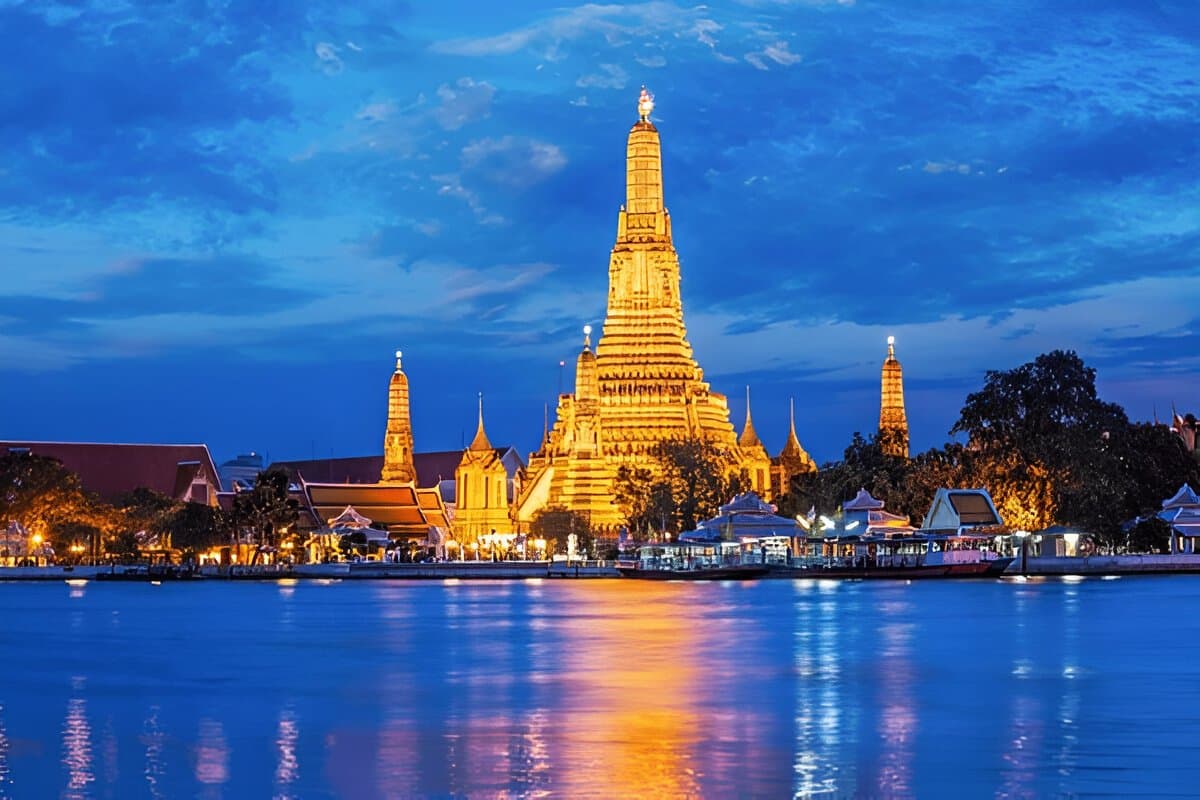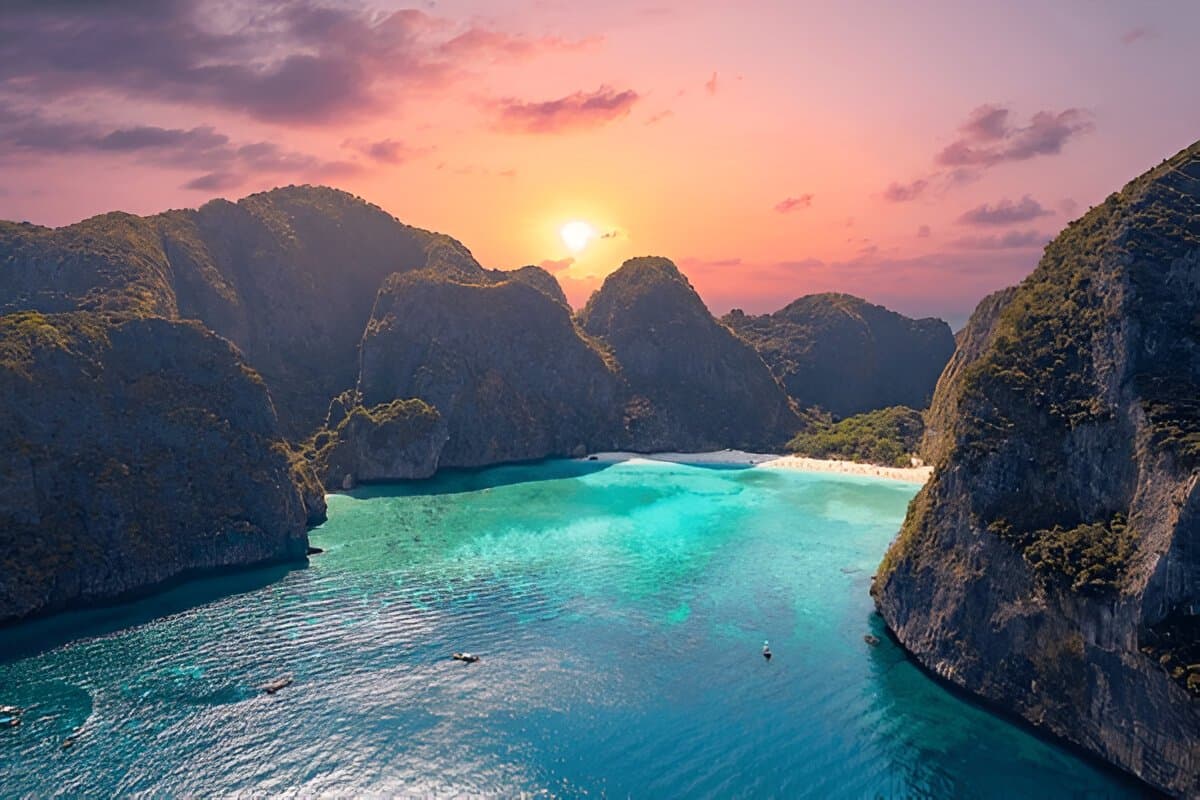

The history of Thailand unfolds like a vibrant tapestry, woven with threads of faith, art, and power. Unlike many nations in Southeast Asia, Thailand proudly remains the only country in the region never colonized by Western powers. This independence allowed its culture, monarchy, and religion to develop in a uniquely authentic way.
From ancient temples to the bustling streets of Bangkok, every corner tells a story of transformation and timeless pride, making the journey through Thai history as captivating as its landscapes.
₹25,999
per person
₹29,999
per person
₹48,999
per person
₹45,999
per person
Those planning their next cultural getaway can explore Thailand tour packages that trace this history firsthand. From the ancient ruins of Sukhothai and Ayutthaya to the royal palaces and floating markets of modern Bangkok, Thailand’s heritage offers travelers a living museum of Southeast Asia’s past. It’s a destination where tradition still breathes, through dance, architecture, and the warmth of its people.
The history of Thailand begins long before written records, with archaeological discoveries dating back over 4,000 years. The earliest inhabitants were rice cultivators and traders who settled along fertile river valleys. Over time, small communities evolved into complex societies influenced by Indian culture, language, and religion.
By the 9th century, the Mon and Khmer civilizations dominated parts of present-day Thailand, leaving behind remarkable relics such as the Dvaravati art and the Khmer-style temples seen in Phimai and Phanom Rung. These influences laid the foundation for Thai identity, blending Buddhism, artistry, and architectural elegance.
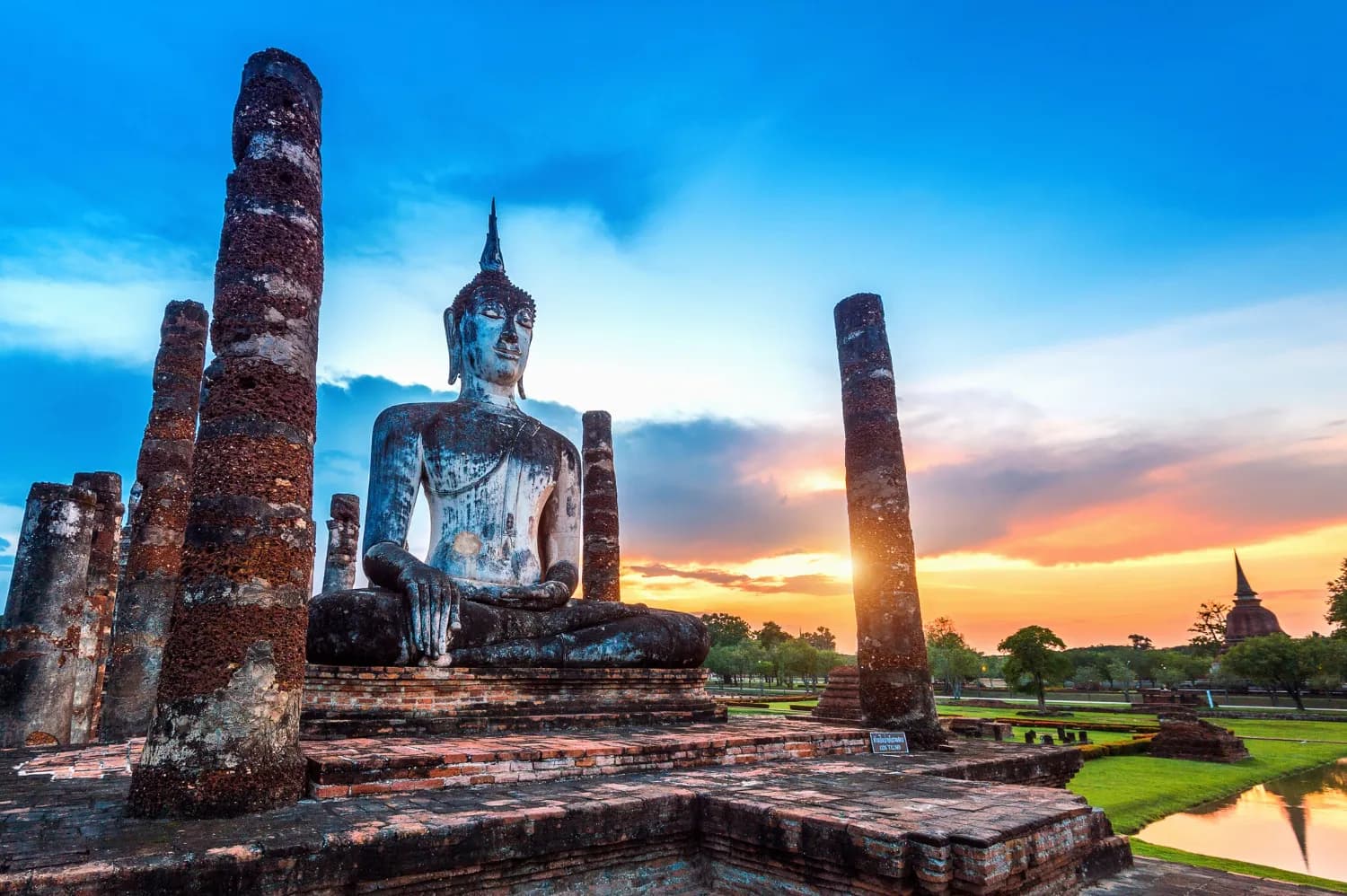
Sukhothai, often called the first true Thai kingdom, marked the golden dawn in the history of Thailand. Founded in the 13th century by King Si Inthrathit, it became a symbol of unity and independence. Under King Ramkhamhaeng the Great, Sukhothai flourished, Thai script was created, Theravada Buddhism was promoted, and governance emphasized fairness and compassion. The kingdom’s serene Buddha statues, graceful stupas, and peaceful energy continue to represent the ideal Thai spirit. Today, Sukhothai Historical Park stands as a UNESCO World Heritage Site, a silent storyteller of the nation’s glorious beginnings.
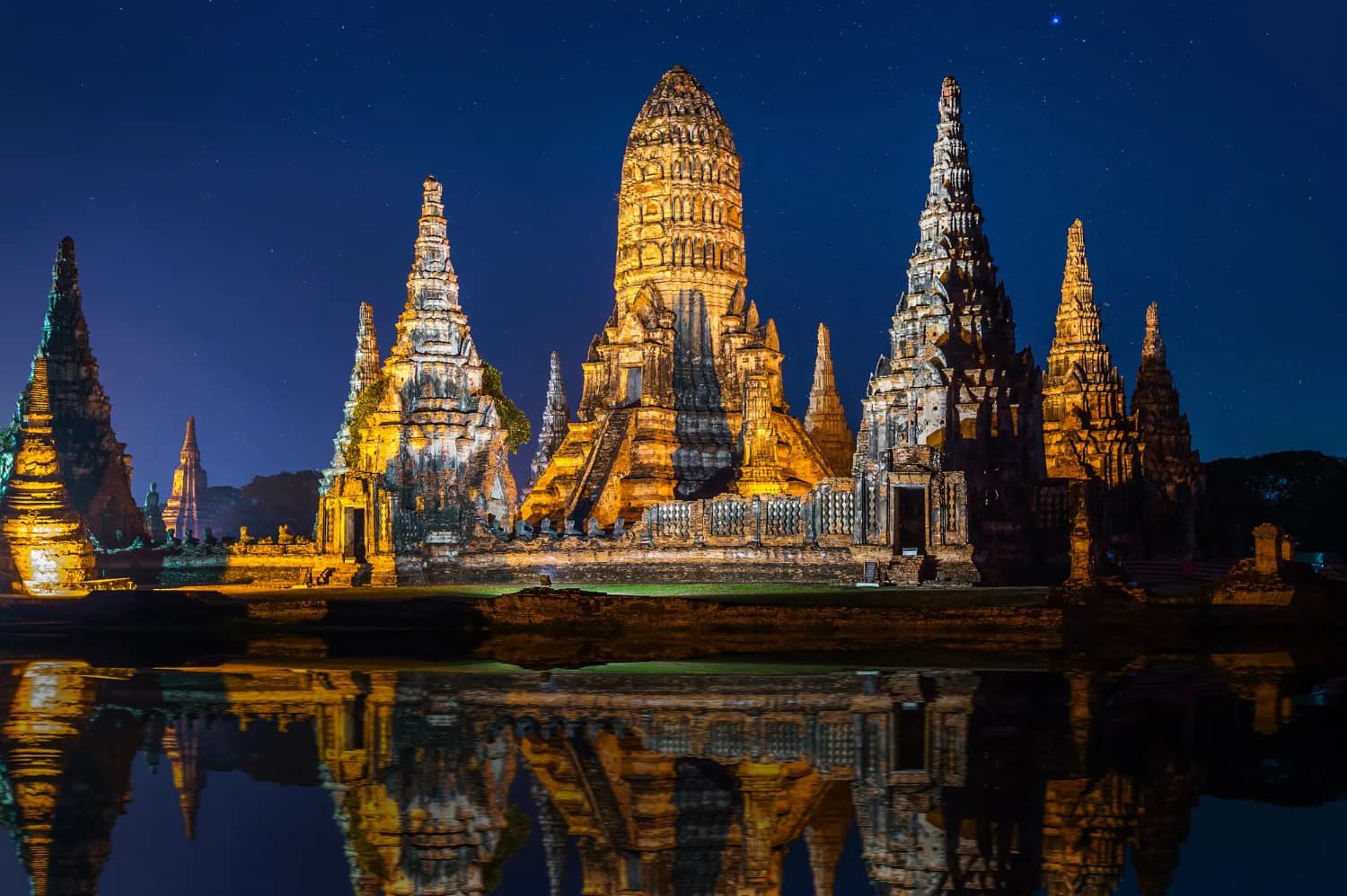
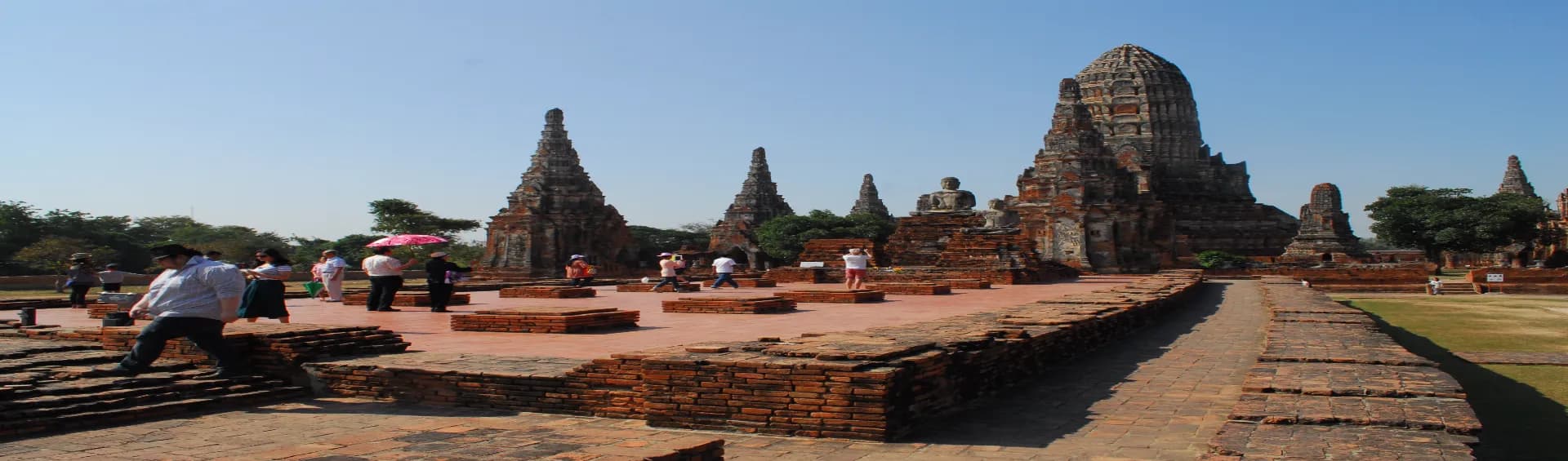
Following Sukhothai’s decline, the Ayutthaya Kingdom emerged as one of the most influential empires in the history of Thailand. Situated near modern-day Bangkok, Ayutthaya became a center of trade and diplomacy, connecting with China, India, Persia, and Europe. Its kings expanded Thai influence across the region, while magnificent temples and palaces rose along the Chao Phraya River. The blend of Thai, Khmer, and foreign architectural styles created Ayutthaya’s unique charm.
For over four centuries, Ayutthaya symbolized wealth and wisdom until 1767, when it was tragically destroyed by Burmese forces. Yet, even in ruins, it remains one of Thailand’s most breathtaking historical treasures.
After Ayutthaya’s fall, General Taksin established the short-lived Thonburi Kingdom, uniting fragmented provinces and restoring stability. Later, King Rama I founded the Chakri Dynasty, marking a new era in the history of Thailand. Bangkok became the new capital, and under this dynasty, the nation flourished once again. The early kings built the Grand Palace, preserved Buddhist teachings, and nurtured arts and literature. The Chakri lineage continues to this day, with the monarchy remaining a deeply respected symbol of Thai unity and identity.
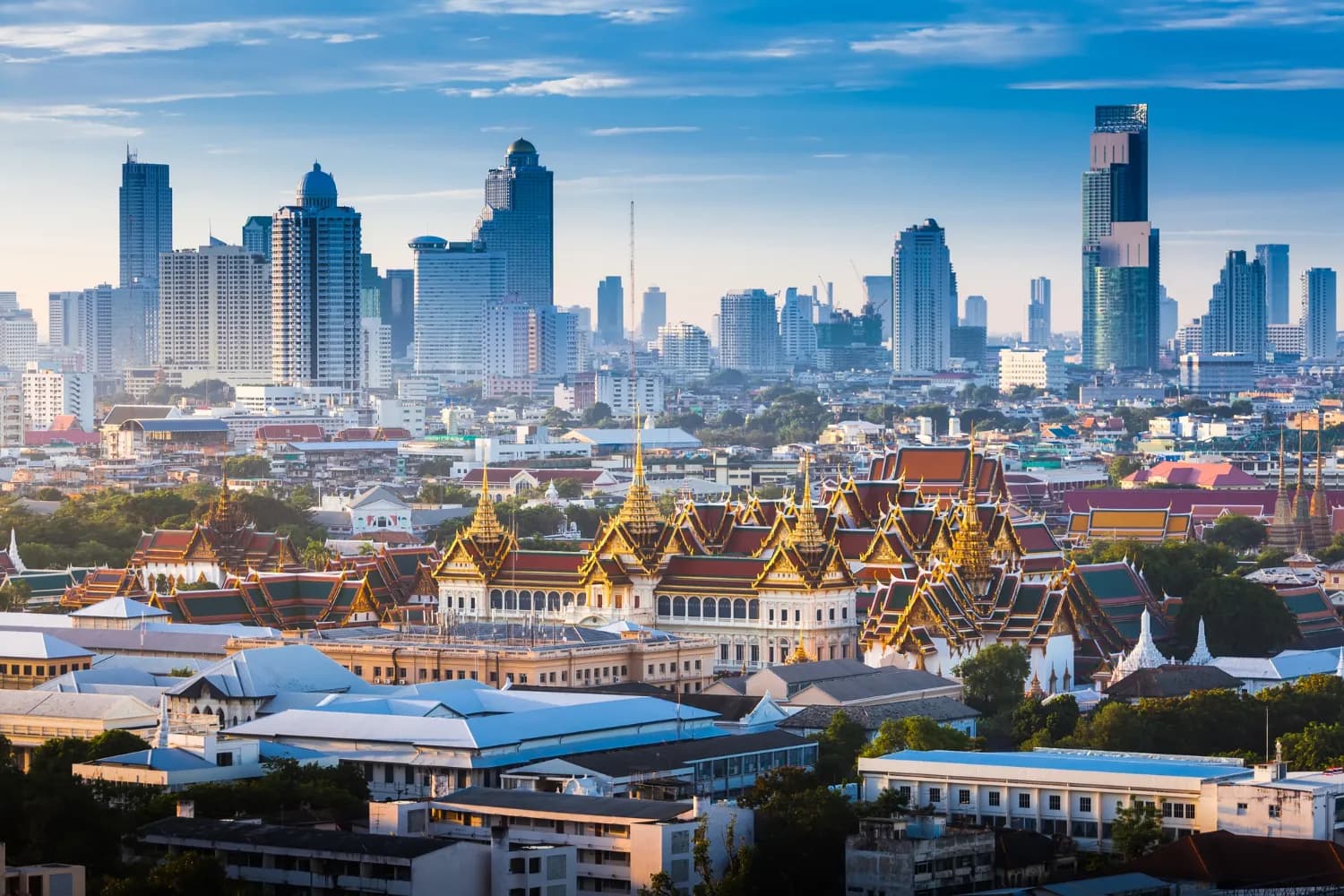
The modern chapter in the history of Thailand reflects remarkable adaptability. The country transitioned from an absolute monarchy to a constitutional one in the 20th century. Despite wars and political shifts, Thailand managed to maintain stability and its strong cultural roots. Bangkok transformed into a thriving metropolis, balancing skyscrapers with sacred shrines, and tradition with technology. Education, tourism, and creativity became new pillars of growth. Even as modernization sweeps across the land, Thai society continues to honor its heritage through festivals like Songkran and Loi Krathong, timeless celebrations that unite the old with the new.
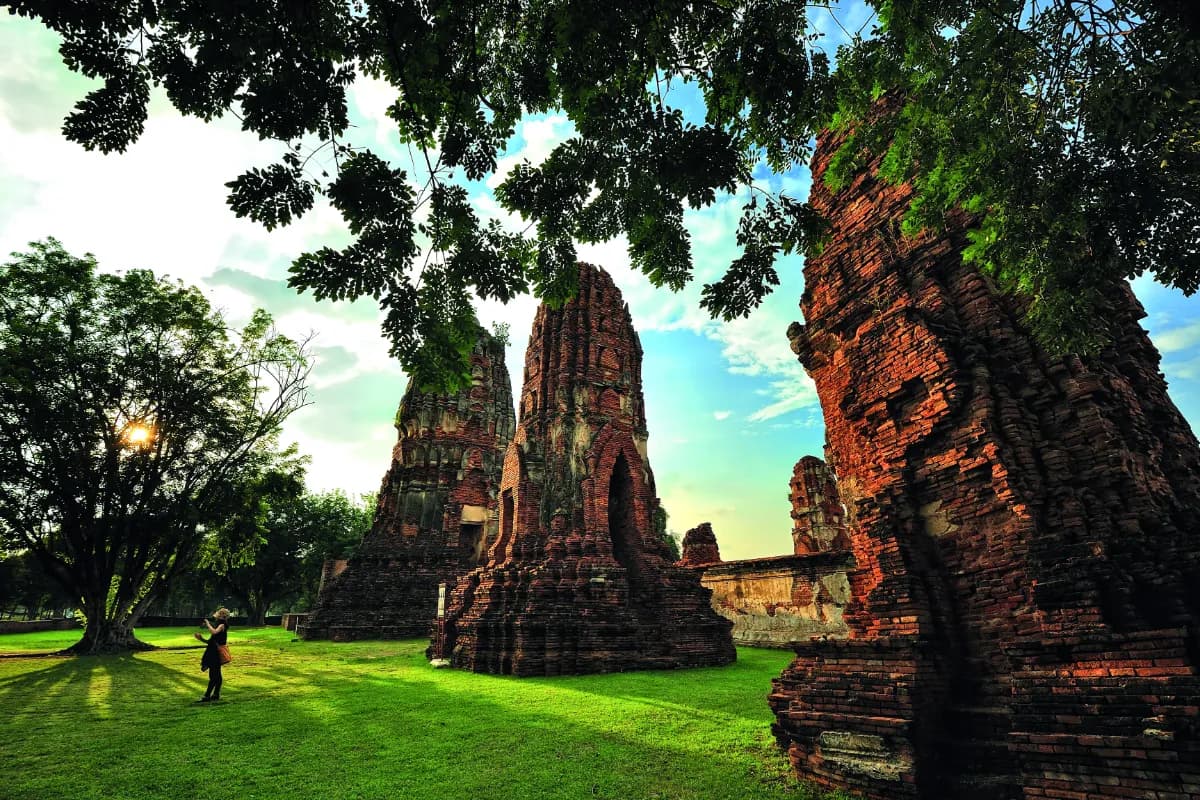
Once the thriving capital of the Siamese Kingdom, Ayutthaya stands as one of the most iconic landmarks in Thailand. The ancient temples, giant Buddha statues, and crumbling pagodas tell stories of power, trade, and cultural fusion.
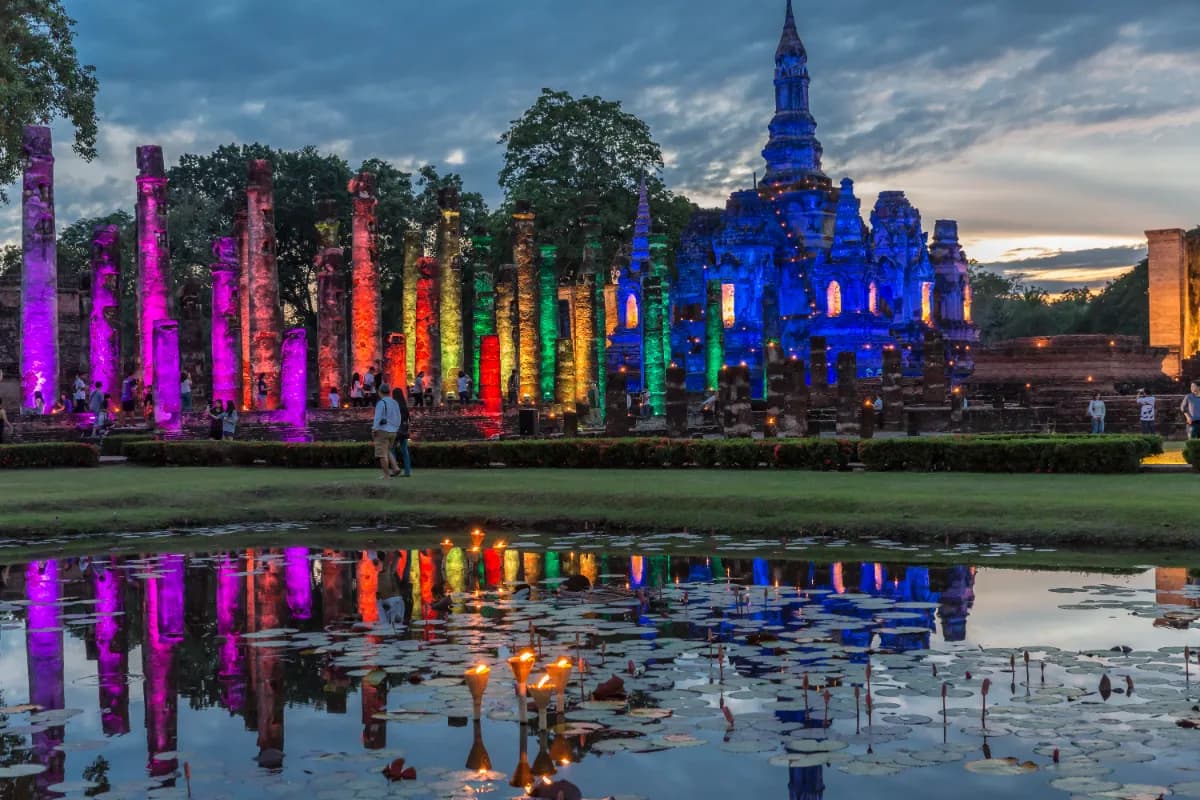
Known as the birthplace of Thai civilization, this UNESCO World Heritage Site preserves the early roots of the history of Thailand. With serene Buddha statues, lotus ponds, and artistic temples, it beautifully reflects the rise of the Sukhothai Kingdom.
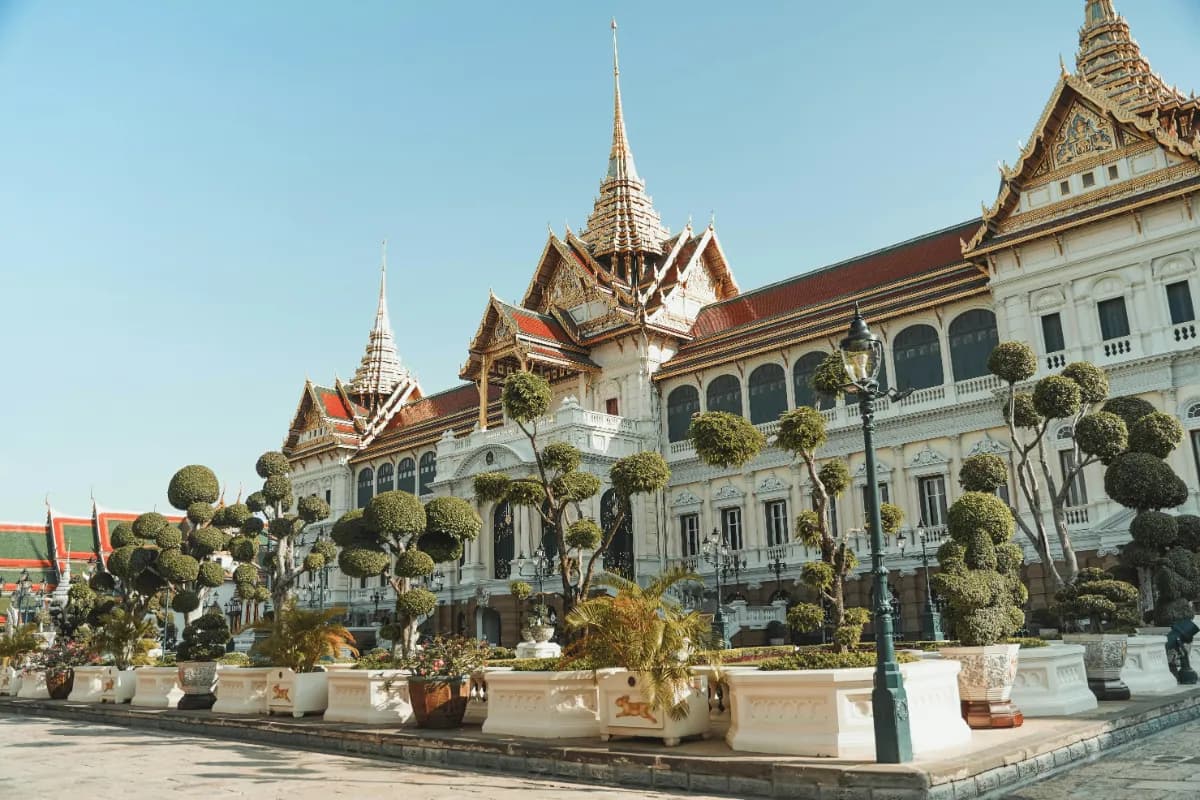
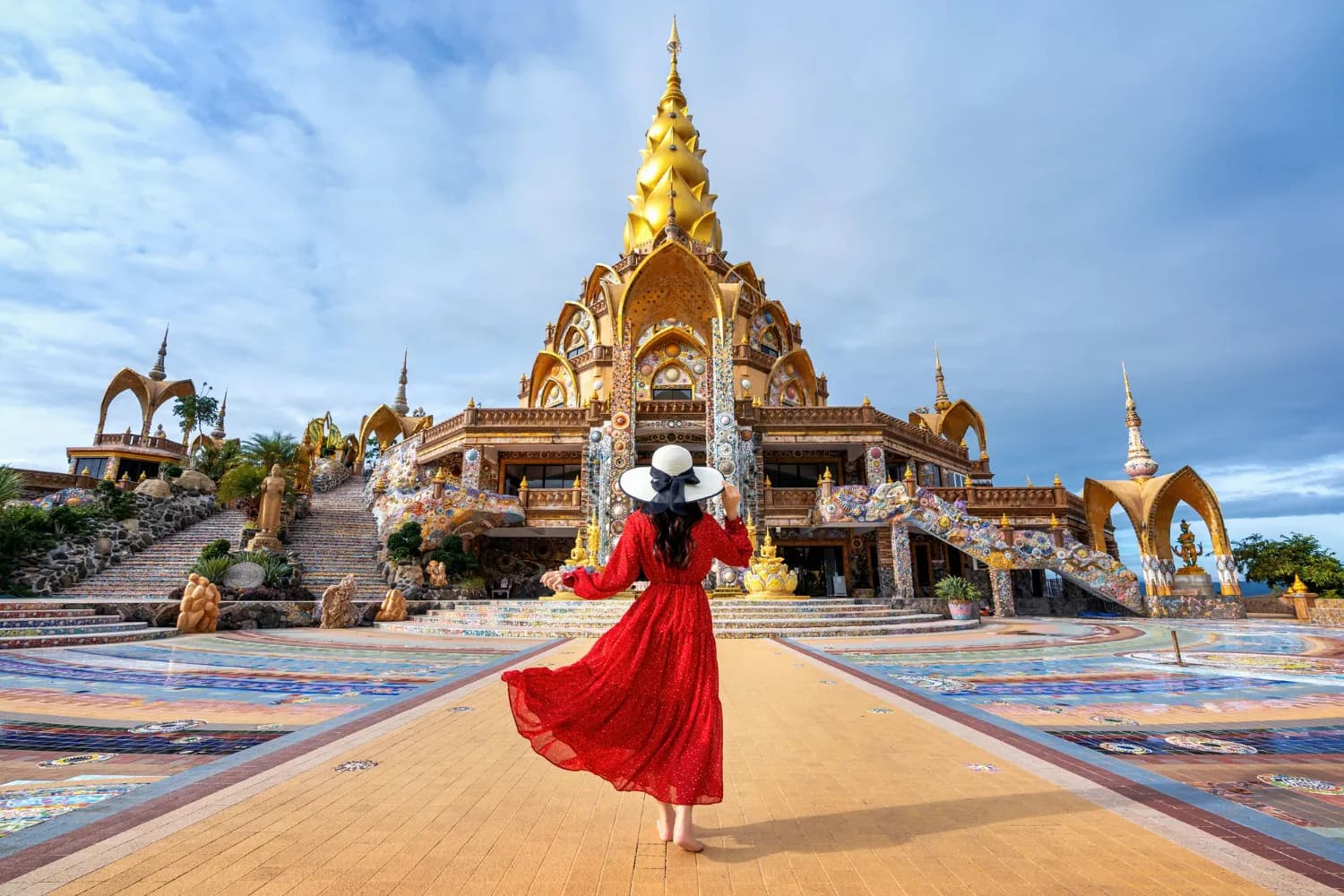
A dazzling symbol of the modern monarchy, the Grand Palace stands as a living chapter in Thailand. Built in 1782, it once housed Thai kings and now represents the heart of the nation’s spirituality and governance.
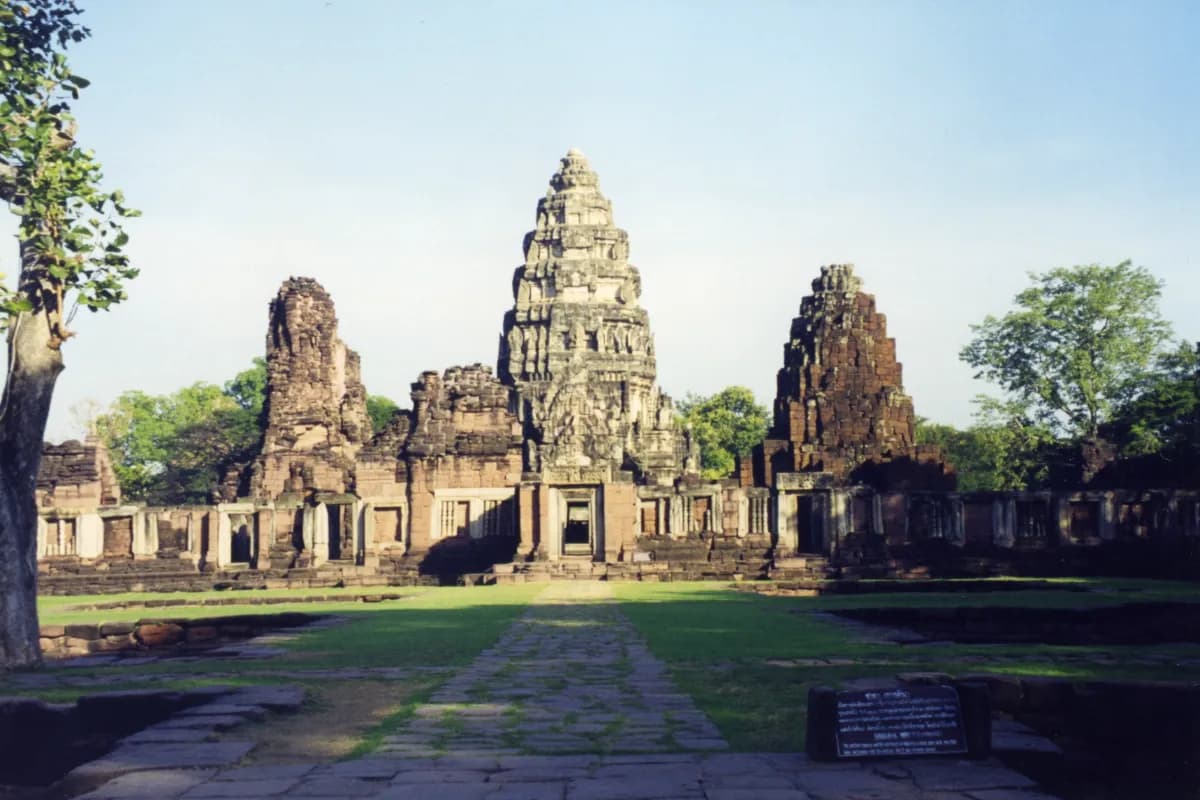
One of the largest Khmer temples in Thailand, Phimai, predates Angkor Wat and showcases the architectural brilliance that influenced the early history of the Thai people's land. Its intricate carvings and sandstone structures are breathtaking examples of ancient craftsmanship.
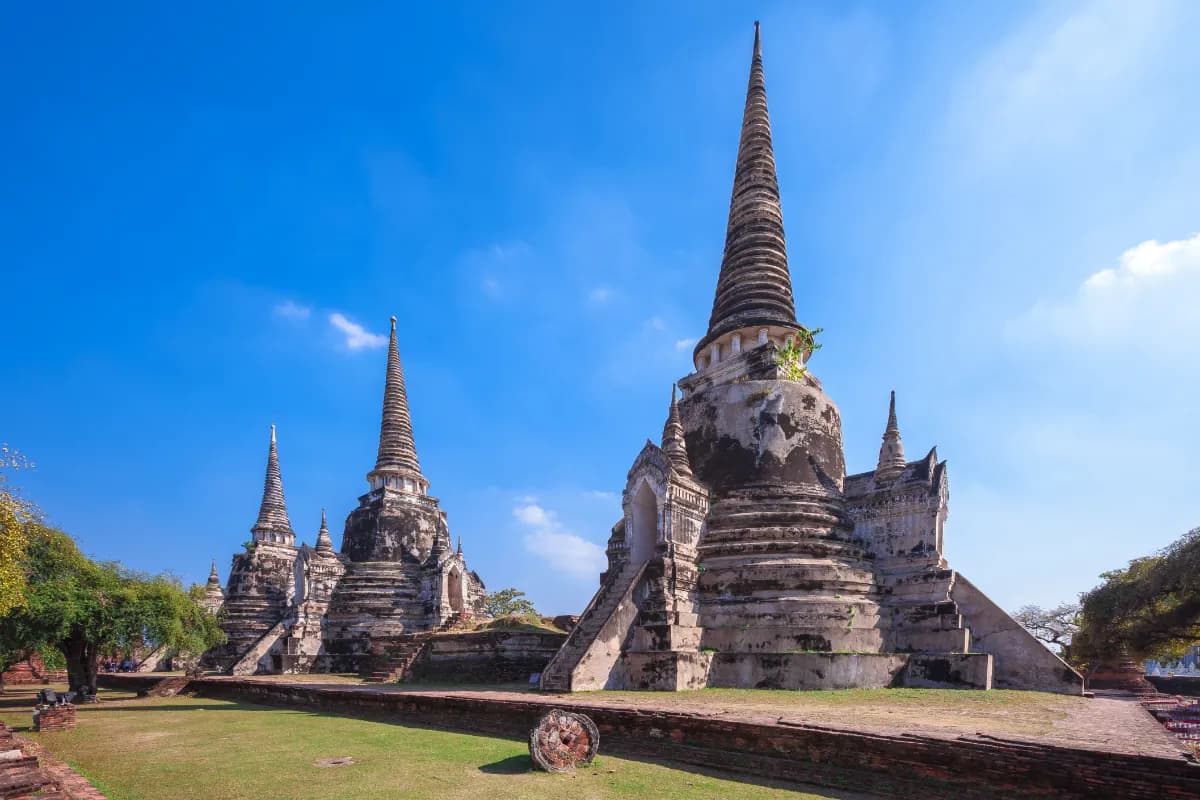
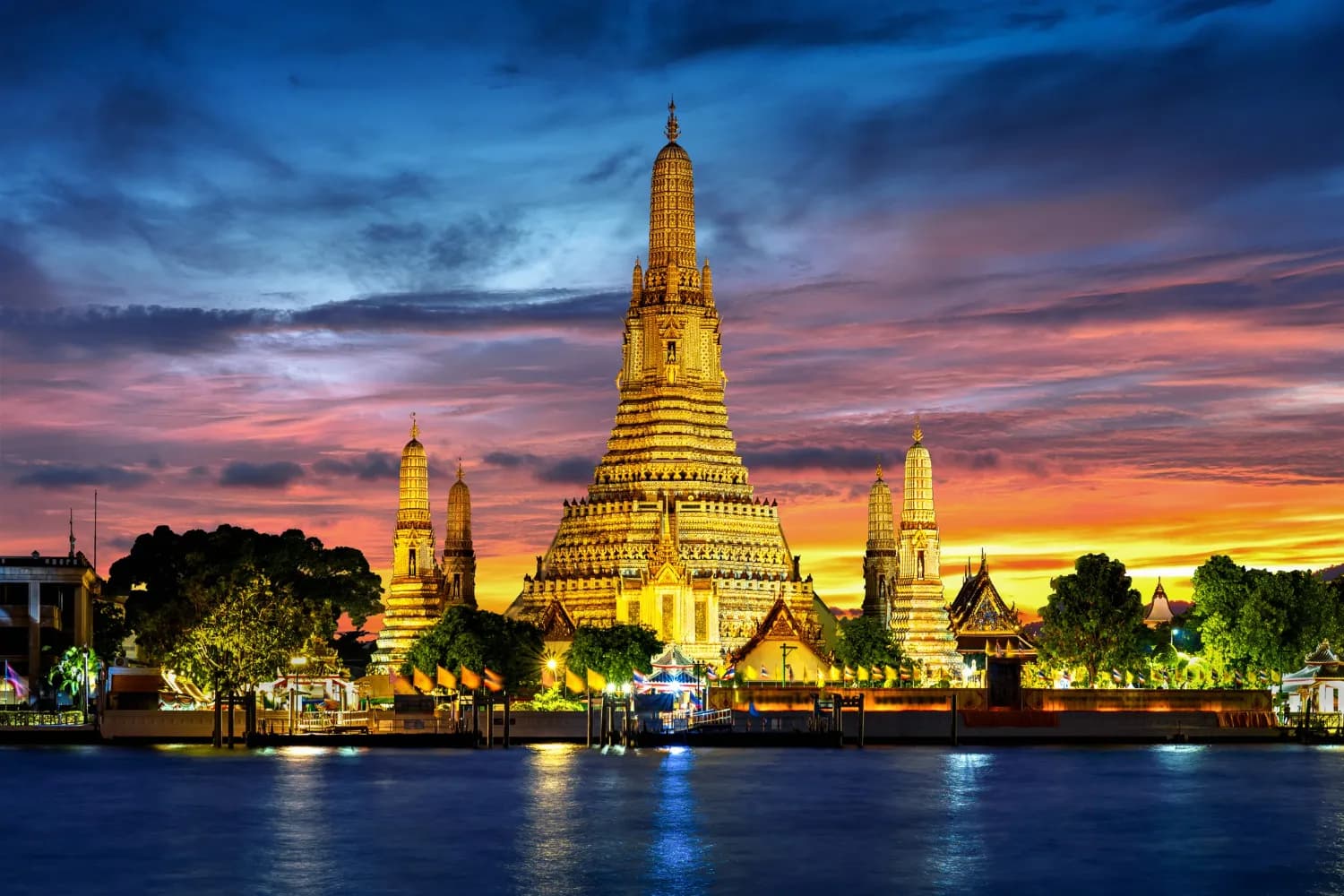
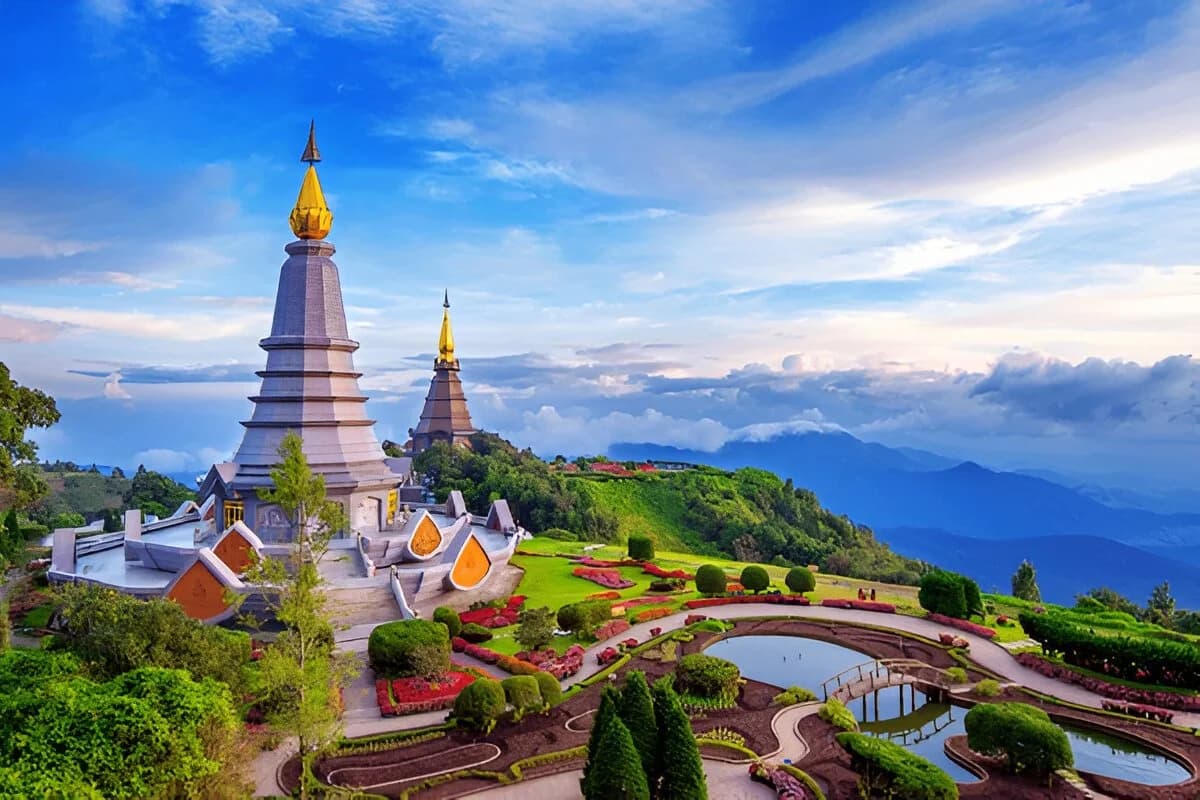
Once part of the royal palace complex, Wat Phra Si Sanphet is among the most revered temples in the history of Thailand. Its three bell-shaped stupas gleam under the sun, representing the golden age of Ayutthaya’s Buddhist devotion.
Thailand’s rich past continues to shape its modern lifestyle in subtle and fascinating ways.
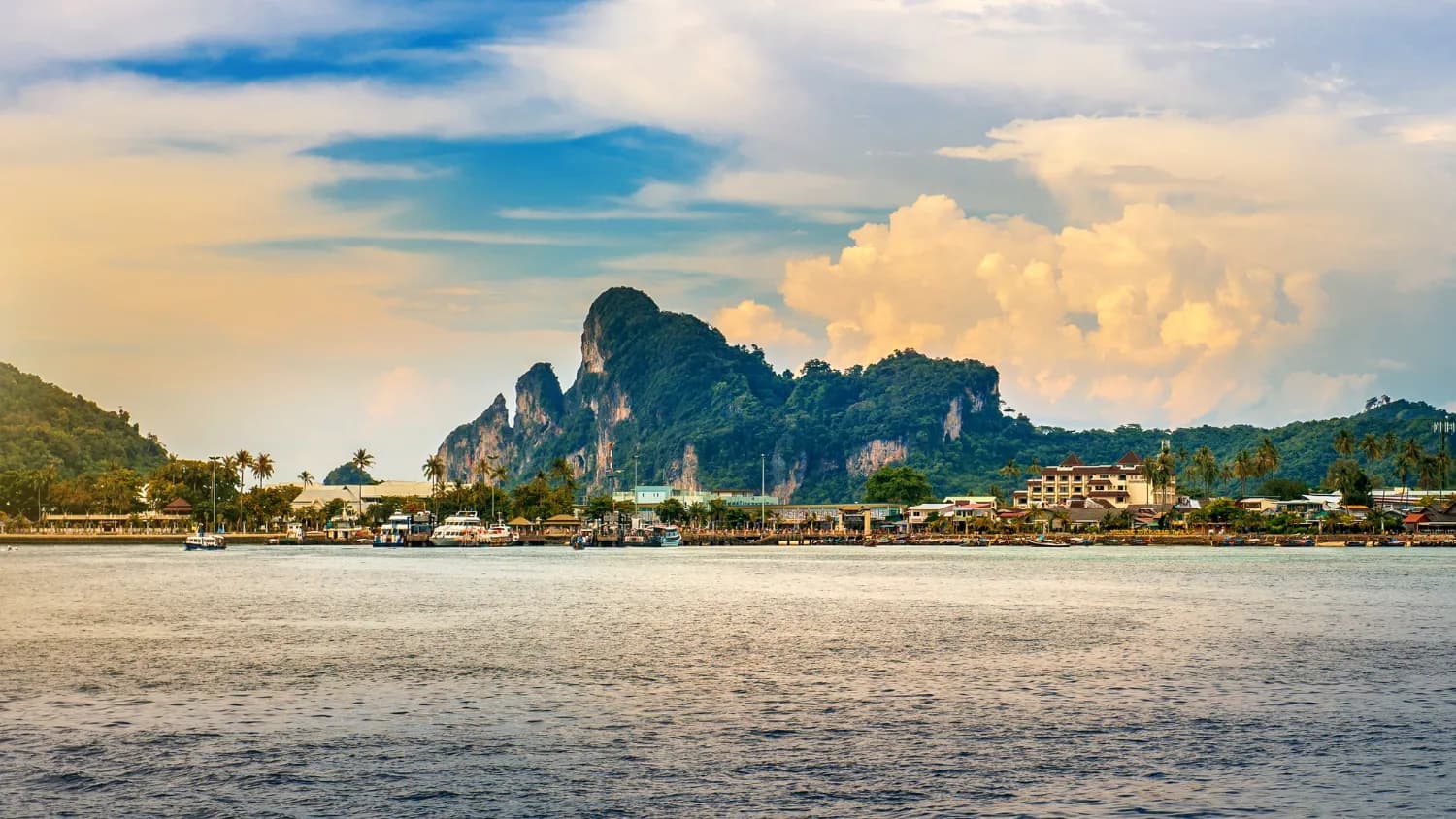
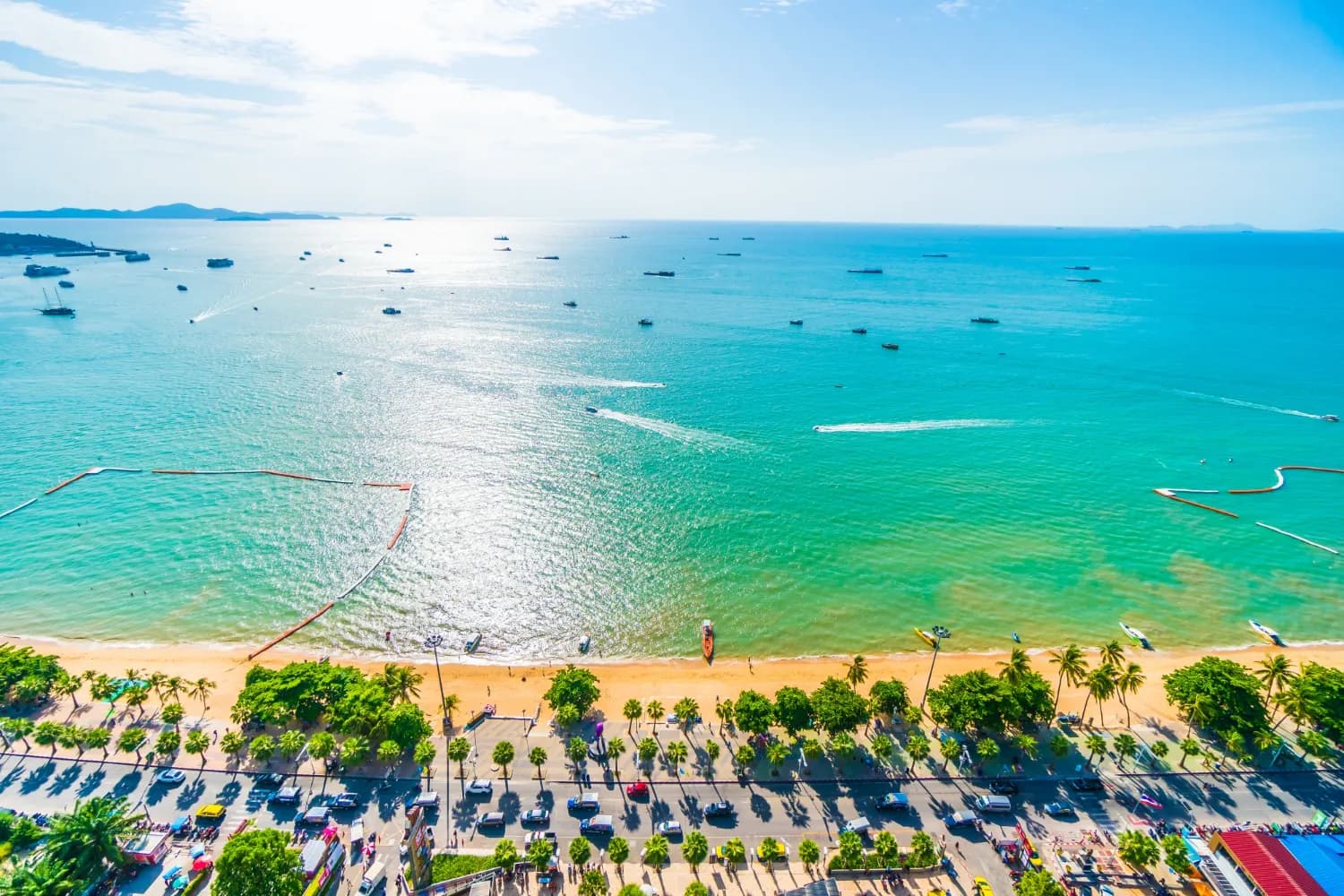
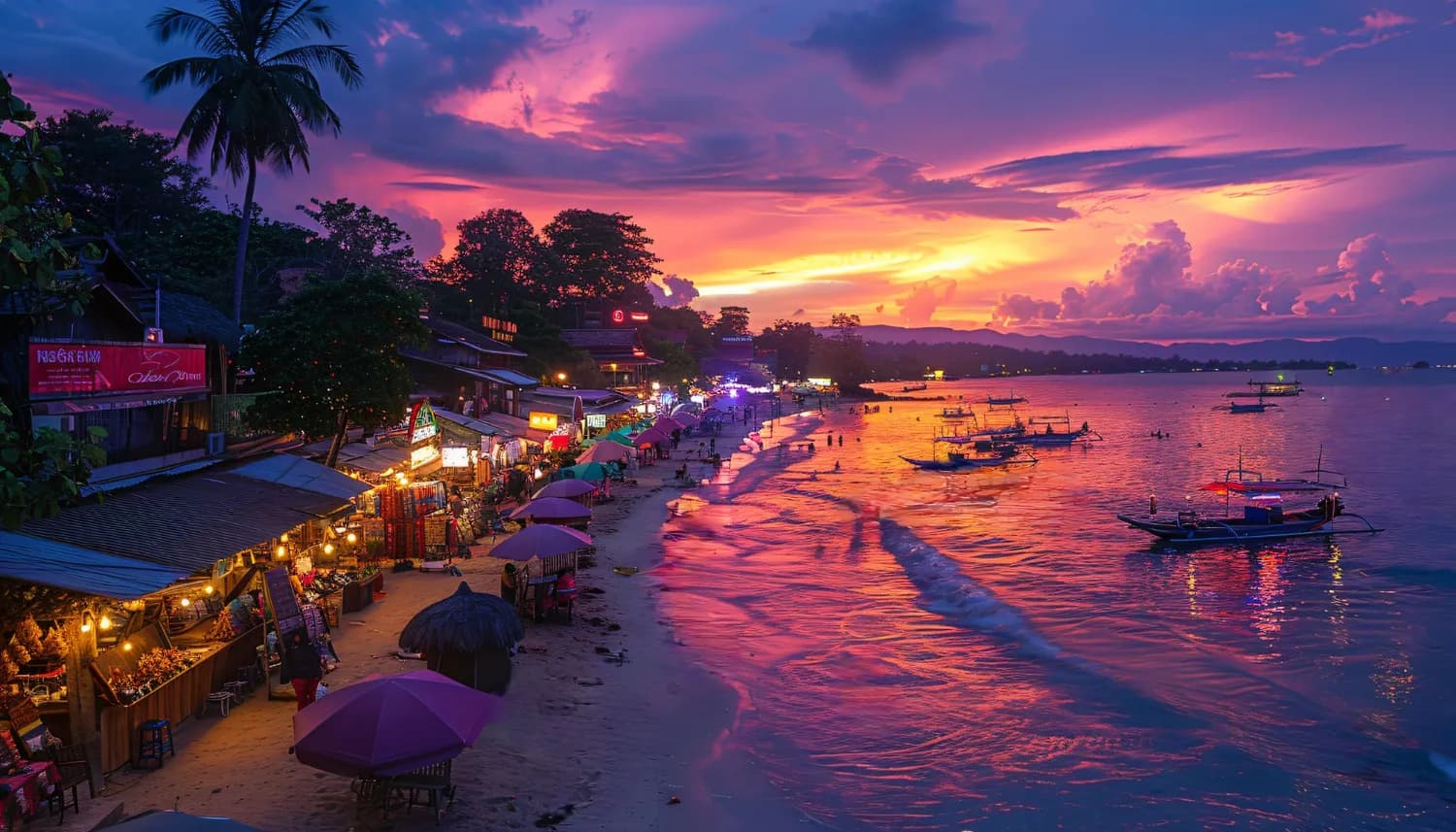
Thailand is a vibrant travel destination known for its stunning beaches, rich culture, and exciting nightlife. From Bangkok’s bustling markets to Phuket’s beautiful islands and Chiang Mai’s temples, there are endless Places to Visit in Thailand for every type of traveler. Whether you enjoy island hopping, exploring ancient temples, or trying delicious street food, you’ll find plenty of Things To Do in Thailand that make your trip unforgettable.
The earliest major kingdom in the history of Thailand was Sukhothai, established in 1238. It’s regarded as the first truly independent Thai state, marking the rise of Thai culture, language, and governance.
Thailand earned this title for its people’s warmth and hospitality, deeply rooted in Buddhist values and centuries of peaceful coexistence reflected throughout historical Thailand.
No, Thailand is the only Southeast Asian country never colonized by Western powers. Through wise diplomacy and reforms, it preserved its sovereignty throughout the colonial era.
Buddhism has shaped the history of Thailand, art, education, and values since the Sukhothai period. Temples and rituals remain central to everyday life, showing the strong link between faith and culture in Thailand.
Sukhothai Historical Park, Ayutthaya ruins, the Grand Palace in Bangkok, and Chiang Mai’s old temples are top sites that beautifully showcase the living history of the country Thailand.
November 1, 2025
October 31, 2025
October 31, 2025
October 31, 2025
October 31, 2025