
Chitkul
Every journey leaves you with a story
About Chitkul
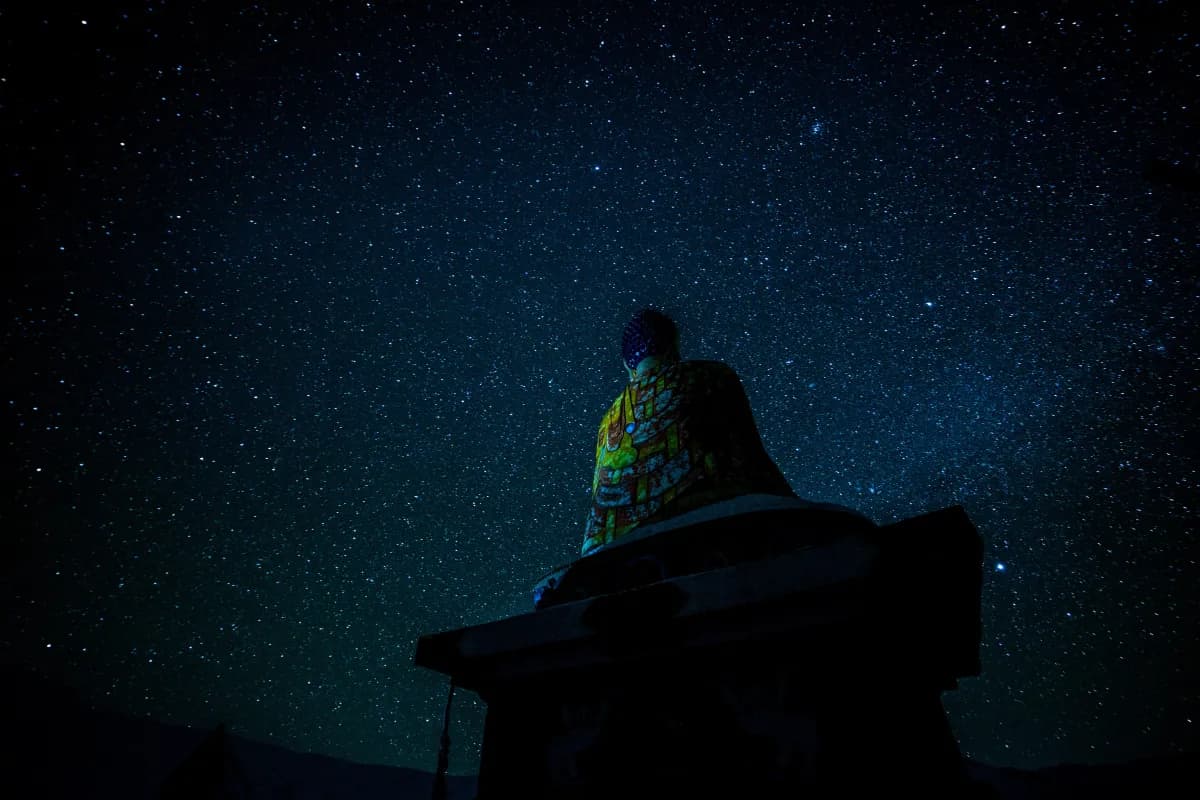
Chitkul is the last inhabited village on the old Indo-Tibetan border in the Kinnaur district of Himachal Pradesh. It is situated at around 3,450 metres above sea level, surrounded by sharp mountain peaks, dense pine forests, and the flowing Baspa River. Life here moves slowly: wooden houses, fields of barley, fresh mountain air and starry nights make it a peaceful place.
Tourism in Chitkul has grown in recent years as travellers discover its unspoilt beauty and the simplicity it offers. Chitkul is unique in that it is literally the “edge of civilisation” when travelling from India towards Tibet, which gives it a unique appeal. The village is small but rich in culture: Kinnauri traditions, local temples, and warm hospitality. Spiti tour Packages are usually incomplete without the addition of Chitkul in it. It lies on a route that blends high Himalayan scenery with remote village life.
Best Time to Visit Chitkul:
The best time to visit Chitkul is from mid-May to late October. During these months, the snow has melted, the roads are open, and the weather is relatively mild during the day (though nights remain cold). The landscape is lush and green after the thaw, with wildflowers in bloom and the river flowing strongly. Monsoons bring their own charm but also risk landslides, so they are less reliable for safe travel.
How To Reach Chitkul:
- By Air: The nearest airport is Kullu–Manali Airport (Bhuntar), roughly 220-250 km away. From there, you will need to drive via Shimla‐Kinnaur road, passing through scenic but winding mountainous terrain.
- By Rail: There is no direct rail link to Chitkul. The closest major railway stations are Shimla (narrow gauge) or Kalka / Ambala / Chandigarh for broad gauge. From any of these, you must hire a taxi or take buses toward Kinnaur and onward to Sangla, then finally to Chitkul.
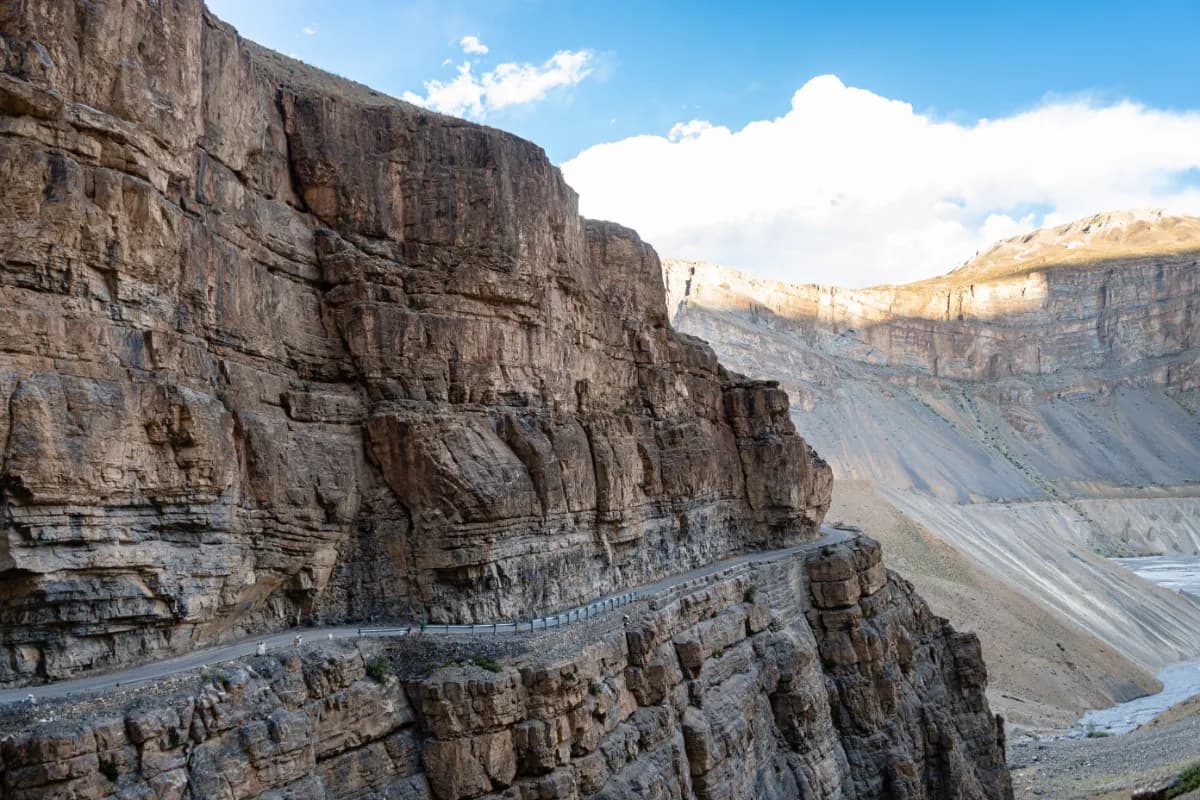
- By Road: This is the most common way. Chitkul is connected by motorable roads from Shimla via the Hindustan-Tibet Highway (NH5) to Narkanda, then Rampur, Kufri, and on through Kinnaur via Reckong Peo, Sangla valley, and finally the steep climb up to Chitkul. Buses run from nearby towns, or shared cabs/taxis are available. The roads are narrow and sometimes blocked during winter or rainy, so plan carefully.
Chitkul is remote but accessible by various modes, which is part of what makes Chitkul tourism adventurous and rewarding.
Places To Visit in Chitkul:
Here are some of the major places to visit in Chitkul and nearby:
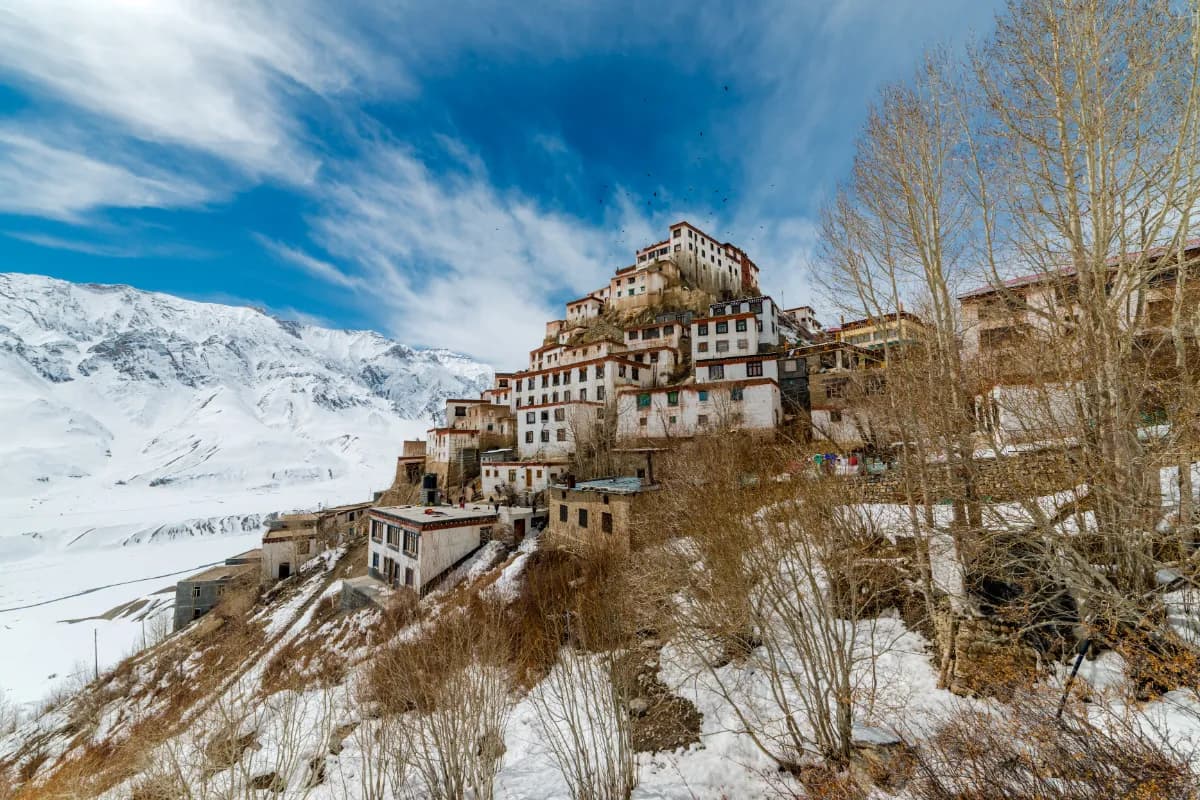
- Chitkul Village: The village itself is an attraction. Timber homes with slate roofs, narrow lanes, prayer flags, and the Baspa River flowing alongside make your stroll peaceful. The view of snow-topped peaks all around is breathtaking.
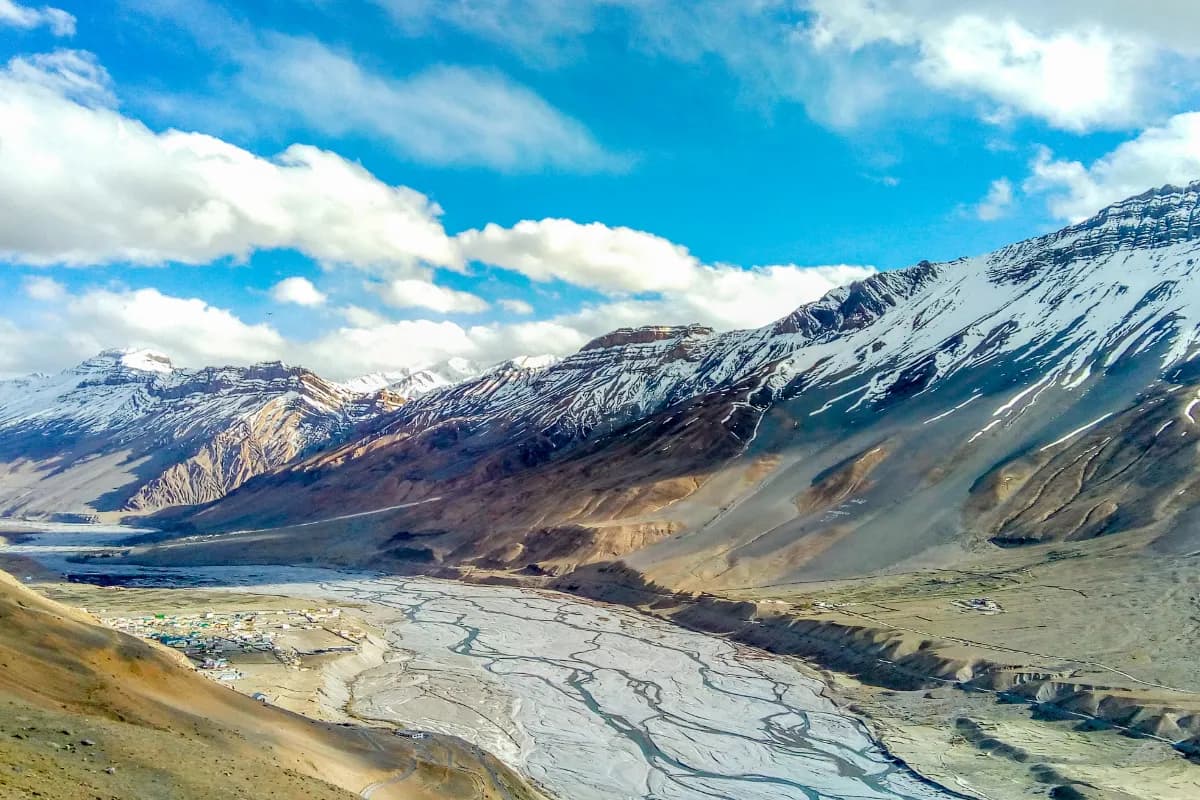
- Baspa River & Baspa Valley: The river’s clear water, sound of rushing flow, and green valley slopes create excellent spots for photography, picnics, and quiet relaxation. Trekking trails often follow its banks.
- Kagyupa (Buddhist Monastery): A small but serene monastery perched above the village offers spiritual calm and an insight into local Buddhist culture. The views from here of the valley below are spectacular at sunrise or sunset.
- Rama Temple: A temple dedicated to Lord Rama, located at a high point above Chitkul. It’s peaceful, often with few visitors, offering cultural relevance and lovely views of the surrounding mountains.
- Trekking Routes (e.g. Lamkhaga Pass / Sangla-Chitkul Hikes): For those who love hiking, several trails start near Chitkul, ranging from easy walks to challenging multi-day treks. These let you explore higher ridges, alpine meadows, and untouched terrain.
Also Read: Places to Visit in Spiti Valley
Must Checkout: Things to do in Spiti Valley