

Chardham Tour Packages From Pune
A Chardham tour package from Pune focuses on clarity, comfort, and genuine pilgrimage support rather than confusing deals. I help you plan darshan at Yamunotri, Gangotri, Kedarnath, and Badrinath with structured itineraries, verified hotels, and reliable local transport. You get assistance with flights or train selection till the nearest gateway, transfers in Uttarakhand, daily breakfast and dinner options, and help with permits where required. I keep pricing transparent, with clear inclusions and exclusions, so you do not worry about hidden charges, surprise local payments, or forced shopping halts.
Many travellers feel nervous about fake itineraries, last minute cancellations, and poor quality rooms during peak yatra season. I work only with vetted drivers and stay partners, and share hotel names before booking. You receive day wise plans that match your walking capacity and preferences, along with clear information on road conditions and possible weather delays. Chardham as a destination offers powerful spiritual energy, Himalayan scenery, river valleys, and a sense of cleansing and renewal. With a well planned package, you can focus on darshan and reflection, while I handle logistics, coordination, and safety with honesty and attention.
Best Time To Visit Chardham
The Best Time to Visit Chardham usually falls between late April or early May and October, when the temples remain open and mountain roads stay comparatively stable. May, June, September, and early October often provide balanced weather, manageable cold, and good visibility. July and August can see heavy rain in many parts of Uttarakhand, so some travellers prefer to avoid these months because of potential landslides and delays. Those who are comfortable with low temperatures may even choose the quieter, colder weeks around the beginning or end of the season.
- Peak Season: May and June, plus key festival dates, with higher crowds, tighter hotel availability, and busy darshan queues. Early bookings and fixed itineraries work best in this phase.
- Shoulder Season: Late April, September, and early October, with fewer crowds and relatively stable weather. This is a good window for pilgrims who want comfort, value, and quieter temple time.
- Waning Season: Mid to late October, when temperatures drop, services start winding down, and some facilities reduce operations. Suitable for flexible travellers comfortable with cold and simpler arrangements.
How to Reach Chardham
To start the journey from Maharashtra towards Uttarakhand, most travellers first reach a main gateway city like Dehradun, Haridwar, or Rishikesh. A thoughtfully designed itinerary on a Chardham route usually combines air, rail, and road, depending on your time and comfort level. I help you select connections that avoid extremely tight layovers and late night arrivals, especially when senior citizens or children are in the group.
By Air: From Pune, travellers typically fly to Dehradun’s Jolly Grant Airport or sometimes to Delhi, then continue by road. Flight connectivity changes based on season and airline schedules, so I suggest practical routes rather than forcing the cheapest but inconvenient options. From Dehradun or Delhi, private vehicles or tempo travellers take you towards Haridwar, Rishikesh, or directly into the Garhwal region, depending on the chosen itinerary.
By Train: If you prefer trains, I help you look for routes from Pune or nearby major stations to Haridwar, Rishikesh, or Delhi. Direct trains may not always be available on convenient dates, so many pilgrims travel to Delhi first, then take an onward train to Haridwar or Dehradun. Train journeys suit those who enjoy slower travel and want to control costs, while keeping the overall pilgrimage comfortable.
By Bus and Road: After reaching Delhi, Dehradun, Haridwar, or Rishikesh, the rest of the Chardham journey continues by road. Government and private buses may run on some routes, but for Chardham, most pilgrims prefer private cabs, tempo travellers, or dedicated yatra coaches so they can stop for meals, washrooms, and photography without pressure. I plan realistic drive times with early morning departures, avoiding very late night hill driving and keeping safety a priority.
Places to Visit in Chardham
Yamunotri Dham: This is traditionally the first of the four dhams. Travellers usually drive up to Janki Chatti, then continue by trek, pony, or palanquin. The temple honours Goddess Yamuna and offers hot springs where many pilgrims perform a ritual bath. The route follows scenic valleys, dense greenery, and mountain streams, setting a calm tone for the rest of the yatra.
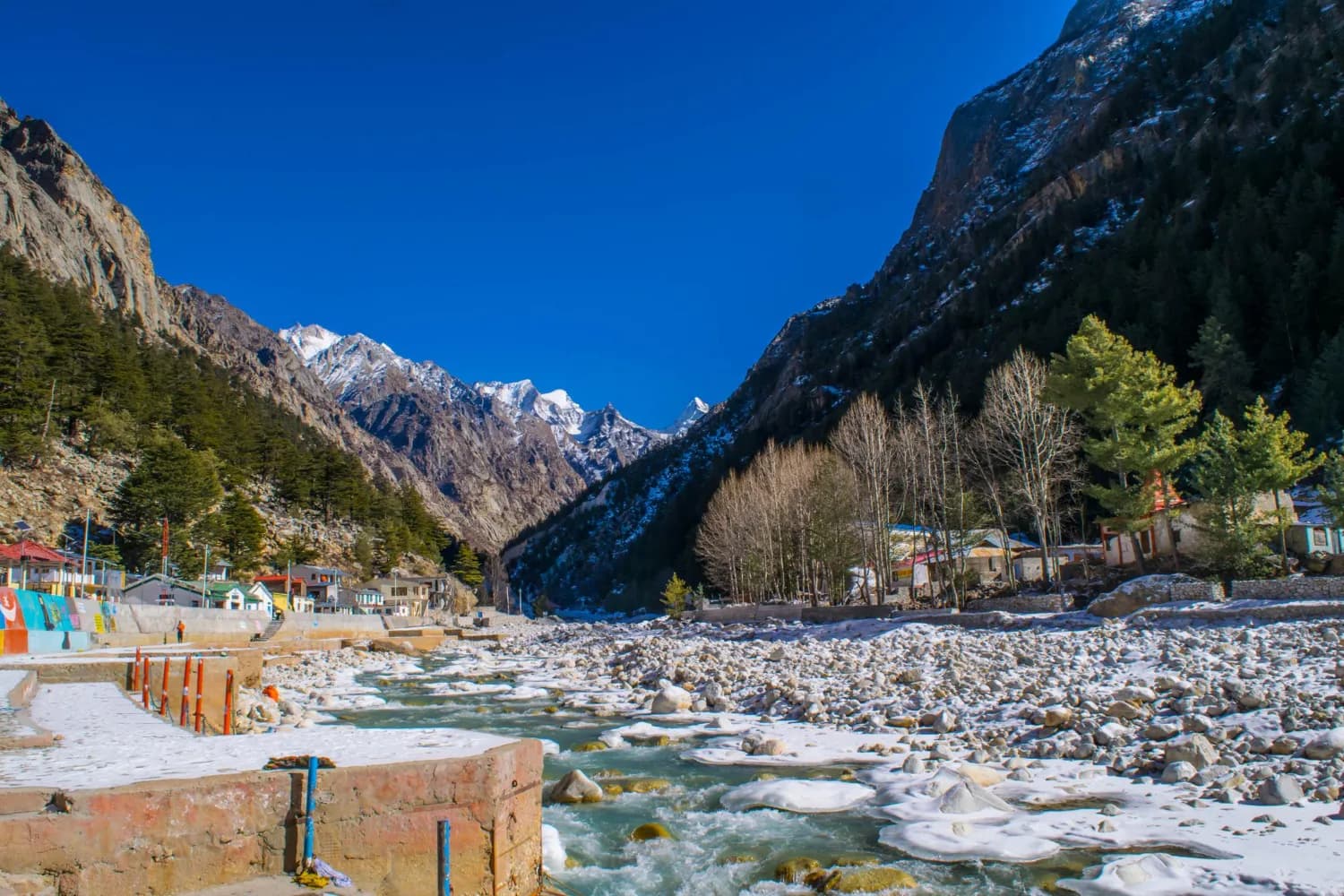
Gangotri Dham: Dedicated to Goddess Ganga, Gangotri lies by the Bhagirathi river. The temple complex feels peaceful, with the sound of flowing water in the background. Many pilgrims sit on the ghats for a few quiet minutes, perform simple rituals, and take in the clear mountain air. Some itineraries also add nearby viewpoints for river and valley views, depending on available time and fitness levels.
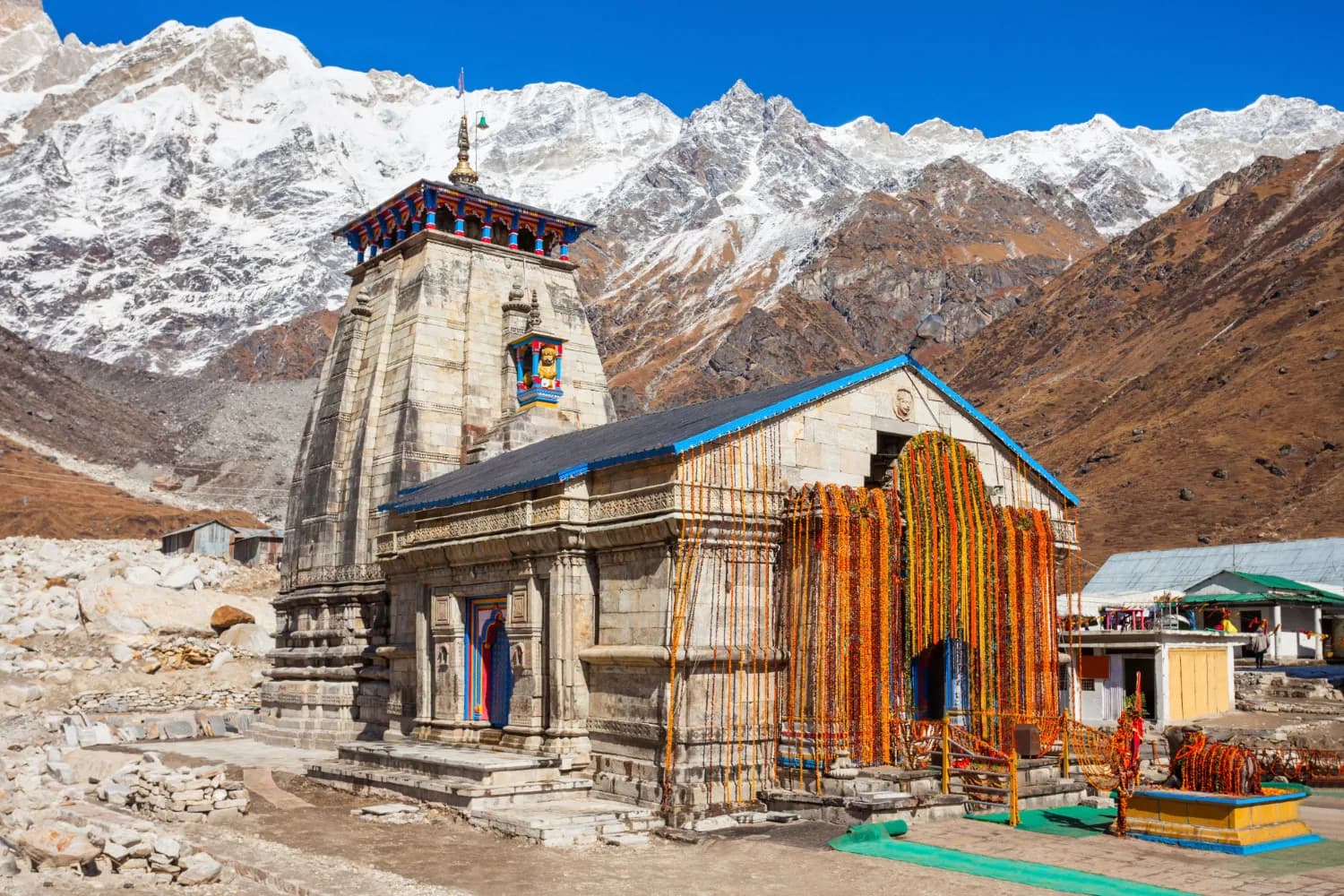
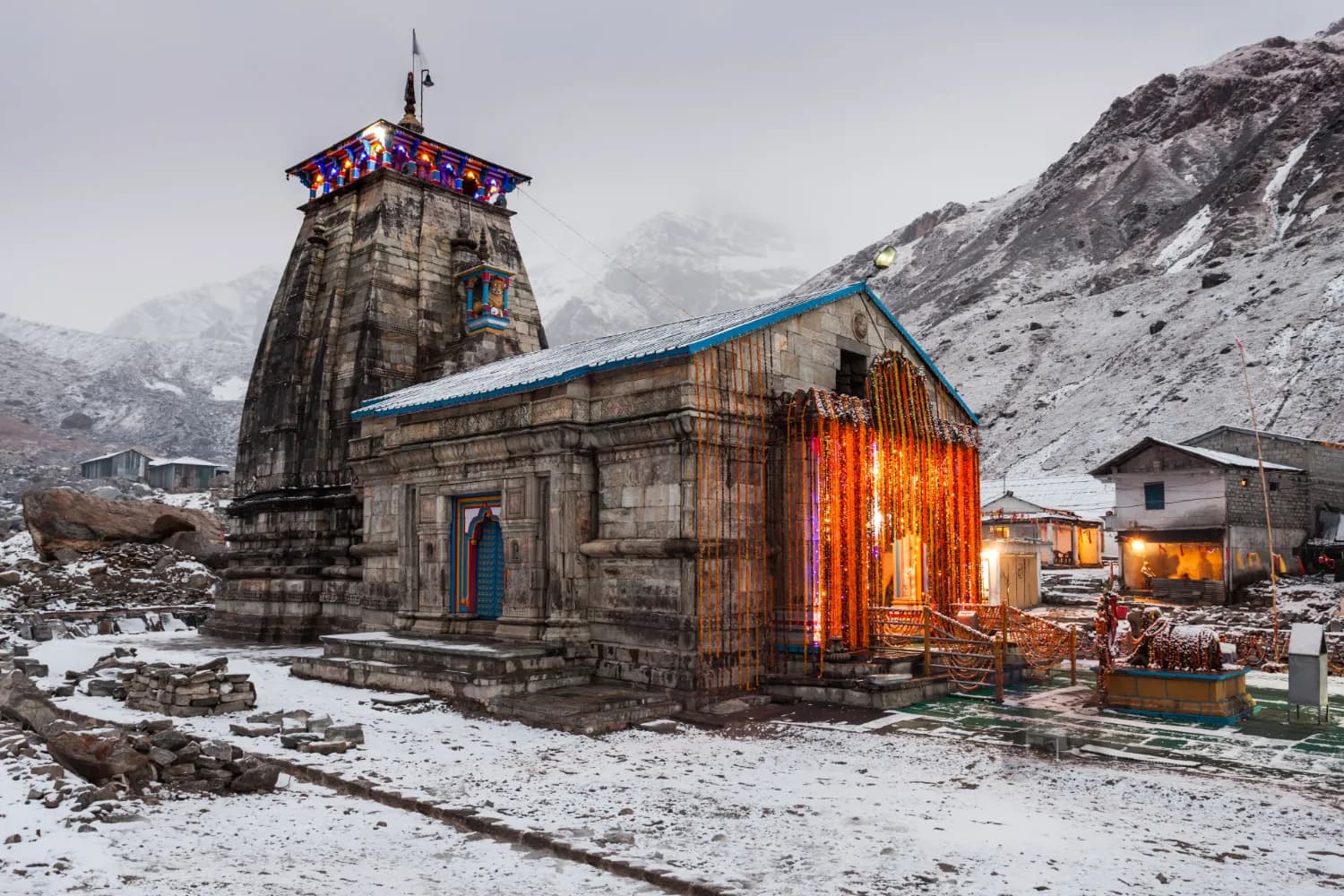
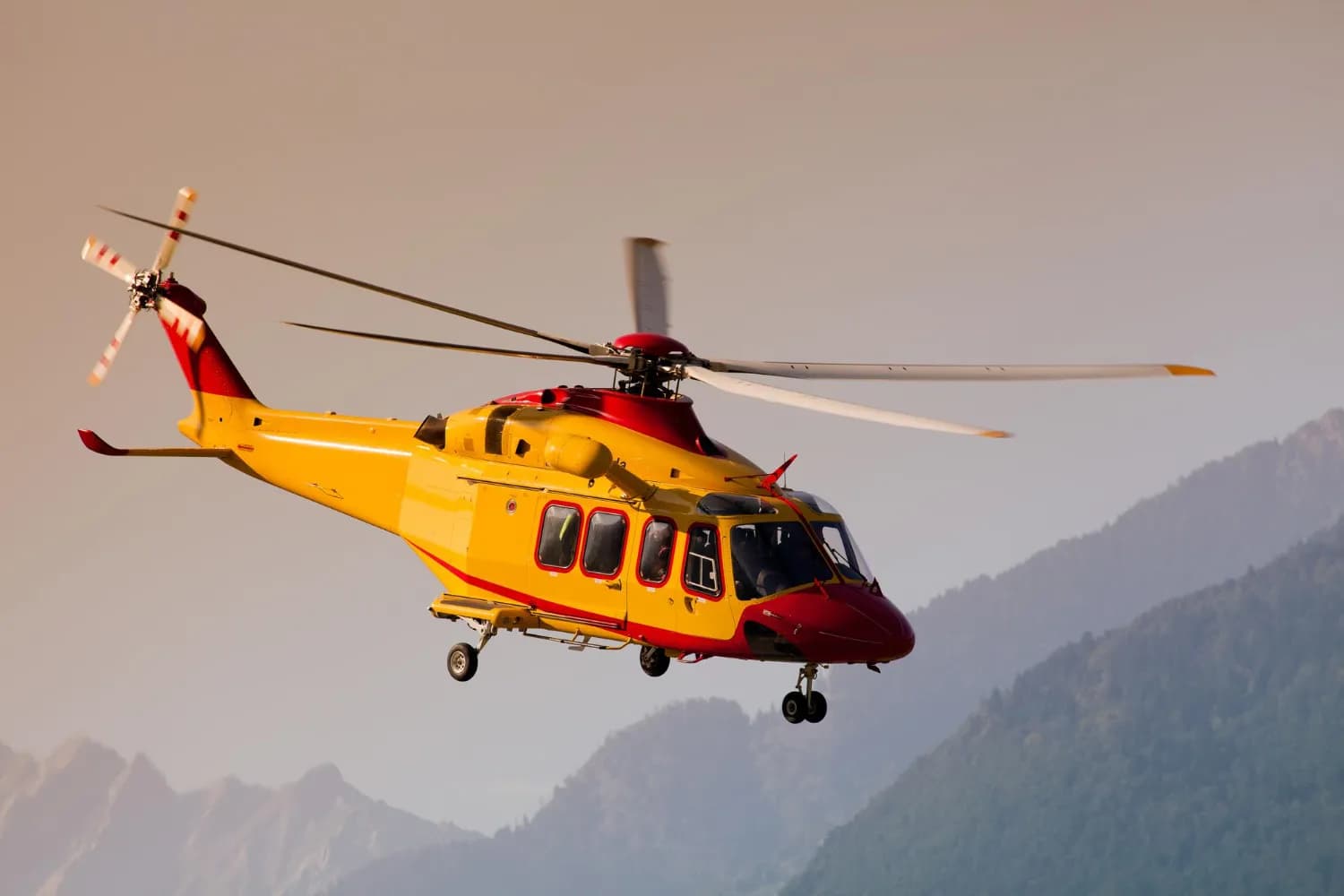
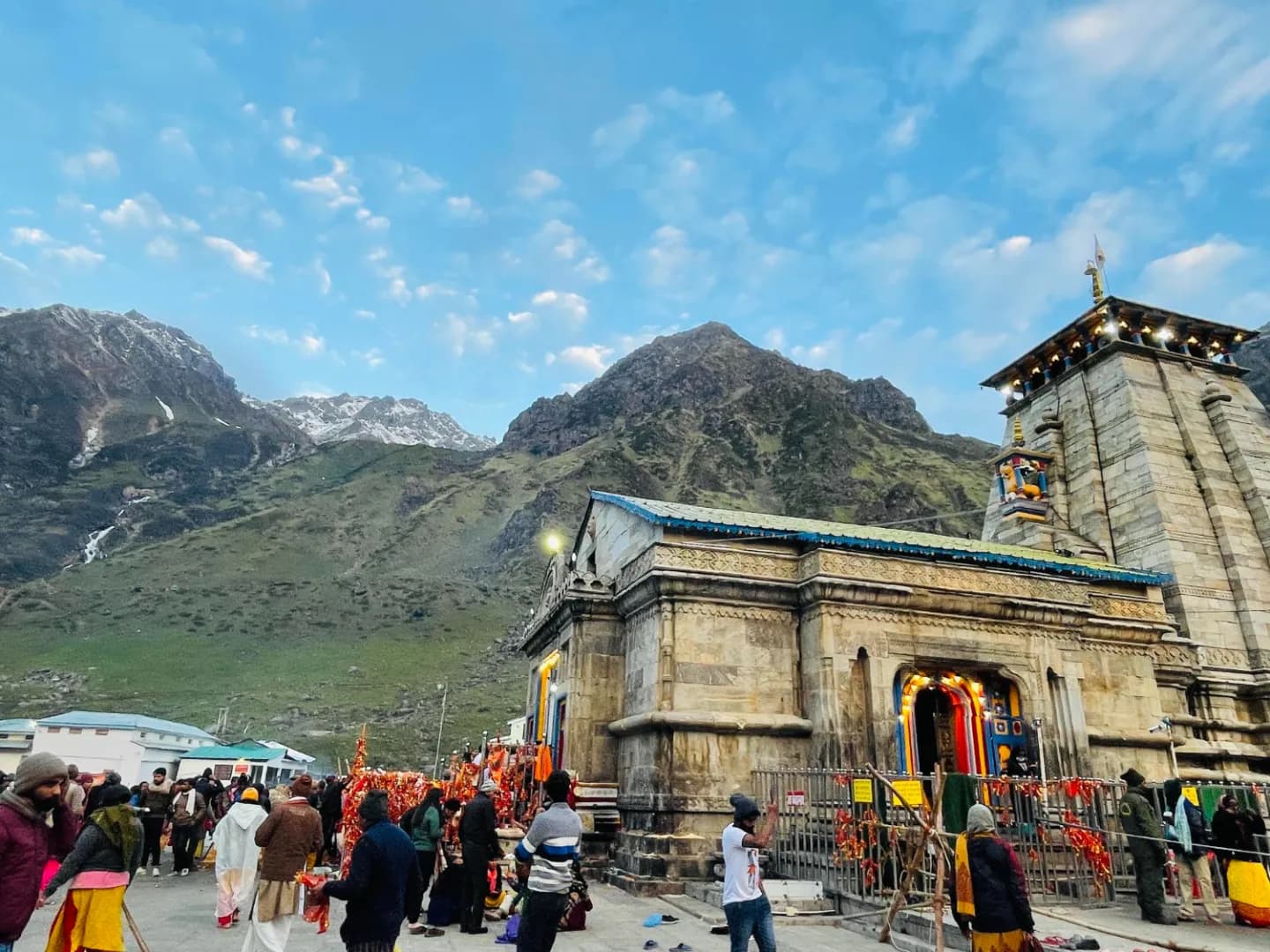
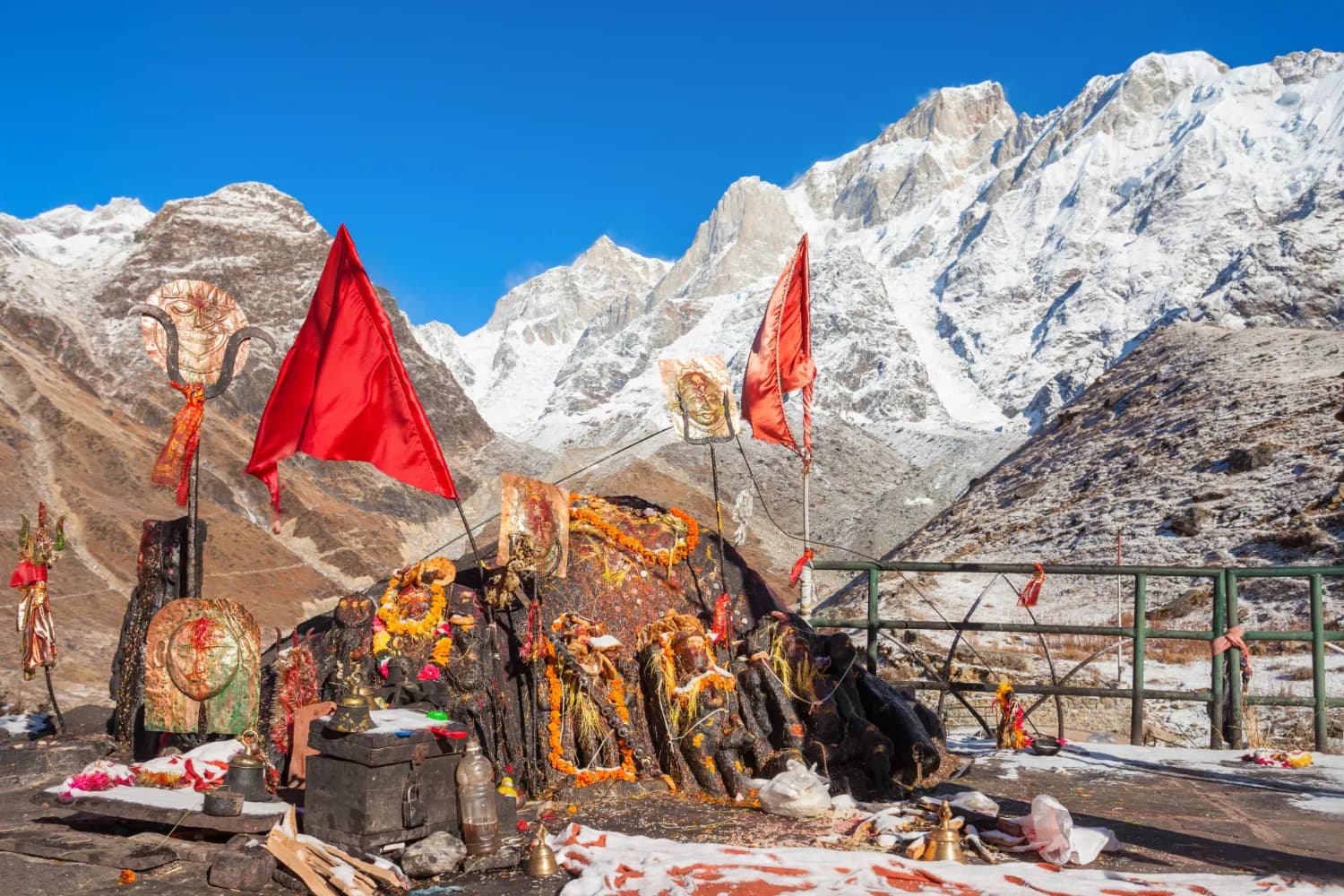
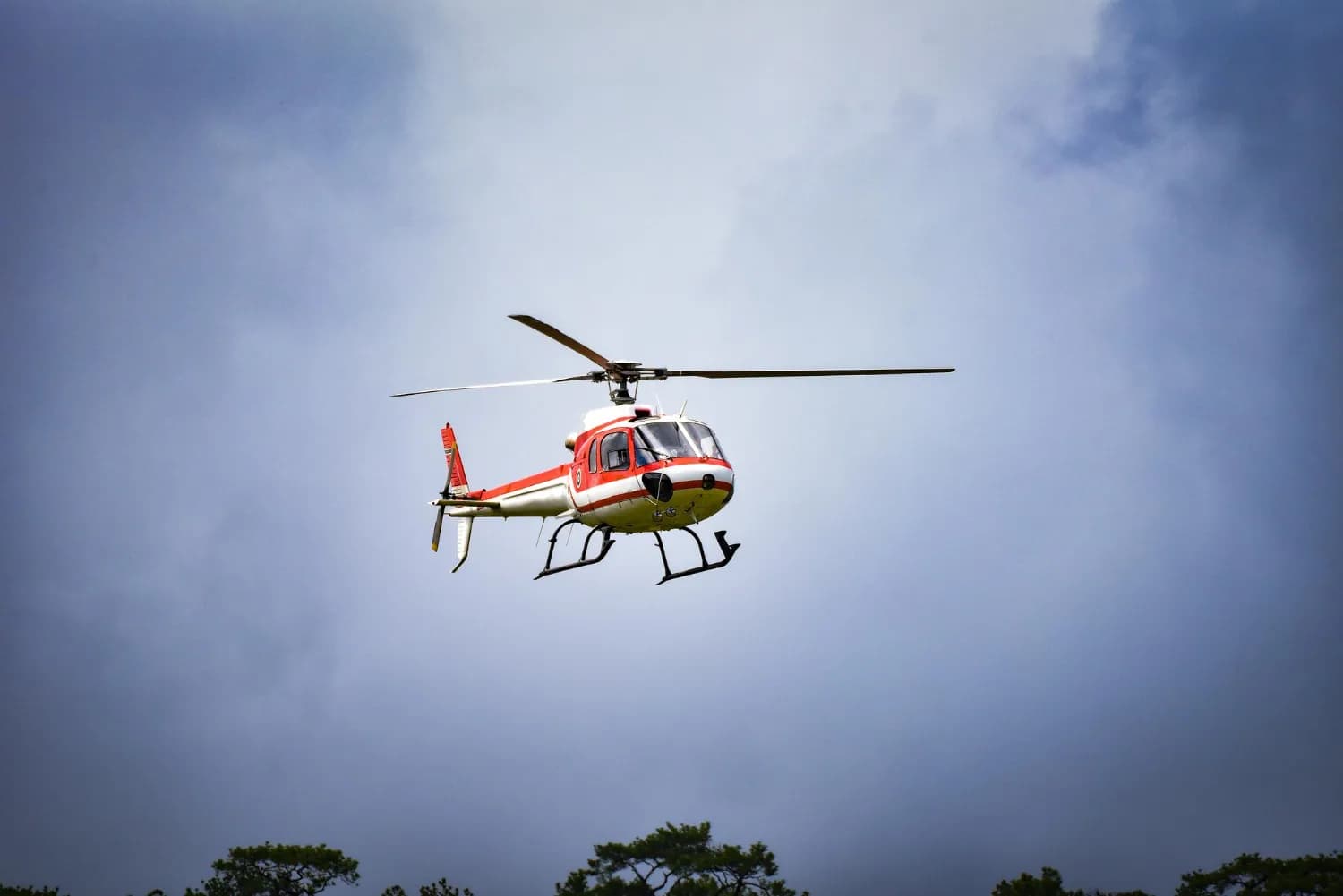
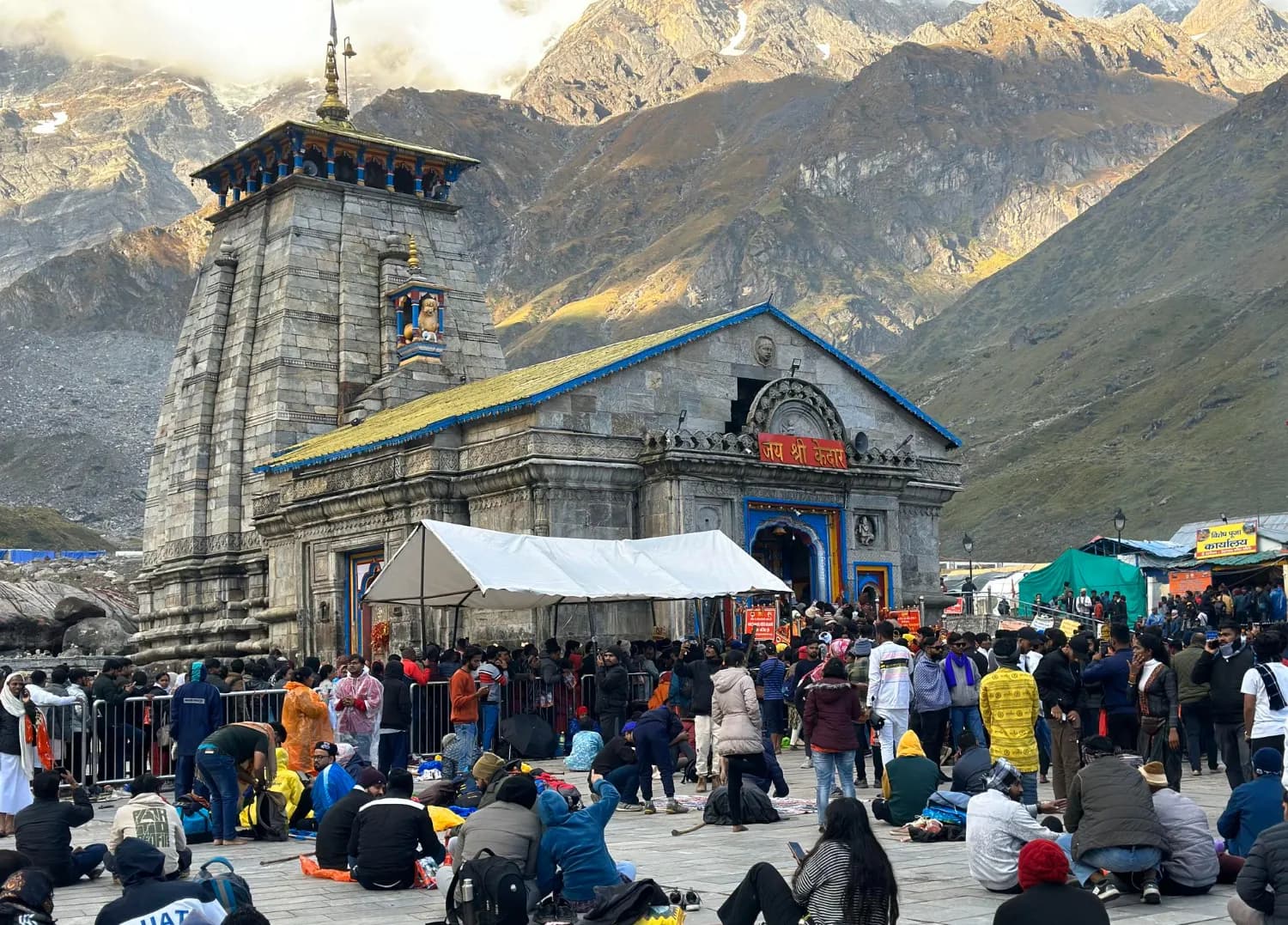
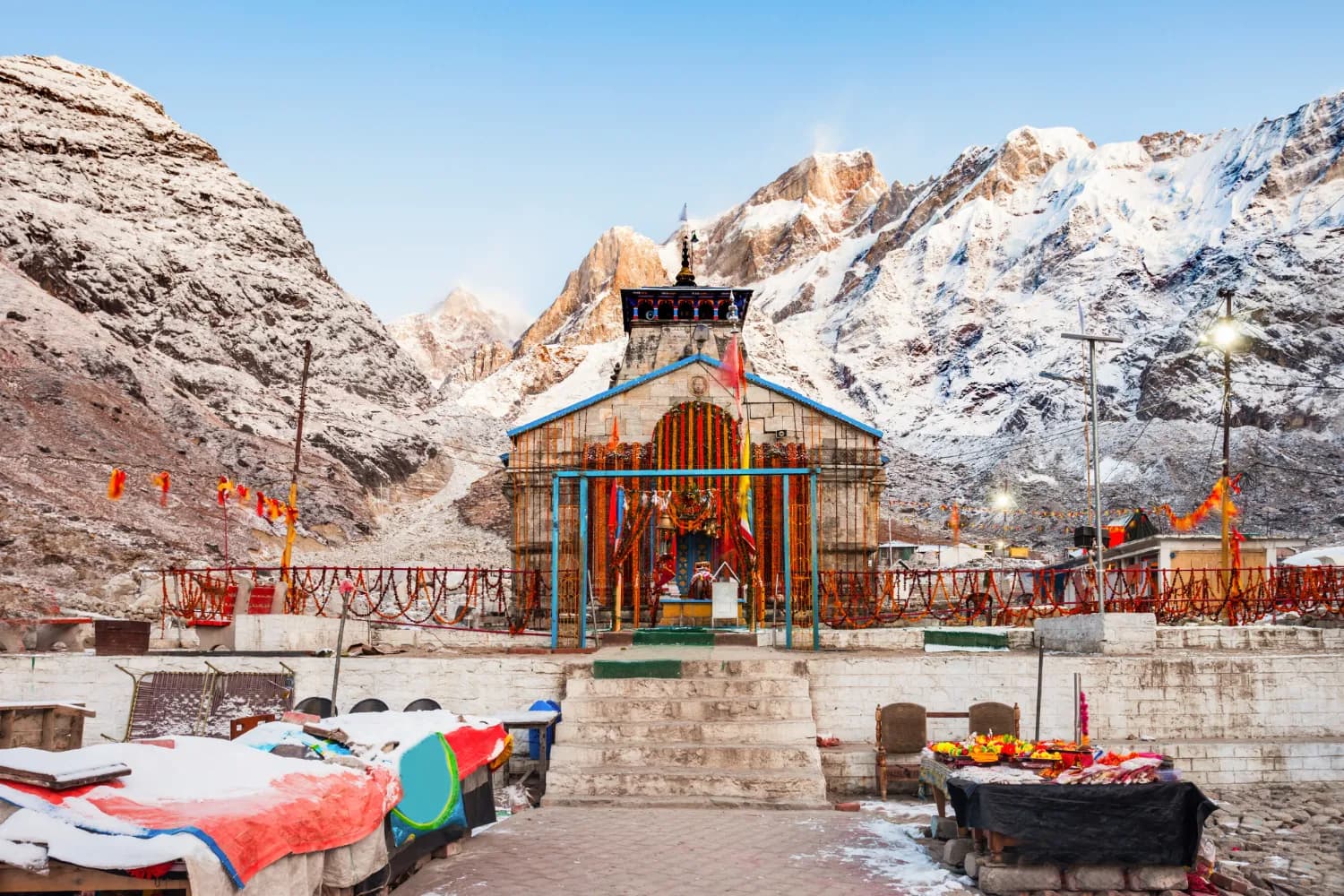
Kedarnath Dham: One of the most revered Shiva temples, Kedarnath requires a trek or helicopter ride from the nearest motorable point. The temple stands amid tall peaks and open skies, creating a very powerful visual impact. I usually advise travellers to plan at least one night in the Kedarnath area, so darshan can happen without rushing. Weather can change quickly here, so flexible timing and layered clothing help.
Badrinath Dham: Dedicated to Lord Vishnu, Badrinath offers a mix of spiritual calm and lively bazaar energy. The colourful temple façade, the Alaknanda river, and mountains around the town create a distinct charm. Pilgrims often combine darshan with visits to nearby hot springs and local markets. With a good itinerary, you can enjoy evening aarti, explore small lanes, and return to your hotel without stress.
Nearby Scenic and Spiritual Spots: Many Chardham routes include extra stops like Haridwar, Rishikesh, and various view points or local temples along the way. These places add depth to the journey, with evening aartis on river ghats, suspension bridges, and simple cafes offering mountain views. I customise the plan based on whether you prefer more temple visits, more nature stops, or a balanced mix of both.
Things to Do in Chardham
Attend Aarti Ceremonies: One of the most memorable experiences in a Chardham journey is joining the aarti at each temple. The sound of bells, chants, and flowing rivers creates a unique ambience. I help you reach in time for evening or early morning aarti, while avoiding excessive waiting. Many travellers say these quiet, focused moments feel like the emotional core of their entire trip.
Scenic Walks and Gentle Treks: Apart from the main treks, there are smaller, manageable walks near villages, rivers, and viewpoints. These walks allow you to stretch after long drives, click photos, and breathe in crisp mountain air. I design routes that suit your fitness level, so elders can choose flatter paths while younger travellers attempt longer or steeper trails. Comfort always takes priority over ticking extra boxes.
Local Food Tasting: Simple, warm food becomes especially satisfying in the hills. You can try local vegetarian dishes, basic thalis, and hot beverages at dhabas and small cafes. I recommend hygienic places where groups and families feel safe. Many travellers enjoy slow breakfasts with mountain views, then light packed snacks during drives, instead of heavy mid day meals that make travel uncomfortable.
Spiritual Reflection and Journaling: The Chardham route gives you long stretches of quiet time. Some travellers like to keep a small diary, reflect on life decisions, or simply sit by the river and listen to the water. I keep the itinerary balanced so you are not rushing constantly from one checklist item to another. This mental space often becomes the most valuable part of the pilgrimage.
Photography and Mindful Breaks: The Himalayas, rivers, and villages offer countless photo opportunities, from morning mist to colourful flags and stone paths. I plan short, mindful breaks at scenic spots so you can take photos safely without standing in the middle of busy roads. You can focus on both landscapes and small details, like prayer wheels, flowers, or local markets, building a personal visual story of your yatra.
Frequently Asked Questions
How many days are ideal for a standard Chardham yatra?
A typical Chardham circuit usually needs around ten to twelve days including road travel, acclimatisation, and darshan time, so the journey feels meaningful, safe, and not overly rushed.
Is Chardham yatra suitable for senior citizens from Pune?
Yes, with careful planning, gradual travel, and vehicle based itineraries, many senior citizens complete the yatra. I suggest medical checkups, comfortable stays, and shorter driving stretches.
Do I need travel insurance for a Chardham tour?
Travel insurance is not always mandatory but it is strongly recommended, especially for high altitude trips, unpredictable weather, and long road journeys across hill regions in Uttarakhand.
Are helicopter services to Kedarnath always guaranteed?
No, helicopter services depend on weather, technical conditions, and government regulations. Even with pre booking, operations can pause, so I always keep a backup road or trek plan.
What type of hotels are available on the Chardham route?
You usually find a mix of basic lodges, standard hotels, and some premium stays at key points. I prioritise cleanliness, safety, and verified reviews over unnecessary luxury claims.
All Packages
Why Book Packages with Viacation?

Trusted by 1,00,000+ travellers

Dedicated experts to plan your trips

Secure bookings, clear cancellations

10,000+ unique trips to choose from
