 Spiti valley
 outdoors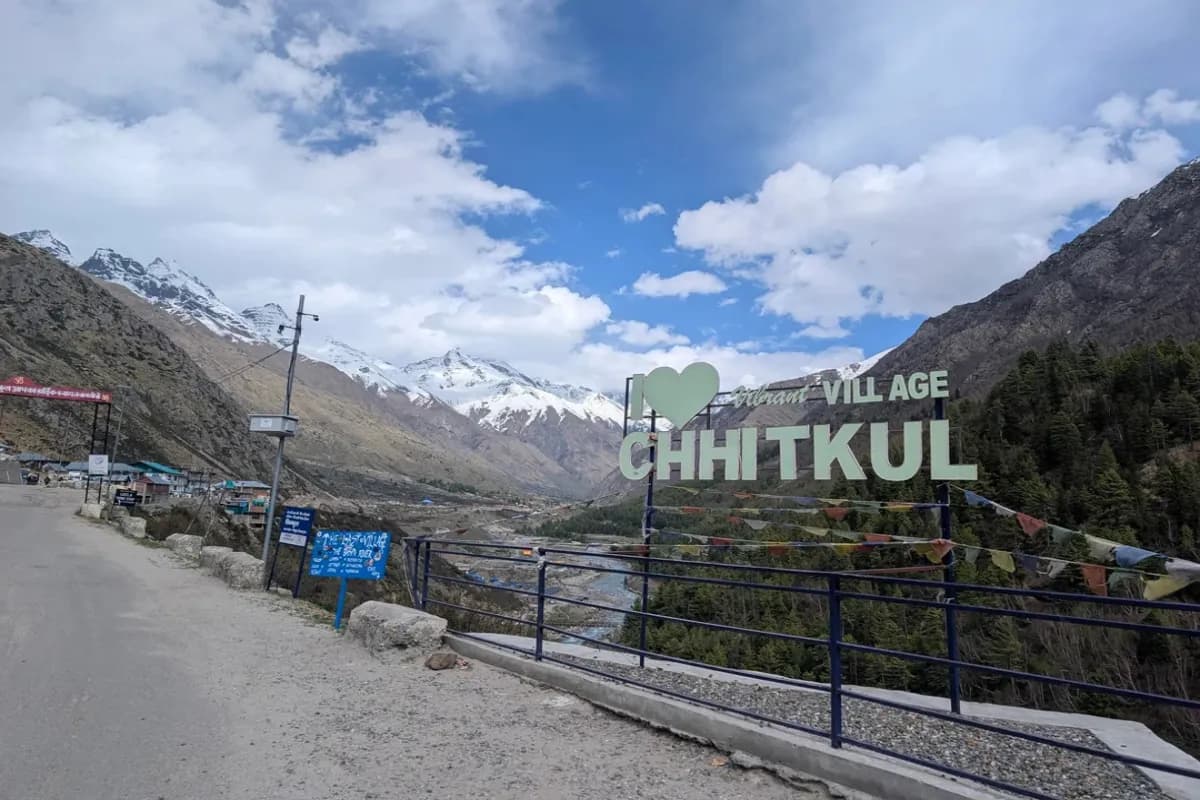
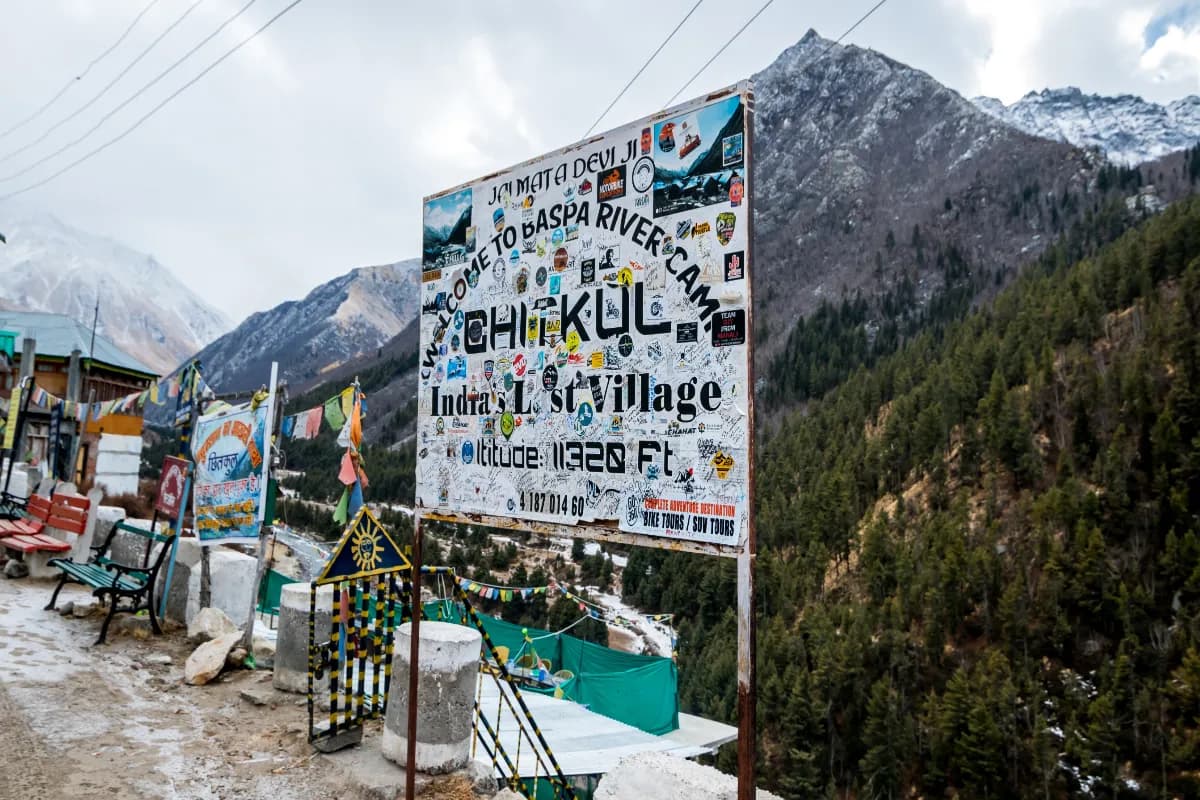
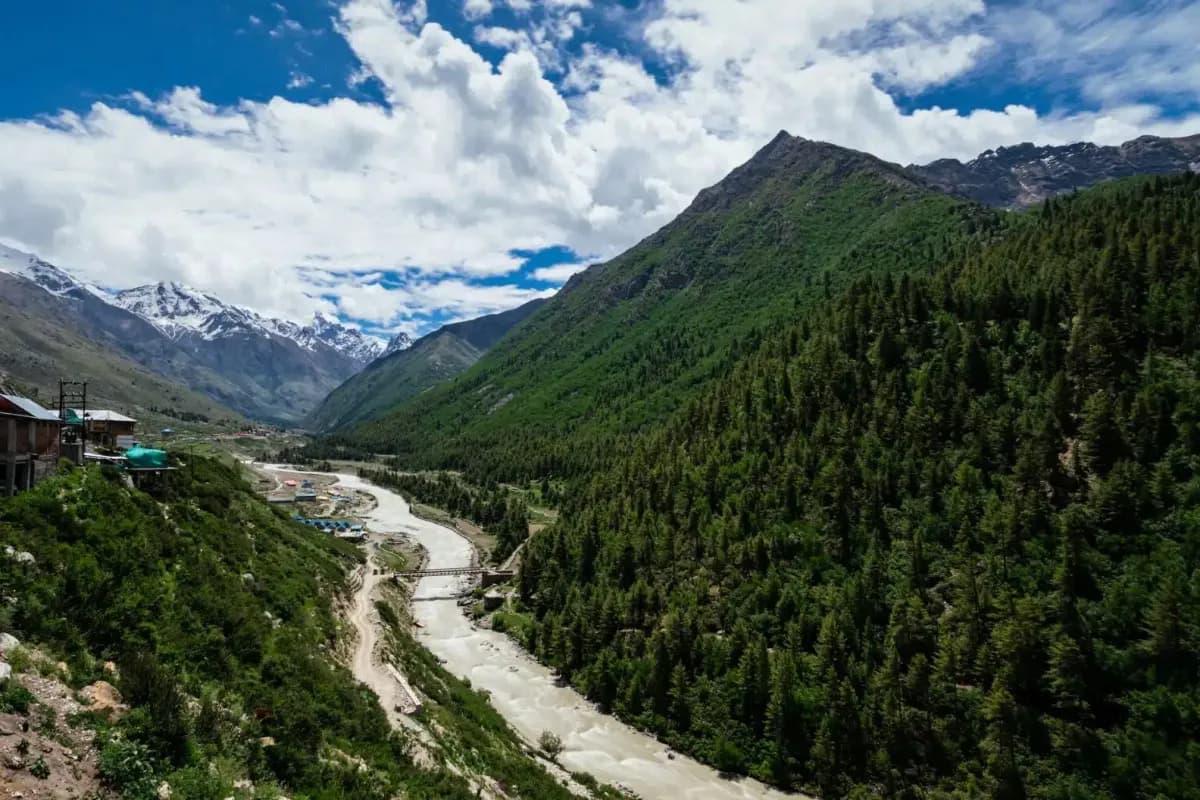
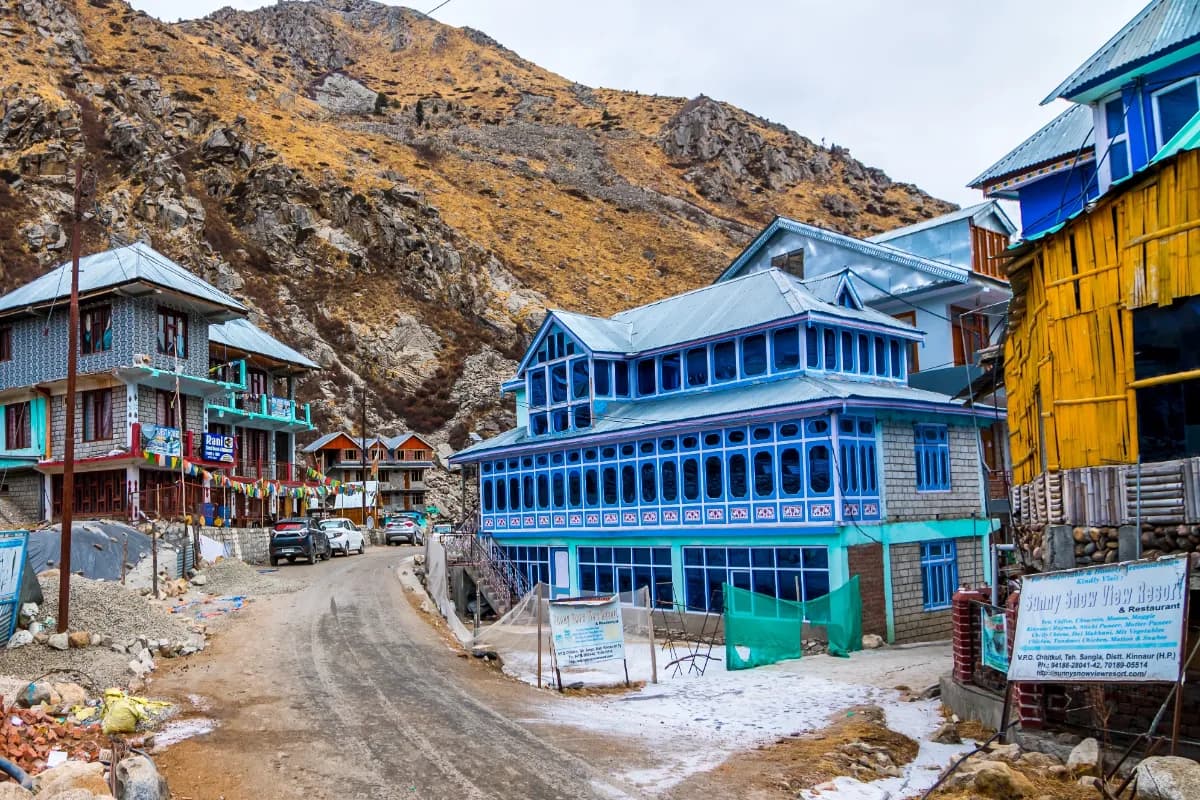
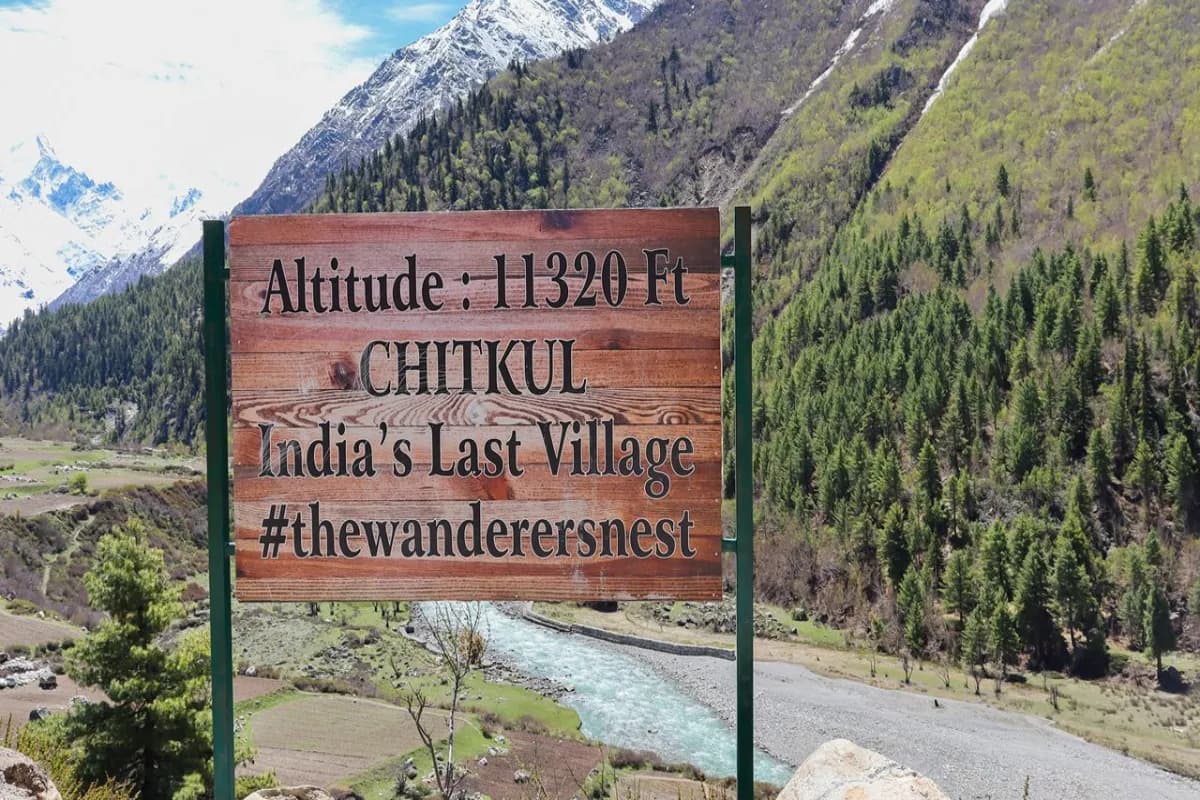
Chitkul Village is the last inhabited village near the Indo-Tibet border on the Sangla Valley route. Surrounded by mountains and the Baspa River, the village has wooden houses, narrow lanes, and open valley views. Roads remain accessible for most of the year, though winters can bring heavy snowfall.
Travellers usually reach Chitkul after crossing Sangla and Rakcham, making it a common stop in Spiti Valley tour packages focused on Kinnaur Valley. The village is known more for its setting and slower pace than for its activities, which is why many visitors spend time simply walking around and staying overnight.
Chitkul is often called the last inhabited village near the Indo-Tibet border on this route. For years, it has remained connected to old trade and mountain travel paths used by local communities in the Kinnaur region.
The village reflects traditional Kinnauri architecture through wooden homes and temple structures built for cold weather conditions. Even with growing tourism, Chitkul still feels less commercial compared to other Himachal destinations, which is one reason many travellers prefer staying here overnight instead of rushing through the area.
Visit between April and June or September and October. Day temperatures stay around 8–20°C. Morning visits offer clearer mountain views. Avoid peak winter months, as heavy snowfall often blocks roads leading to the village.
A drive of around 250 km from Shimla takes 9–10 hours through Sangla Valley. Shared cabs and HRTC buses operate till Sangla, while private taxis are commonly used for the final stretch to Chitkul.
1. Entry Fee: Free
2. Timings: You can visit anytime.
Day Wise Timings
Maps & Location
Chitkul, Himachal Pradesh, 172106
Essential Information
Point of Interest for Chitkul Village
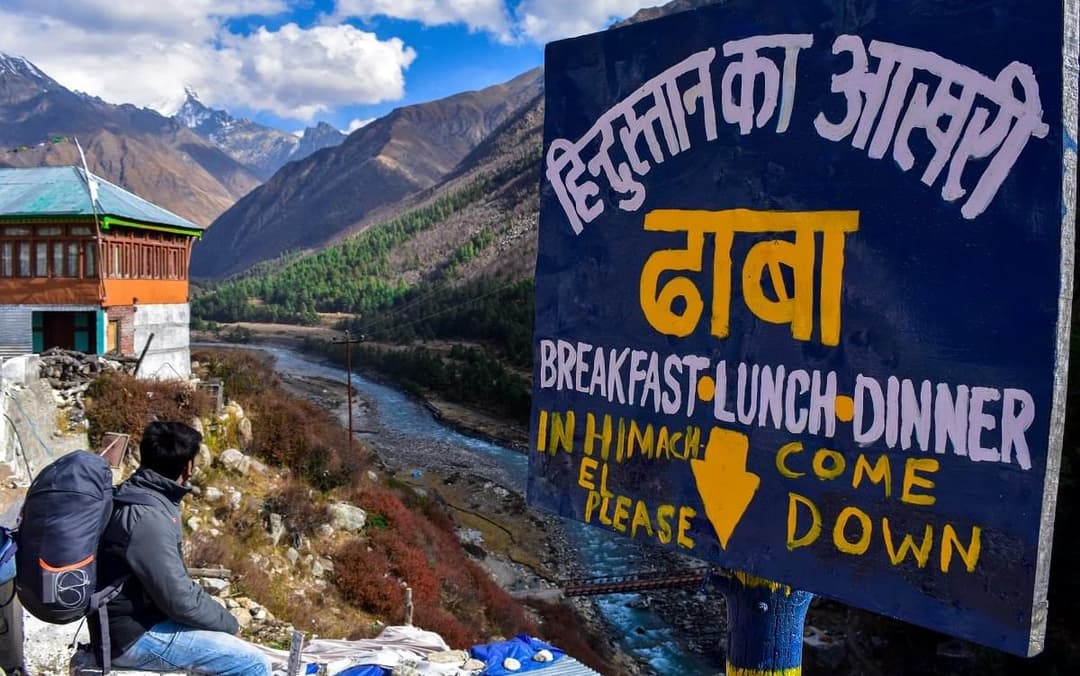
Hindustan Ka Akhri Dhaba
Popular roadside food stop near the Indo-Tibet border route
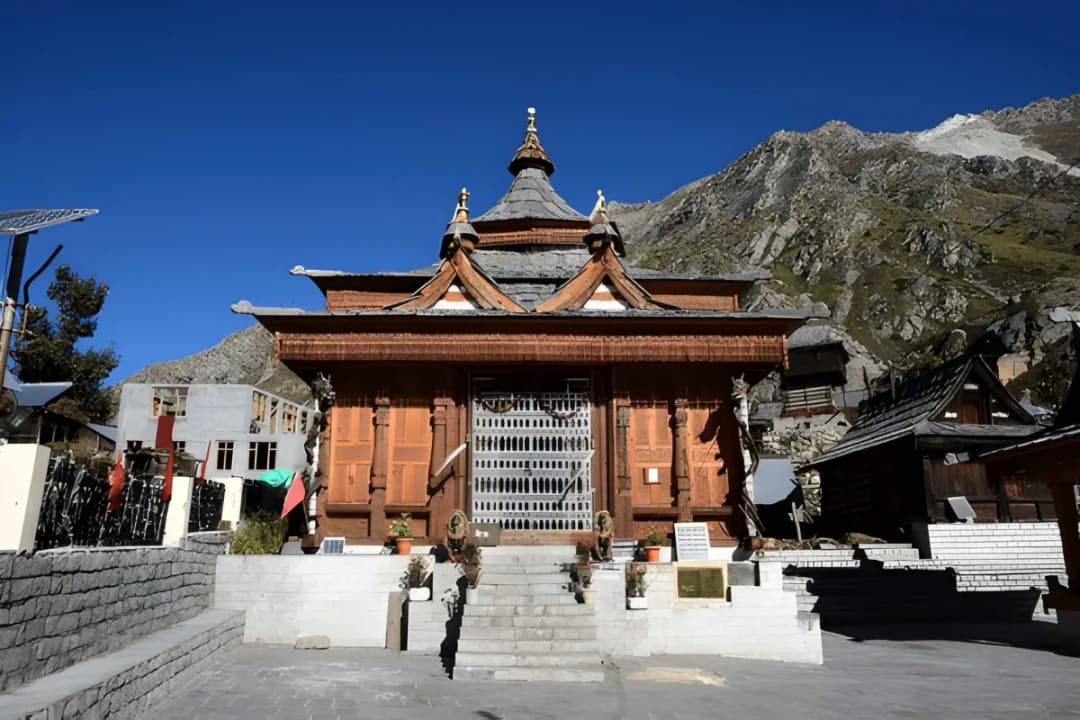
Mathi Temple
Traditional wooden temple connected to local Kinnauri beliefs and culture
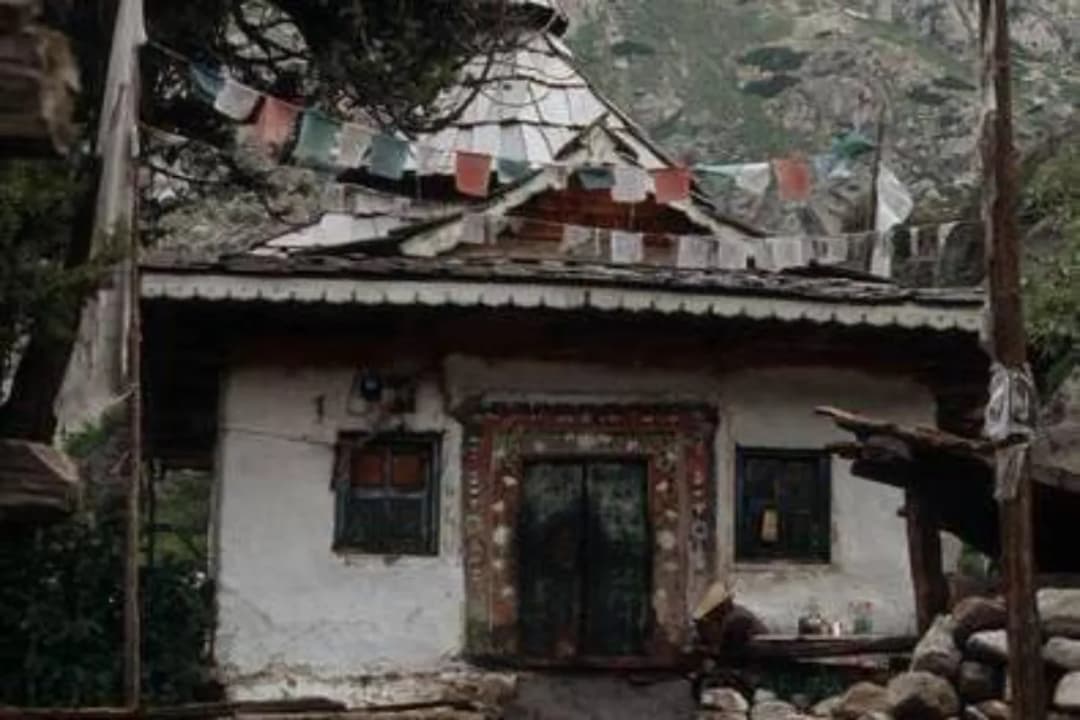
Kagyupa Temple
Buddhist temple with prayer flags and mountain-facing surroundings nearby
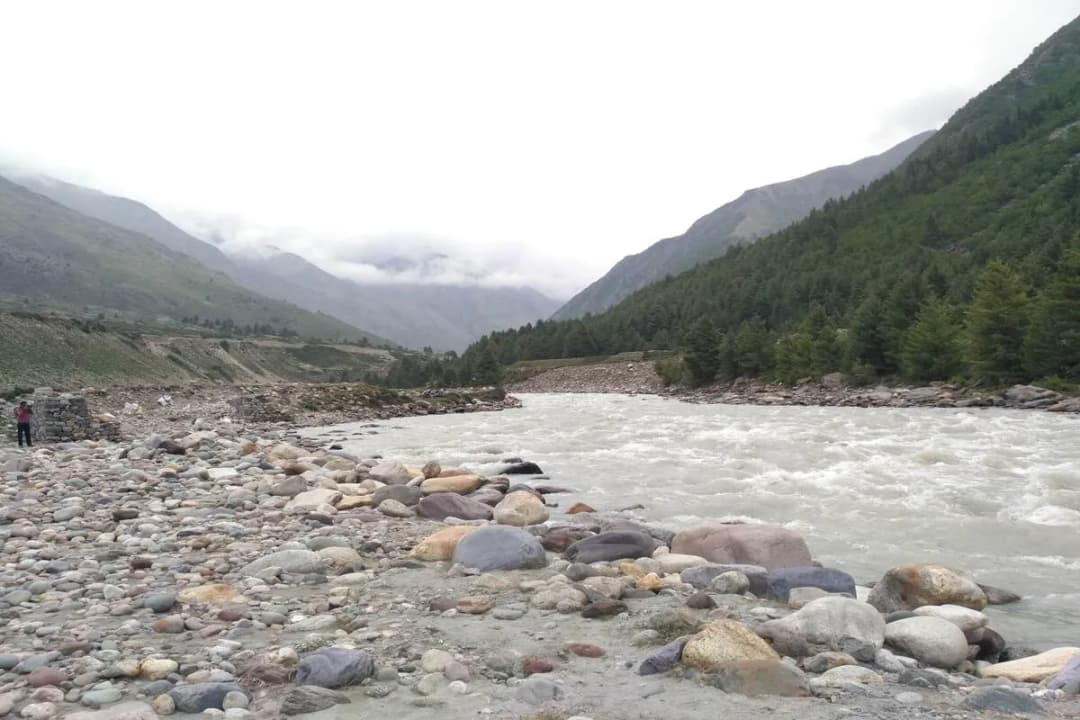
Baspa River
A fast-flowing river beside the village with open sitting and photo spots
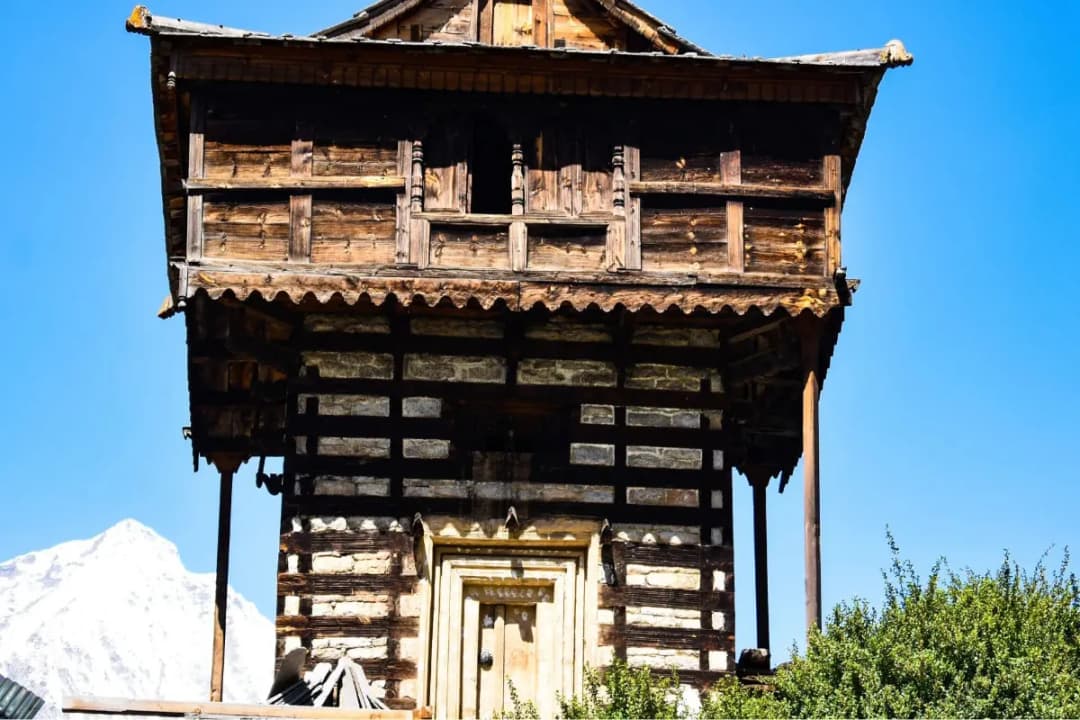
Chitkul Fort
Old fort structure reflecting traditional mountain-style local architecture
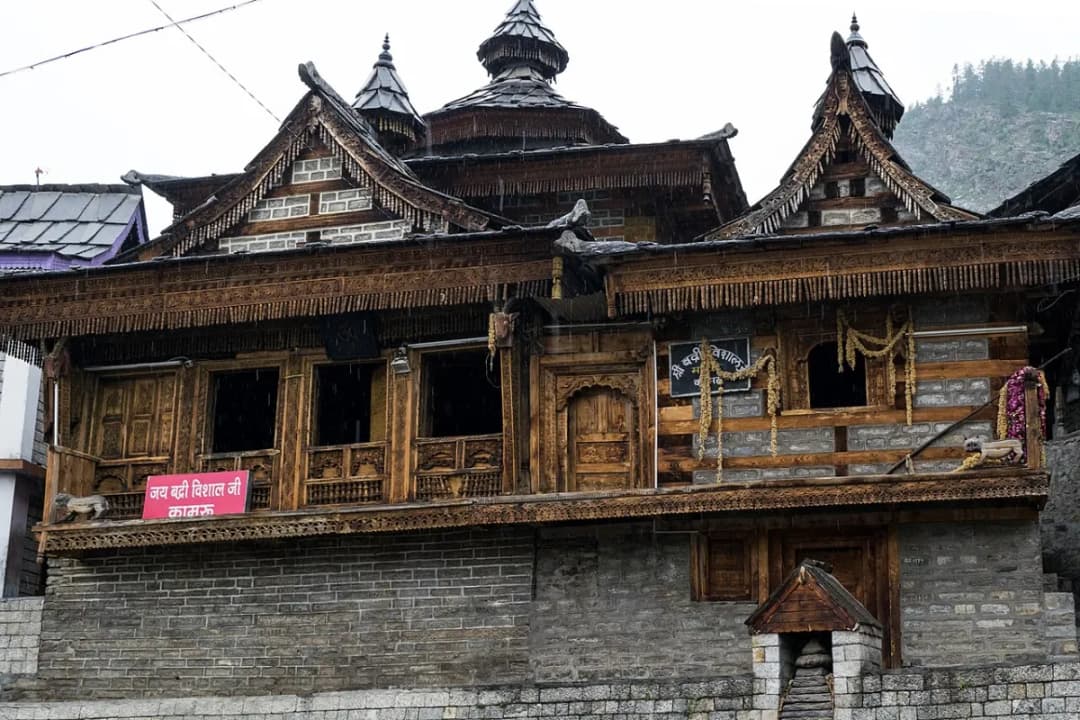
Kamru Fort
Historic fort near Sangla known for wooden tower-style construction
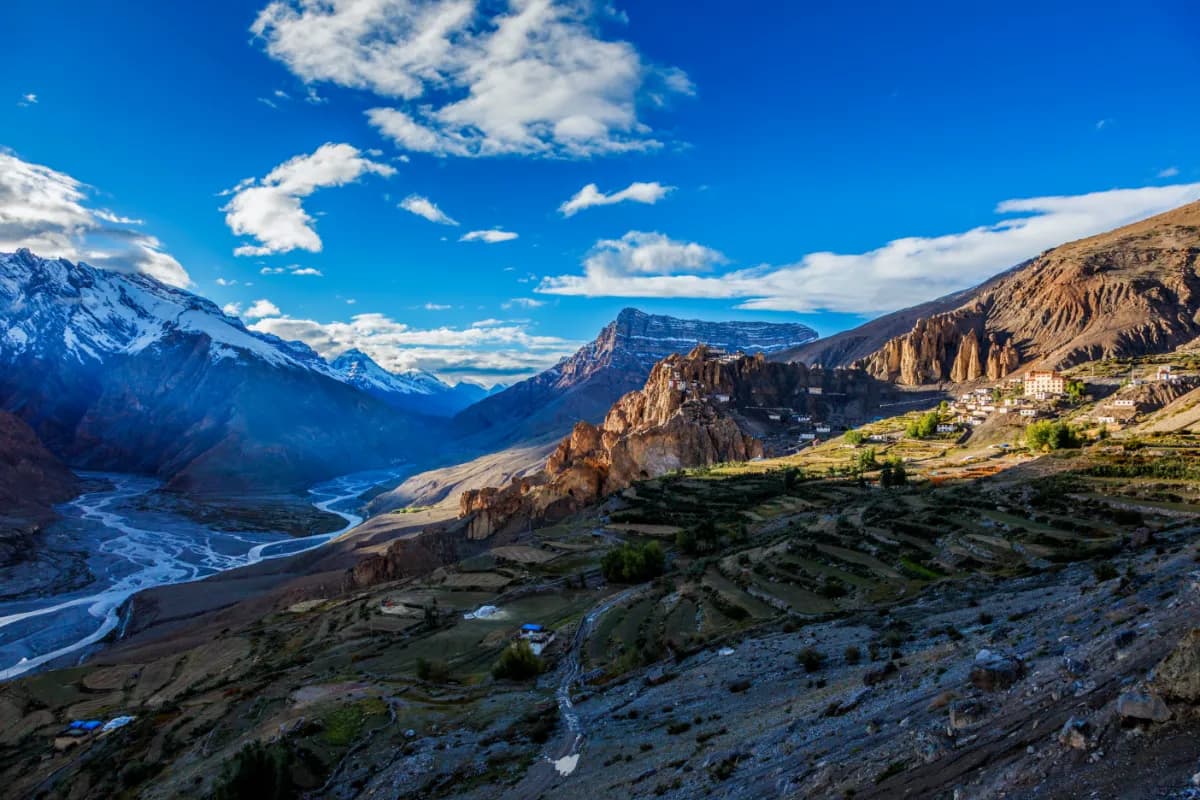
Chitkul is famous for mountain views, wooden Kinnauri houses, and its location near the Indo-Tibet border. Travellers also visit for the Baspa River, the peaceful atmosphere, and the scenic road journey through Sangla Valley.
Chitkul is called India’s last village because it is the final inhabited settlement on the old Indo-Tibet trade route before the restricted border region begins in Himachal Pradesh.
Shimla is the nearest major city connected to Chitkul. Sangla and Reckong Peo are smaller nearby towns commonly used as stopovers during the journey.
Yes, Chitkul is worth visiting for travellers looking for quieter mountain villages, river views, and less commercial destinations in Himachal Pradesh away from crowded tourist towns.
The best time to visit Chitkul is between April and June or September and October. These months offer open roads, clearer mountain views, and manageable temperatures for sightseeing and overnight stays.

Trusted by 1,00,000+ travellers

Dedicated experts to plan your trips

Secure bookings, clear cancellations
10,000+ unique trips to choose from

4.9

Traveller Image Gallery
 View All Images
Leena Varma
Reviewed: Feb 07, 2026Great Trip. Very Adventurous indeed. Sent that postcard from Hikkim to my grandmother who has always wanted to travel but couldn't. She called me crying. That one small thing made me emotional the who...
Great Trip. Very Adventurous indeed. Sent that postcard from Hikkim to my grandmother who has always wanted to travel but couldn't. She called me crying. That one small thing made me emotional the whole evening. The package was great but that moment is what I'll carry forever. Thank you Viacation.
Mohan Tamang
Reviewed: Mar 14, 2026Being from Sikkim I thought I knew cold. Spiti in winter is another level completely. What I loved was how untouched everything felt. No crowds at any of the monasteries, no noise in Kibber, just snow...
Being from Sikkim I thought I knew cold. Spiti in winter is another level completely. What I loved was how untouched everything felt. No crowds at any of the monasteries, no noise in Kibber, just snow and silence everywhere. Viacation planned this beautifully.