 Bali
Bali sightseeing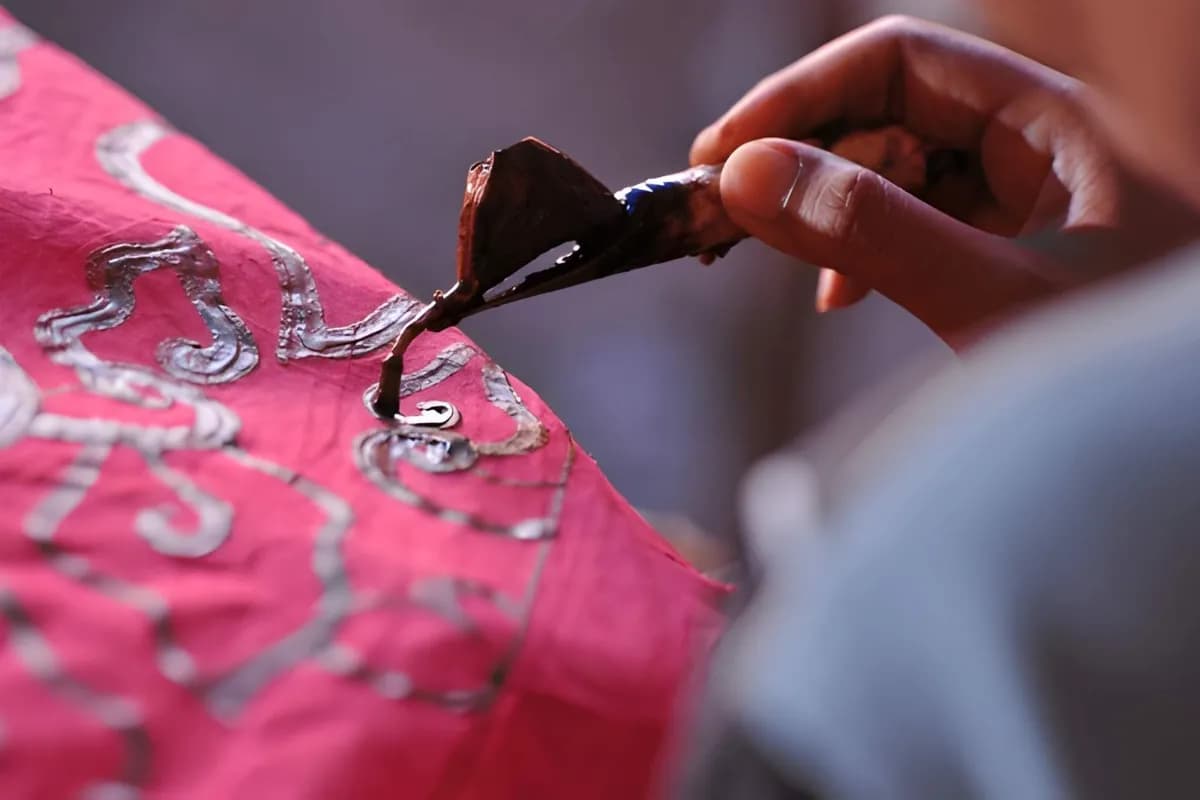
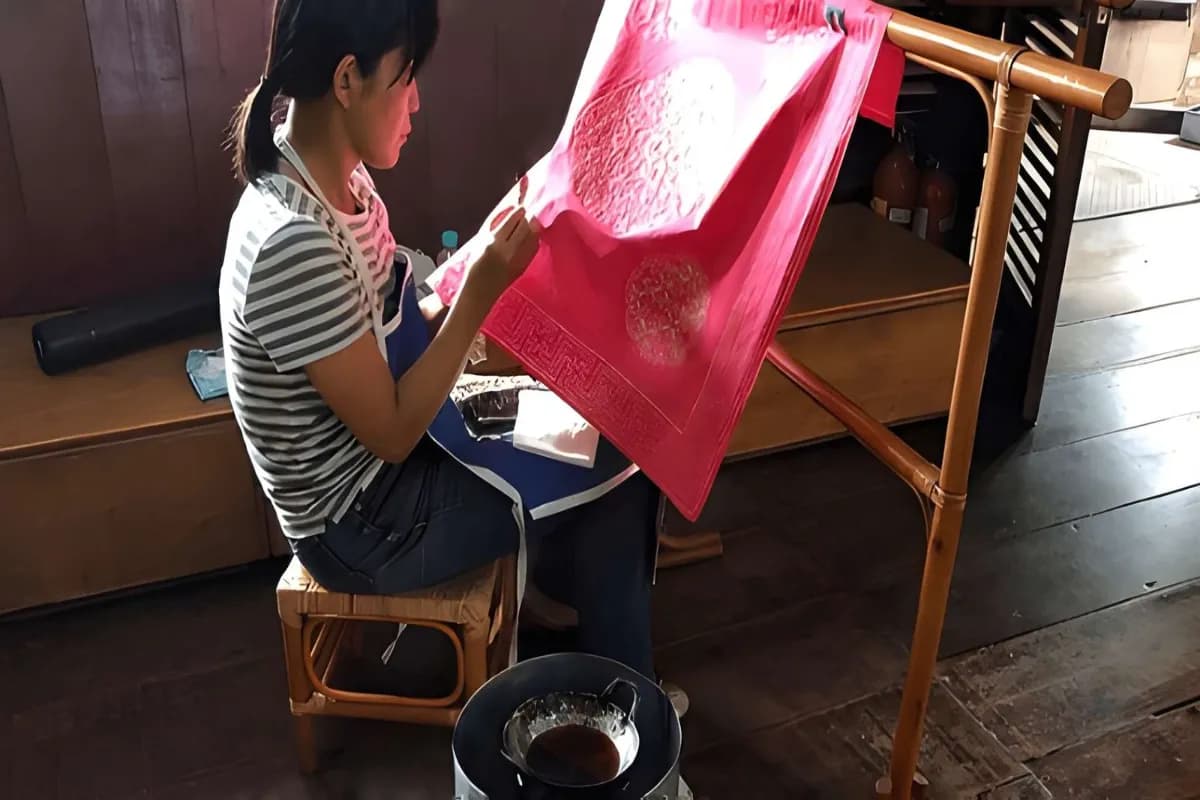
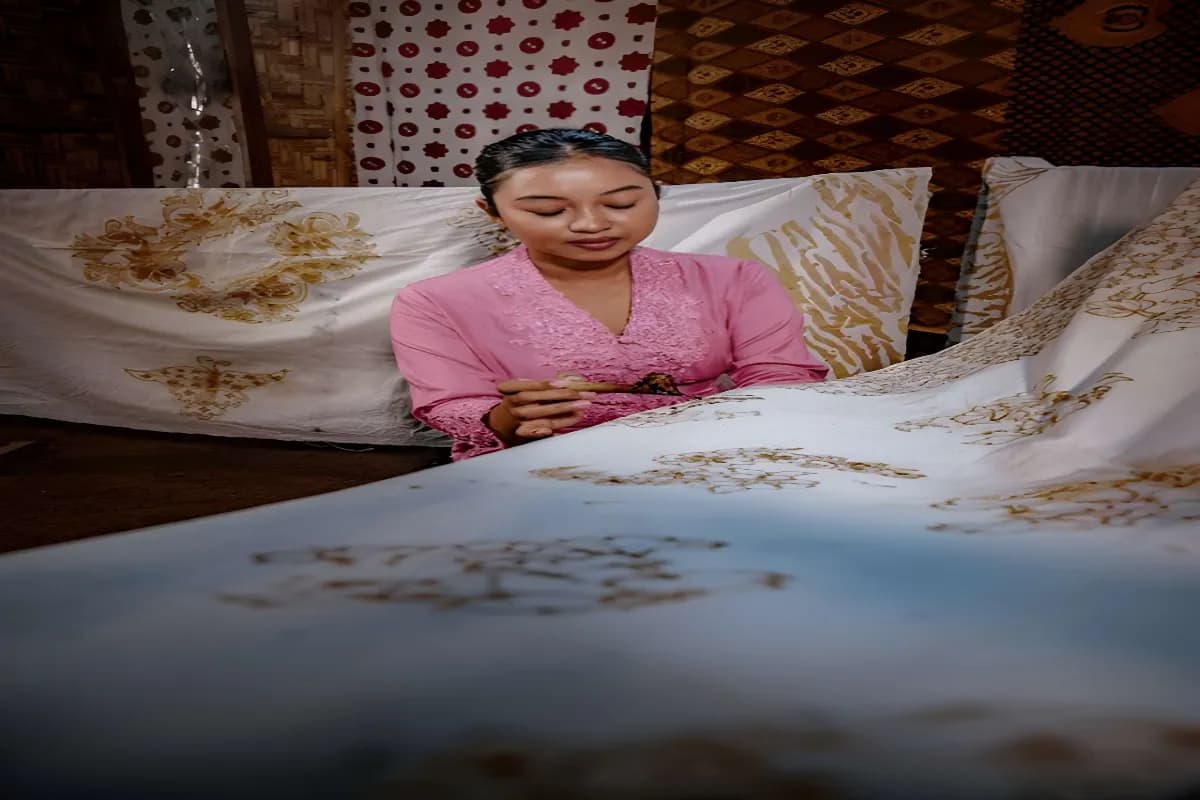
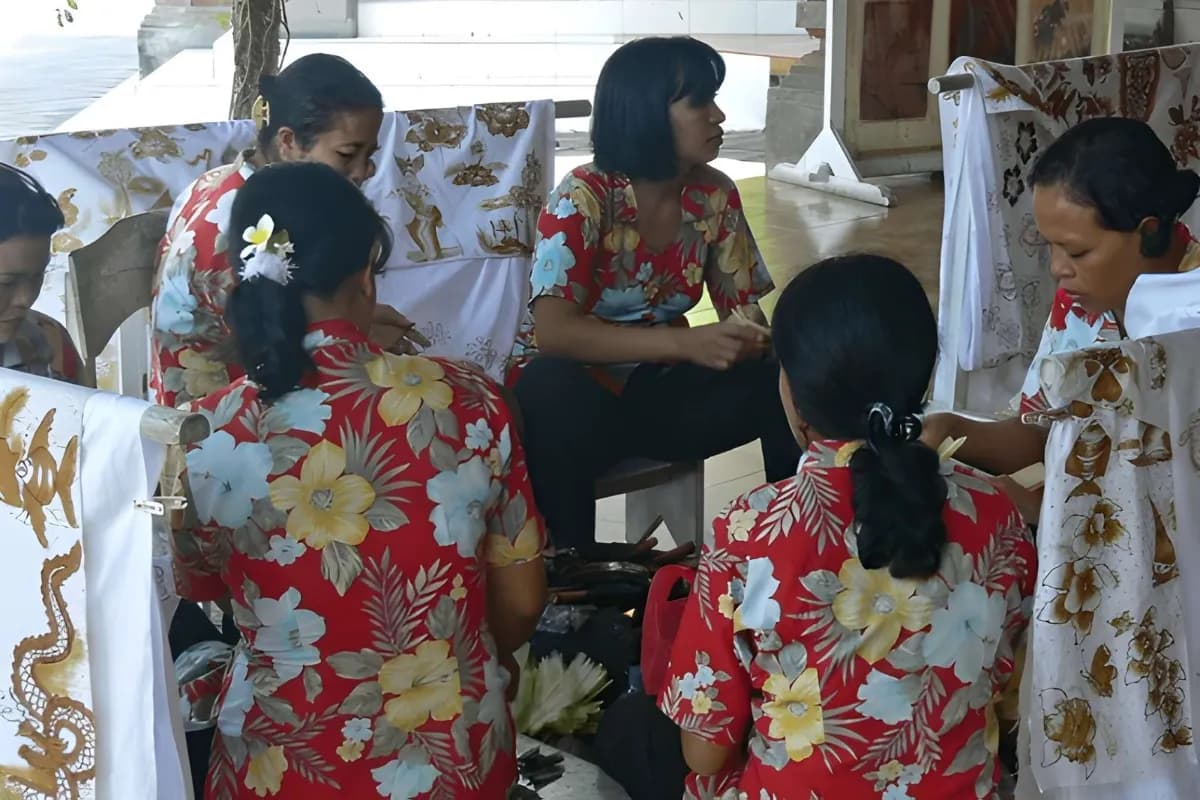
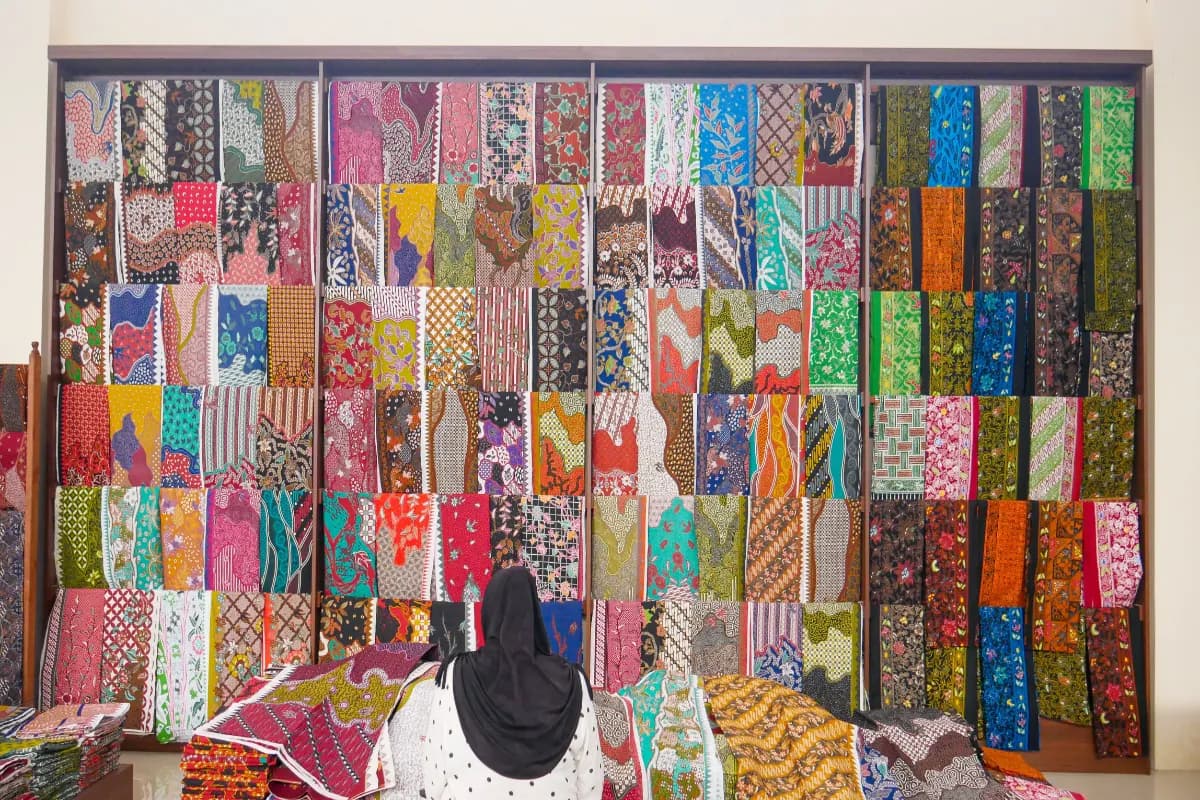
Batik is an ancient, wax-resist fabric dyeing method renowned for its complex, colorful patterns and distinctive “crackle” textures. Yogyakarta (often called Jogja) is particularly known to preserve and practice this tradition in ways few cultural experiences elsewhere in Indonesia can equal. Wooden frames holding stretched fabric, canting tools dipped in hot wax, all of it remains here, alive, made by hand, and taught directly to visitors willing to sit down and learn. Those who include the city's batik museums and craft villages in their Bali tour packages find something harder to come by in other parts of Java: a tradition still in daily use, not stored behind glass.
Significance of Batik Art
Batik art holds immense cultural, spiritual, and historical significance, serving as a global symbol of identity, traditional storytelling, and master craftsmanship. In 2009, its profound cultural importance was cemented when UNESCO recognized Indonesian Batik as a Masterpiece of Oral and Intangible Heritage of Humanity. Rather than just a method of decorating fabric, batik acts as a living canvas that reflects the social values, geographical environments, and spiritual beliefs of the communities that create it.
History of Batik Art
Batik’s origins in Java trace to at least the 6th century. Historically, in Java, batik was reserved for royal families and the wealthy elite. Specific geometric motifs, like batik parang, were strictly regulated and worn only by nobility to denote social status and lineage. Techniques spread from palace to village gradually over the following centuries, particularly in Yogyakarta and the neighboring city of Solo.
In the 19th century, Dutch and Chinese artisans working out of Pekalongan introduced copper-block printing and synthetic dye chemistry, expanding what had been an exclusively hand-drawn practice into wider production. The Hadi Nugroho family opened Museum Batik Yogyakarta on Jalan Dr. Sutomo in 1977, the city's first dedicated batik archive, still run by the same family today.
Best Time to Visit Batik Art
April through October is the driest period, when outdoor batik villages are easy to reach, and workshop schedules run without interruption. July and August see the fullest range of workshops available on short notice. Museum hours run Monday to Saturday; arrive by 9:00 AM to get a full session in before the midday heat.
How to Reach the Museum Batik Yogyakarta for Batik Art
Museum Batik Yogyakarta is 2.2 km from Malioboro Street (15–20 min walk) and 1.2 km from Lempuyangan Station. GoJek and Grab from Malioboro cost ₹55–110.
Entry Fee & Timings
Entry Fee
Timings:
Stays Near Batik Art
1. Jambuluwuk Malioboro Hotel Yogyakarta
Price: ₹3,800 per night
Location: Pakualaman area, 1.3 km from Museum Batik Yogyakarta
2. Puri Pangeran Hotel
Price: ₹1,400 per night
Location: Jl. Masjid No. 7, Pakualaman, 0.8 km from Museum Batik Yogyakarta
3. Hotel Museum Batik
Price: ₹1,430 per night
Location: Jl. Dr. Sutomo 13A, Danurejan, directly adjacent to Museum Batik Yogyakarta
Day Wise Timings
Maps & Location
Yogyakarta City, Indonesia
Essential Information
Point of Interest for Batik Art in Celuk village & Mas village
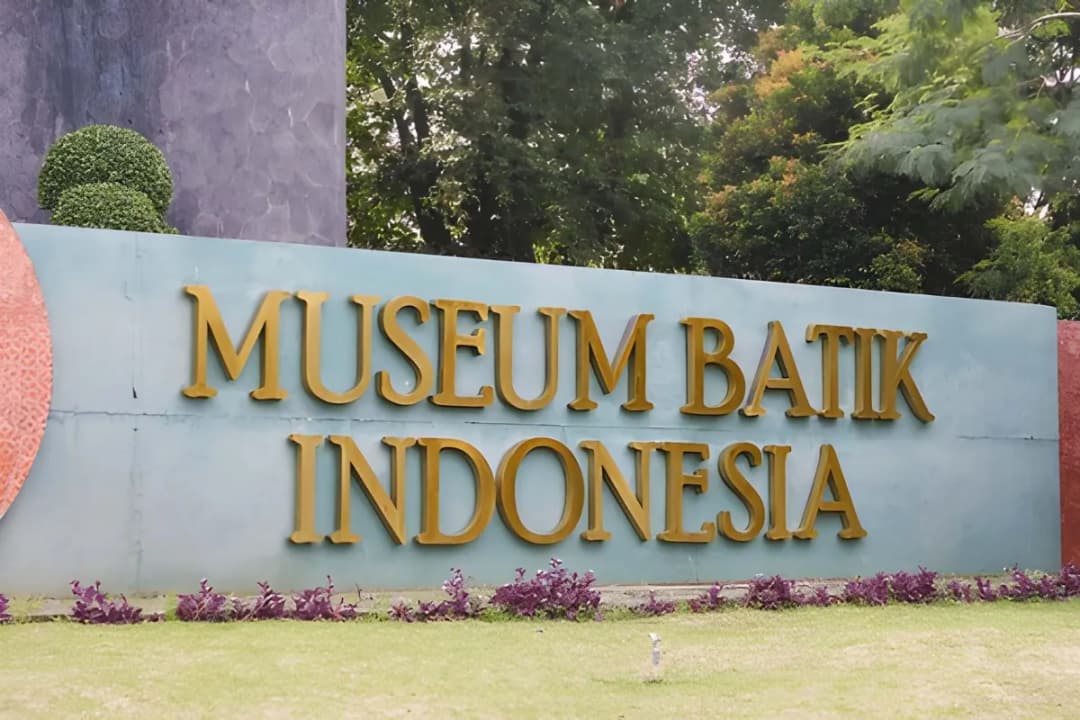
Museum Batik Yogyakarta
A collection of 1,200 batik pieces with on-site craft workshops.
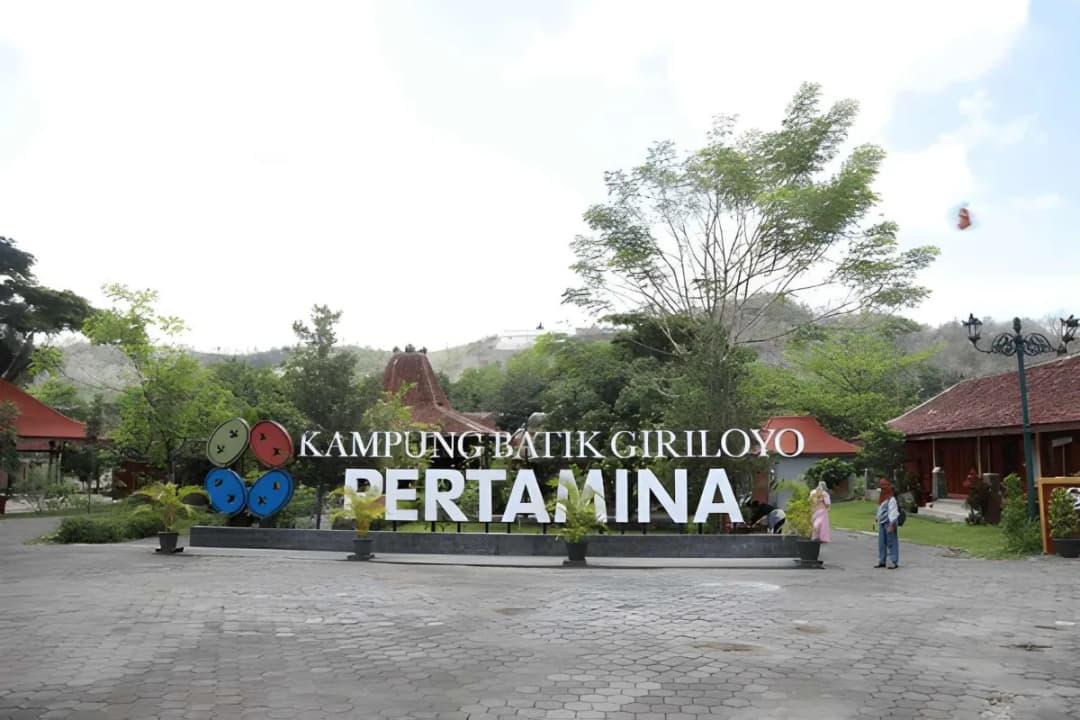
Kampung Batik Giriloyo
A batik village 15 km south of Yogyakarta, home to 540+ hand-drawing artisans.
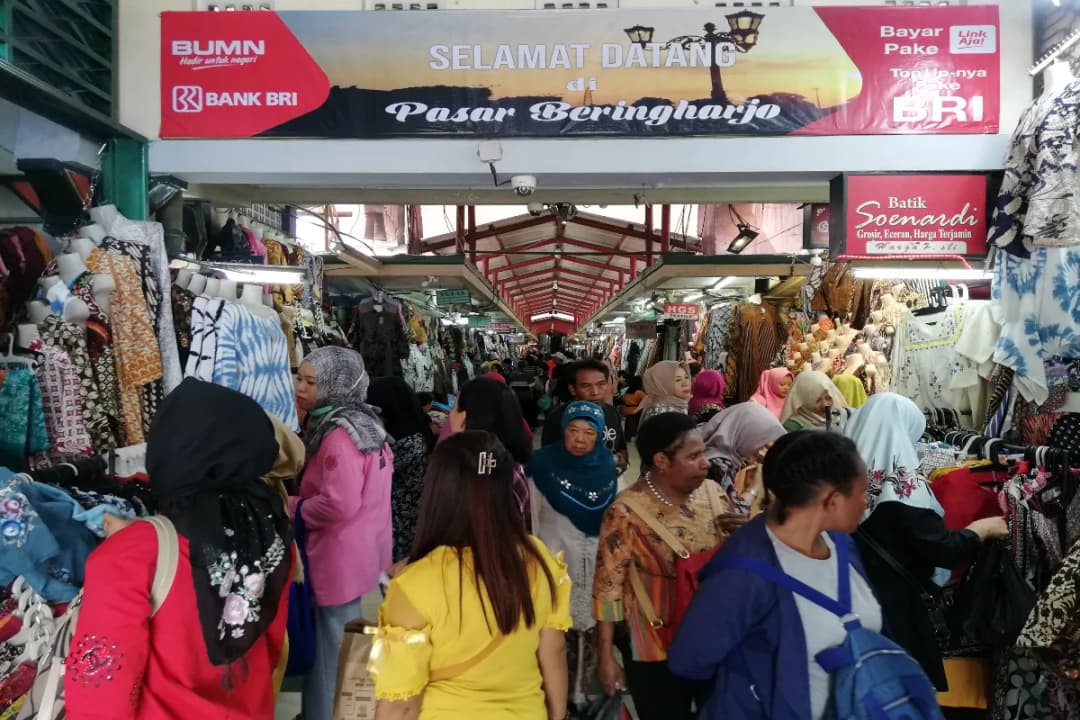
Beringharjo Market
Nearby, there’s a batik-laden covered market, 300m at the southern end of Malioboro Street.
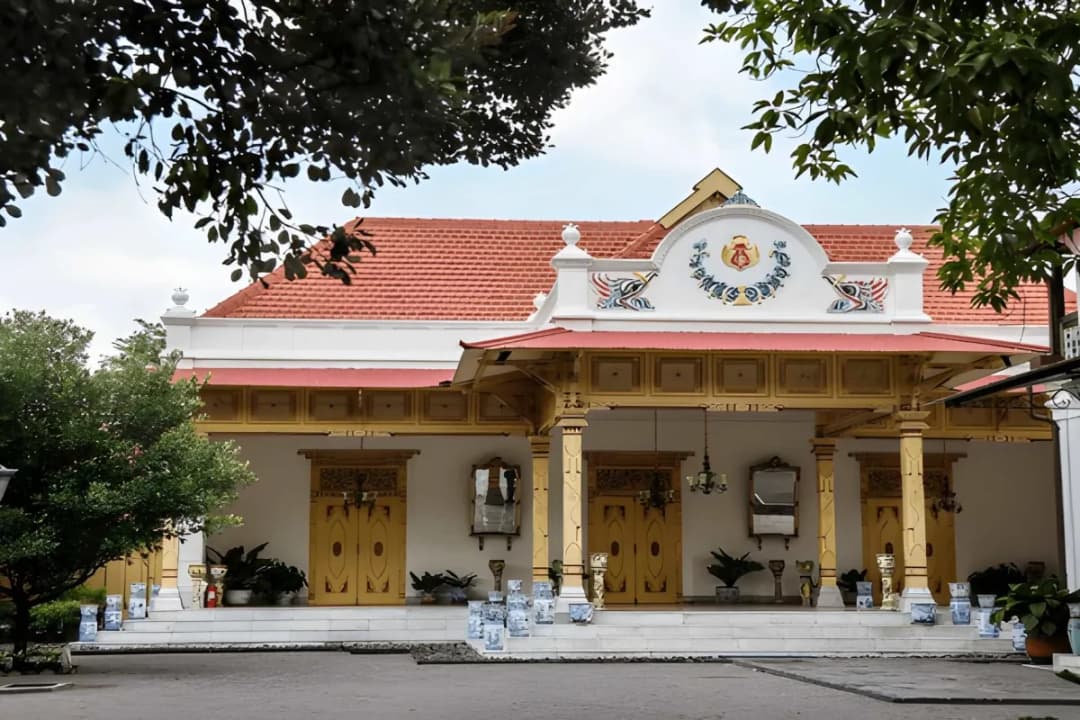
Keraton Ngayogyakarta Hadiningrat
The sultan's palace, where restricted court batik motifs originated.

For anyone with a genuine interest in craft, textile history, or Javanese culture, the answer is yes. Yogyakarta is where the most detailed hand-drawn batik traditions have been kept alive across multiple generations.
A half-day covers Museum Batik Yogyakarta and a walk through the Beringharjo Market batik section. A full day adds either a hands-on workshop or a trip to Kampung Batik Giriloyo, a village in the south. You can choose what makes your visit feel worthwhile.
Batik is an ancient textile art that uses a wax-resist dyeing technique on fabric. Artisans apply molten wax to specific areas of a cloth, which blocks dye absorption. This allows them to layer colors, creating intricate patterns, crackled textures, and vivid designs.
Yes, you can. Yogyakarta is a separate island destination requiring a flight (roughly 1 hour) or an overnight train from Java's north coast. Most visitors stay 2–4 days and combine the batik itinerary with Borobudur, Prambanan Temple, and the Kraton.
Kampung Batik Giriloyo is the most reliable source for authentic batik tulis at fair prices, since buyers deal directly with the artisans who made the cloth. Some specialized boutiques like Ikat Batik in Ubud also sell authentic Batik.
The four common types of batik are hand-drawn batik, stamped batik, painted batik, and printed batik. Each style differs in technique, detailing, production time, and artistic involvement.
Batik art is especially famous in Gujarat, Rajasthan, and West Bengal in India, while internationally, Indonesia remains the most recognised destination for traditional batik craftsmanship and textile culture.

Trusted by 1,00,000+ travellers

Dedicated experts to plan your trips

Secure bookings, clear cancellations
10,000+ unique trips to choose from

4.9

Tanvi Mehta
Reviewed: Dec 20, 2025Mohit Arora
Reviewed: Nov 19, 2025