
 5 Minutes
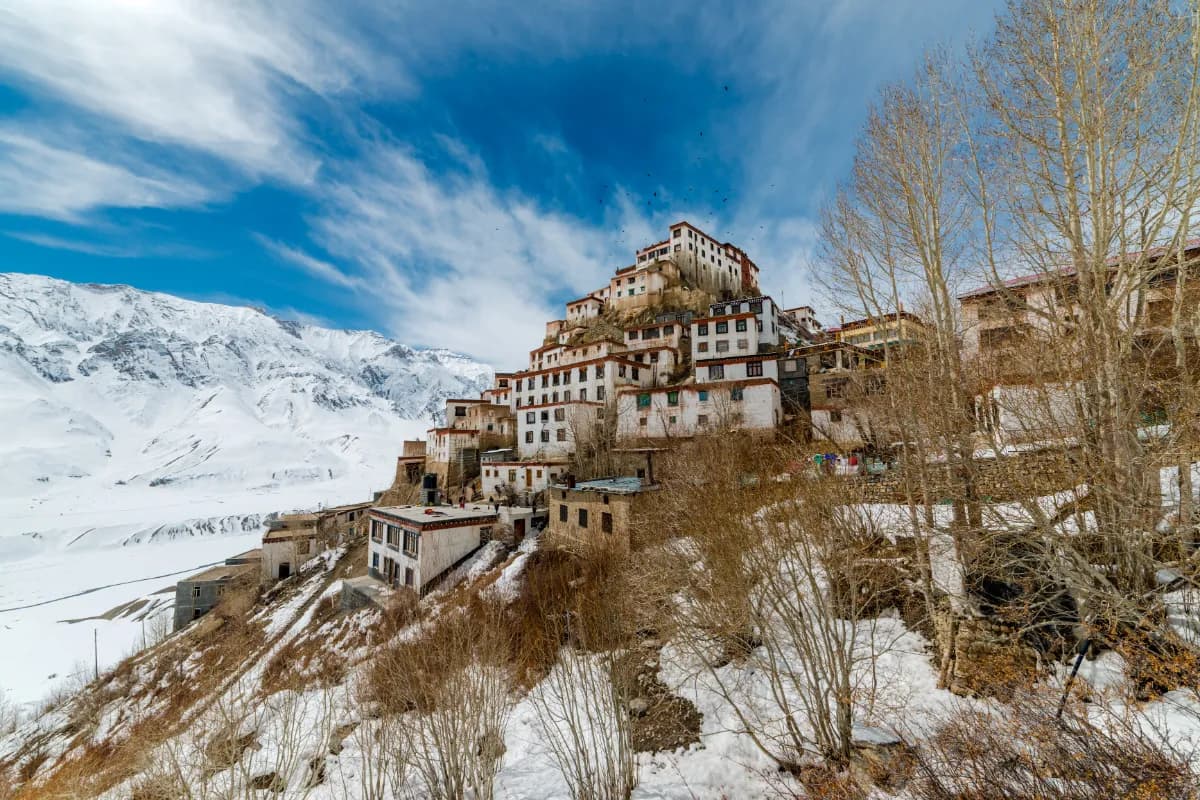
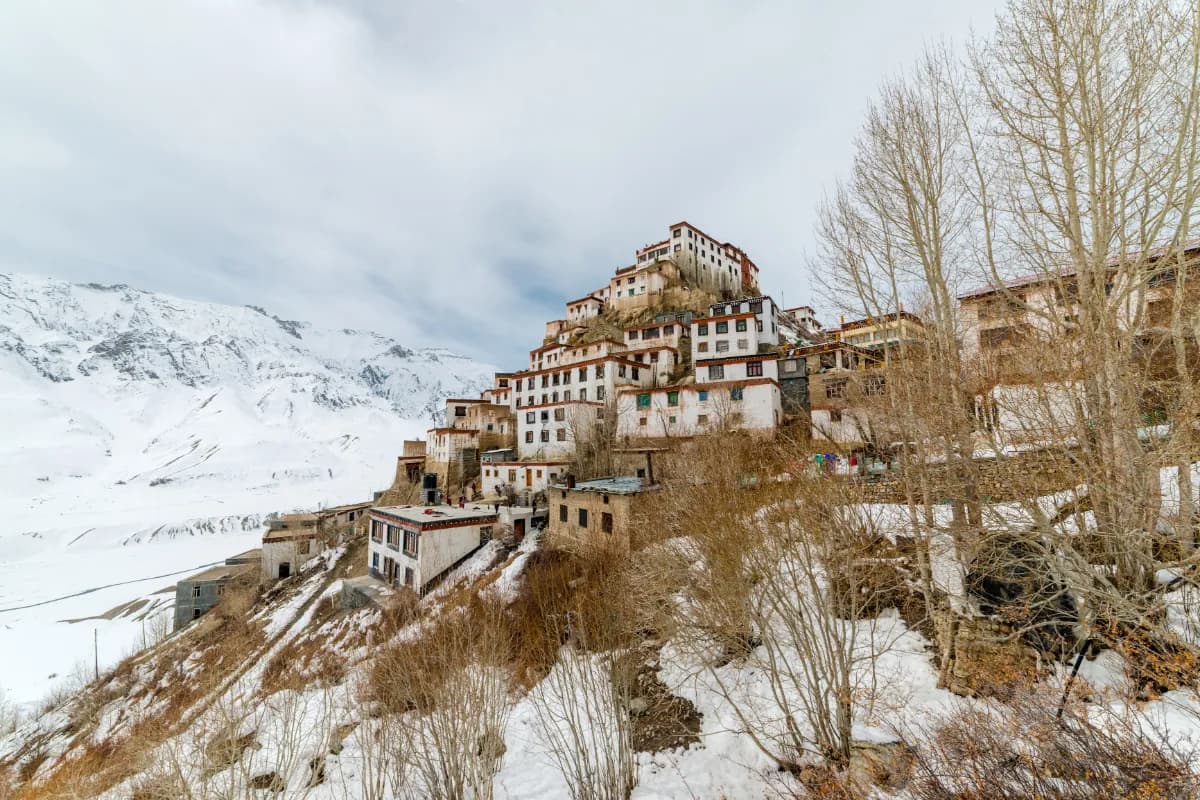
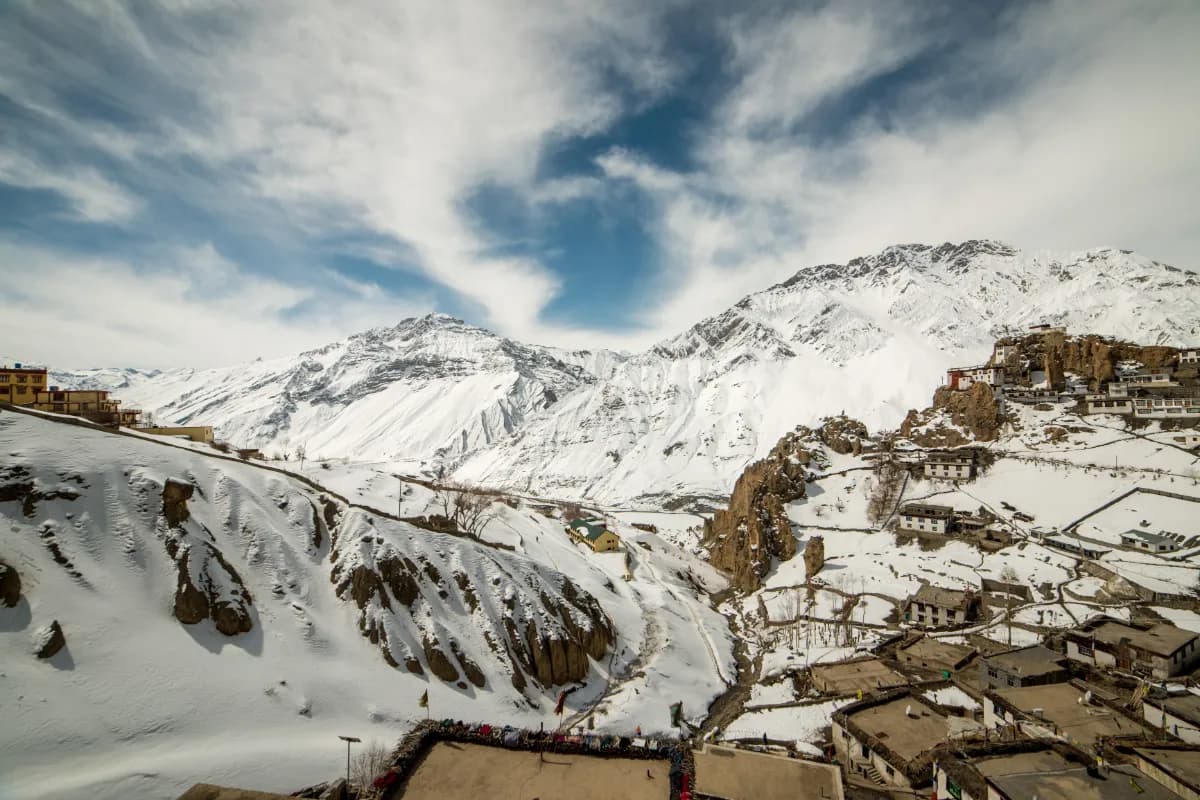
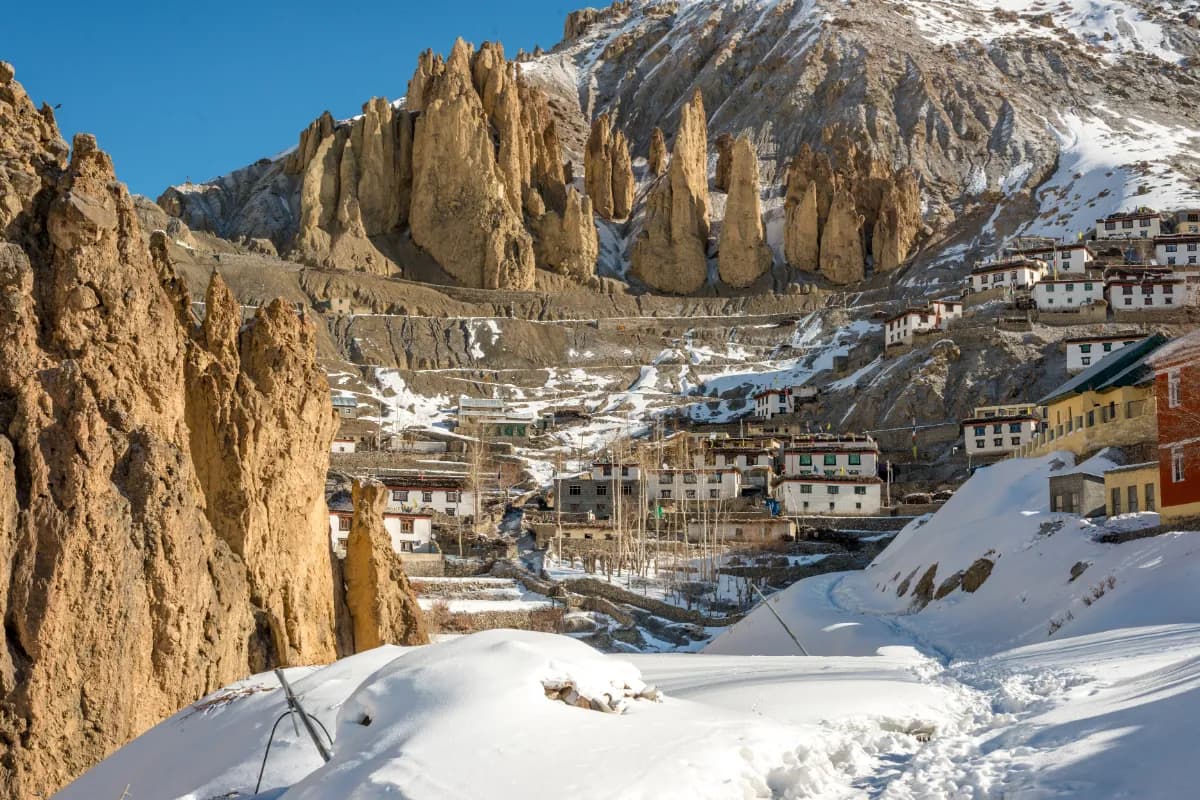
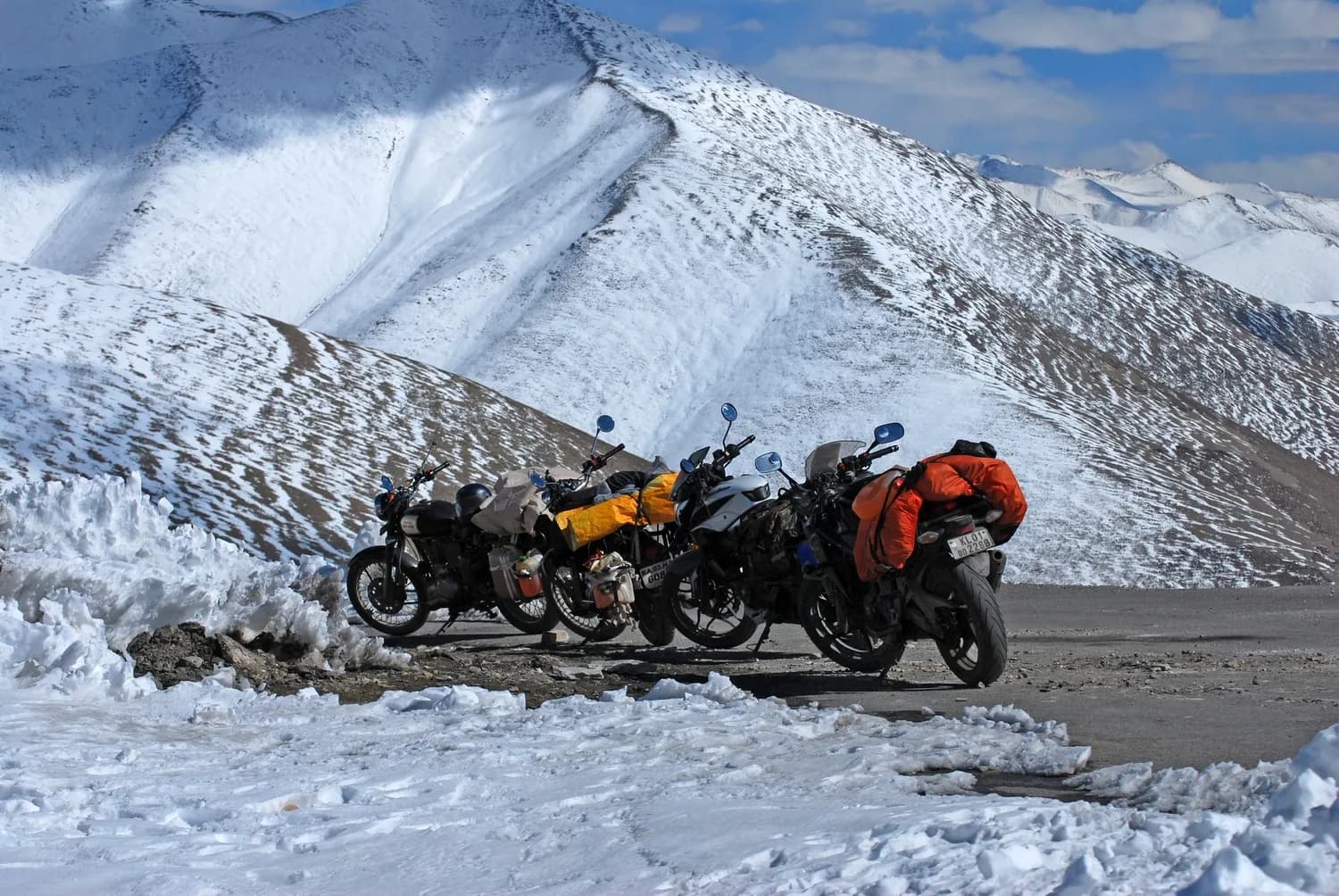
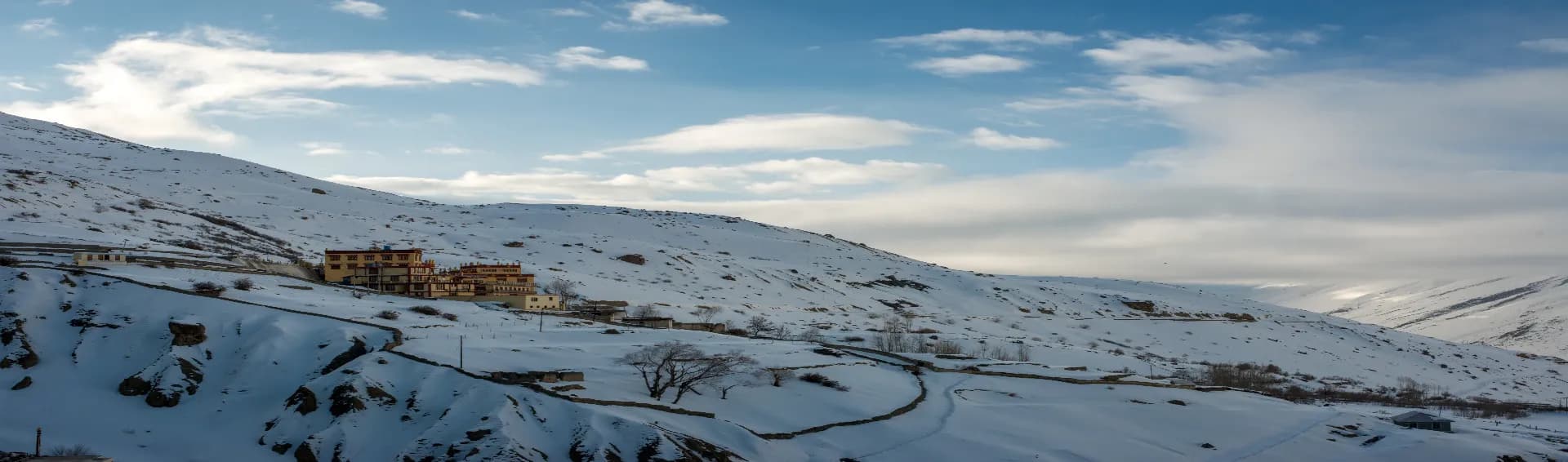
Snow is a white crystal of ice. When you heat it, it turns into water. The same water that you see in lakes looks beautiful. If you reduce the temperature, it changes the form to convert into snow. The Spiti Valley snow does the same. It covers the roads, houses, lakes, and rivers. But there is a catch. The same snow that makes it beautiful also makes it dangerous, isolated, and sometimes completely unreachable.
₹20,999
per person
₹18,499
per person
So before you pack your bags and book Spiti Valley Packages for a "snow trip," read this first.
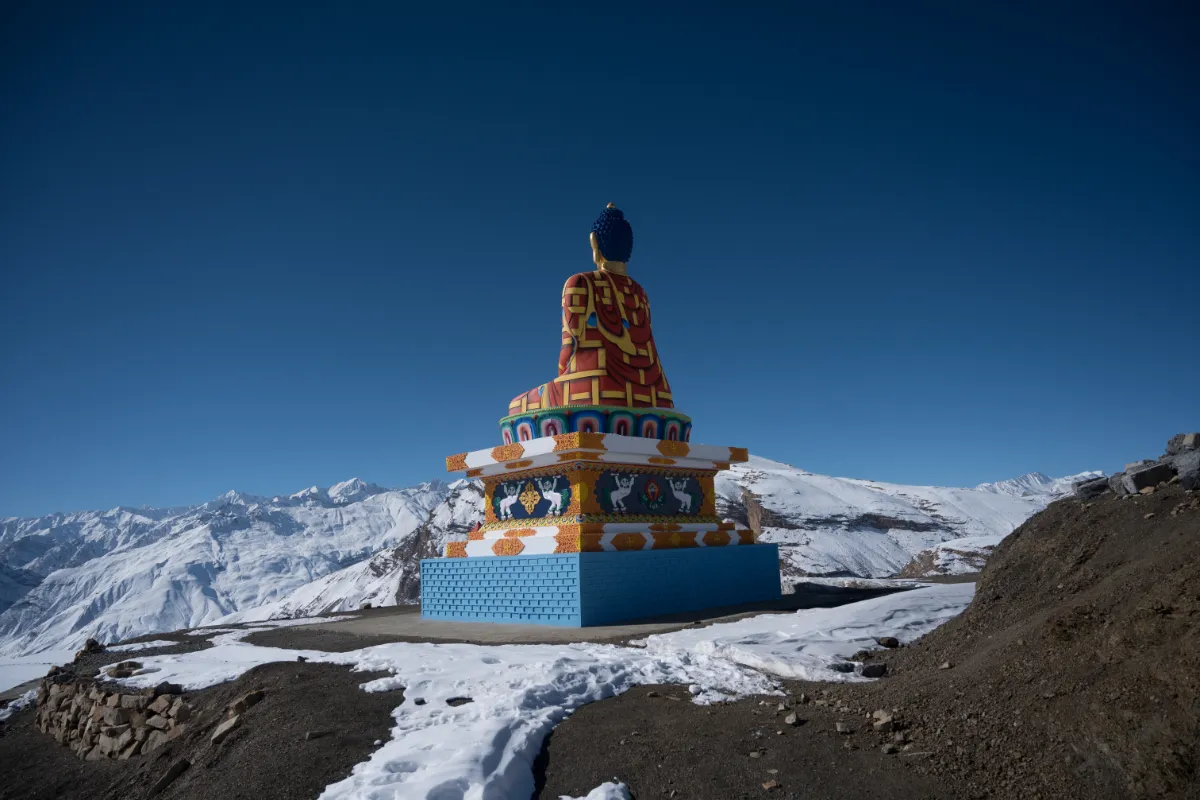
If seeing snow is your only goal, December to February is the window. But know what you are signing up for.
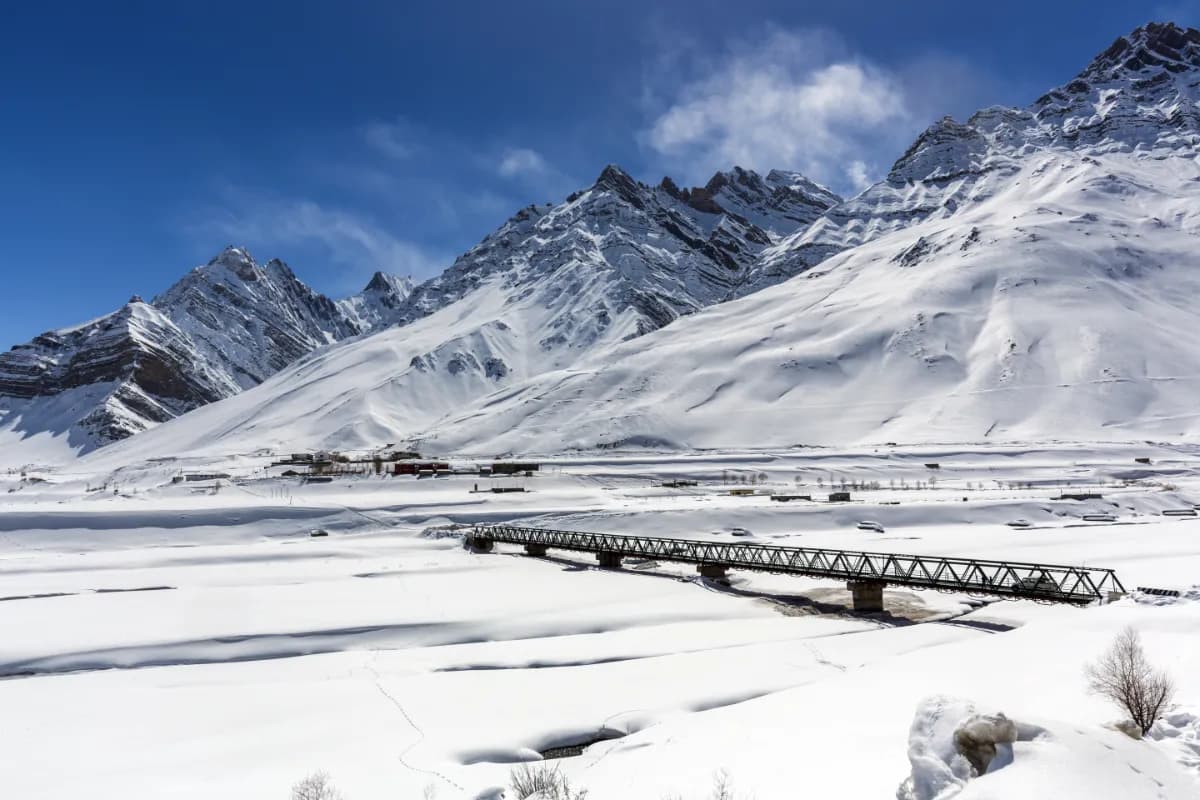
Temperatures during this period drop to minus 20 degrees Celsius or lower at night. The best time to visit Spiti Valley for snow is actually November to early December, when fresh snow is falling, but the roads have not fully closed yet. You get the white landscape, the frozen rivers, and the clear skies without being completely cut off.
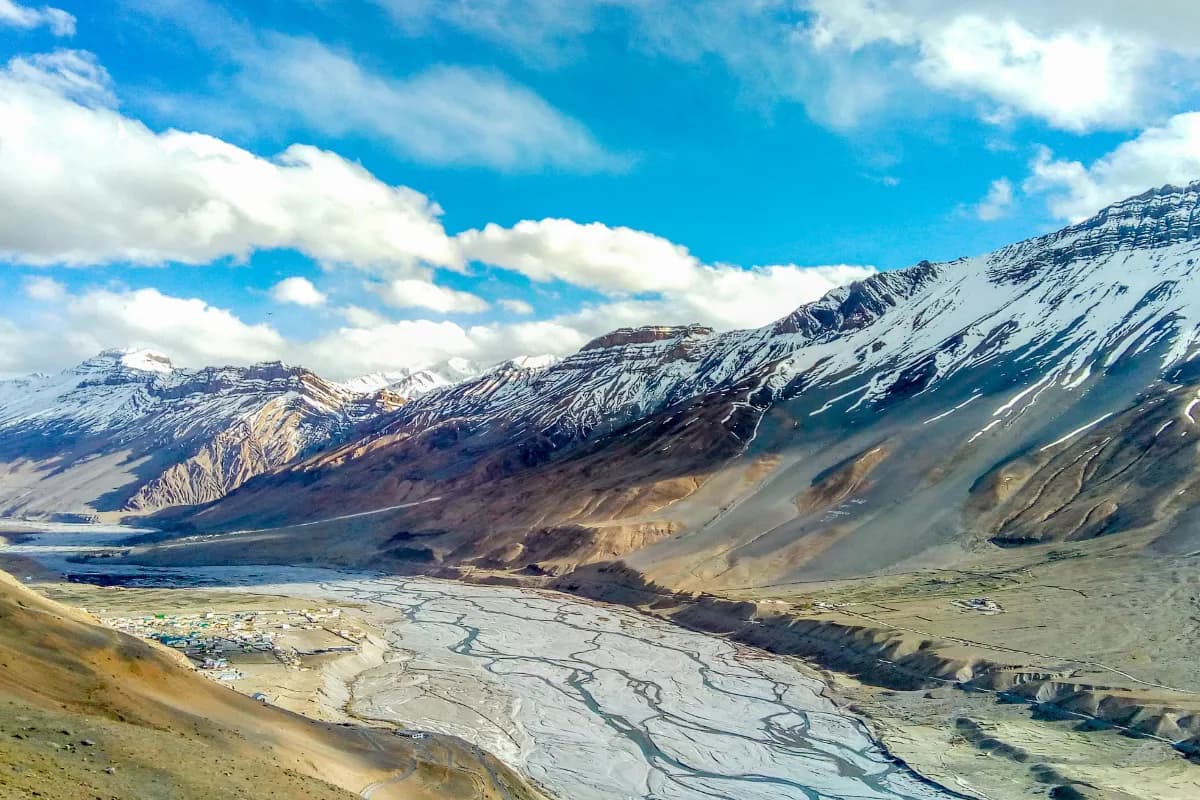
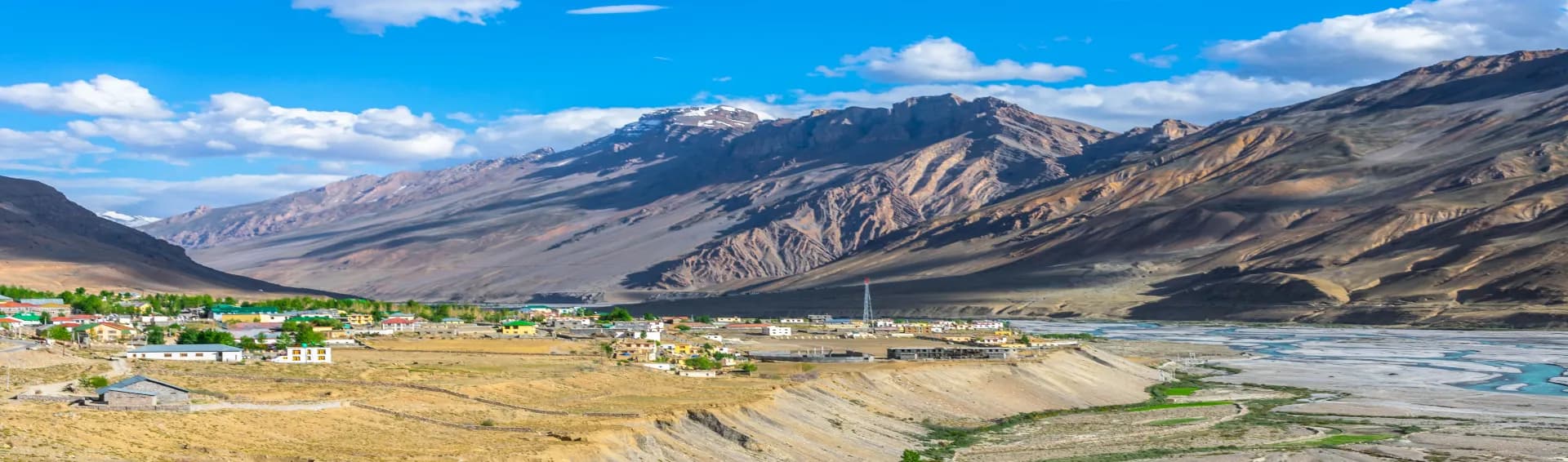
April and May are a sweet spot for a different reason. The snow is still very visible on the mountains, the valley looks stunning, and the roads are much safer. If you do not need to be there during an active snowfall, this period gives you the visual experience without the risk of getting stranded.
Here is a quick month-by-month read:
There are mainly two highways that connect Spiti Valley to the rest of India, and both behave very differently when Spiti Valley is hit by snow in the winter.
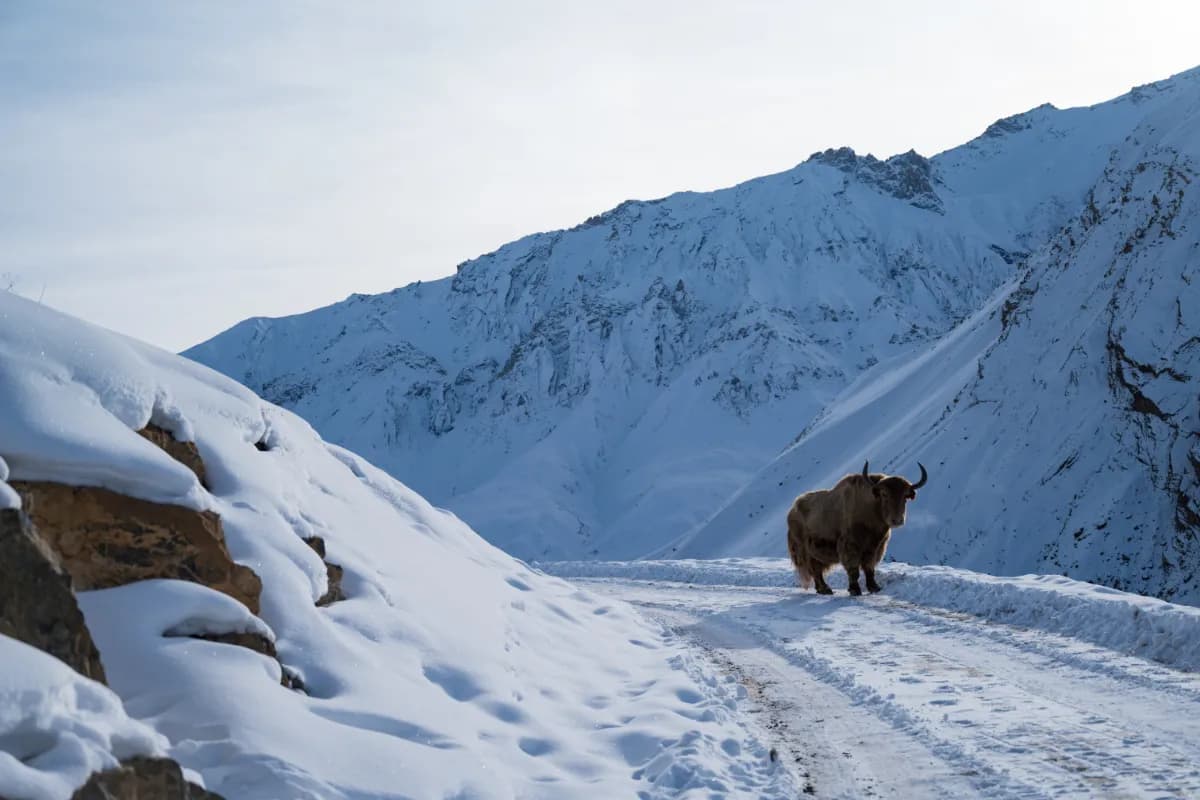
This is the route through Rohtang Pass and Kunzum Pass. It is only open from around June to October. The moment snow starts falling heavily, this highway closes. And it does not reopen until the next summer. So if you are planning to enter or exit via Manali, your window is limited.
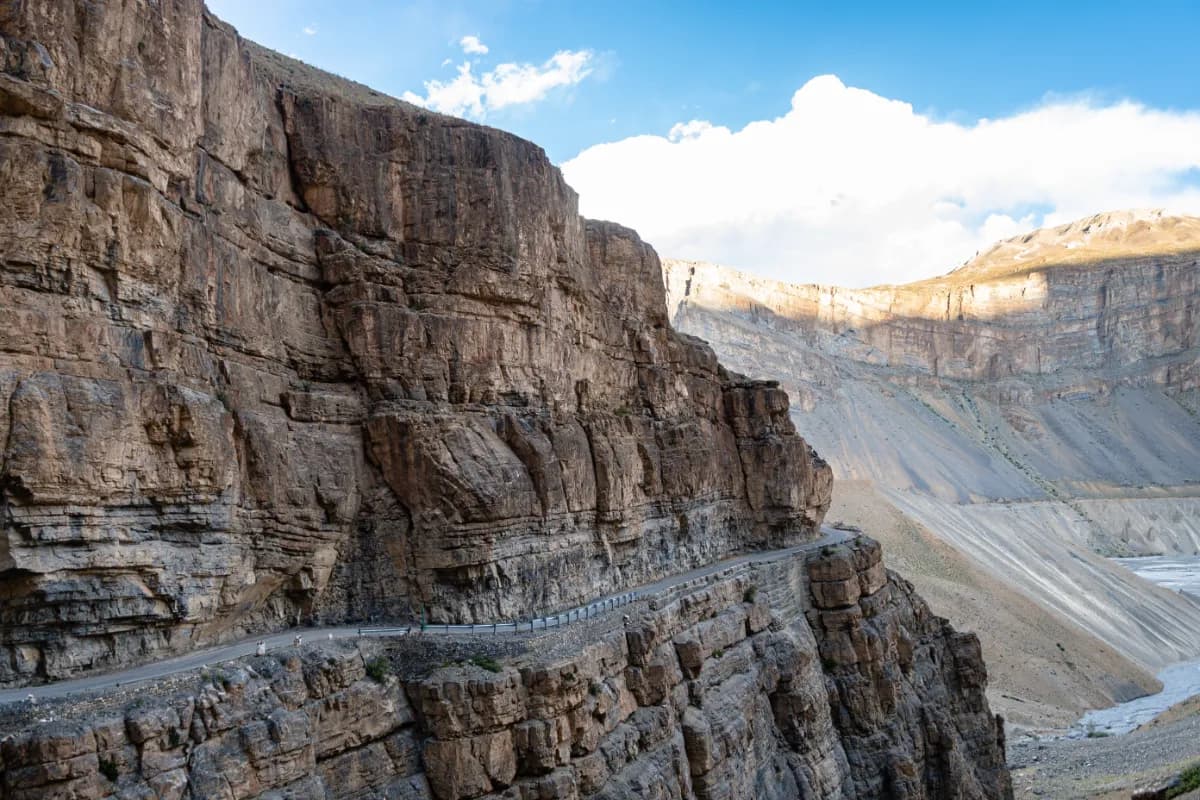
This connects Shimla to Spiti through Kinnaur. It stays open for most of the year, though road conditions get challenging in deep winter. Landslide-prone zones near the Sutlej gorge can cause temporary blocks, but it is your only lifeline once the Manali route shuts down.
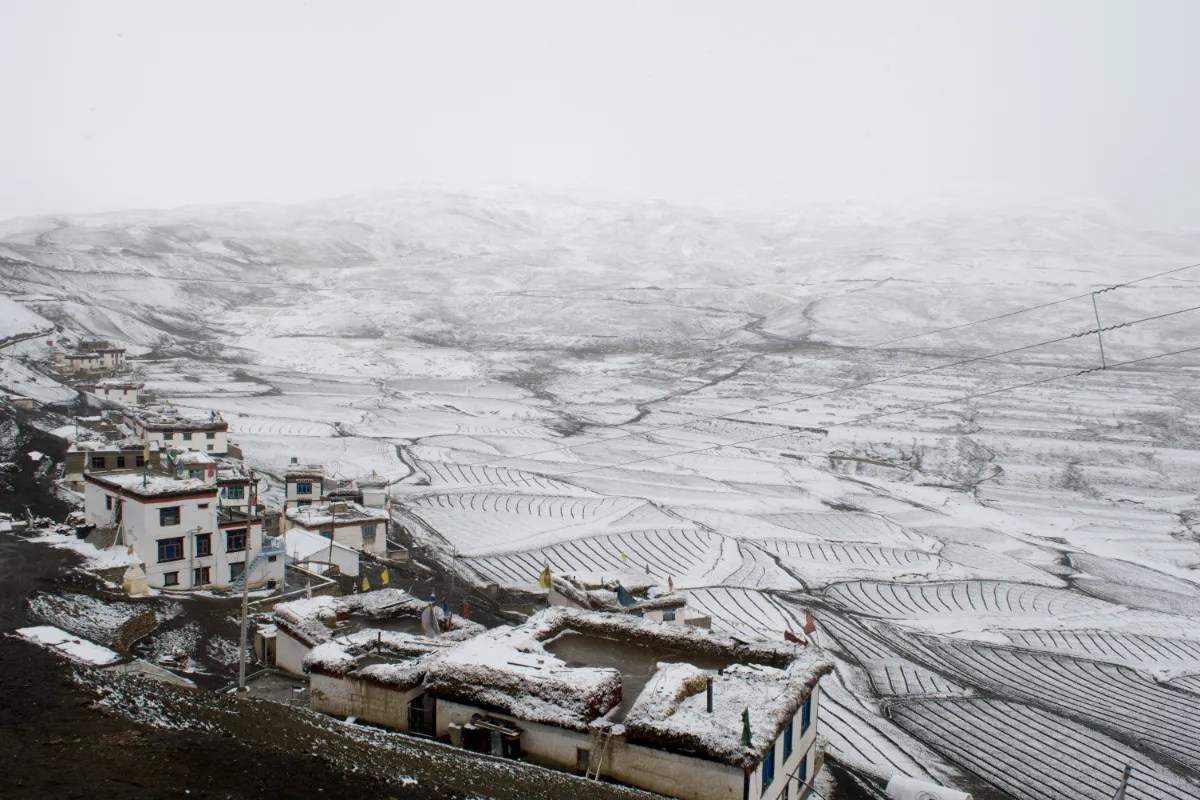
Two main routes, and the Spiti snowfall season decides which one you can actually use.
This is the route that keeps Spiti connected to the outside world in winter. It runs through Delhi or Chandigarh to Shimla, then Narkanda, Rampur, Sarahan, Sangla, and Chitkul, Kalpa, Nako, Tabo, and finally Kaza.
It is longer and more winding, but it does not shut down in winter the way the Manali route does. Road quality can be rough. Especially near the Kinnaur gorge sections. But travelers who have done it say the views of the Sutlej river canyon alone are worth the extra hours.
The path goes from Delhi or Chandigarh to Manali, through the Atal Tunnel, then Gramphoo, Batal, Kunzum Pass, Losar, and Kaza.
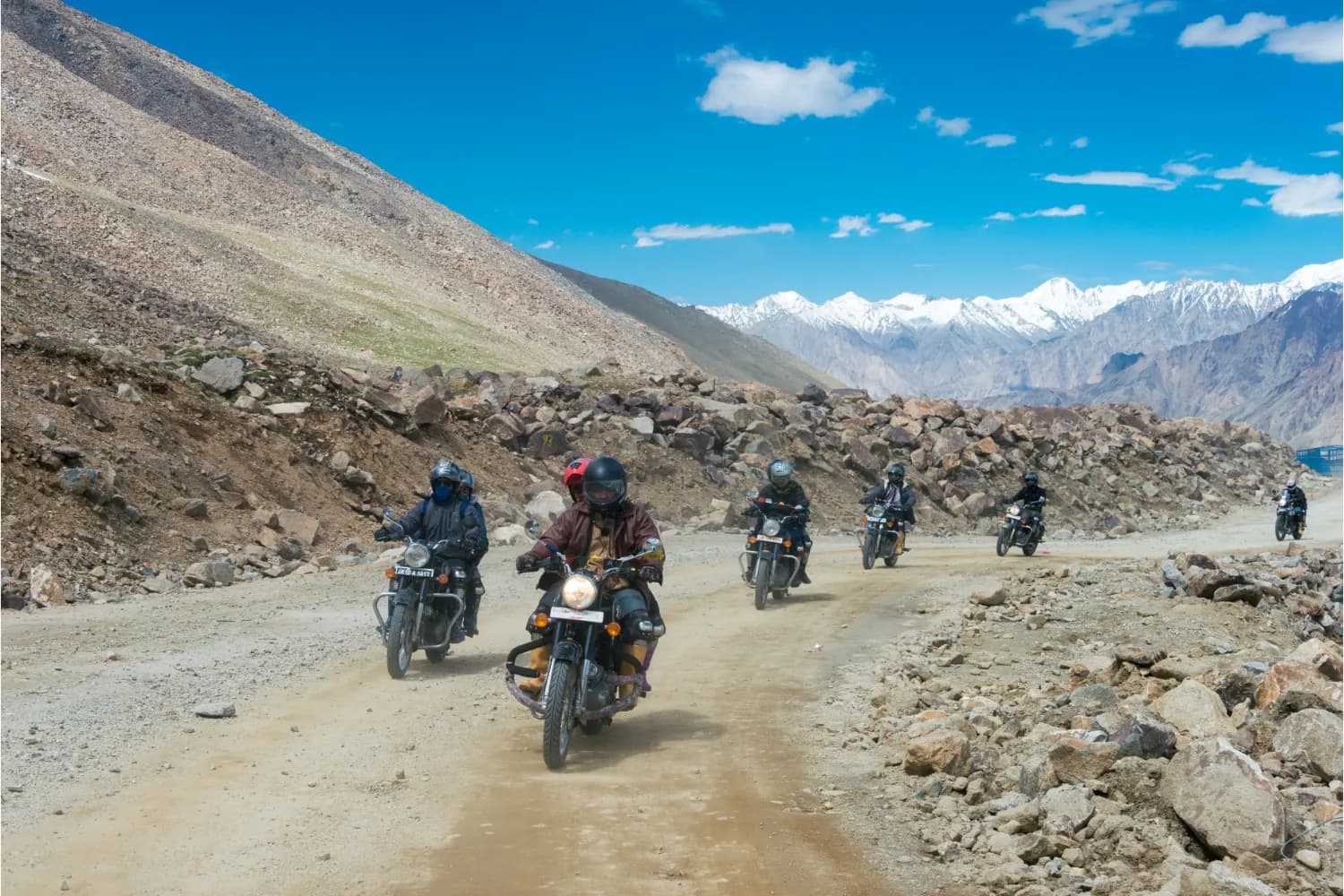
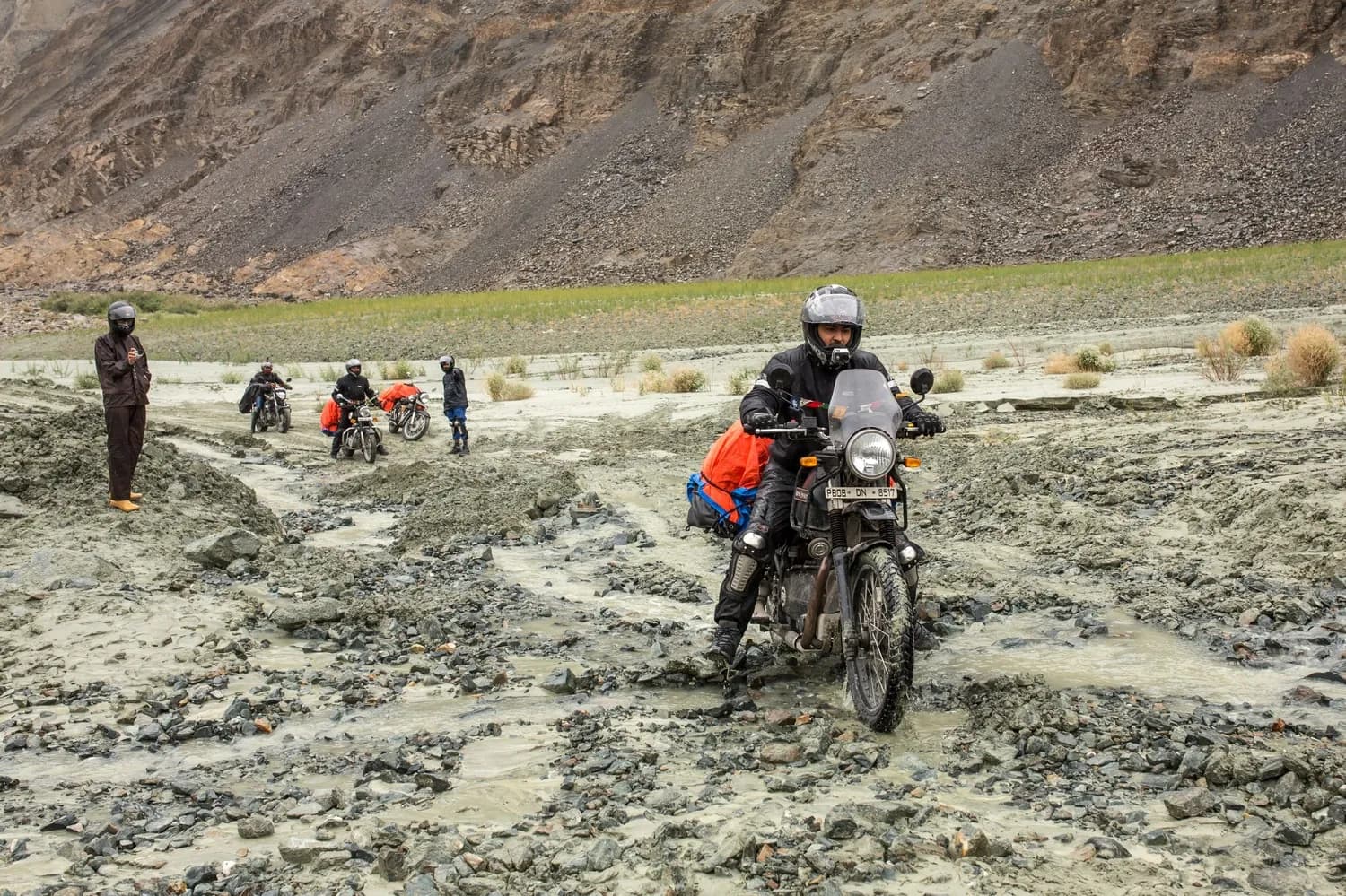
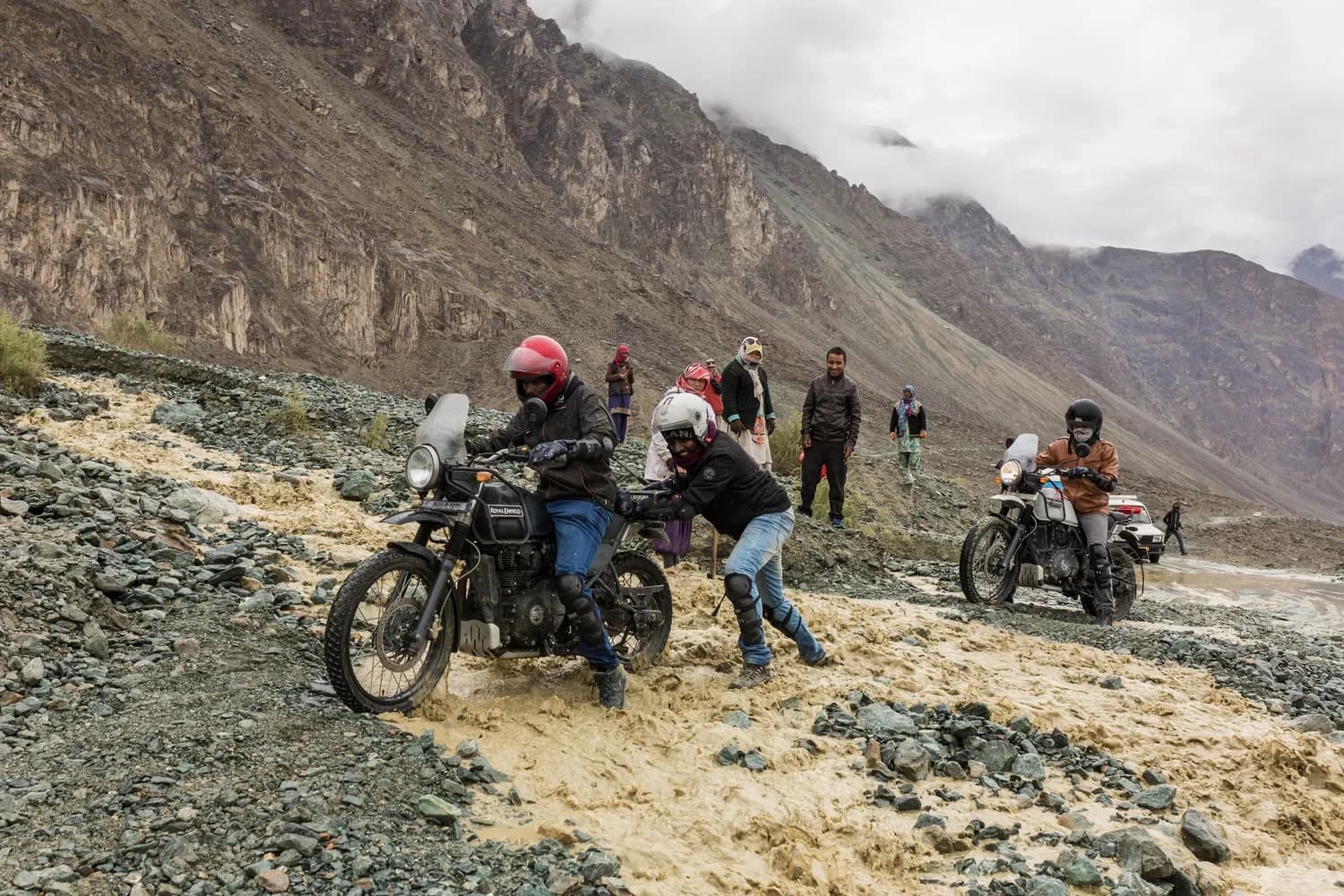
Available only from June to October. Kunzum Pass sits at around 4,590 metres, and once snow blocks it, that is it. The road closes and does not open again for months. Seeing Spiti Valley in snow sounds romantic until you realise your only exit is buried under two feet of ice. If you are chasing the adventure of biking or driving this route, plan your dates carefully. Many travelers have gotten stuck here by ignoring weather forecasts.
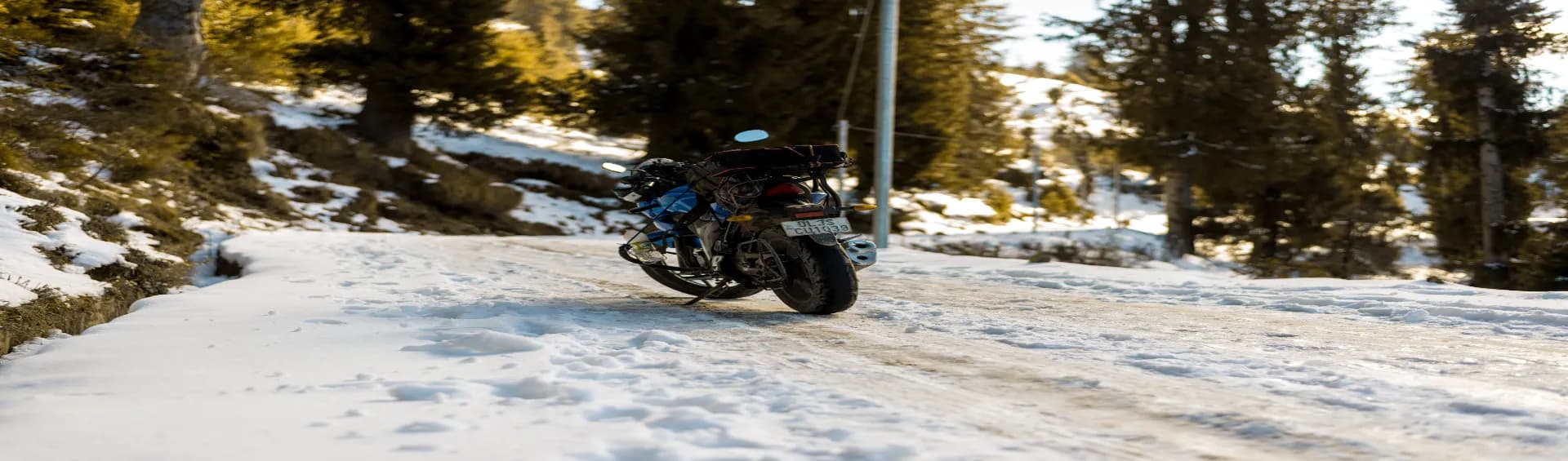
Spiti Valley snow starts arriving in late October. By November, most high-altitude areas are fully covered. The heaviest snowfall happens between December and February. If you are there in this window, carry proper gear, check road conditions daily, and never go without a local guide.
Rough, narrow, and completely dependent on the season. The Shimla-Kinnaur route is more reliable year-round. The Manali route is closed from November to May-end. Internal village roads inside Spiti can get blocked for days after heavy snowfall.
As of May 2026, the Shimla-Kinnaur route is open. The Manali-Kaza route via Kunzum Pass is in the process of opening for the summer season, usually ready by mid-June. Always confirm with the local administration or HP tourism before traveling.
From Delhi via Shimla: around 560 to 600 km to Kaza, taking 2 to 3 days of driving.
From Delhi via Manali: around 500 km, but the road quality after Manali makes it a 2-day journey minimum.
Yes, in many cases. Spiti Valley in the snow season records temperatures that rival Ladakh's coldest months. Kaza sits at around 3,800 metres, and surrounding areas like Komic and Langza go much higher. Humidity is extremely low, which makes the cold feel sharper.
Avoid going in December and January unless you have serious cold-weather experience, a well-equipped vehicle, a local guide, and no strict timeline. Being stuck in Spiti due to a sudden snowstorm with no road access and patchy mobile signals is not a fun situation.
May 23, 2026
May 23, 2026
May 23, 2026
April 27, 2026
April 27, 2026